-
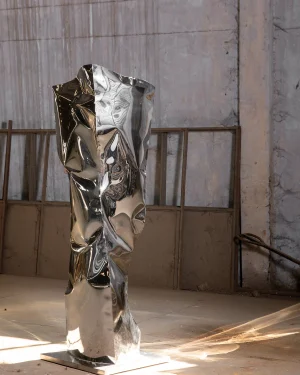
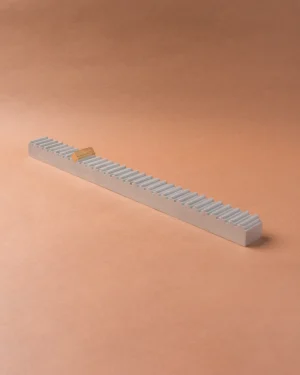
Monolith – Stainless Steel Floor Sculpture
By Nitush and Aroosh
€7.150 -
 In stock
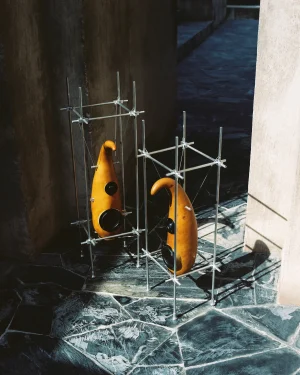
Arch Aluminum Calendar
By Boo Design Studio
€172 -
 In stock
Wua-g I Speakers
By POL AGUSTI
€7.400 -
 In stock
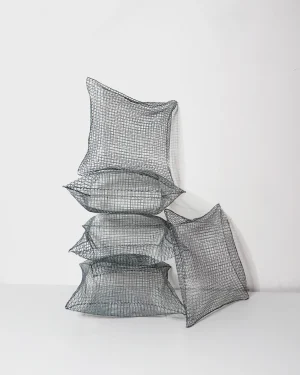
50 Aluminium Edition Magazine Holder
By Malvin Gaborit
€3.125 -
 In stock
Softcore Pillow
By Deon Rubi
€500 -
 Sold
SoldArtefacto Bronce Ls 01 – Lost-wax Casted Bronze Sculpture
By LØRDAG & SØNDAG
€1.355 -
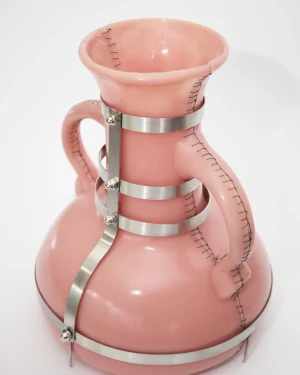
Soft Vase Sculptural Vessel
By Panorammma Atelier
€5.800 -
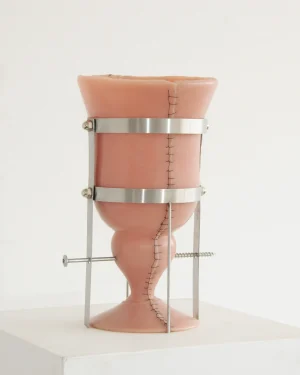
Soft Goblet Sculptural Vessel
By Panorammma Atelier
€4.800 -
 In stock
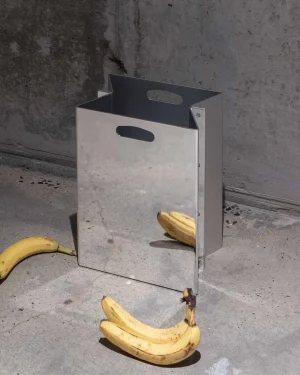
Bucket – Aluminum Storage Container
By andykim.global
€1.500 -
 In stock
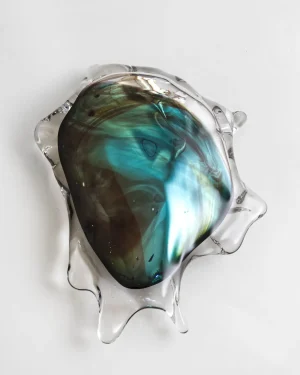
Persona Mirror Sculpture – Multicolour
By MILA ZILA
€1.150 -
 In stock
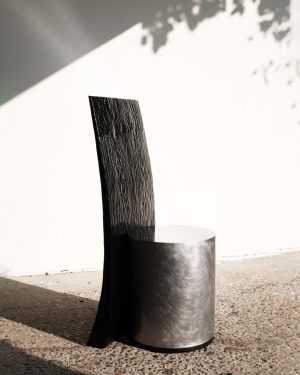
Yunseul Series – Stroke Sculpture No. 02
By Woohyun Han
€2.800 -
 In stock
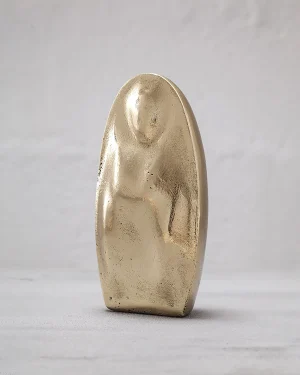
Valdivia Virgin Sculpture In Casted Bronze
By ANDEAN
€514 -

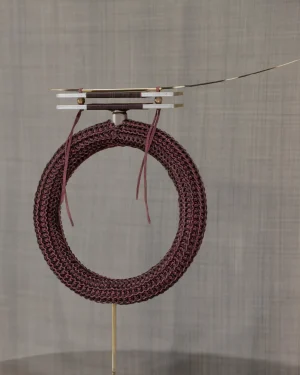
Pecan – Wood / Steel Sculptural Shelf
By SALAK Studio
€3.000 -
 In stock
Amphora Sculpture
By Atelier Nuanda
€1.270 -
 In stock
The Eye Of Industrial Love Sculpture
By Ceramic Sculptor Stella Arion
€1.600 -
 In stock
Mosaic Umbrella Sculpture
By Undress House
€6.800 -
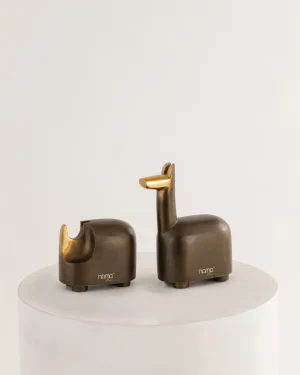
Zoo – Cast Aluminum Animal Sculpture Set
By Nama Home
€730 -
 In stock
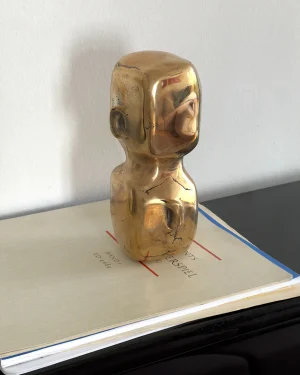
Heads — Cast Bronze Sculpture
By Lucas Gutierrez Studio
€7.500 -
 In stock
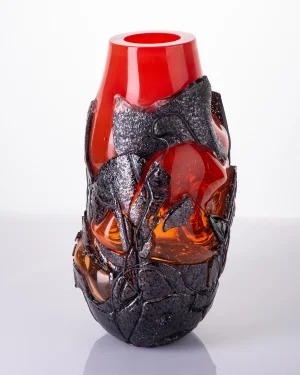
Lava Glass Vase Red
By Anna Jožová
€1.350 -
 In stock
Held Breath, Heavy Ground Sculpture
By Ceramic Sculptor Stella Arion
€3.700 -
 In stock
The Subcurrent Sculpture
By Ceramic Sculptor Stella Arion
€3.300 -
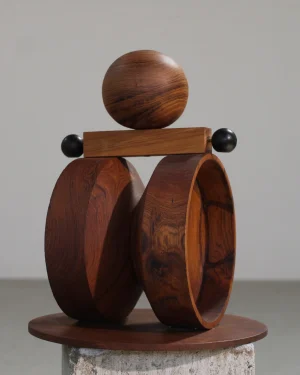
Shibui Wooden Sculpture
By WANNAS
€650 - €740 This product has multiple variants. The options may be chosen on the product page -

Line Of Memories Sculpture
By WANNAS
€16.200 -
 In stock
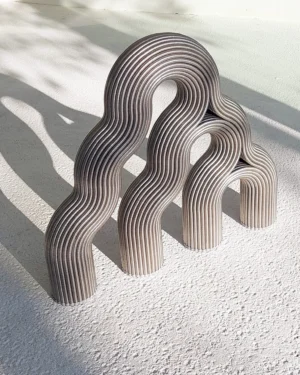
“flux” Sculpture
By JAN PAUL
€4.975 -
 In stock
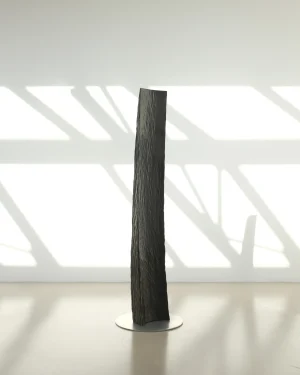
Yunseul Series – Stroke Sculpture
By Woohyun Han
Price Upon Request -
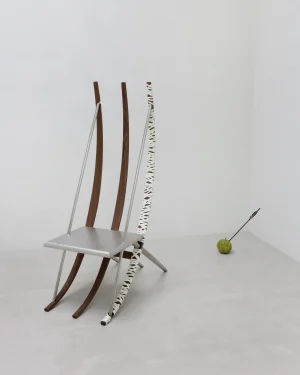
Bow Chair
By Undress House
Price Upon Request -
 In stock
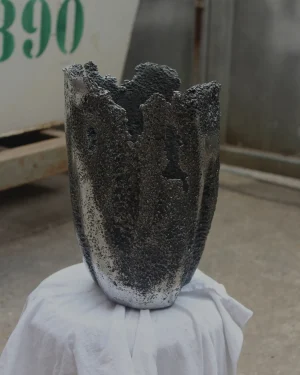
Melancholy Vessel 10
By Saturday Yard Work
Price Upon Request -
 Sold
SoldWall Sculpture N°1
By Dzovag Kotchian
€2.200 -
 In stock
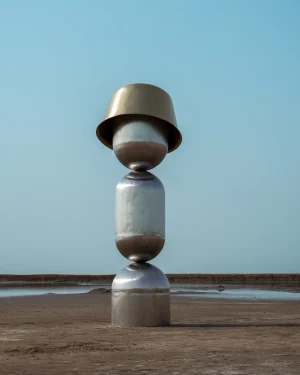
Meiso – Floor Sculpture
By WANNAS
Price Upon Request -
 In stock
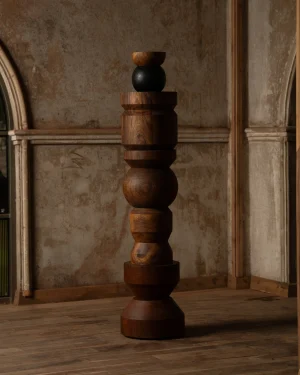
Recreational Verb – Wooden Floor Sculpture
By WANNAS
Price Upon Request -
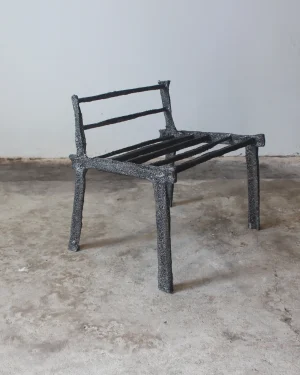
Melancholy Chair – Aluminium
By Saturday Yard Work
Price Upon Request -
 In stock
THE SHAPE OF WATER
By Dace Sūna
Price Upon Request
Metal sculptures carry a different kind of presence than wood or clay: they hold an edge, catch light along a seam, and keep their form under their own weight. The studios working in this material use metalwork, welding and casting to turn sheet, bar and cast stock into standing or wall-mounted forms, often finished in black, matte, silver or chrome. Some pieces are hand-finished one at a time, others produced in small or open runs, but all depend on how the metal is worked as much as on the shape itself.
What defines metal sculptures
Steel, stainless steel and aluminum each behave differently under a torch or a press. Steel takes a patina or a powder coat and reads heavy even in small sizes; stainless steel and chrome stay bright and reflective, picking up the color of whatever surrounds them; aluminum is lighter in hand, which lets a studio build taller or more open forms without added bulk.
Finish does much of the work here. A matte black surface absorbs light and reads as mass, a polished silver or chrome one breaks it into reflections, and a raw or oxidized surface shows the marks of the welding or grinding that made it. None of these finishes is more correct than another; each changes how the same silhouette sits in a room.
The range of metal sculptures on ADORNO
Within the broader sculpture collection, metal sits alongside ceramic, cast glass and carved wood, but it is handled on its own terms: cut, bent, welded or cast rather than built up or fired. On ADORNO you will find it across contemporary, brutalist, minimalist and radical styles, in finishes from matte black to polished silver, and in editions that range from unique, one-off pieces to open runs. For a closer look at tone and surface, the black sculptures group shows how far a single finish can shift the mood of a form, while unique sculptures gathers the pieces made as one-offs rather than in a run. Anyone drawn to a particular period of design can start with the contemporary sculptures grouped by style, or step back to see every piece worked in this material on the metals material page.
How to choose a metal sculpture
Scale decides whether a piece anchors a room or disappears into it. A tall, narrow form can stand in a corner or beside a doorway without crowding the space, while a low, wide one asks for a console, plinth or the floor itself, with room to walk around it.
Height and sightline matter as much as footprint. A piece meant for a console or shelf should sit at a height that meets the eye when seated or standing nearby, not above or below it, and a floor piece should be judged from across the room, not up close.
Finish should answer the light in the room as much as the other objects in it. Polished chrome and stainless steel pick up window light and nearby colors, so they read differently in a bright room than a shaded one; matte and black finishes stay constant regardless of light, which makes them easier to place with confidence.
- For a small shelf or console: a compact, lower-weight aluminum piece
- For a floor or plinth: a heavier steel or cast form with a wide base
- For a bright room: a matte or black finish rather than a highly reflective one
Where metal sculptures sit well
Metal sculptures hold their own in living rooms and entryways, where a single standing or tabletop piece can set the tone for the rest of the space. In a study or office, a smaller form on a desk or shelf works as a point of focus without competing with books or papers.
In dining rooms, a metal piece set on a sideboard or console reads differently depending on finish, warming under low evening light if it is matte, sharpening it if polished. Outdoor or covered spaces suit weather-resistant stainless steel or coated aluminum forms, which hold up to damp air better than untreated steel.
Caring for metal sculptures
Dust with a dry or barely damp cloth; grit left on a polished or chrome surface can scratch it over time. Avoid household cleaners with ammonia or bleach on raw or patinated steel, since they can strip or discolor the surface unevenly.
Untreated steel left in a humid bathroom or near an open window will develop rust rather than an even patina, so keep such pieces in dry, indoor rooms unless the finish is specifically treated for outdoor use. For related objects in the same material, the metal decor and metal furniture groupings show how the same finishes and techniques carry into other kinds of pieces.
How do I choose a metal sculpture?
Consider the finish and form against the room's light, since polished surfaces reflect while matte or patinated ones absorb. Weight and base width matter too, as a stable footprint keeps a piece secure on a shelf or floor.
How do you care for a metal sculpture?
Dust with a dry or slightly damp cloth, and keep raw steel or iron away from damp rooms to avoid rust. Lacquered, chromed or stainless finishes need only occasional wiping to keep their sheen.
What size metal sculpture should I get?
Tabletop pieces generally sit under 40 centimeters tall, while floor sculptures run taller and need clearance on all sides. Check the piece's page or chat with the maker to confirm exact dimensions.
Which rooms suit a metal sculpture?
Metal holds its form and catches light, so these pieces work equally well on an entryway console, a living room shelf, or a desk. Heavier, floor-standing works suit open corners or hallways with room to walk around them.
Does ADORNO offer custom metal sculptures?
Some studios take custom commissions in metal, though this varies by maker. Chat with the maker on the piece's page to ask about custom sizing or finishes.
What about shipping, returns and authenticity?
Shipping is insured and worldwide. Returns are accepted within 14 days, except on made-to-order pieces, and each sculpture arrives with a certificate of authenticity.