-
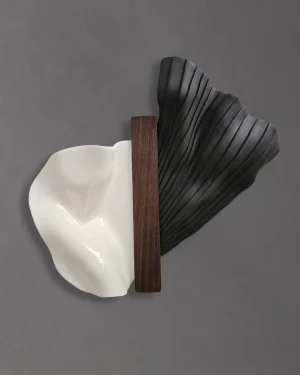
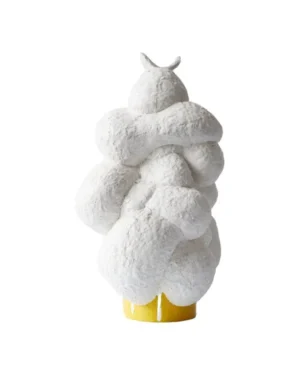
Abundance – Ceramic Wall Sculpture
By Studio Ēeme
€1.135 -
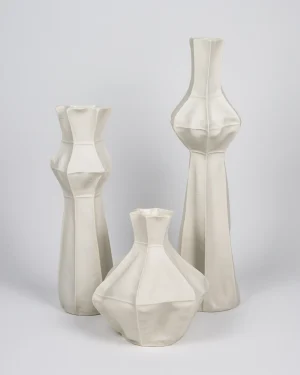
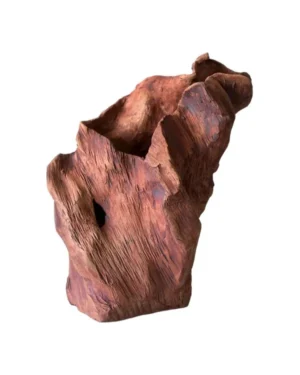
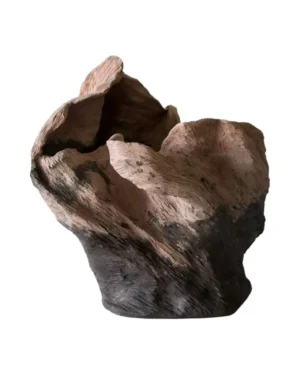
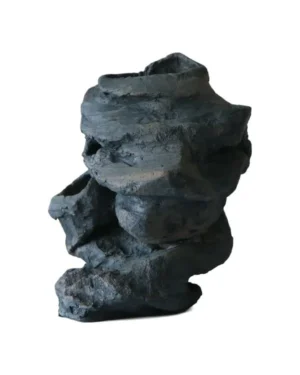
Set No. 1 Of 3 Kawa Vases – Organic Leather-cast Ceramics
By Luft Tanaka Studio
€2.550 -
10% off

Abundance Wall Sculpture | Toffee · Unique Piece ·
By Studio Ēeme
€3.565€3.209 -
 In stock
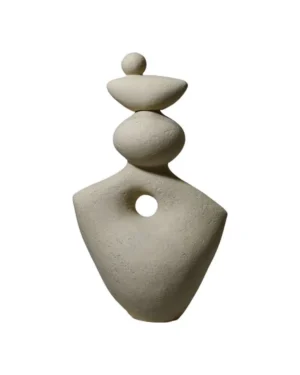
Into The Void – Porcelain Sculpture
By Liquid Void Studio
€700 -
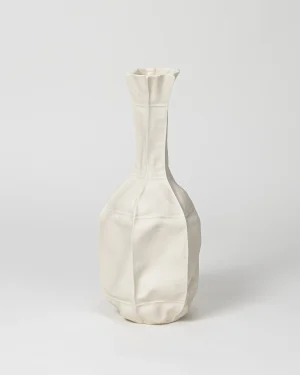
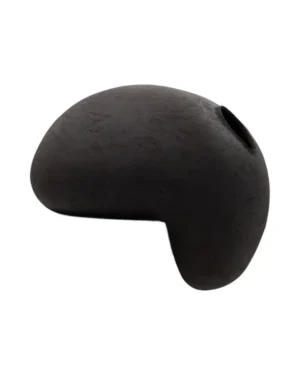
Organic White Ceramic Kawa Vase #12
By Luft Tanaka Studio
€1.075 -
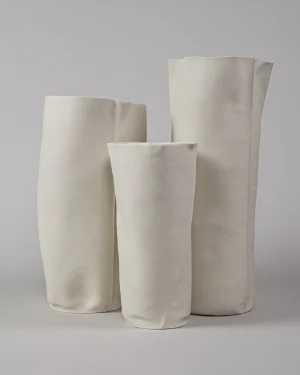
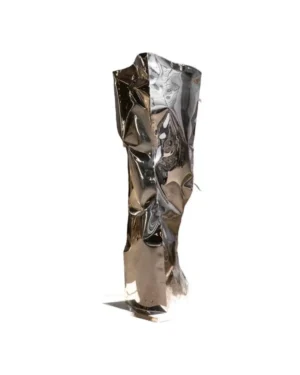
Set No. 2 Of 3 Kawa Vessels – Organic Leather-Cast Ceramics
By Luft Tanaka Studio
€1.940 -
 In stock
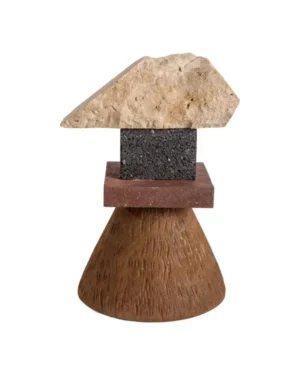
Metaxy “lofty” Vase
By Layered Ceramics Studio
€976 -
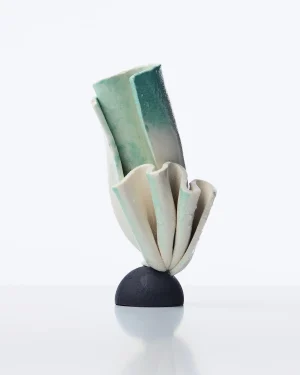
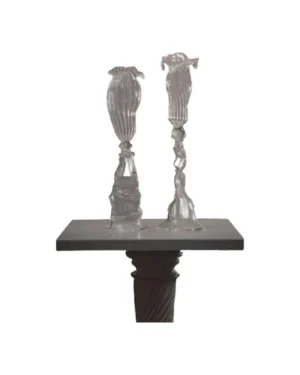
From Fragility To Stability – Sculpture_06
By C E R A M I C 4 7
€350 -
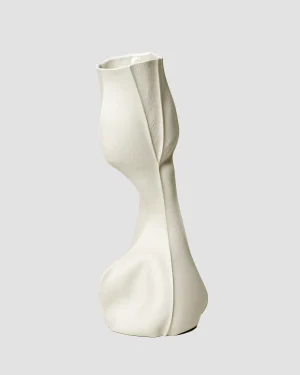
Organic White Ceramic Kawa Vase #20
By Luft Tanaka Studio
€1.050 -
 In stock
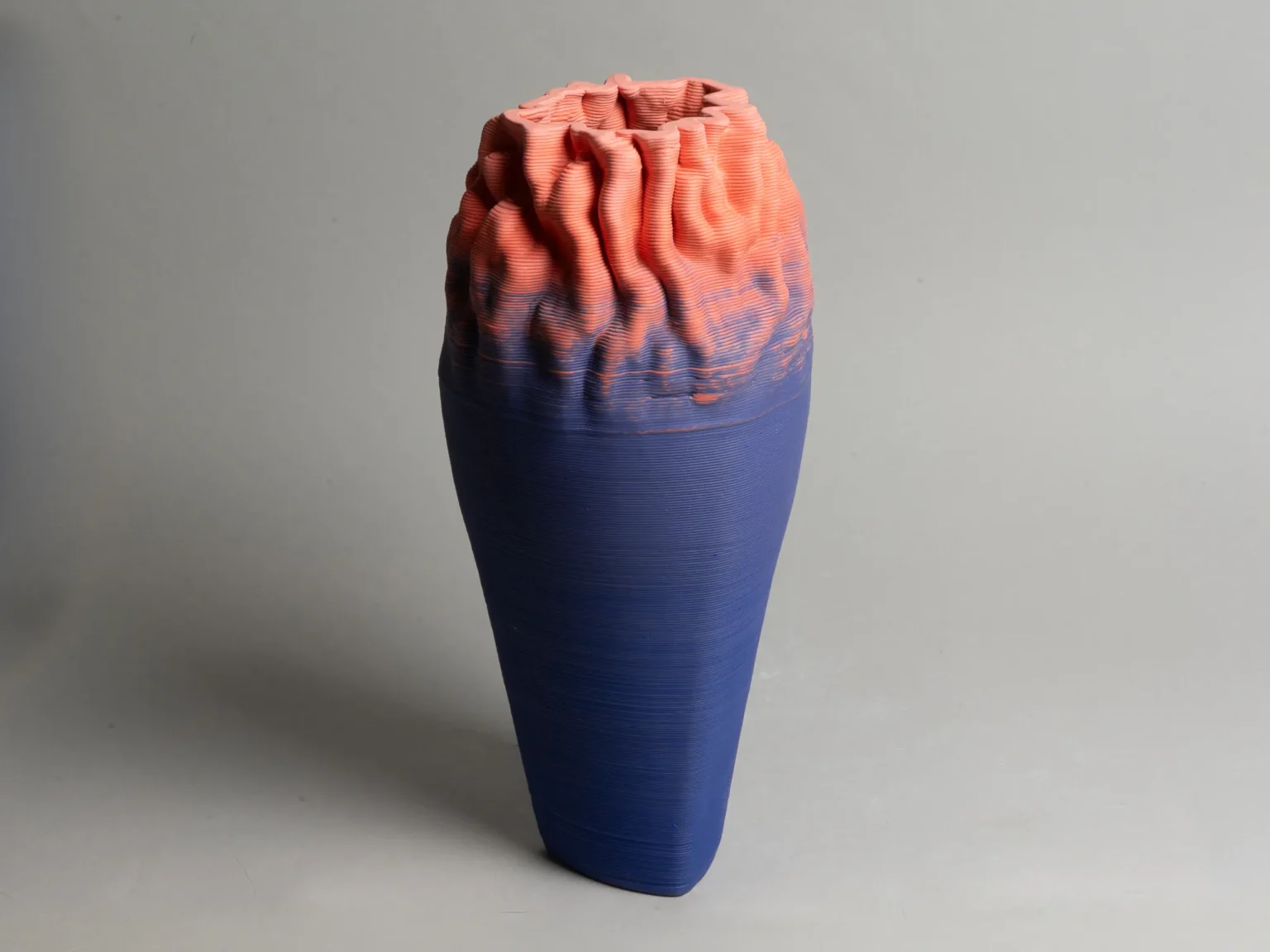
Metaxy “snappy” Vase
By Layered Ceramics Studio
€876 -
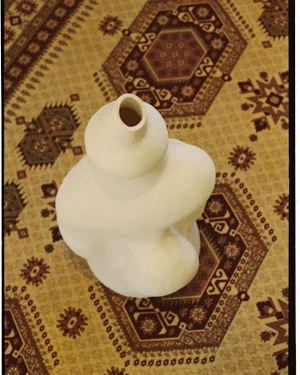 Sold
SoldRaya – Handmade Porcelain Sculpture
By LYT Studio
€580 -
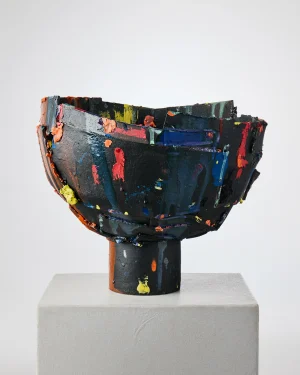 Sold
SoldHoop Vase – Black Clay Stoneware
By C E R A M I C 4 7
€1.200 -
 Sold
SoldNo Loose Ends – Ceramic Sculpture
By Not Yet Ceramics
€800 -
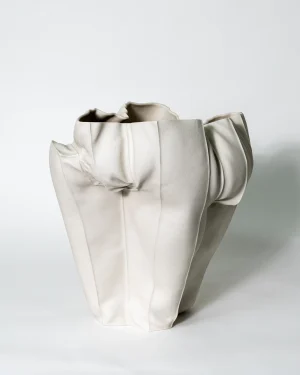
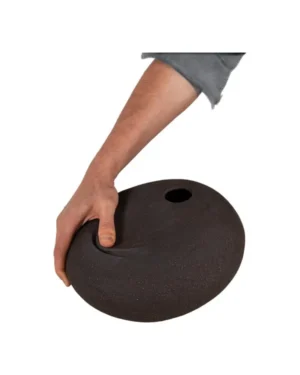
Kawa Organic Large Ceramic Vessel
By Luft Tanaka Studio
Price Upon Request
Porcelain sculptures bring the same material once reserved for royal tableware into the realm of pure form, no plate or cup to justify the shape. Independent studios work the clay in thin walls and dense masses alike, firing it to a hardness that holds fine edges and crisp detail. What defines the material here is its translucency at the edges, its glaze response, and the way it records a maker's hand even after the kiln.
What defines porcelain as a sculptural material
Porcelain starts as a fine white clay body, often kaolin-based, that shrinks and vitrifies under high heat into a dense, stone-like mass. It can be pushed into sharp planes or left soft and rounded, and it takes pigment and glaze more evenly than coarser clays. This is why porcelain sculptures often read as cleaner or more controlled than their stoneware counterparts, even when the forms themselves are loose or gestural.
The same qualities that make porcelain demanding to fire, its tendency to warp, crack, or slump, are what give finished pieces their particular tension. A thin wall that survives the kiln carries a kind of structural confidence that heavier materials do not need to prove.
Finishes, colors, and techniques found among these pieces
Studios working in porcelain draw on a range of related materials and surfaces, and the pieces found here shift as new work enters. Expect to see the following recur, in different combinations:
- Bodies in white, off-white, or cream, sometimes paired with black or stoneware for contrast
- Glazed and unglazed surfaces side by side on the same form
- Hand-building and slip casting as the two main ways of shaping the clay
- Unique pieces alongside open editions, depending on how a studio chooses to work
- Palettes that stretch into yellow, aquamarine, or caramel where glaze chemistry allows it
Stylistically, the range runs from quiet minimalist forms to eclectic, almost maximalist assemblies, with wabi-sabi surfaces, Art Deco silhouettes, and contemporary abstraction all represented. Nothing about porcelain restricts a studio to one language; the clay simply holds whatever language they choose with unusual precision.
How to choose a porcelain sculpture
Scale matters more with porcelain than with heavier stone or metal pieces, since a small form can still carry visual weight through its glaze or silhouette. Look at how the piece will sit, whether on a plinth, a shelf, or a low table, and measure the clearance above and around it so the form has room to read as a shape rather than clutter.
Finish is the other deciding factor. A matte, unglazed body absorbs light and suits a room that already has warmth and texture; a glossy glaze throws light back and can anchor a plainer, paler room. Where a piece is a unique work rather than an open edition, expect small variations in surface and form from one to the next, which is part of what porcelain hand-building produces.
Where porcelain sculptures sit well in a room
These pieces suit console tables, mantels, bookshelves, and dining tables equally, since porcelain reflects light in a way that reads clearly from a distance but rewards close inspection too. In a living room, a single sculpture on an otherwise bare surface tends to carry more presence than several smaller objects grouped together. In a bedroom or hallway, porcelain's pale tones work as a counterpoint to darker wood furniture.
Caring for porcelain
Porcelain is hard but not forgiving of impact; a drop onto stone or tile will chip or shatter it where a fall onto carpet might not. Dust with a soft, dry cloth, and avoid abrasive cleaners on unglazed areas, since they can dull the surface permanently. Glazed sections can be wiped with a barely damp cloth, but standing water or prolonged damp should be avoided, particularly where a piece has exposed, unglazed clay at its base.
For the wider range of forms this material appears in in a room, see all sculptures or every porcelain piece across the site. Related bodies of work include ceramic sculptures and stoneware sculptures, while one-off forms are gathered under unique sculptures. For objects beyond sculpture in the same material, see porcelain decor.
How do I choose a porcelain sculpture?
Look at the form first and how it catches light, since porcelain reflects differently than stoneware or clay. Consider the surface, glazed or matte, and whether it should draw attention or sit quietly within a grouping.
How do you clean and care for porcelain sculptures?
Dust with a soft, dry cloth and avoid abrasive cleaners, which can dull a glaze or scratch bare porcelain. Keep pieces away from direct sun and sudden temperature changes, which stress the fired body over time.
What size porcelain sculpture should I buy?
Smaller forms suit shelves, console tables, or desks, while taller pieces anchor a console or sideboard on their own. Check each listing's dimensions, since porcelain sculptures range widely in scale.
Which rooms suit porcelain sculptures?
Living rooms and entryways carry them well, where the light changes through the day and shows off glaze and form. They also hold their own on a bedroom dresser or within a quiet study.
Are porcelain sculptures fragile or hard to maintain?
Fired porcelain is dense and durable, though it can chip if knocked against a hard edge. Handle with care when moving or cleaning, and keep away from high-traffic spots where it could be bumped.
How does buying a porcelain sculpture from ADORNO work?
Shipping is insured and worldwide, with a 14-day return policy, though made-to-order pieces are excluded. Every piece comes with a certificate of authenticity, backed by a lowest-price guarantee.