




-
 In stock
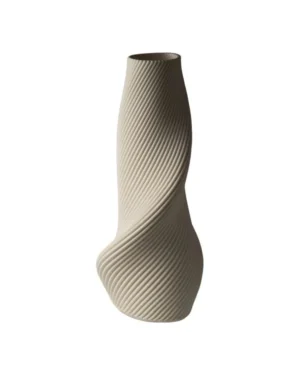
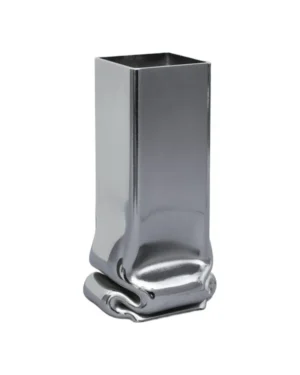
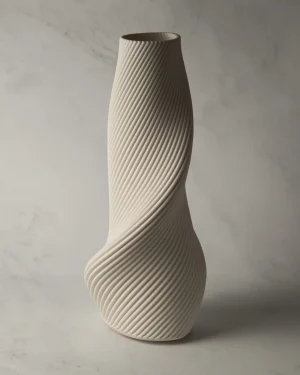
Tornado – 0 0 0 1 – Ceramic Vase 3d Printed
By Yiannis Vogdanis
€420 -
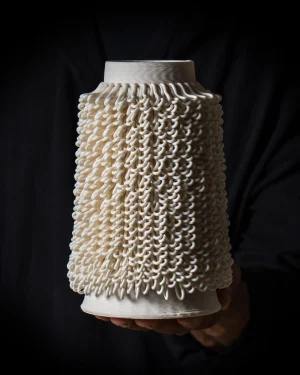
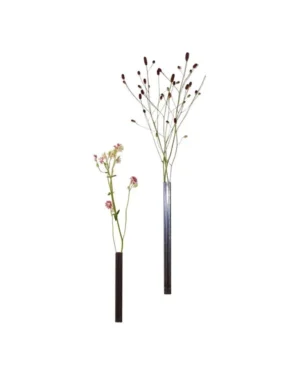
Dash – 0 1 1 1 – Ceramic Vase 3d Printed
By Yiannis Vogdanis
€280 -
 In stock
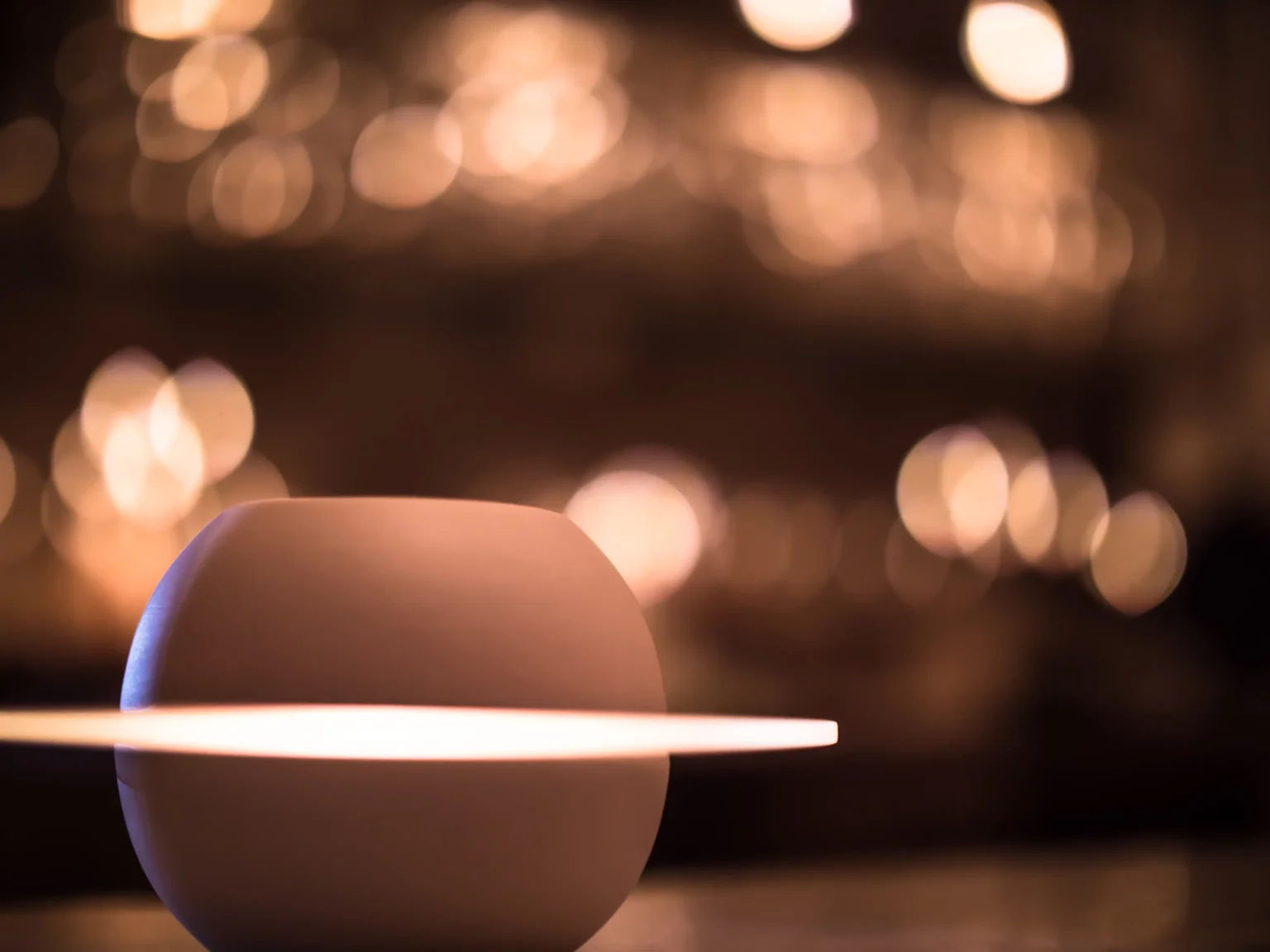
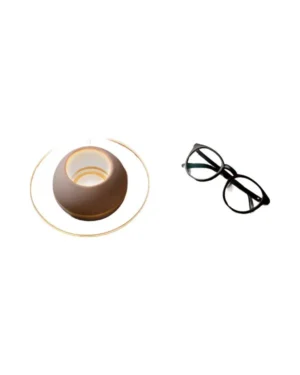
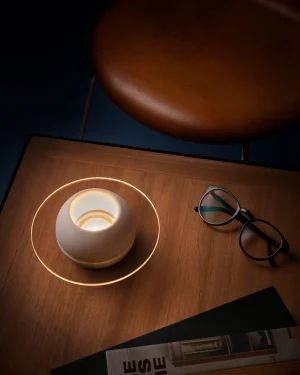
Sfär – Glass & Porcelain Tealight Candle Holder
By Jochen Lavéno Mangelsdorff Studio & Objects
€160 This product has multiple variants. The options may be chosen on the product page -
 In stock
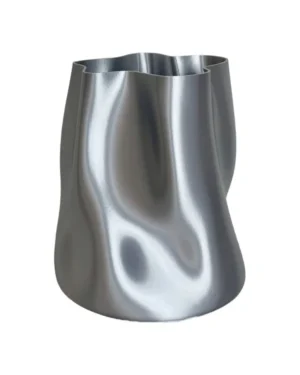
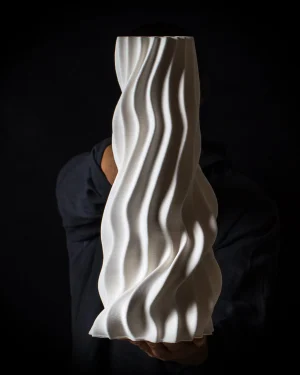
Tornado – 0 0 1 1 – Ceramic Vase 3d Printed
By Yiannis Vogdanis
€600 -
 In stock
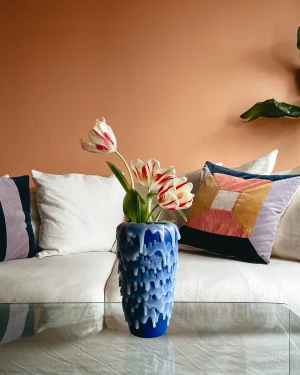
Melted Porcelain Vase V.7
By John Nordenstein
€440 -
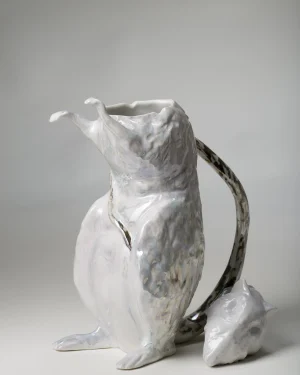 In stock
The Rat Porcelain Vase
By Volokhova Porcelain
€460 -
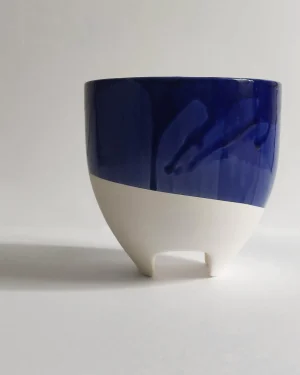 In stock
Geta – Porcelain Pot
By Clemence Birot
€110 -

Round We Go – Porcelain Vase Small
By Liquid Void Studio
€45 -
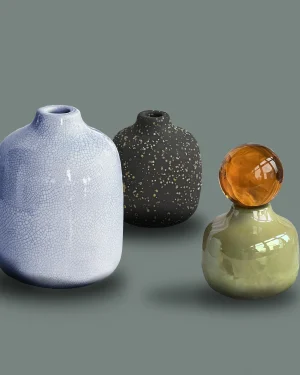
Set 1 With 3 Medium-sized Viie Vases 2.0
By STUDIO BERG
€157 -
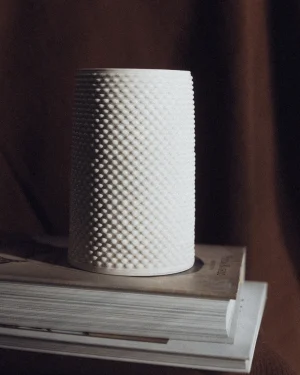 In stock
Knit – 3d Printed Porcelain Vase
By LYT Studio
€135 -
 In stock
Twiggy Vase
By Volokhova Porcelain
€140 -
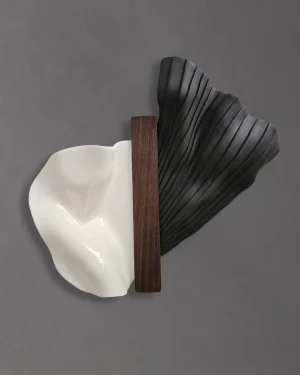
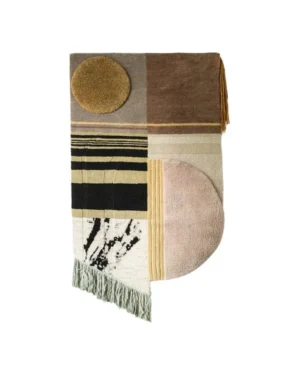
Abundance – Ceramic Wall Sculpture
By Studio Ēeme
€1.135 -
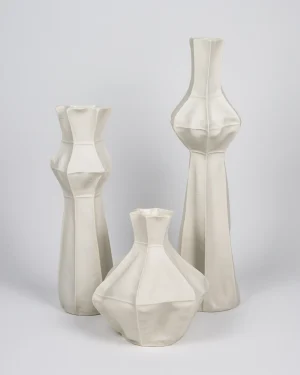
Set No. 1 Of 3 Kawa Vases – Organic Leather-cast Ceramics
By Luft Tanaka Studio
€2.550 -
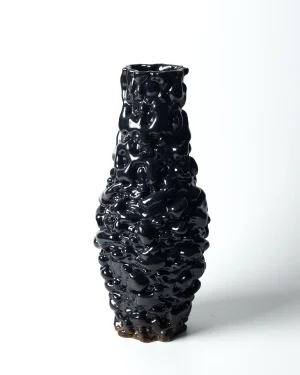 In stock
Coral – Glazed Black Porcelain Vase
By Yiannis Vogdanis
€420 -
10% off
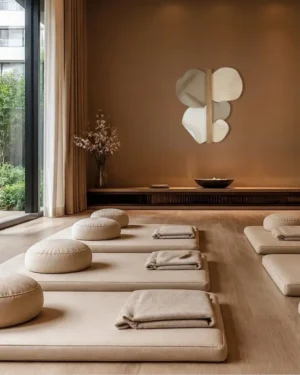
Abundance Wall Sculpture | Toffee · Unique Piece ·
By Studio Ēeme
€3.565€3.209 -
 In stock
Jupiter – Porcelain Vase
By Liquid Void Studio
€125 -
 In stock
Saturn – Porcelain Vase
By Liquid Void Studio
€125 -
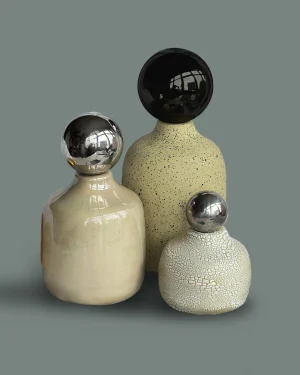
Set no. 2 With 3 Medium-sized VIIE Vases 2.0
By STUDIO BERG
€150 -
 In stock
Josephine Vase
By Volokhova Porcelain
€179 -
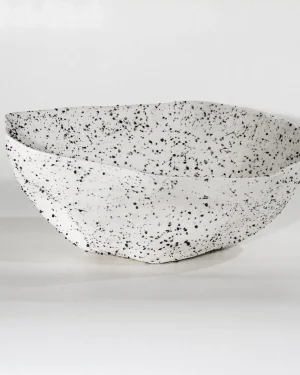 In stock
Telluride – Stracciatella Big Bowl
By Tellurico Design Studio
€2.800 -
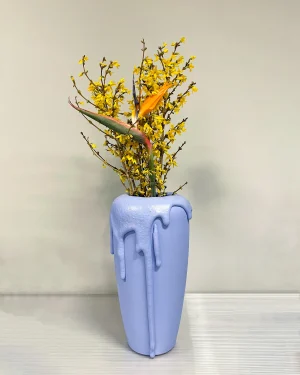 In stock
Melted Porcelain Vase V.5
By John Nordenstein
€680 -
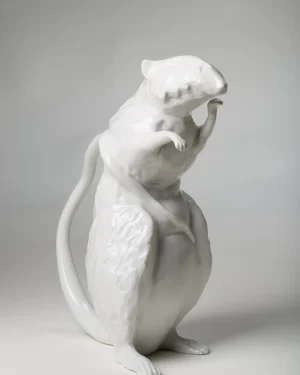 In stock
The Rat – Porcelain Object
By Volokhova Porcelain
€460 -
 In stock
Round We Go – Porcelain Vase
By Liquid Void Studio
€115 -

Single Medium-sized Viie Vases 2.0
By STUDIO BERG
€50 - €61 This product has multiple variants. The options may be chosen on the product page -
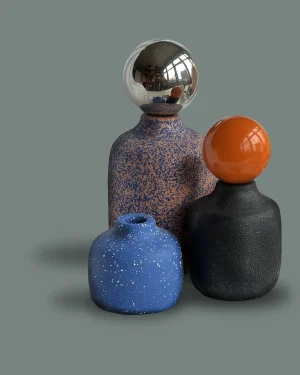
Set 3 Of 3 Medium-sized Viie Vases 2.0
By STUDIO BERG
€157 -
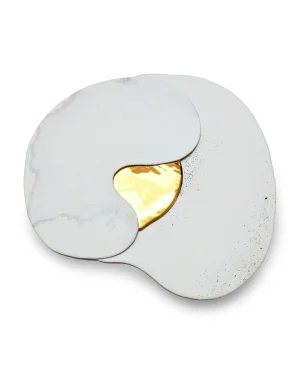 In stock
Aurive Wall Sculpture No. 1
By SCHOEMIG PORZELLAN
€580 -
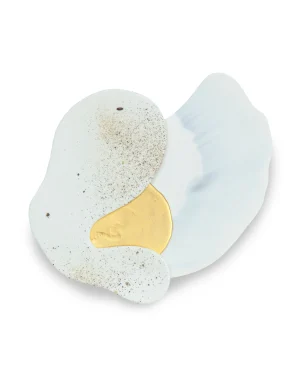 In stock
Aurive Wall Sculpture No. 3
By SCHOEMIG PORZELLAN
€580 -
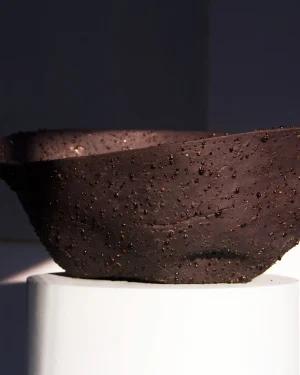 In stock
Telluride – Dark Stracciatella Big Bowl
By Tellurico Design Studio
€2.500 -
 In stock
Into The Void – Porcelain Sculpture
By Liquid Void Studio
€700 -
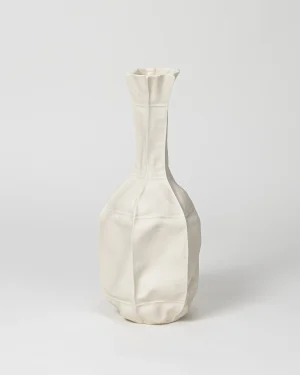
Organic White Ceramic Kawa Vase #12
By Luft Tanaka Studio
€1.075 -
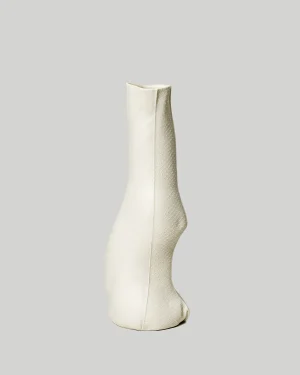
Organic White Ceramic Kawa Vase #19
By Luft Tanaka Studio
€650 -
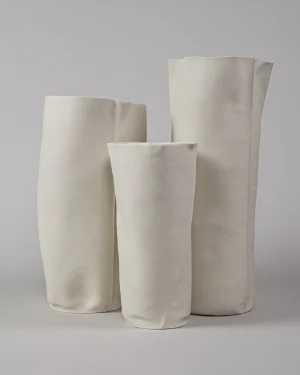
Set No. 2 Of 3 Kawa Vessels – Organic Leather-Cast Ceramics
By Luft Tanaka Studio
€1.940 -
 In stock
Metaxy “lofty” Vase
By Layered Ceramics Studio
€976 -
 In stock
Hera – Porcelain Vase
By Volokhova Porcelain
€179 -
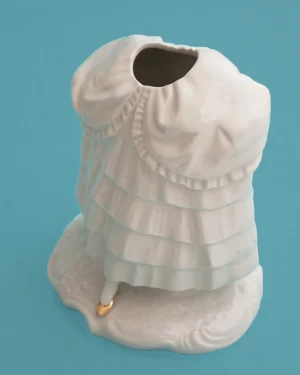 In stock
Cinderella
By Volokhova Porcelain
€169 -
 In stock
Princesses
By Volokhova Porcelain
€169 -
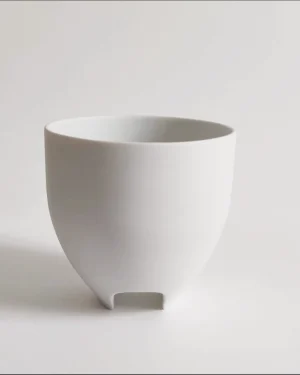 In stock
Geta – White Porcelain Pot
By Clemence Birot
€110 -

Floating In Space – Orange And Green Porcelain Vase
By Liquid Void Studio
€75 -
 In stock
Floating In Space – Black And White Vase
By Liquid Void Studio
€75 -
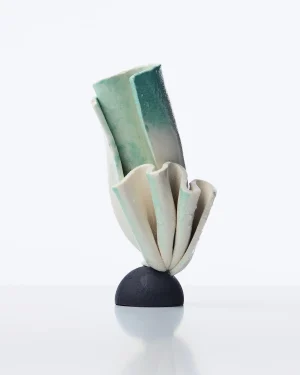
From Fragility To Stability – Sculpture_06
By C E R A M I C 4 7
€350 -
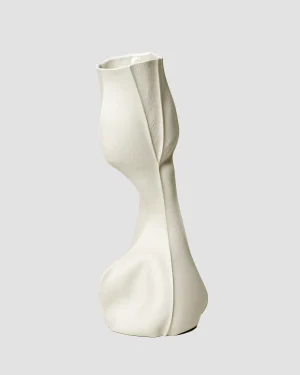
Organic White Ceramic Kawa Vase #20
By Luft Tanaka Studio
€1.050 -
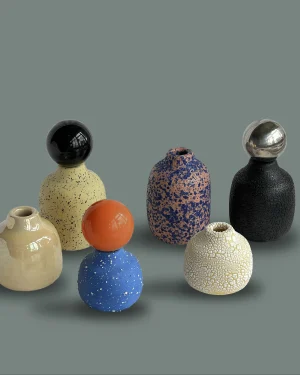
Set Of 6 Small Viie Vases 2.0
By STUDIO BERG
€133 -
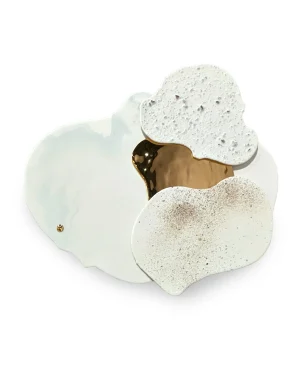 In stock
Aurive Wall Sculpture No. 4
By SCHOEMIG PORZELLAN
€800 -
 In stock
Metaxy “snappy” Vase
By Layered Ceramics Studio
€876 -
 In stock
Infanta Vase
By Volokhova Porcelain
€179 -
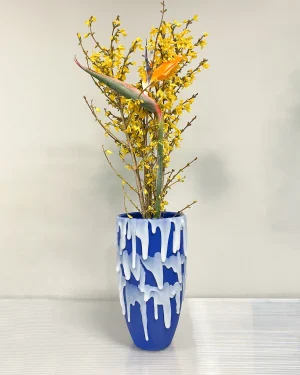 In stock
Melted Porcelain Vase V.8
By John Nordenstein
€440 -
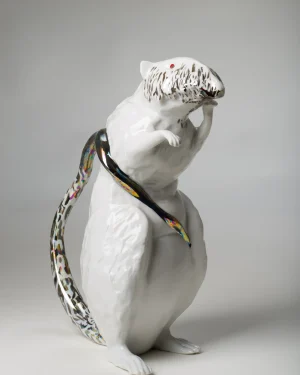 In stock
The Rat / Object
By Volokhova Porcelain
€580 -
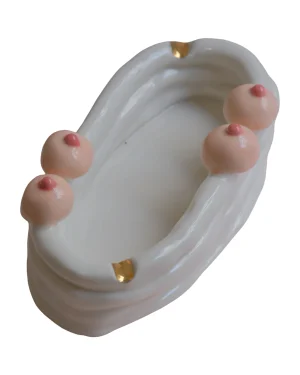 In stock
Hot! – Porcelain Ashtray
By Hania Jneid Design Studio
€600 -
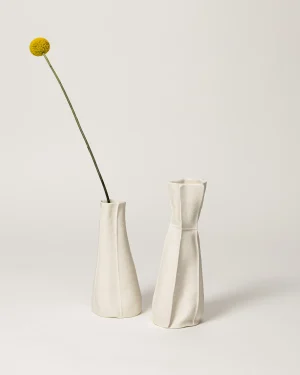
Pair of White Ceramic Kawa Vases
By Luft Tanaka Studio
€490 -
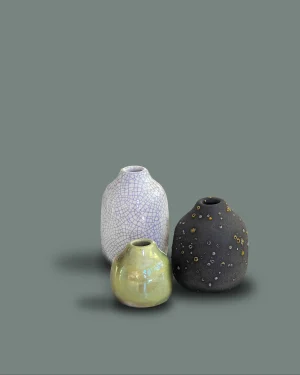
Set Of 3 Small Viie Vases 2.0
By STUDIO BERG
€81 -
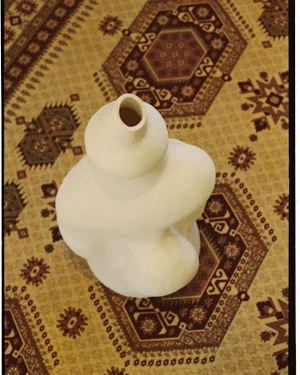 Sold
SoldRaya – Handmade Porcelain Sculpture
By LYT Studio
€580 -
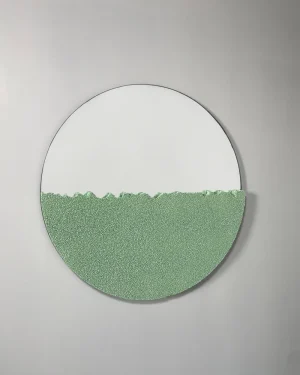
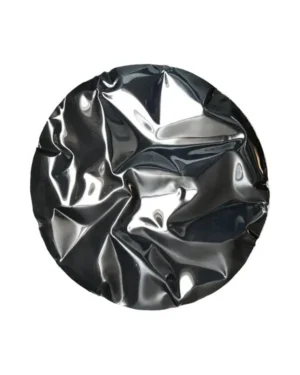
Fragment Mirror – Big Circle
By Jordan Keaney Design
€4.260 This product has multiple variants. The options may be chosen on the product page -
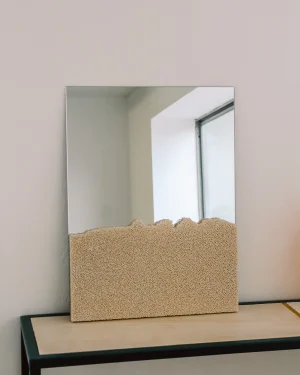 Sold
SoldFragment Mirror – Short Rectangle – Cream
By Jordan Keaney Design
Price Upon Request -
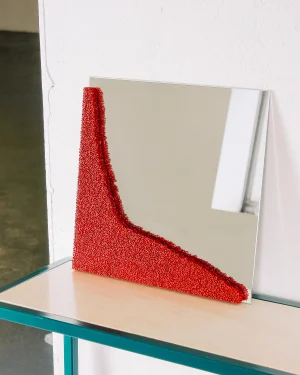 In stock
Fragment Mirror – Small Square – Midnight Red
By Jordan Keaney Design
Price Upon Request
Porcelain decor brings together studios working in one of the oldest and most exacting clay bodies, pieces hand-built, slip cast or wheel thrown from kaolin-rich clay and fired at high temperature until the body turns dense, pale and faintly translucent at the edges. Glazes carry the color and the surface, from chalky off-white to deep black, blue or lime, while the forms range from a single thrown vessel to small batches cast from one mold. What holds the group together is the material's behavior under fire, not a single look.
What defines porcelain as a decor material
Porcelain starts as a fine, pale clay that shrinks and vitrifies during firing, which is why finished pieces feel harder and heavier for their size than earthenware or raw stoneware. The dense body resists moisture once fired and glazed, holds crisp edges and thin walls, and takes a glaze that can run from matte and chalky to glass-bright. These properties explain why porcelain decor includes vases, bowls, sculptural objects and tableware alongside more purely decorative forms.
Materials, colors and ways of making
Across the category, porcelain sits alongside related clay bodies and glass, and pieces reach their final form through a handful of recognizable techniques.
- Clay bodies and surfaces: porcelain, stoneware, black stoneware, ceramic, clay, glaze, glass
- Colors: white, off-white, black, blue, aquamarine, red, multicolor, lime
- Styles: minimalist, contemporary, eclectic, maximalism, art deco, coastal, space age, boho chic
- Techniques: hand-building, wheel throwing, slip casting, glazing, glass cold working, 3D printing, digital fabrication
- Editions: open editions, limited editions, one-off pieces
Some studios work entirely by hand, building or throwing each form and leaving the small variation that comes with that process; others slip cast from a shared mold, which gives closer dimensional repeats while keeping the fired character of the material. A smaller number apply digital fabrication or 3D printing to the clay itself, pushing porcelain into forms a wheel could not produce.
Choosing a piece: scale, finish and placement
Scale matters first. A thin porcelain object reads as fragile at a distance and needs a surface where its outline carries, a console, a narrow shelf, the center of a dining table rather than a crowded sill. Glossy glazes pick up light and work well near a window or lamp, while matte or unglazed finishes sit more quietly and suit spaces that already have pattern or color.
Height and footprint decide placement as much as style. A low, wide bowl holds its own on a coffee table, while a taller vessel asks for floor-to-eye distance so its profile does not disappear against a wall. Where a piece will share space with glass or metal objects, a matte porcelain surface tends to balance the mix better than another high-gloss finish.
Where porcelain decor sits in the home
Living rooms and entryways carry most porcelain objects well, since both rely on a few fixed points rather than constant use. Bedrooms suit smaller, quieter forms, a single glazed object on a dresser rather than a grouping. For rooms built around eating and serving, the same clay body extends into porcelain tableware, and a paired vessel from porcelain vases can echo a decorative piece without repeating it exactly.
Caring for porcelain
Fired and glazed porcelain resists staining and holds up to regular dusting with a dry or barely damp cloth. Unglazed areas, common on footings and some matte finishes, can still absorb oil and pigment, so they are best wiped rather than scrubbed. Sudden temperature change can crack even a dense, well-fired body, so pieces are better kept away from direct heat sources and placed rather than dropped onto hard surfaces.
For the wider range of pale, textured and glazed objects, the full decor category includes other clay bodies and materials alongside porcelain, while every piece made specifically from this clay sits under porcelain on ADORNO. Those drawn to quieter palettes and plainer forms can also look through minimalist decor, where porcelain's pale, unadorned side is well represented.
How do I choose the right porcelain decor piece?
Let the room guide the choice: a glazed form for a shelf that needs color, a matte or unglazed piece where light is soft and texture should carry the room instead.
How do I clean and care for porcelain decor?
Dust with a dry or barely damp cloth, and avoid sudden temperature changes, which can crack the glaze. Hand-built or slip-cast pieces with fine details are best kept away from direct handling.
Is porcelain decor fragile?
Porcelain is harder and less porous than earthenware once fired, but it remains brittle under impact, so pieces suit stable surfaces away from heavy foot traffic or edges.
What size porcelain piece suits a shelf or console?
Smaller pieces, under a foot tall, read well grouped on shelves or consoles, while taller forms anchor floors or sideboards as a single, standalone point of interest.
Which rooms suit porcelain decor best?
Living rooms, entryways and dining spaces all suit porcelain, since it holds its surface and color in normal indoor light without fading or warping over time.
What are ADORNO's shipping, returns and authenticity policies?
Shipping is insured and worldwide. Returns are accepted within 14 days, excluding made-to-order pieces, and every order includes a certificate of authenticity along with a lowest-price guarantee.