-
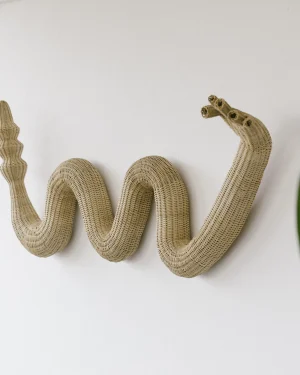
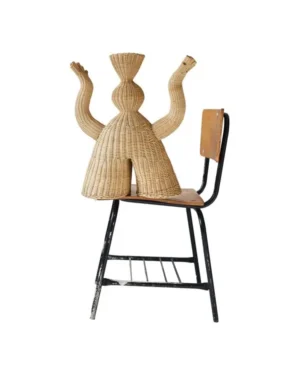
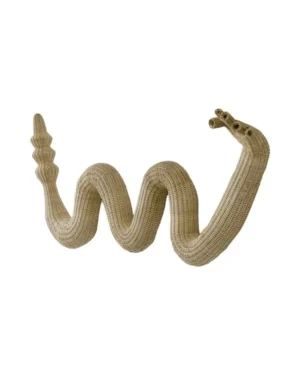
Artefacto Serpiente Ii – Woven Wicker Fiber Wall Sculpture
By LØRDAG & SØNDAG
€750 -
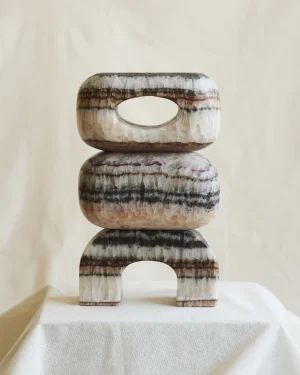
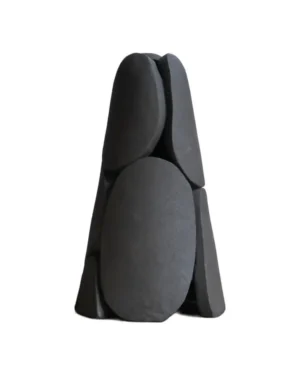
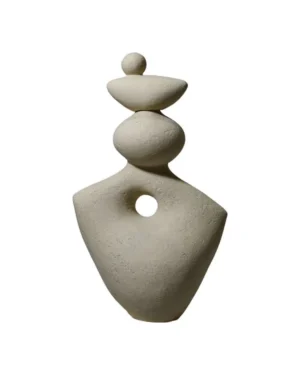
Artefacto Mármol Ls 01
By LØRDAG & SØNDAG
€900 This product has multiple variants. The options may be chosen on the product page -
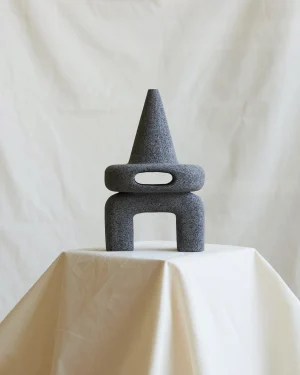 In stock
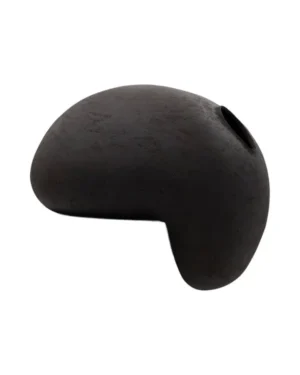
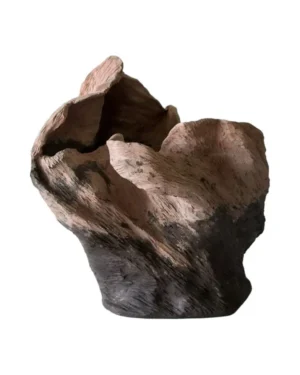
Artefacto Volcán Ls 06
By LØRDAG & SØNDAG
€490 -
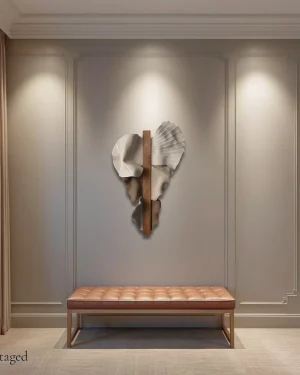
Abundance Wall Sculpture | Toffee · Studio Series ·
By Studio Ēeme
€3.565 -
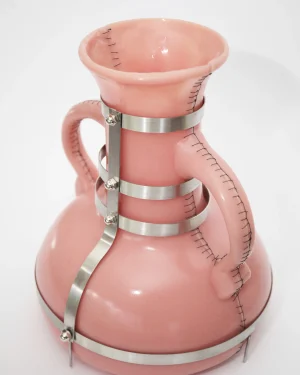
Soft Vase Sculptural Vessel
By Panorammma Atelier
€5.800 -
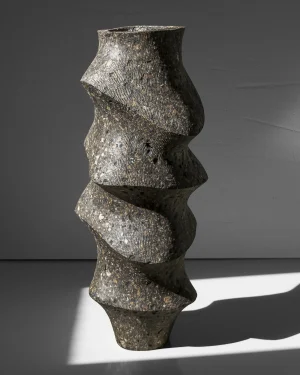
Large Floor Vase, Brutalist Concrete-look Sculpture
By Donatas Žukauskas
€1.450 -
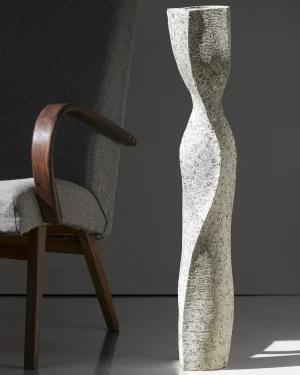
Column Tall Twisted Sculptural Vase, Brutalist Textured Floor Vase
By Donatas Žukauskas
€860 -
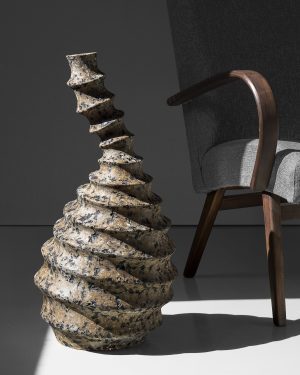
Solid Beige Stone Floor Vase – Erosion Series In Cast Stone By Donatas Zukauskas
By Donatas Žukauskas
€1.450 -
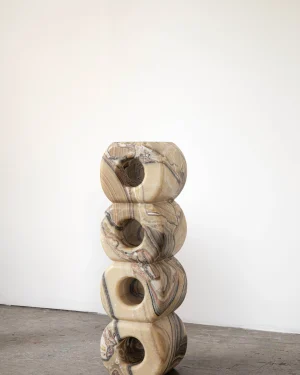 In stock
Roma Stone Totem
By Studio Ayres
€2.348 -
 In stock
Abundance Wall Sculpture | Toffee · Unique Piece ·
By Studio Ēeme
€3.565 -
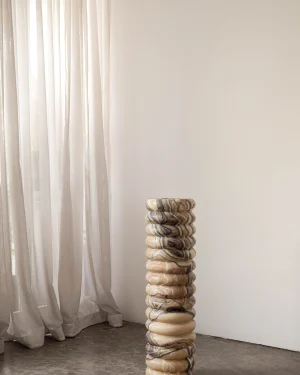 In stock
Antigua Stone Totem
By Studio Ayres
€2.348 -
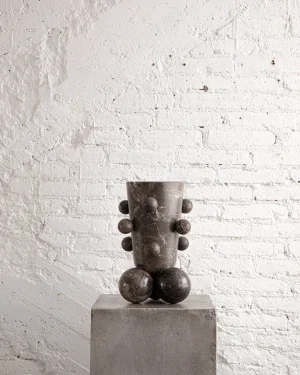
Pollux – Stone Vase
By Studio Ayres
€840 -
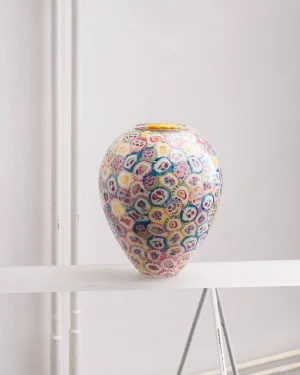
Lollipop Vase – Murano Glass
By Anna Jožová
€1.653 -
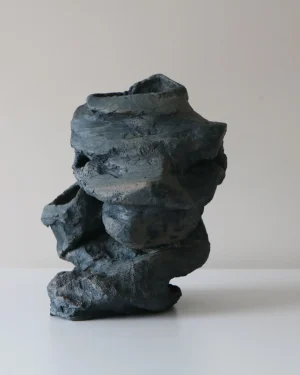 In stock
Abyss No. 9 – Sculptural Vessel
By Ceren Gürkan
€850 -
 In stock
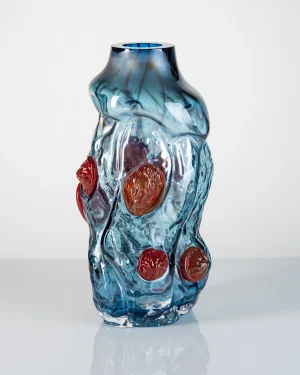
Dysplasio Glass Vase Blue
By Anna Jožová
€1.900 -
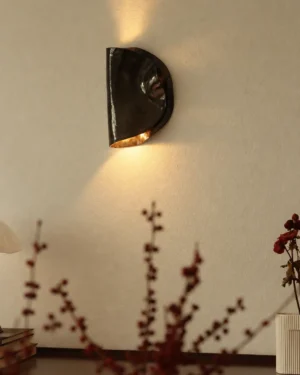
Lamp Shade – Fado
By Joana Vilaça Studio
€790 -
 In stock
Artefacto Mármol Ls 02
By LØRDAG & SØNDAG
€800 This product has multiple variants. The options may be chosen on the product page -

Fos Deco 08
By Daniel Orozco Estudio
€479 -
 In stock
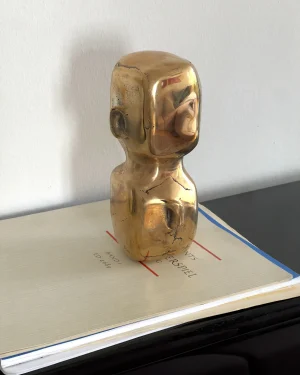
Heads — Cast Bronze Sculpture
By Lucas Gutierrez Studio
€7.500 -
 In stock
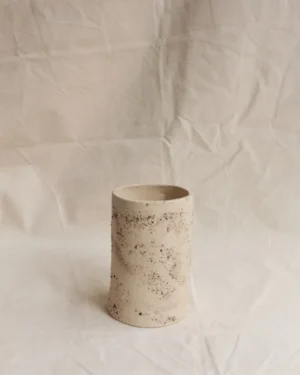
Cylinder Vessel 02
By Valentine Benoist Ceramics
€1.180 -
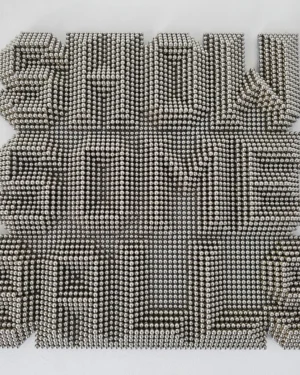 In stock
“showsomeballs” Wall Mounted Heavy Metal Sculpture.
By JAN PAUL
€3.578 -
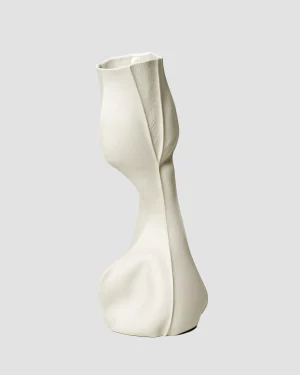
Organic White Ceramic Kawa Vase #20
By Luft Tanaka Studio
€1.050 -
 In stock
Breathe No.01 – Ceramic Sculpture
By Not Yet Ceramics
€620 -
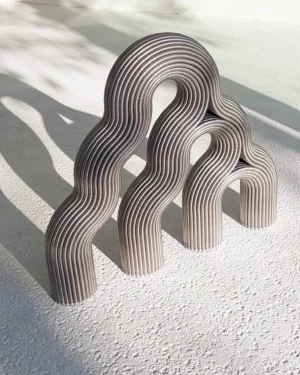 In stock
“flux” Sculpture
By JAN PAUL
€4.975 -
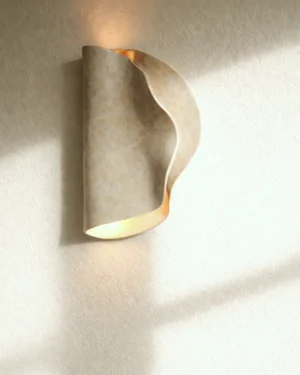
Lamp Shade – Fado
By Joana Vilaça Studio
€790 -
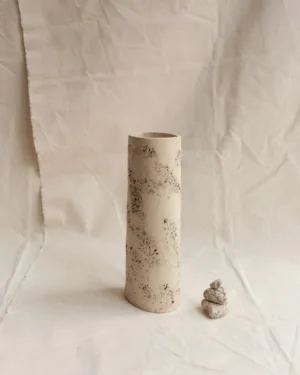 In stock
Cylinder Vessel 01
By Valentine Benoist Ceramics
€1.300 -
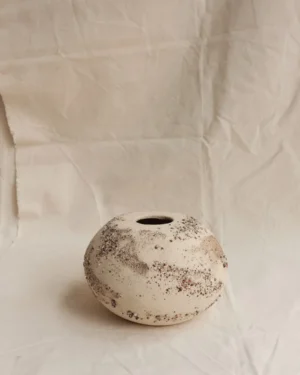 In stock
Globe Vessel 01
By Valentine Benoist Ceramics
€1.250 -
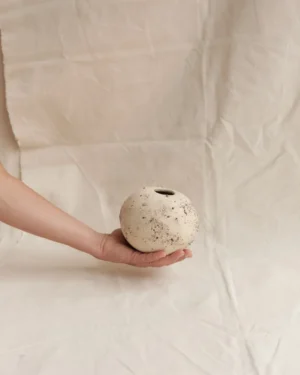 In stock
Globe Vessel 02
By Valentine Benoist Ceramics
€980 -
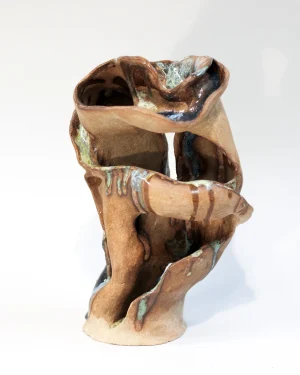 Sold
Vestige – One Of A Kind Ceramic Sculpture
By Vale Ro
€660 -
 Sold
Wall Sculpture N°1
By Dzovag Kotchian
€2.200 -
 Sold
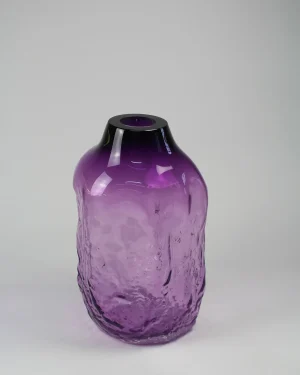
Sand Series – Hyacinth Handmade Glass Object
By Vogel Studio
€1.150 -
 In stock
THE SHAPE OF WATER
By Dace Sūna
Price Upon Request -
 Sold
Artefacto Bronce Ls 01 – Lost-wax Casted Bronze Sculpture
By LØRDAG & SØNDAG
€1.355
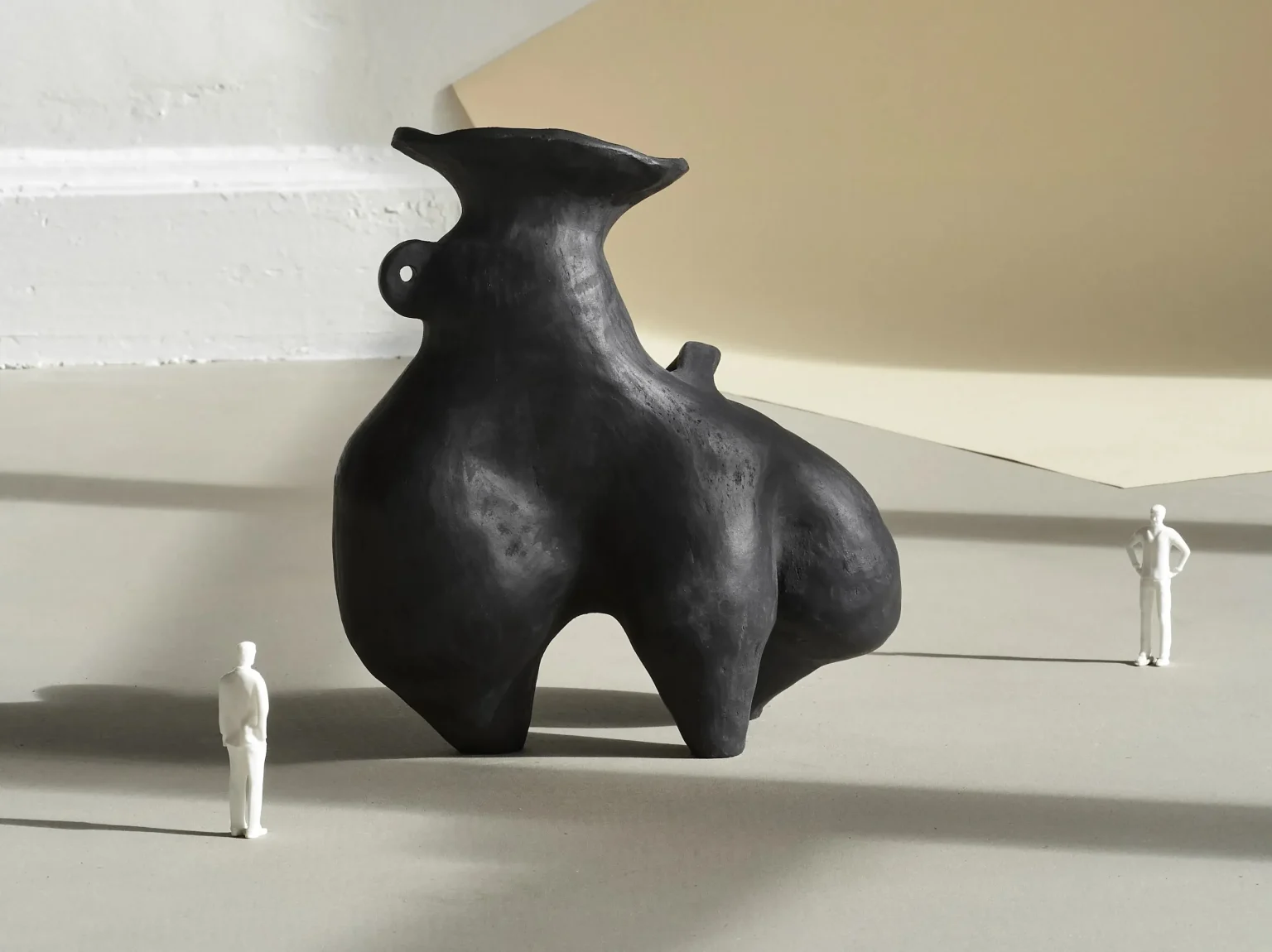
Hallway sculptures are pieces chosen to hold their own in a narrow, often transitional space, where a console or wall niche asks for an object that reads clearly from a distance and rewards a closer look. The studios working in this category draw on stoneware, cast glass, marble, granite and travertine, shaping each form by hand-building, stone carving, wood carving or basketry rather than mass production. What they share is presence: a shape or surface that stops someone on their way through a home.
What defines a hallway sculpture
A hallway rarely allows for a large footprint, so the pieces found here tend toward a vertical or compact form, something that reads as a single gesture rather than a grouping. Stoneware and ceramic bodies, built by hand and finished with glaze, carry warmth and a slight variation from one surface to the next. Stone — marble, granite, travertine — brings weight and a cooler surface, and keeps the veining or crystalline structure of the quarry it came from.
Materials, finishes and ways of making
Stoneware and white stoneware dominate, worked through hand-building and glazing into forms that range from matte to glossy, from beige through black to clear or transparent. Marble, granite and other natural stone are carved rather than cast, so each block keeps its own grain and density. Alongside these, mixed techniques — sculpting, wood carving, hand assembly, basketry, even early biofabrication — produce pieces with a Wabi-Sabi roughness, a Brutalist weight, or a Mid-Century Modern restraint, depending on the designer's hand. Finishes run from a matte stone skin left raw from the chisel to a glossy glaze that catches hallway light.
Editions vary by studio: some pieces are unique, carved or built one at a time; others come from small, open runs where the form repeats but the glaze or finish shifts slightly between pieces. Both kinds of hallway sculptures sit well in the wider sculpture category, alongside ceramic sculptures built for other rooms.
Choosing scale, height and placement
Measure the surface first: a narrow console calls for a sculpture with a small footprint and some height, so it reads above the furniture line rather than disappearing into it. A floor-standing piece needs enough clearance on either side that it does not compete with foot traffic or a door swing. Eye level matters too — a piece meant to be seen head-on as someone enters should sit roughly at or just below that line, while a taller, more vertical form can anchor a corner and be seen from across the room.
Finish affects how a piece reads under the usually low, directional light of a hallway. A glossy glaze or polished stone will pick up and bounce what light there is; a matte or raw-carved surface will absorb it and read as a quieter, more solid mass.
Where hallway sculptures sit well
Beyond the hallway itself, these forms work on a landing, at the foot of a staircase, or in any pass-through space that benefits from a single fixed point. For a fuller sense of what else furnishes the same space, see the range of hallway furniture and hallway decor on ADORNO.
Caring for stone and ceramic surfaces
Marble, travertine and other natural stones are porous and will stain if liquid sits on the surface, so keep them away from damp umbrellas, wet coats or standing water near an entryway. Dust with a dry or barely damp cloth; avoid acidic or abrasive cleaners, which dull a polished finish and can etch a honed one. Glazed stoneware and ceramic need only the same light dusting — the glaze itself resists staining, though an unglazed or raw-fired base can still mark if left wet.
How do I choose a sculpture for a hallway?
Look for a piece that holds its own in a narrow space, a stoneware vessel, a carved wood form, or a cast stone shape with a strong silhouette. Scale it to the width of the hallway so it reads clearly from a distance.
What materials are hallway sculptures made from, and how do I care for them?
Many are stoneware, marble, granite, or glazed ceramic, finished to resist daily handling in a transit space. Wipe stone and ceramic with a dry or slightly damp cloth, and keep polished marble away from standing water.
What size sculpture works in a narrow hallway?
A tall, slender piece reads well against a narrow wall without blocking passage, while a low, wide form suits a console table or floor niche. Exact dimensions vary by maker, so check the specific listing before ordering.
Can a hallway sculpture be used in other rooms too?
Yes, a sculpture chosen for a hallway often moves easily to a living room console, bedroom shelf, or entry table, since the forms are freestanding and not fixed to one setting.
Does ADORNO offer custom sizes or made-to-order pieces?
Some studios work to order or produce one-off pieces, and details vary by maker. Chat with the maker on the piece's page to confirm options for custom sizing or production.
What is ADORNO's shipping and return policy for sculptures?
Shipping is insured and worldwide, and most pieces can be returned within 14 days, though made-to-order pieces are excluded. Each piece arrives with a certificate of authenticity and ADORNO's lowest-price guarantee.