-
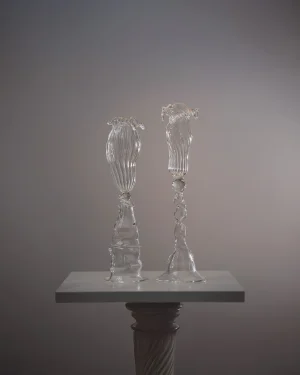
Cariño – Glass Sculptures
By PIA GLASSWORKS
€400 -
 In stock
Glass Flower Organic Bouquet
By PIA GLASSWORKS
€1.000 -
 In stock
Glass Flower Organic Sculpture
By PIA GLASSWORKS
€500 -
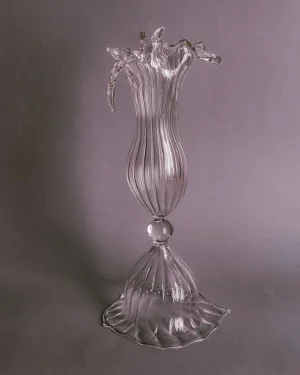
Reflection Glass Sculpture
By PIA GLASSWORKS
€289 -
 In stock
Glass Flowers Organic Sculpture
By PIA GLASSWORKS
€900 -
 In stock
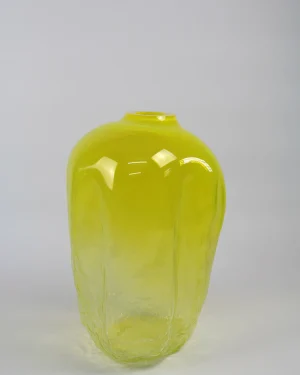
Sand Series – Narcissus Handmade Glass Object
By Vogel Studio
€1.150 -
 In stock
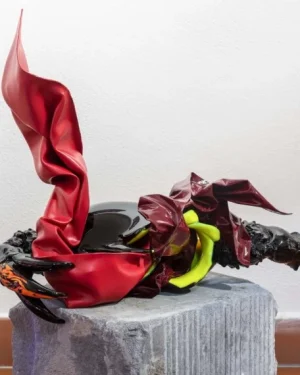
Kate – Collectible Object
By Frantisek Jungvirt
€13.900 -
 In stock
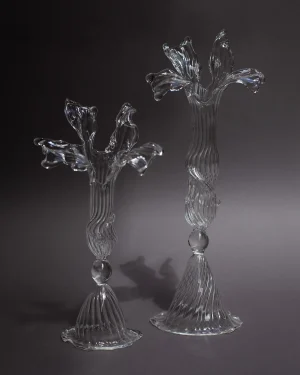
Wildflower Glass Sculpture
By PIA GLASSWORKS
€280 - €350 This product has multiple variants. The options may be chosen on the product page -
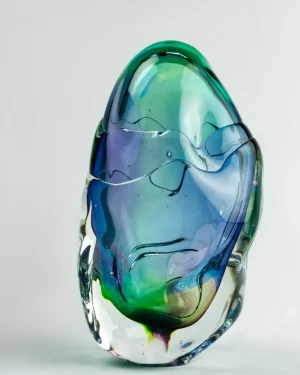
Persona – Glass Sculpture
By MILA ZILA
€2.400 -
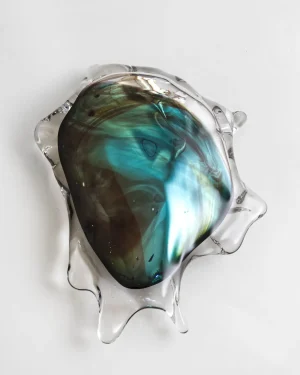 In stock
Persona Mirror Sculpture – Multicolour
By MILA ZILA
€1.150 -
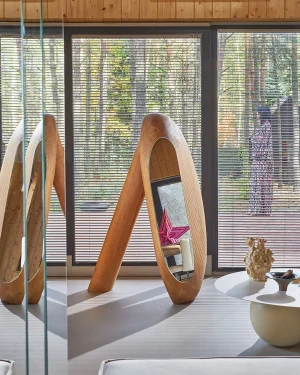
Object N.16 Mirror
By Anna Bera
€11.294 -
 In stock
Garden Unique Aquatic (collectible Unique) Vase
By Frantisek Jungvirt
€7.300 -
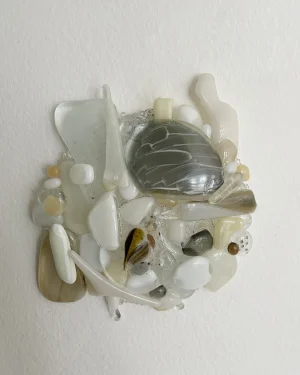 In stock
Encompassed – Fused Glass Wall Decor
By Meagan Cignoli Studio
€682 -
 In stock
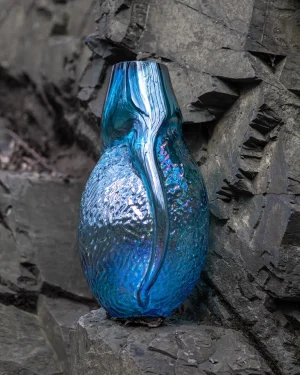
Nava Glass Vase Blue
By Anna Jožová
€1.300 -
 In stock
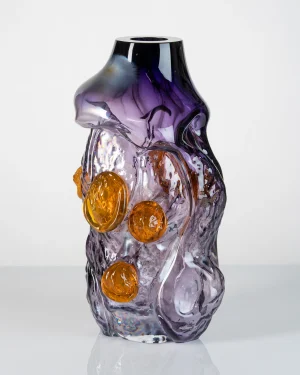
Dysplasio Vase Purple
By Anna Jožová
€1.900 -
 In stock
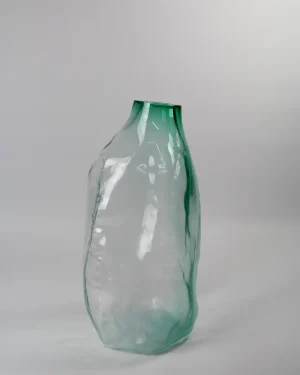
Persona Neon Structures
By MILA ZILA
€3.200 -
 In stock
105 Ltr Forms – Emerald Green Glass Object
By Vogel Studio
€1.470 -
 In stock
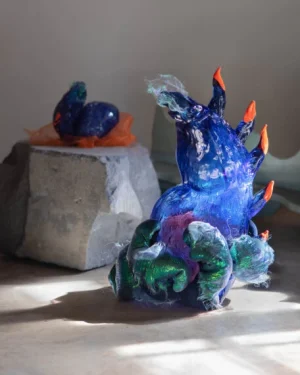
Garden Artistic Vase-object – Dancer With Ribbon
By Frantisek Jungvirt
€4.300 -
 In stock
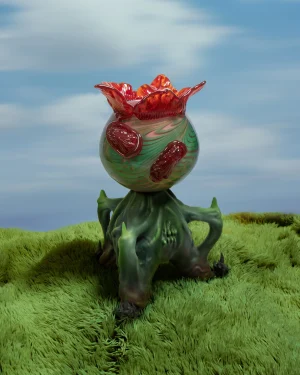
Naomi – Collectible Object
By Frantisek Jungvirt
€13.900 -
 In stock
Sarkora
By Anna Jožová
€2.100 -
 In stock
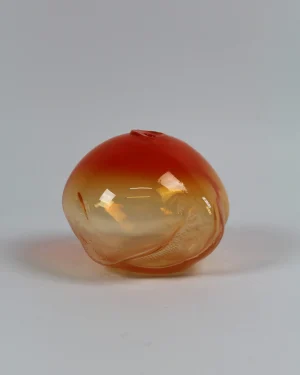
Mosaic Umbrella Sculpture
By Undress House
€6.800 -
 In stock
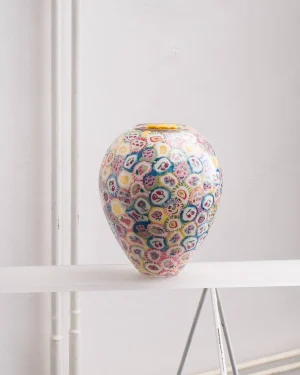
1/2 Ltr Forms – Saffron Handmade Glass Object
By Vogel Studio
€100 -
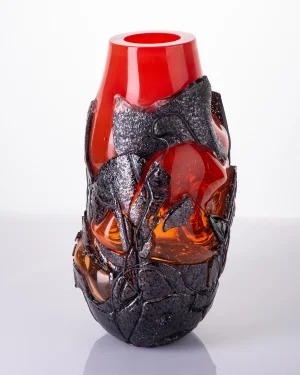
Lollipop Vase – Murano Glass
By Anna Jožová
€1.653 -
 In stock
Lava Glass Vase Red
By Anna Jožová
€1.350 -
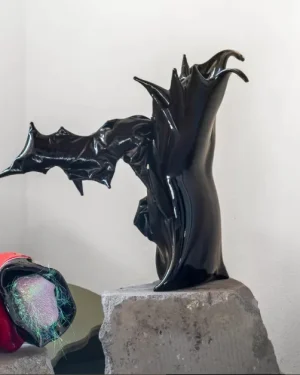 In stock
Cindy Ii – Collectible Object
By Frantisek Jungvirt
€13.900 -
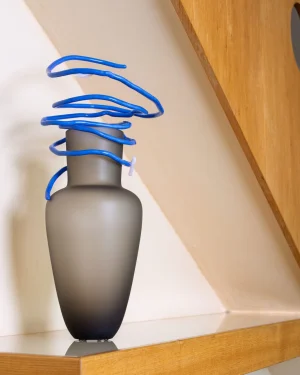 In stock
Garden Artistic Vase-object – Wind
By Frantisek Jungvirt
€4.300 -
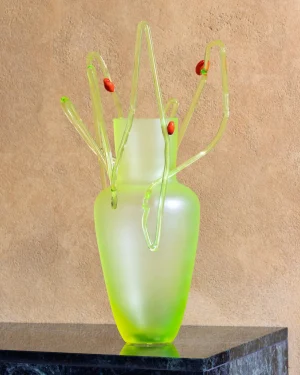 In stock
Garden Artistic Vase-object – Flame
By Frantisek Jungvirt
€4.600 -
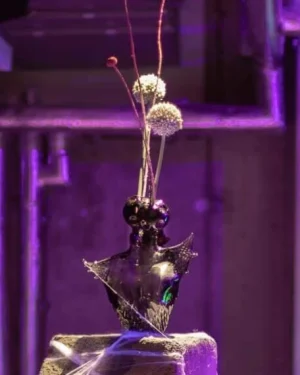 In stock
Vampire – Collectible Object
By Frantisek Jungvirt
€10.200 -
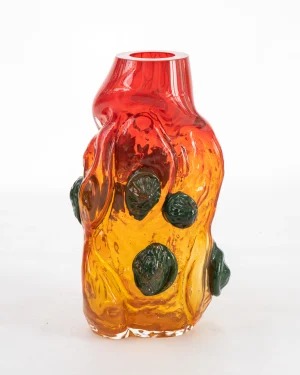 In stock
Dysplasio – Spring-Red Sculptural Glass Vase
By Anna Jožová
€1.900 -
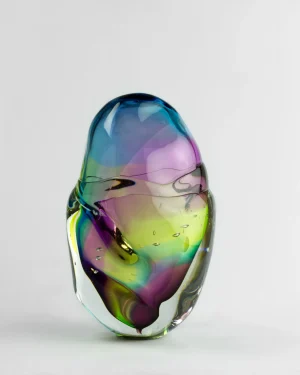 In stock
Persona Scupture
By MILA ZILA
€2.500 -
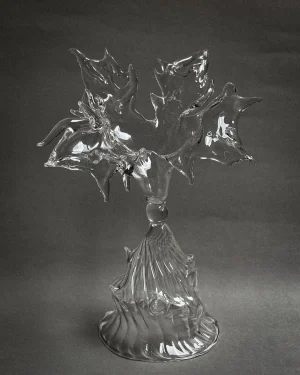 In stock
Romance Glass Sculpture
By PIA GLASSWORKS
€550 -
 In stock
Garden Unique Aquatic Matt (collectible Unique)
By Frantisek Jungvirt
€7.300 -
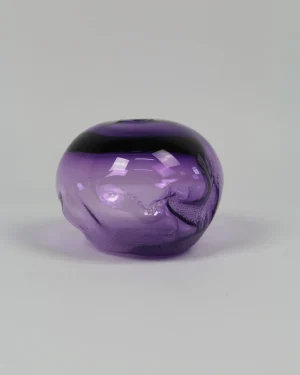 In stock
1/2 Ltr Forms – Violet Blue Handmade Glass Object
By Vogel Studio
€100 -
 In stock
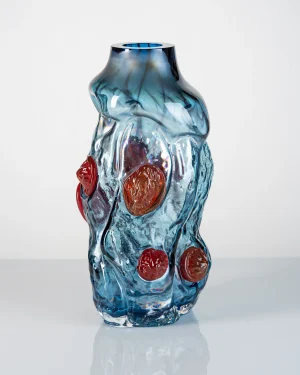
Dysplasio Glass Vase Blue
By Anna Jožová
€1.900 -
 In stock
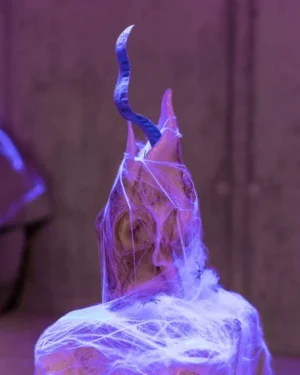
Skull – Collectible Object
By Frantisek Jungvirt
€10.200 -
 Sold
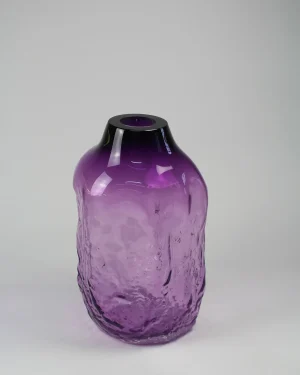
SoldSand Series – Hyacinth Handmade Glass Object
By Vogel Studio
€1.150 -
 Sold
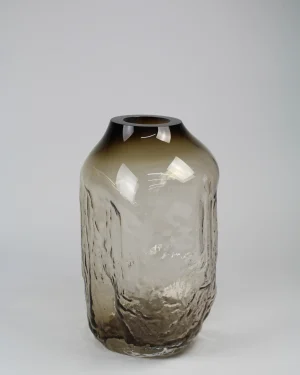
SoldSand Series – Smoke Topaz Handmade Glass Object
By Vogel Studio
€1.150 -
 Sold
Sold105 Ltr Forms – Beryl Green Handmade Glass Object
By Vogel Studio
€1.180 -
 Sold
Sold105 Ltr Forms – Fuchsia Handmade Glass Object
By Vogel Studio
€1.470 -
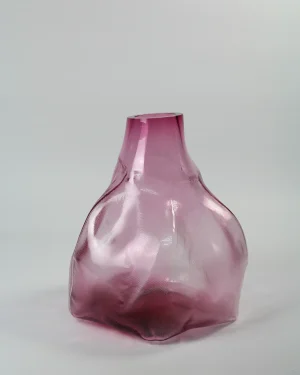 Sold
Sold105 Ltr Forms – Wine Red Handmade Glass Object
By Vogel Studio
€970 -
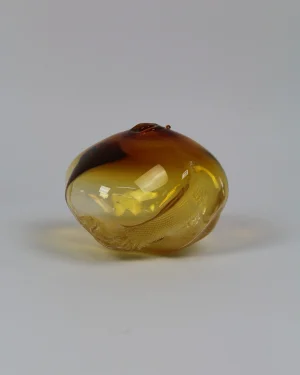 Sold
Sold1/2 Ltr Forms – Brilliant Gold Handmade Glass Object
By Vogel Studio
€100 -
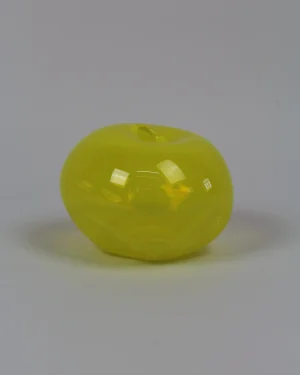 Sold
Sold1/2 Ltr Forms – Lemon Yellow Handmade Glass Object
By Vogel Studio
€100 -
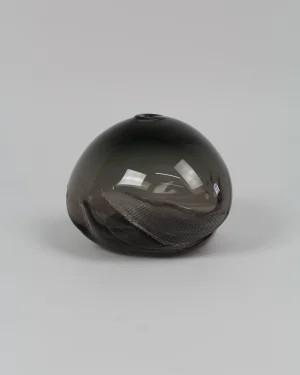 Sold
Sold1/2 Ltr Forms – Neutral Grey Handmade Glass Object
By Vogel Studio
€100 -

Vertical Fractal
By Dace Sūna
Price Upon Request
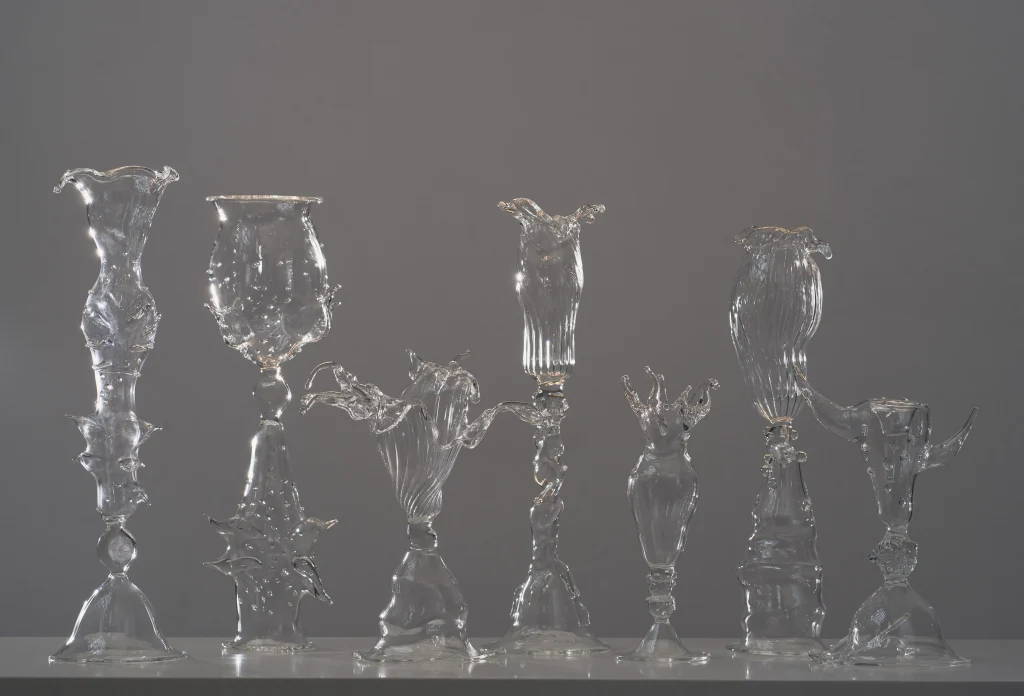
Glass sculptures on ADORNO come from independent studios working in blown, lampworked and cold-worked glass, shaping a material that is molten one moment and fixed the next. Some pieces are mouth-blown into soft, irregular volumes; others are built from borosilicate tubing or cut and polished after casting. What unites them is a material that catches light rather than absorbing it, so each form shifts with the room around it.
What defines a glass sculpture
Glass behaves unlike wood, stone or ceramic. It has no grain, no fixed texture, and no memory of the tool that shaped it, only the heat and motion of the making. A blown form carries the faint pull of the glassblower's breath and turn; a cold-worked piece carries the flat, deliberate planes of grinding and polishing after the glass has cooled. Lampworking, done with a torch rather than a furnace, tends toward smaller, more intricate forms, where a glassblowing studio working at furnace scale produces rounder, heavier volumes.
Color in glass is rarely applied afterward; it is mixed into the material itself, which is why clear and transparent pieces show every bubble and current inside the glass, while aqua, aquamarine and multicolor works carry tone all the way through. Gray and white glass tend to diffuse light rather than pass it cleanly, giving a softer, more clouded presence on a shelf or console.
The range of making and finish
Within glass pieces across the ADORNO catalog, the techniques vary as much as the forms they produce.
- Glassblowing and mouth-blown glass, for rounded, hand-formed volumes with slight asymmetries
- Lampworking, for finer detail and smaller scale work
- Glass cold working, for cut, ground or polished surfaces and sharper edges
- Stained glass and mosaic, where color arrives through pieced or layered glass rather than a single cast form
- Borosilicate glass, valued for its resistance to thermal shock and used in more sculptural, technical forms
Editions run from open editions, repeated within a studio's practice, to unique pieces where no two works are exactly alike. A one-off glass sculpture will carry small variations in bubble pattern, wall thickness or color saturation that a studio producing an open edition deliberately keeps consistent.
How to choose a glass sculpture
Scale matters more with glass than with opaque materials, because a large glass form reads as volume and light at once, while a small one can disappear against a busy backdrop. Place a sculpture where daylight or a lamp can pass through or across it rather than behind it in shadow, since transparency is the material's main argument. Height should follow the surface it sits on: a low, wide form suits a coffee table or sideboard, while a taller, narrower piece holds its own on a plinth or narrow shelf.
Consider how the piece will read against its surroundings. A clear or aqua sculpture tends to recede into a pale room and stand out against dark wood or stone, while a multicolor or stained glass piece carries its own presence regardless of backdrop. Stylistically, the material spans a wide range, from art deco's geometric cuts to mid-century modern's rounded restraint, from eclectic and maximalist groupings of several forms to the quieter edges of minimalist work.
Where glass sculptures sit in a room
Living rooms and entryways benefit from a glass sculpture positioned near a window or under direct light, where transparency and color are easiest to see. In a dining or study setting, a smaller lampworked or cold-worked piece works well on a sideboard or desk, away from the edge where it might be knocked. Grouping two or three forms of varying height, in the eclectic or maximalist spirit, reads differently than placing a single sculpture alone, and either approach works with the material's reflective surface.
Caring for glass
Glass resists staining and does not absorb odor or moisture, but it chips and scratches more readily than stone or metal, so pieces should sit away from regular foot traffic or shelf edges. Clean with a soft, lint-free cloth and a mild glass cleaner, avoiding abrasive pads that dull a polished or cold-worked surface. Sudden temperature changes can stress borosilicate and other glass types, so keep sculptures away from direct heat sources such as radiators or fireplaces.
For a broader view of the material, the full range of glass decor pieces and glass tableware on ADORNO shows how the same techniques carry into functional objects, while the wider sculpture category includes ceramic, wood and mixed-media forms for comparison.
How do I choose a glass sculpture?
Consider how light moves through the room over the day, since glass changes with it. Clear and aquamarine forms read differently at dawn than under evening lamplight, so place one where that shift adds something.
How do you care for a glass sculpture?
Dust with a soft, dry cloth and avoid ammonia-based cleaners, which can dull the surface over time. Keep blown and cast forms away from sudden temperature changes, which can cause stress cracks.
What size glass sculpture should I get?
Let the surface it sits on guide the scale: a console or sideboard carries a taller form well, while a shelf or side table suits something smaller and closer to eye level.
Which rooms suit glass sculptures best?
Living rooms and entryways benefit most, where daylight or a lamp can pass through the glass. Bathrooms and kitchens work too, as long as the piece sits clear of direct water or steam.
Are these glass sculptures handmade and one of a kind?
Many come from glassblowing or lampworking studios, where each piece is shaped by hand, though some are produced in open editions rather than as unique works. The maker can confirm this on the piece's page.
How does shipping and returns work when I buy through ADORNO?
Shipping is insured and worldwide. Pieces can be returned within 14 days, except made-to-order work, and each arrives with a certificate of authenticity.