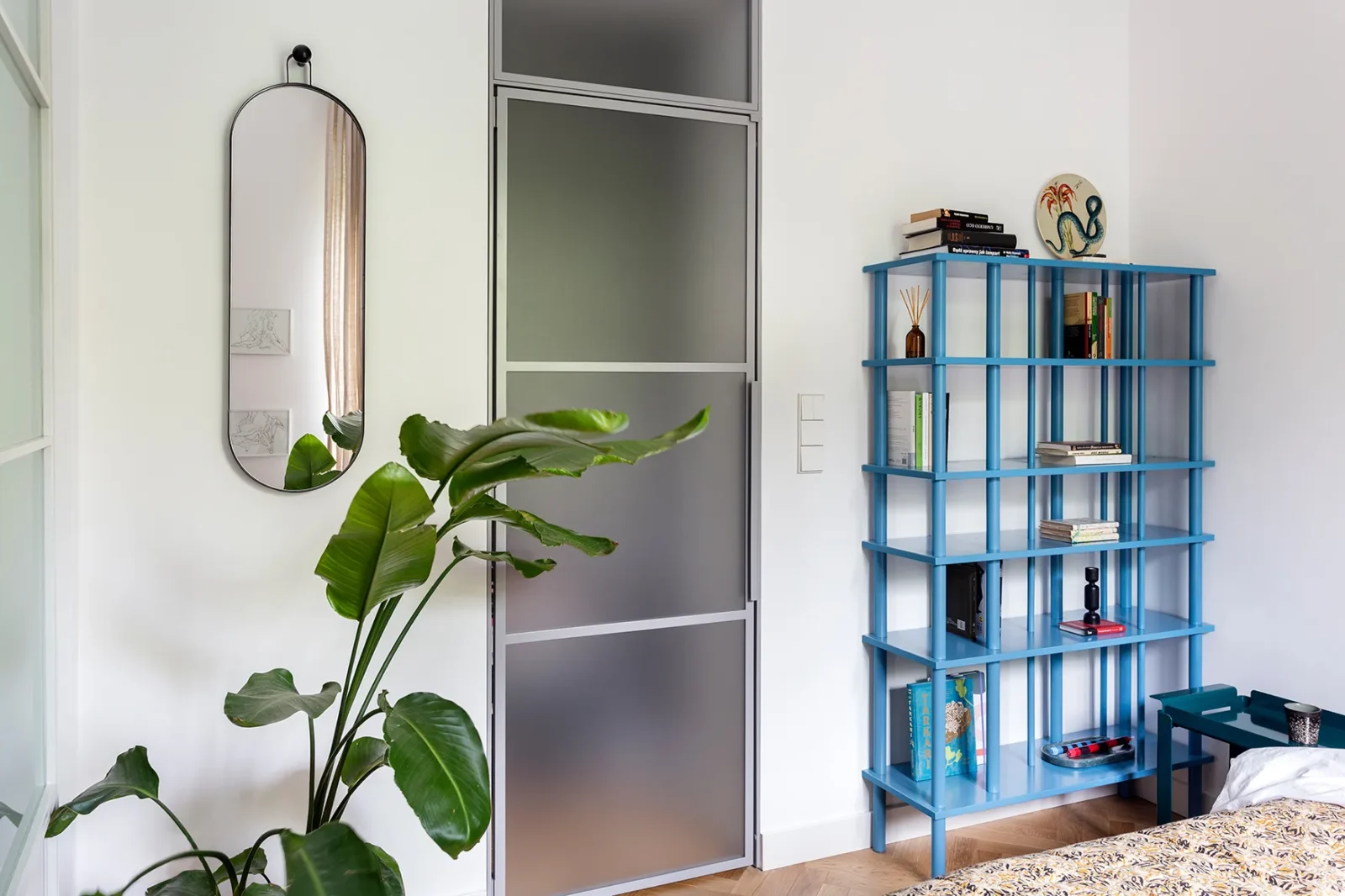
Polish design spent years associated with practicality. Good manufacturing. Functional furniture. Strong modernist foundations. People respected it, though often in a slightly detached way, as if Poland existed somewhere adjacent to the larger European design conversation rather than fully inside it. That perception has shifted quite noticeably over the past several years, especially in Warsaw, where the atmosphere around design appears more assured now, less concerned with external validation and far more interested in developing its own internal logic and identity.
In this latest installment of Design Destination, ADORNO turns its attention to Poland’s contemporary design scene, speaking with interior designers and looking closely at the studios and approaches shaping the country’s growing international presence.
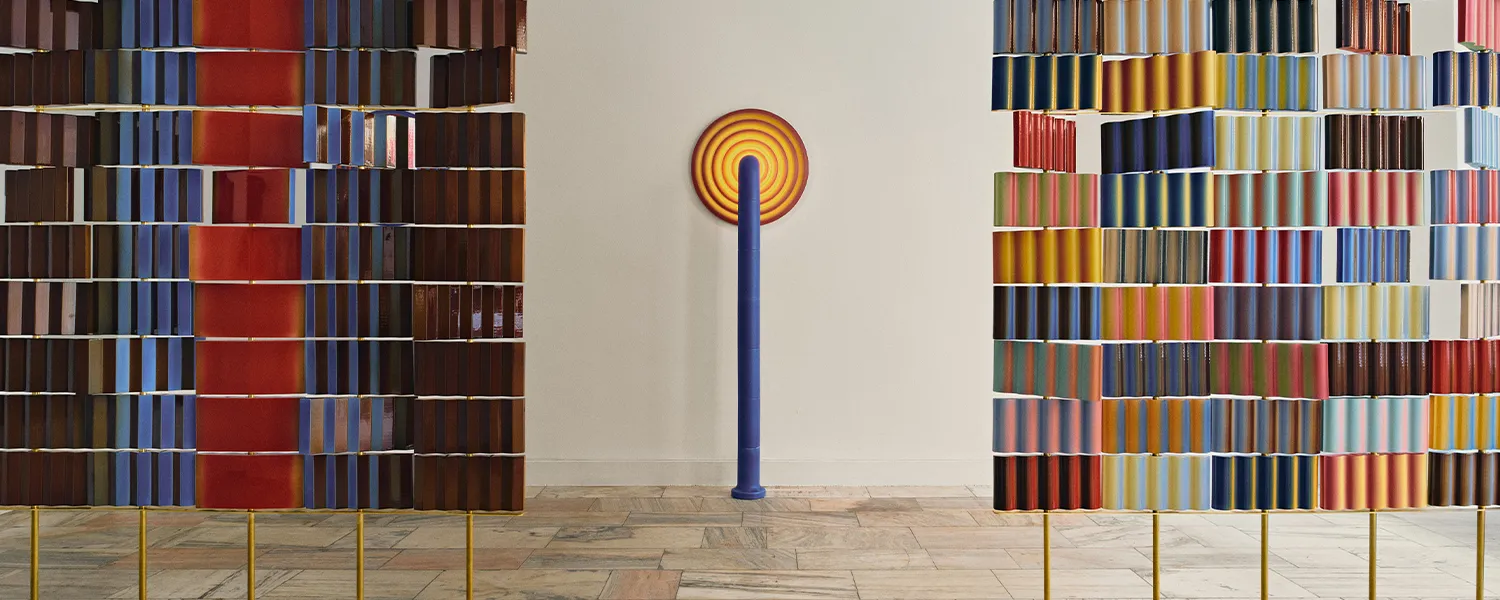
The energy is no longer concentrated solely in Warsaw. Cities like Łódź, Wrocław, Poznań, Gdynia, and Kraków have developed growing networks of workshops, galleries, independent makers, and small studios. The result is a design scene no longer centered entirely around the capital.


A City Built from Contradictions
Poland’s recent history still sits visibly inside the work. Warsaw remains a city where postwar reconstruction, Soviet-era monumentalism, rapid capitalism, and contemporary cultural ambition all exist within a few blocks of each other. You pass severe concrete housing blocks, half-renovated courtyards, glossy new office towers, tiny ceramic workshops, and carefully restored prewar buildings sometimes within the same neighborhood. The city rarely allows for a clean narrative about itself, and the design coming out of it often resists polished narratives too.
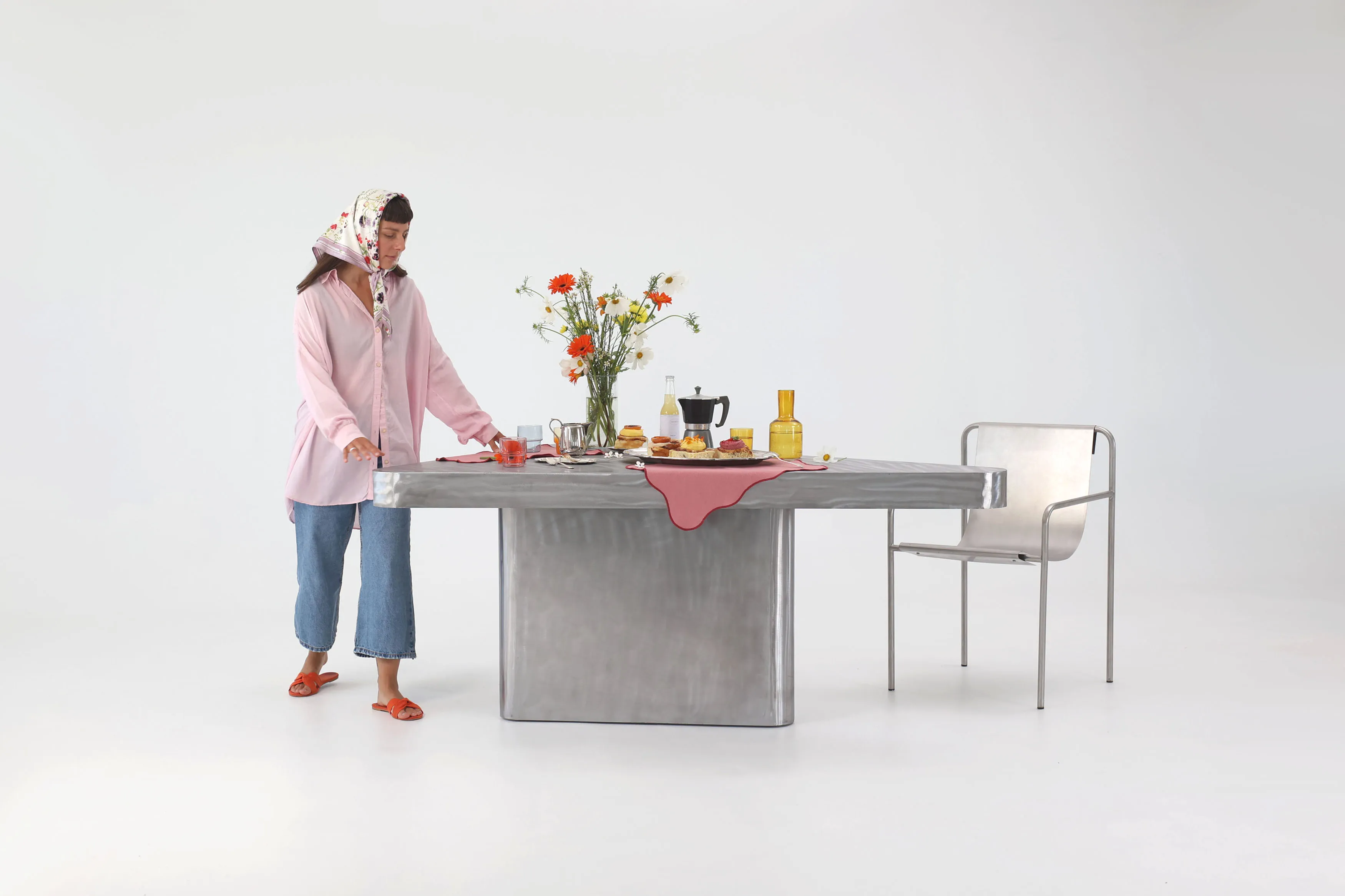
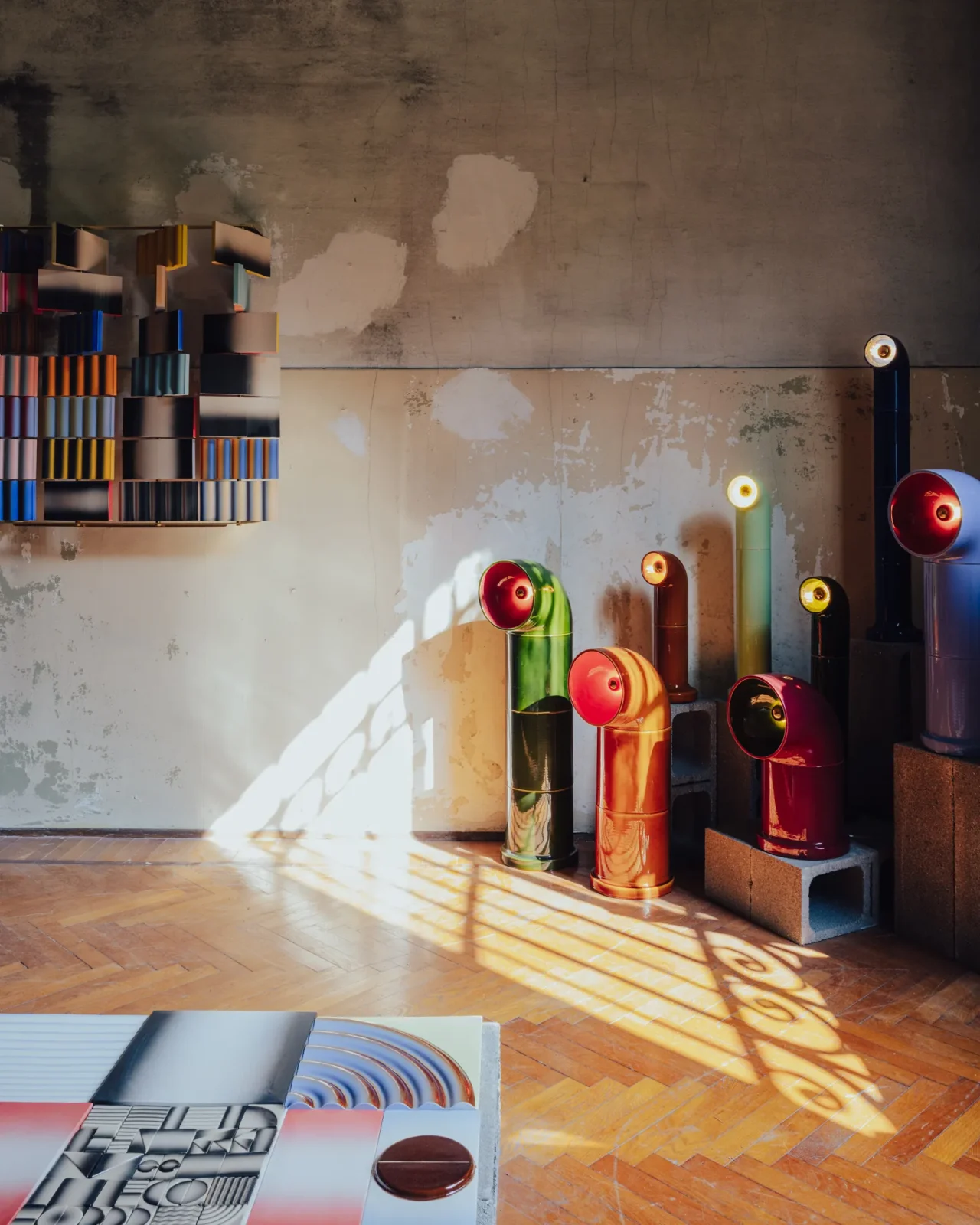
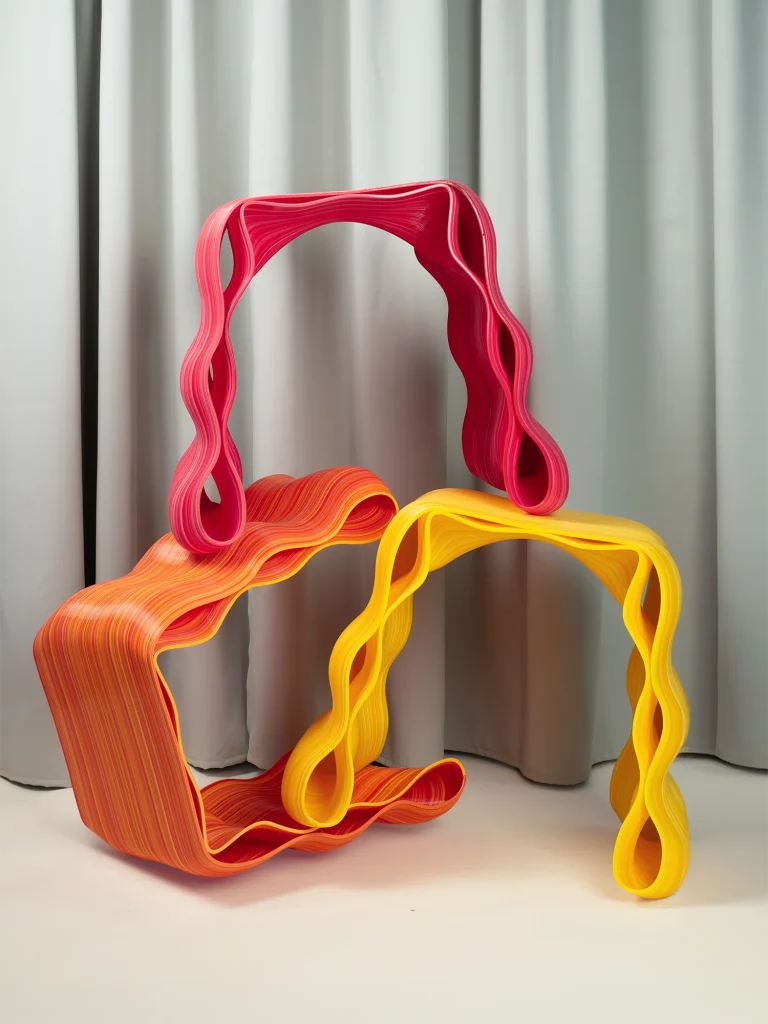
Much of the work coming from Poland right now allows for more irregularity, tension, and personality inside the final object. Even the more restrained interiors coming from Polish studios tend to avoid the hyper-controlled atmosphere that has dominated luxury interiors internationally over the past decade. Monika Rogusz-Witkoś of COI Studio describes the current scene to us as “lighter, freer and more self-assured.” Magdalena Kwoczka of FINCH STUDIO calls it “a creative outburst,” driven less by the desire to follow trends than by curiosity and instinct.
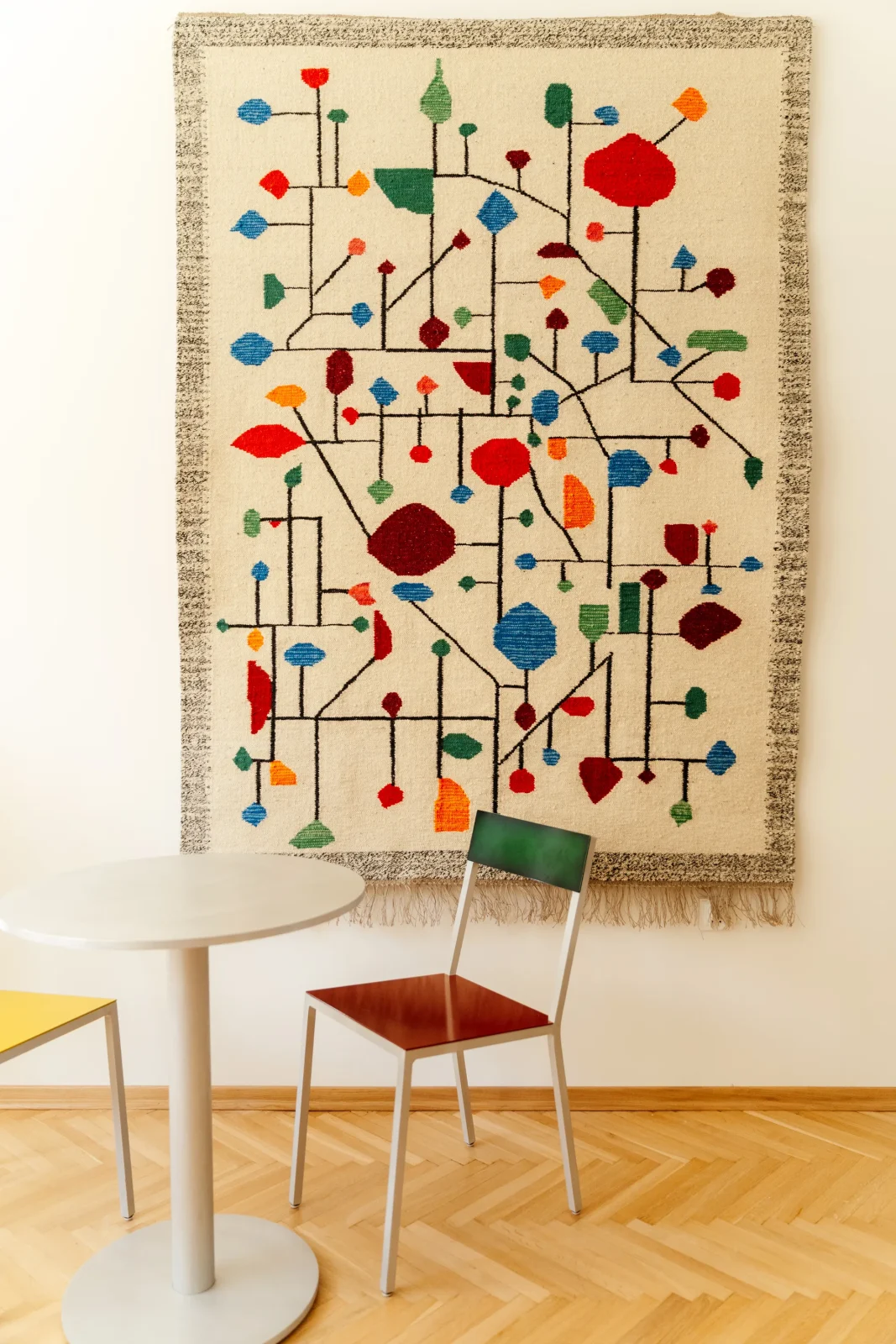
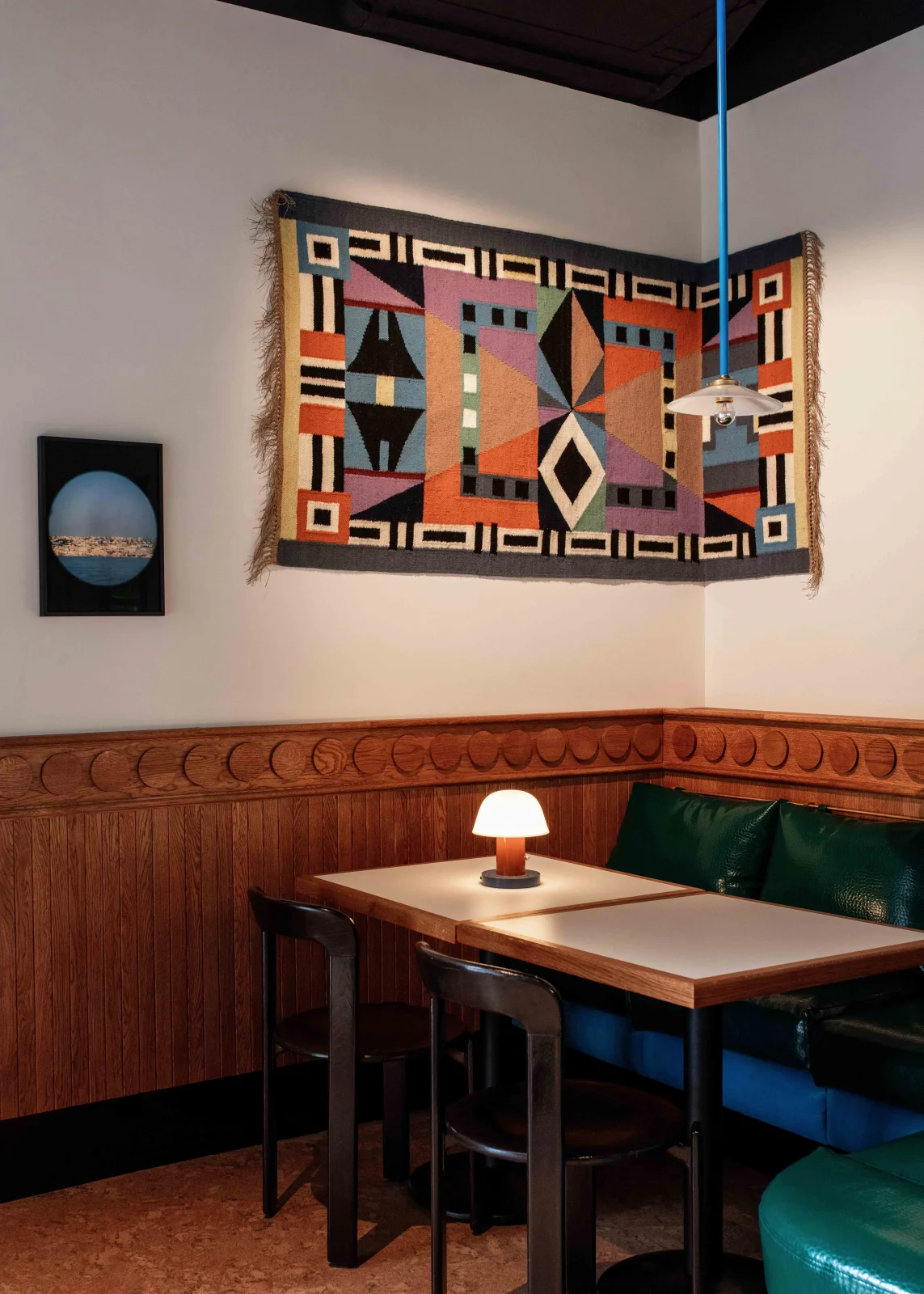
In our conversations with Polish interior designers, one idea returned repeatedly: younger studios no longer seem interested in positioning themselves against established Western design capitals, or imitating them. There is less self-consciousness in the work now.
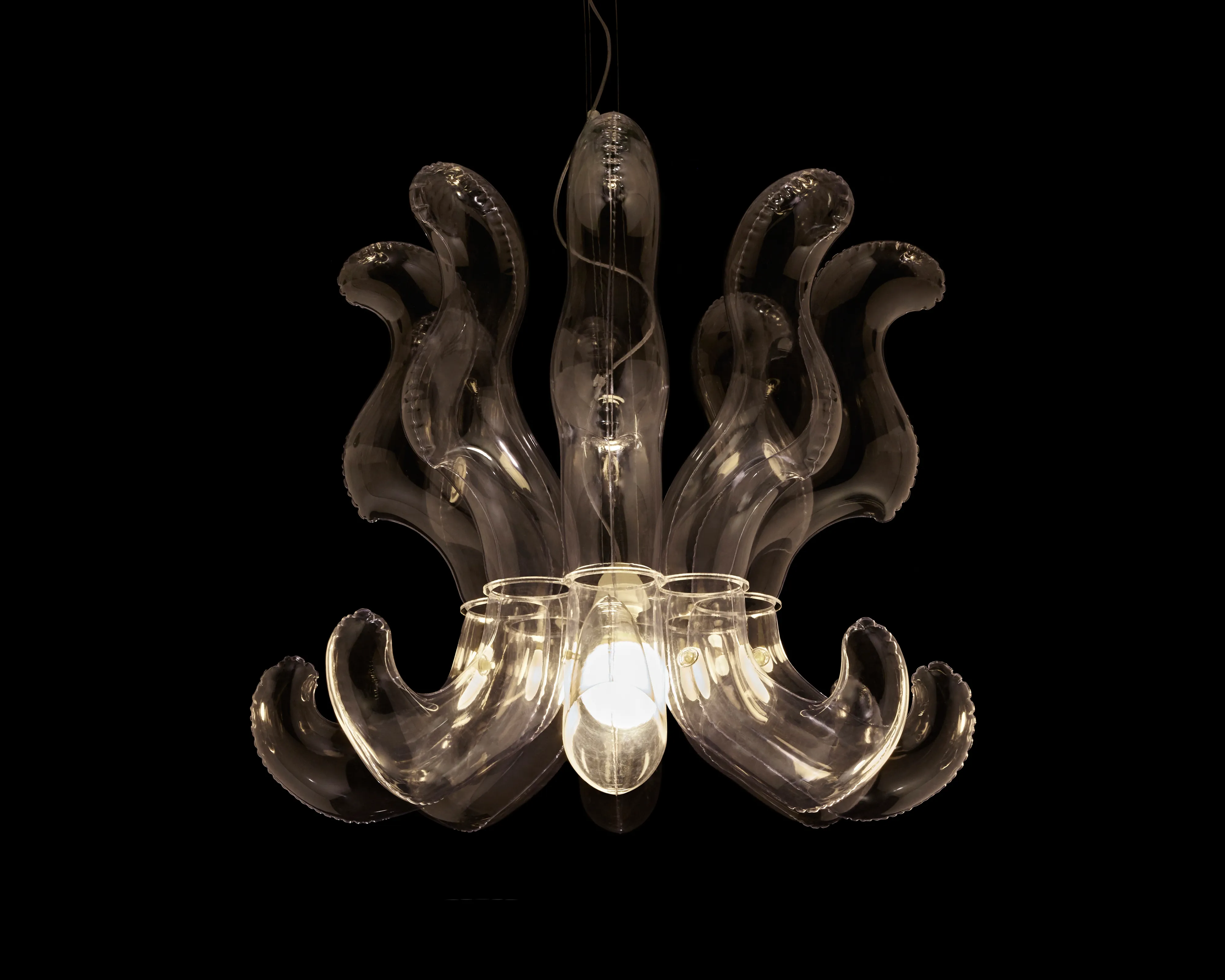
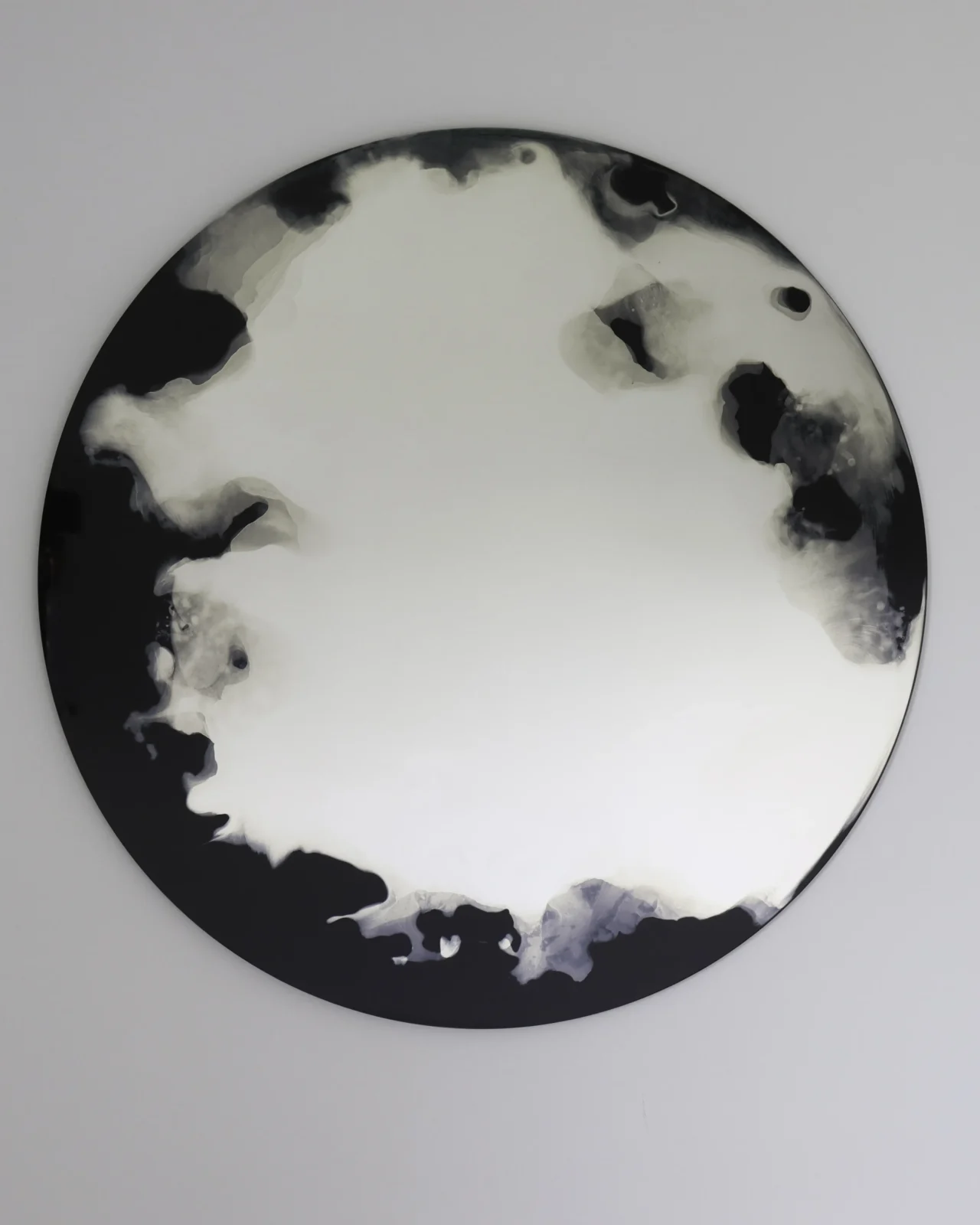
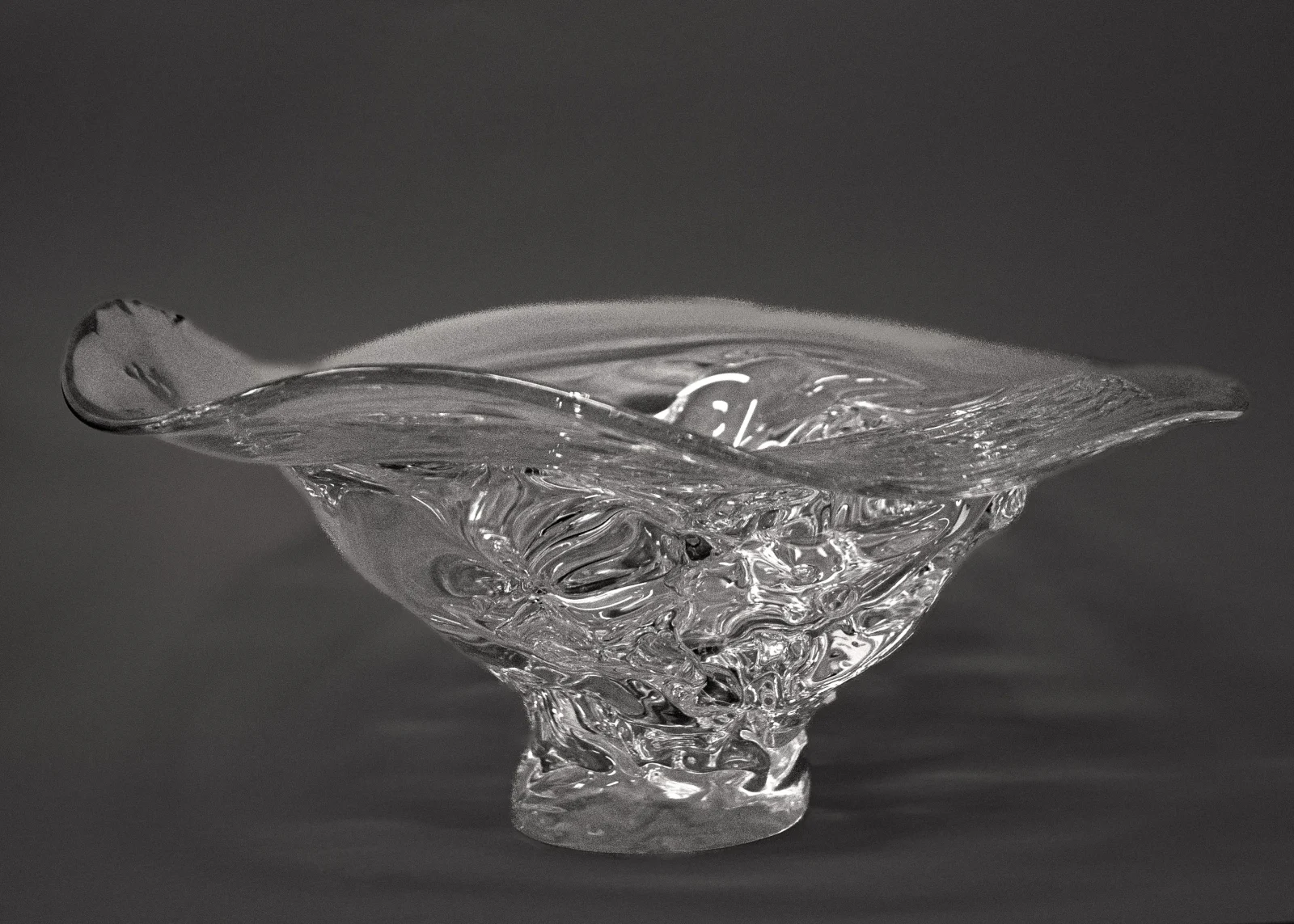
Closer to the Making
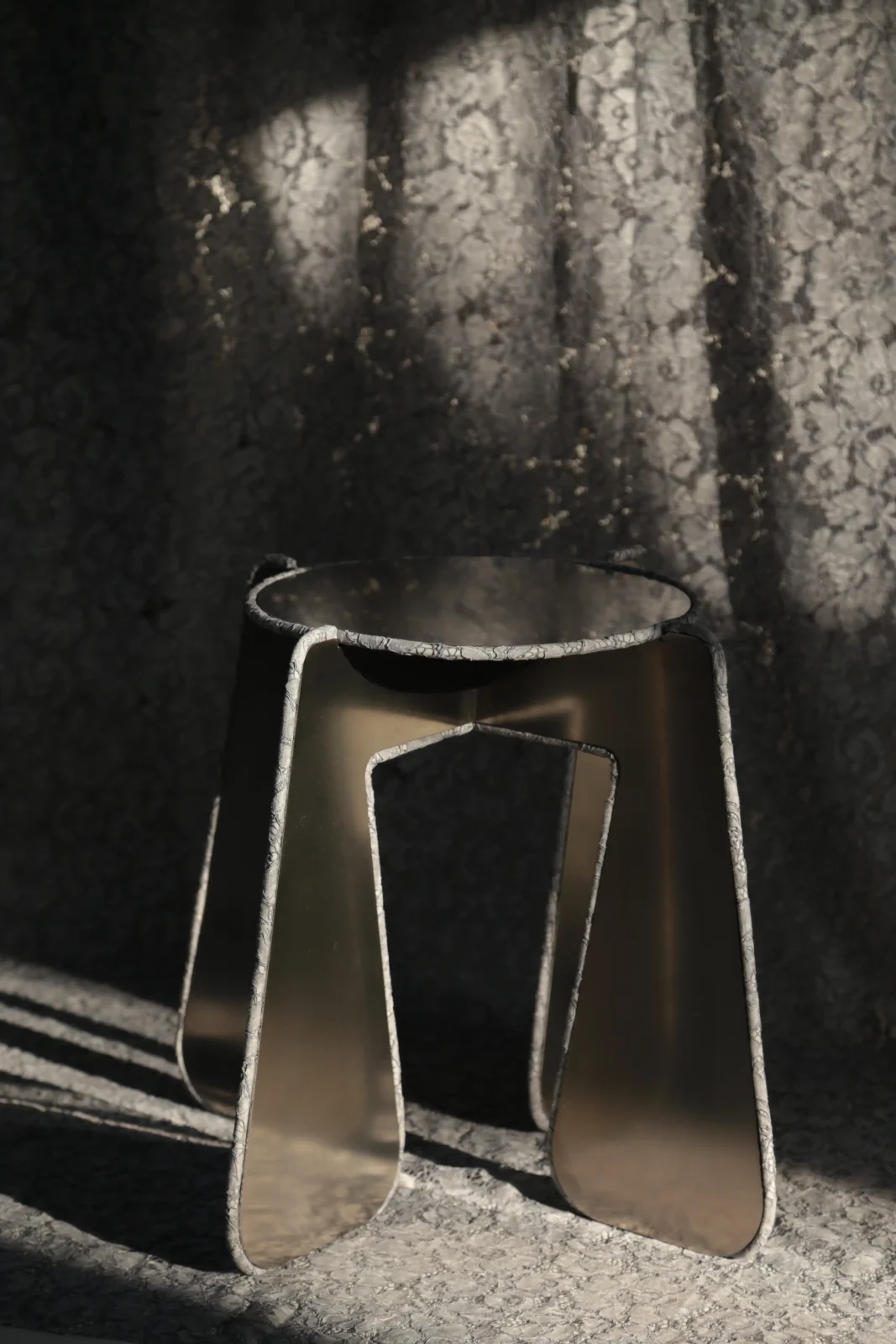
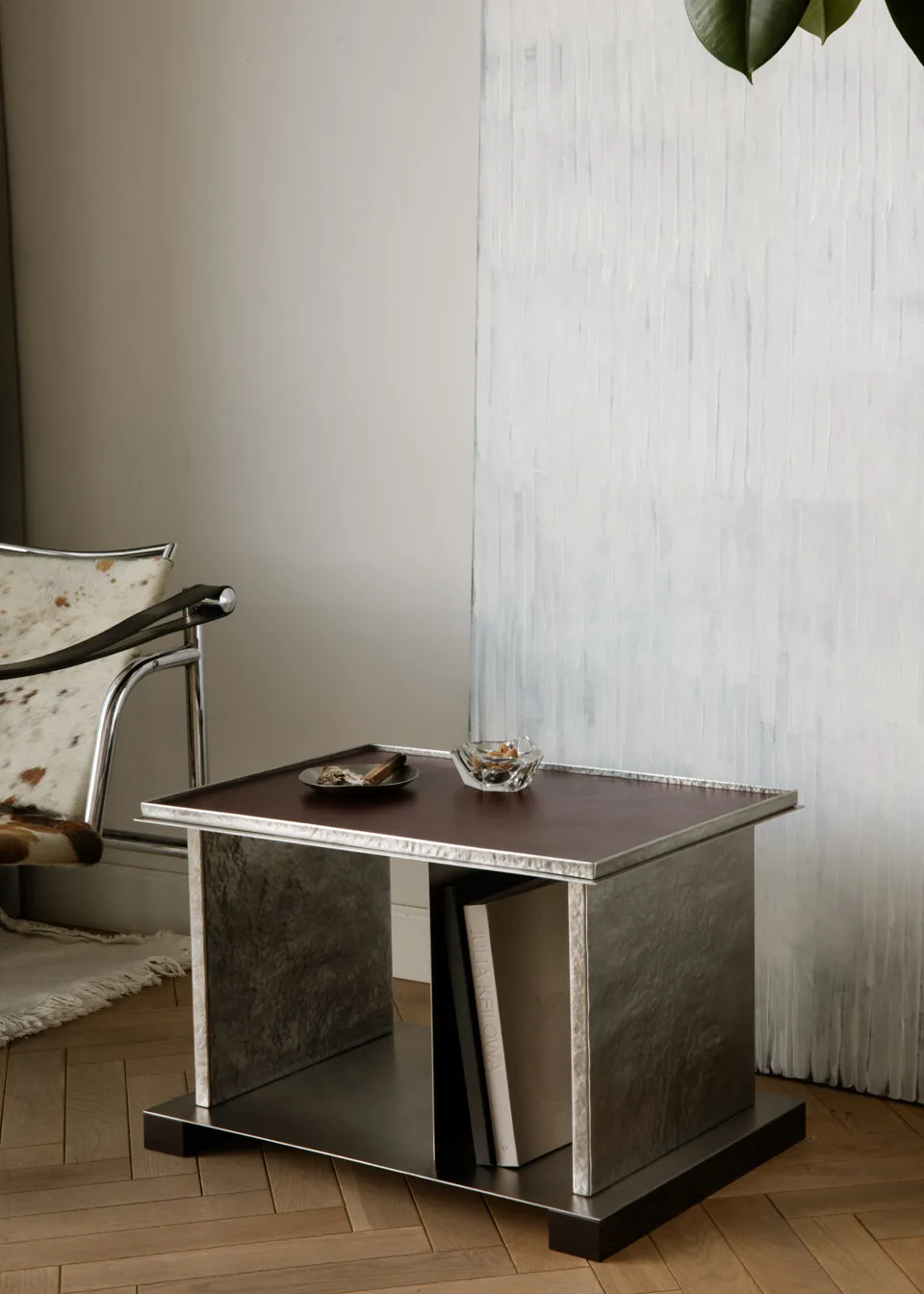
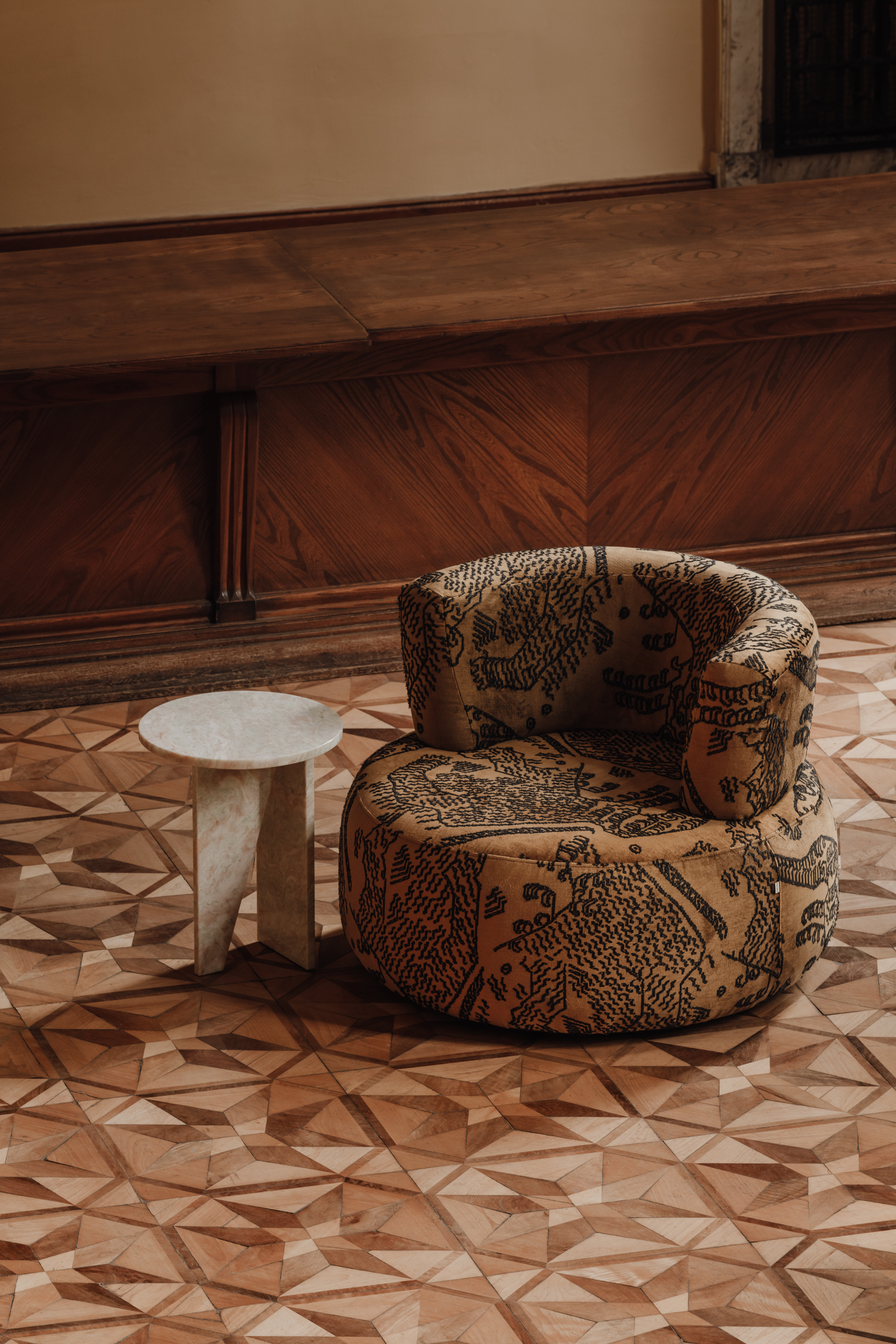
You can see this especially in the renewed closeness to craft and material process happening across the scene. Many Polish designers remain deeply connected to production itself, either by working directly with craftspeople or by making pieces largely by hand in their own studios, resulting in pieces that appear adjusted repeatedly during making rather than finalized perfectly in rendering software months beforehand.
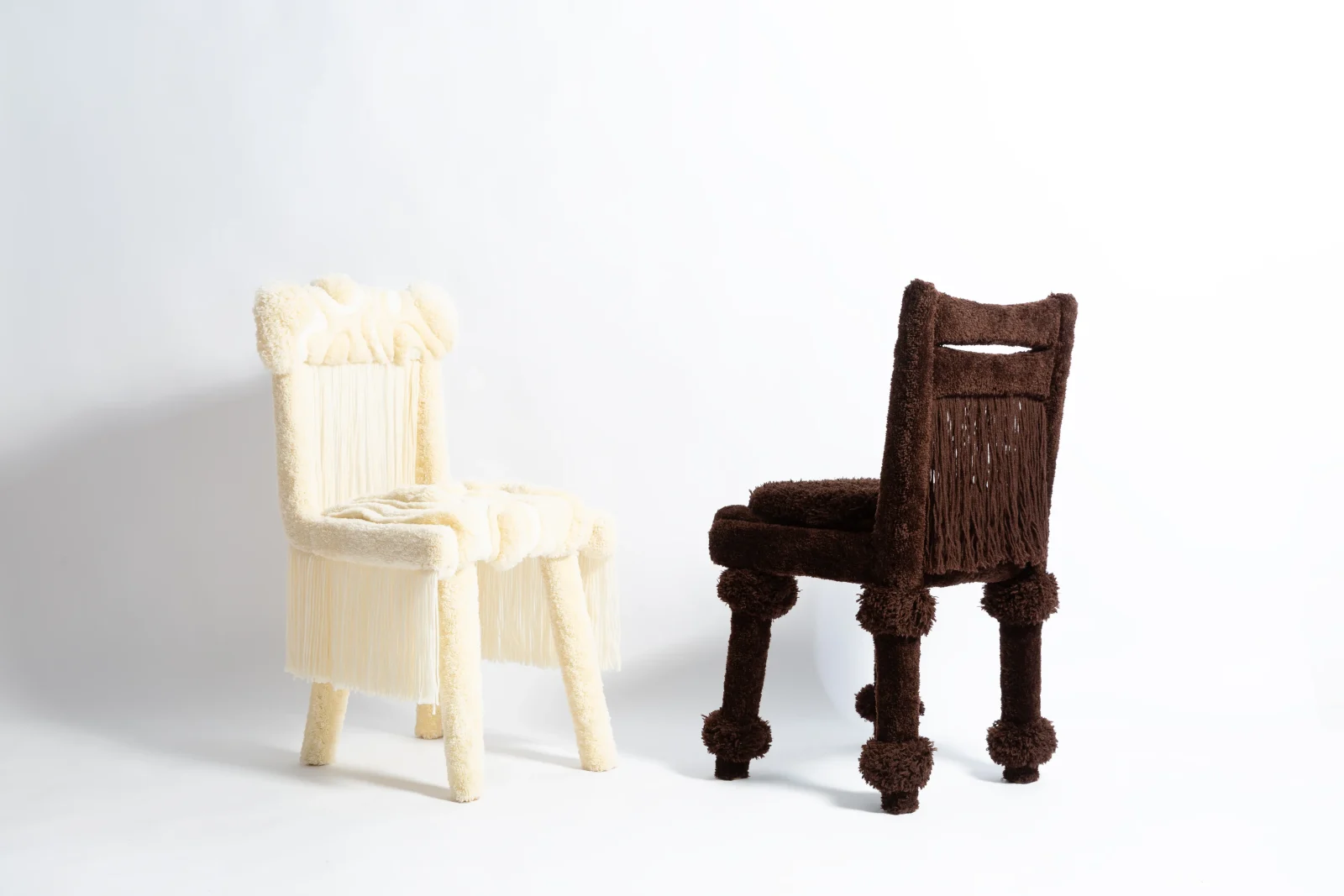
Importantly, this relationship to craft does not come across as nostalgic. The work rarely falls into folk revivalism or sentimental references to heritage. Instead, craft functions more as a way of slowing the design process down and allowing more direct contact between material, designer, and final object. Several of the designers and interior architects we spoke with returned repeatedly to the idea of wanting objects to carry evidence of thought, risk, and decision-making.

Arriving on Its Own Terms
The scene itself has become far more internationally connected than it once was. Many younger Polish designers studied abroad, worked in larger European studios, or became part of broader international creative networks before returning to Poland. Since joining the EU in 2004, Poland has steadily become more embedded within global design infrastructure, and that exposure has clearly influenced the confidence of the current generation.
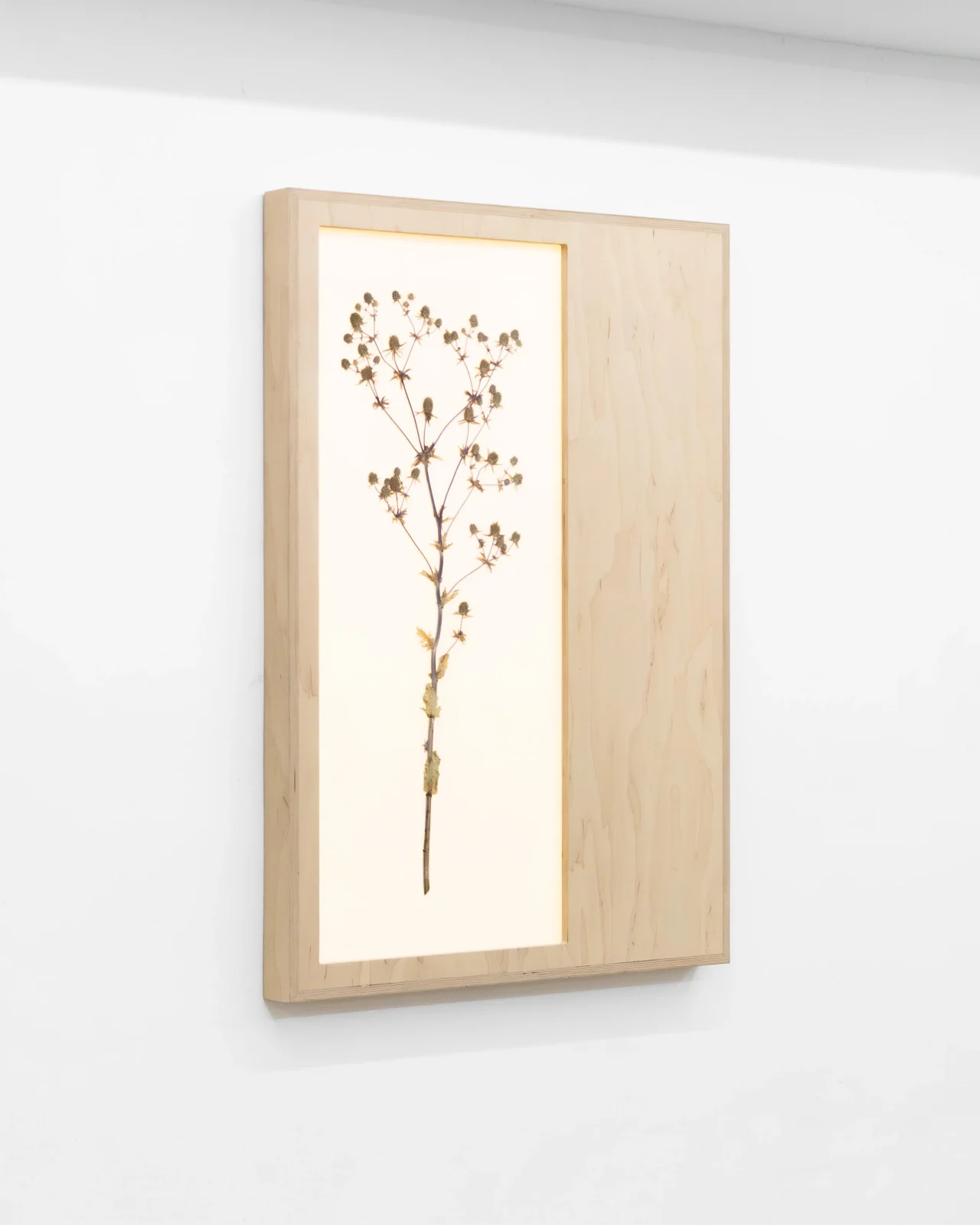
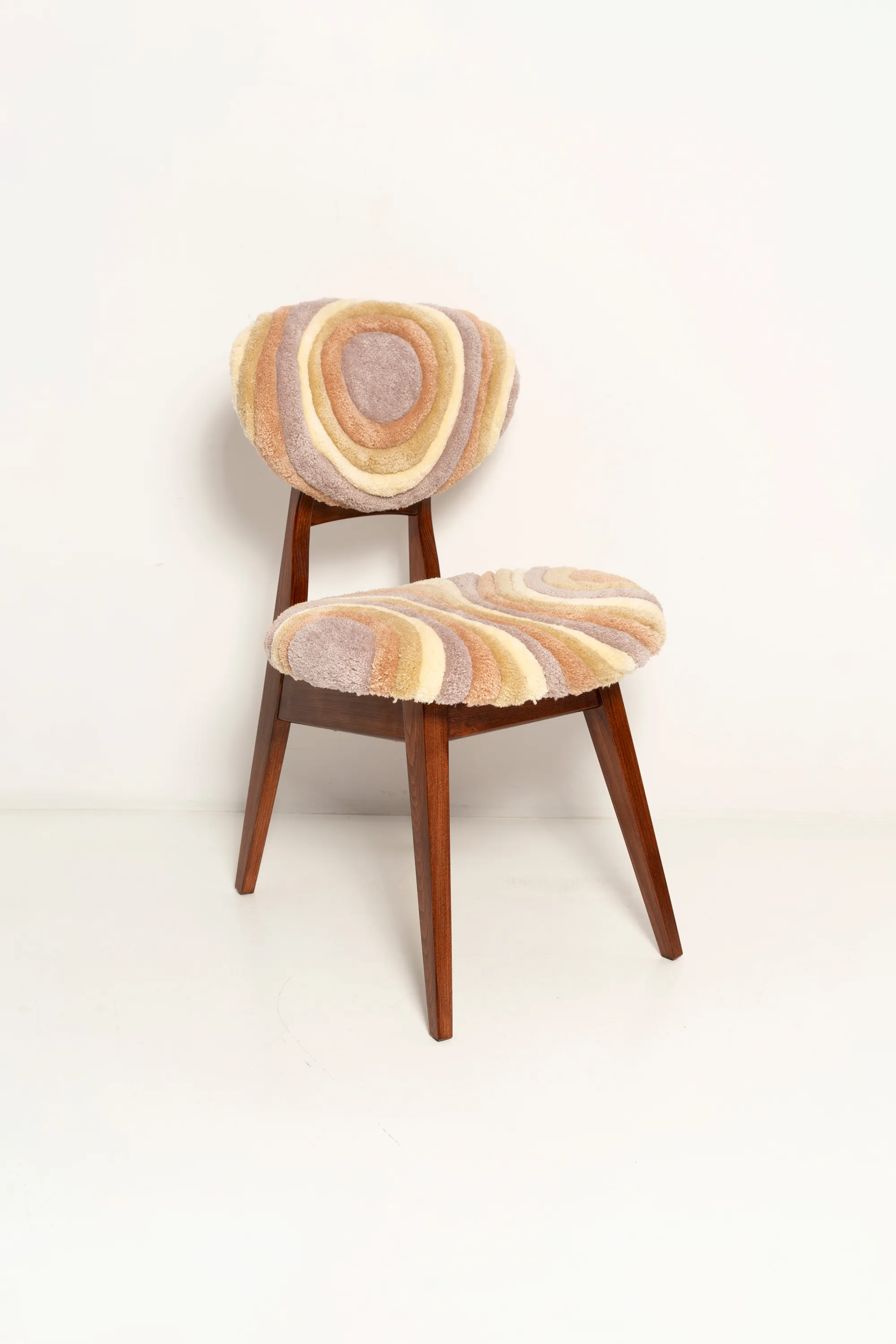
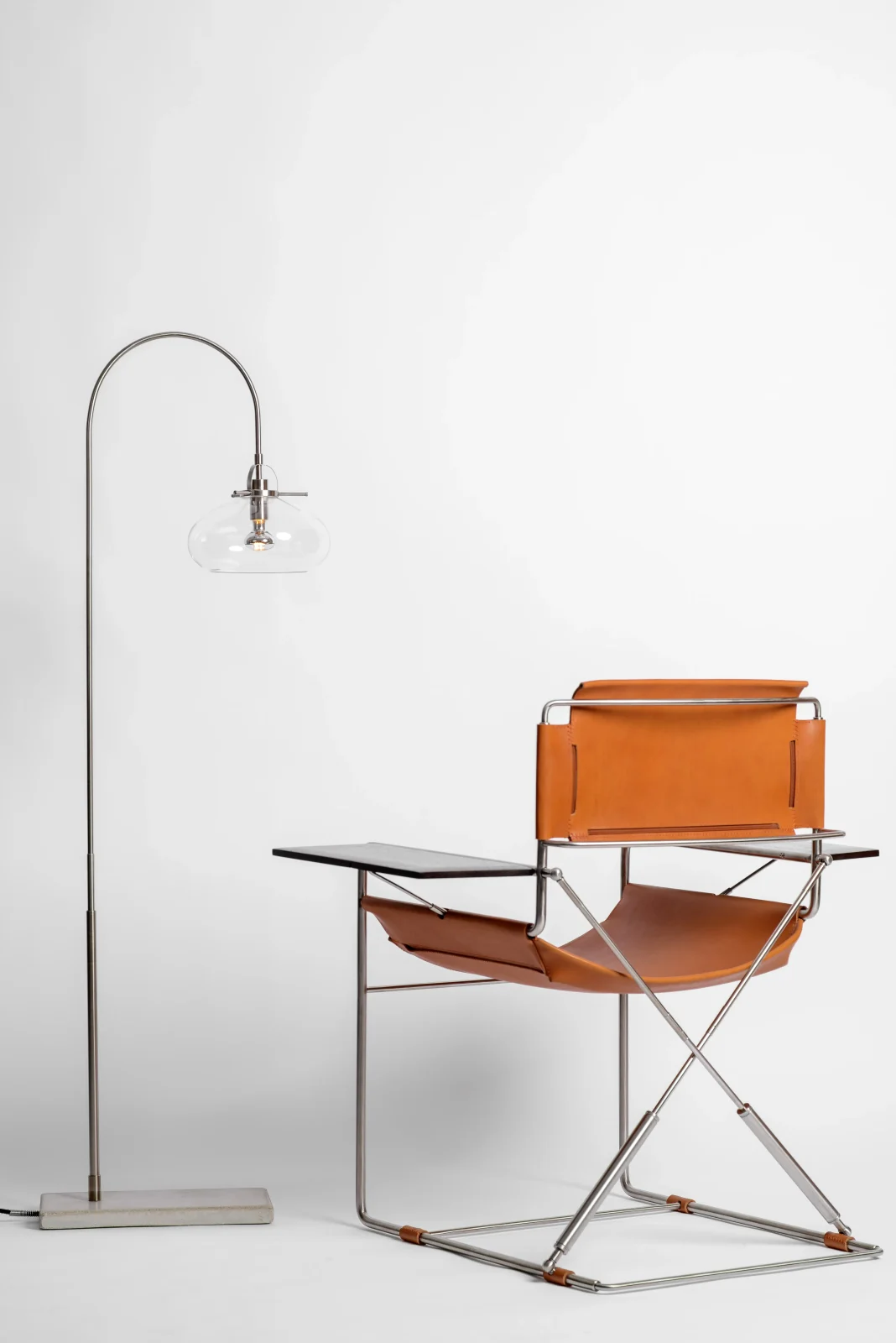
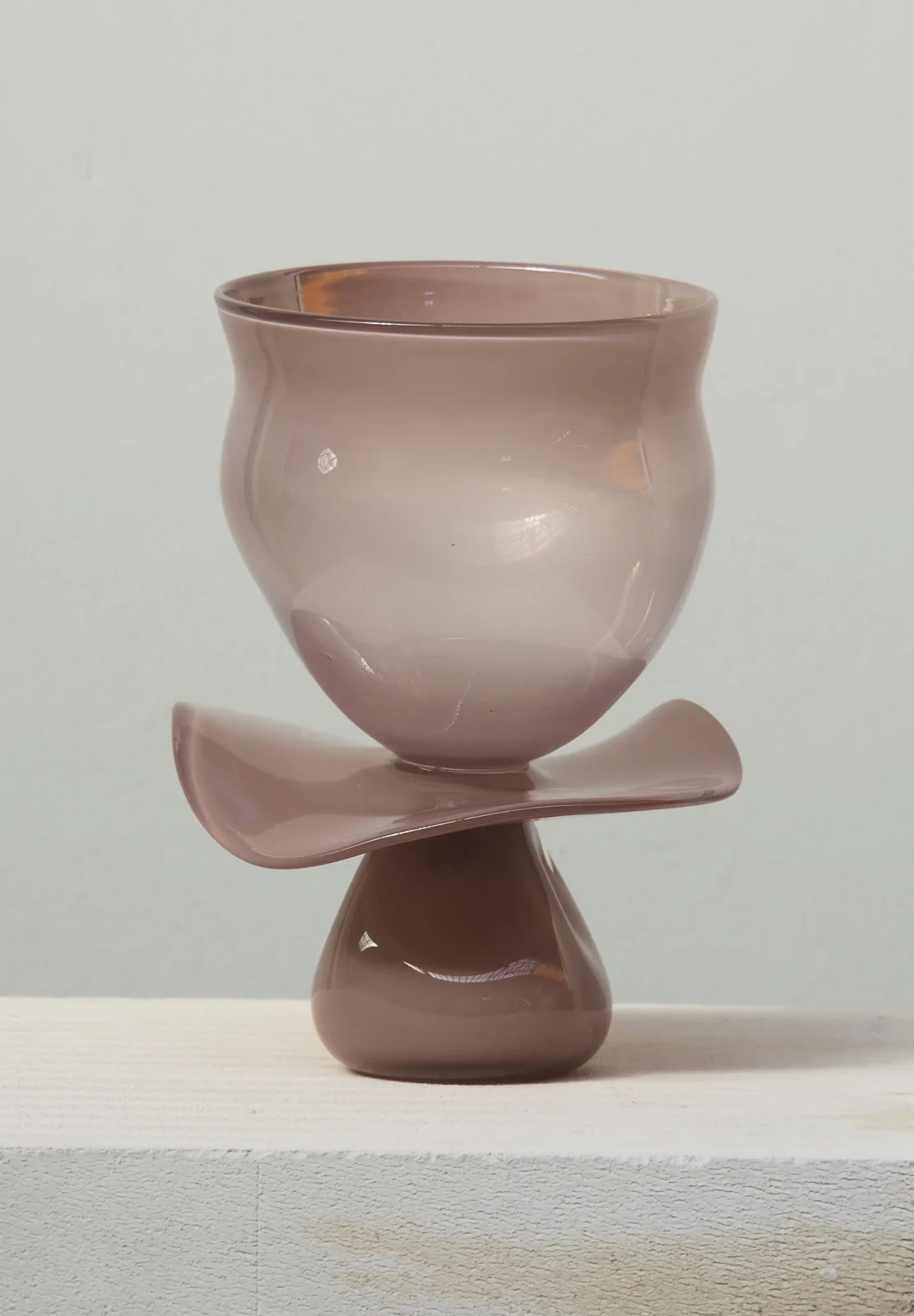
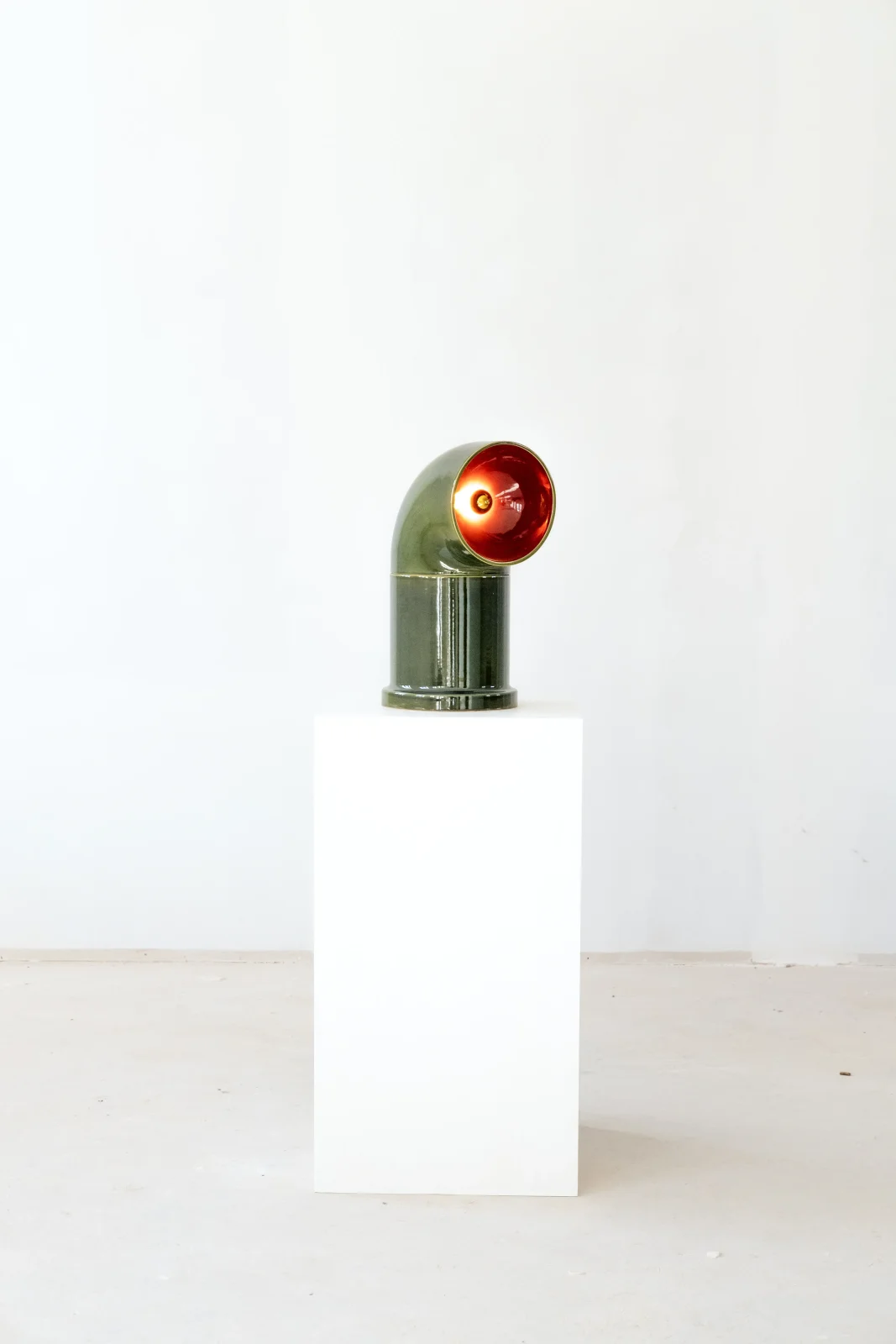
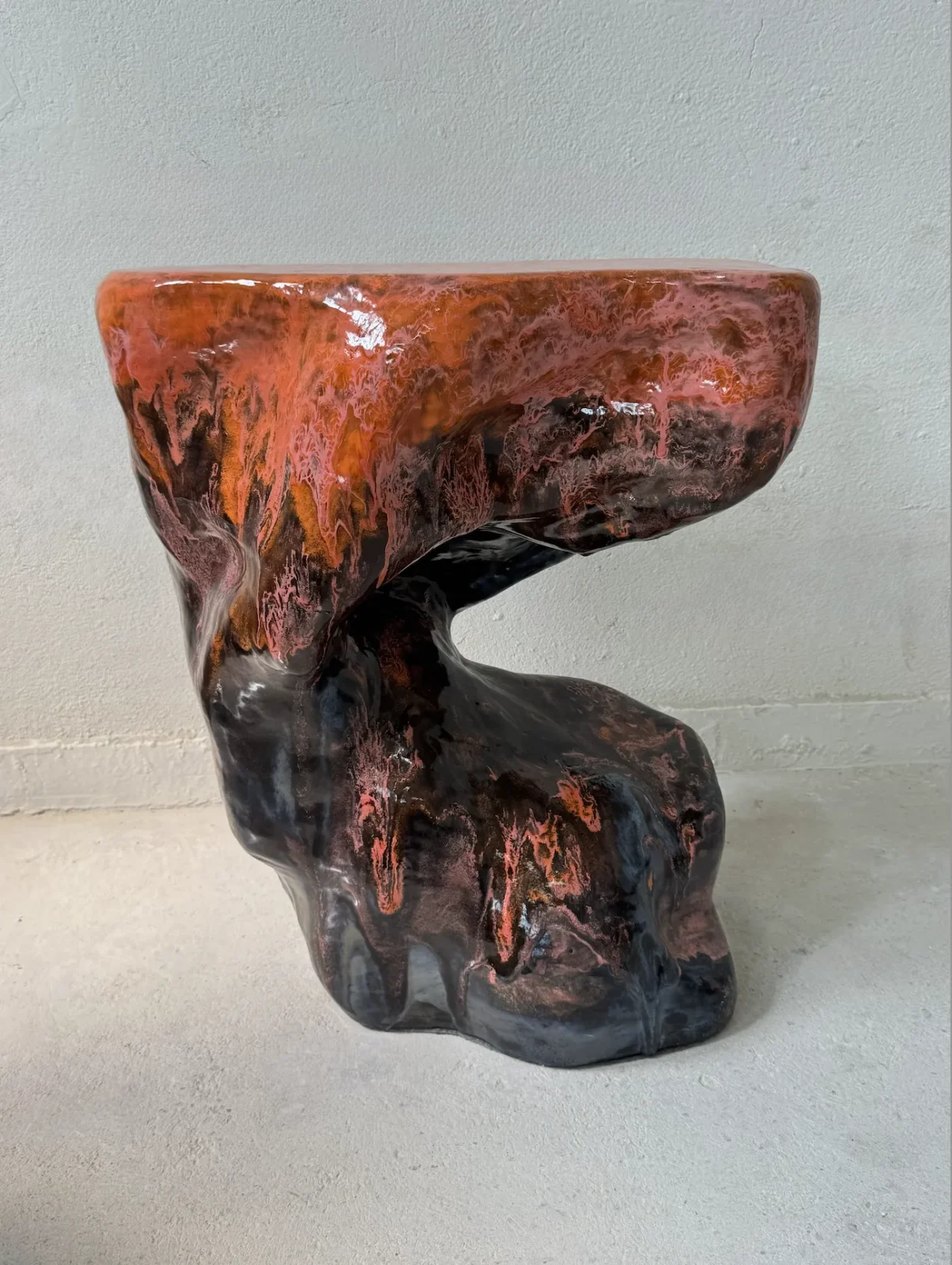
For years, Polish design was often discussed from the outside looking in, appreciated for technical ability and manufacturing, while the larger cultural conversation tended to happen elsewhere. What is striking now is how decisively that dynamic appears to have changed. Polish designers are no longer presenting themselves cautiously, nor framing the work as an emerging alternative to more established design capitals. There is far more certainty in the work now, and far less interest in seeking permission or validation from outside the country.
As FINCH STUDIO put it quite directly: “We entered the scene through the front door.”
Products by Tag
Bauhaus Low Stool
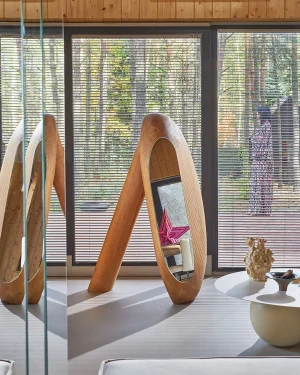
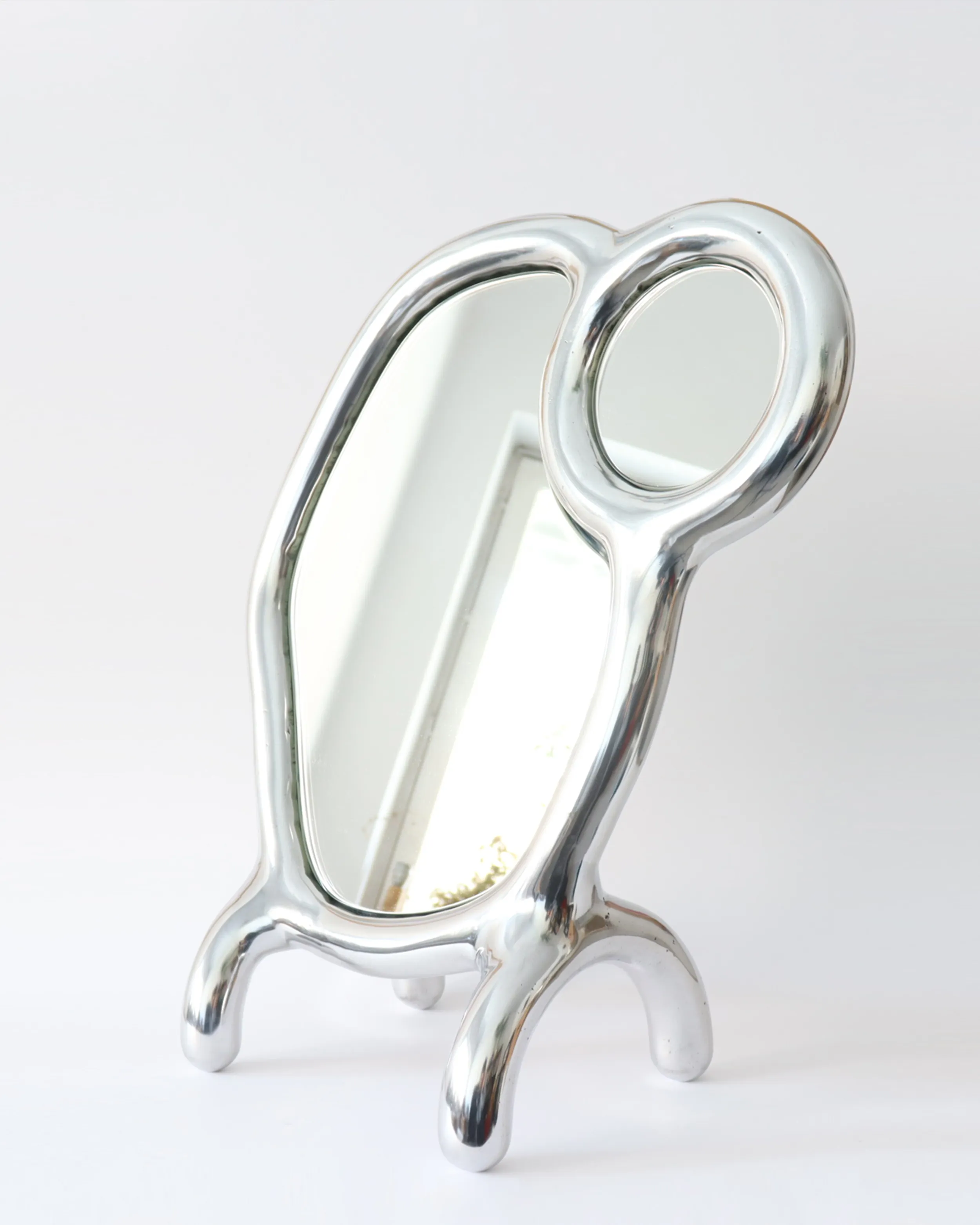
Object N.16 Mirror

Jolly Rug / Wall Decoration

Mid Century Heart Chair

Spot – Set Of Cotton Kilims
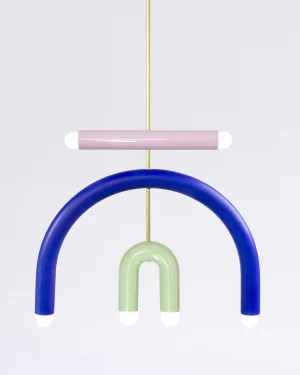
Trn / Model F3 Pendant Lamp in Ceramic

Day Mountains Panorama – Woolen Kilim
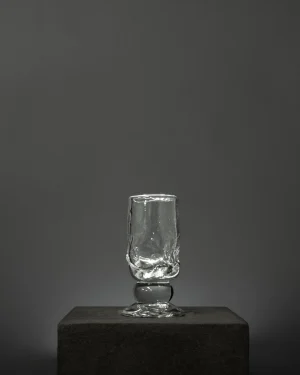
Organic Footed Table Glass

Fib – Coffe Table

Fat Op No. 002 Four Piece Floor Lamp in Ceramic
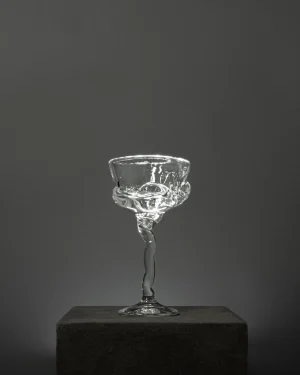
Hand-blown Champagne Coupe
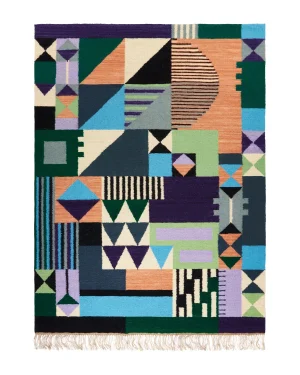
Dawn Rug/Wall Recoration

Trn / Model F1 Pendant Lamp in Ceramic
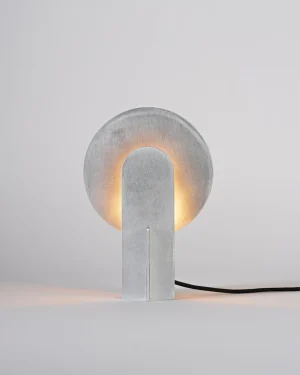
Aurora Medium Eclipse Table Lamp in Brushed Aluminum
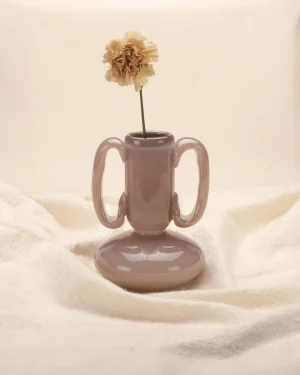
Hand-blown Glass Vase 02
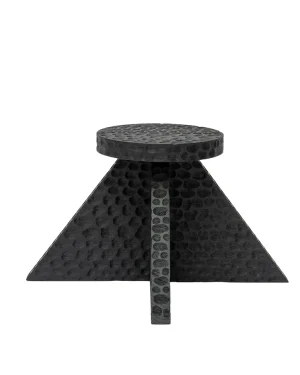
Object112 – Wooden Side Table/Low Stool
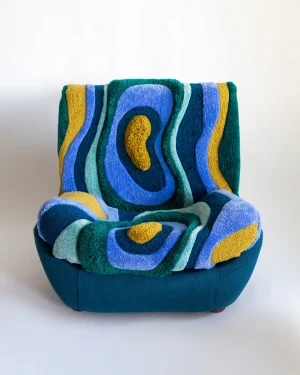
Atlantis Armchair Blue Wool Tufting
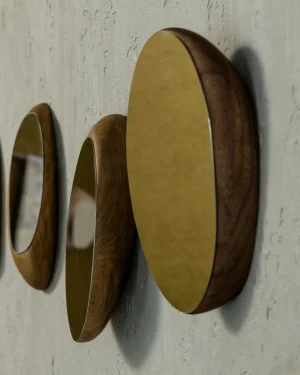
Walnut Mirror F2 — Ves

In Between Mirror

Float Mirror Transparent #t_40 – Liquid Silver / Glass
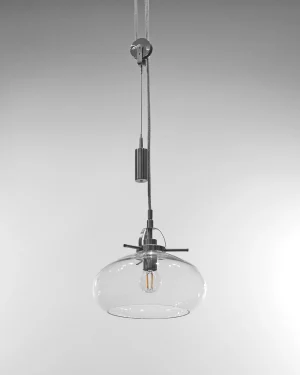
Art Deco Pendant Lamp with Weight in Glass and Steel
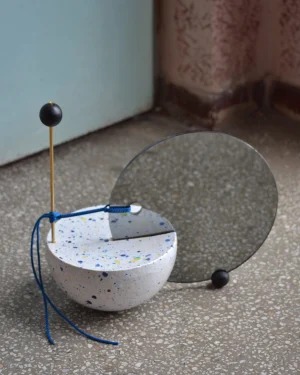
Hemisphere – Ceramic Vanity Mirror
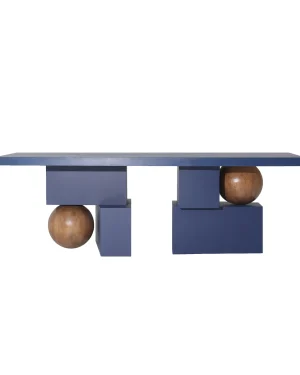
Mess – Wood / Steel Dining Table
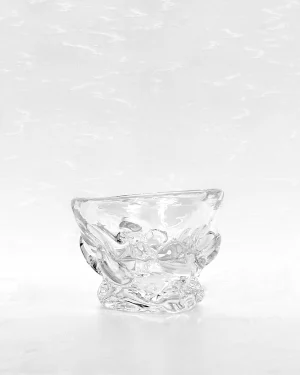
Chawan – Limited Edition Mouth-blown Glass Vessel
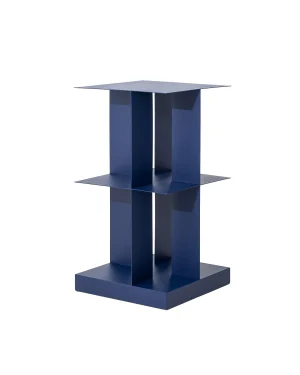
Lobster – Steel Rack & Side Table
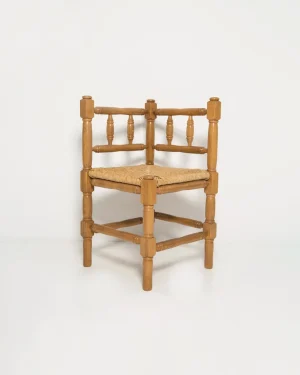
Hand Crafted Bobbin Corner Chair
Object N.1 Mirror
Vertigo Wall Decoration

In Between Table Lamp in Ornamental Glass

Path – Set Of Cotton Kilims
Modular Textile Room Divider

Night Mountains Panorama – Woolen Kilim
Organic Shaped Table Glass
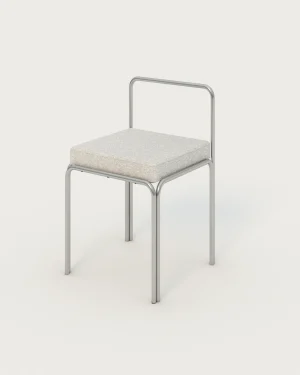
Sali – Upholstered Chair
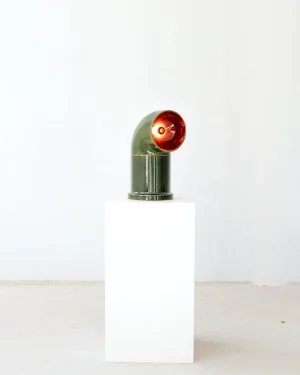
Fat Op No. 003 Two Piece Table Lamp in Ceramic
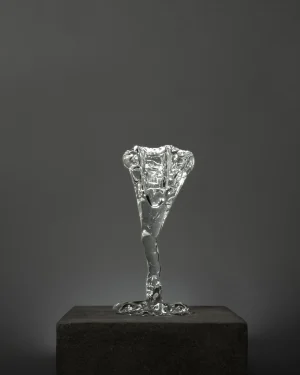
Spiky Cocktail Glass
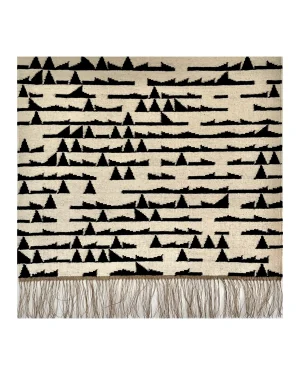
Little Chaos Wall Decoration
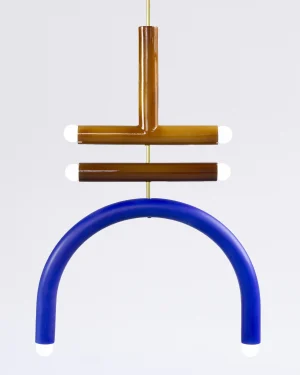
Trn / Model F2 Pendant Lamp in Ceramic
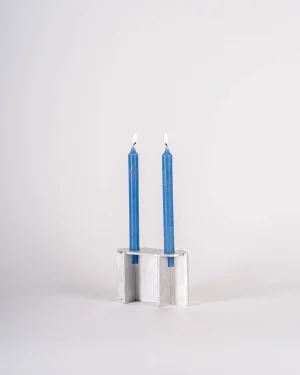
Titanos Ii – Polished Aluminum Two Candle Holder
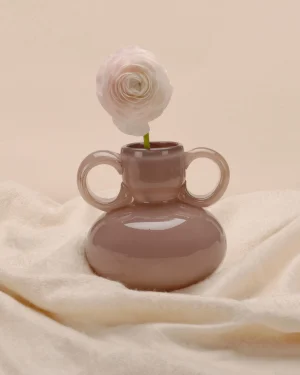
Hand-blown Glass Vase 03
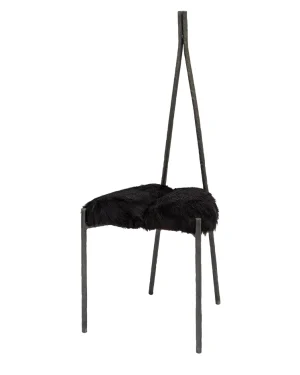
Object117 – Sculptural Chair
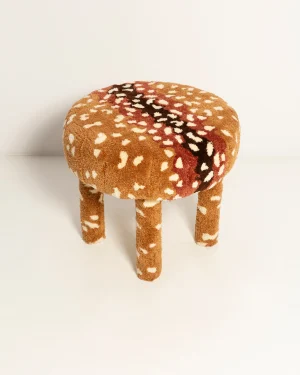
Bambi Wool Tufting Stool
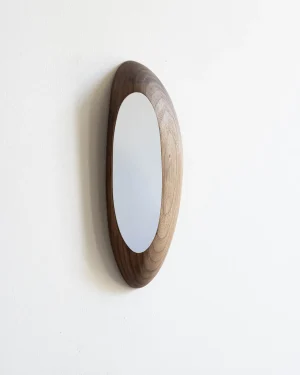
Walnut Mirror A — Ves

Trn / Model D2 Silver Finish Pendant Lamp in Ceramic

Umbra Wall Mirror
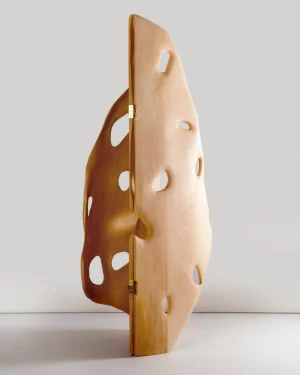
Shape N.1 Room Screen
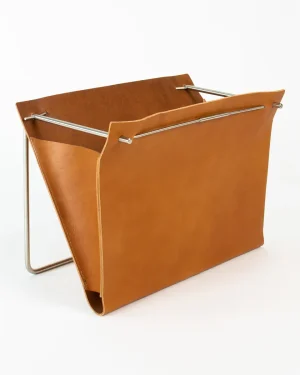
Leather Magazine Holder
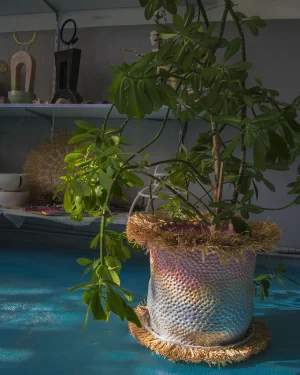
Sunray Venus Ceramic Pastel Flower Pot

Dessert – Steel Chair
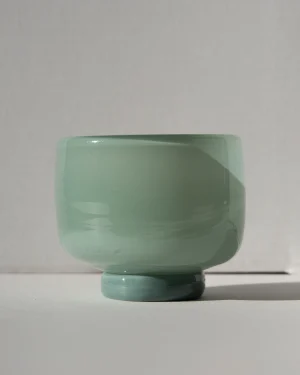
Chawan – Mass-tinted Hand-blown Glass Matcha Bowl

Retro Bar Stool
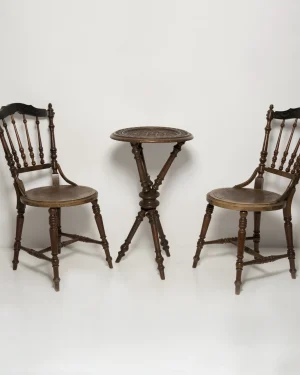
Midcentury Table & Set Of 2 Chairs

Float Mirror, Transparent #t_41 – Silver On Glass

Cosmos – Rug / Wall Decoration