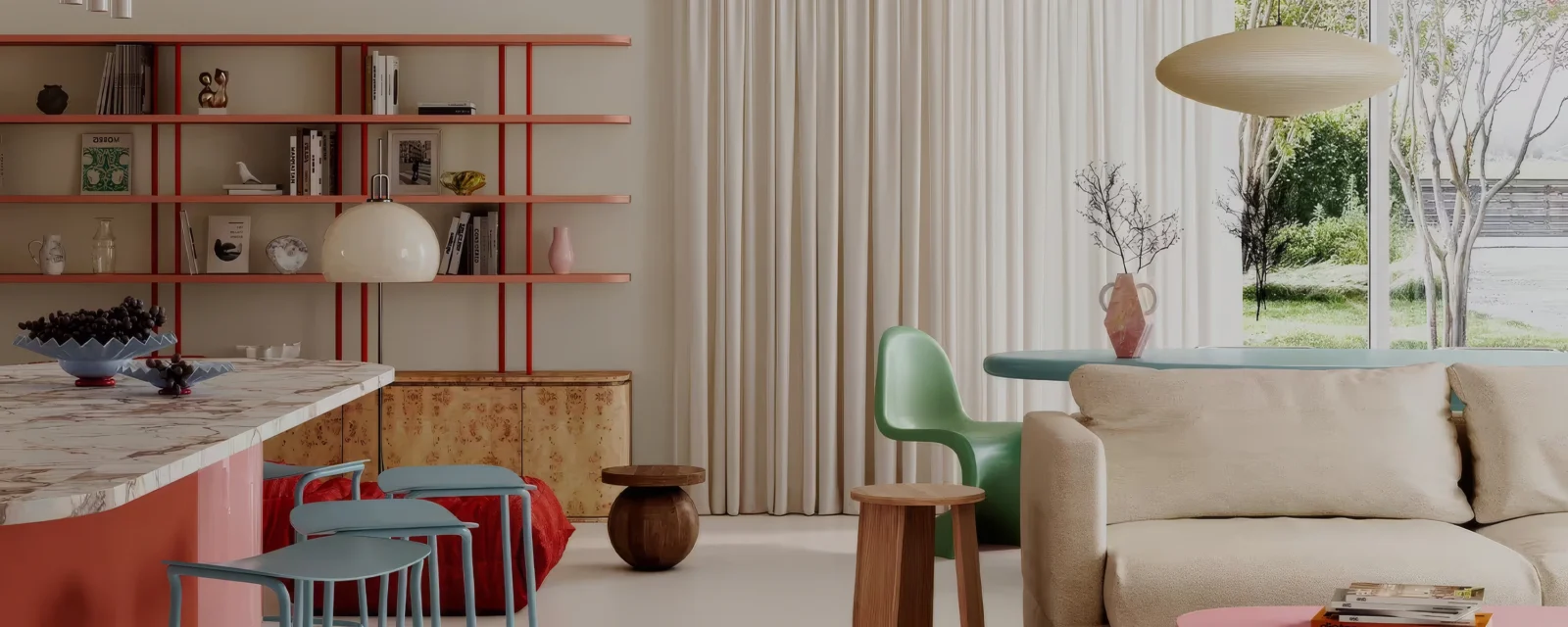
As part of Design Destination: Poland, we sat down with Magda Kwoczka, founder of FINCH Studio, to talk about the path that led her to interior design, the way she filters a client’s brief through her own instincts, and the Polish makers whose work she keeps coming back to. What emerged was less a conversation about trends than one about sensitivity: how a room gets built from feeling as much as from furniture.
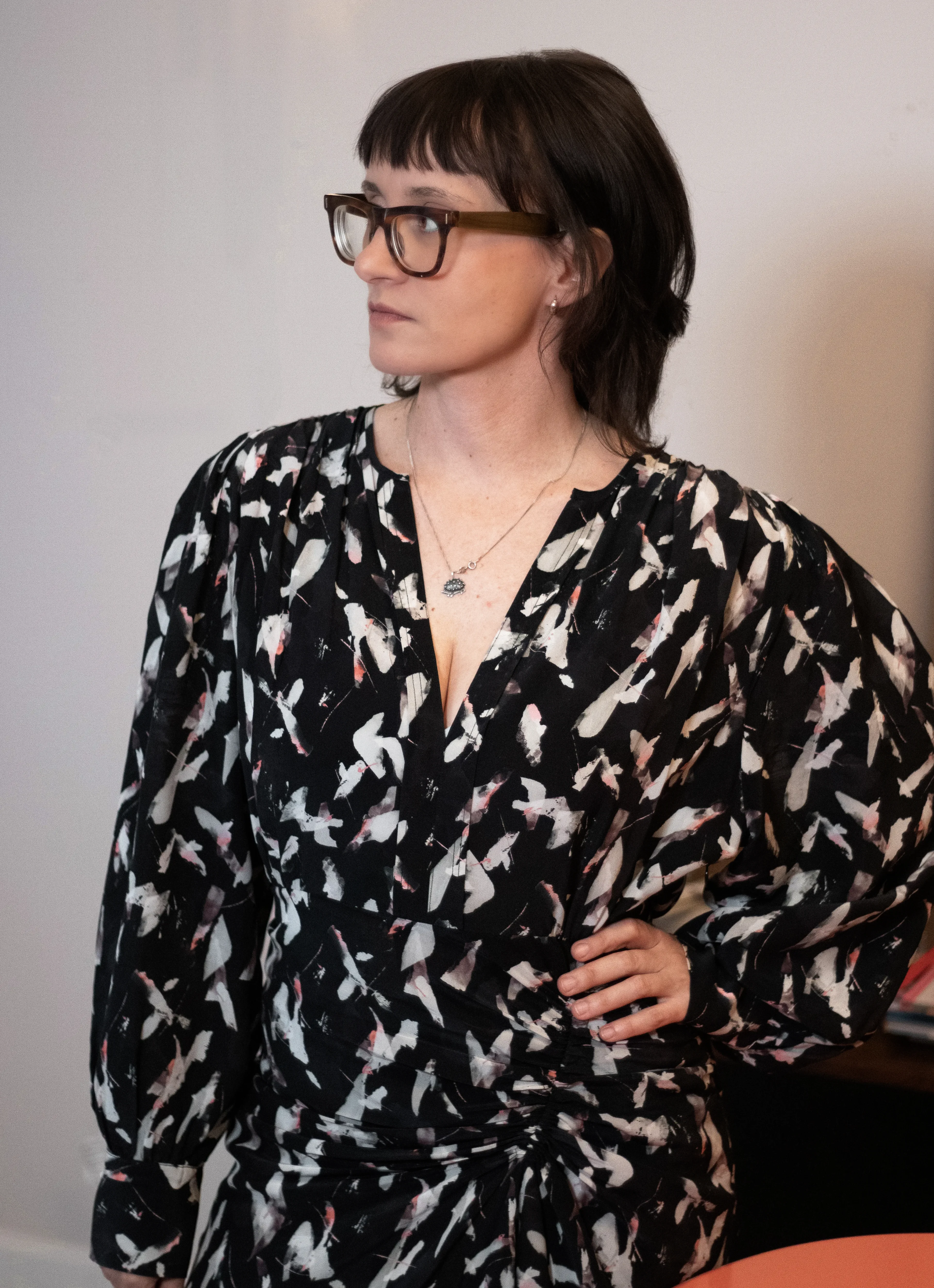
“I’ve always linked my path with something creative. I was always certain I’d go to art school, and after art school, I’d probably go to the Academy of Fine Arts, because art and creativity have always been close to me.”
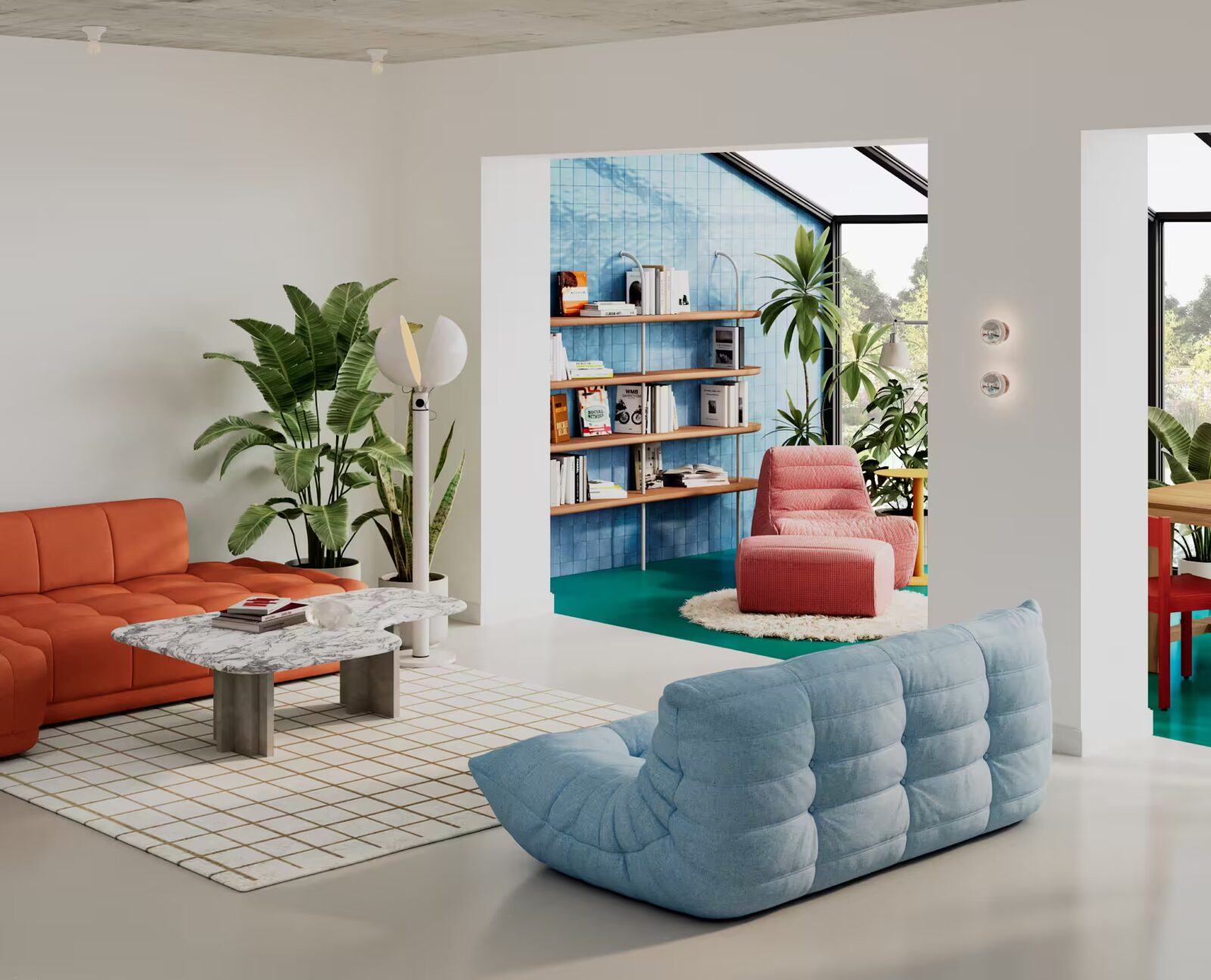
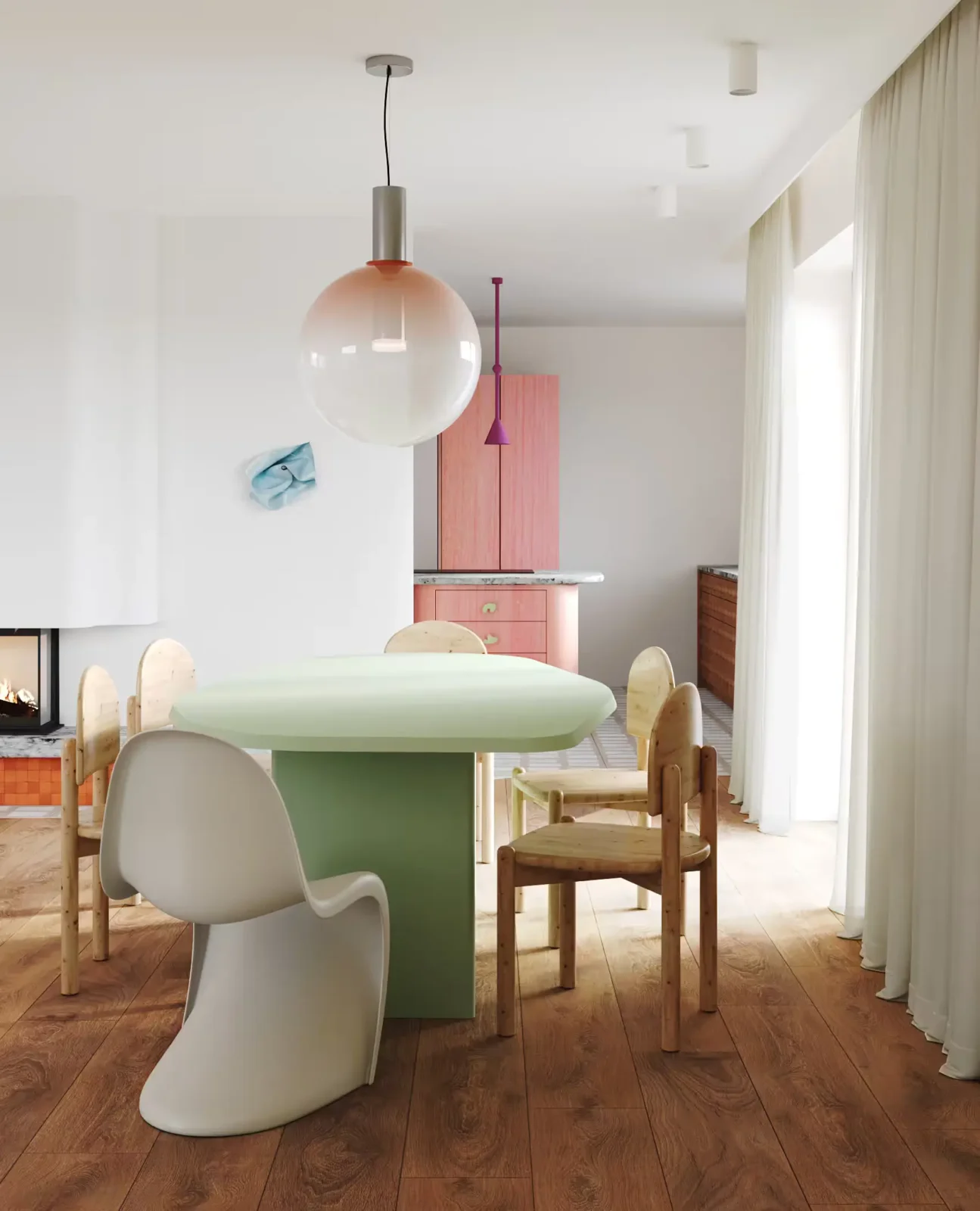
That early certainty runs through everything Magda does at FINCH Studio today. She talks about her work less as decorating and more as translation, taking a client’s expectations and running them through her own sensitivity before a single object enters the room. “I’ve always had a passion for exploration,” she told us. “I also always want to convey some element of my own, that is, filter the client’s expectations through my own sensitivity.”
“This is where the exploration begins. What objects will appear in this interior, how colors, materials, structures, and textures will work together.”
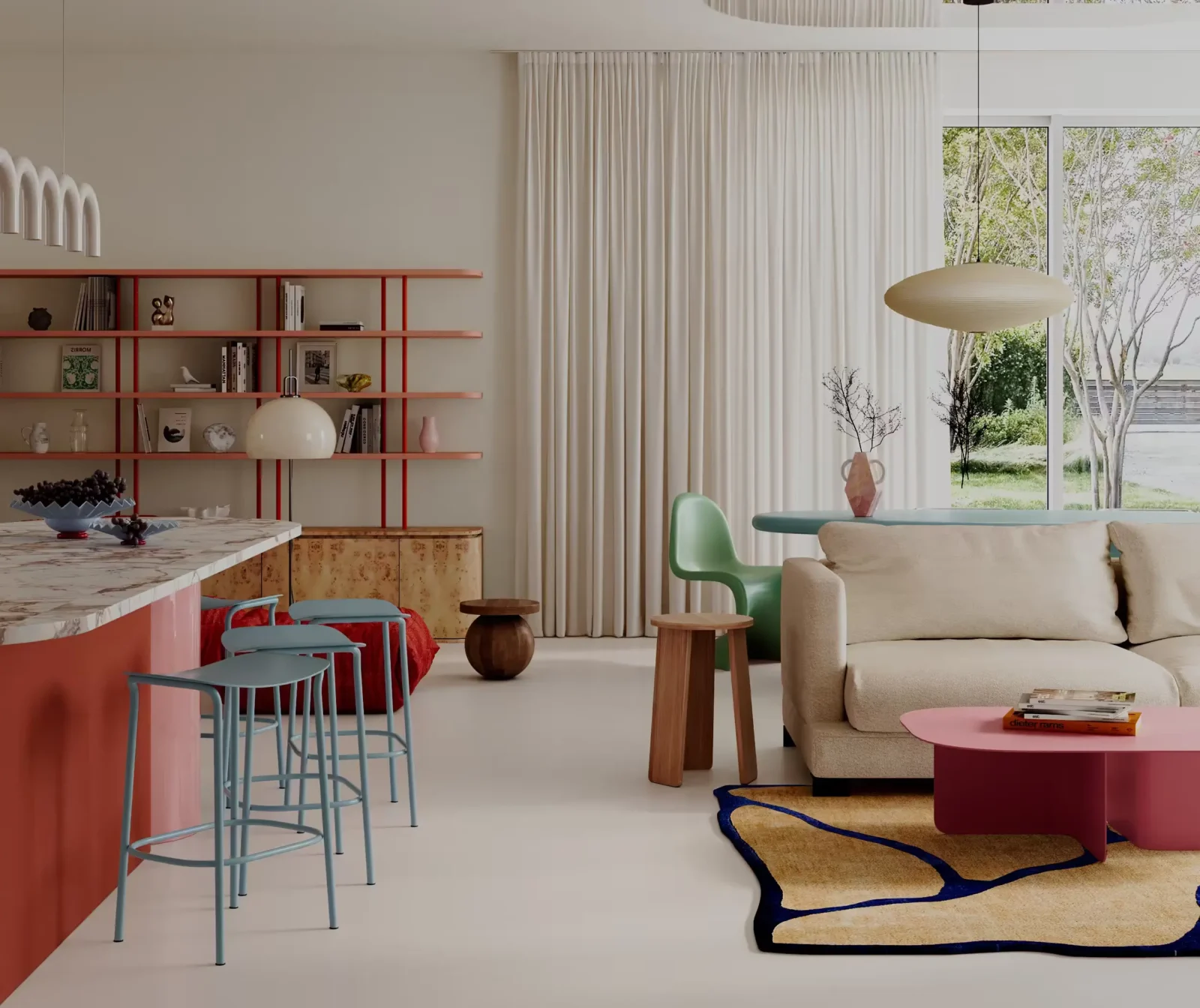
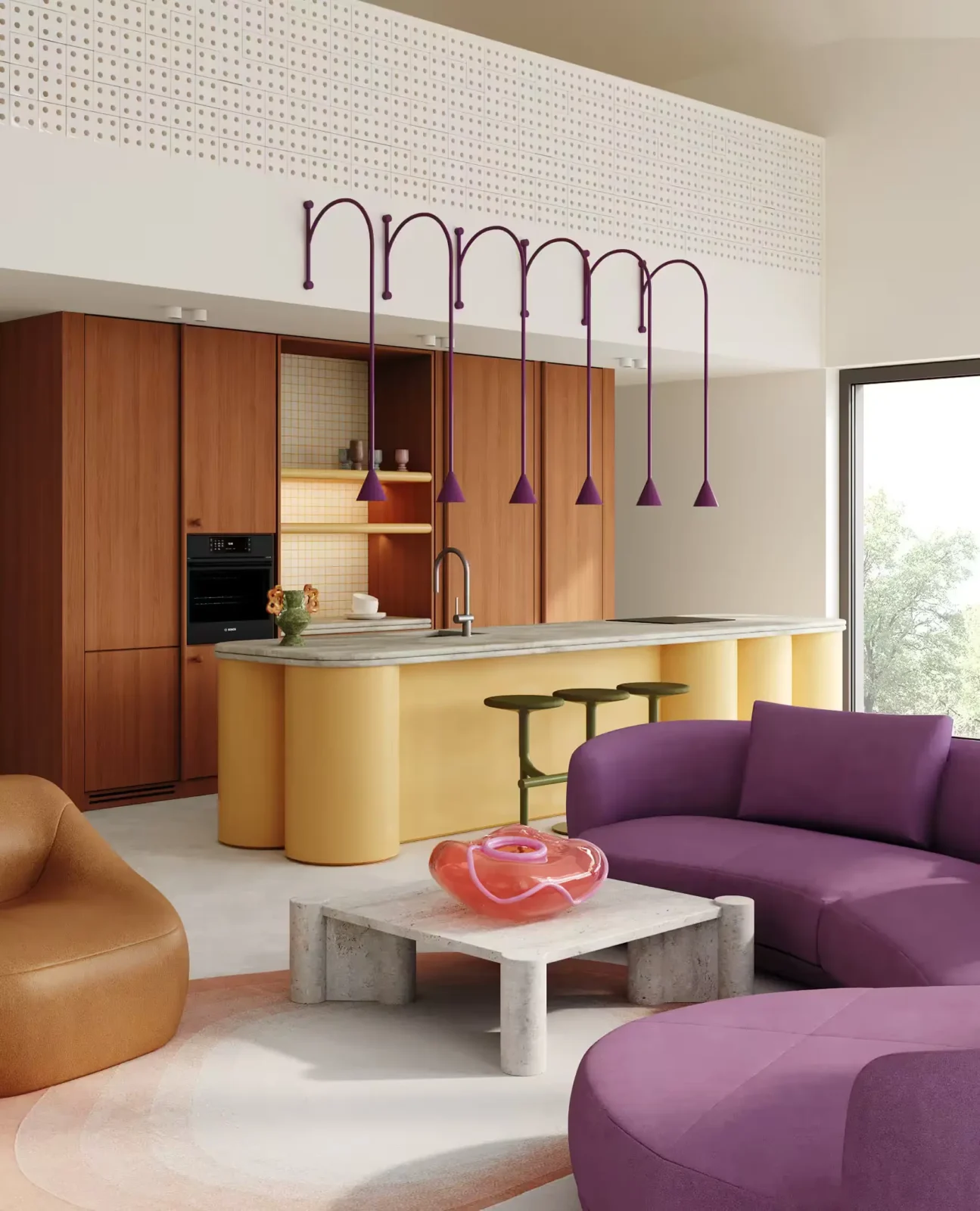
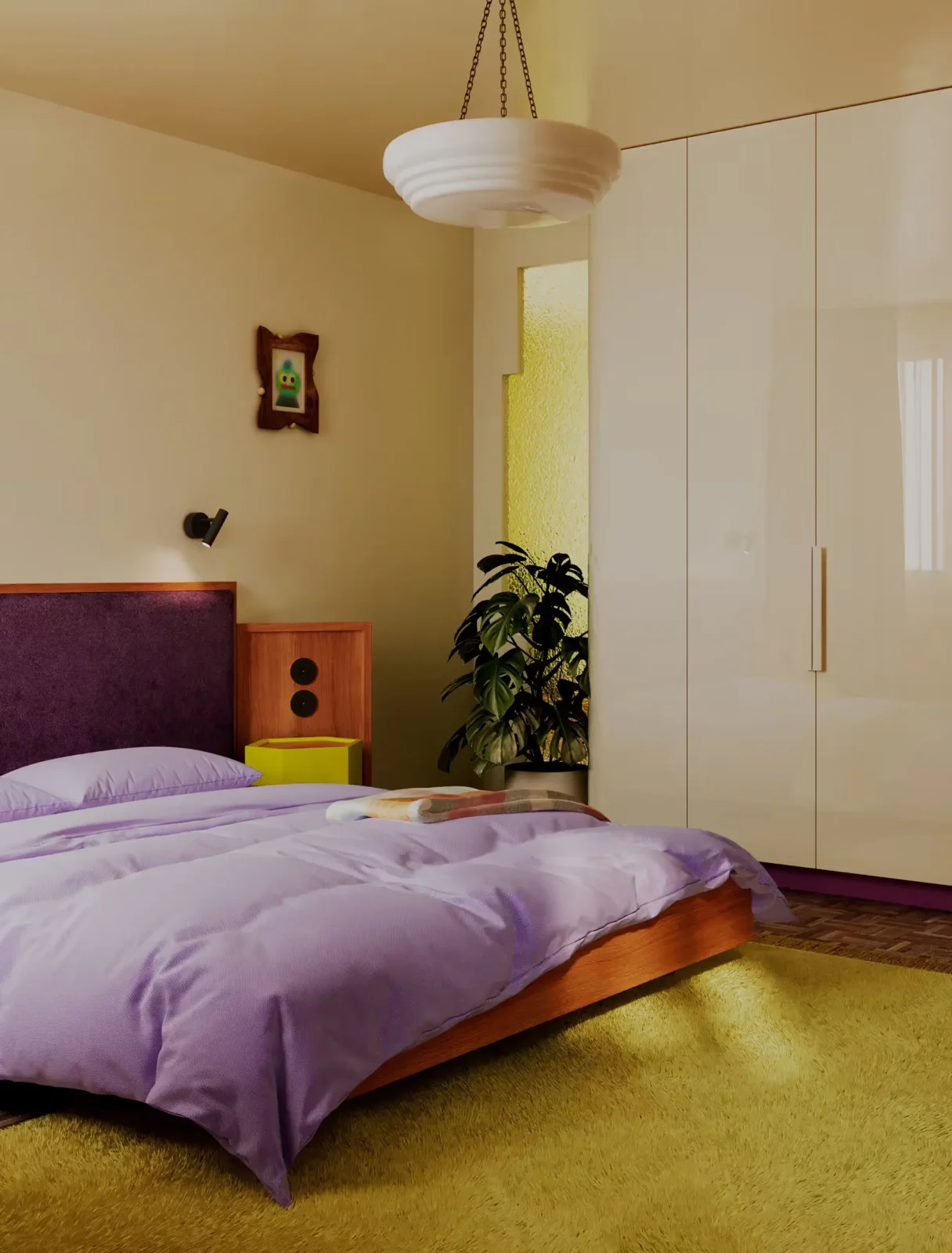
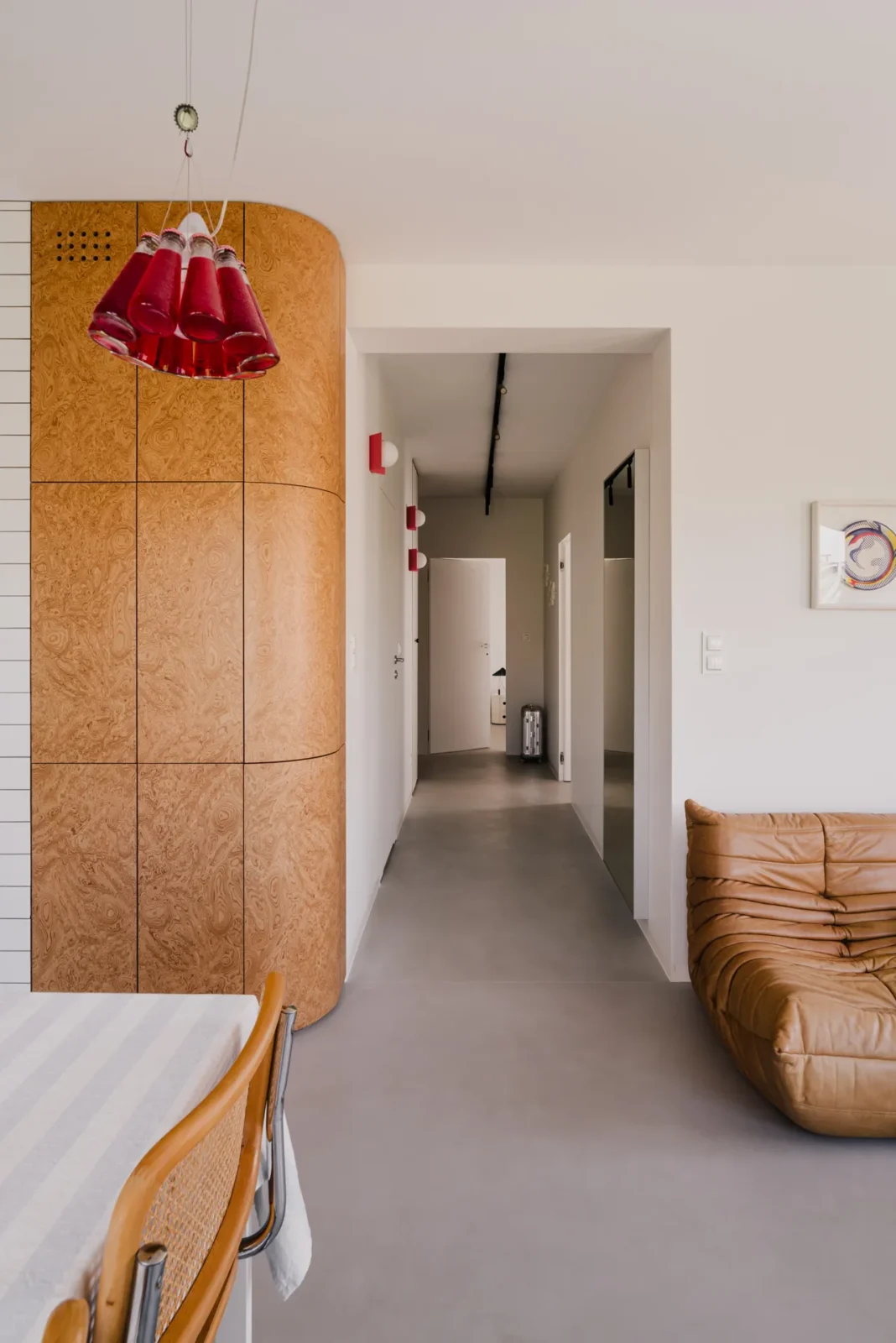
Asked which Polish makers she returns to, Magda didn’t hesitate. “Today, Polish artists are very uncompromising for me,” she said, before naming the artist Filomena Smoła as a particular influence. “The way she creates, her passion, and how truly one hundred percent dedicated to what she does made a huge impression on me.” Smoła isn’t yet part of the ADORNO community, though her name came up often enough in this conversation that it’s one we’re watching closely.
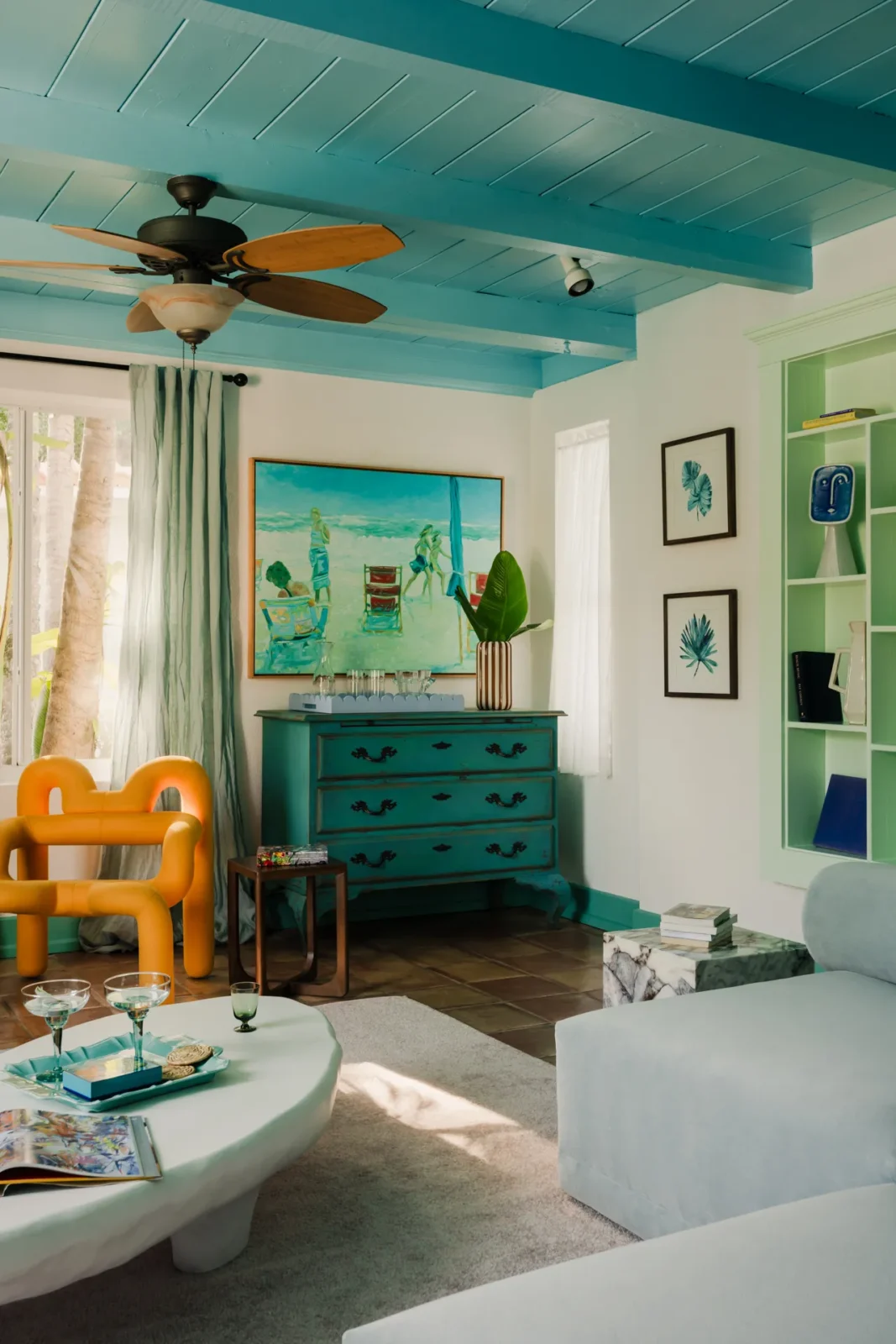
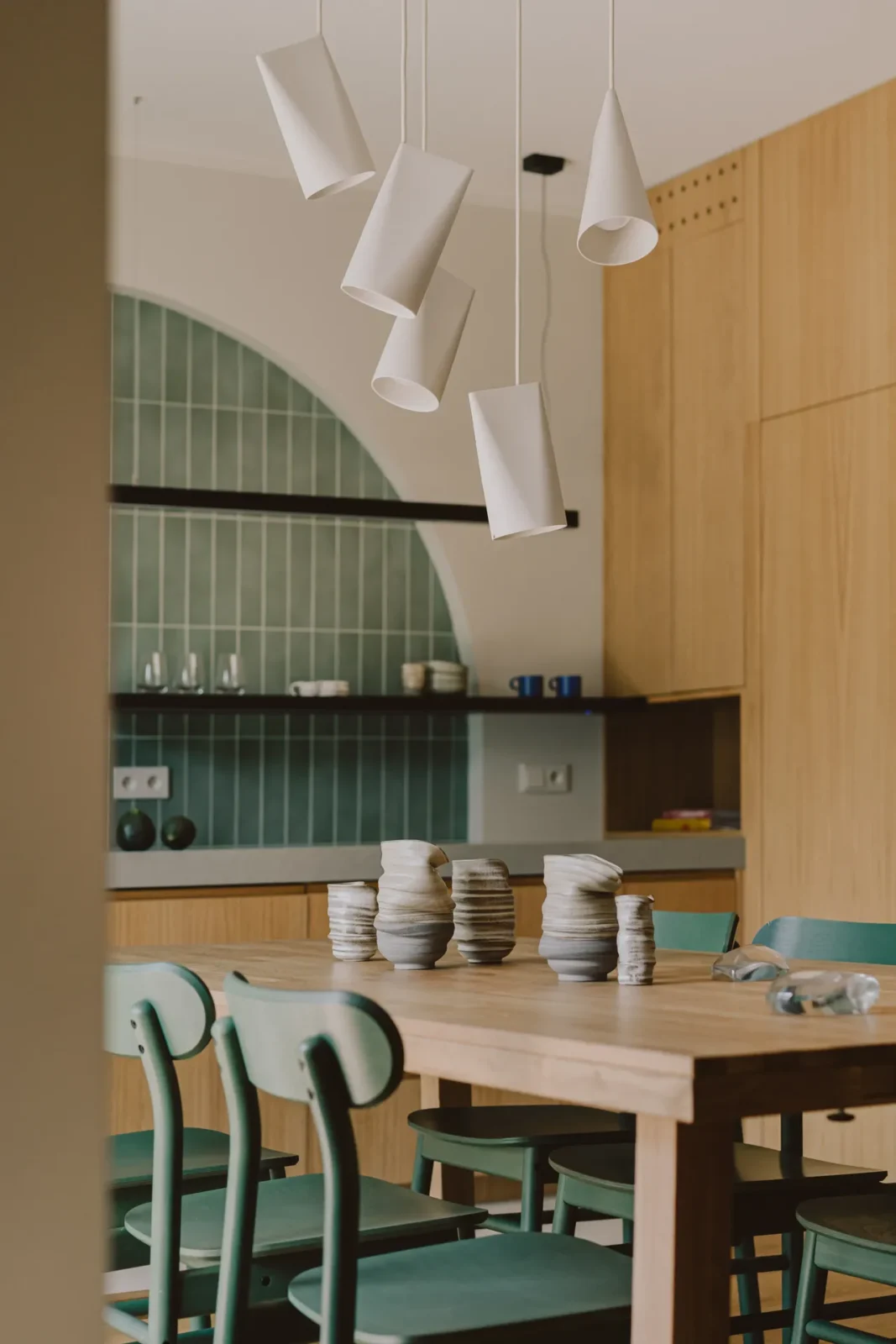
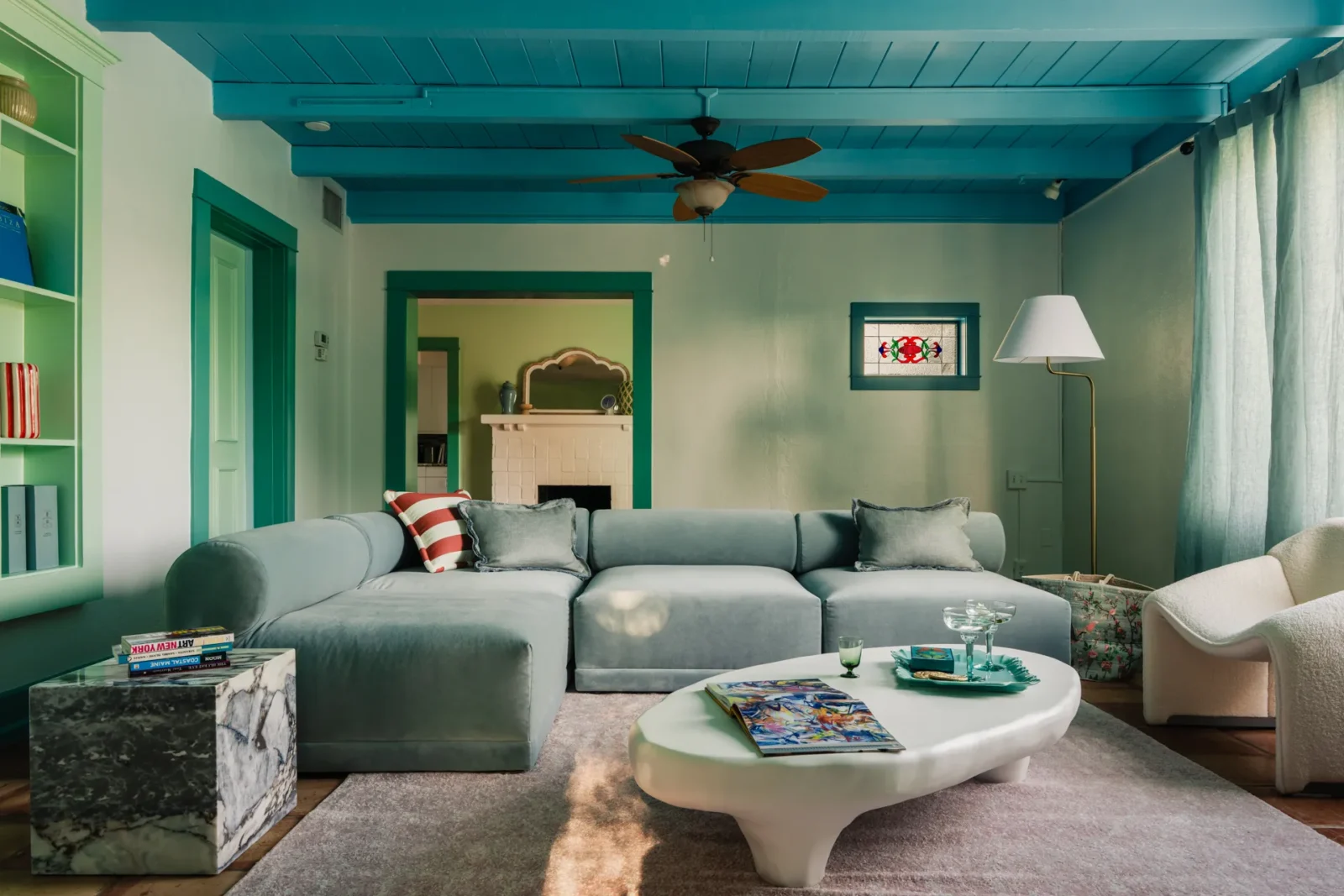
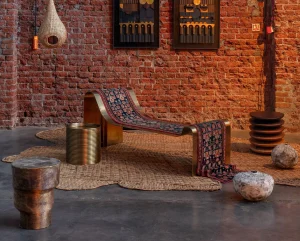
Two studios came up by name, both working in textile. The first was Splot, whose kilims draw on a weaving tradition that runs deep in Poland but was largely pushed underground for decades. Magda’s admiration centers on how the studio treats that history: not as an archive to preserve untouched, but as a language still worth speaking. Splot’s pieces read as contemporary objects first, with the craft history revealing itself gradually, in the density of the wool and the irregularity of a hand-spun thread.
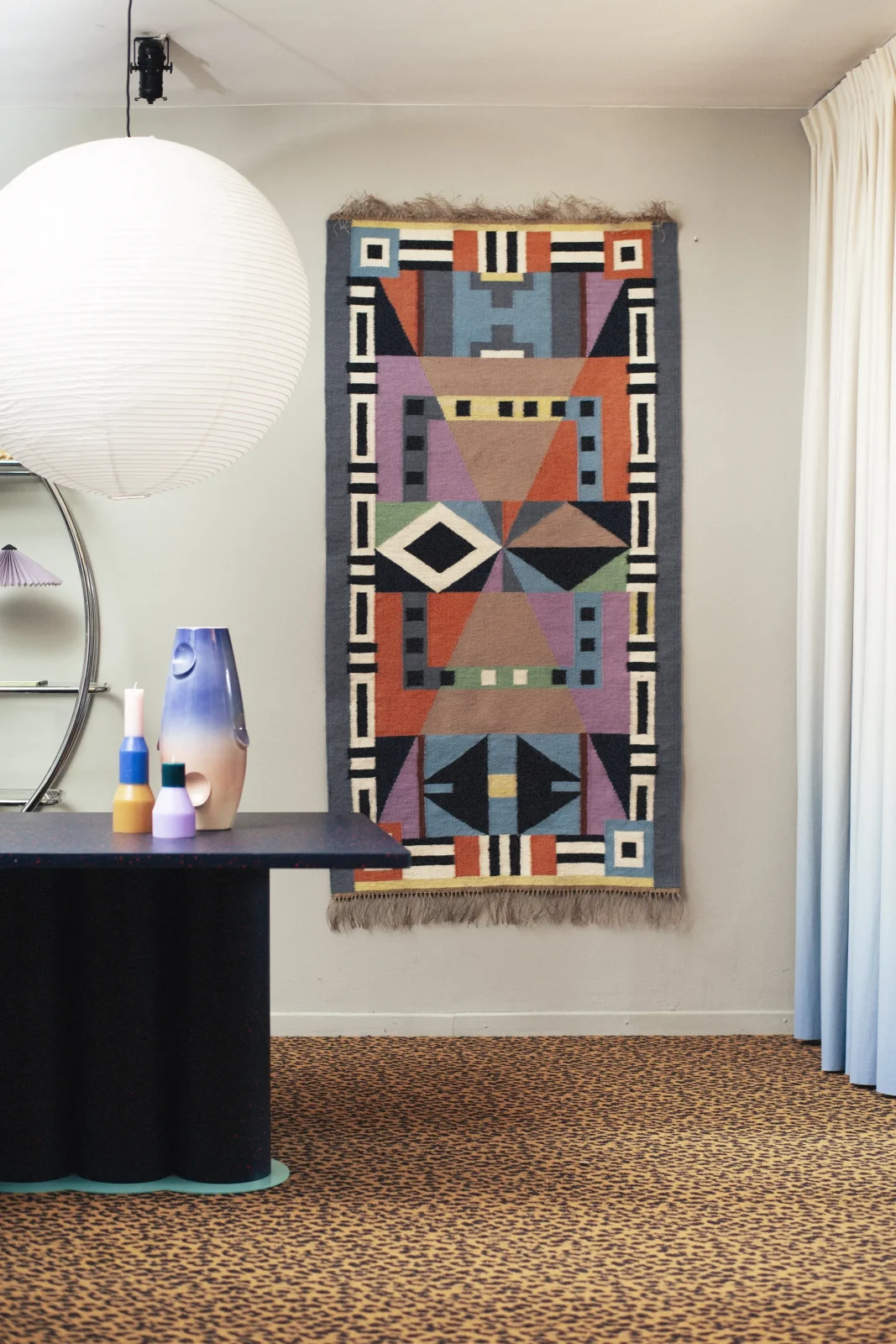
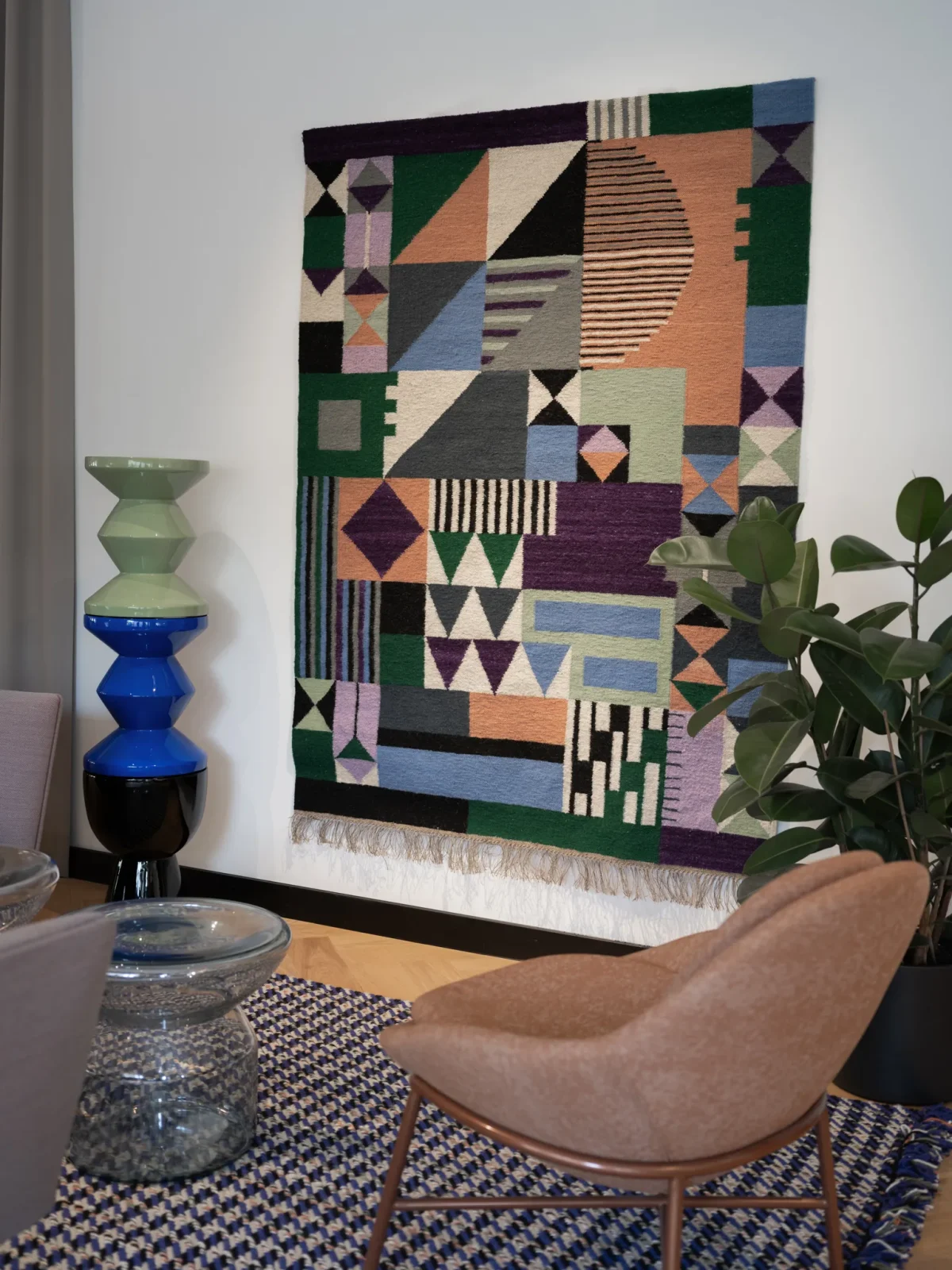
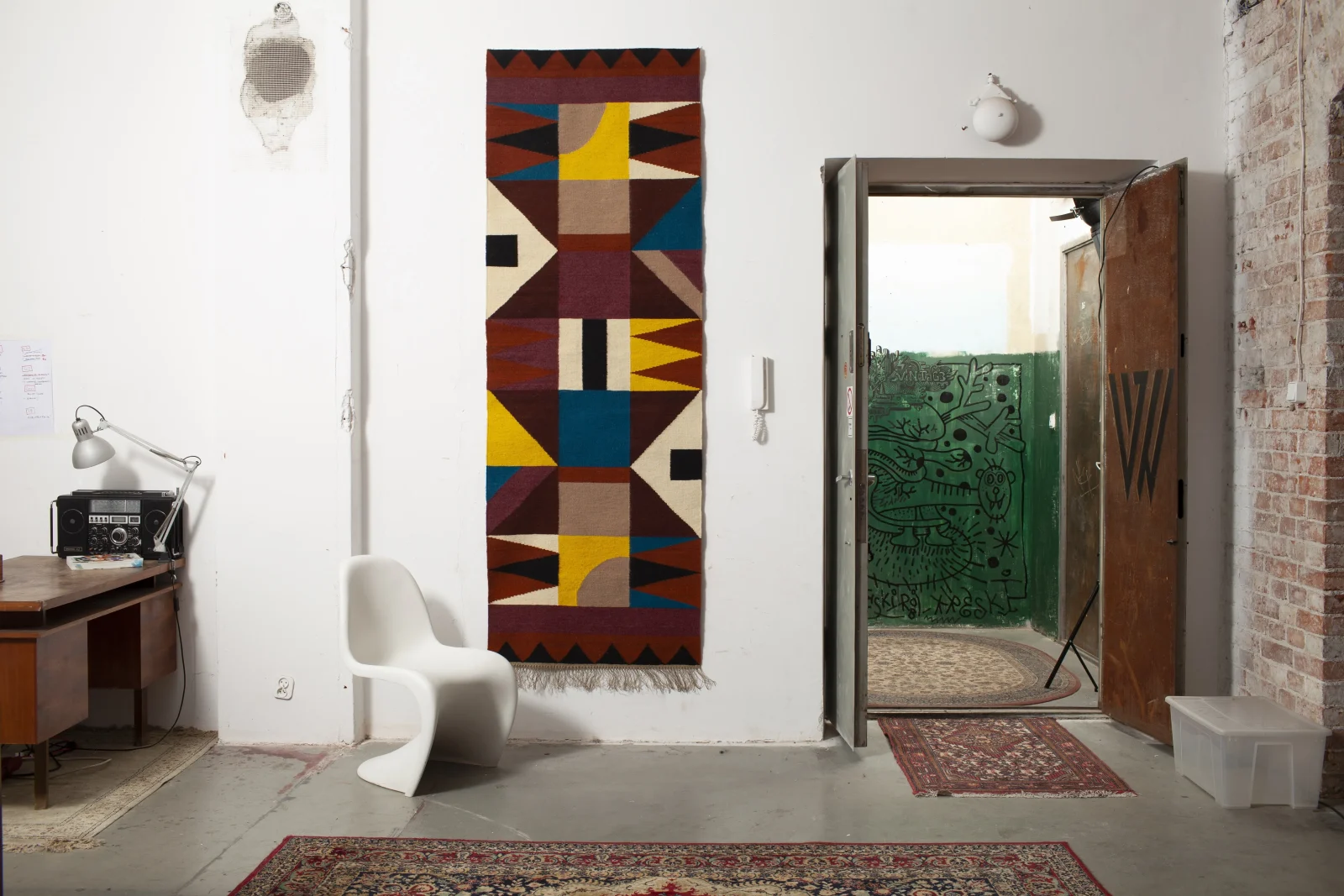
“What I like about Splot is that they’ve refreshed the history of Polish weaving, which was forgotten or suppressed after the war, but they’ve given it such a breath of fresh air.”
The second was REST Studio, co-founded by Dominika Gacka and Julia Piekarska, who work in fabric from the opposite direction: less historical reference, more structural experiment. “Rest Studio, too, they also work with fabrics,” Magda said. “Their work reveals an experiment with the very structure. These pieces are very feminine, ephemeral. They’re so delicate. They’re romantic.” It’s a fitting description for a studio whose blanket and rug series blur color and fiber into something closer to painting than textile.

Beyond the studios she named, what stayed with us most was how Magda talked about the work itself, especially for private clients. There’s a weight to it that goes beyond styling a room well. “Working with interiors, especially for a private investor, is such a sensitive and personal job,” she said, “because we’re truly creating a space for them to live in. A part of me will be present in this space, and that’s so intimate and so important to me in this work.”





Responses