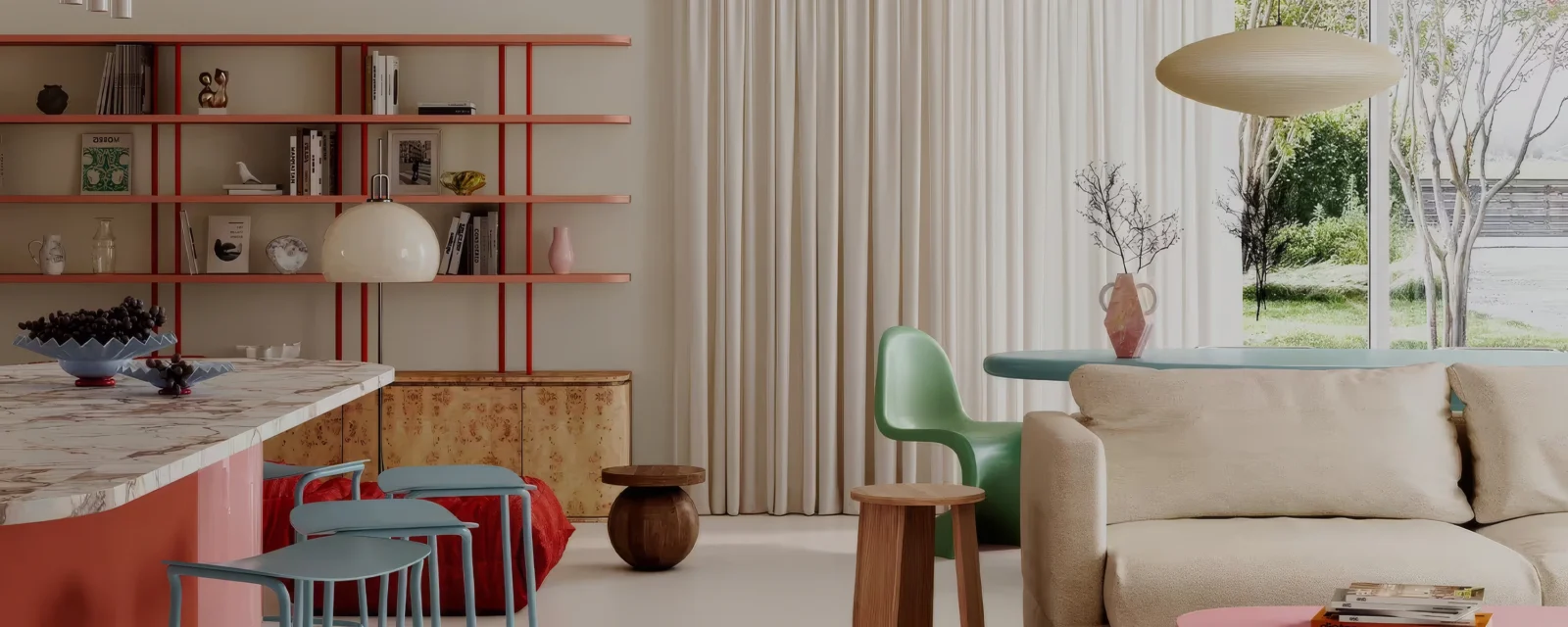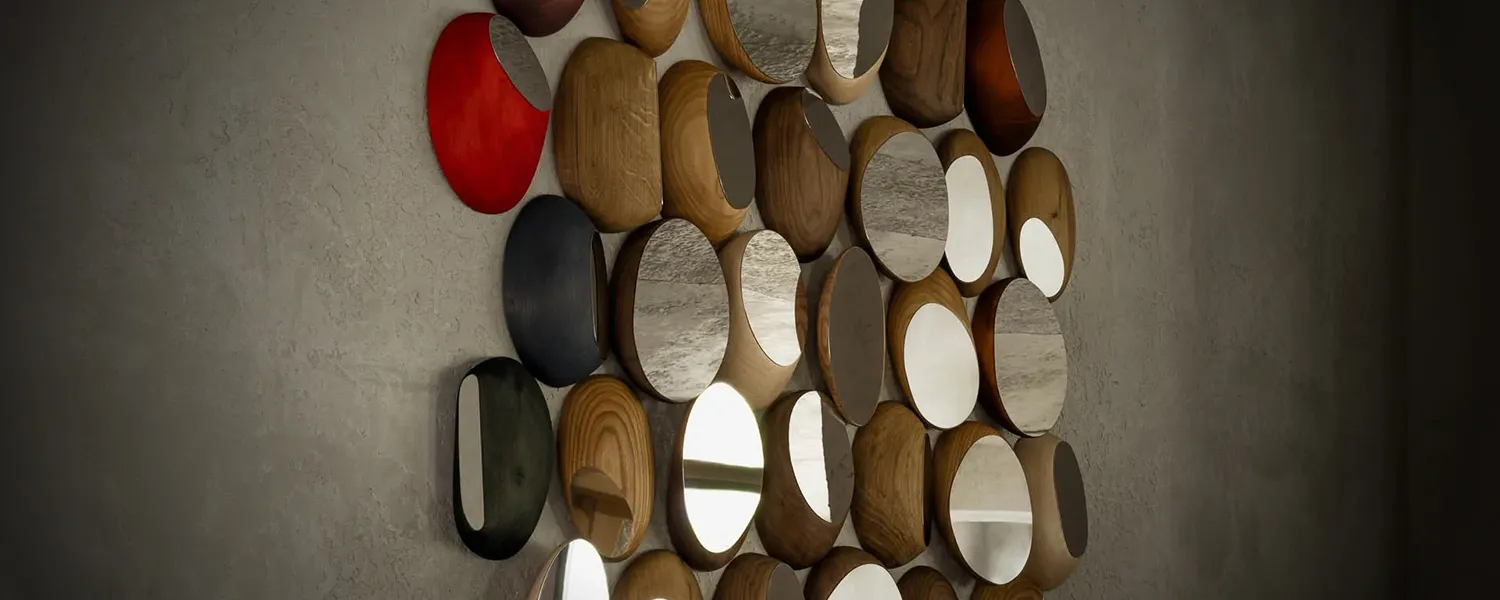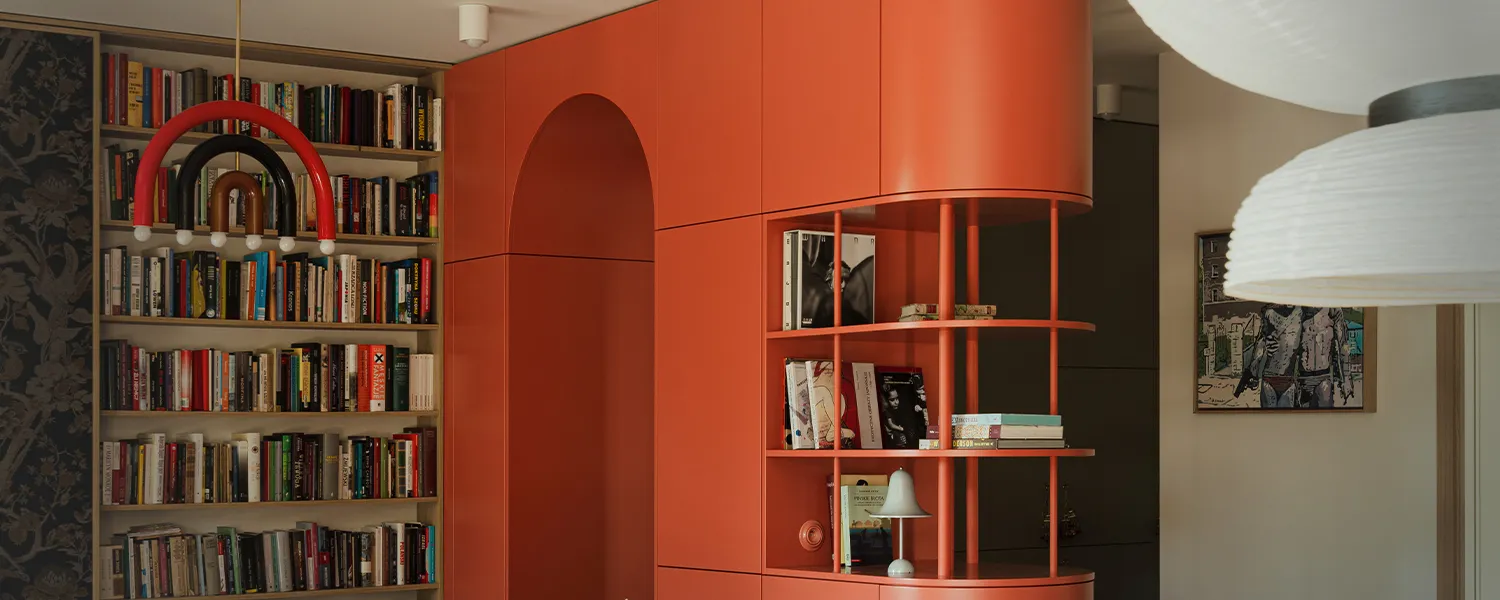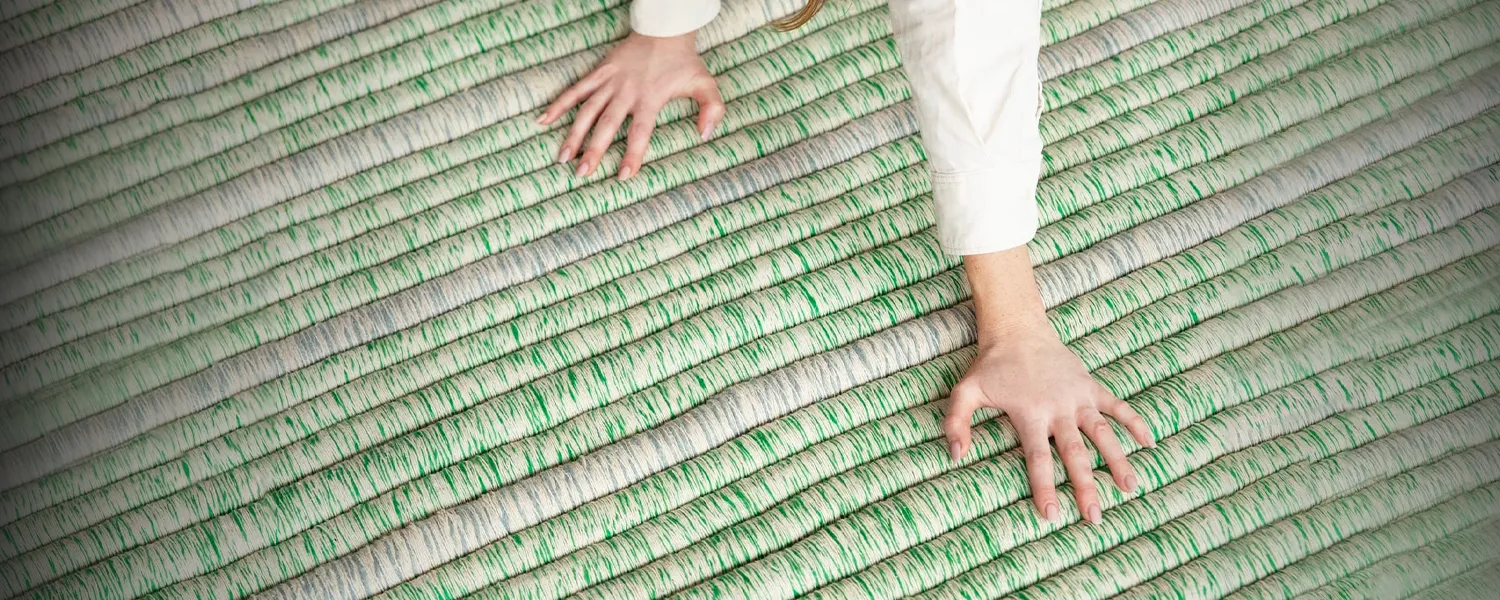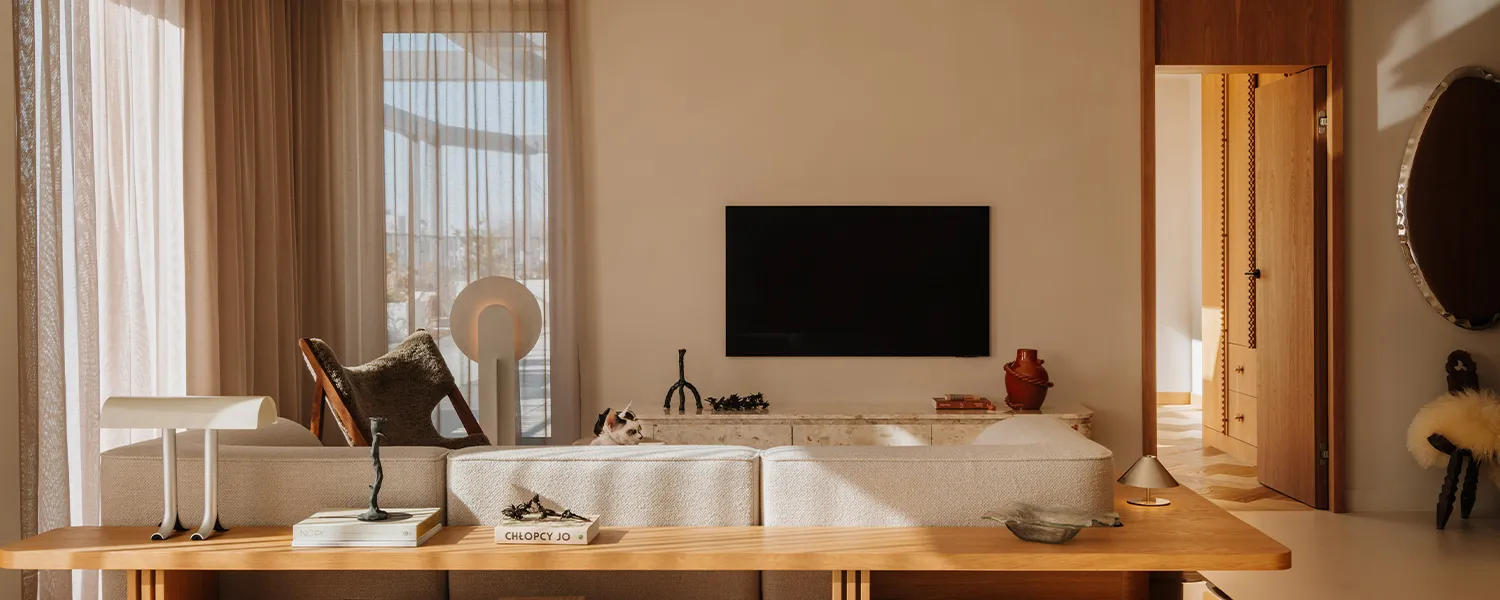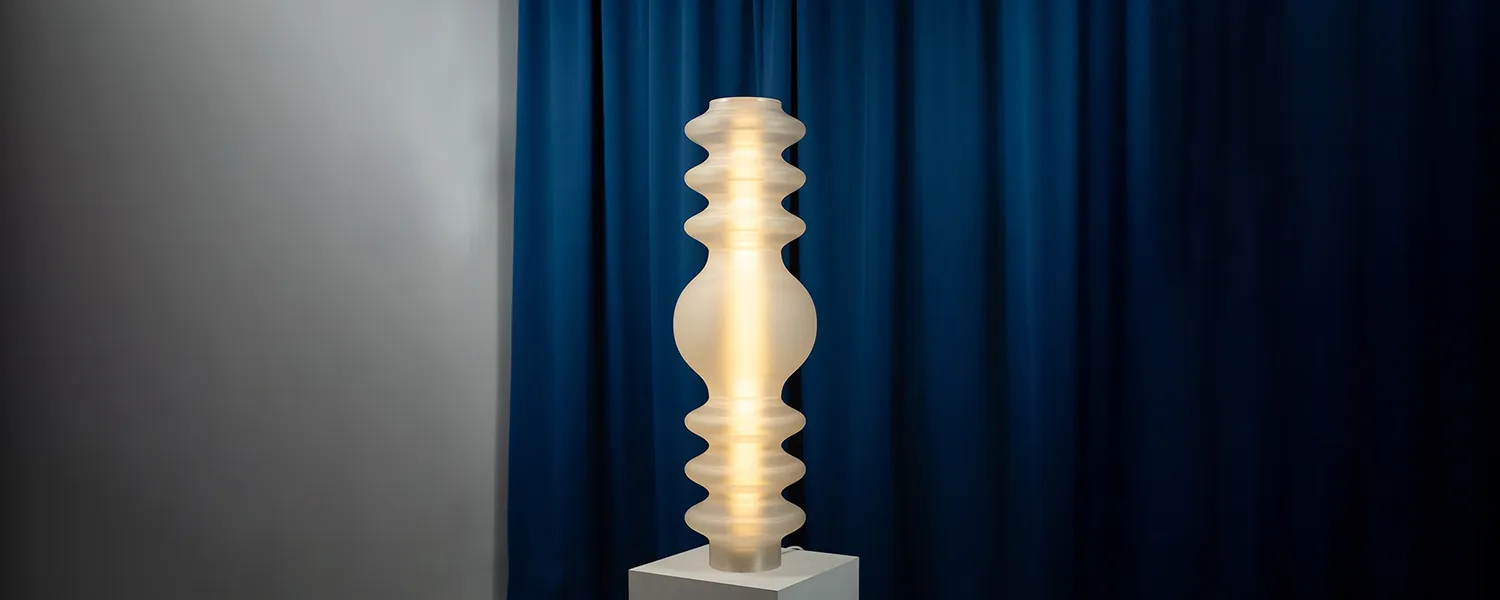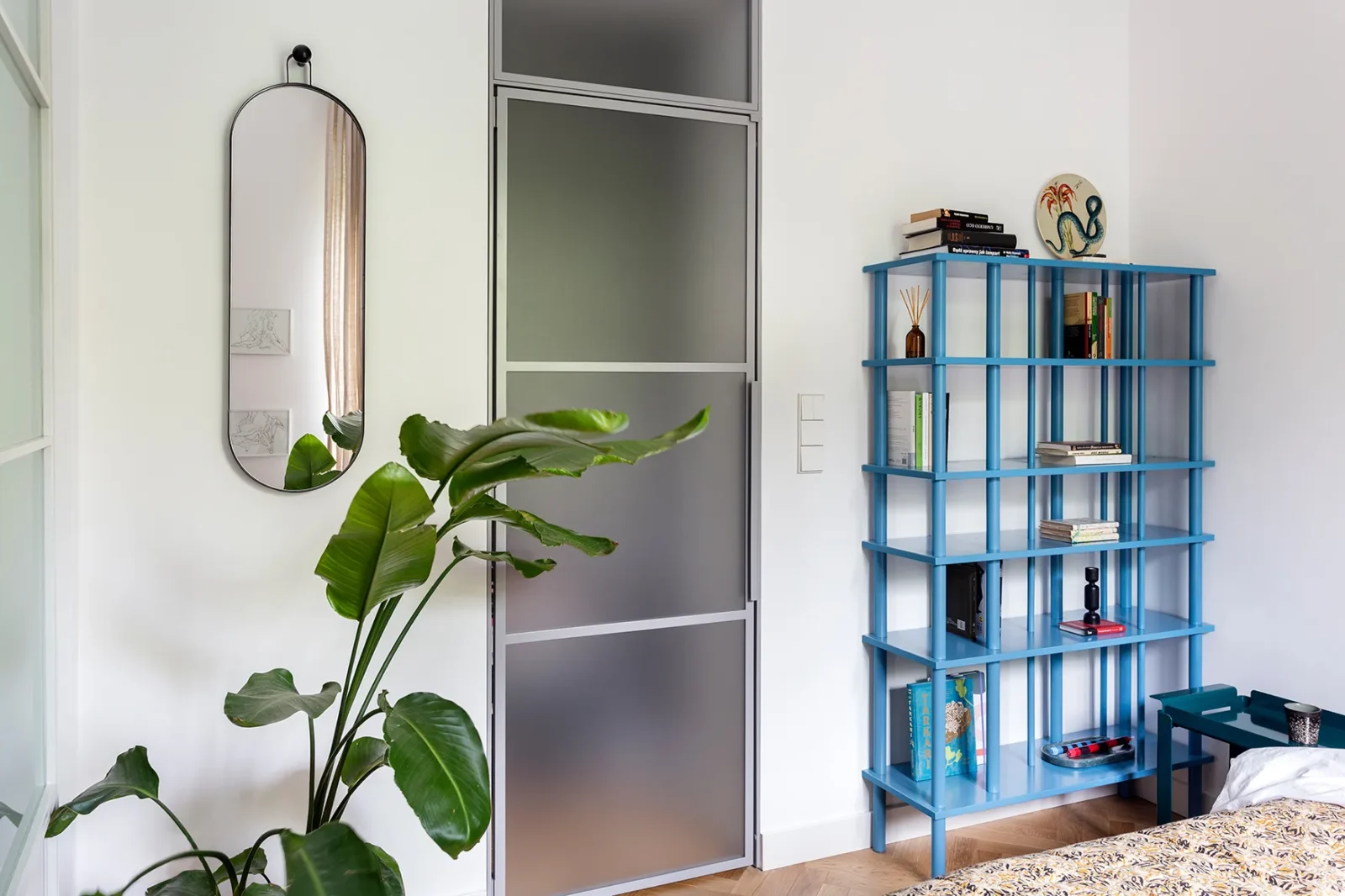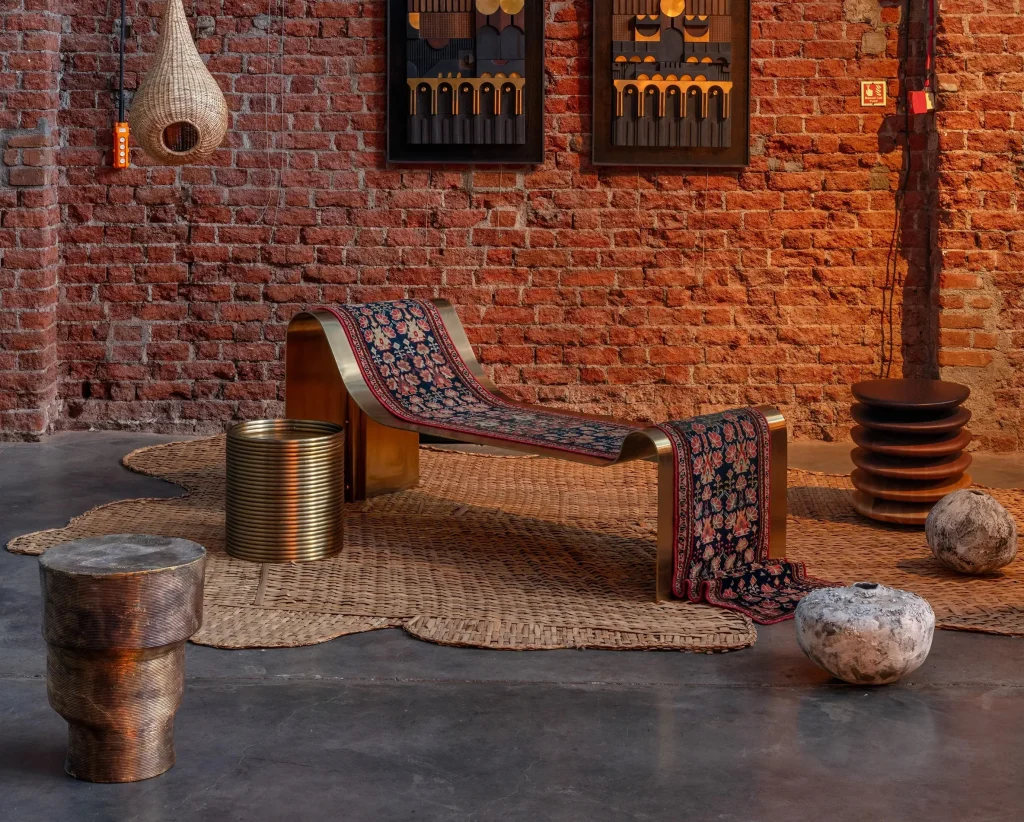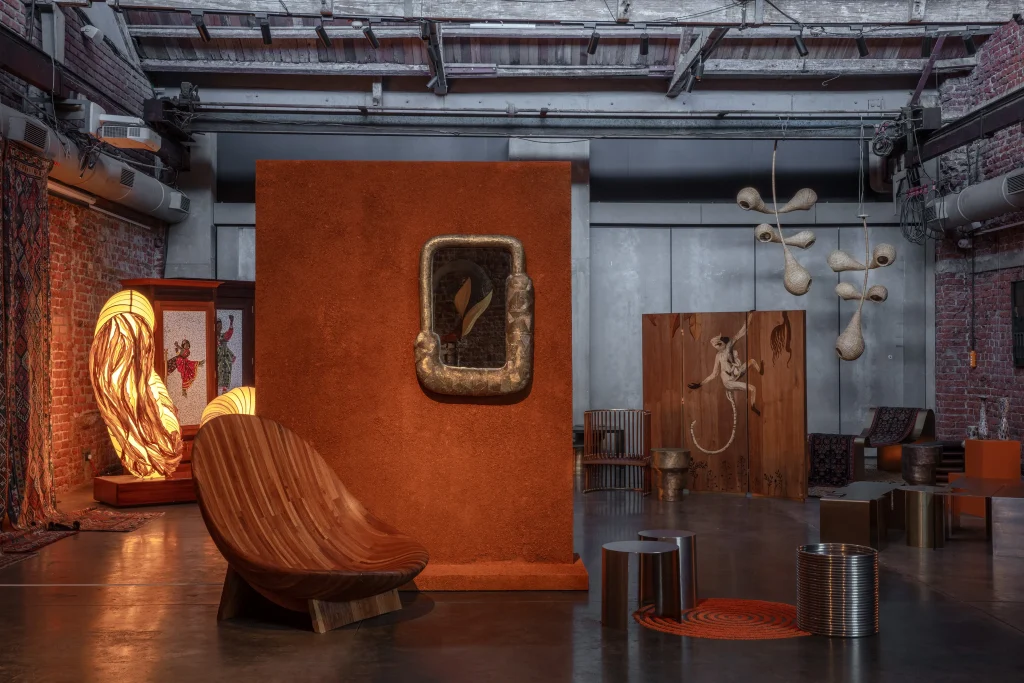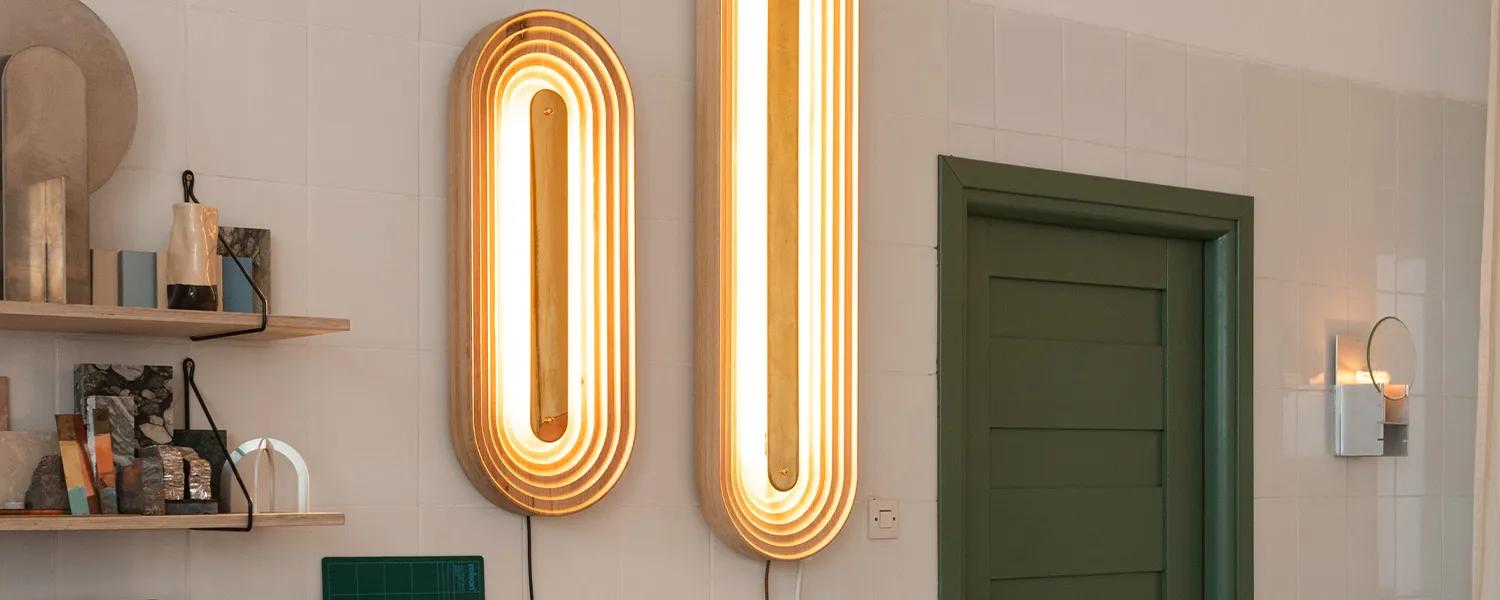
Over the course of Design Destination: Poland, one thing has become difficult to ignore: contemporary Polish design currently feels remarkably open. Earlier in the campaign, we looked at inflatable lighting, experimental mirrors poured in silver, handwoven kilims, ceramic objects shaped through glaze and color, and collectible pieces moving freely between sculpture and functional use. Once these objects enter interiors, what becomes especially interesting is how naturally they coexist together.
Polish interiors right now do not feel heavily composed or over-designed. The spaces often appear collected gradually, shaped through texture, contrast, unusual silhouettes, and objects carrying a visible sense of authorship. The rooms are comfortable allowing very different visual languages to exist side by side. That atmosphere appeared repeatedly throughout our conversations during the campaign.
Monika Rogusz-Witkoś of COI Studio described interiors “as a language built around a specific person, their rhythm, sensitivity and way of living,” while FINCH STUDIO approaches interiors through “contradiction and questioning,” alongside a simultaneous attraction to “colour, chaos, but also a sense of order and searching.” Together, those perspectives begin to explain why the Polish interiors scene currently feels so difficult to reduce to one recognizable aesthetic direction.
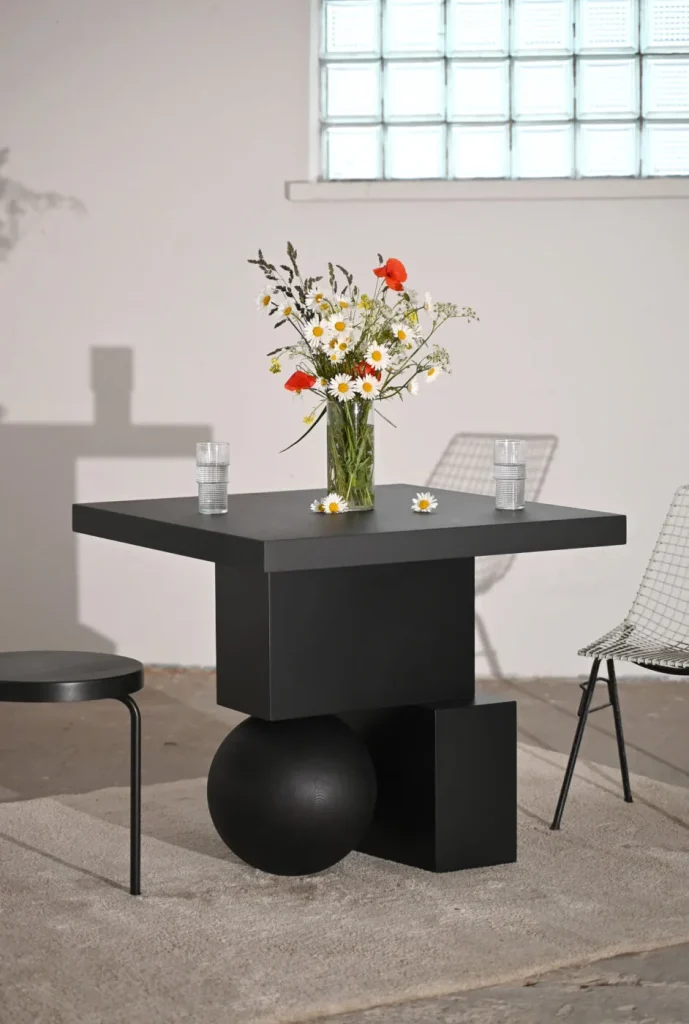
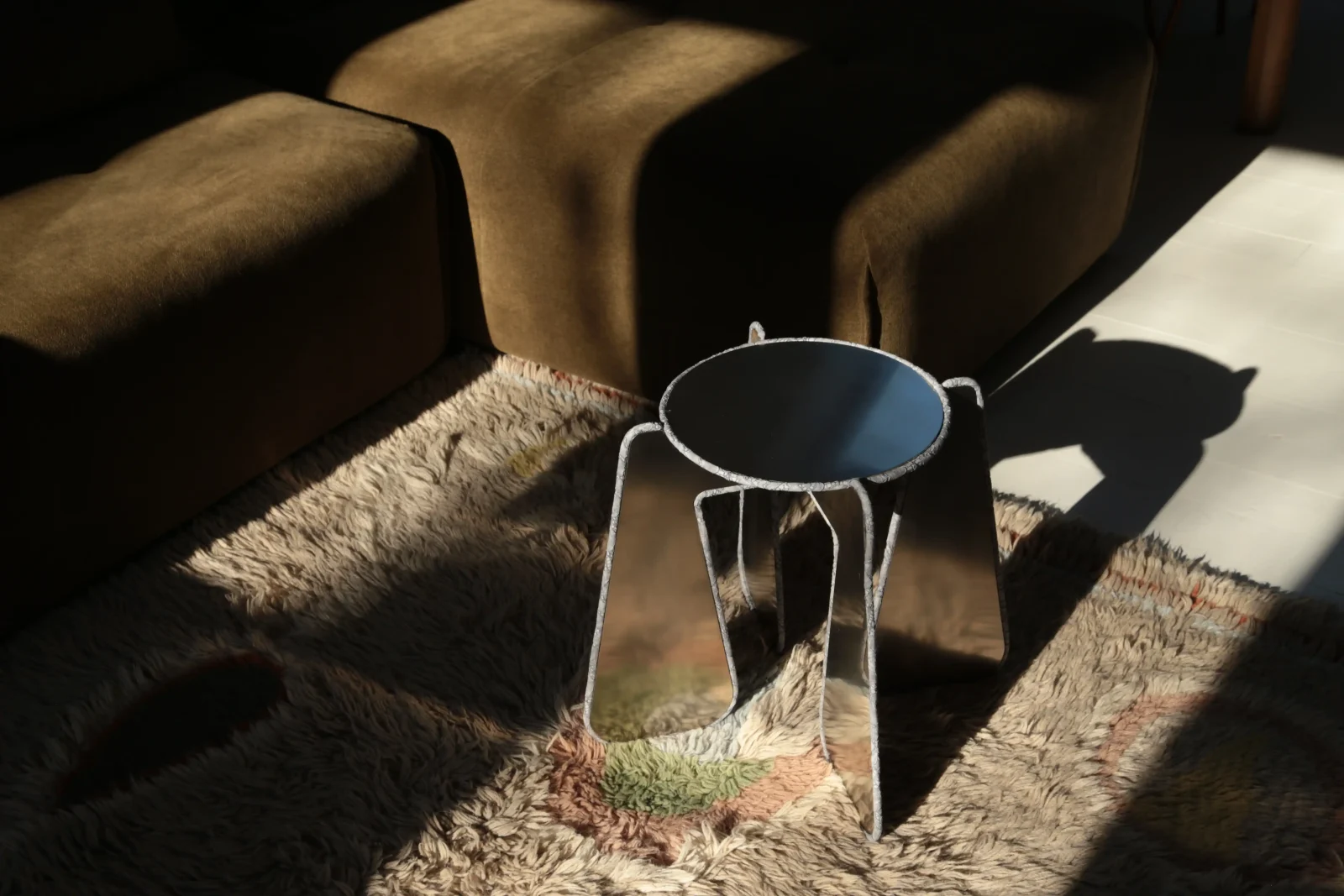
Lighting in Its Most Elemental Form
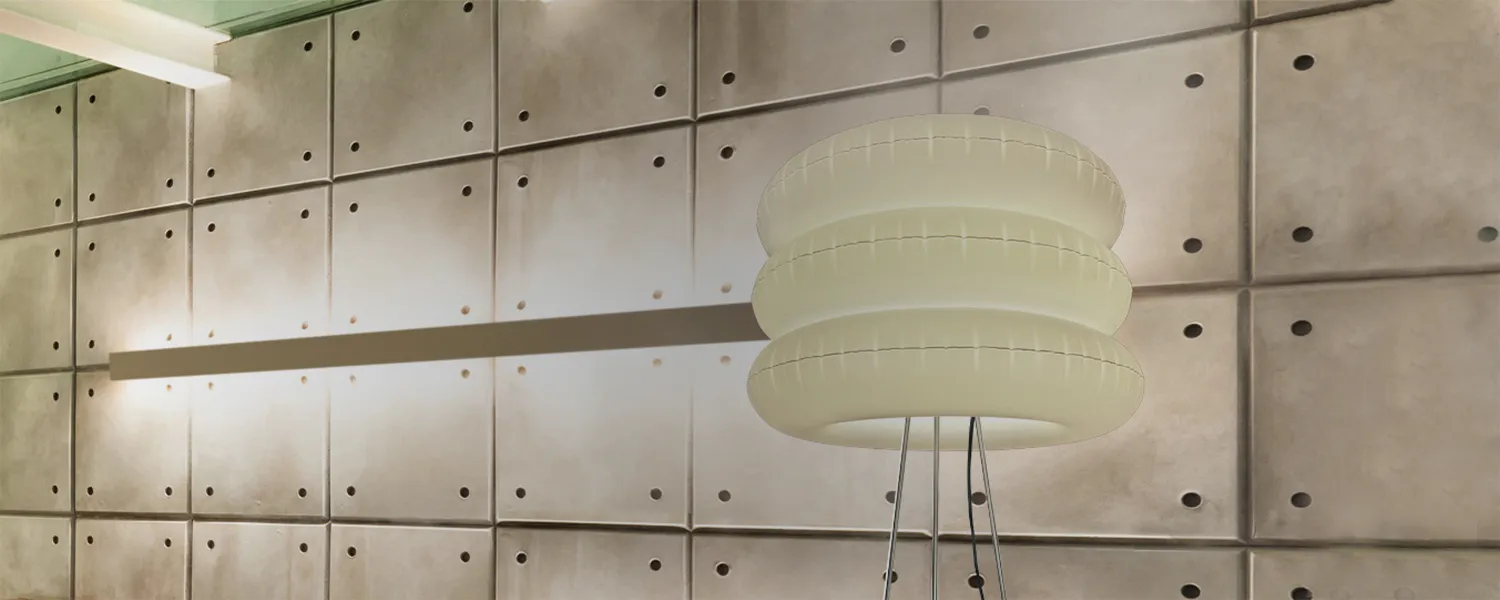
As we explored earlier in the campaign, lighting currently plays an unusually active role within contemporary Polish interiors. Unexpected silhouettes and material alongside remarkable ingenuity appear everywhere across the scene. Case in point: 99% of an inflatable lamp by PUFF-BUFF is literally air, and only 1% plastic. BLUBA Studio’s BLAMPA series brings a playful, almost cosmic energy into interiors through exaggerated curves, Memphis-inspired silhouettes, and glowing saturated colors that immediately redirect the mood of a space.
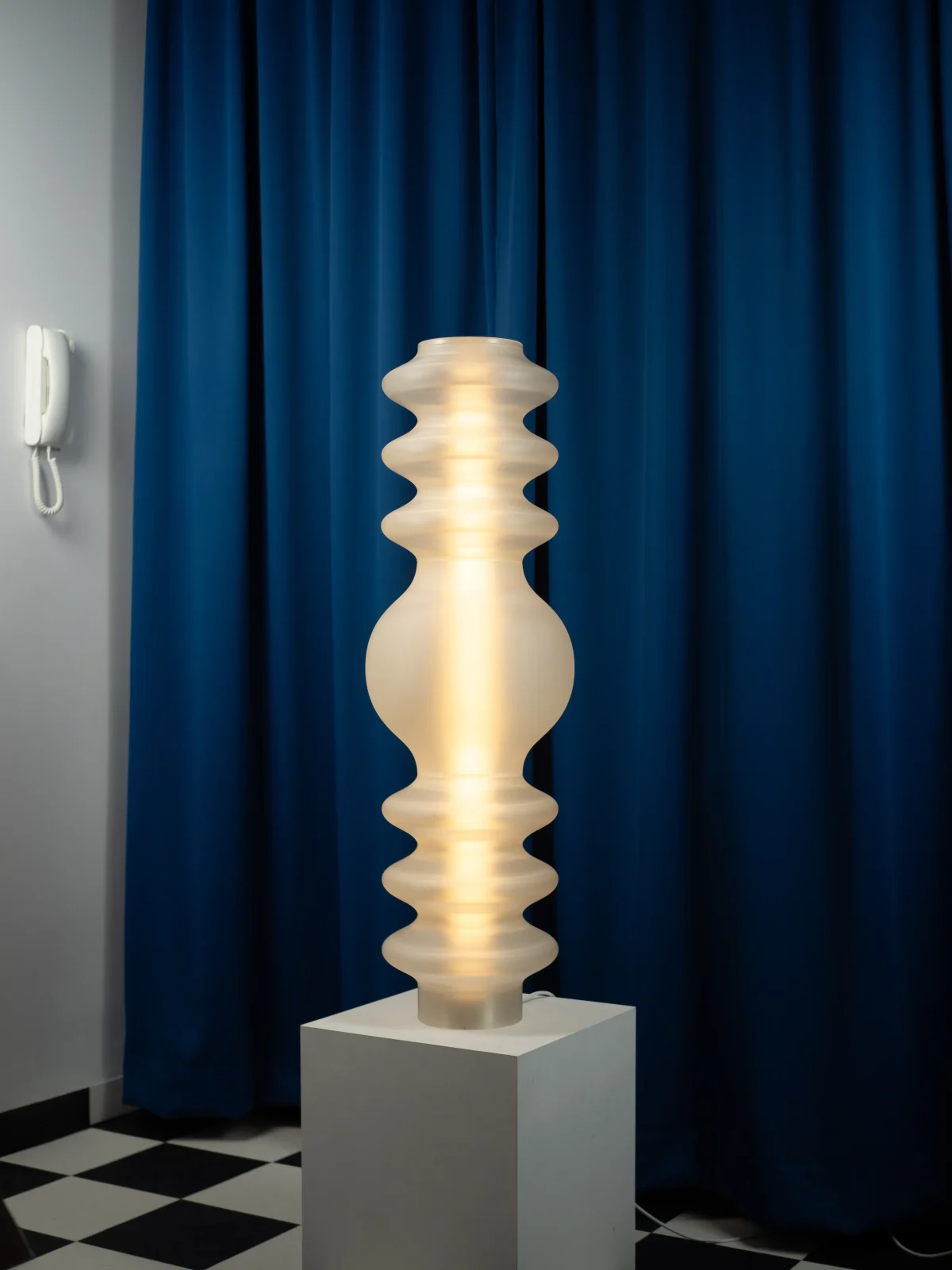
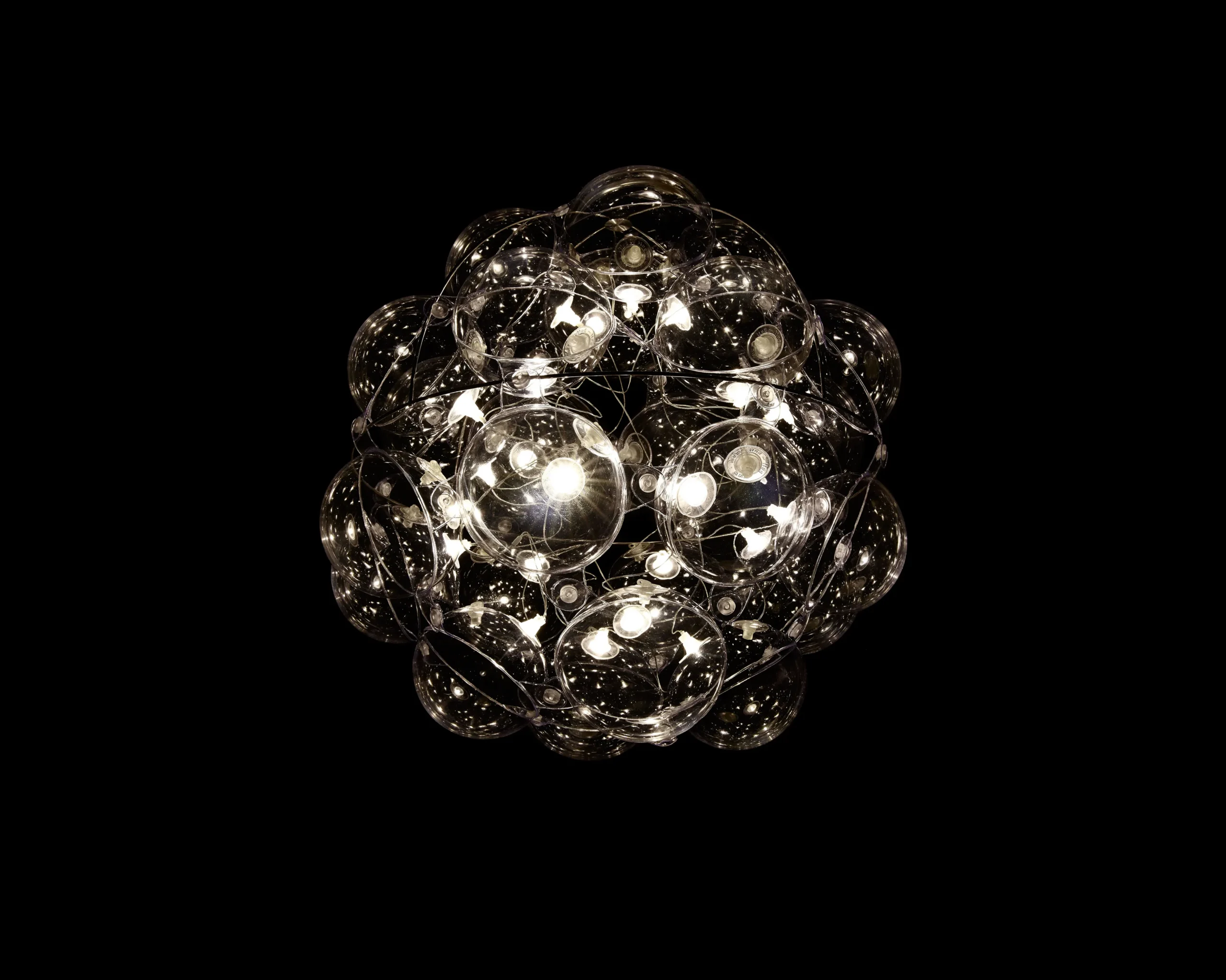
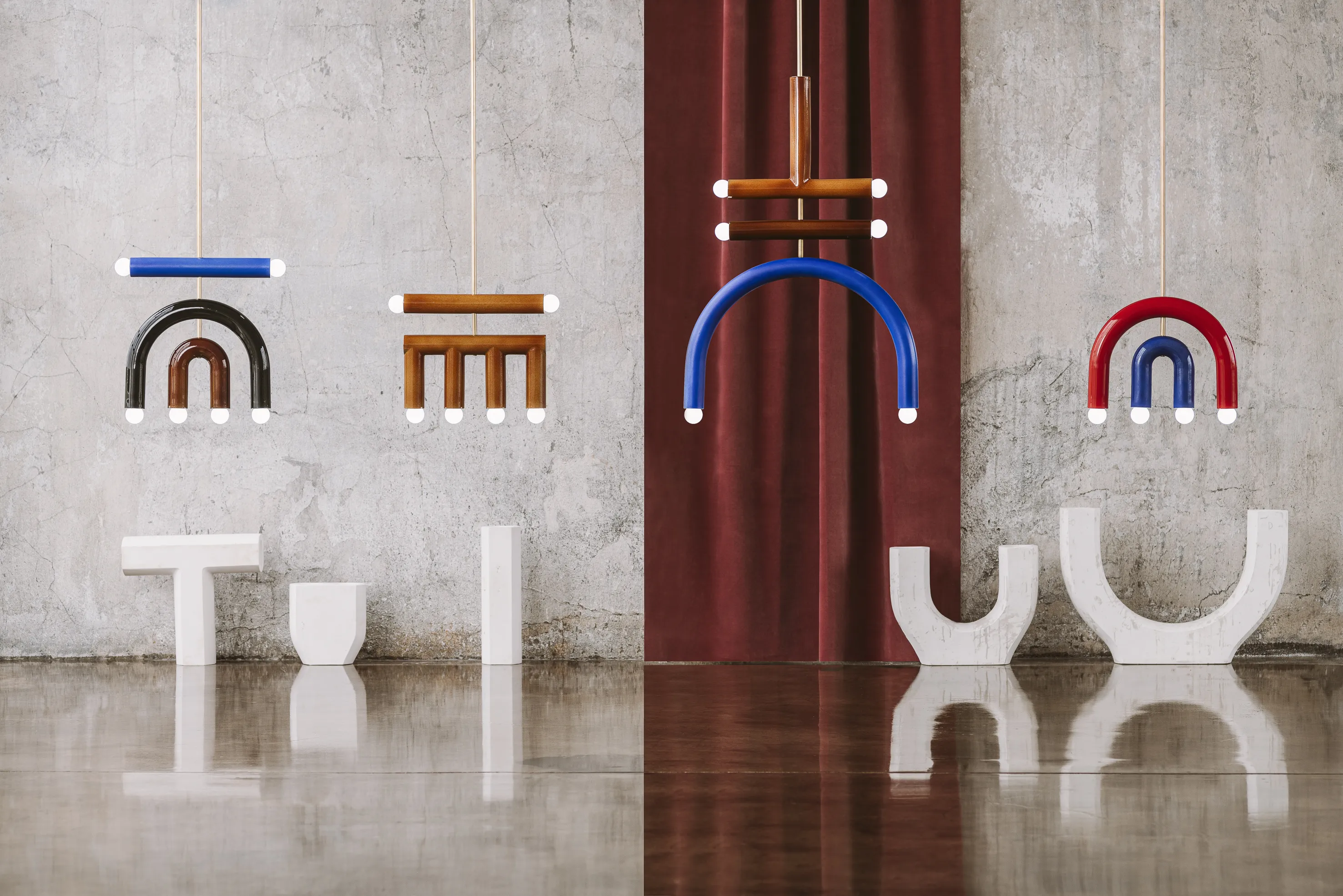
Pani Jurek’s ceramic lighting moves differently, using glaze and reflected color to create pieces that feel expressive through material experimentation. The studio is rapidly approaching icon-status within contemporary Polish design, while still carrying visible references to historical Polish visual language, particularly through Jan Tarasin. As interior designer Monika Michałowska told us during the campaign, “My love for Pani Jurek also hasn’t faded with time. Both her earlier works and the newest collections continue to amaze me.”
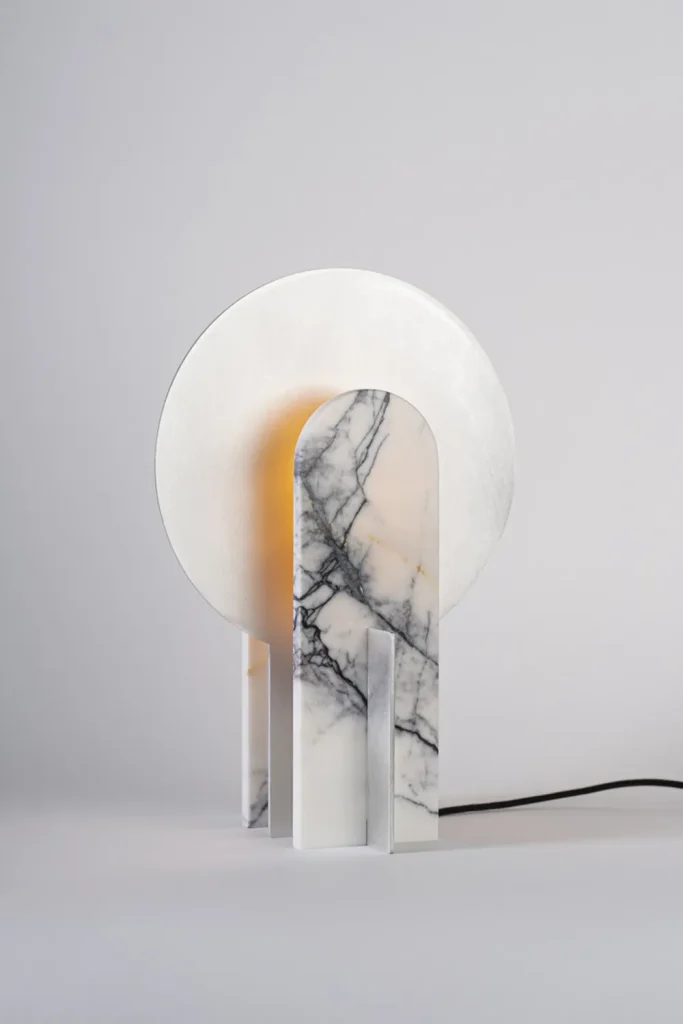
Hasik Design’s Aurora lamps introduce another atmosphere entirely, where illuminated marble softens minimalist interiors through translucency and subtle reflection. Ceramics, marble, digital fabrication, and even air. The material language of Polish lighting right now feels almost elemental in its openness, and the spaces feel more human because of it.
Sculptural Furniture in Contemporary Polish Interiors
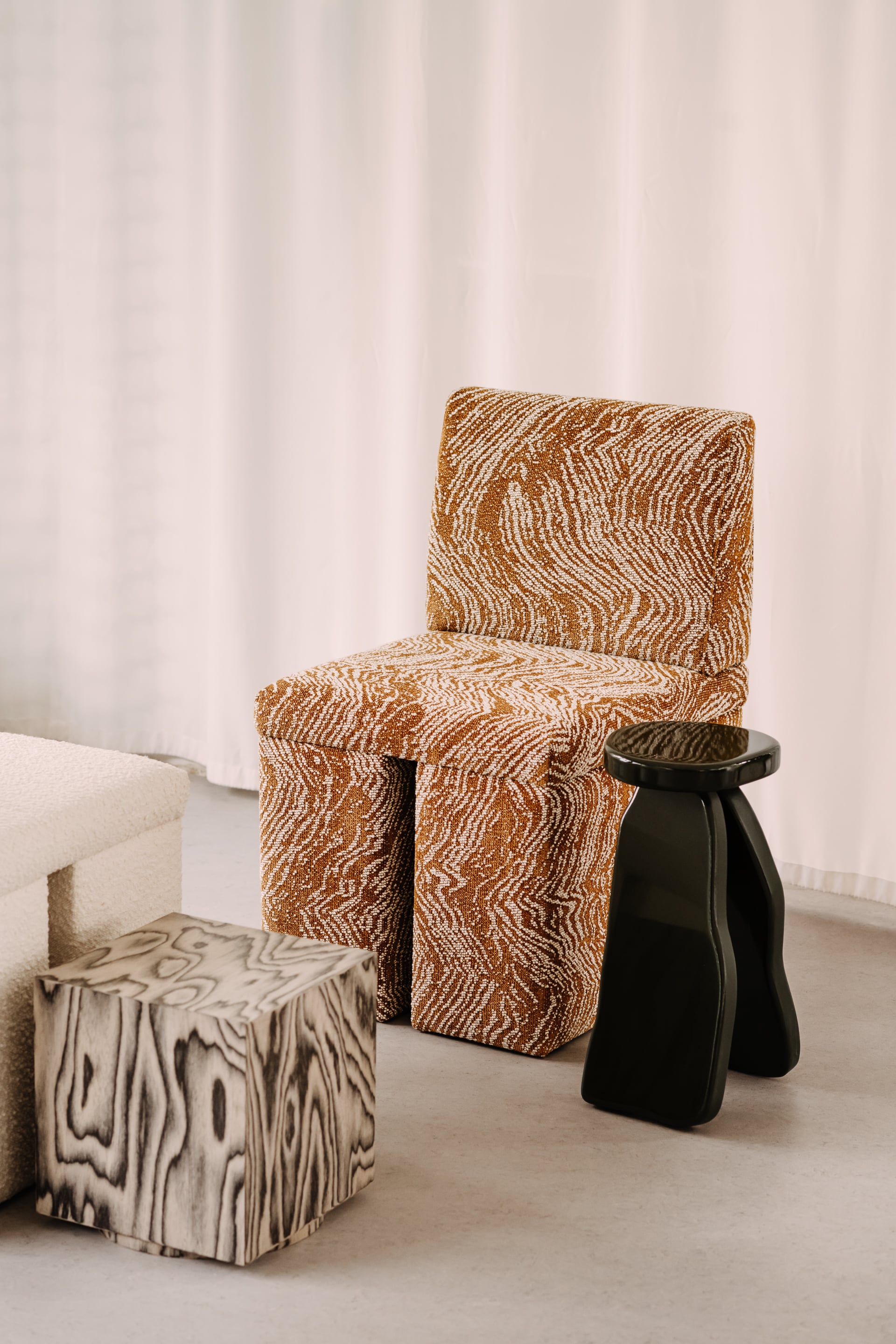
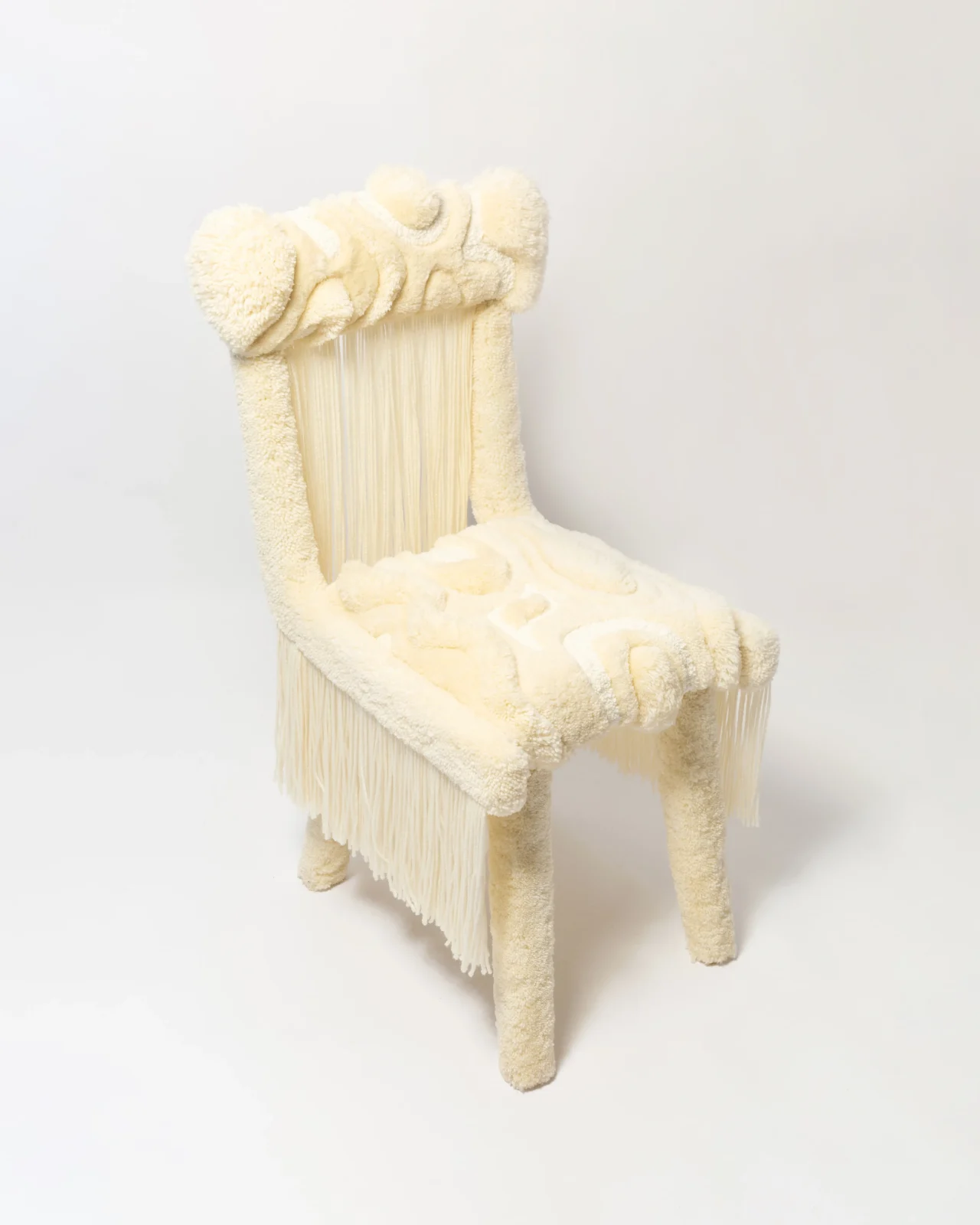
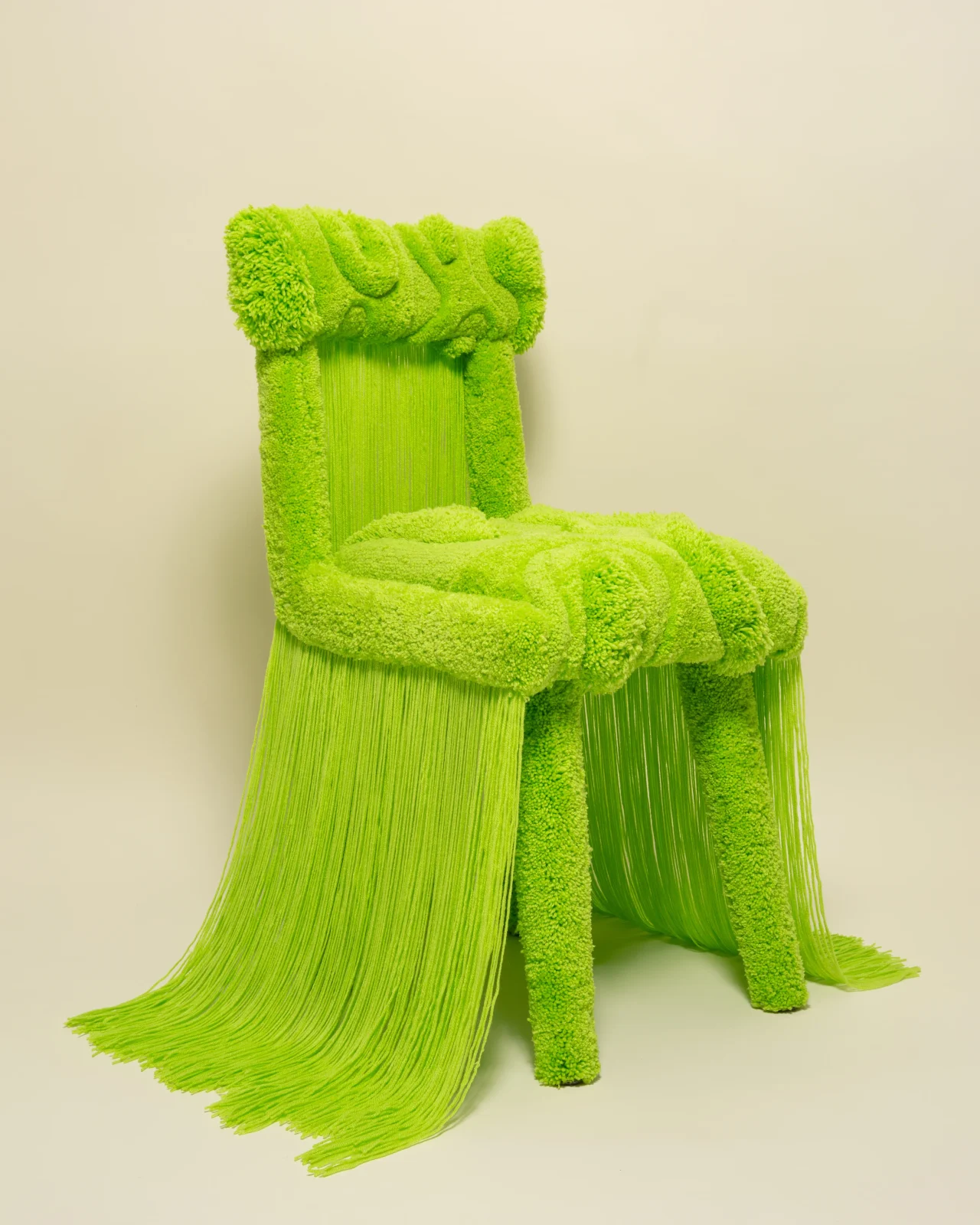
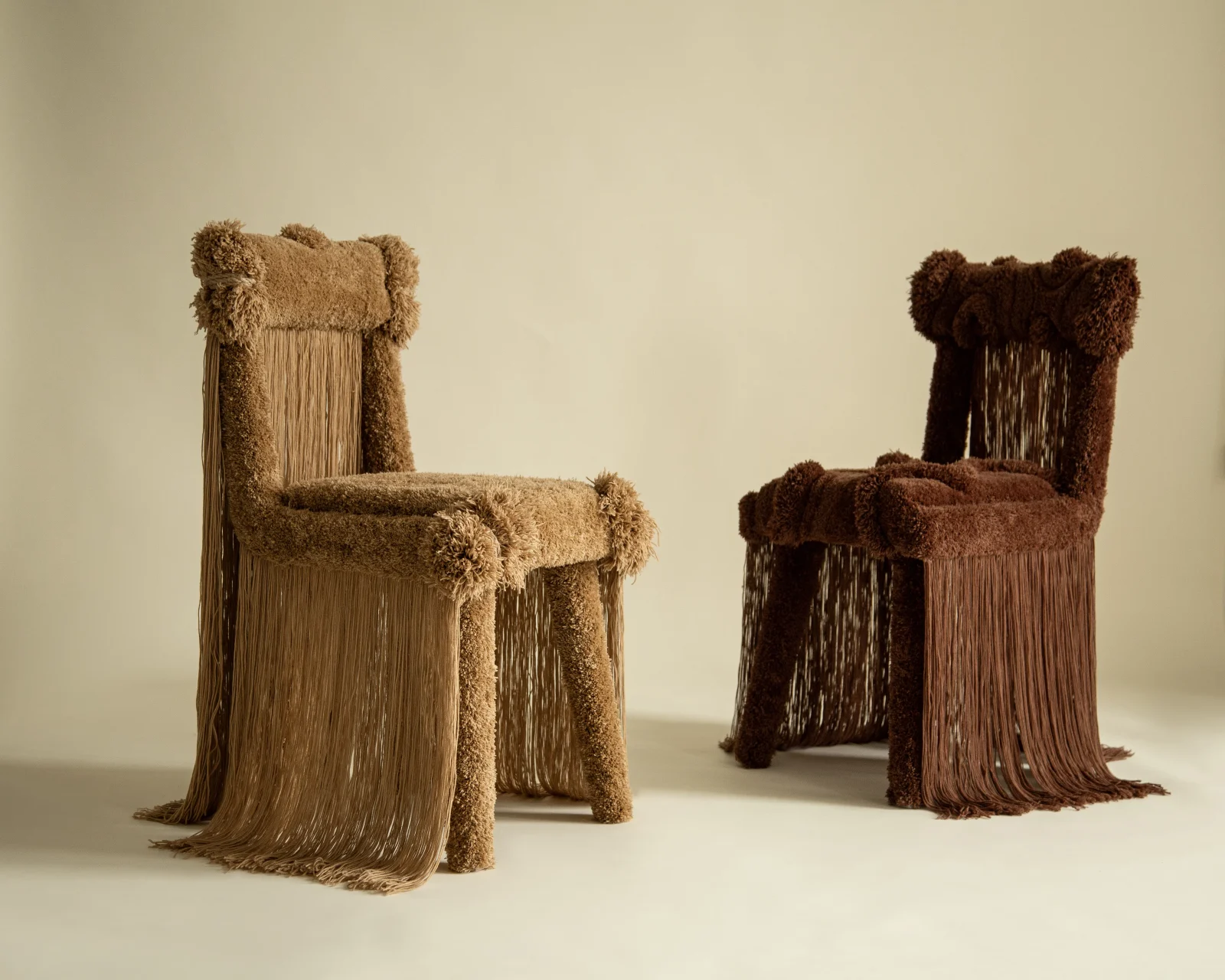
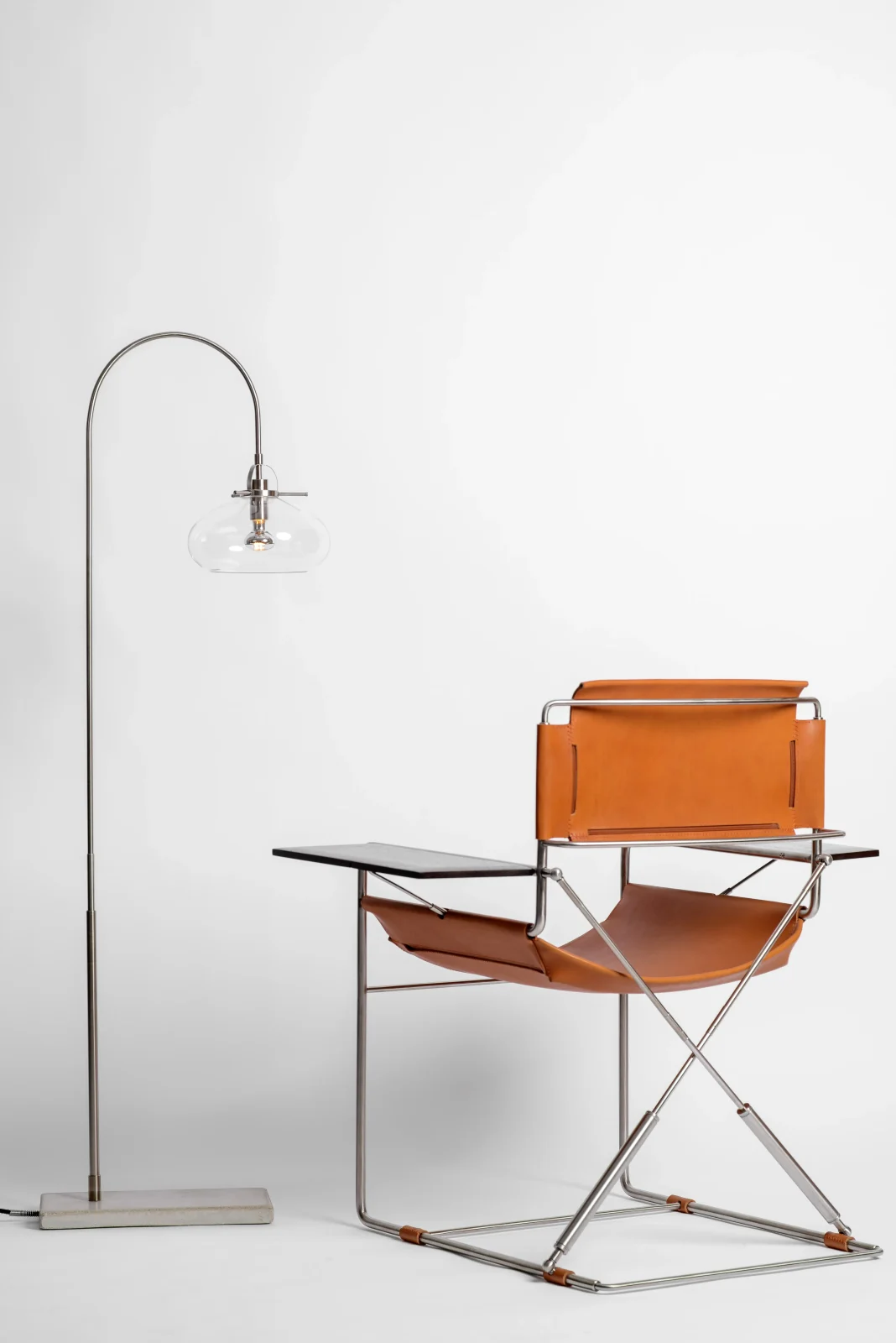
Furniture across the contemporary Polish design scene all pack major punches in terms of character, spanning across minimalist to maximalist, through an overall willingness to remain visually specific, with strong personality. Vintola Studio’s Tufting Chairs, for example, are impossible to ignore – playful, tactile, slightly surreal, though still deeply connected to the long history of textile and upholstery traditions within Polish furniture design. Interior designer, Monika Michałowska spoke about her admiration for Vintola Studio precisely because of this ability to reinterpret inherited forms without flattening their character in the process.
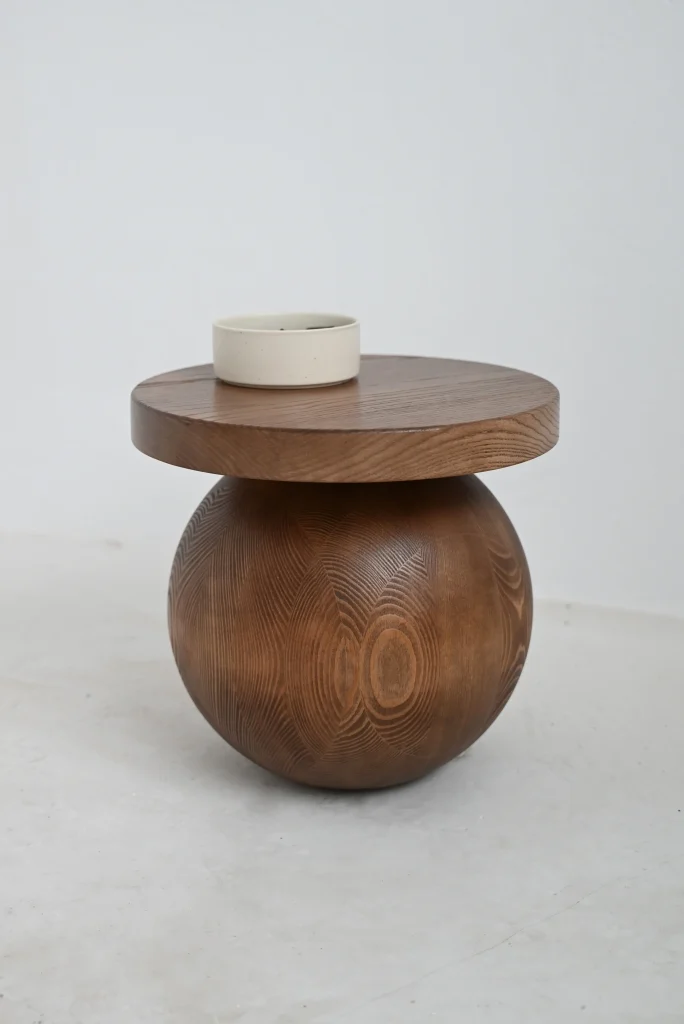
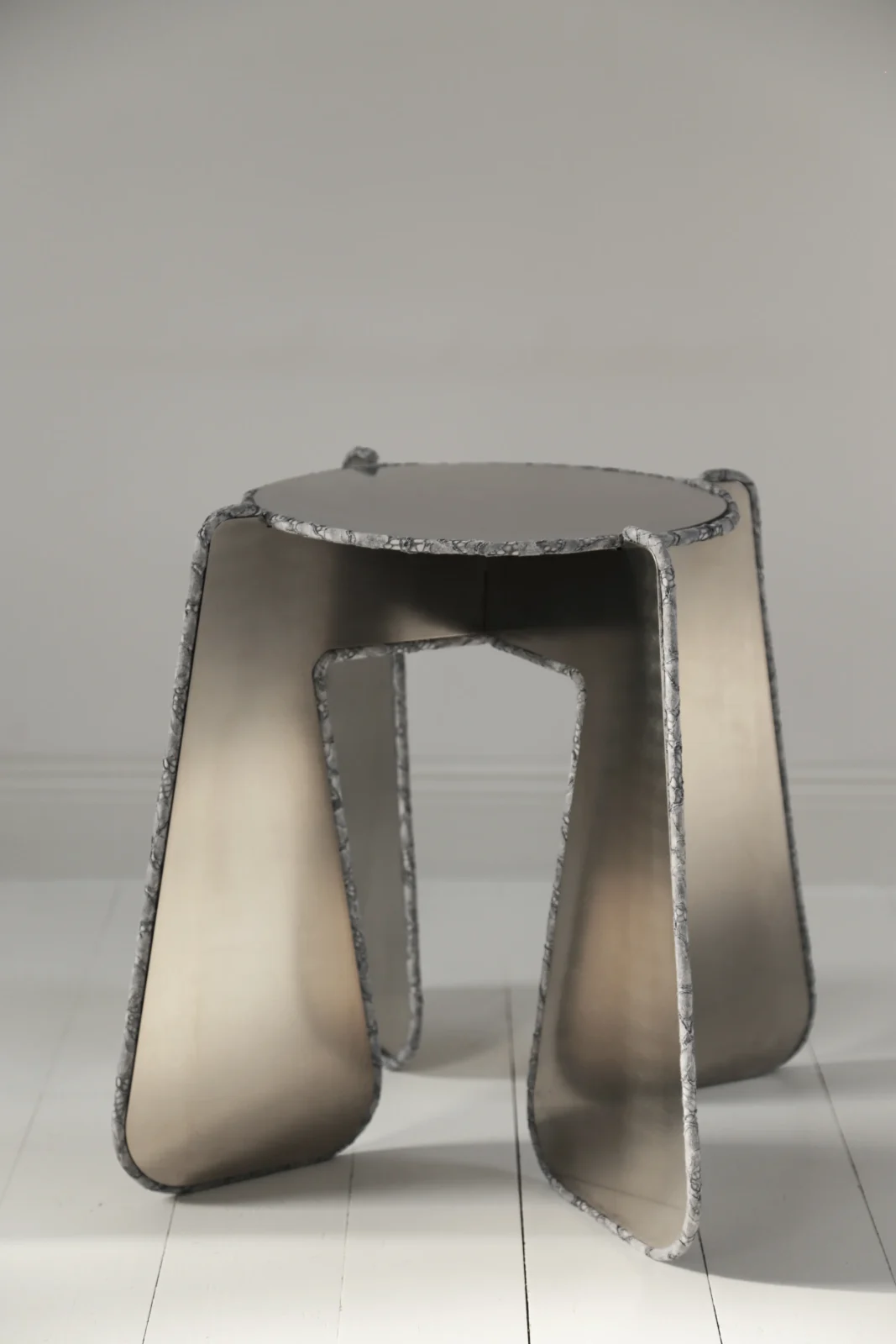
SALAK Studio’s Sen coffee table approaches sculptural furniture from a more minimalist angle. Hand-turned from ash and pine, the piece is basic in form, but still delivers dramatic presence through proportion. That tension between softness and structure appears again in please touch studio’s In Between Side Table, where delicate lace piping sits between cool stainless steel planes. Ornament becomes structure, softness becomes tension. That coexistence between sculpture and utility also appears in Magdalena Szmydtke’s ceramic side table, where flowing glazes and asymmetrical form push functional furniture toward something much closer to spatial art.
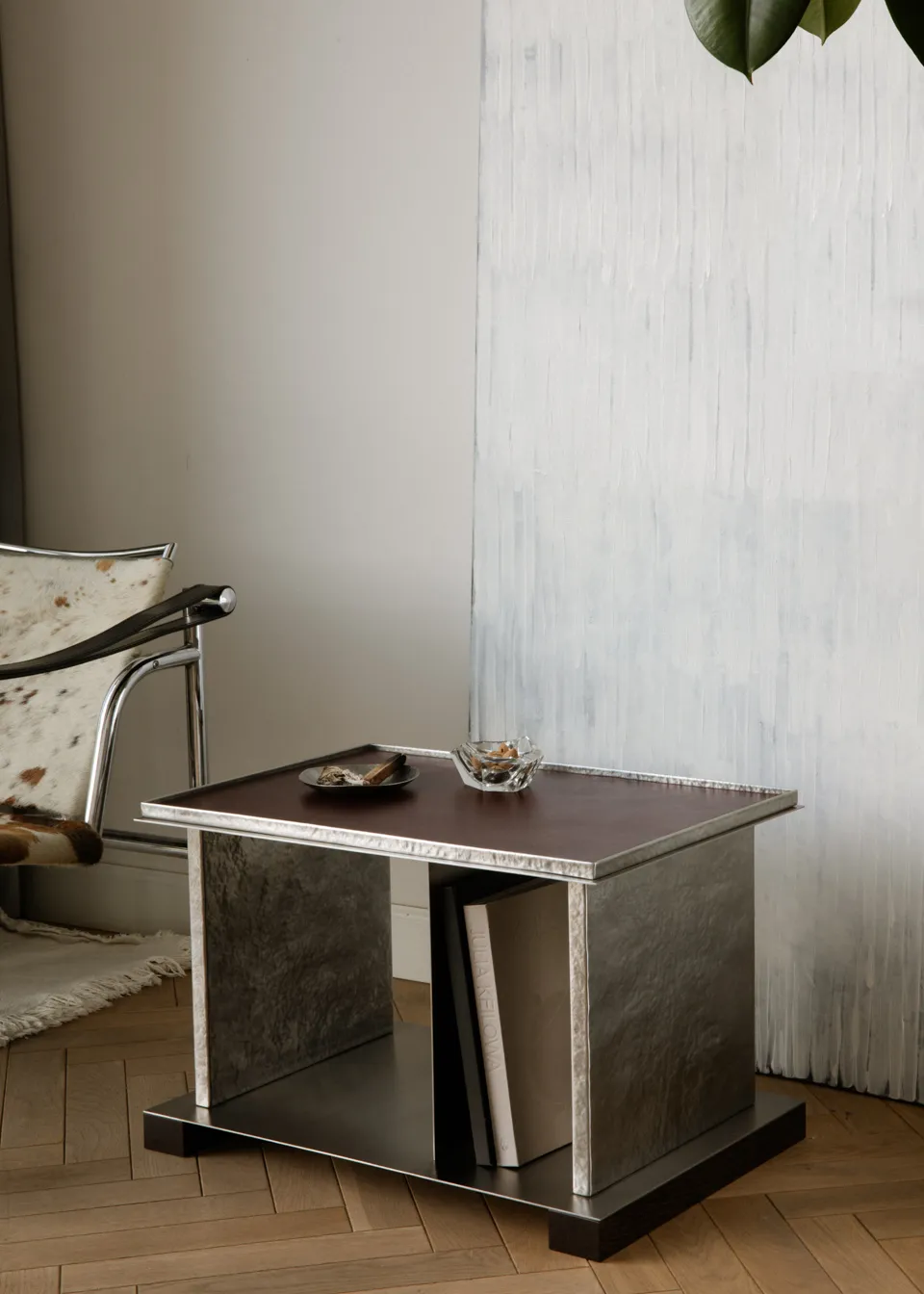
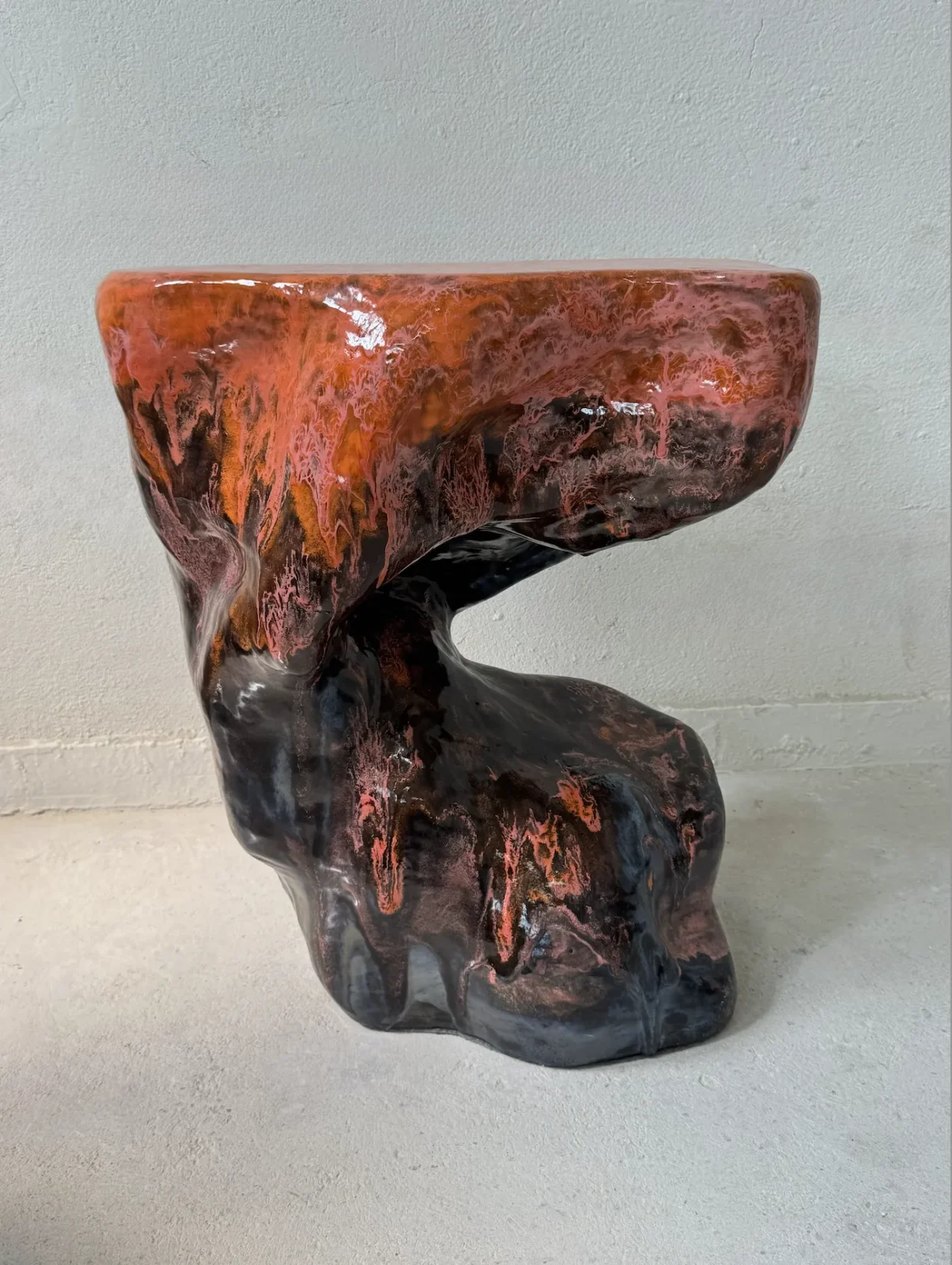
The overall statement here is that furniture does not need to flatten itself into neutrality to feel livable. In many of the spaces we encountered throughout the this Design Destination installment, personality itself became part of the architecture.
Texture, Softness, and Contrast
Texture and a general melange of material mixing may be the strongest connective thread running throughout contemporary Polish interiors right now. Rooms often feel built through contrast, materials carrying irregularity, memory, and visible process rather than being flattened into uniformity.
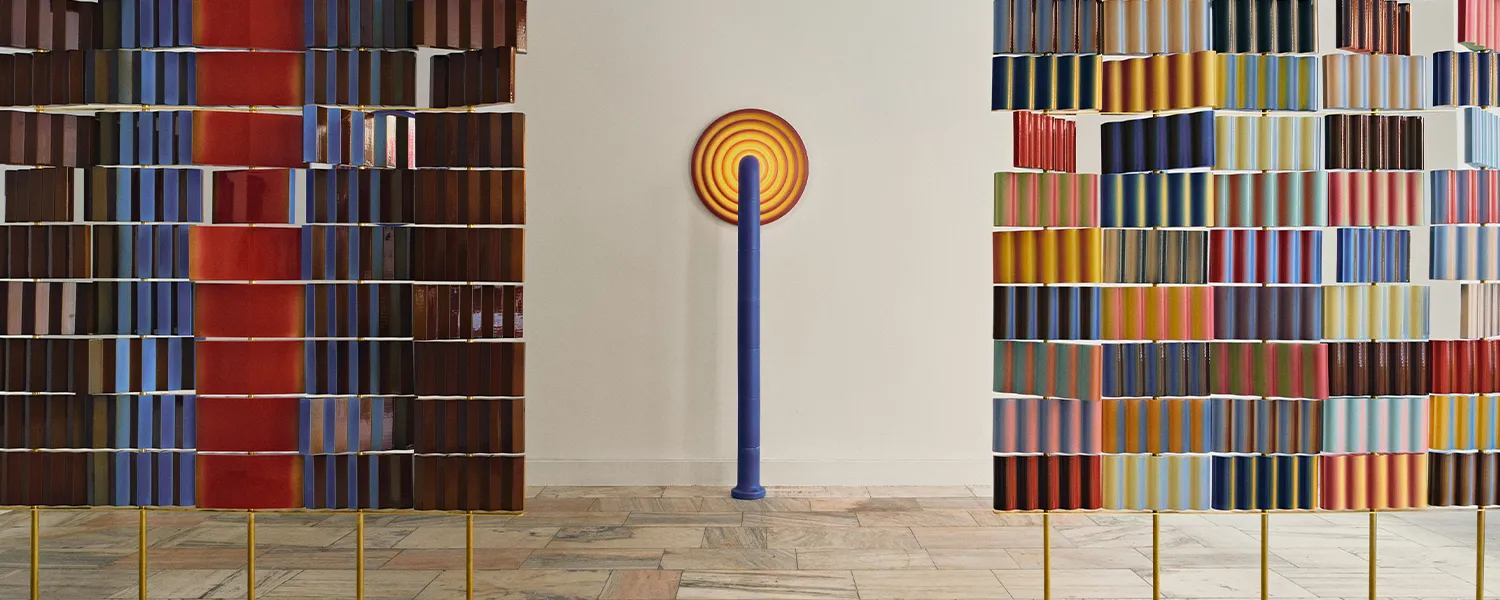
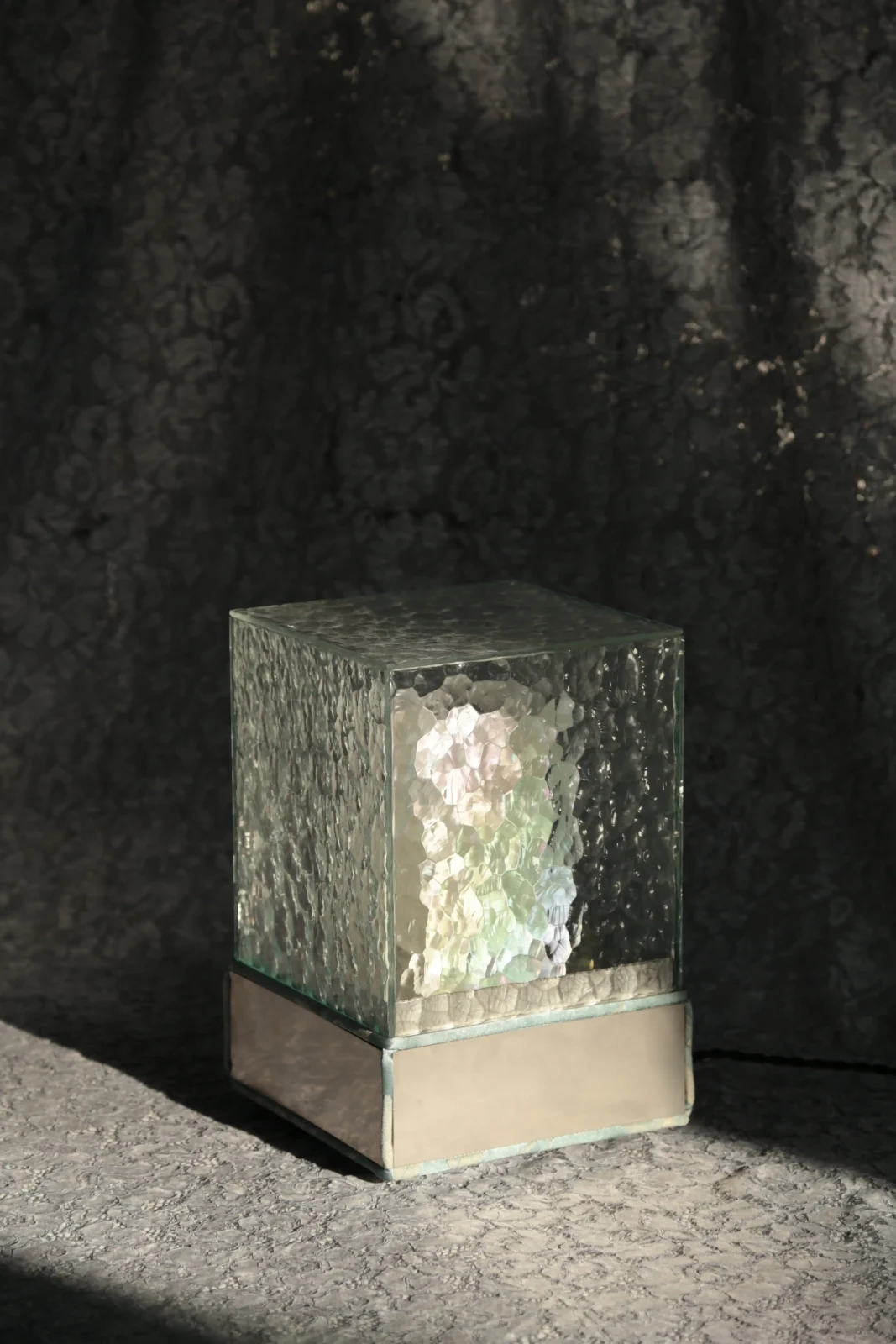
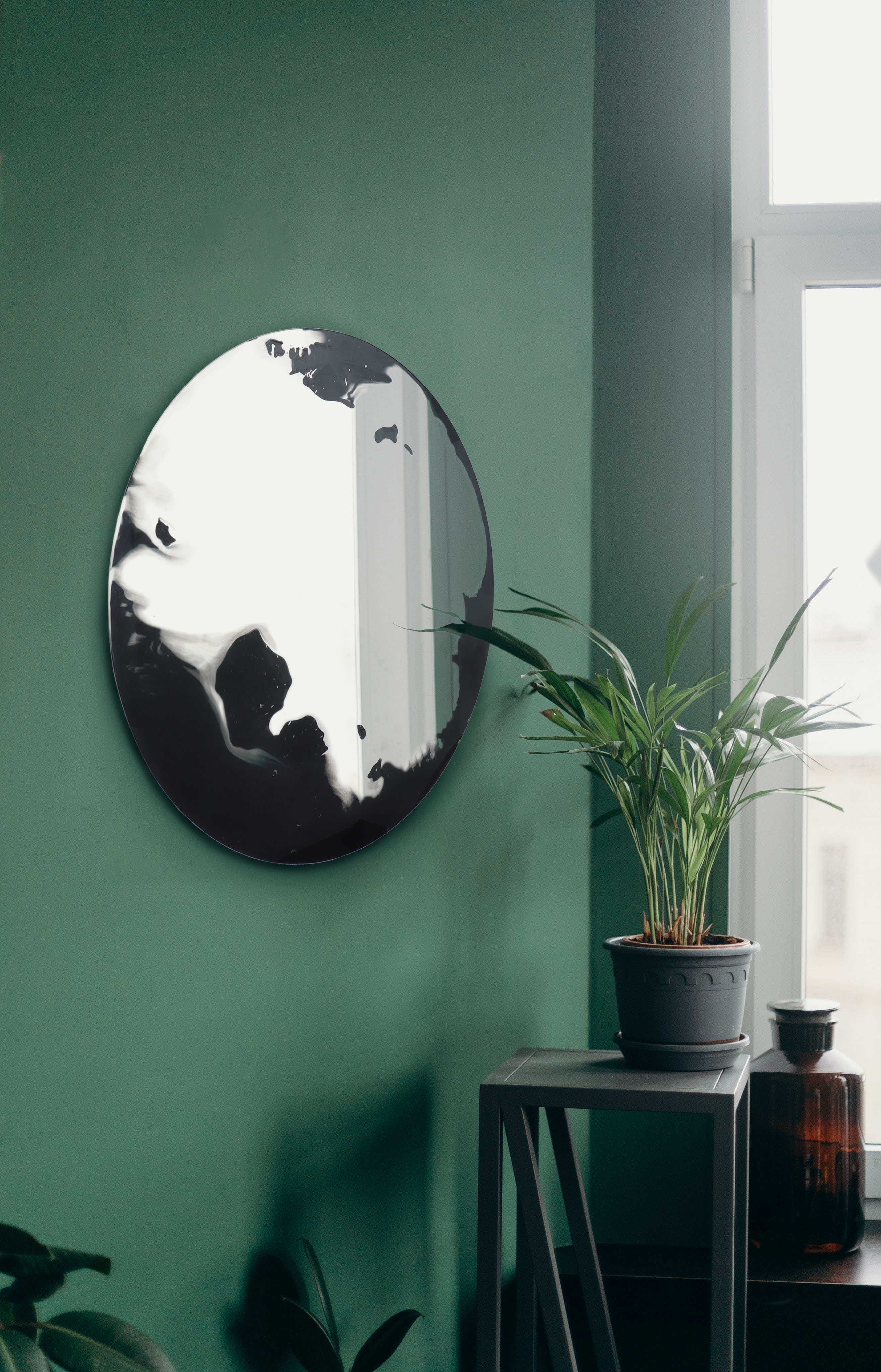
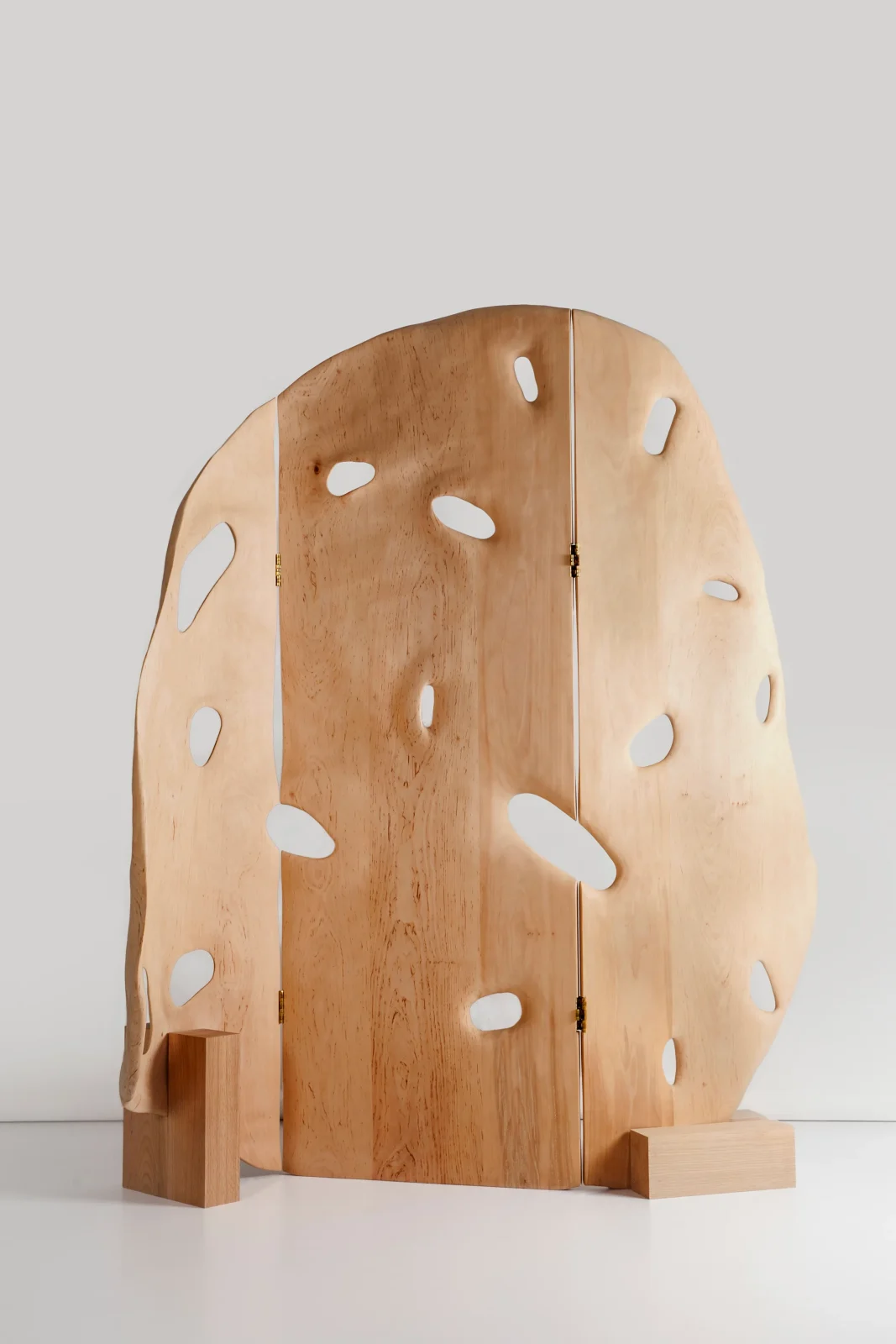
That layering appears across nearly every category within the current Polish design scene. Studio Speculo’s Float mirrors approach reflection as something atmospheric and unstable, liquid silver moving organically across the glass to create shifting distortions and abstract patterns. FINCH STUDIO praised the piece for its “almost ephemeral character and sensitivity.” The studio also highlighted Anna Bera’s hand-carved Shape N°1 screen, imagining its organic form inside a raw, industrial interior where it could introduce softness and the visible presence of handcraft. That tension between technical precision and tactile irregularity appears repeatedly throughout contemporary Polish interiors right now.
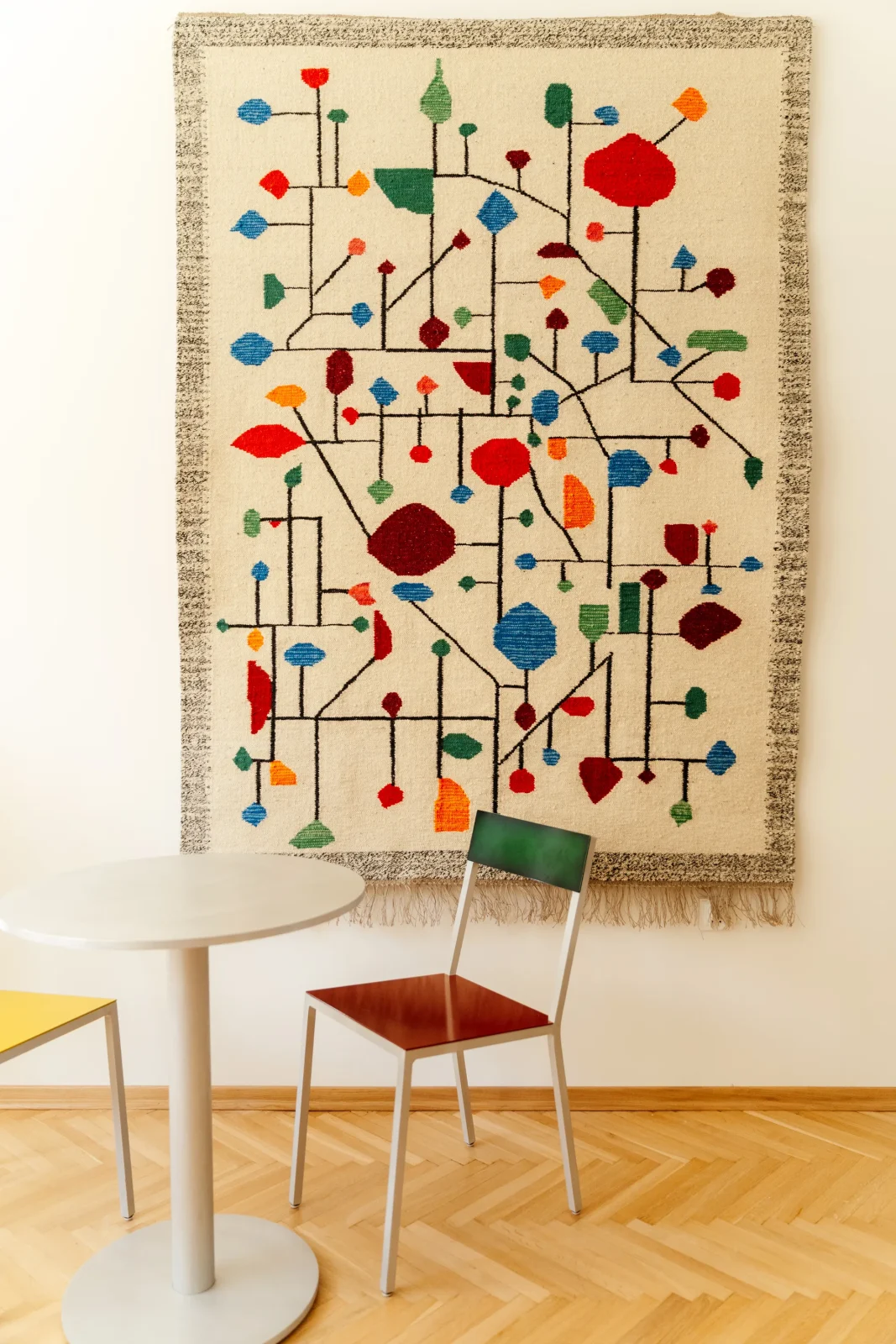
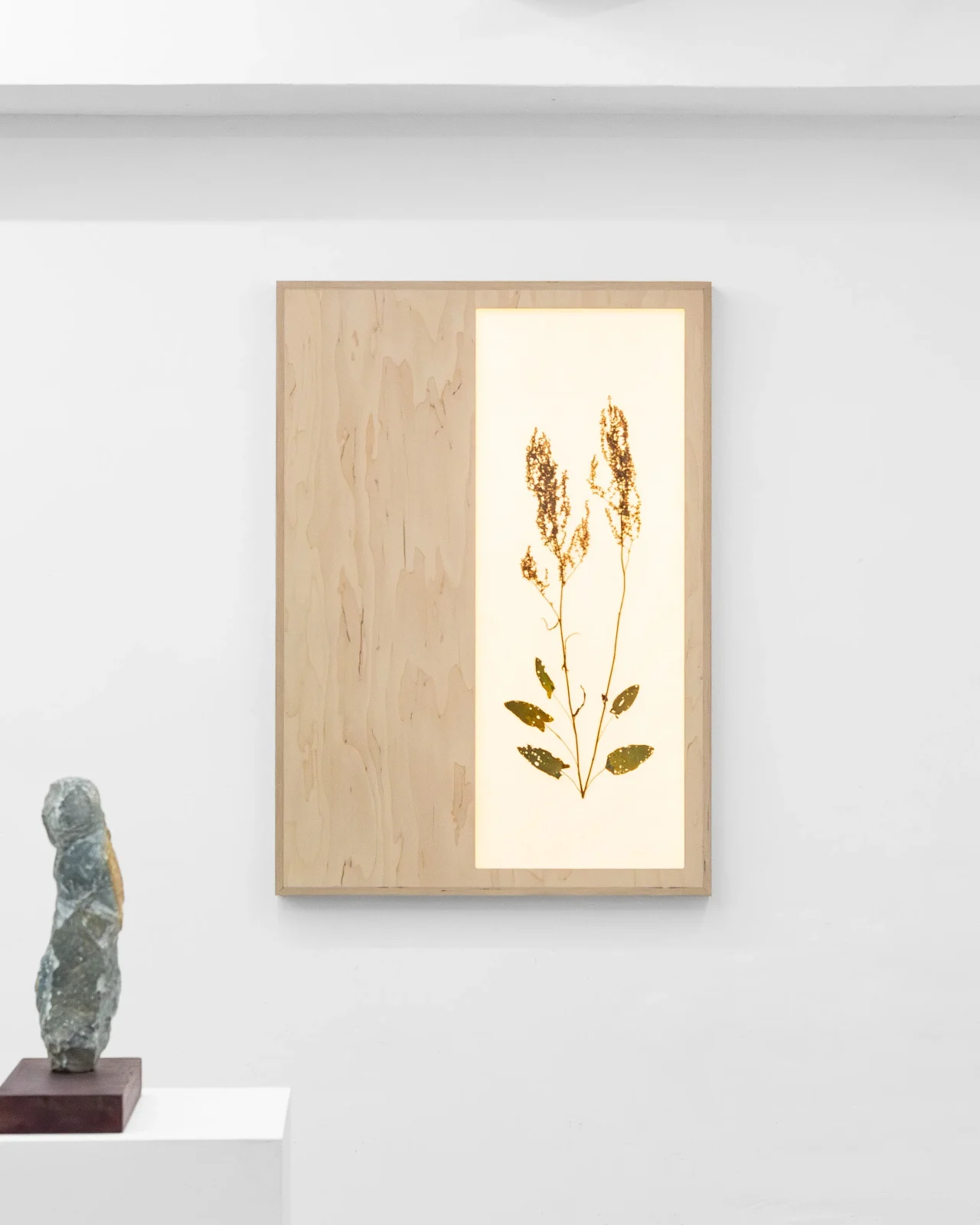
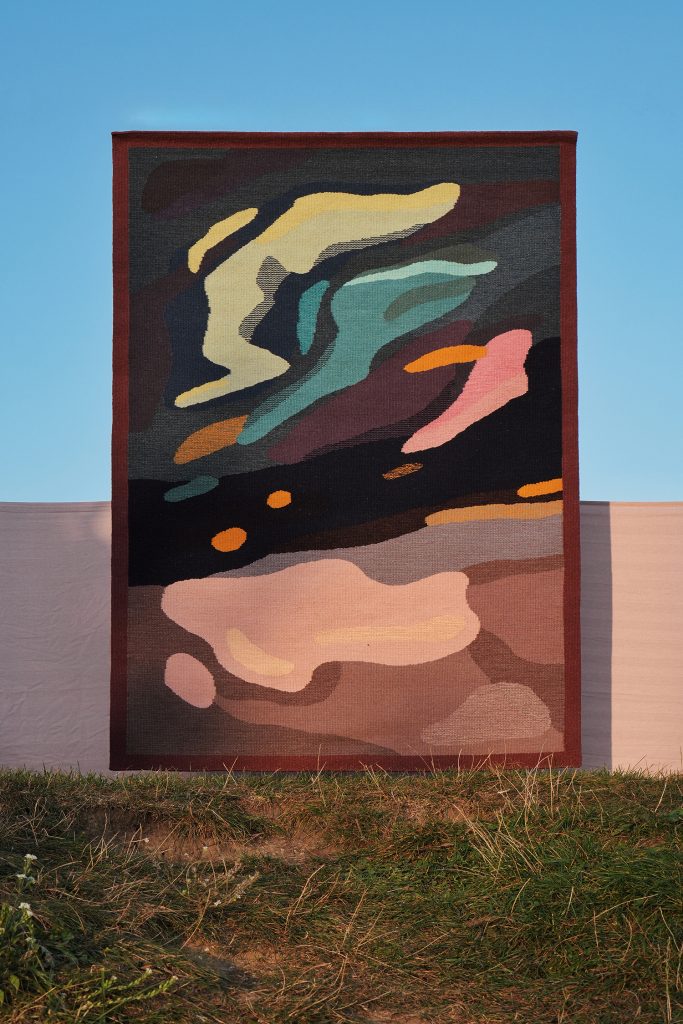
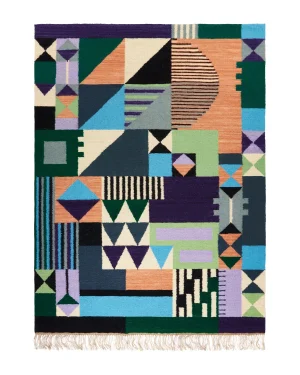
Texture also carries memory throughout many of these spaces. Mateusz Wappa’s Herbarium lamps preserve hand-collected botanical specimens gathered alongside his mother, transforming plants into illuminated records of specific moments and seasons. Splot’s woven kilims carry a different form of continuity, connecting contemporary interiors back to the long history of Polish textile experimentation and postwar design culture.
The Emotional Thread Within Polish Design
What ties these objects together is a shared comfort with surfaces remaining expressive. The interiors become more interesting because the materials continue reacting to light, touch, and time. By the end of this campaign, one thing has become increasingly clear: contemporary Polish interiors feel difficult to reduce to one recognizable aesthetic because the common thread appears less visual than emotional. The strongest spaces are shaped through personality, experimentation, closeness to process, and objects carrying a visible sense of human involvement.
Products by Tag
Slim Op Three Piece Table Lamp in Ceramics and Porcelain
Dawn Rug/Wall Recoration
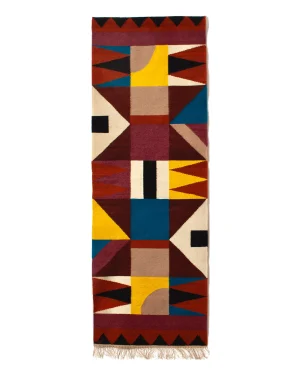
Mouth – Wall Decoration

Trn / Model A2 Pendant Lamp in Ceramic
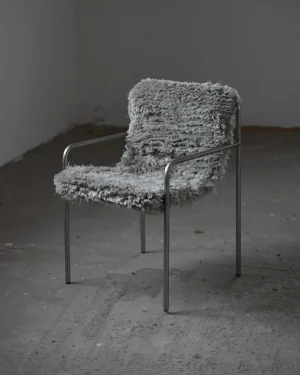
Dessert Shaggy – Steel Chair With Handmade Fabric

Glass Vase In Layers Collection Sage Green
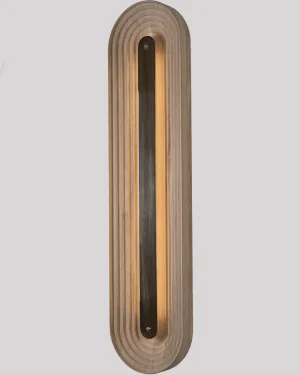
Dromos Large Wall Lamp in Brass and Oak Wood

Dessert – Steel Chair
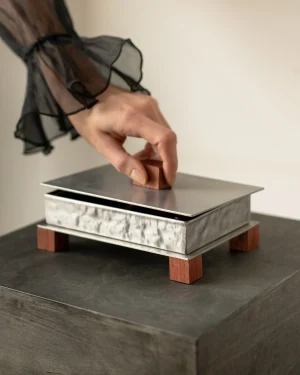
Yuma – Card Box – Steel / Oak Wood
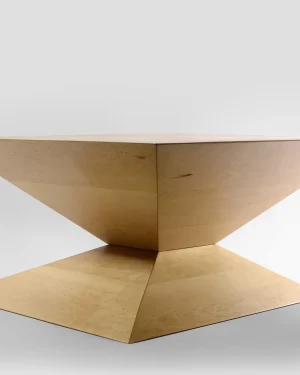
Asymmetrical Coffee Table in Alder and Birch Plywood
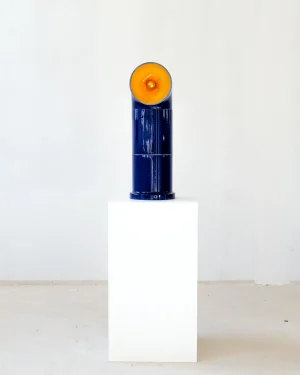
Fat Op No. 002 Three Piece Floor Lamp in Ceramic
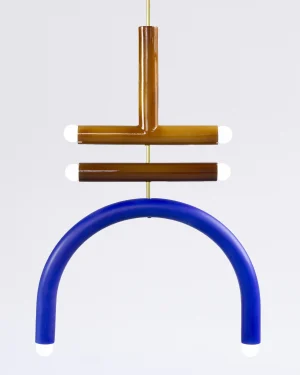
Trn / Model F2 Pendant Lamp in Ceramic
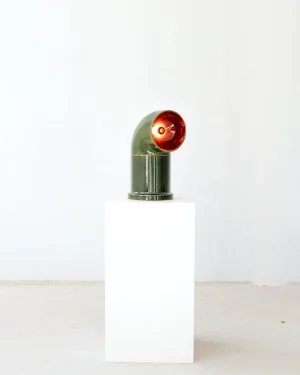
Fat Op No. 003 Two Piece Table Lamp in Ceramic
Mess Dining Table in Ash Wood and Stainless Steel

Fib Coffee Table in Steel and Ash Wood
Object N.30 Mirror