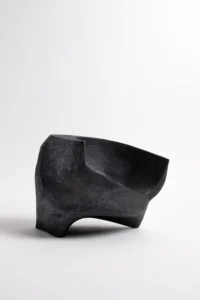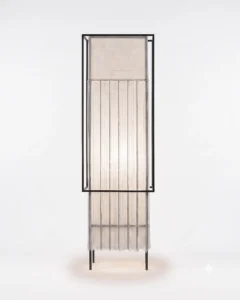
Ceramics typically show up in smaller forms. Type “ceramics” into Google and the automated suggestions will almost always finish the search with plate, bowl, tile, vase etc. While the material has been in use for thousands of years, it has largely stayed at that scale. Of course, this is not without reason. Ceramic is both delicate and heavy, so at larger scales it has to contend with load, impact, and transport in ways smaller objects do not. Structural use becomes more complex, though not impossible, and this is what makes the rise of ceramic side tables feel particularly unexpected.
The same material now takes on weight and function, holding its own as furniture, within these limits. We are seeing this more often, especially in ceramic side tables, where the scale allows for that shift without forcing it. A ceramic bed or dining table would be another story, though an impressive one. These ceramic side tables sit close to what we call functional art. The form is practical, but the material keeps its expressive qualities. Glaze, firing, and surface remain central, alongside more structural concerns like balance and stability. Below is a selection of ceramic side tables currently on ADORNO.


Hand-painted Ceramic Side Tables by Magdalena Szmydtke Pracownia Ceramiki

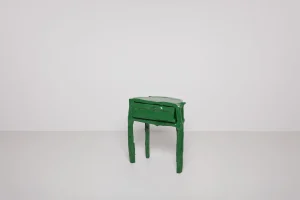
Magdalena Szmydtke shapes her ceramic side tables by hand, allowing the forms to stay fluid and slightly irregular. The surface follows a brush-applied glaze, building depth through layered color. The finish recalls shifting light at dusk, with subtle movement across the surface that keeps the piece visually active.
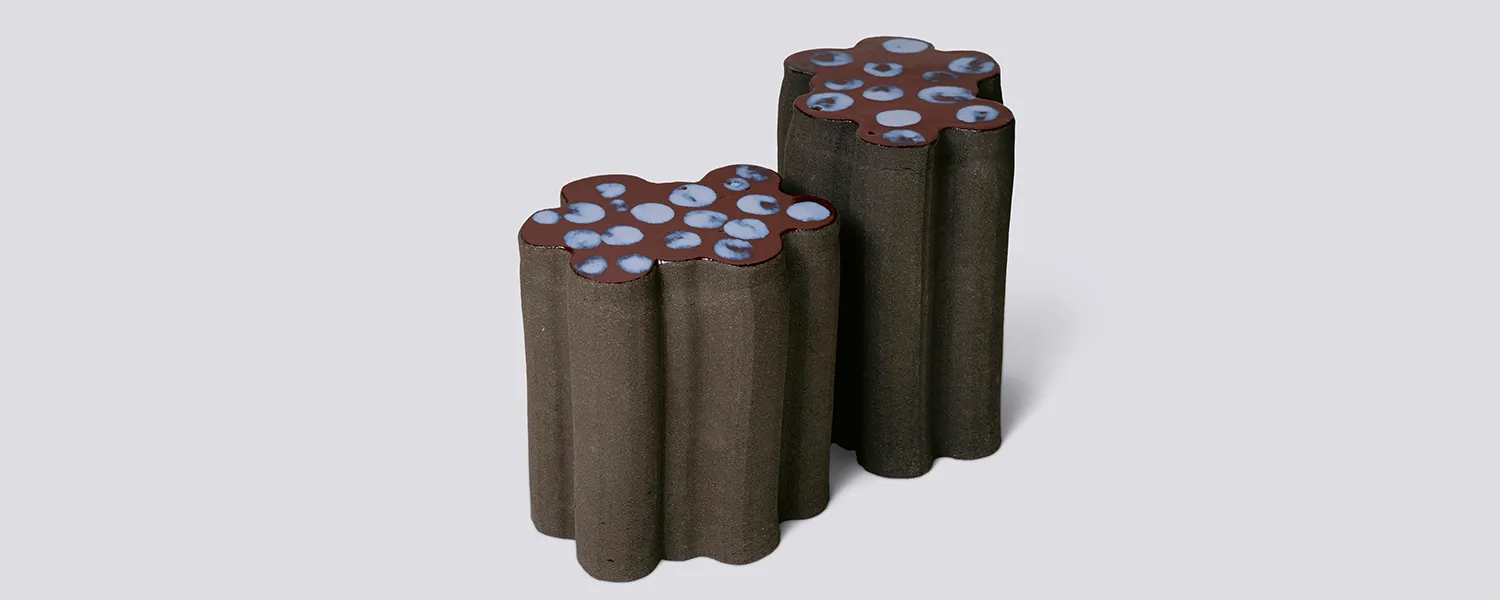
Cell Tables – Timber & Ceramic Side Table by Marco Calhau
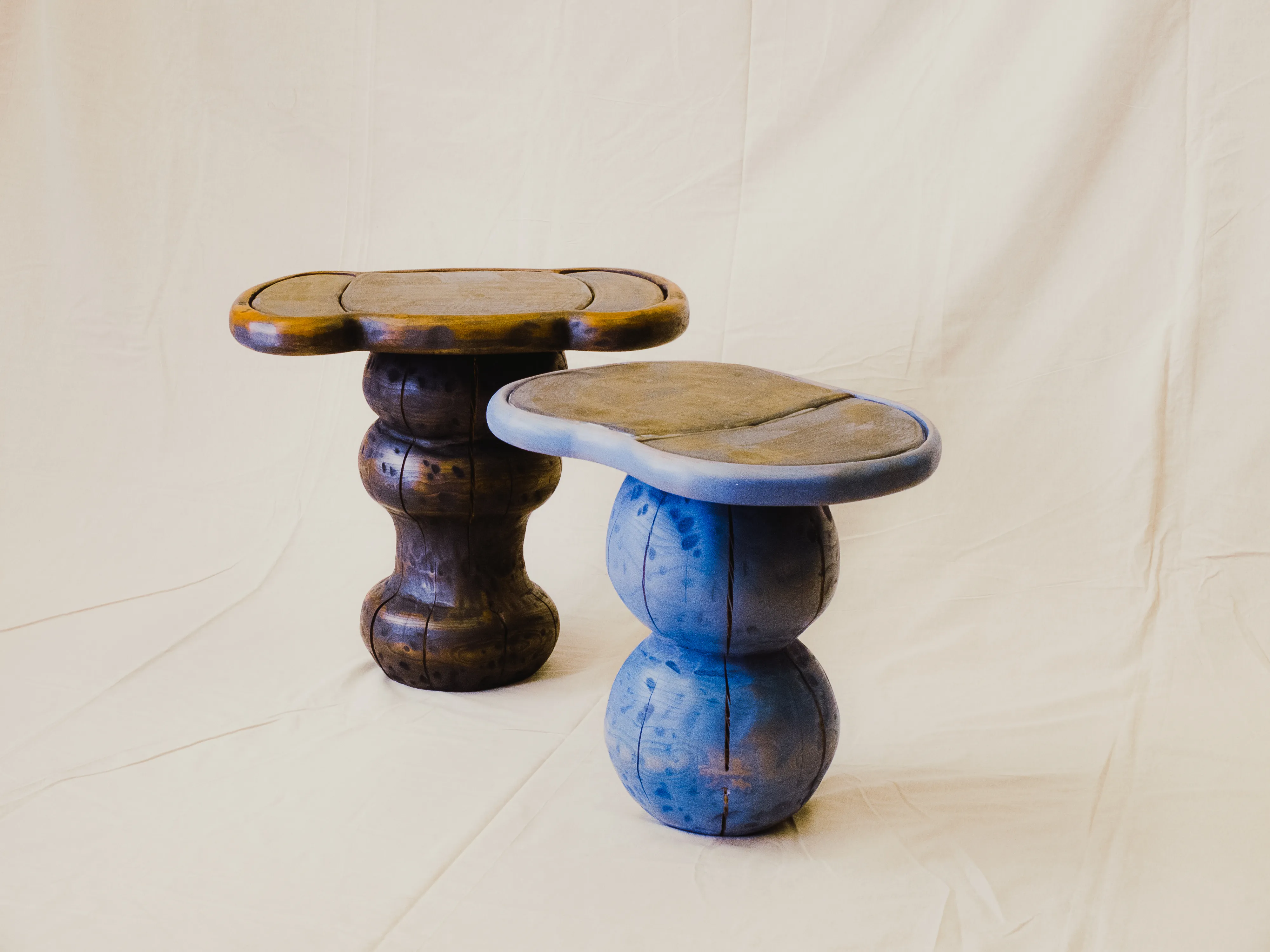
Marco Calhau’s Cell Ceramic Side Tables pair wood and enameled ceramic, bringing two materials with different qualities into direct contact. The form builds through rounded, cellular shapes that cluster and connect. The structure reflects that idea of interaction, individual elements working together to form a single ceramic side table.
Trio Accent Table by Alter Ego Studio
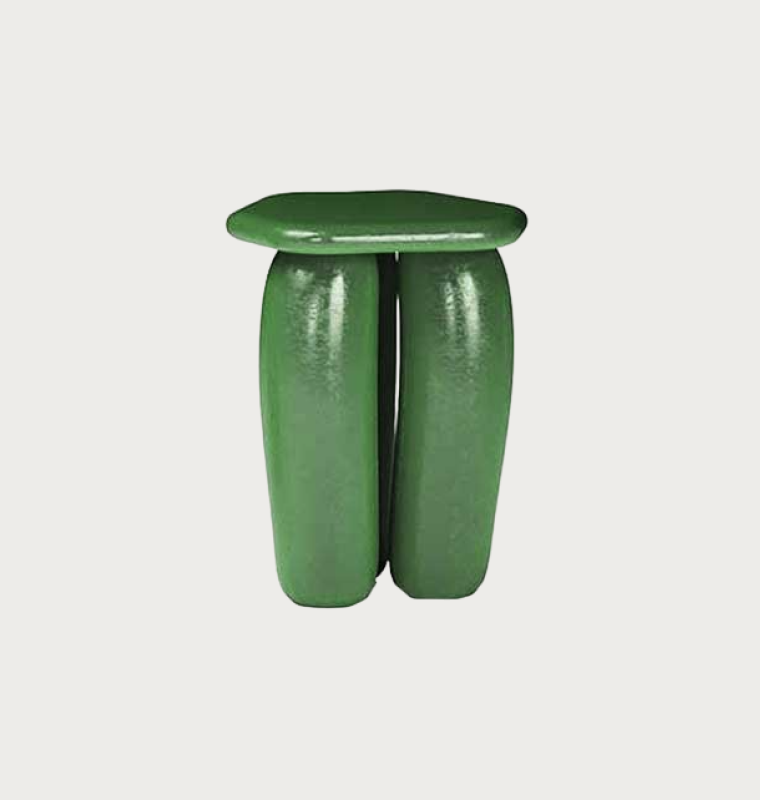
The Trio Accent Table pairs an asymmetrical top with distinct, grounded legs, giving the piece a slightly off-balance presence. A terrazzo pattern or bright ceramic coating adds surface interest, keeping the ceramic side table visually active without complicating the form.
Cleo – Ceramic Side Table by Ombia Studio
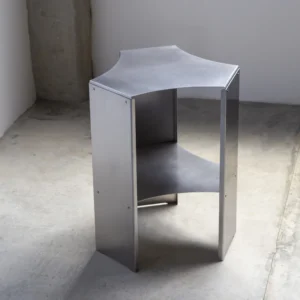
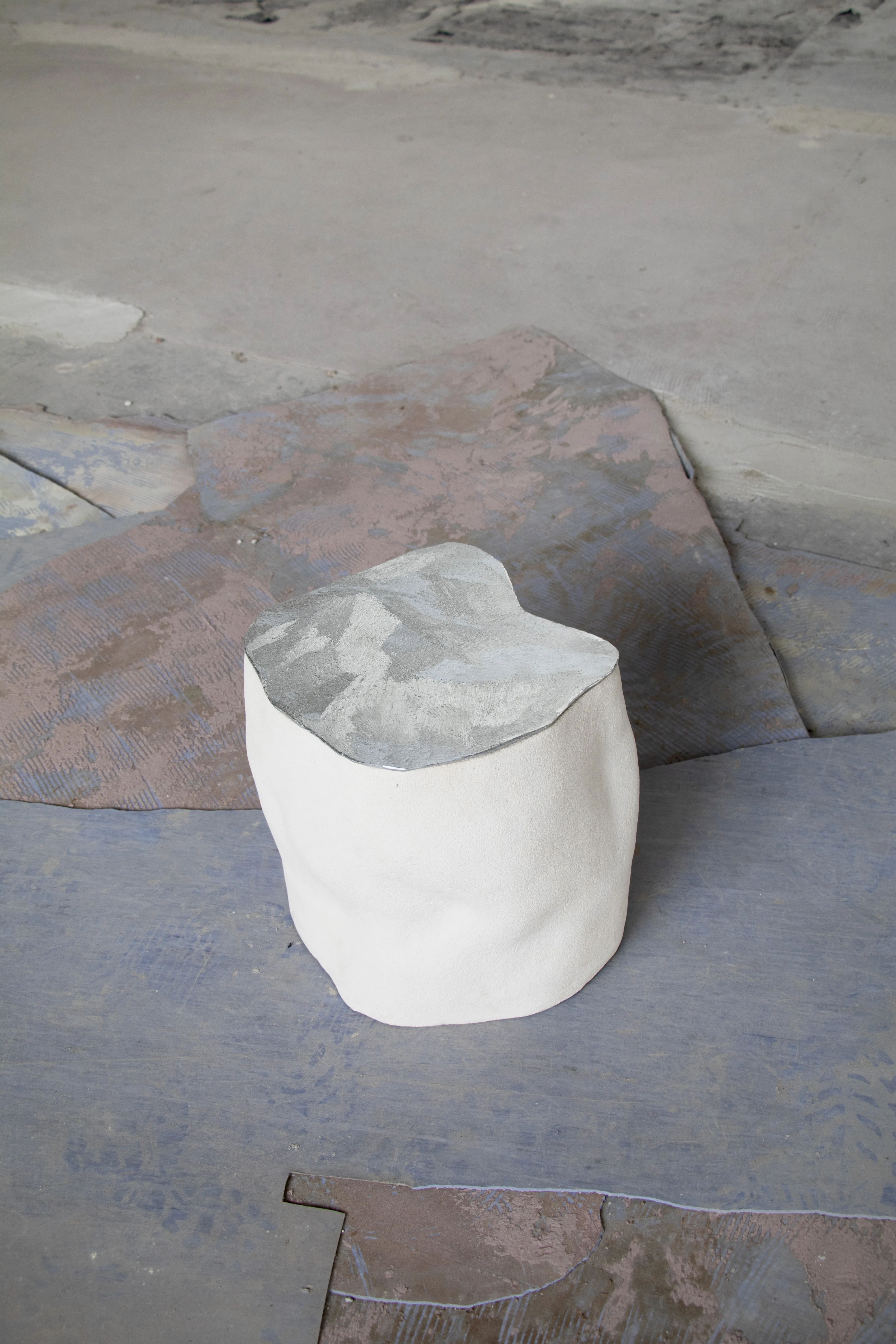
Ombia Studio’s Cleo Side Table keeps the form restrained, letting the metallic glaze carry the piece. Light moves across the surface, shifting between reflection and depth. Each ceramic side table is handmade, with slight variations in shape and finish that keep the surface active and specific.
Ex Three – Low Side Table by Sofia Aguas Ceramics

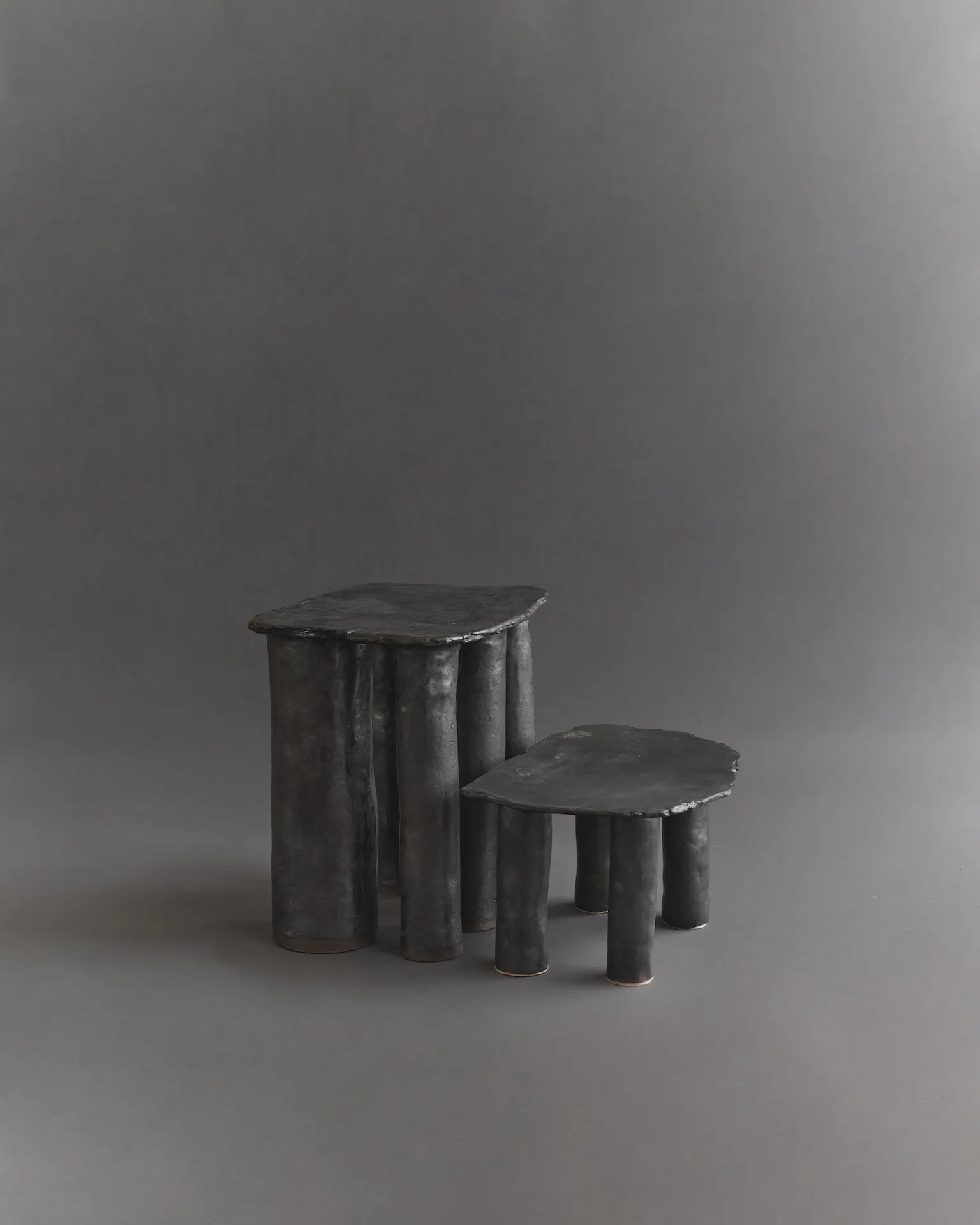
Hand-built in the studio, this ceramic side table develops through direct work with line, volume, and material. Three irregular supports form the base, giving it a grounded, almost geological presence. The top sits lightly above, creating a sense of tension between weight and balance. Surface variation and tonal shifts remain visible, shaped by gesture and firing.
Hidden Secret – Side Table by BERTO

Hidden Secrets by BERTO brings together circle and square in a compact, geometric form. Developed with Portuguese ceramic artisans, the piece carries a strong tactile presence shaped through handwork. The ceramic side table sits between object and function, with subtle variations in glaze and surface reinforcing its more contained, introspective character.
Kinoko Ceramic Side Tables by Studio Bovti
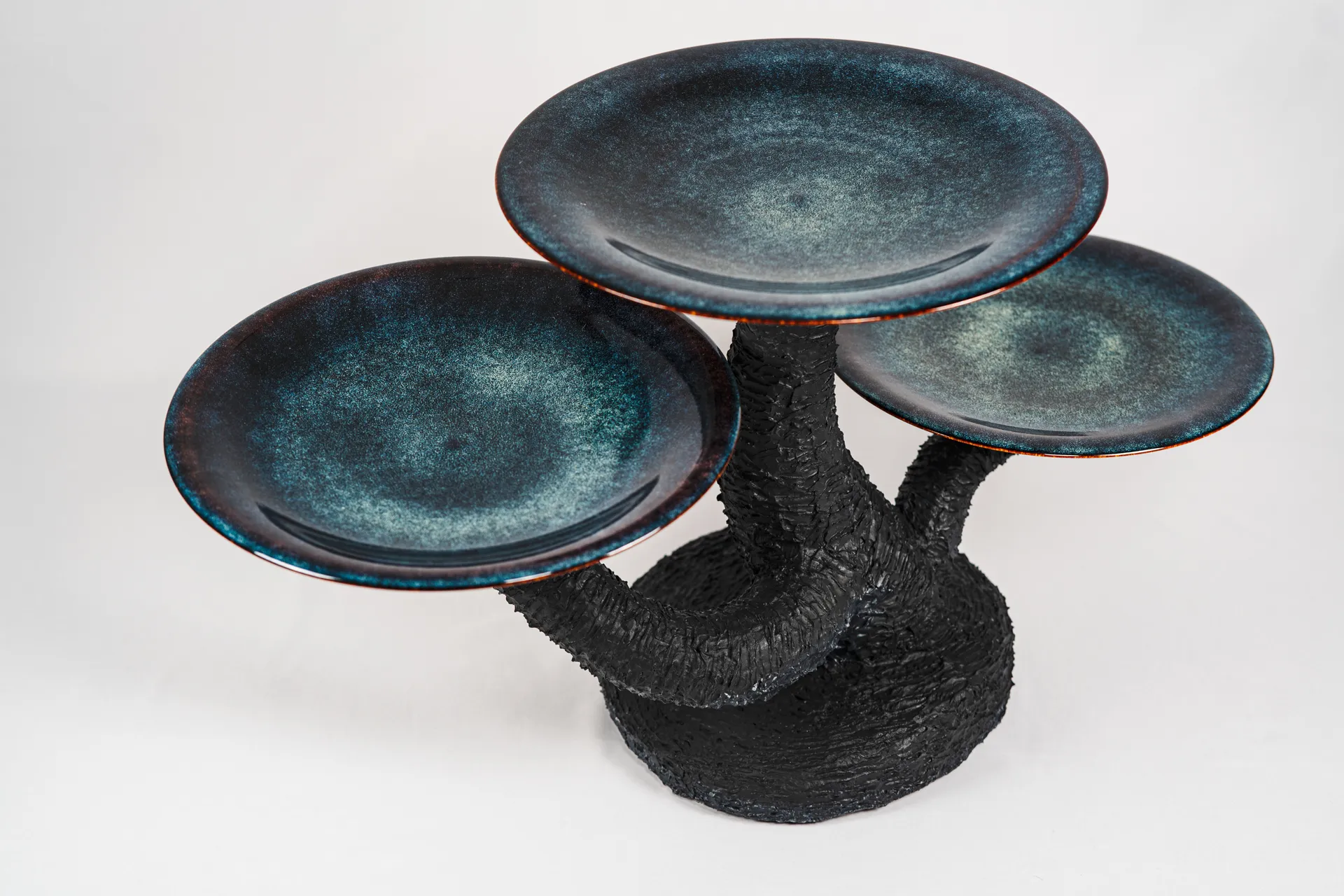
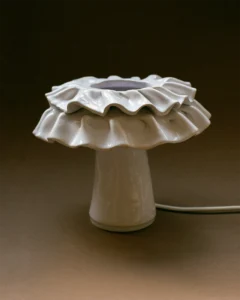
Kinoko takes the mushroom as its starting point, shaping each ceramic side table through variations in growth and form. The silhouettes shift across the series, each one holding a different stage of development. A “Sea Cucumber” glaze gives the surface depth and texture, with color tied to elemental references, sky, water, and fire.
Baie Side Table by Lahana Alice
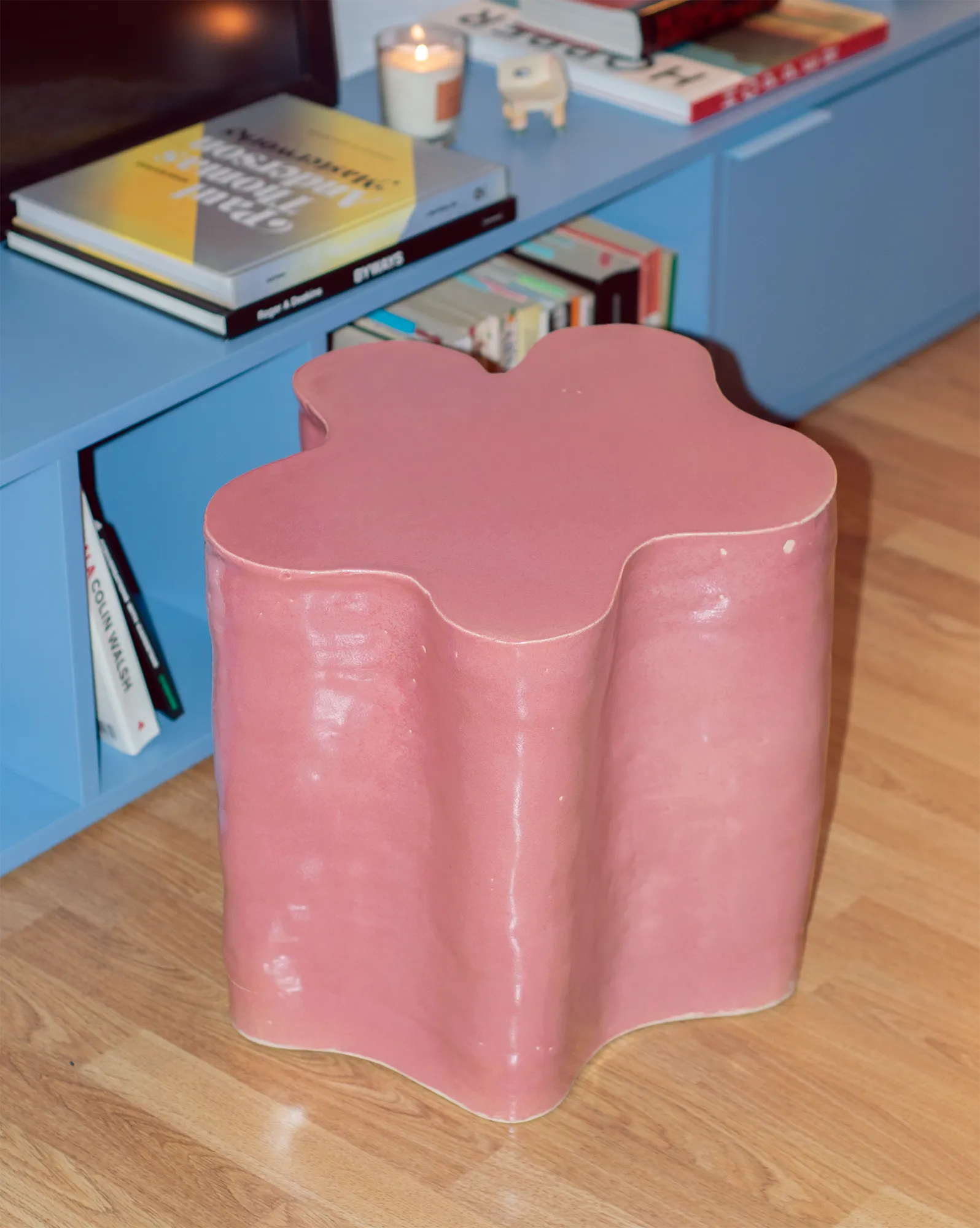
Flamingo Ceramic Side Tables by Mina Wright
Inspired by Matisse’s floral cutouts, this ceramic side table rises upward from a petal-like base. The form stays direct, with each layer building toward a compact, vertical shape. Hand-built in stoneware and finished with layered glaze, the surface holds slight variation in tone and weight, giving each piece its own presence.
Pepites Ceramic Side Tables by Laetitia Perrin Studio
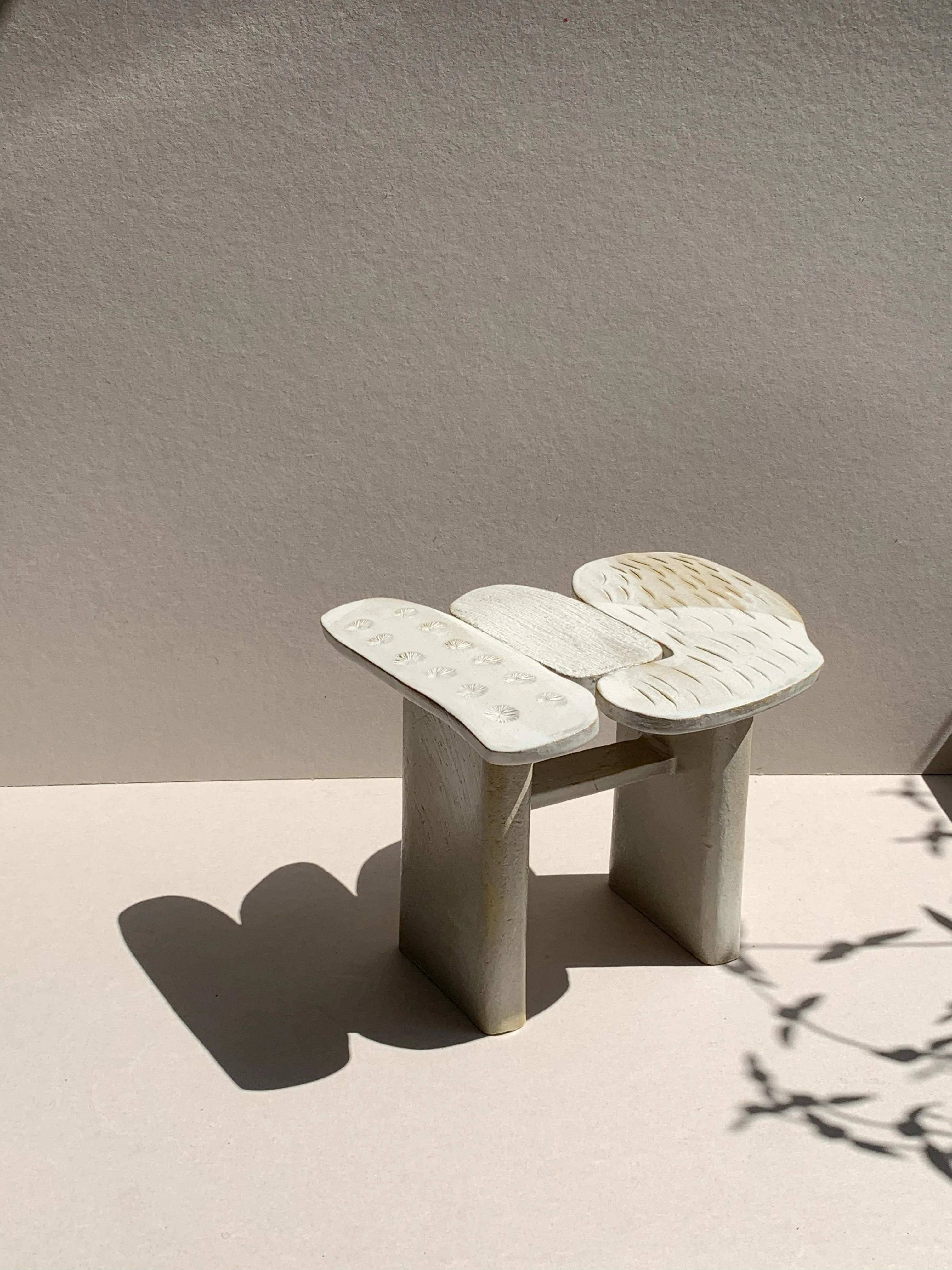
Laetitia’s Pépites ceramic side table builds its surface from cut and assembled slabs, creating a fragmented top that recalls gathered forms. The composition stays irregular, with each section holding its own edge and contour. Made in white grog-glazed stoneware, the piece goes through multiple firings, giving the surface depth and a stable, structured finish.
Side Table No. I by ZEYNEP BOYAN
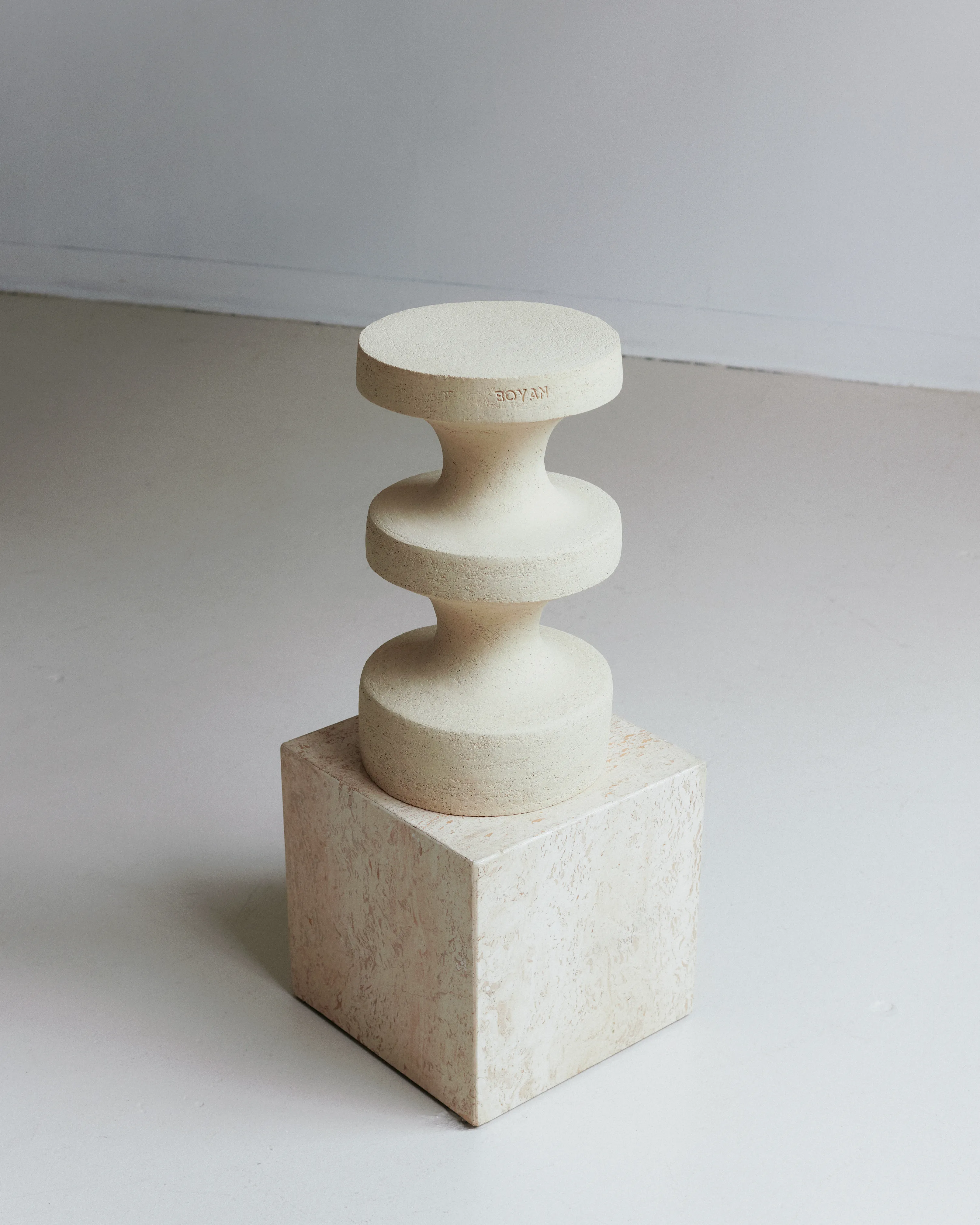
Side Table No. I by Zeynep Boyan is built from coiled terracotta stoneware, forming a hollow, tiered structure that reduces weight while maintaining presence. Each level tapers upward, creating a clear architectural rhythm. The surface carries the marks of hand-building, with subtle variation in proportion and finish that gives each piece its own character.
Trunk Table In Lavender Blue by Slō
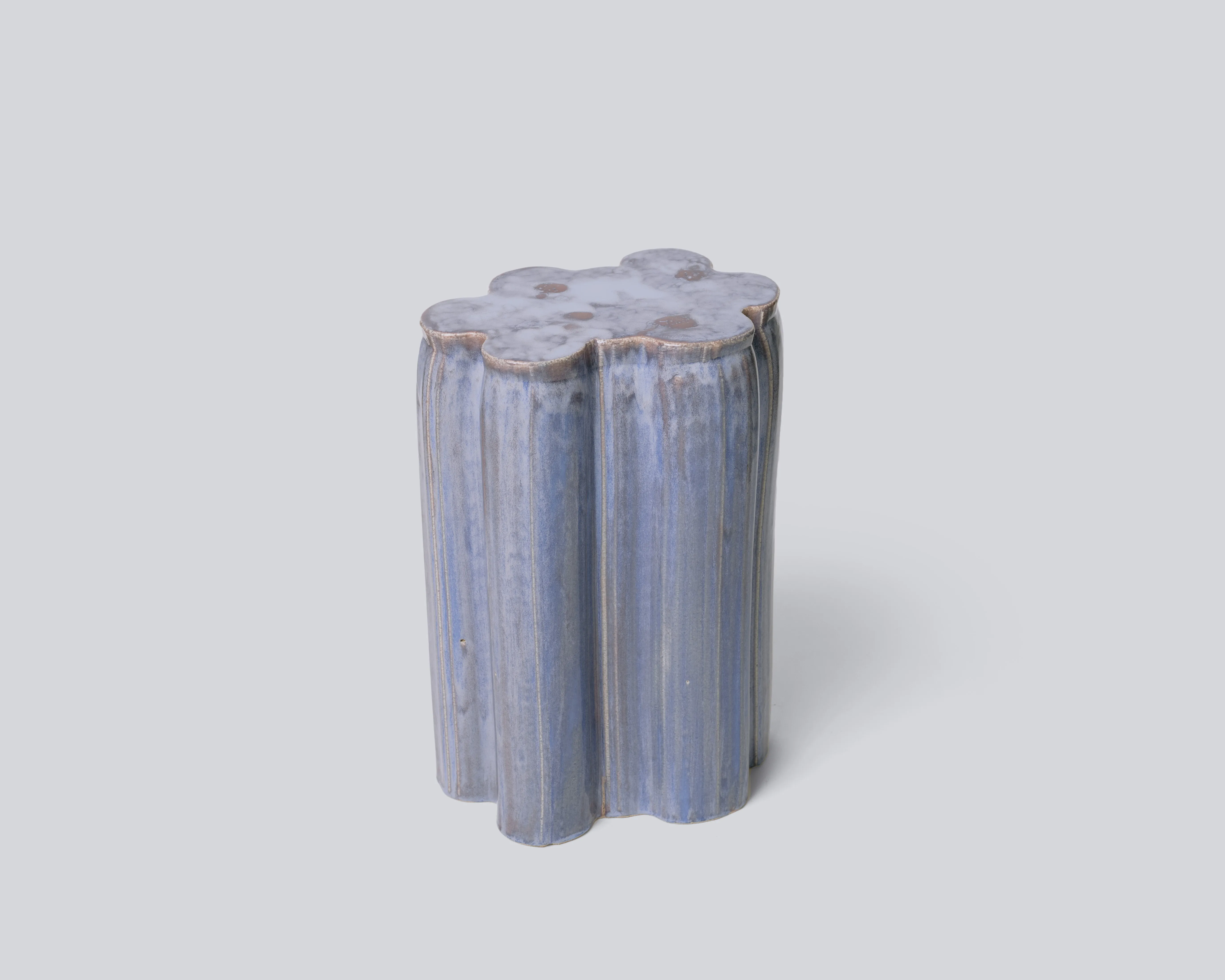
The Trunk Table in lavender blue forms through extrusion, allowing the shape to emerge with minimal intervention. The silhouette stays slightly irregular, shaped as much by process as by intent. Layers of glaze create a marbled surface, with flashes of pink moving through the lavender. Each ceramic side table holds its own variation in form and finish.