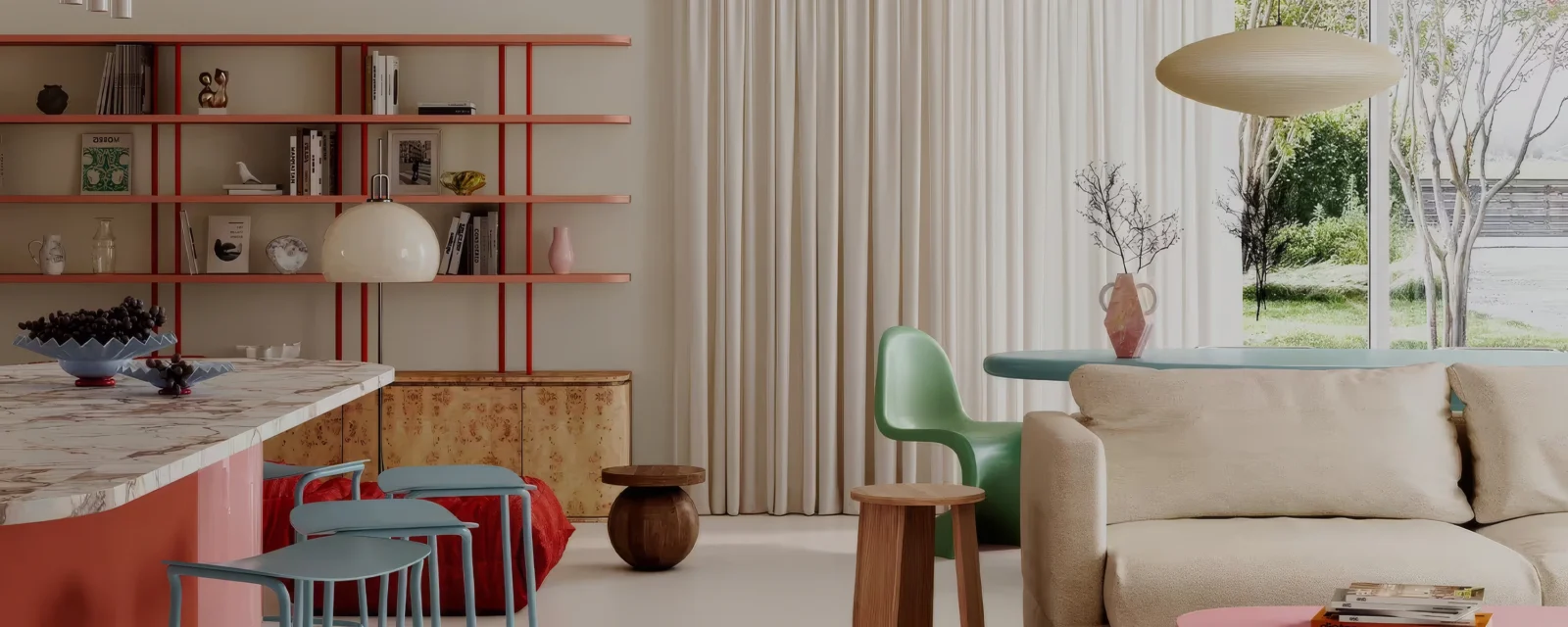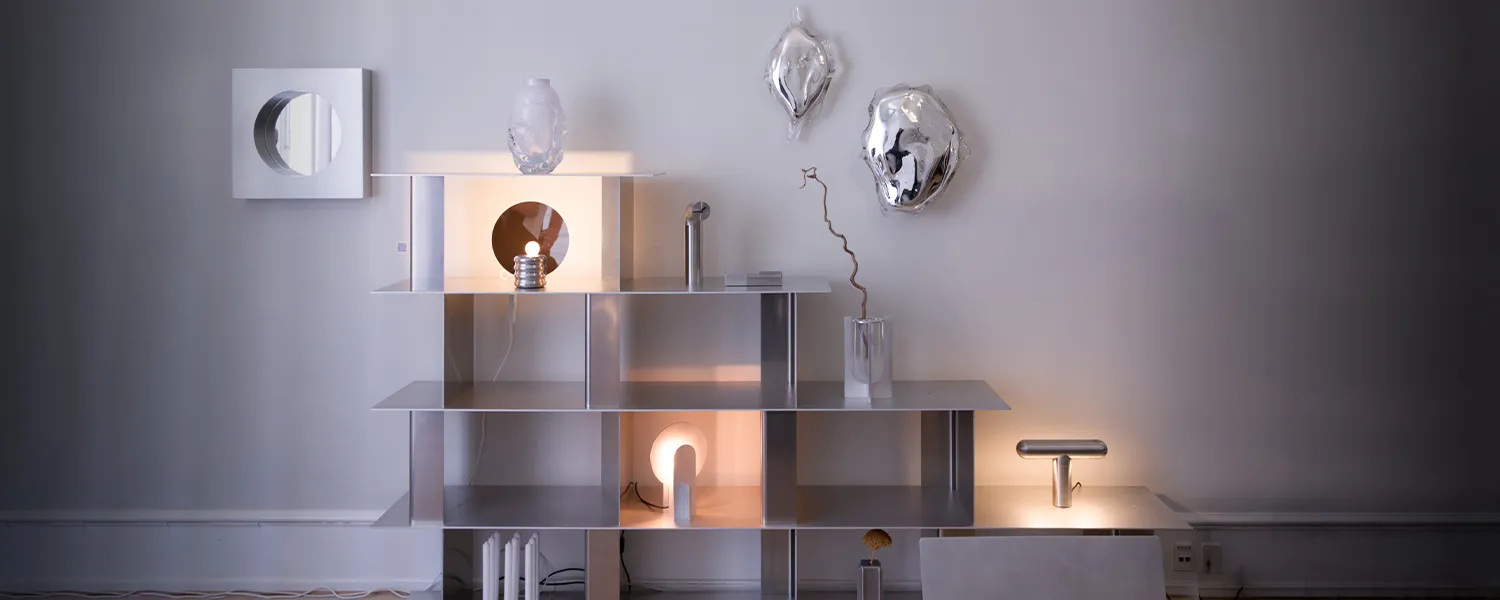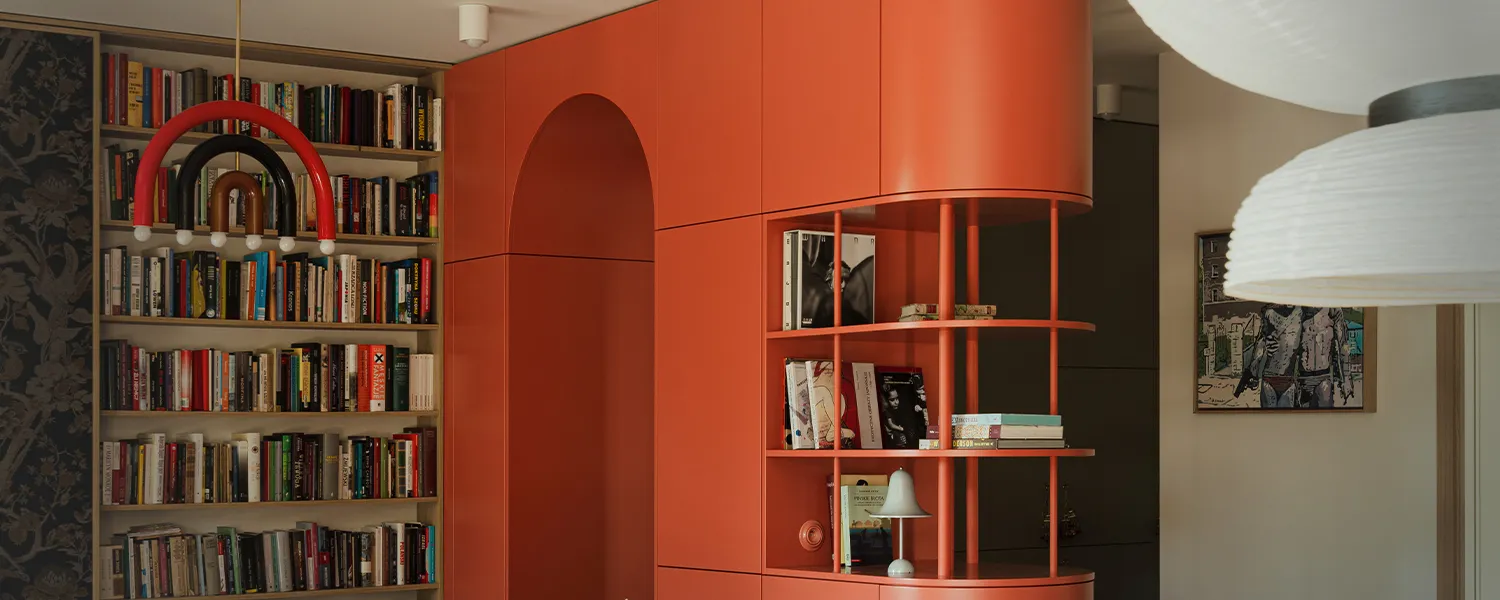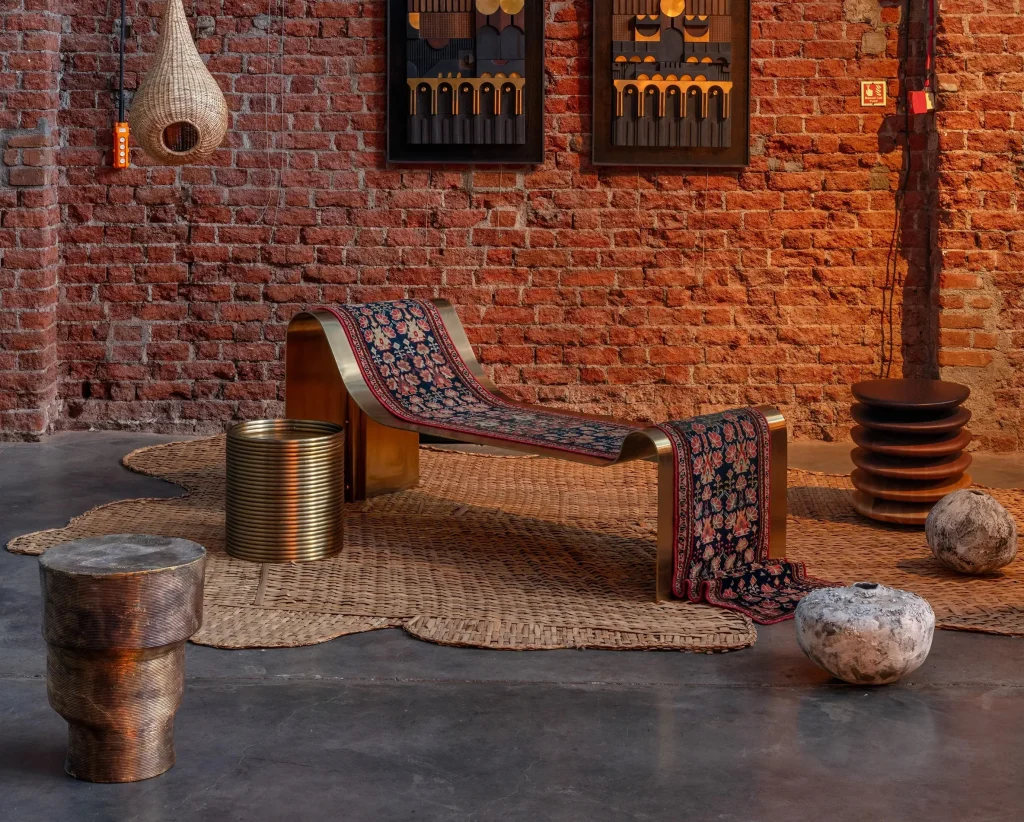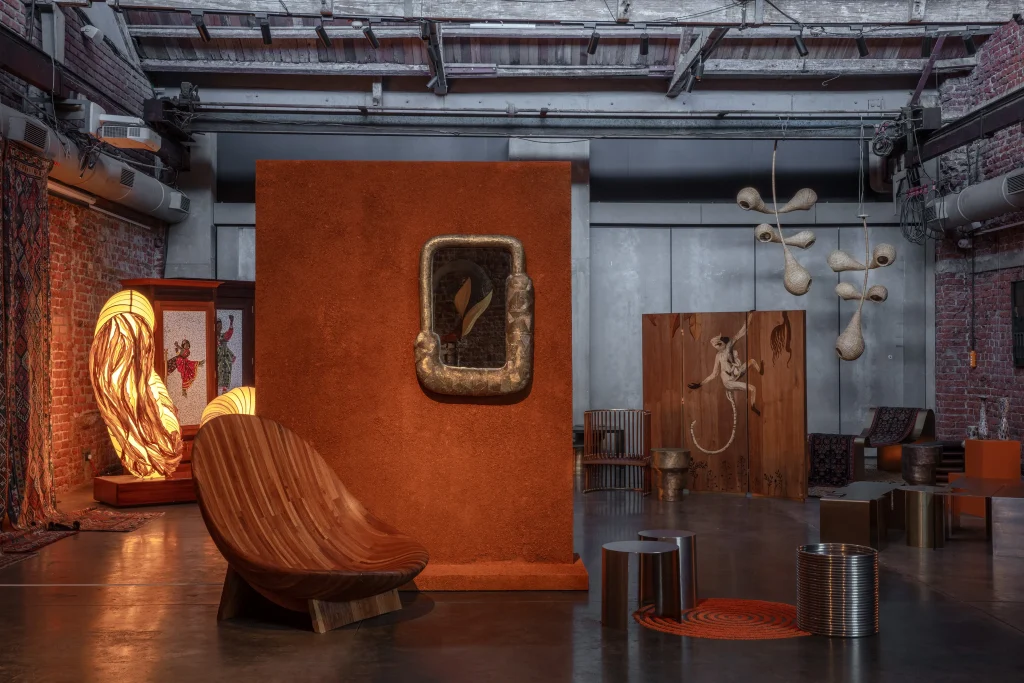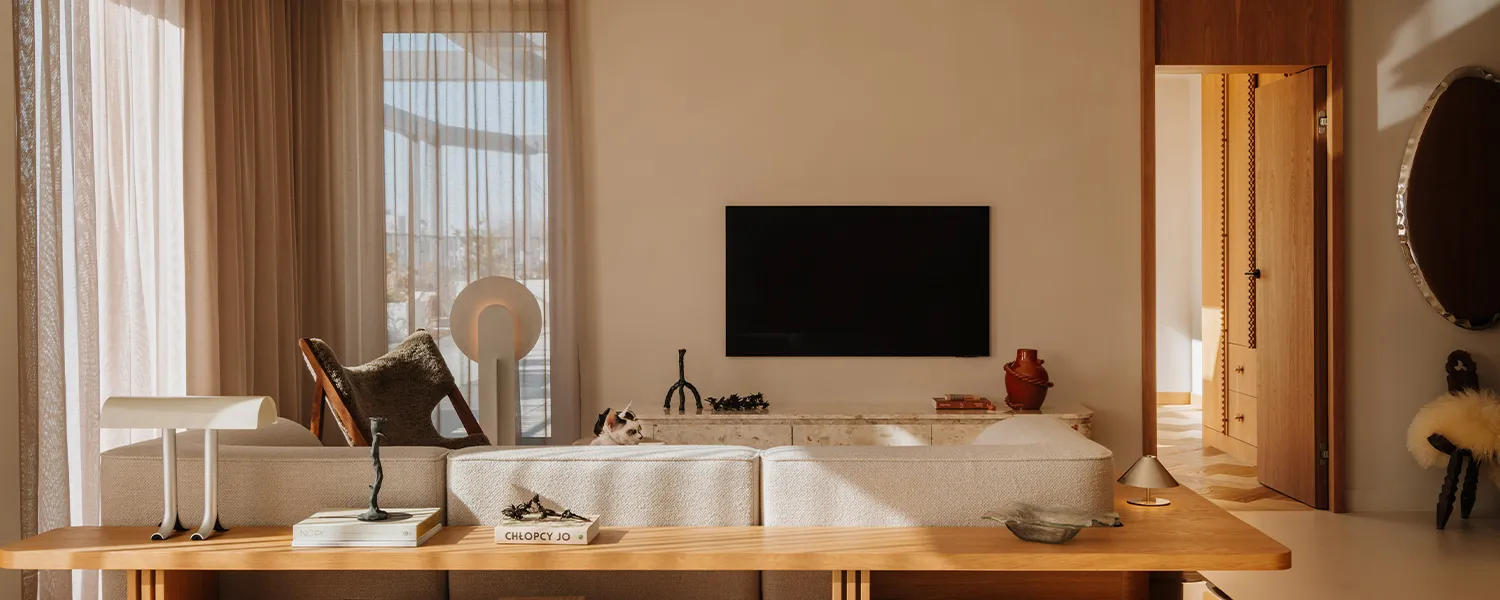
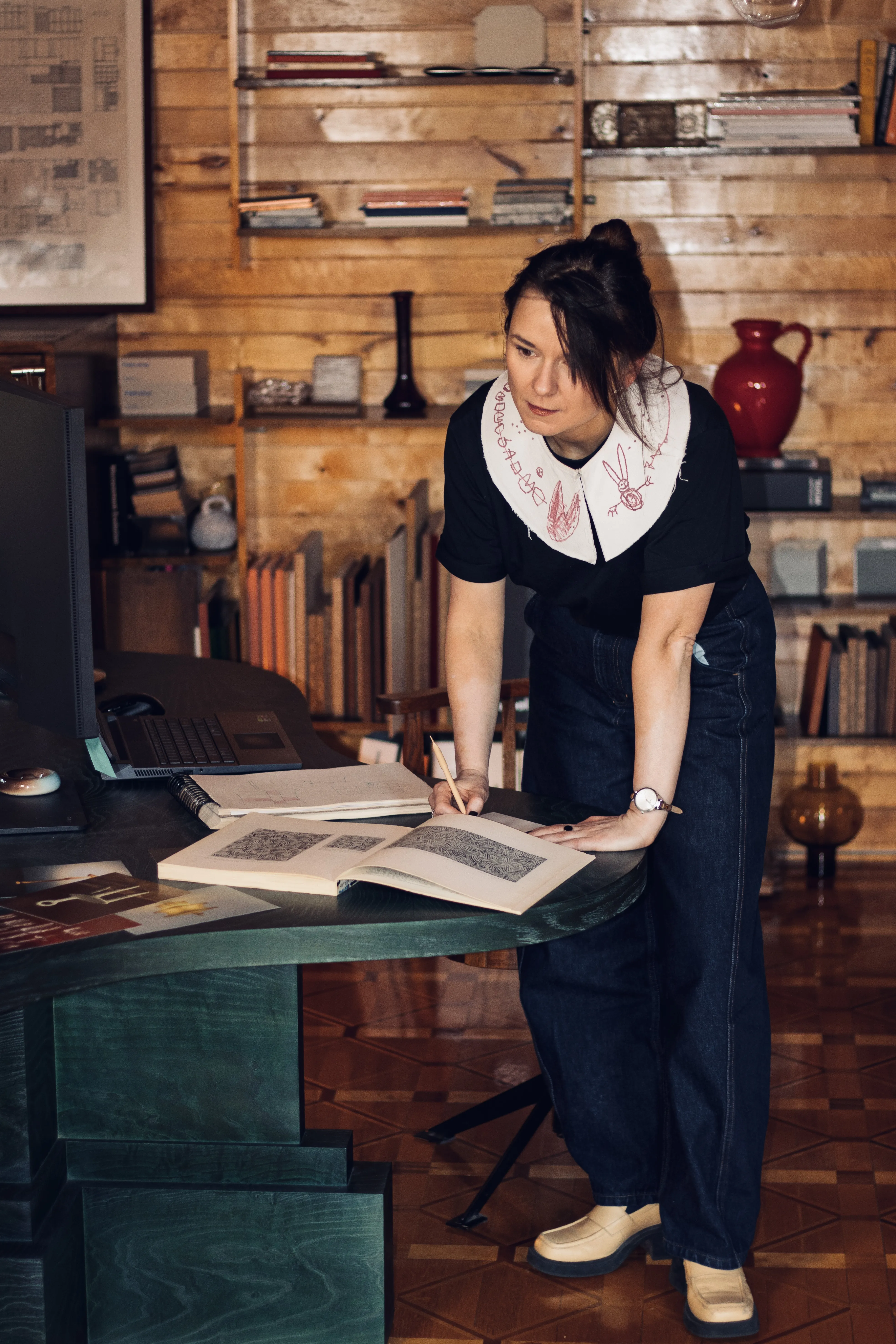
As part of Design Destination: Poland, we had the pleasure of visiting the studio of Monika Rogusz-Witkoś of COI Studio to speak about interiors, collectible design, and the changing atmosphere around Polish design today. Throughout the conversation, she returned often to the relationship between people and objects, how they live with them, respond to them, and gradually build attachments to certain pieces over time. The discussion moved less toward trends and more toward sensitivity, instinct, and emotional connection.
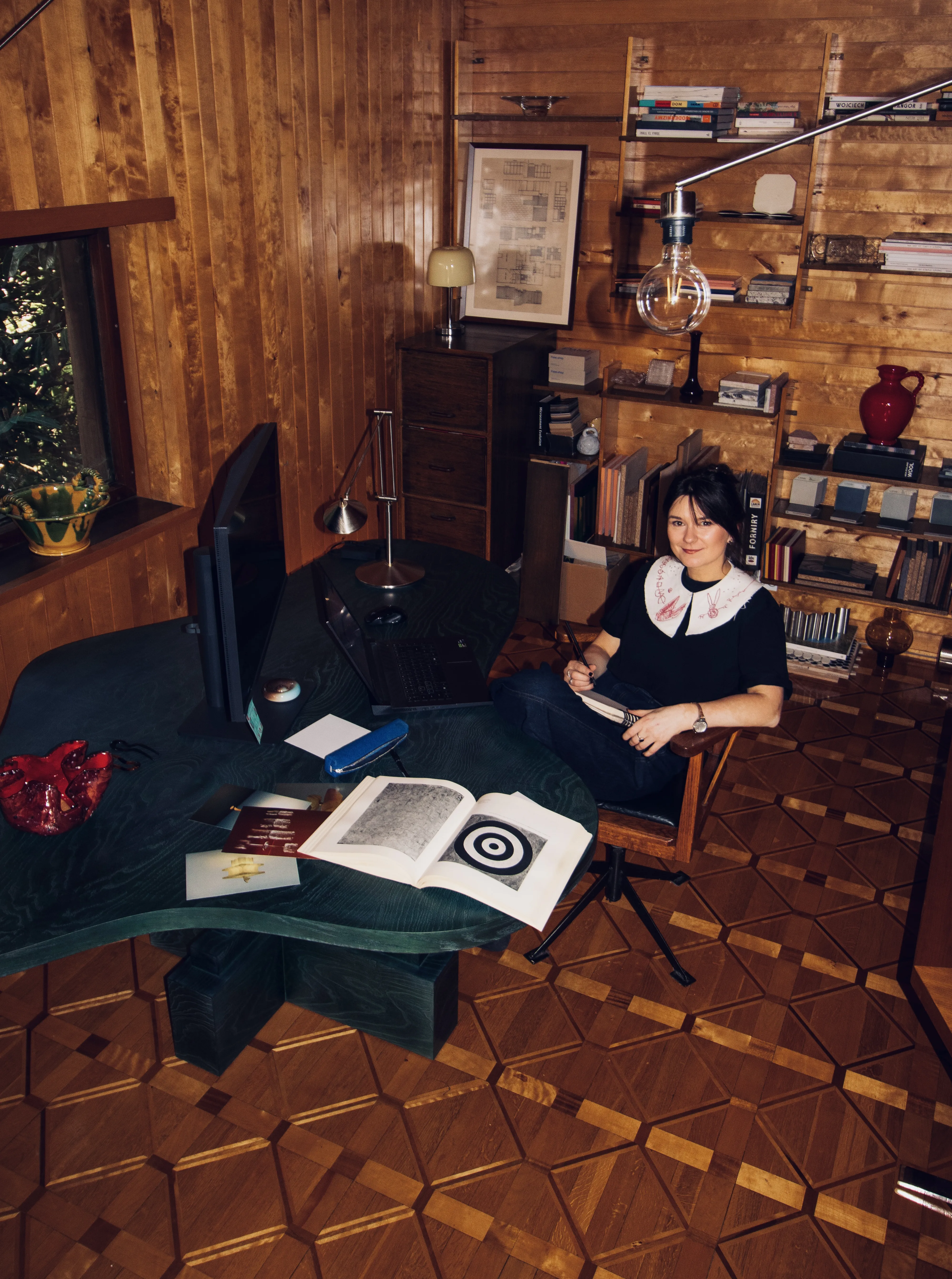
“I see the current Polish design scene as increasingly confident, liberated and experimental. There is a visible sense that Polish designers have moved beyond the need to prove themselves. The old complexes have been dropped, and what appears instead is a much lighter, freer and more self-assured energy.”
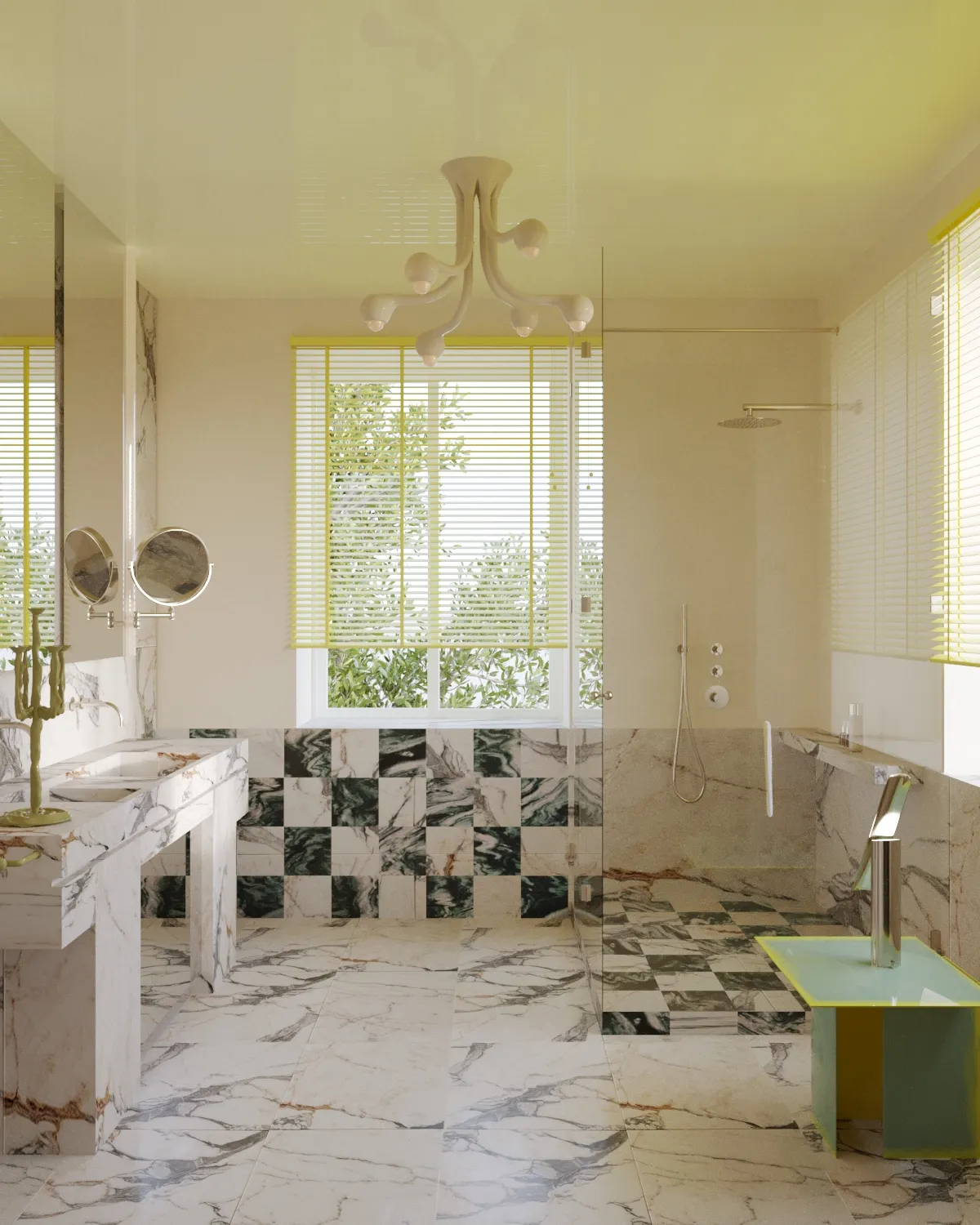
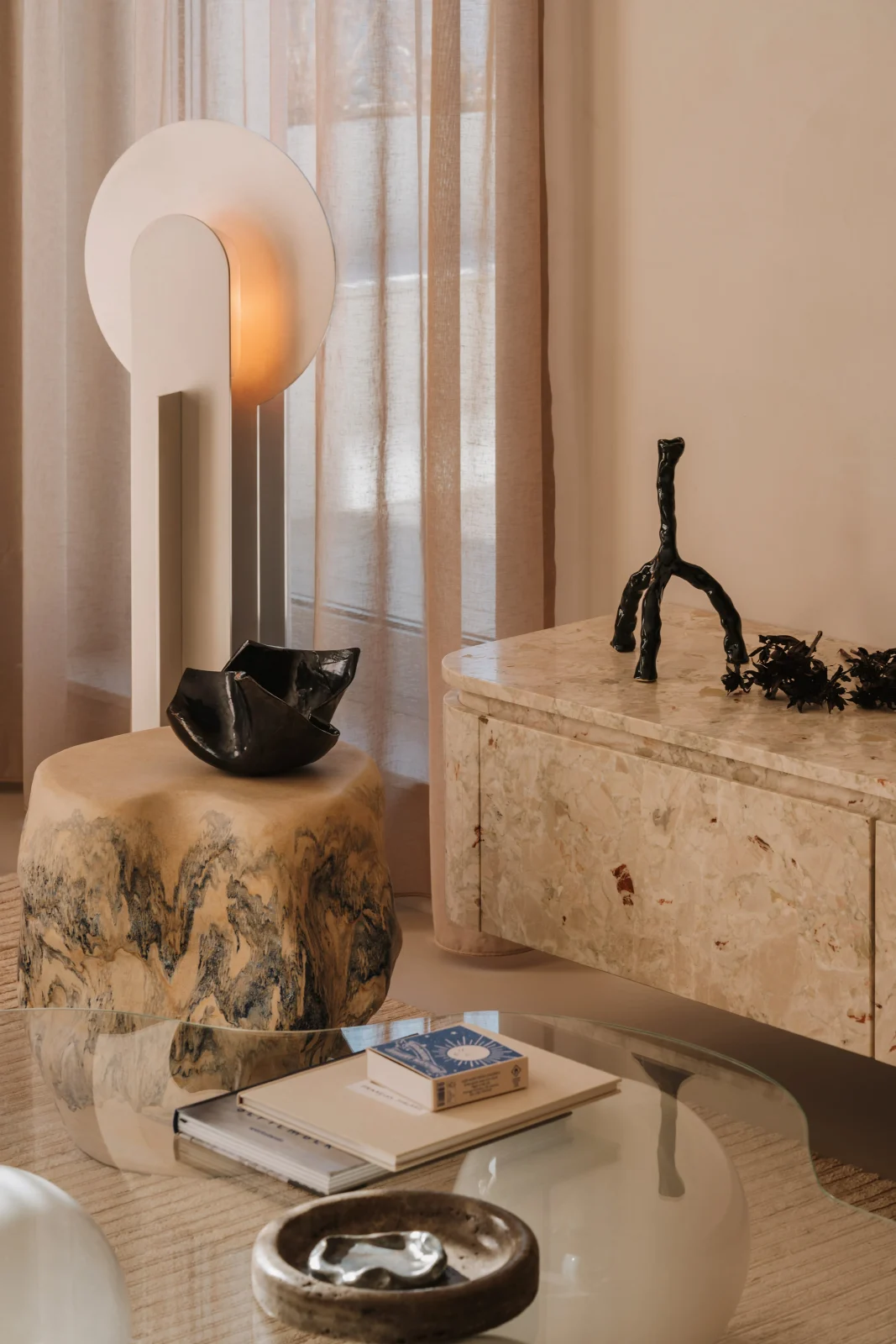
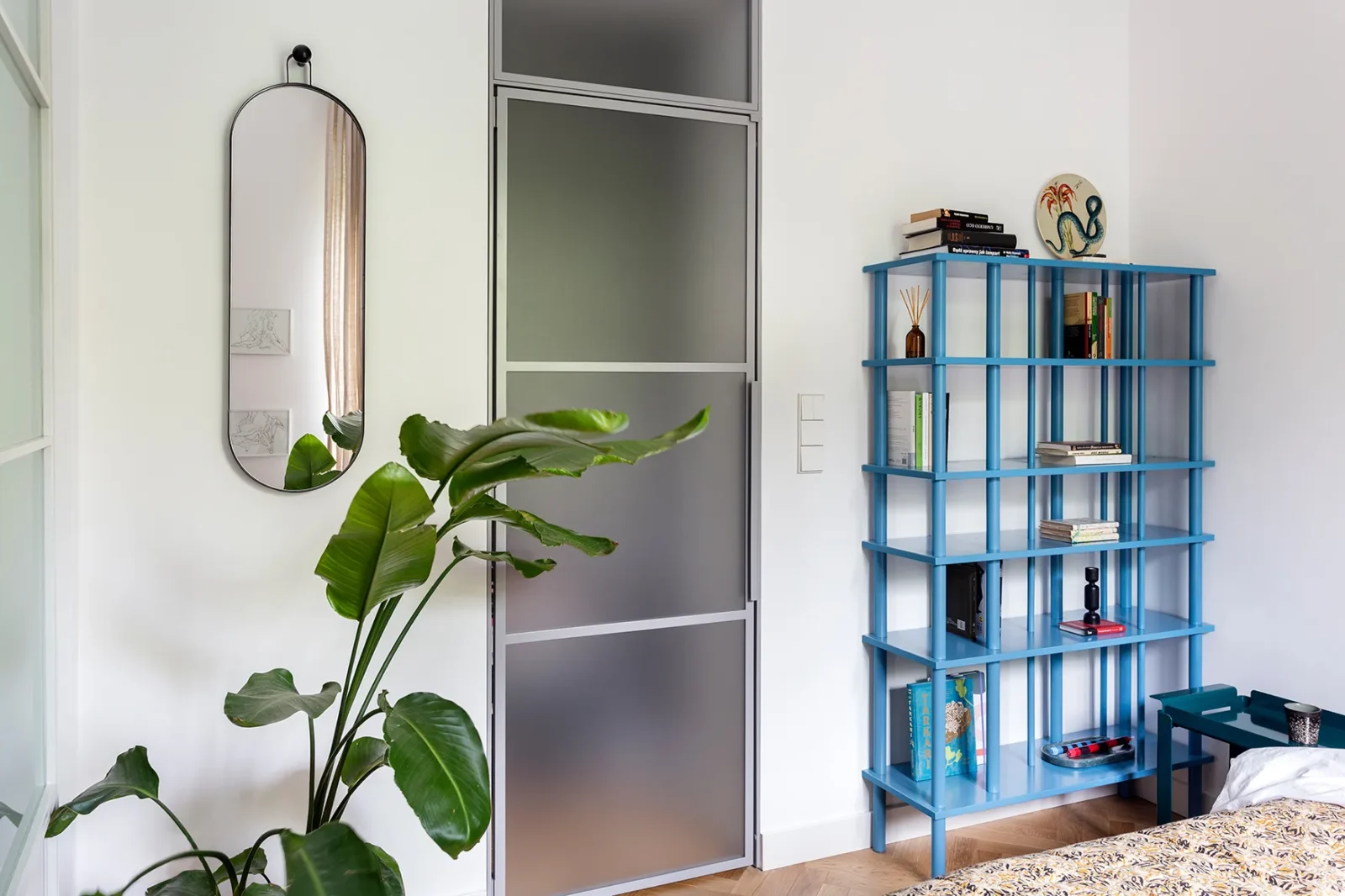
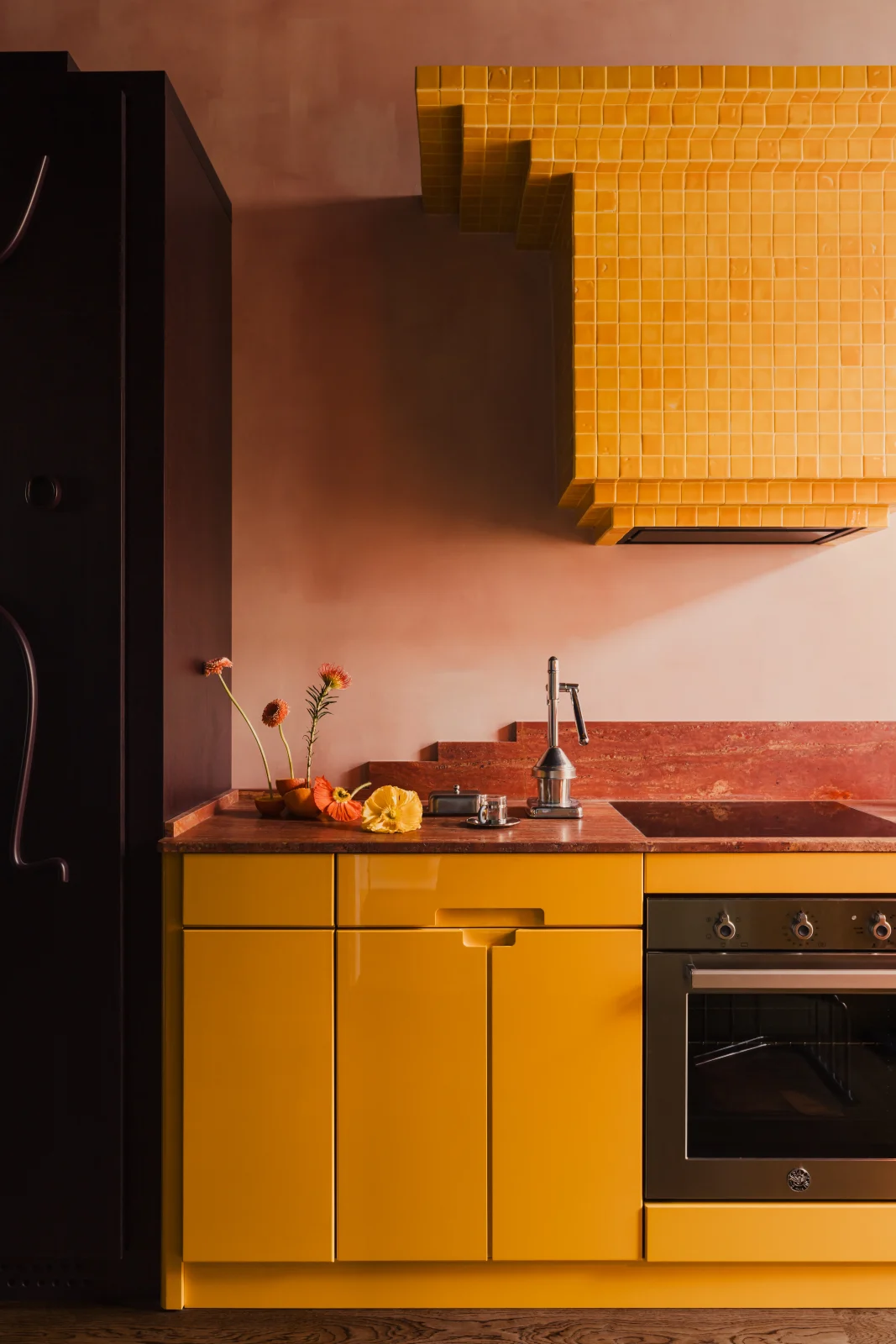
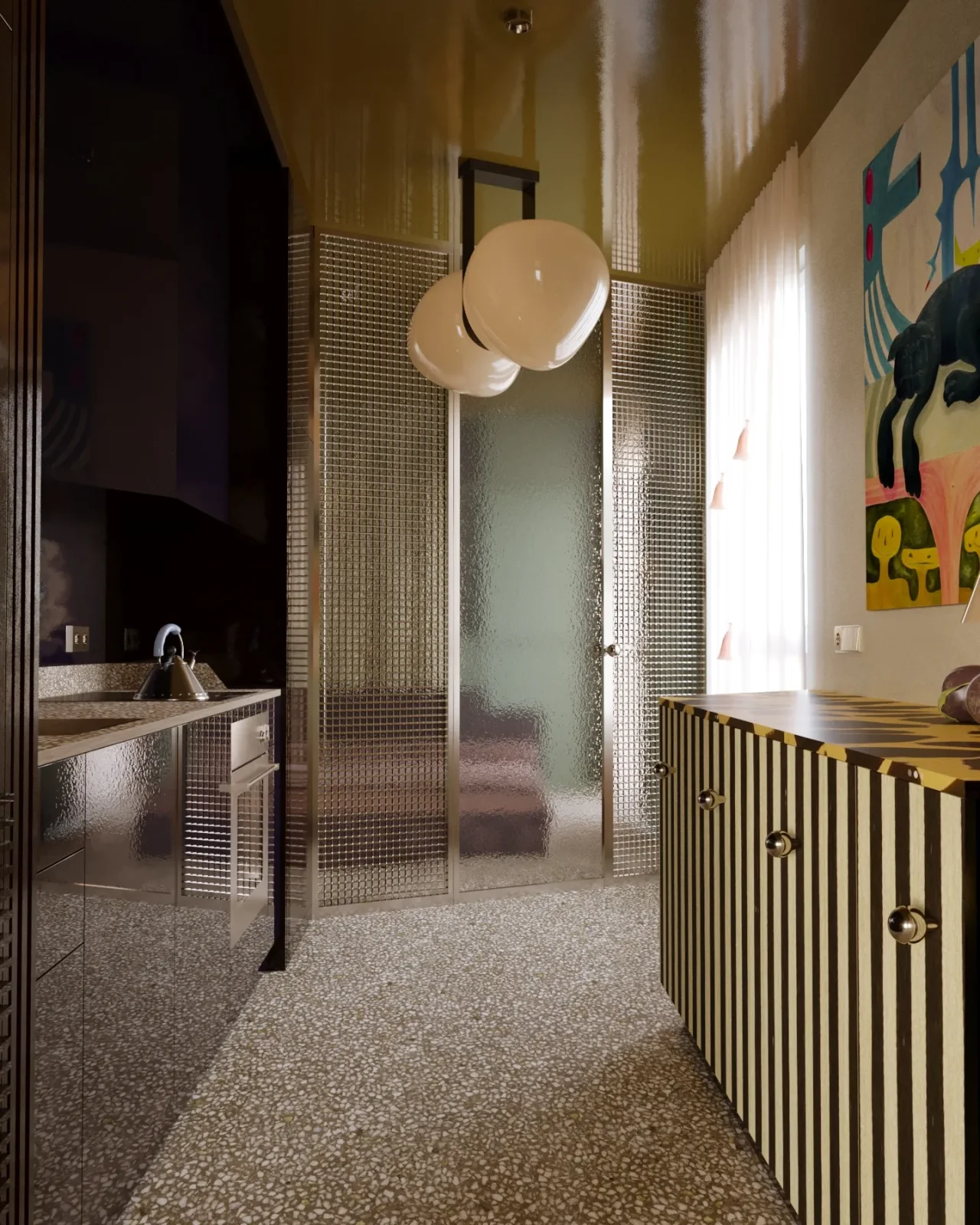
This shift appears both visibly in the objects themselves, as well as in the way designers and interior architects speak about spaces more broadly. Listening to Monika describe her projects, you clear sense that she employs a people-first approach when it comes to her interiors. She talks about rhythm, personality, and emotional comfort far more often than visual statements or recognizable signatures, not seeing “interiors as a collection of beautiful elements, but as a language built around a specific person, their rhythm, sensitivity and way of living”.
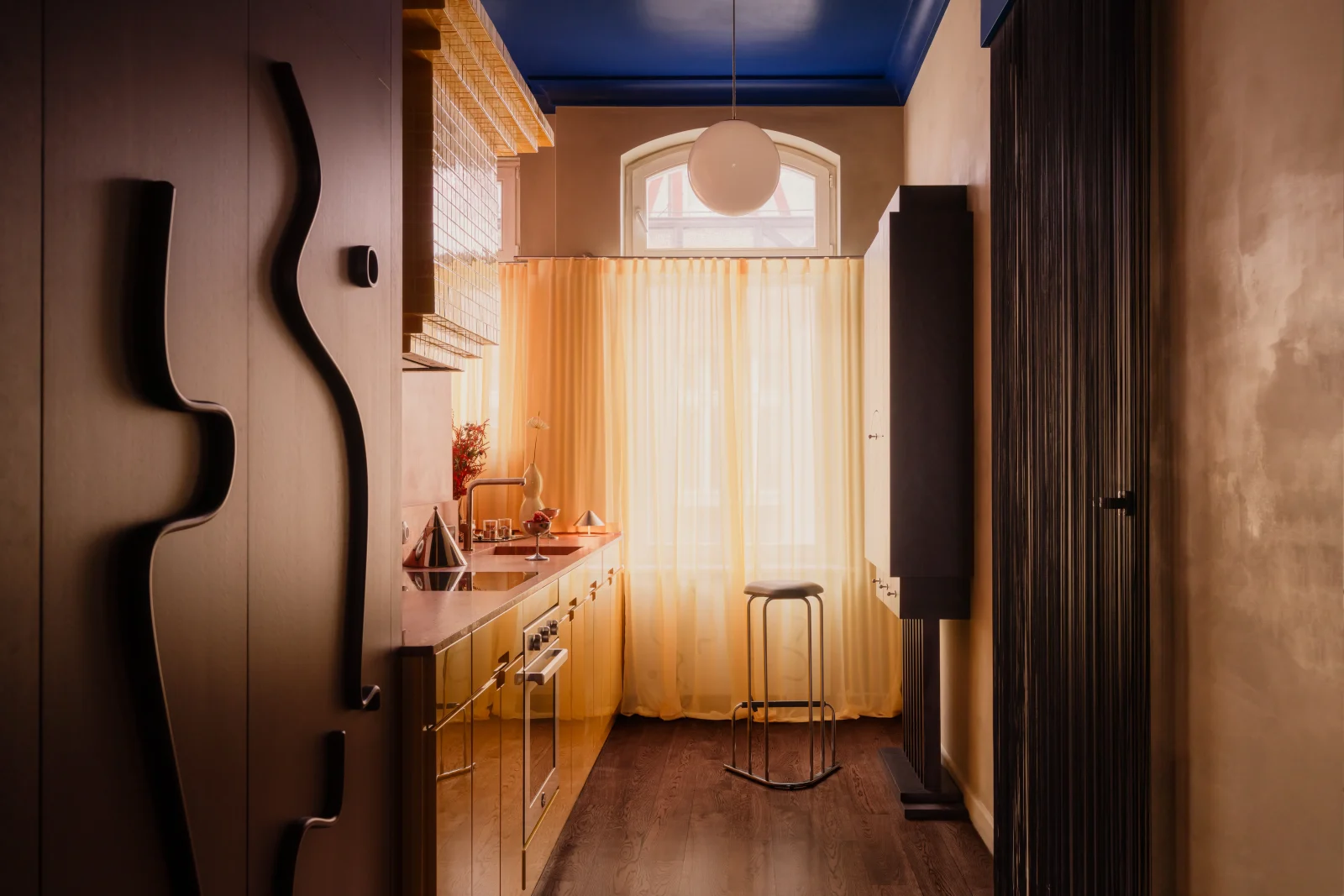
At one point, she spoke openly about arriving at design through a less traditional path, without the artistic foundation many designers develop early on. What stayed with us was how naturally she connected that experience to the freedom she values today. Exposure to different styles and visual languages gave her room to experiment, follow instinct, and eventually develop a sense of freedom in her own approach.
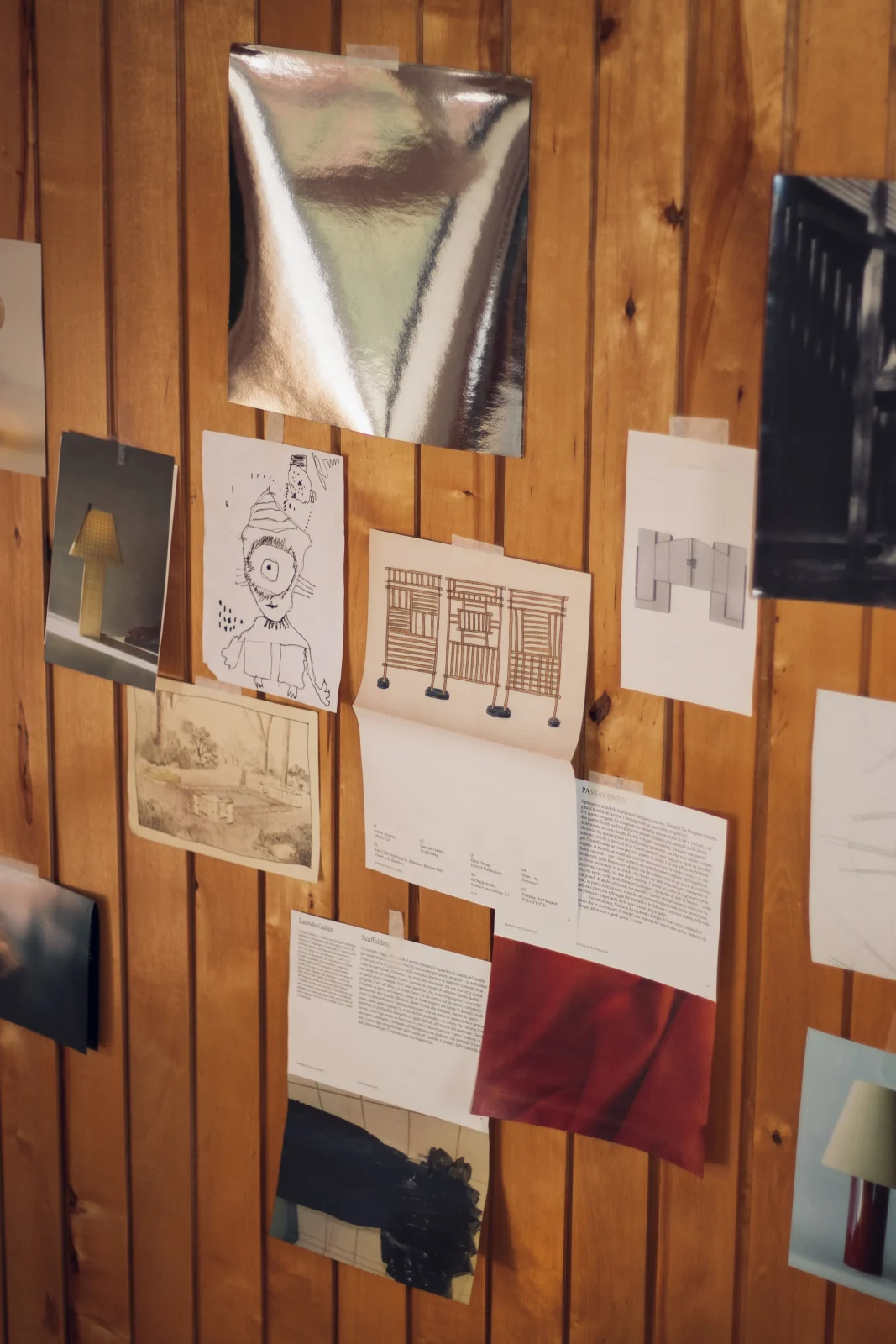
“The diversity of styles allowed me to play around with it, and thanks to that, I have a sense of freedom and ease. And that’s kind of my language.”
That same openness carries into the way she sources objects for interiors. During the conversation, Monika spoke often about instinct, and the feeling that certain pieces simply belong within a space. Her descriptions rarely focused on rarity or spectacle. Instead, she kept returning to objects that hold emotional weight over time and continue revealing themselves gradually through daily life.
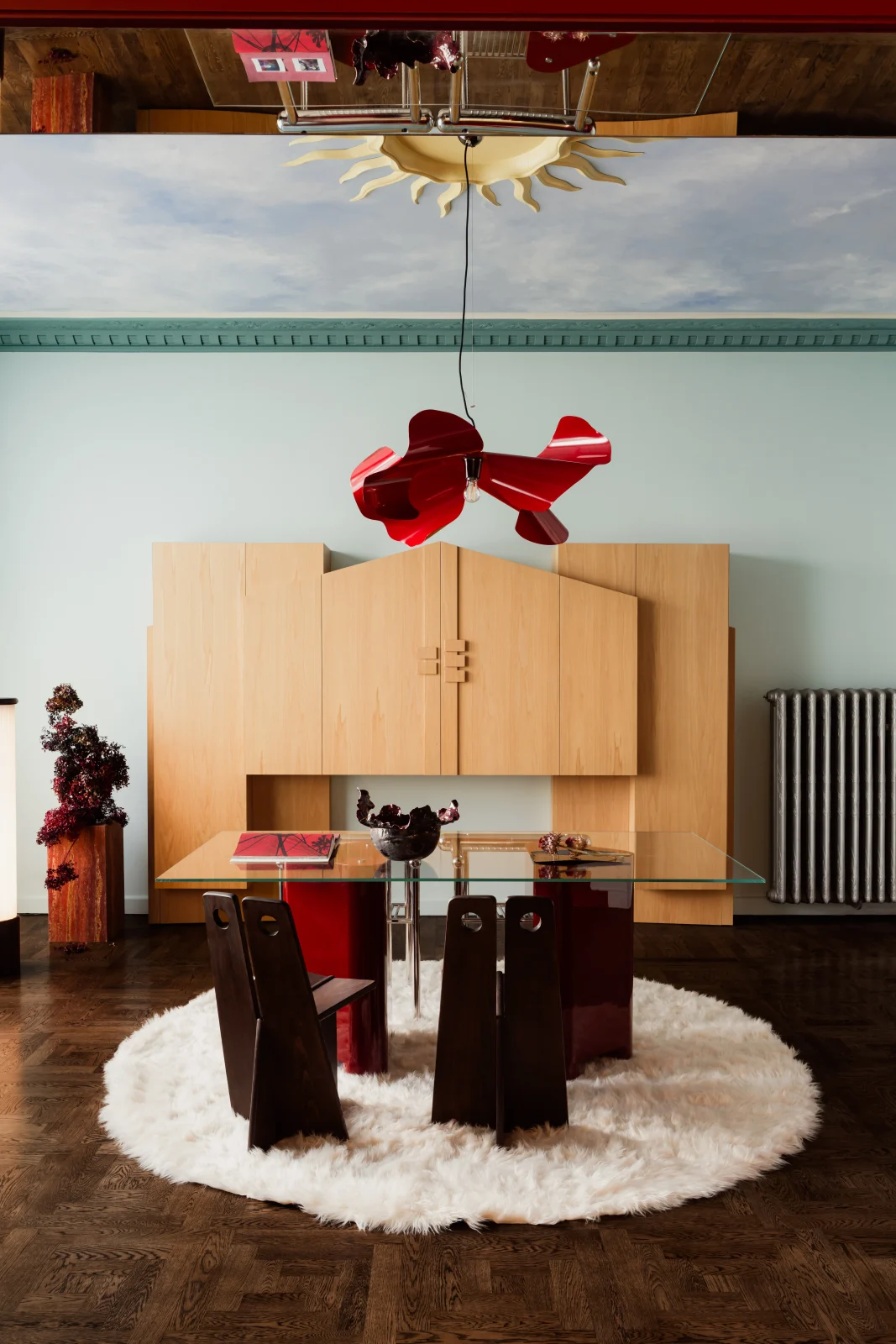
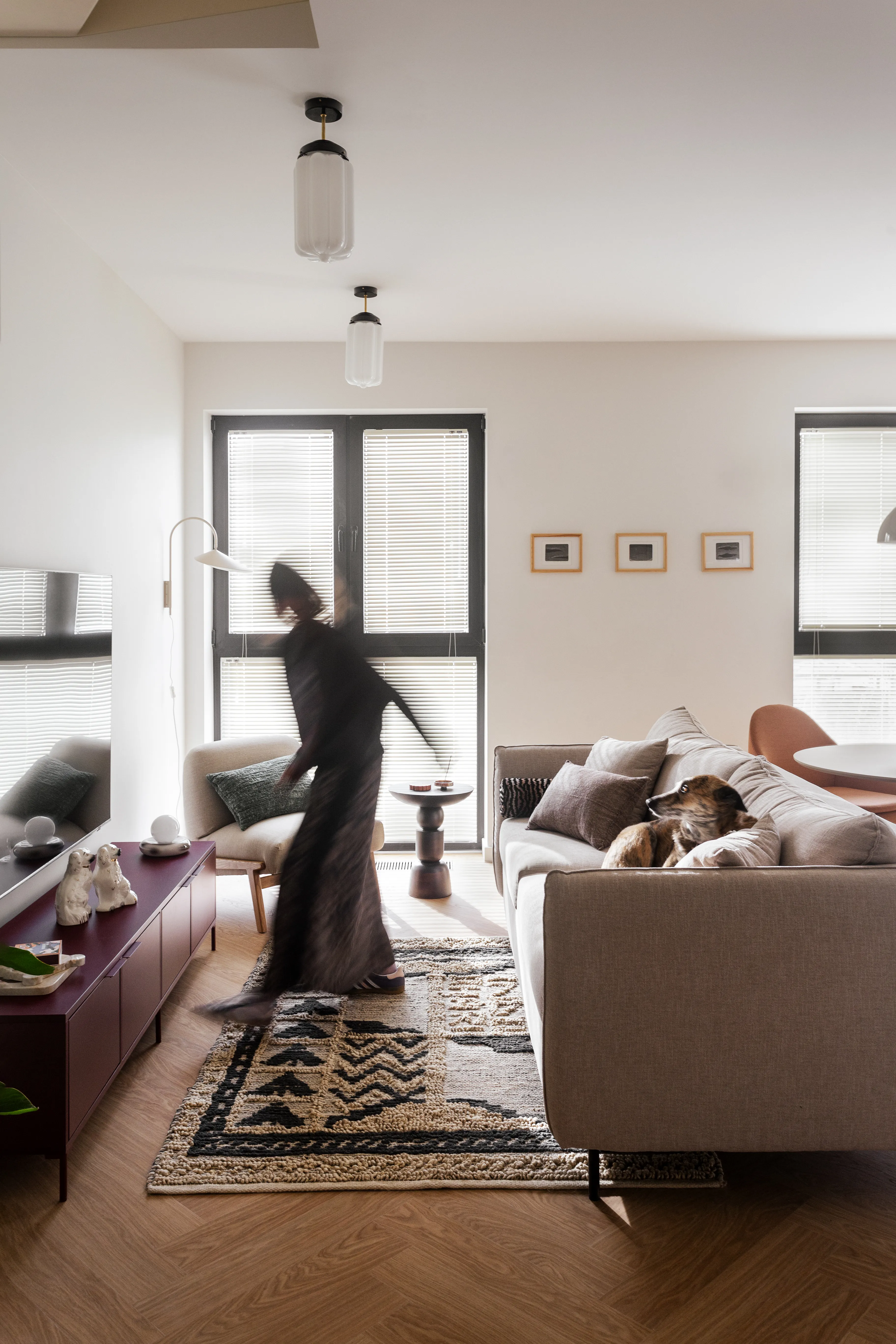
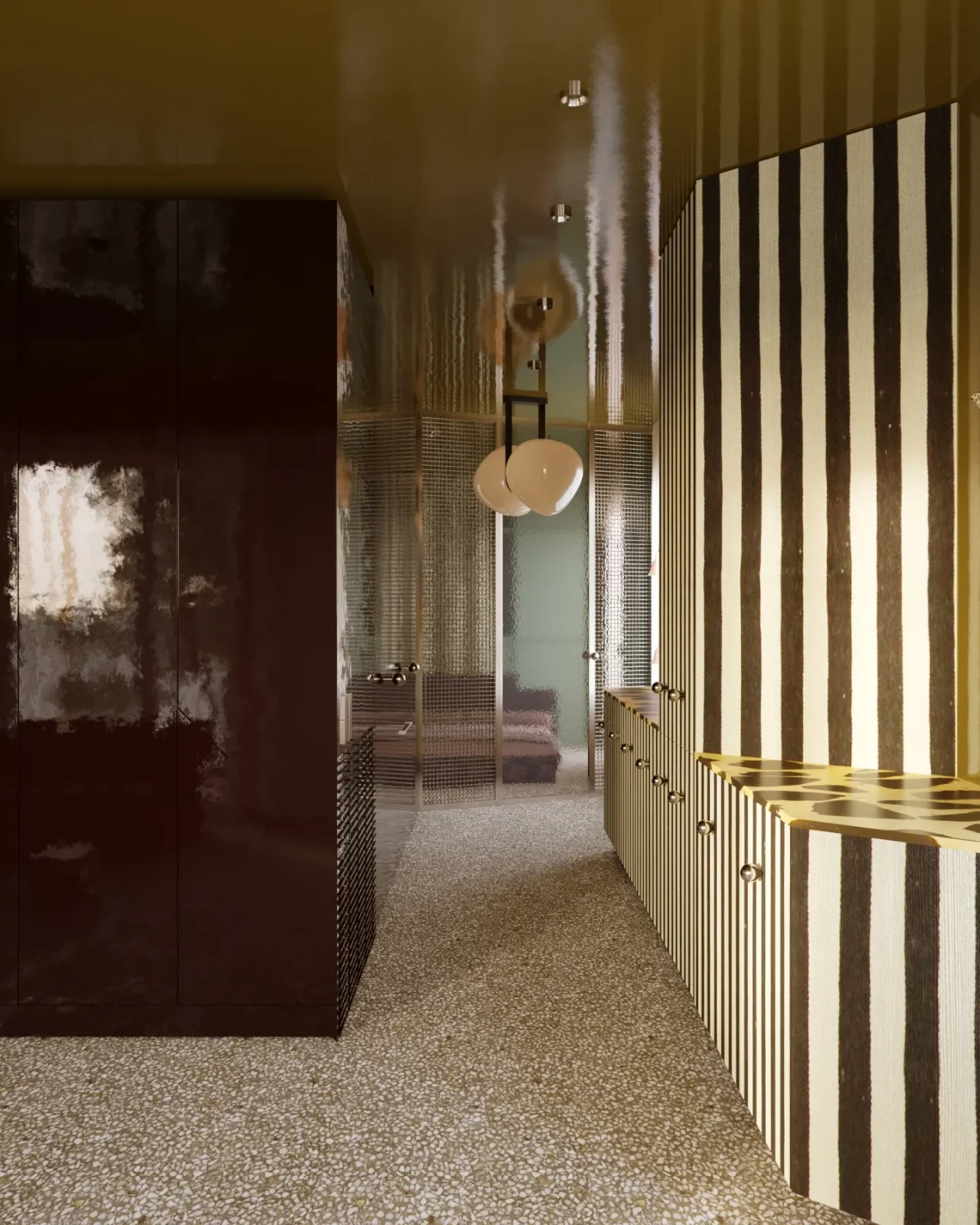
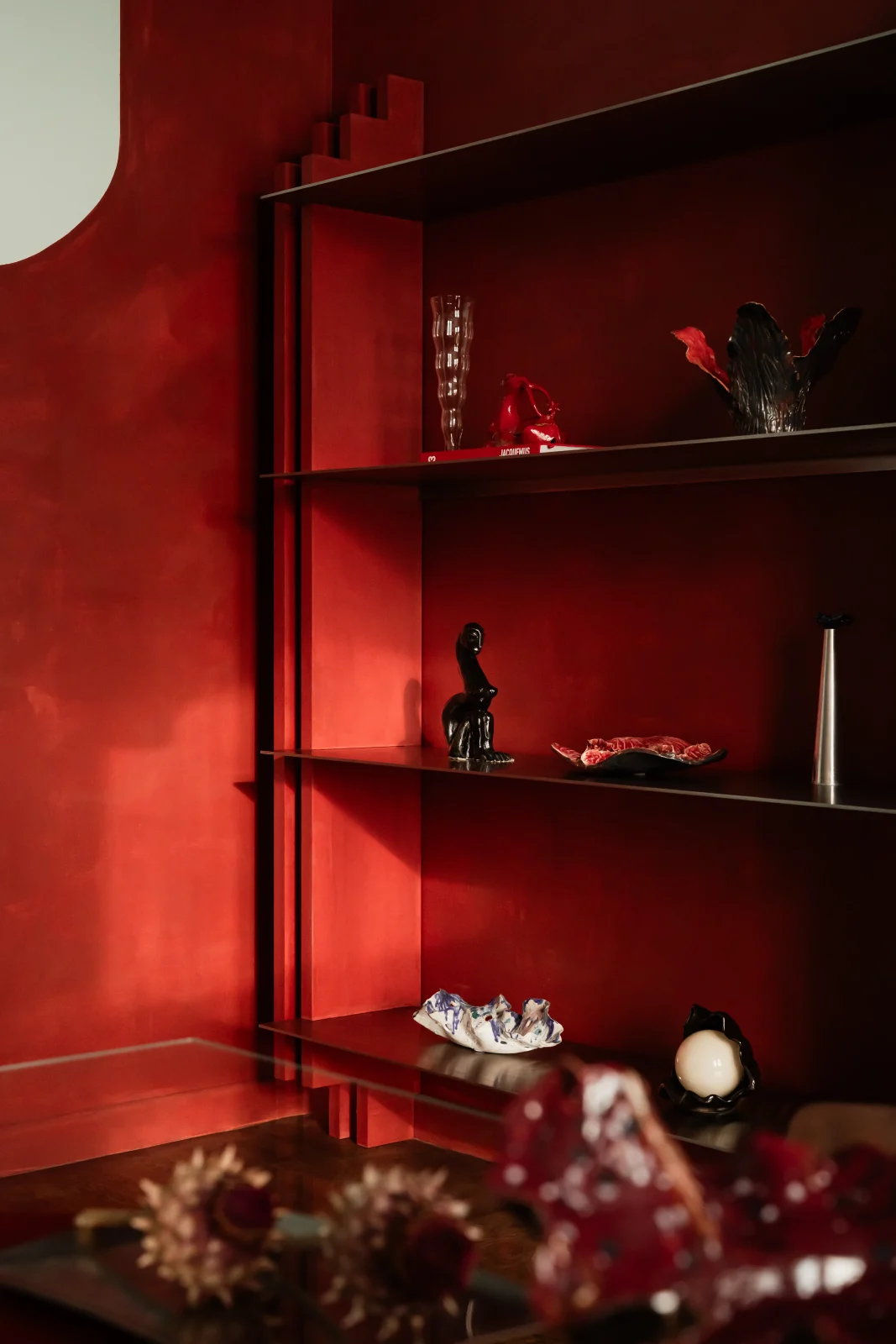
“When I source pieces for a project, I look for character, quality and a certain inner necessity. I am not interested in objects that are only visually attractive. I need to feel that the piece has a reason to exist in the space.”
As the discussion continued, the conversation naturally moved toward the growing closeness between Polish designers and the act of making itself. More studios are working directly with materials and craftsmanship, something Monika believes changes the way people connect to the objects they eventually bring into their homes, and something that increasingly feels central to the contemporary Polish design scene.
This direct relationship between creator and owner feels more important than ever within contemporary Polish interiors. Monika spoke about clients becoming far more interested in authorship, process, and the emotional presence objects begin to carry once they settle into everyday life.
There are more and more designers who are also craftspeople, and access to these objects has such a strong emotional impact because we have contact with the creator, and in turn, the creator has contact with the recipient.”
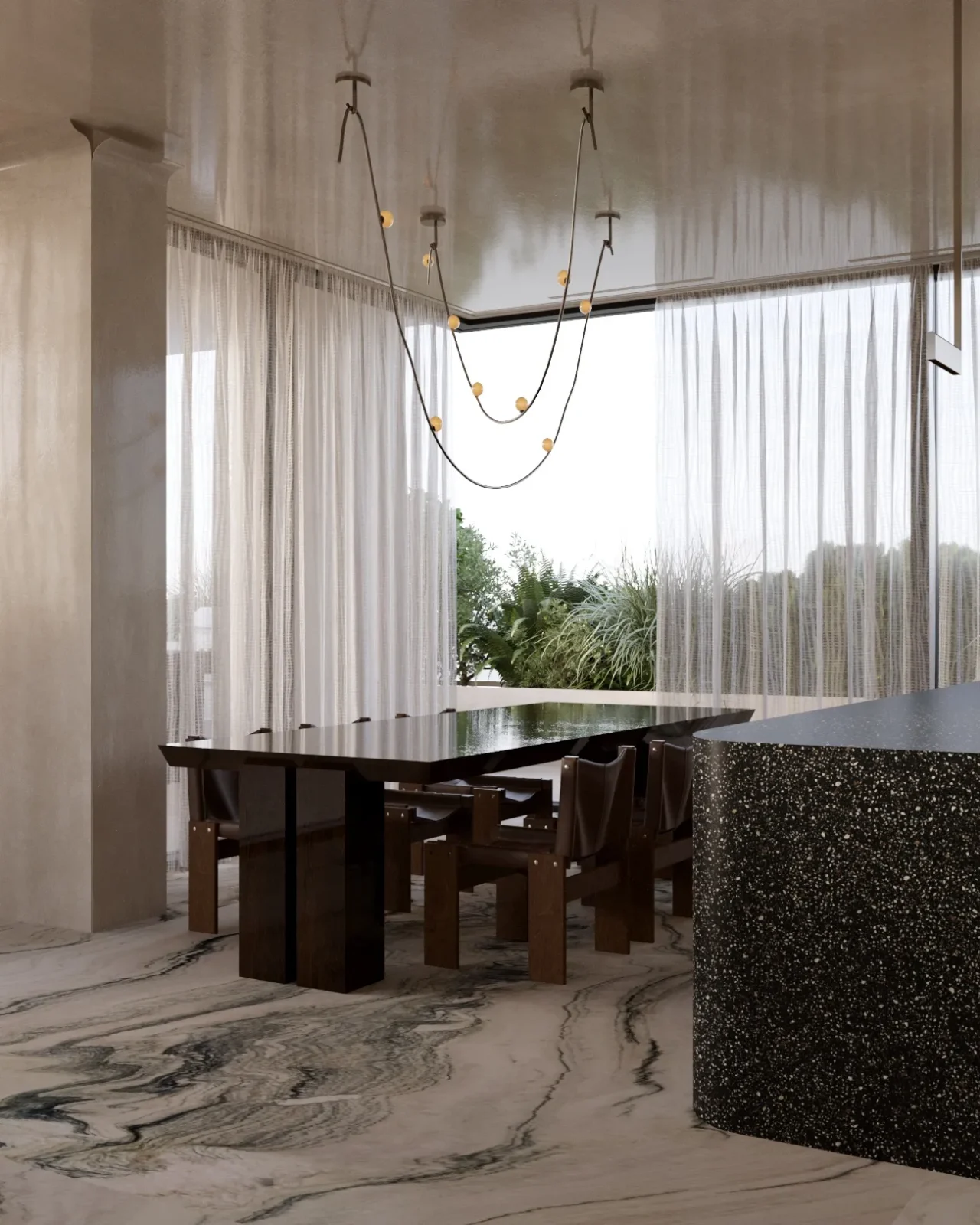
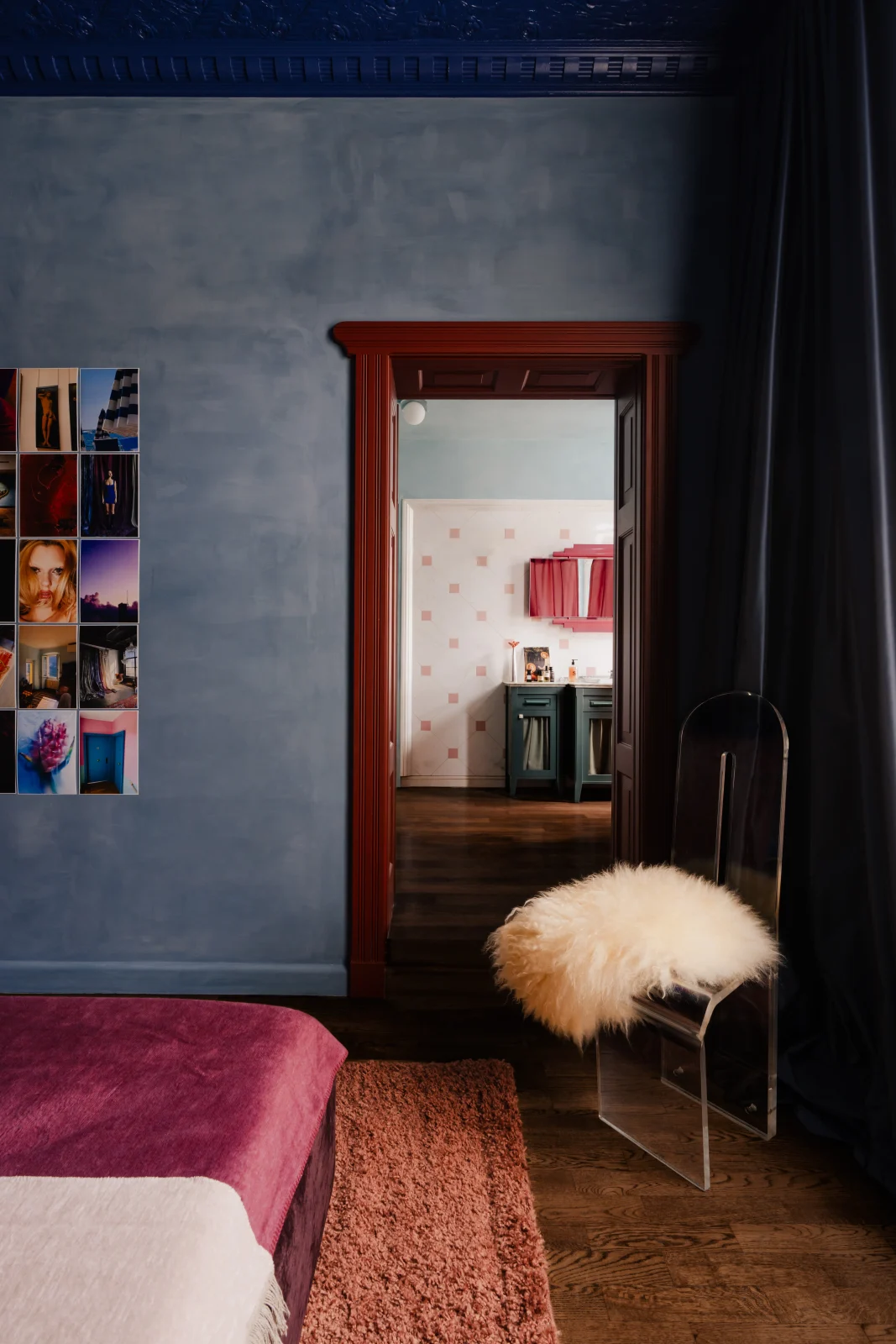
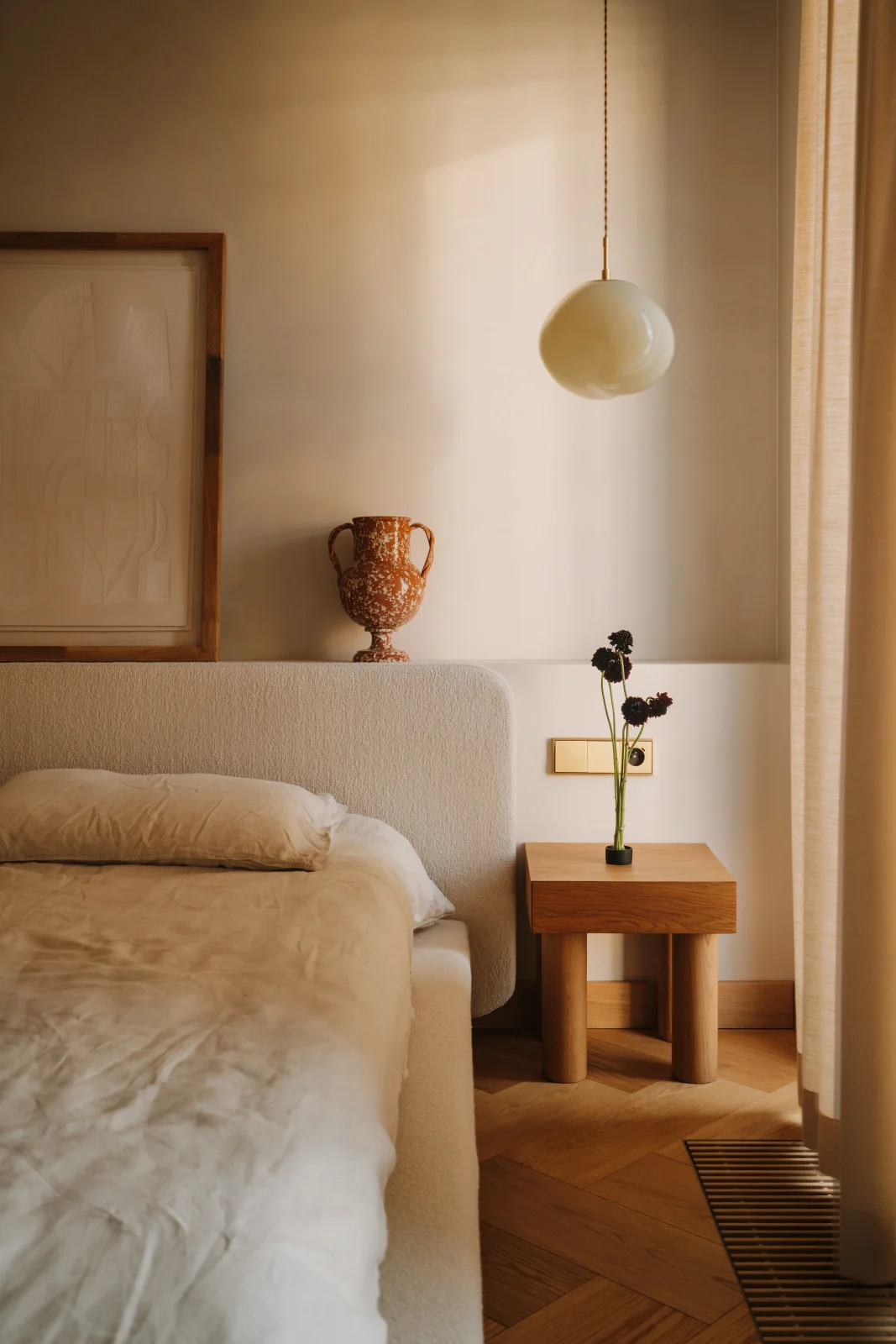
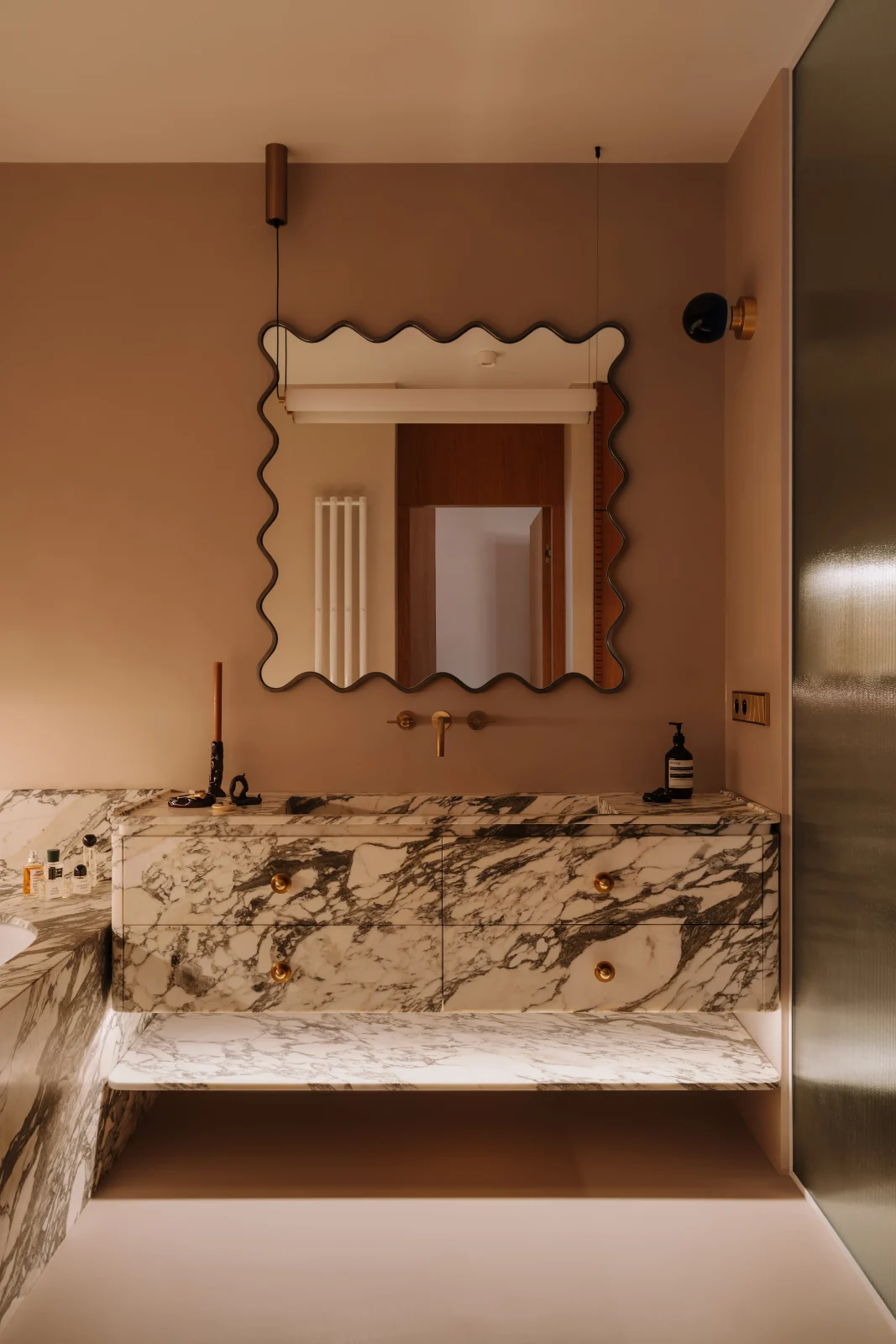
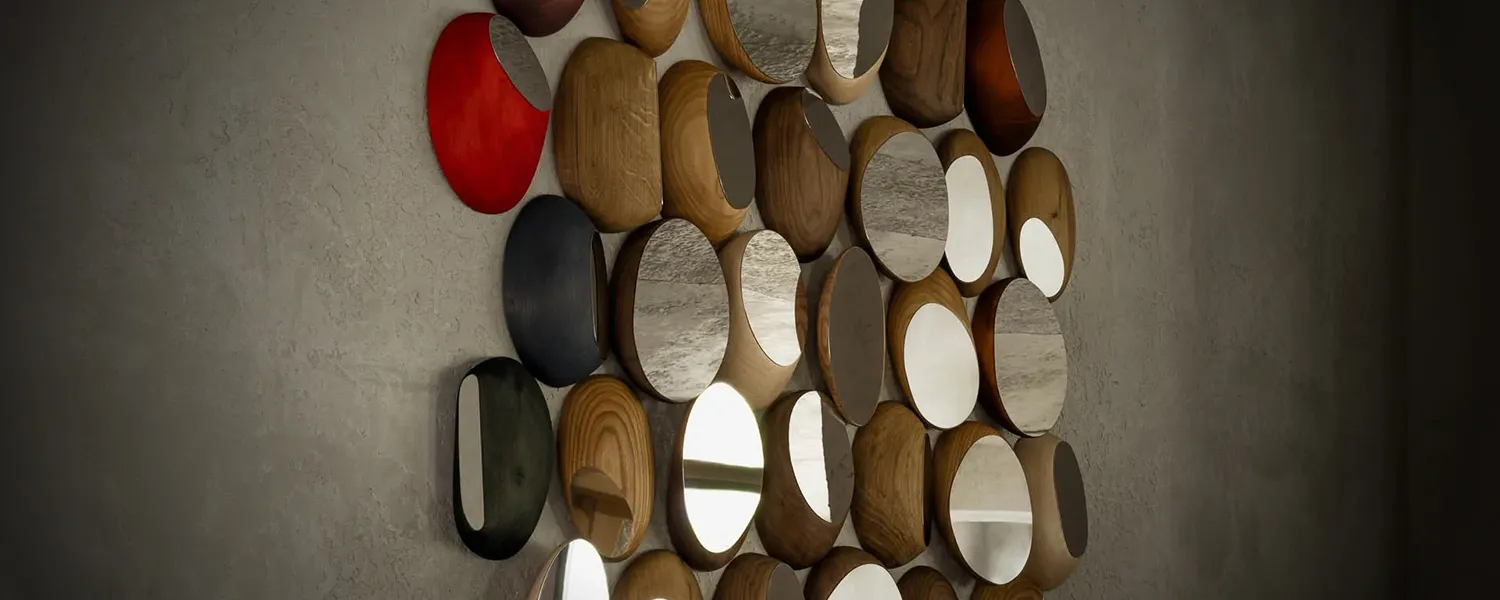
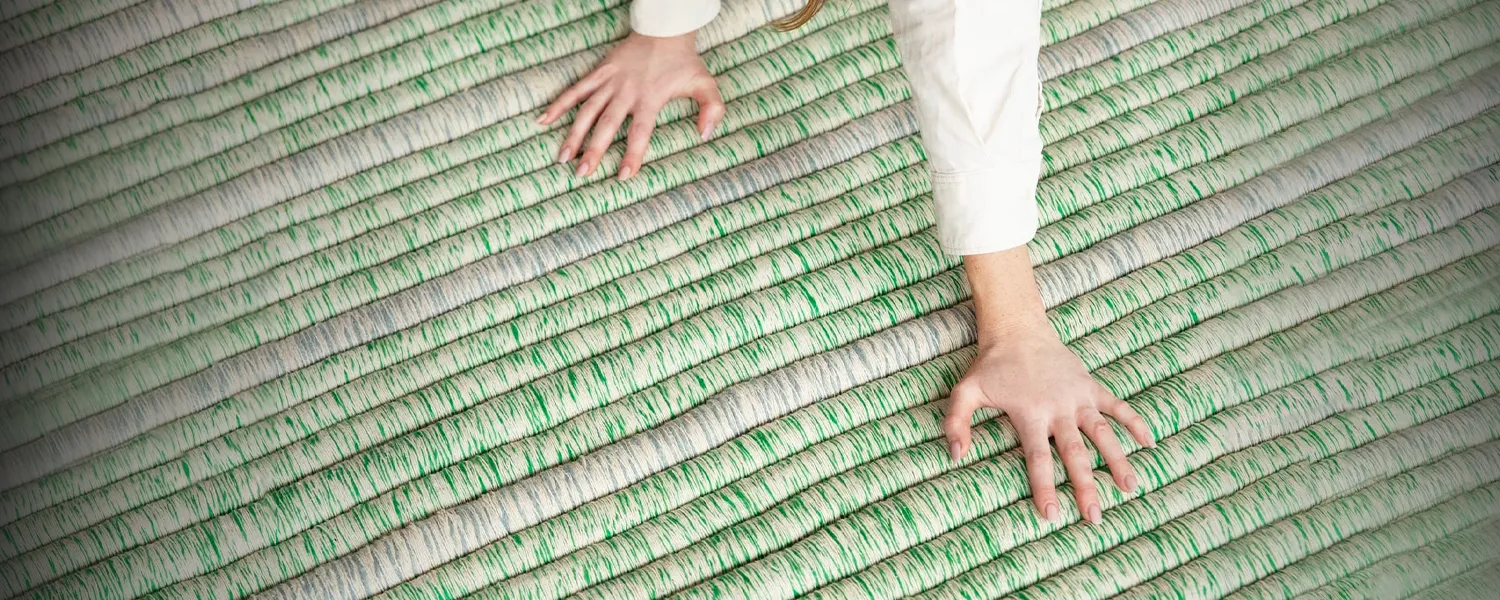
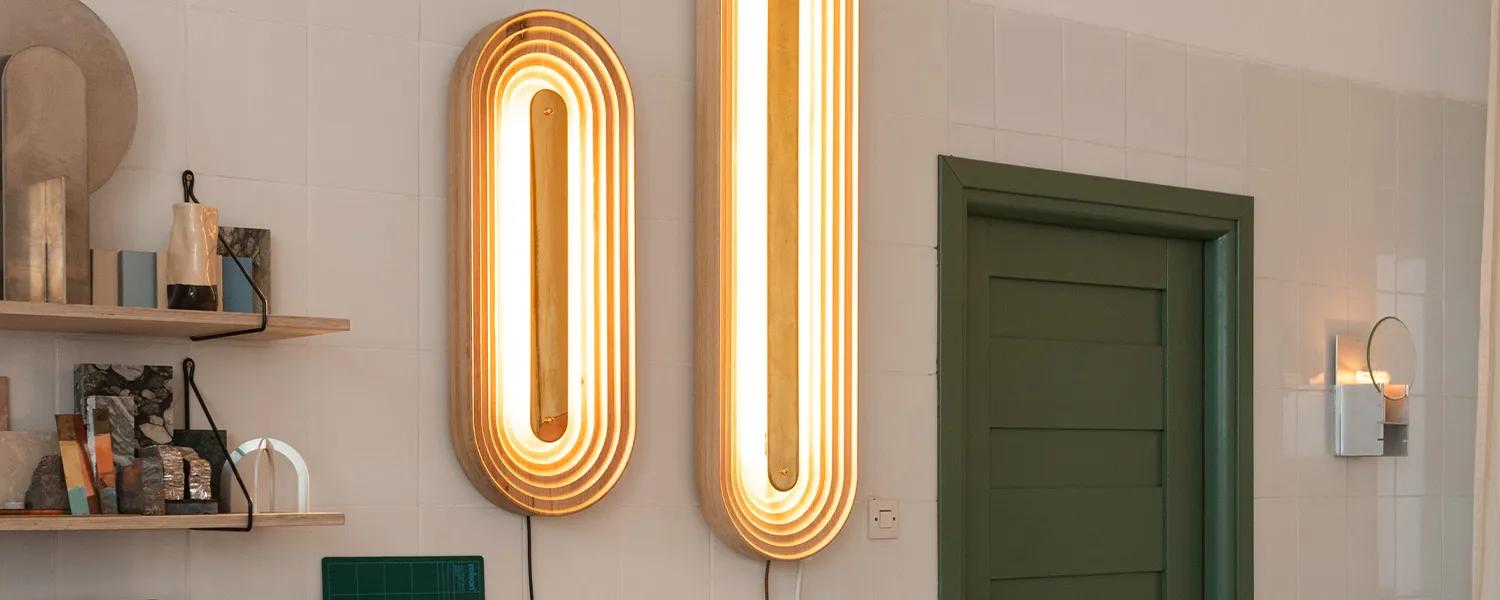
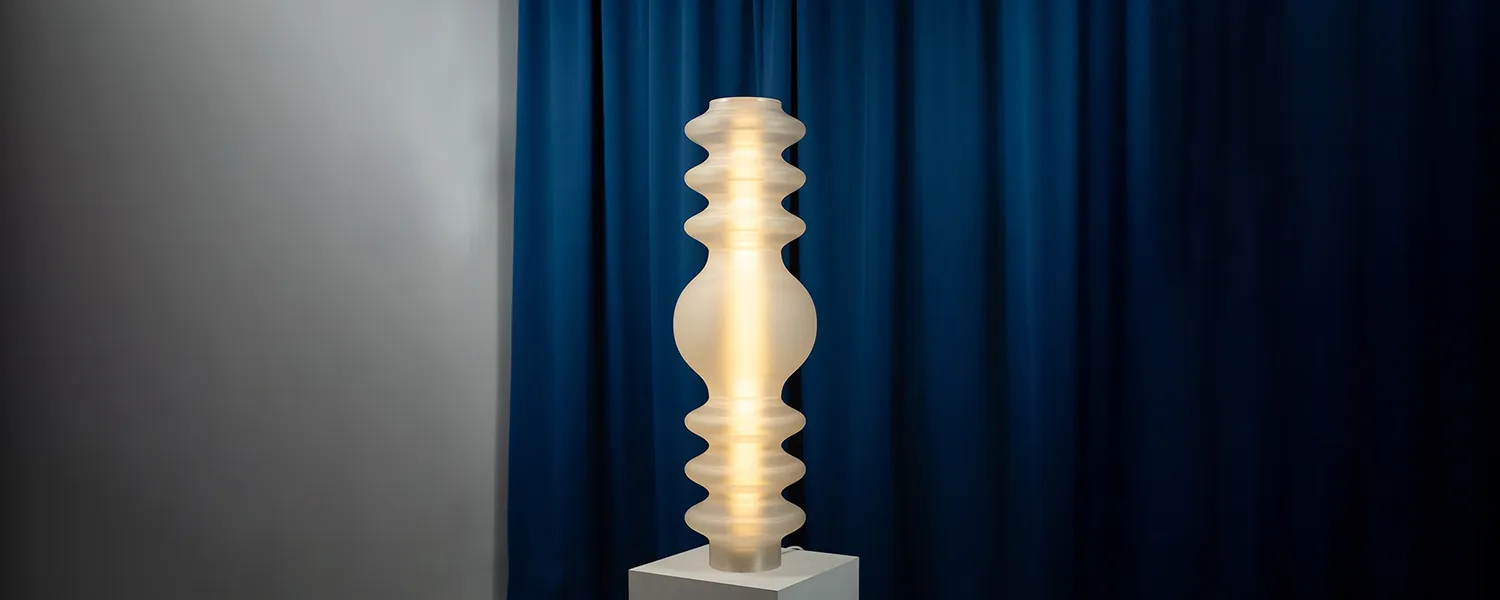
Monika’s selections from ADORNO include works by HYZ and SALAK Studio, two practices she spoke about with particular admiration during the conversation. She returned often to questions of texture, proportion, and balance, and to objects that carry a strong identity without overpowering the room around them.
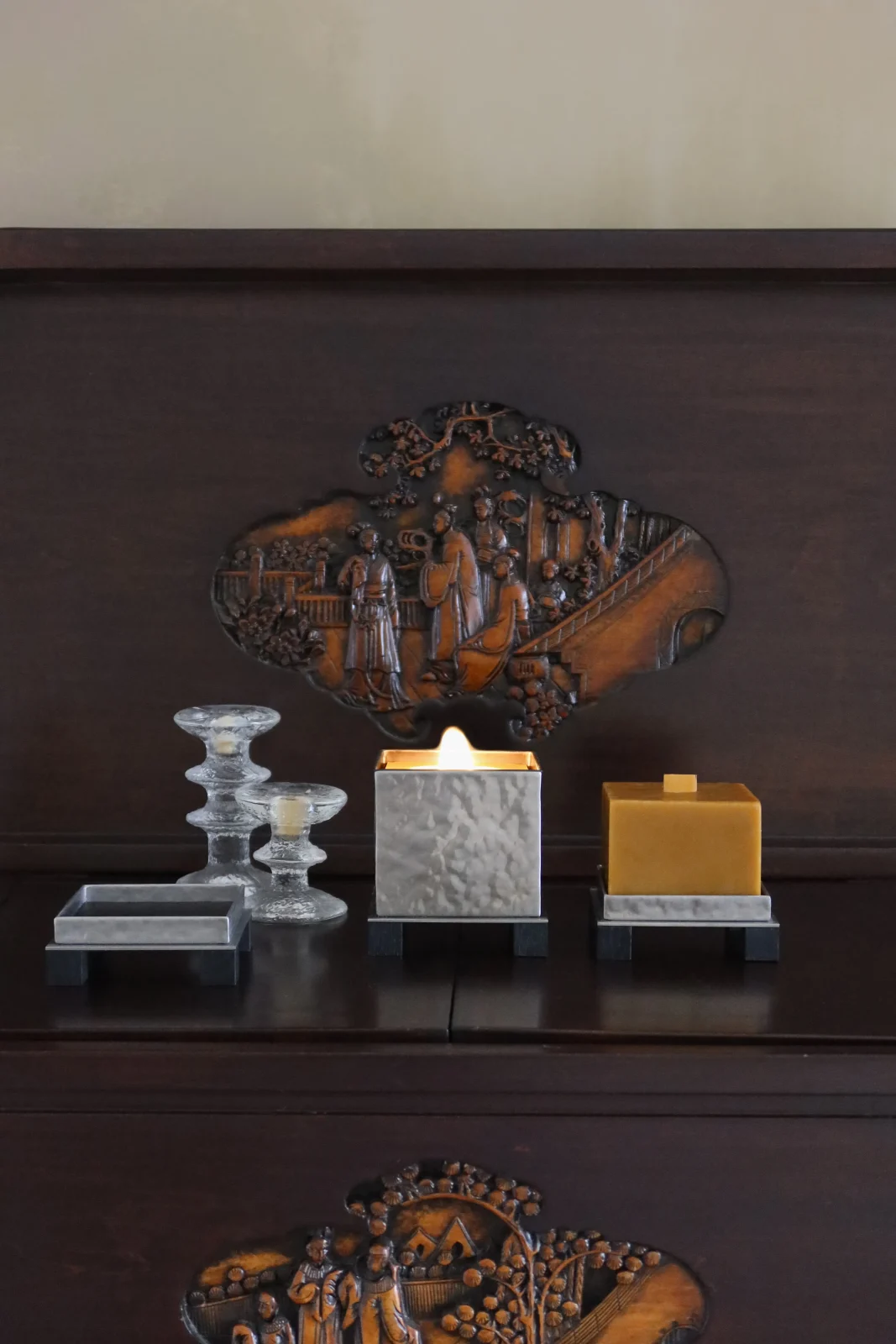
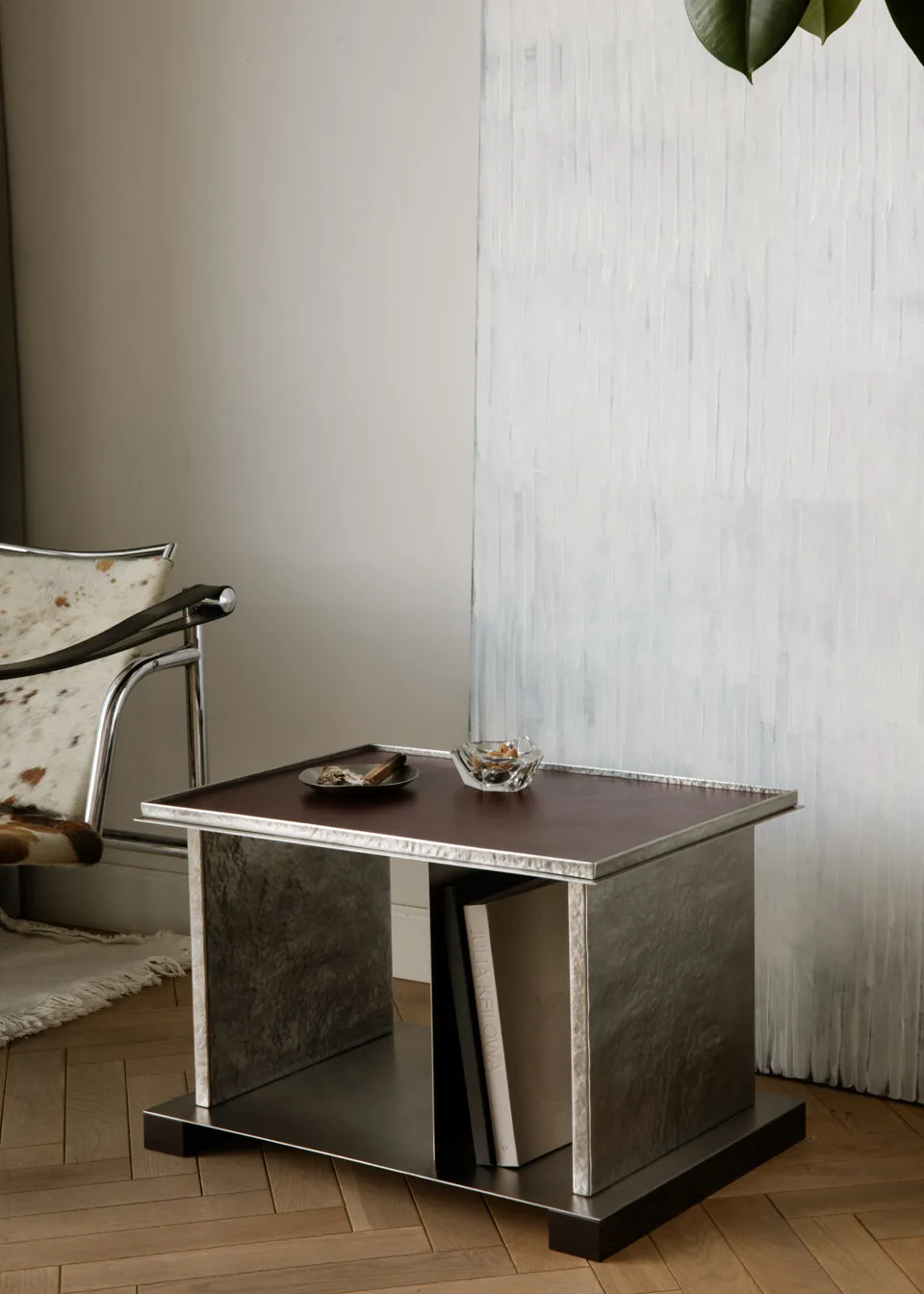
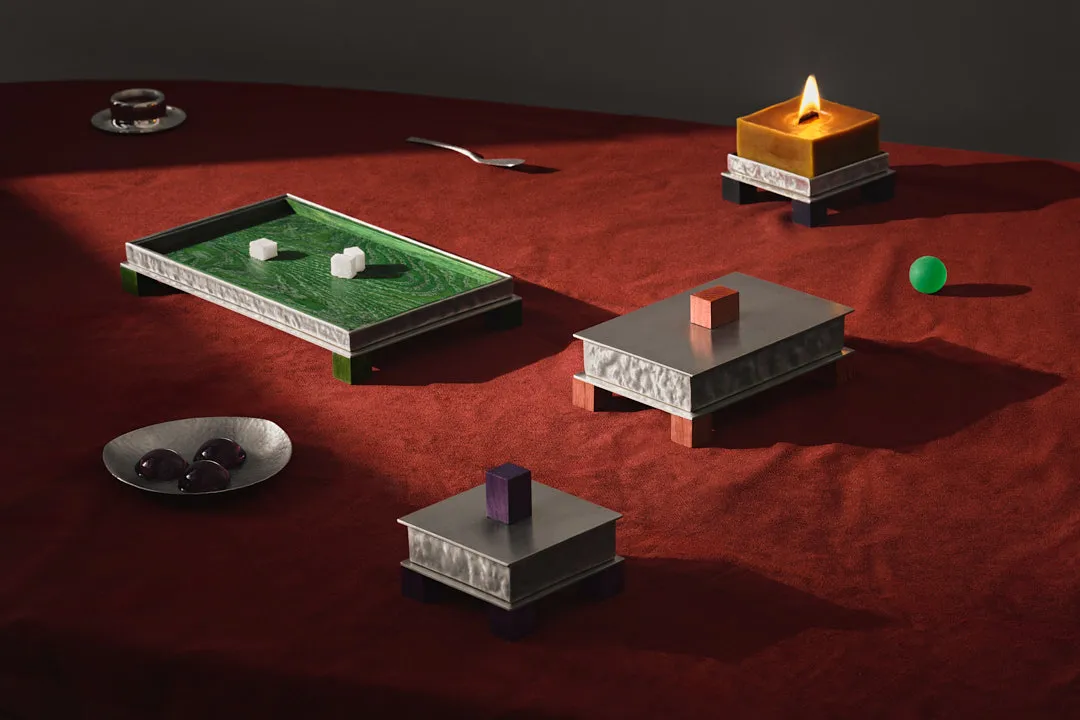

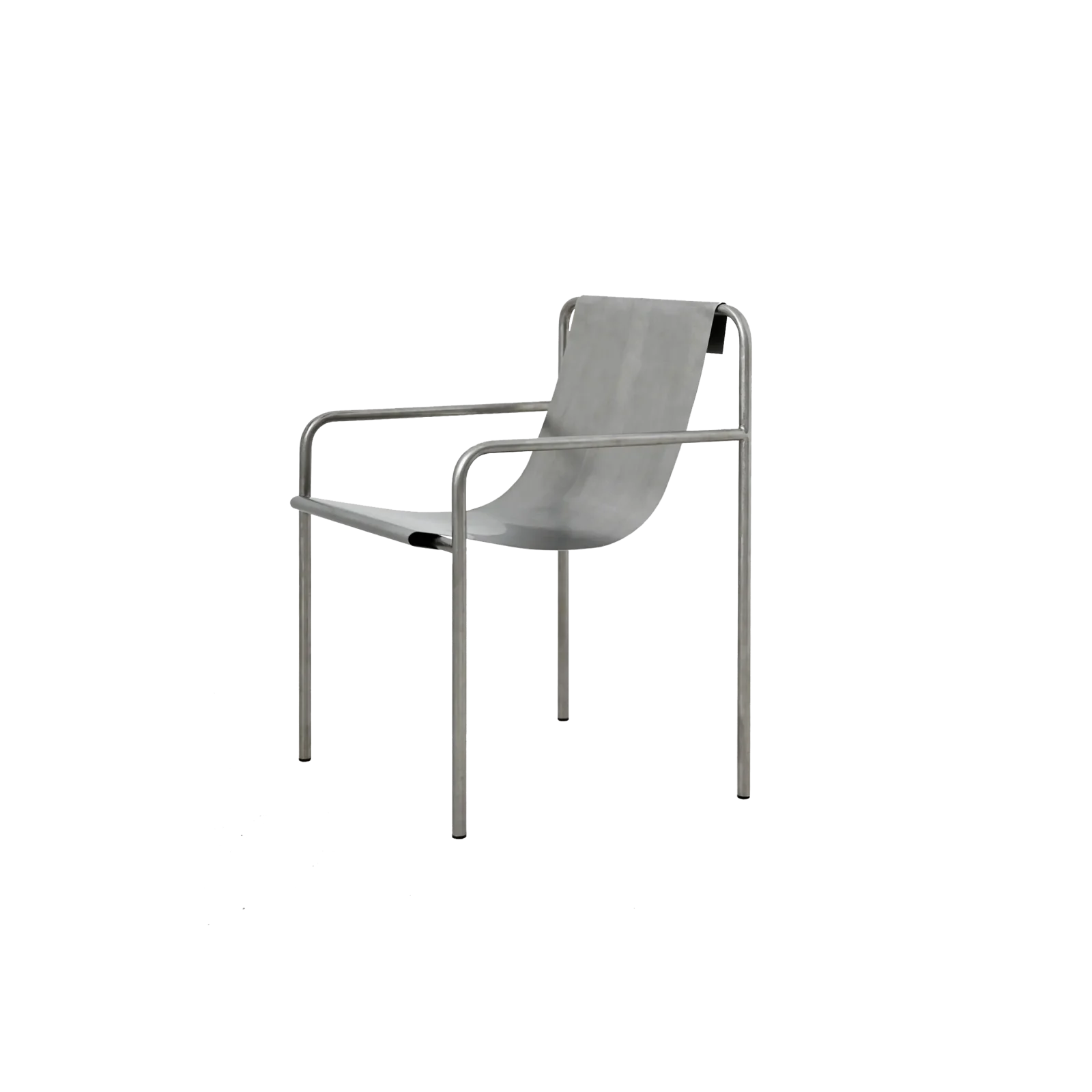
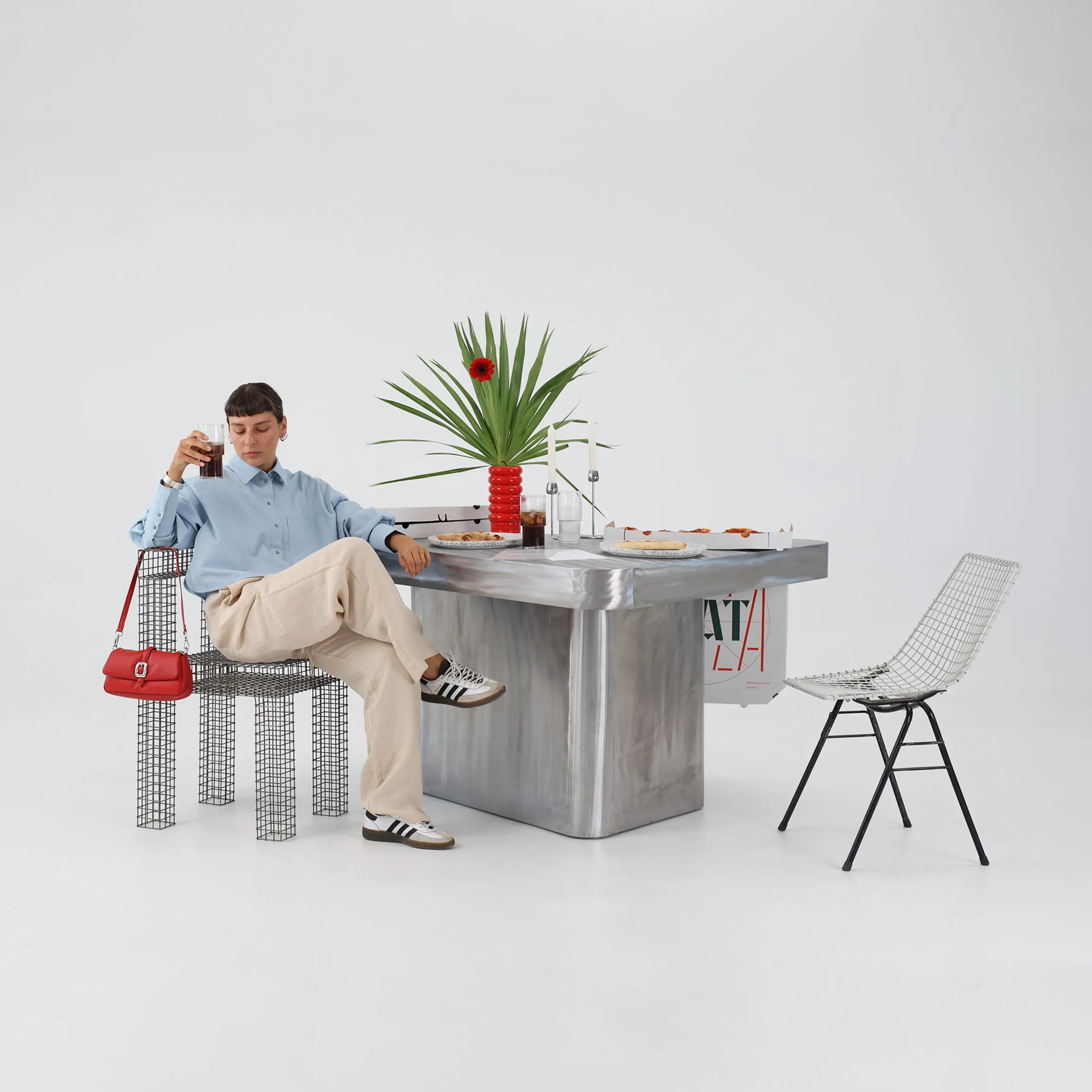
By the end of the conversation, one thing became especially clear: the growing confidence within Polish design today seems deeply connected to proximity. Proximity between designers and materials, creators and collectors, objects and people. That closeness gives the work a unique kind of permanence. Unlike a showroom piece admired briefly in passing, these objects become absorbed gradually into daily life and personal memory. Listening to Monika speak confirmed something we have increasingly felt throughout the curation of this Design Destination installment: the contemporary Polish design scene feels difficult to reduce to one recognizable style because its common thread is less visual than emotional, a growing comfort with experimentation, personal expression, and closeness to process.
Products by Tag

Trn Mirror / L

AnKa Colors of Dawn Table Lamp in Ceramic
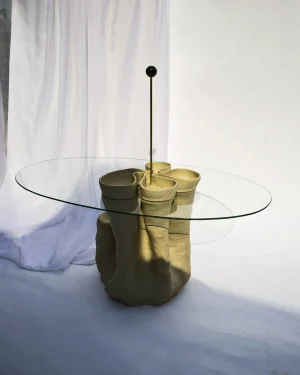
Space Line Form Coffee Table in Stoneware and Glass

Mid Century Heart Chair

Spot – Set Of Cotton Kilims
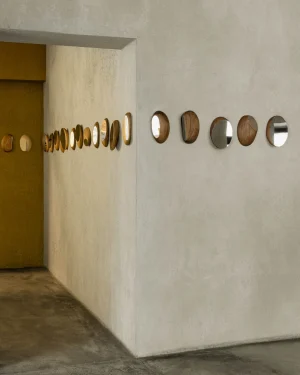
Walnut Mirror B — Ves
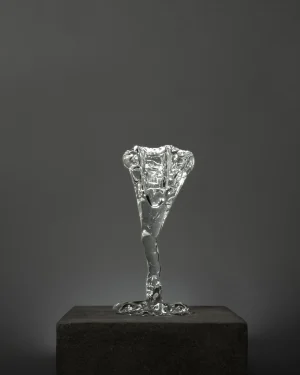
Spiky Cocktail Glass
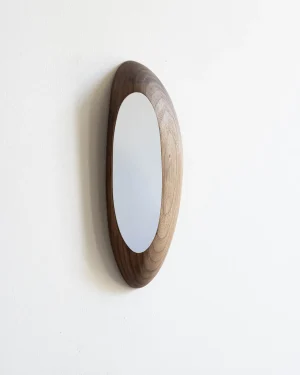
Walnut Mirror A — Ves

Float Mirror Black #b_31 in Liquid Silver and Glass
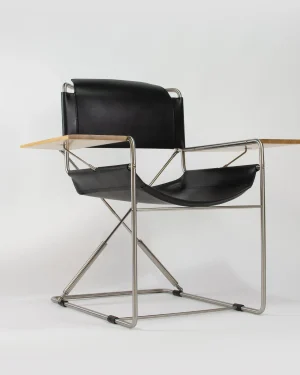
Pneumatic Chair 2
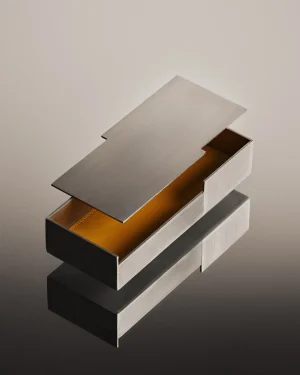
Carlo – Medium Desk Set

Herd – Wall Decoration
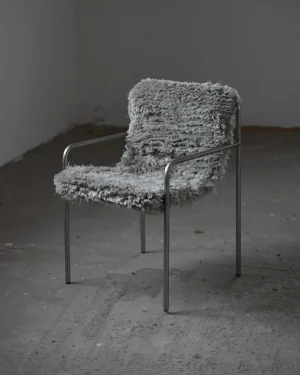
Dessert Shaggy – Steel Chair With Handmade Fabric
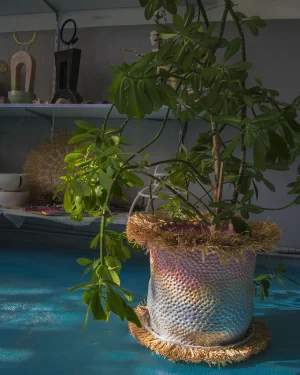
Sunray Venus Ceramic Pastel Flower Pot

Tufting Sand Chair
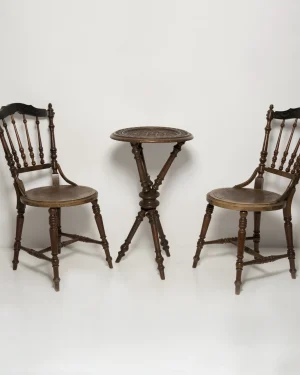
Midcentury Table & Set Of 2 Chairs