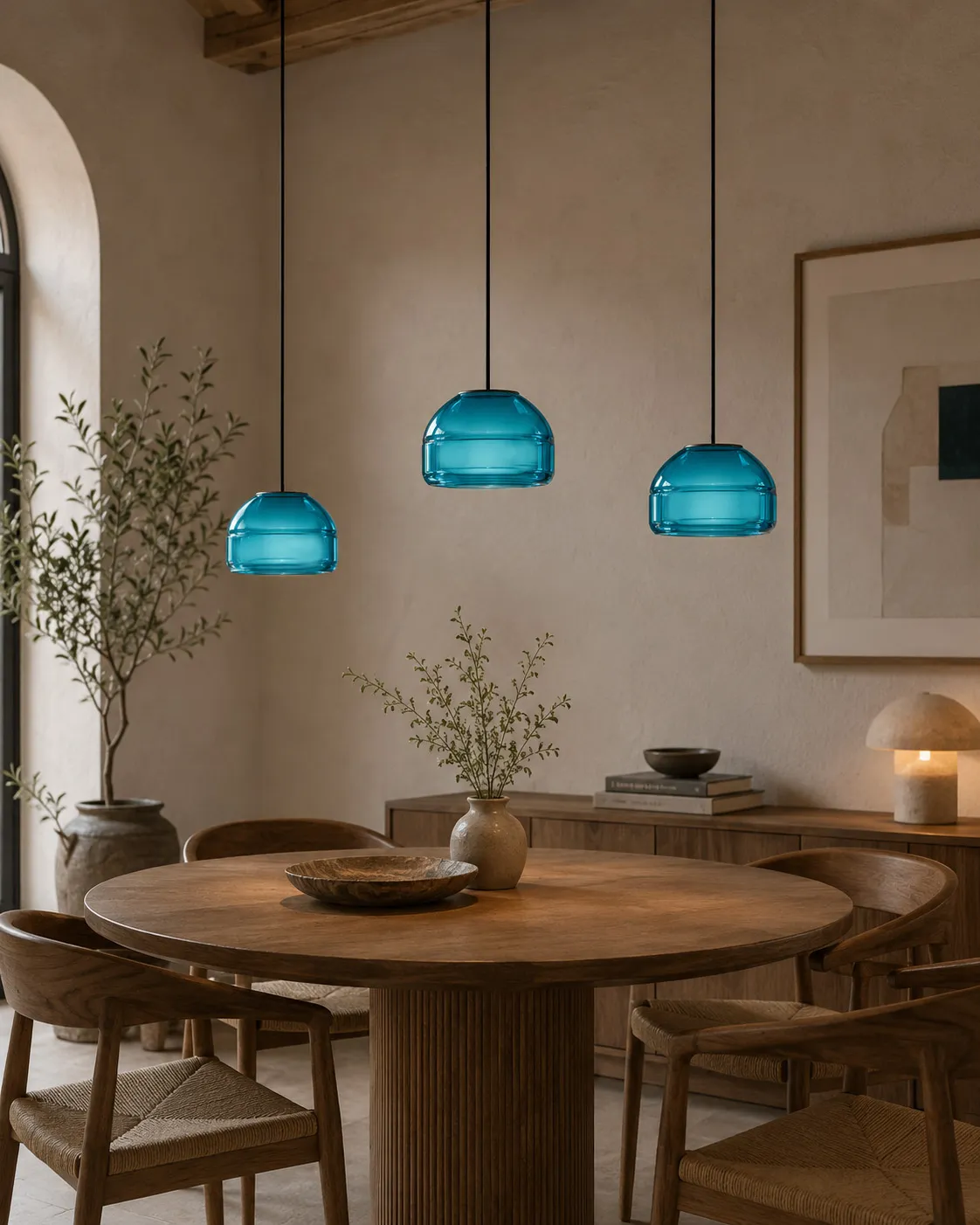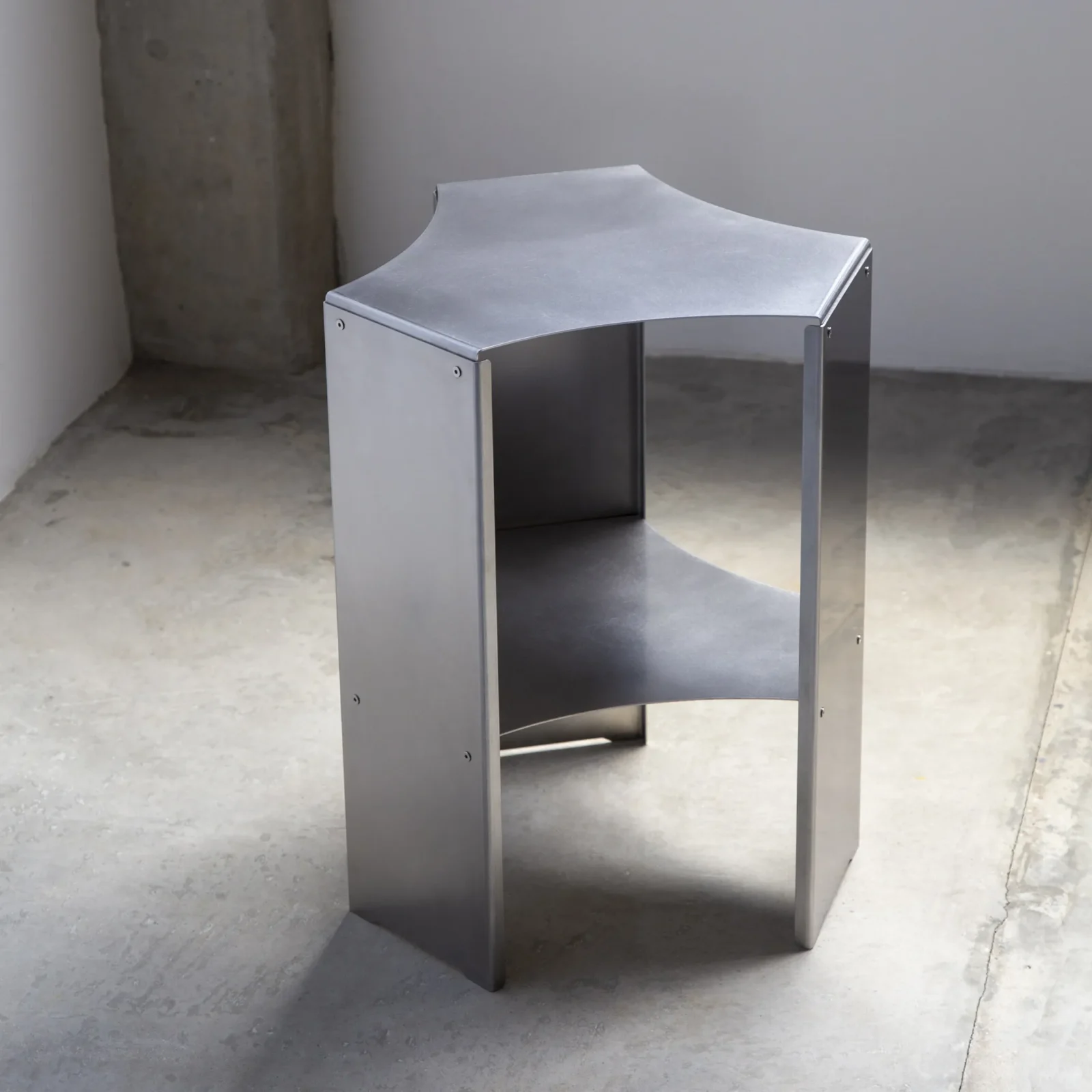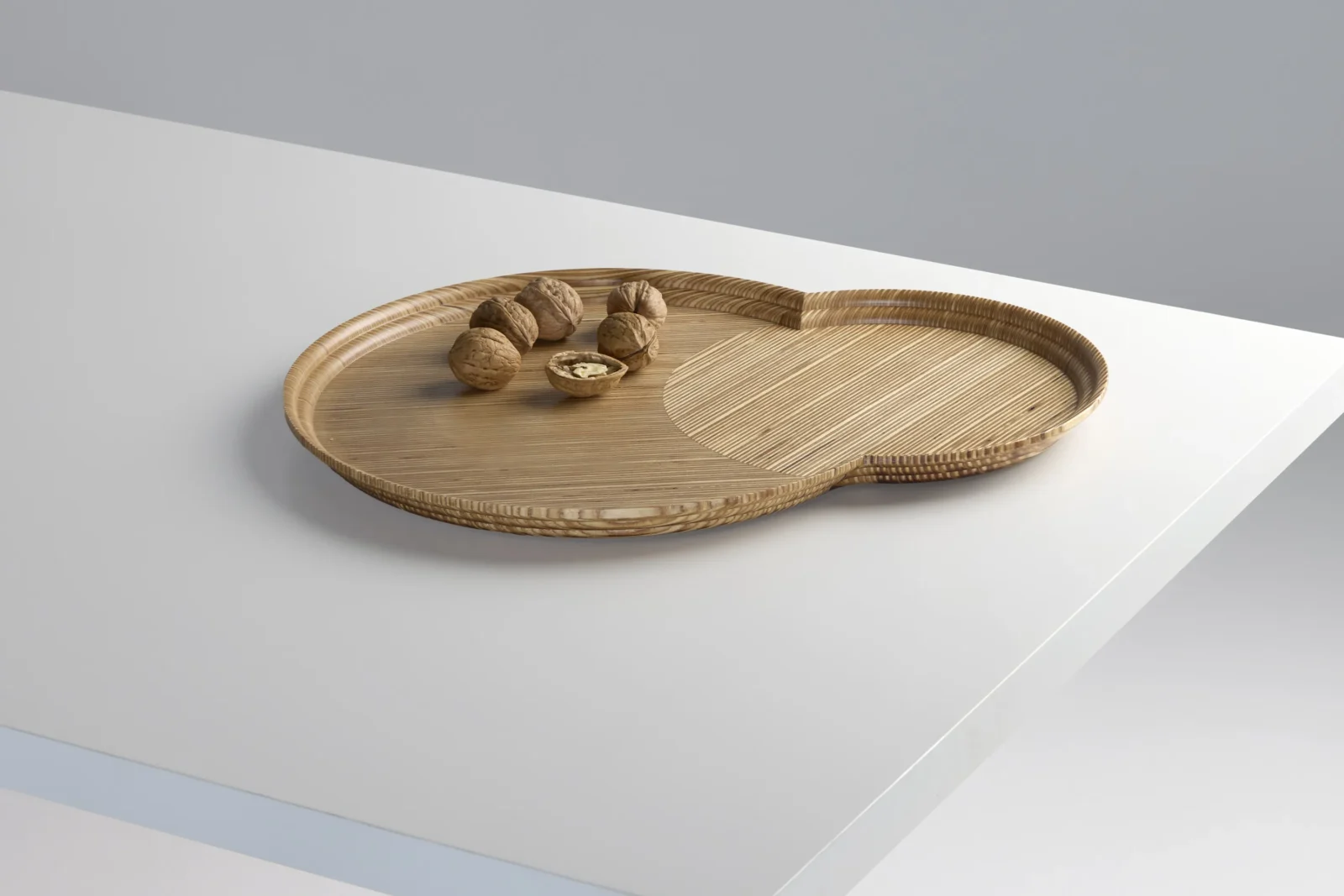
A table is the only surface in the house that gets rebuilt every day. Most of us rebuild it badly.
Updated on: November 12, 2026
A table setting is the arrangement of everything a person needs to eat, and everything the host wants them to notice on the way there: plates, glasses, cutlery, linen, light. The functional half is settled, since a fork does one job in one place. The other half is where a table stops being furniture and becomes a room of its own. Notably, the difference between a table that feels considered and one that feels assembled has little to do with how much is on it.
This is a working guide rather than a mood board. It covers the principles behind any setting, table setting ideas for the occasions people actually host, the main styles, how to set a table correctly, materials and care, and the mistakes that quietly undo it all. At the end, pieces from independent studios on ADORNO show the ideas in practice.
What Makes a Great Table Setting
Six things do the work:
- Balance: spread visual weight across the table rather than pooling it in the center, so the eye travels instead of stopping.
- Layers: a charger under a plate, a bowl inside it, linen beneath. Depth reads as intention; a single flat plane reads as haste.
- Palette: three colors hold. Five compete.
- Height: candleholders, a raised bowl or a tall vessel give the table a vertical axis. Keep anything in the center below about 30 cm (12 in) so it doesn’t block conversation.
- Texture: matte stoneware against blown glass, raw linen against polished steel.
- Material harmony: ceramic, glass, wood and metal can sit together, provided the tones agree.
Table Setting Ideas by Occasion
Occasion sets the register. The same pieces read as relaxed or formal depending on how much is on the table and how tightly it is arranged, so the useful question is not what to buy but how much to put out.
Everyday
A daily setting should survive being laid in ninety seconds: one plate, one glass, knife and fork, a folded napkin. With no styling to hide behind, the pieces have to carry the interest, which is the argument for plates with some character in the glaze.
Casual Dinner with Friends
Serve from the middle. Platters and bowls in the center, plates stacked at one end, cutlery gathered in a jar. A casual table setting that looks slightly in motion invites people to reach across it, and mismatched plates work here, provided they share a tonal family.
Formal Dinner
Formality is mostly spacing and restraint. Allow about 60 cm (24 in) per guest, line up the plates along an invisible line and keep the center low. Furthermore, one repeated gesture, the same glass and the same napkin fold at every place, is what signals care at a formal table setting.
Brunch
Daylight is the material here. Lighter tones and reflective surfaces, such as glass, pale porcelain and uncoated linen, let the light do the work candles do at night. Set out cups and small plates only, and let everything else arrive as it is served.
Outdoor and Al Fresco
Outdoors, weight becomes a design criterion: linen lifts and tall stemware topples on uneven ground. Choose stoneware over porcelain, tumblers over stems, and something heavy to hold the center.
Romantic Dinner for Two
Two settings on a large table look marooned, so pull both to one end. Two or three candleholders at different heights do the rest, and the palette can go darker than it would for a group.
Seasonal and Holiday Tables
Handle the season through palette and one natural element rather than themed objects: pale tones and a single stem in spring, bare wood and fruit in summer, ochre and heavier linen in autumn, the darkest palette and the most candlelight in winter. For complete holiday scenes, see our eight ways to set the table.
Table Setting Styles
Style is a decision about how much the objects are allowed to speak. Each of these is achievable with a handful of pieces rather than a full service.
Scandinavian
Pale wood, off-white ceramics, a restrained palette and form over decoration. The Scandinavian table is not empty but edited, and one sculptural object usually carries the whole surface.
Minimalist
Fewer objects, tighter tolerances. Remove the charger, the second glass and the decorative center, and let the remaining pieces hold proportion on their own. The risk is blankness rather than clutter, so keep one texture. Wallpaper*’s guide to minimalist tableware shows the same restraint across plates and cutlery.
Rustic
Visible making, warm tones, heavier weights: thrown ceramics with thumbprints in the glaze, boards instead of platters, linen that creases. It tolerates mismatch better than any other style.
Coastal
Cool palette, matte surfaces and plenty of empty space. Sand tones and chalky whites against clear glass, with texture doing the work color usually does. Shells and rope turn it into a theme, so leave them out.
Eclectic and Maximalist
An eclectic table works on rhythm rather than restraint. Objects from different decades sit together, held by one repeated color or finish, which is what separates deliberate collision from accident.
Sculptural and Collectible
Here one object is the reason for the table. The setting recedes, with neutral plates and plain glass, so a single vessel can hold attention. This is the style that rewards one considered piece over a full matching service.
How to Set a Table: Place Setting Layout
Each place setting follows the same right-handed convention, read outward from the plate.
Plate Placement
Center the dinner plate about 2 cm (¾ in) in from the table edge. A charger sits beneath it, and a side plate goes above and to the left, clear of the cutlery. Bowls stack on the plate rather than beside it.
Cutlery Placement
Forks to the left, knives and spoons to the right, knife blades facing the plate. Work outside-in by course, so the first course uses the outermost pieces. Dessert cutlery lies horizontally above the plate.
Glass Placement
Glasses sit above the knives. The water glass goes nearest the plate, with wine glasses to its right in the order they will be poured. Keep the group tight.
Napkin Placement
On the plate, to the left of the forks, or under them. All three are correct: under the forks is the most practical on a crowded table, on the plate the most formal.
Materials, Care and Common Mistakes
Porcelain or stoneware. Porcelain is fired hotter, so it is denser, thinner and whiter. Stoneware is heavier, chips less readily and holds heat longer. Porcelain suits a formal table, stoneware a daily one.
Hand-blown glass. Expect small bubbles and variation in wall thickness, the evidence of the breath that shaped it. Borosilicate tolerates heat better, but hand-made glass of either kind belongs in the sink, not the dishwasher. Our story on glassblowing explains how the material behaves.
Metal, stone and wood. A cast metal or stone vessel holds its place where a light one drifts; seal porous stone before it meets oil or wine. Wood warms a table and quiets it; oil it rather than varnishing, and keep it out of standing water. Linen is the cheapest way to change a table completely.
Care. Gold or luster detailing, hand-blown glass and anything with metal should be washed by hand and kept out of the microwave. Avoid moving a plate straight from fridge to oven, which causes crazing, and never stack pieces wet. Gray cutlery marks lift with a paste of baking soda; abrasive pads will scour a matte glaze for good. Finally, raku-fired and unglazed surfaces are often decorative, so check before they hold food.
Mistakes. More than three colors, dinner plates under 26 cm (10 in) or over 32 cm (12.5 in), less than 60 cm (24 in) per guest, centerpieces above 30 cm (12 in), and styles mixed with no common thread. Most of them are fixed by taking something away rather than adding.
Tableware for Your Table Setting from Independent Studios
One considered piece among plain ones does more for a table than a matching set, because contrast is what the eye reads. These pieces are made by independent studios, most by a single maker. Start with the object you will use daily, add height, and stop before the surface fills.
Otto Tray by SOLMISTUDIO
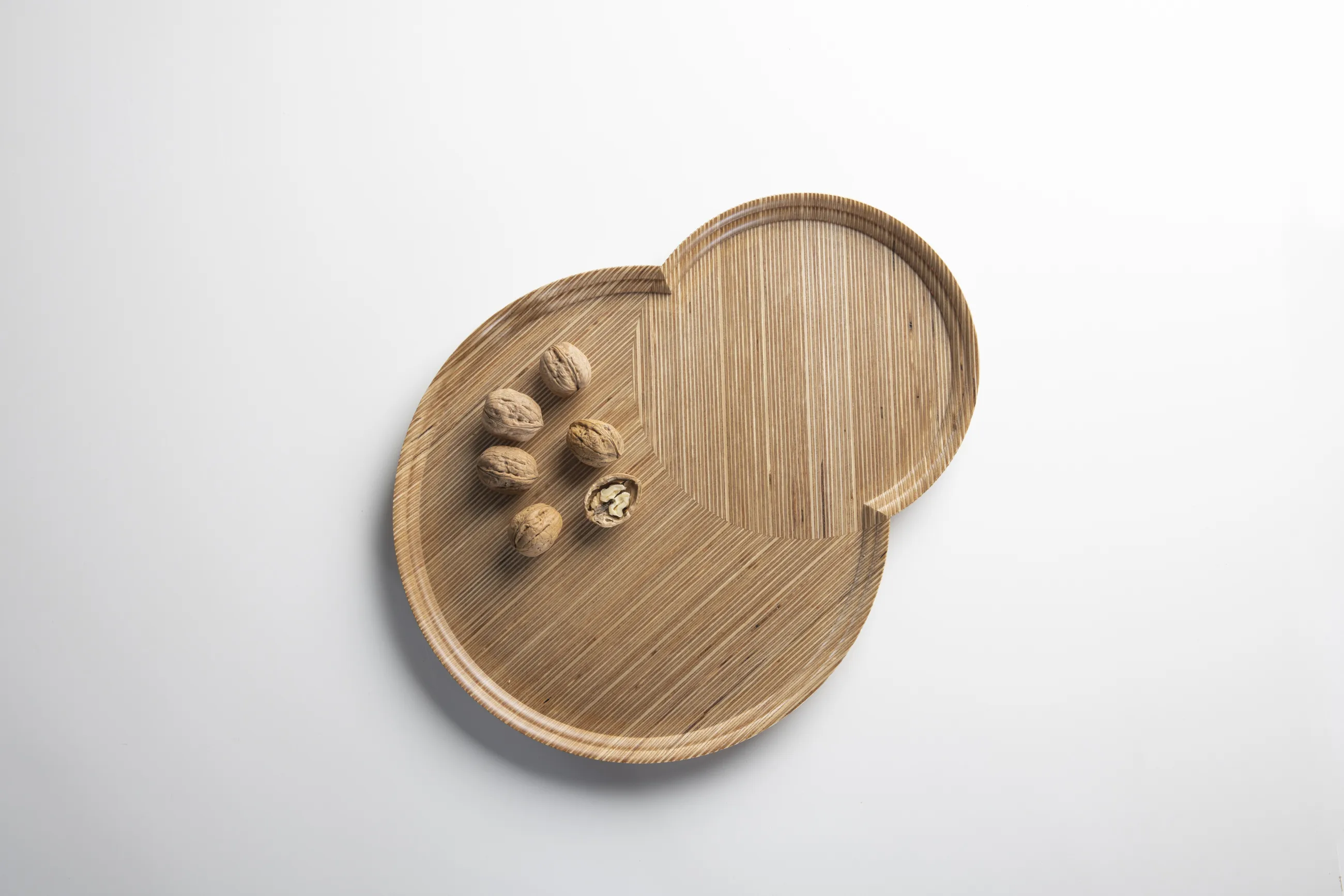
Named after otto, Italian for eight, this birch tray runs its waterfall edge around both rims so the layered grain reads as one line. Each is assembled and finished by hand in Italy in small batches.
By SOLMISTUDIO
€1,250 incl. tax
Silent Teapot by Erin Turkoglu

A handmade ceramic teapot with a glazed interior and a diamond-polished matte exterior. Its plain cylinder suits a Scandinavian or minimalist table, and each piece carries small differences from the hand.
By Erin Turkoglu
€130 incl. tax
Fleuve Chawan by SCHOEMIG PORZELLAN
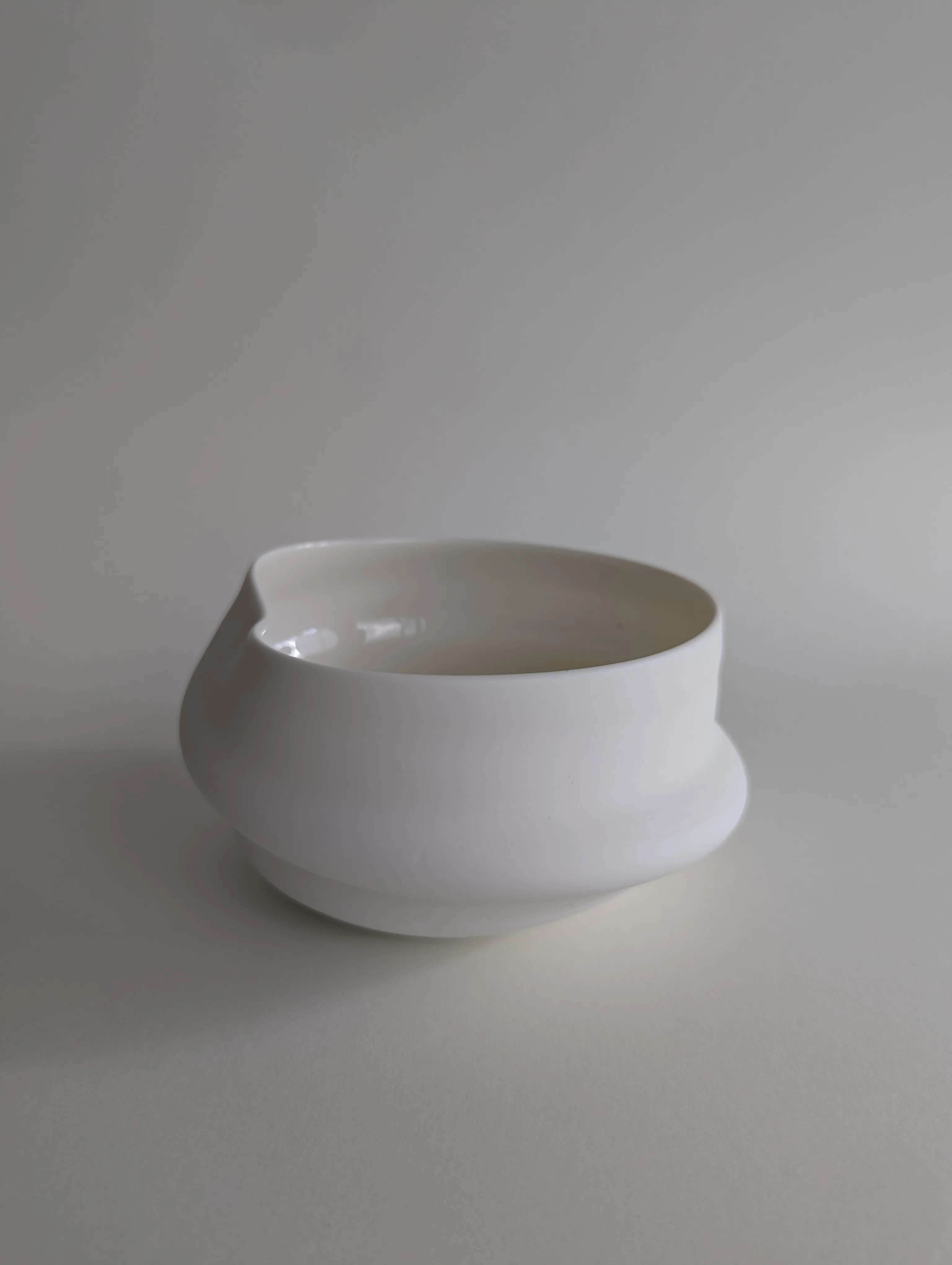
Hand-thrown porcelain left to find its own irregular shape. Each Fleuve bowl differs from the next but sits well in a group, which makes it a good way to add texture to an otherwise minimal setting.
By SCHOEMIG PORZELLAN
€115 incl. tax
Kawa Matchawan by Luft Tanaka Studio
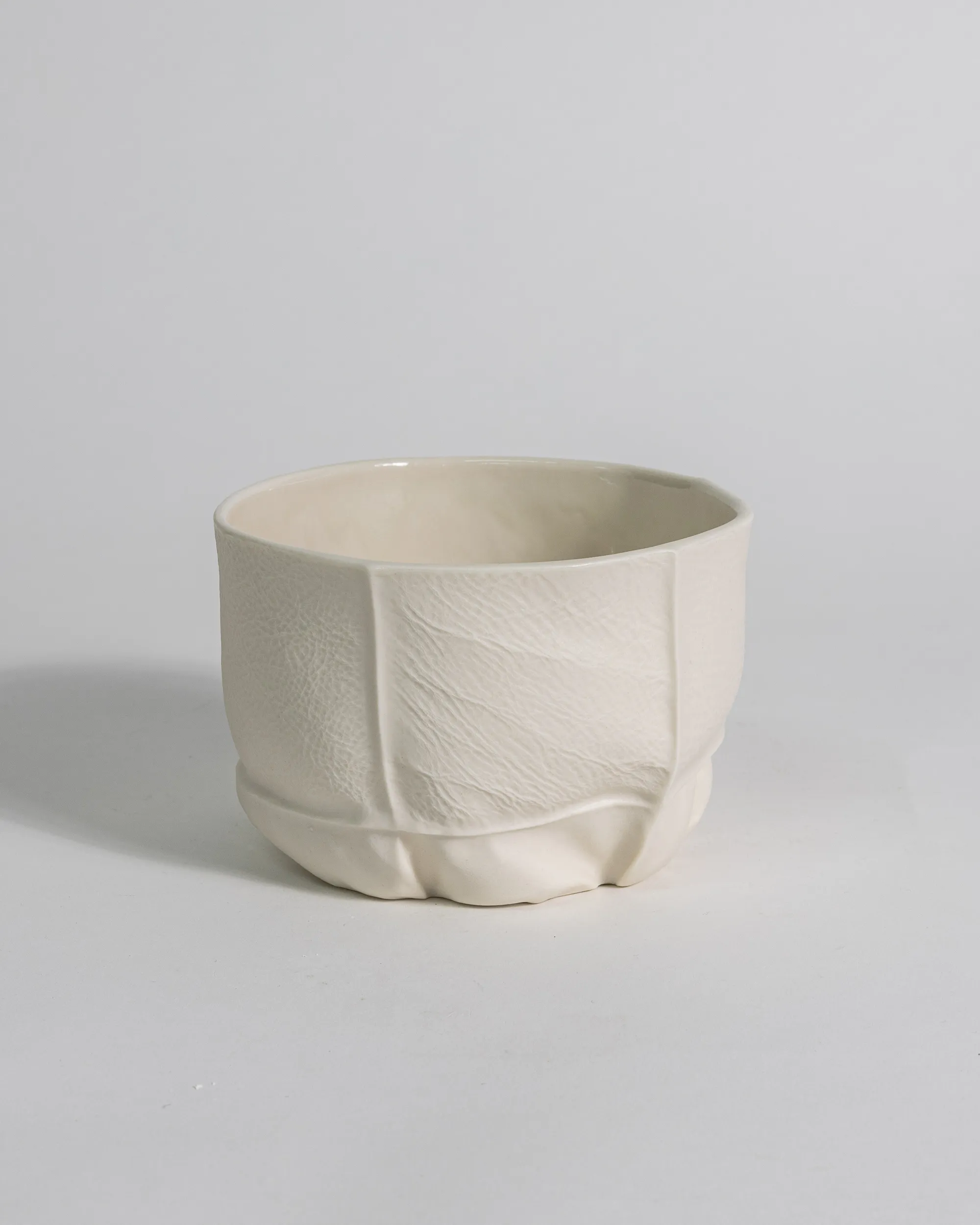
Luft Tanaka slip-casts porcelain in a leather mold, so the bowl keeps the soft marks and seams of the hide. A limited-edition take on the Japanese matcha bowl.
By Luft Tanaka Studio
€300 incl. tax
White Porcelain Dinner Plate by Hania Jneid Design Studio

Hand-built and hand-glazed porcelain with an organic, rolled rim. Unlike much studio ceramics, these plates are dishwasher and microwave safe, so they work for the everyday setting as well as a dinner party.
By Hania Jneid Design Studio
€75 incl. tax
Deep Blueberry Raku Vase by SOLATERRE
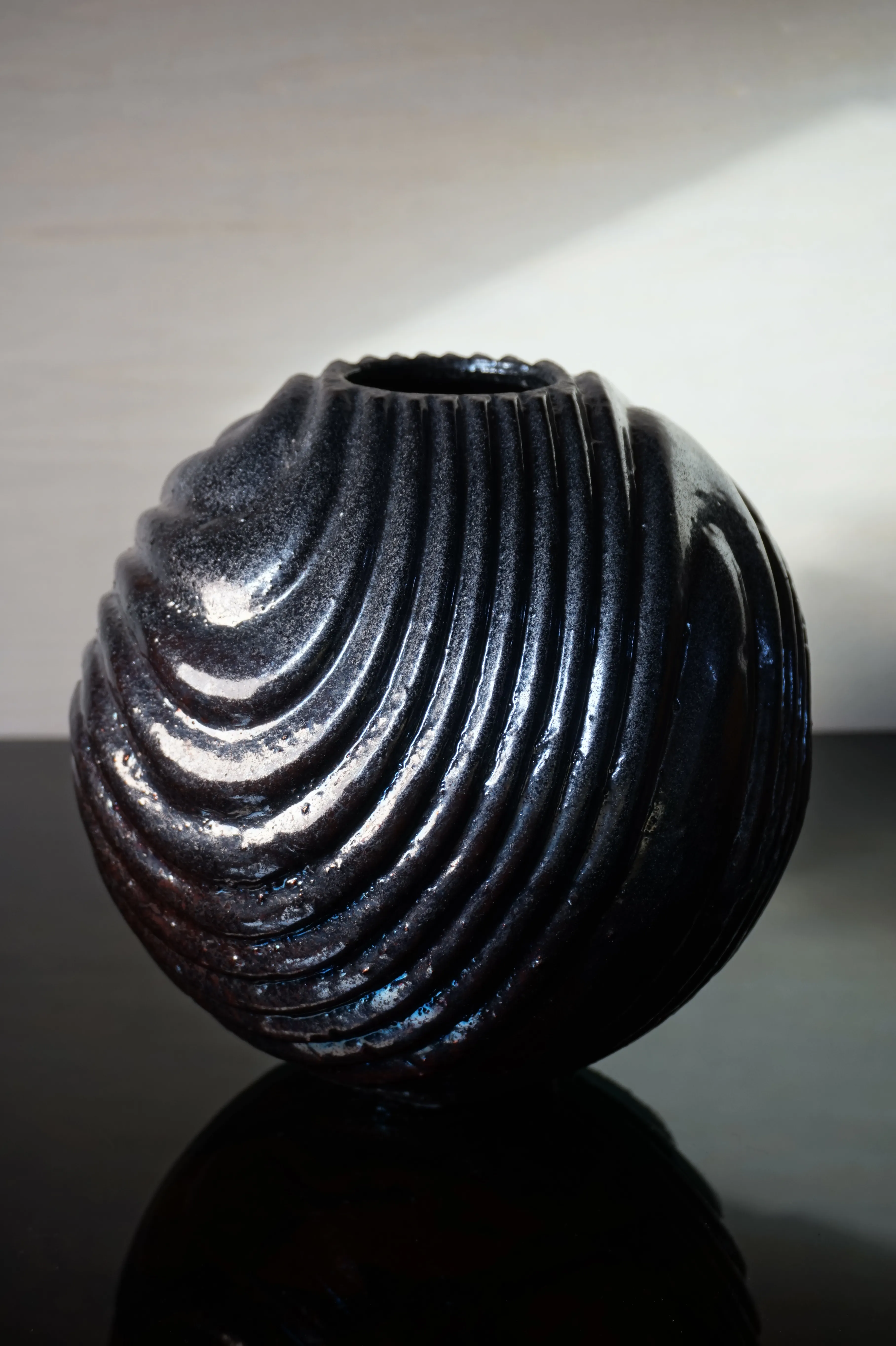
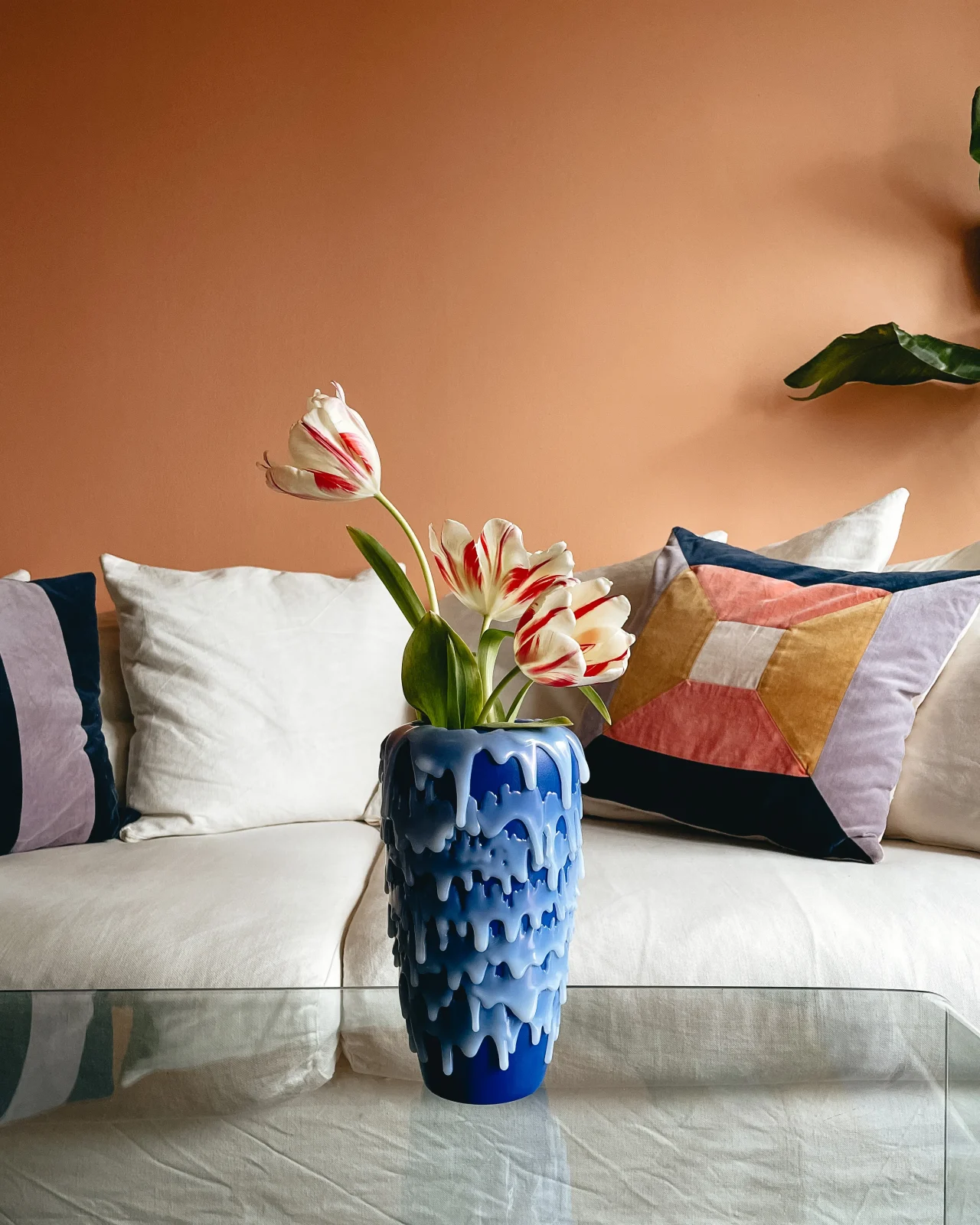
Raku-fired in sawdust, so the deep blue glaze is scorched and flashed differently on every piece. At 24 cm (9.4 in) tall it works as a low centerpiece on a rustic table.
By SOLATERRE
€755 incl. tax
Oto Bowl by Neiw Studio

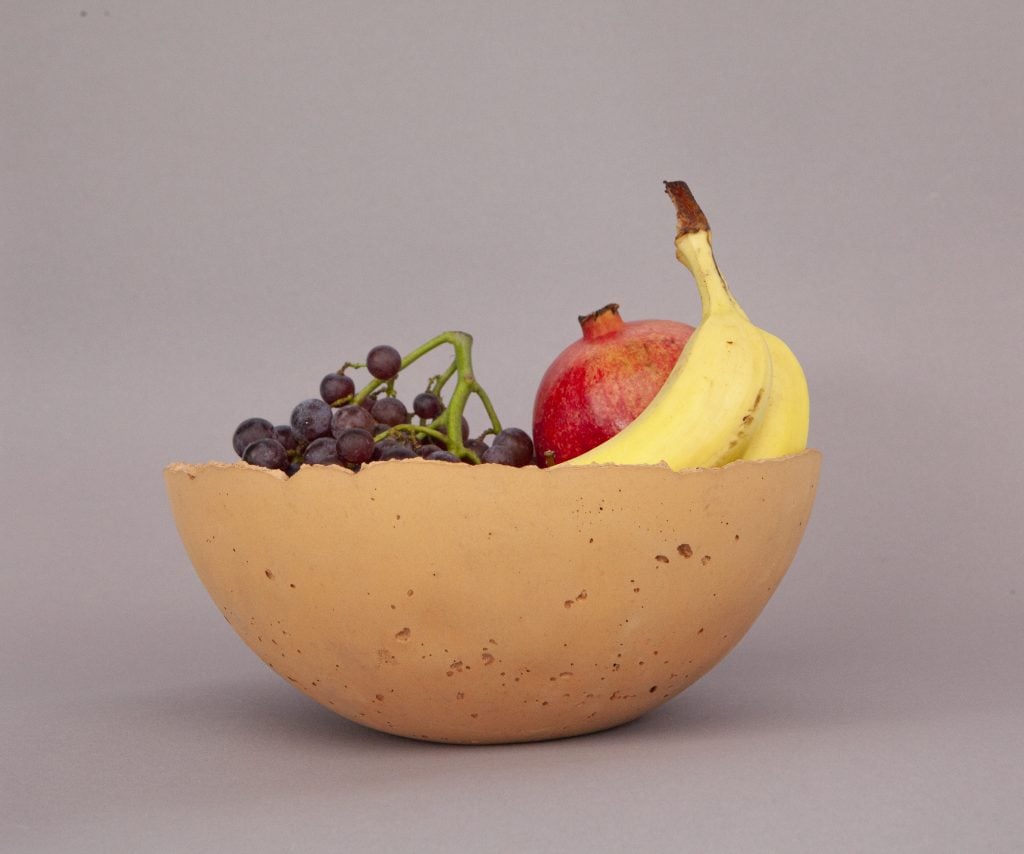
A cast aluminum fruit bowl based on Otto Wagner’s 1895 railing for Vienna’s public transport. Heavy enough to hold the center of a table, outdoors or in.
By Neiw Studio
€800 incl. tax
La Bailarina Wine Glass by PIA GLASSWORKS
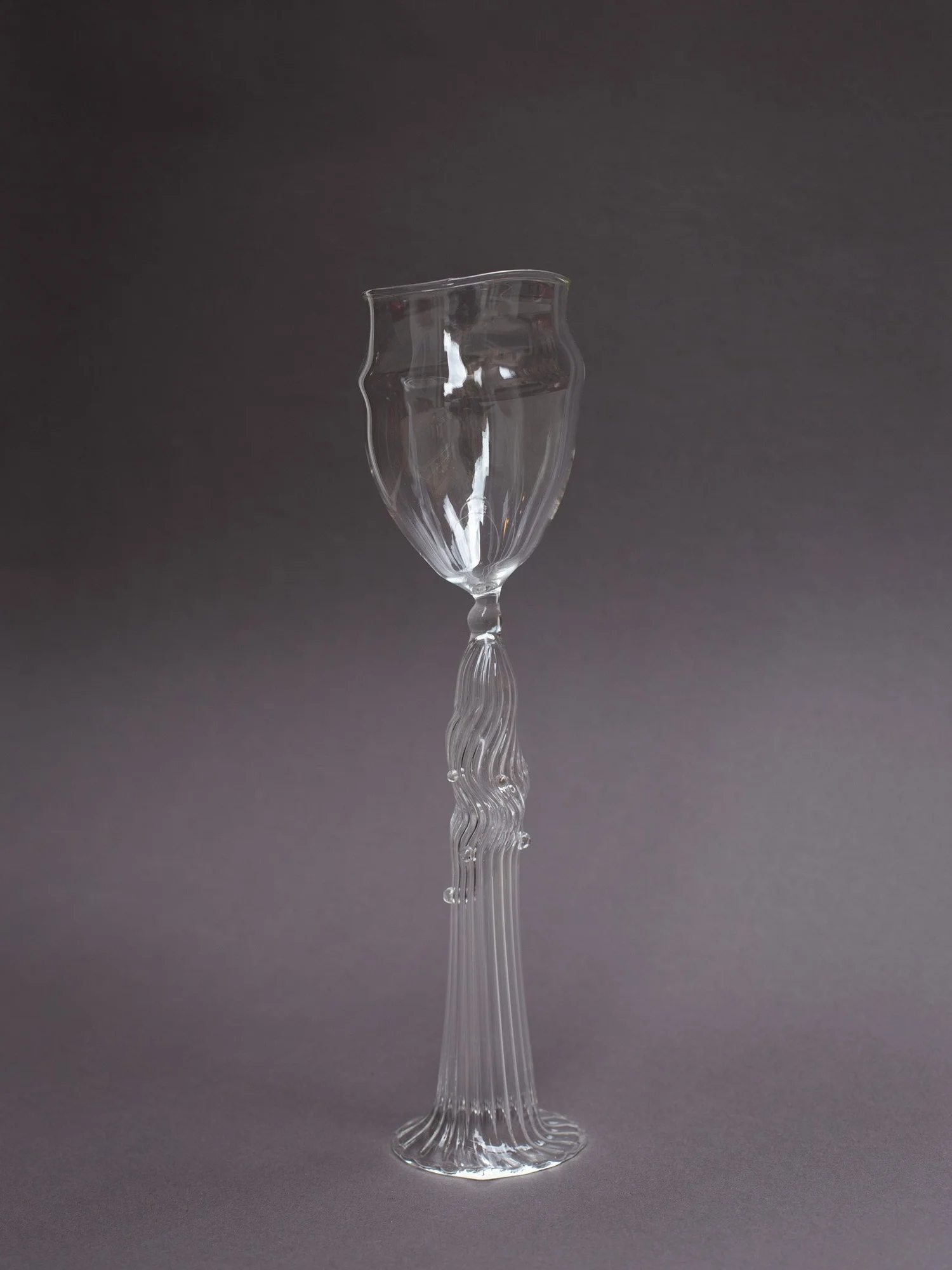
Blown and flameworked in clear borosilicate glass, with a stem that twists like a dancer. Made to order, one by one, so no two are exactly alike.
By PIA GLASSWORKS
€200 incl. tax
Burning Wing Candle Holder by Obscure Objects
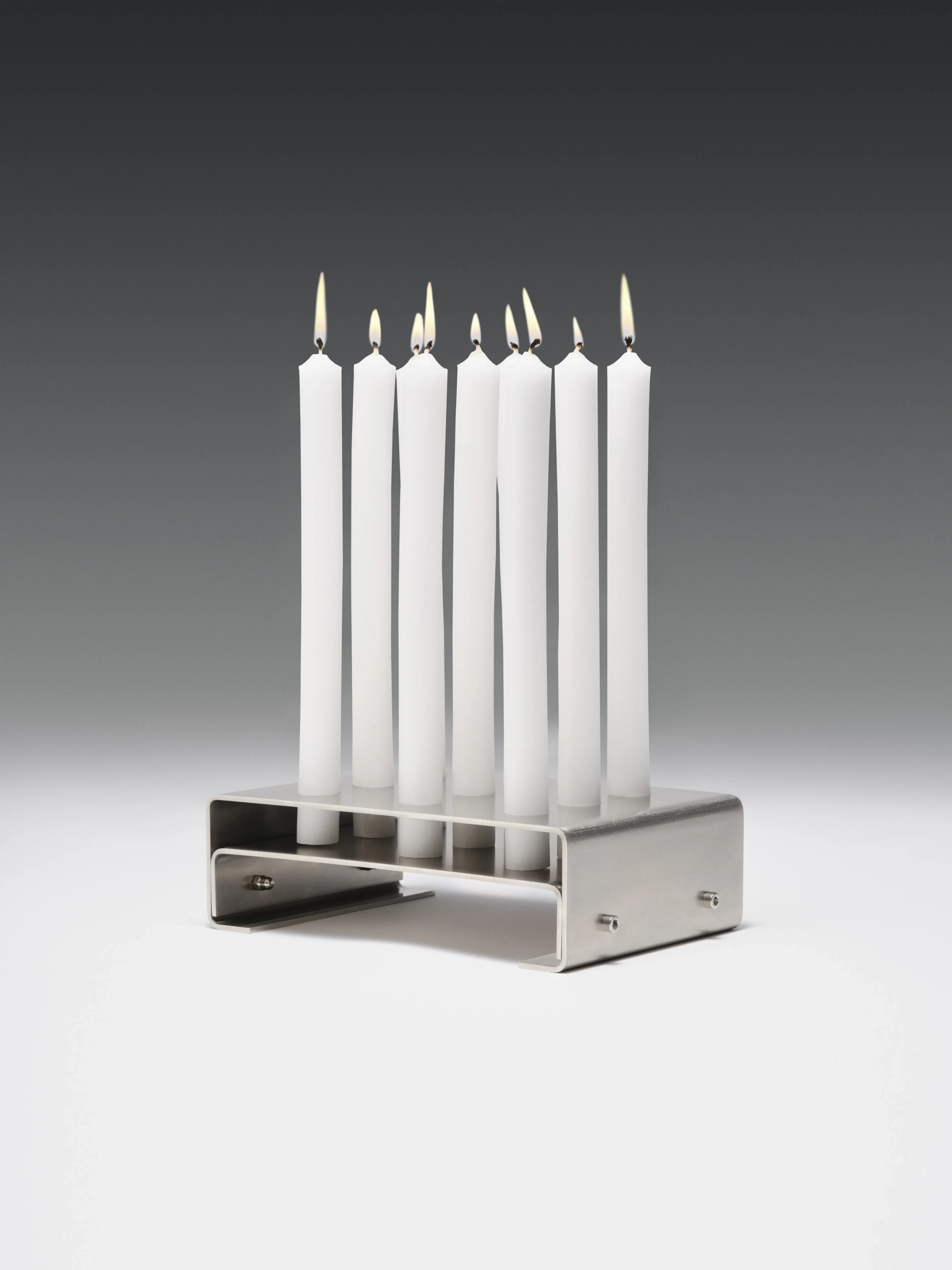
Folded from standard industrial aluminum sheet and fastened with visible screws, it holds a grid of nine candles. One piece gives a romantic dinner for two all the light and height it needs.
By Obscure Objects
€122 incl. tax
Ember Wide Vase by Donatas Žukauskas

A handmade paper composite vessel shaped like eroded volcanic stone. With a candle inside, light falls through its openings; by day it holds dried branches or stands empty as a sculptural centerpiece.
By Donatas Žukauskas
€650 incl. tax
Trdlík Vase by Frantisek Jungvirt

Mouth-blown into a wooden mold in Czech crystal glass, then hand-cut and polished. The color shifts across each vase, so every piece is one of a kind, signed and certified.
By Frantisek Jungvirt
€1,360 – €1,460 incl. tax
Frequently Asked Questions
How do you set a table?
Linen first, then the dinner plate about 2 cm (¾ in) from the edge, forks to the left, knives and spoons to the right with blades facing in, and glasses above the knives. Add the centerpiece last, scaled to the space that remains, and check the table from a seated position.
What is the difference between a tablescape and a table setting?
A table setting is the arrangement for one person: plate, cutlery, glass and napkin. A tablescape is the whole surface treated as a composition, including centerpieces, candles and linen. Every tablescape contains settings, but a setting is not a tablescape.
How many plates should be on a table setting?
One for everyday, two for a dinner party (a dinner plate with a side plate above left), and three at most for a formal table, adding a charger beneath.
What goes in the center of a table?
Something low and something with height, rarely more. A wide bowl or tray holds the middle while candles or a slim vessel supply the vertical. On a long table, repeat one object at intervals.
Can you mix different tableware?
Yes, and a mixed table is often more interesting than a matched one, provided there is a common thread: a shared tone, finish or weight of material.