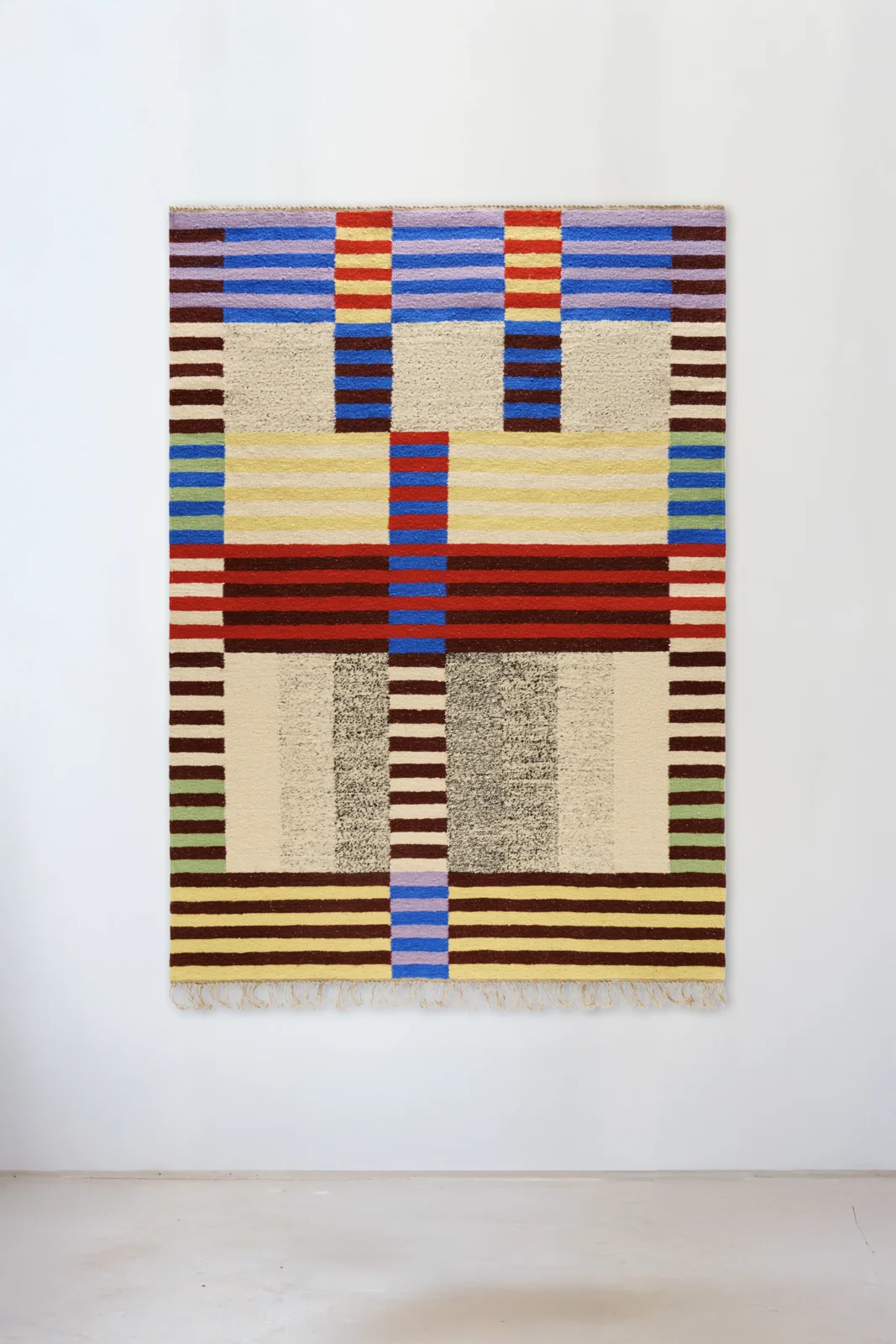
A table setting tells a story before the first course is served.
Updated on: October 30, 2026
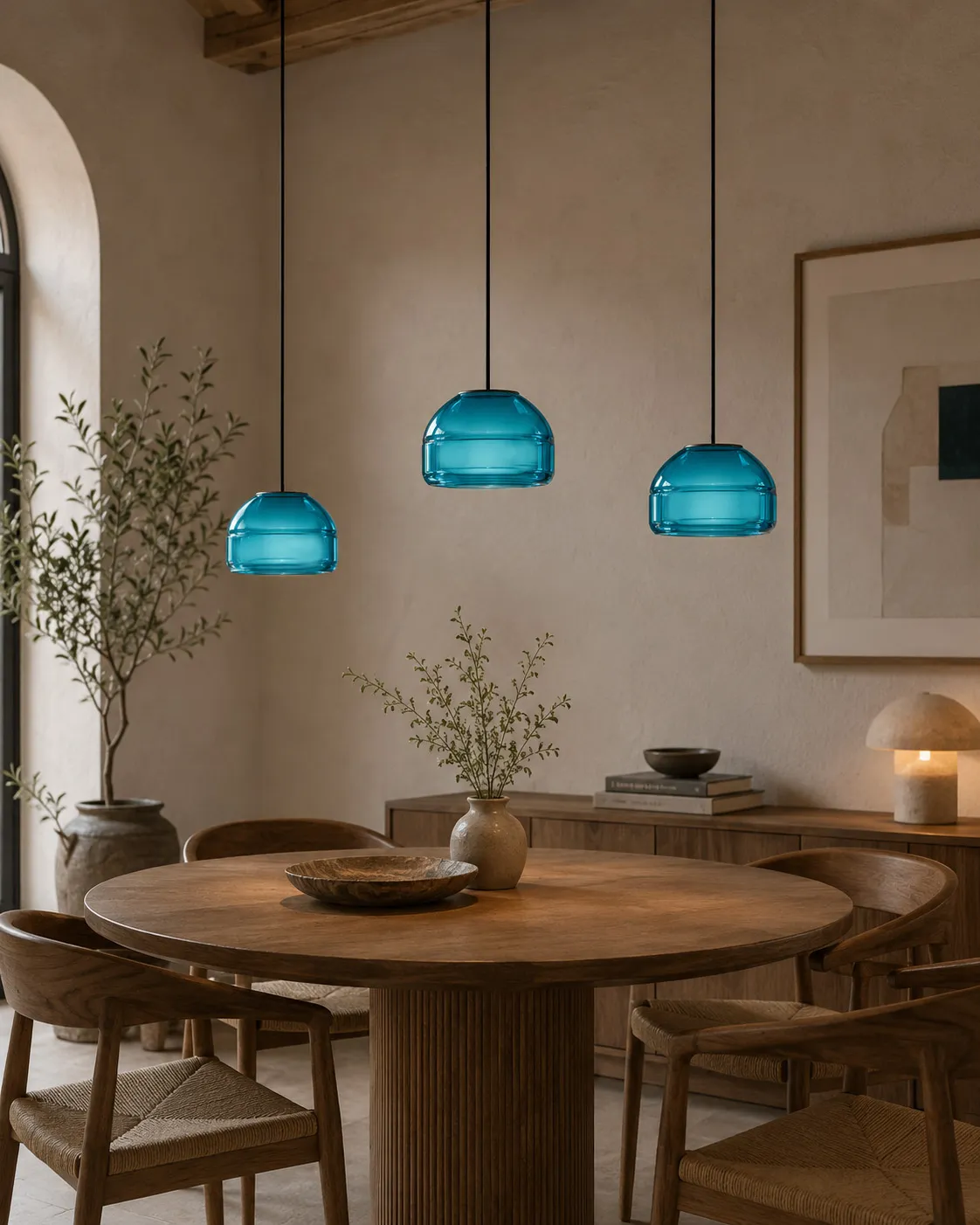
As the holidays approach, the dining table becomes a stage. The same plates and glasses can feel playful, dramatic, romantic or calm depending on what surrounds them, and a few well-chosen objects are enough to change the mood of a whole evening.
This guide explains what a tablescape is, how to build one layer by layer, and eight tablescape ideas, from measured maximalism to Jazz Age opulence. It ends with nine pieces by independent designers, one or two for each style, to set the table with.
What is a tablescape?
A tablescape is a table setting designed as a composition: plates, glasses, cutlery, linens, candles, flowers and objects arranged around a theme, a color palette or a mood. Where a basic place setting is about function, a tablescape is about atmosphere. Designer Kelly Wearstler, interviewed by Wallpaper*, describes the tablescape as a small design installation for the meal to be centered around, built with varied heights and contrasting materials.
Designers increasingly treat the table this way. At Milan Design Week 2026, Wallpaper* covered Sophie Lou Jacobsen’s Disco Aperitivo, a full table of crystal-jeweled glasses, patterned glass plates and enameled trays shown as an apartment installation.
How to build a tablescape
- Start with the base: a tablecloth, runner, placemats or the bare wood of the table sets the color and texture.
- Add the place settings: plates, bowls, cutlery and napkins, repeated at every seat.
- Layer the glassware: water, wine and a small glass for an aperitif or dessert wine; mixed cups and glasses feel more personal than a matching set.
- Build a centerpiece: vases, fruit, a sculptural bowl or a single object down the middle.
- Vary the heights: low pieces near the plates, taller pieces in the center, so guests can still see each other.
- Finish with light: candleholders at different heights, and dim the lights overhead.
For the basics of place settings, see our guide to table setting ideas.
8 tablescape ideas
1. Kids Table: measured maximalism
Bright glazes, colored glass and coral placemats crackle with energy. Mix shapes and colors freely but repeat one or two tones so the table still reads as a whole. A playful centerpiece, like a ceramic oyster shell, sets the tone.
2. Gothic Feast: dramatic decadence
Black ceramics, dark wood, smoky glass and candles at every height. Keep the palette deep, add one jeweled or metallic accent, and let shadows do the rest. Our guide to Gothic home decor has more ideas.
3. Secret Garden: fresh romance
Soft pinks, pale stone, scalloped edges and loose flowers. Low vases keep sightlines open, and petal-like plates or shell spoons echo the garden theme.
4. Elemental Earthy: raw and refined
Hand-thrown stoneware, wood, linen and honey or moss glazes. Choose pieces that show the maker’s hand, and keep the palette to natural browns, greens and whites.
5. Kitsch Kitchen: playful nostalgia
Jelly molds, novelty shapes and candy colors that recall grandmother’s sideboard. The trick is to treat kitsch with care: one or two witty pieces on a simple base.
6. Dreamscape: soft and surreal
Pastel glass, pale blue ceramics and frosted surfaces that seem to float. Keep everything light and translucent, and use candles behind glass for a hazy glow.
7. Clean Table: natural refinement
A few honest materials and nothing extra: bare wood, clay cups, white plates, one branch in a vase. It is the hardest style to get right, because every object shows.
8. Jazz Age Opulence: Art Deco glamour
Black lacquer, brass, crystal and geometric candelabras. Stepped shapes and strong lines echo 1920s architecture; finish with coupes for Champagne.
9 pieces for your tablescape
Each piece comes from a different studio and is available on ADORNO, ordered by demand on ADORNO over the last 90 days. Each paragraph names the tablescape it suits.
Provvisori / Temporary Large Black Vase by Federica Paglia

Italian designer Federica Paglia drops thin colored threads onto the steep sides of this ceramic vase, so the lines shift as you walk around the table. Matte and glossy black finishes play against each other. On a Gothic Feast table it is the dark anchor, one tall branch rising above the candles. It was first shown at Milan Design Week 2023.
By Federica Paglia
€500 incl. tax
Midsummer’s Night – Clay Vase by Mina Wright

Spain-based designer Mina Wright molds this vase by hand in clay and paints it with underglaze pencils, a nod to Shakespeare’s comedy. The arched form with its open hole works as a sculpture even without flowers. On an Elemental Earthy table, set it among bare stoneware and linen and let its soft colors carry the palette.
By Mina Wright
€210 incl. tax
Round And Round | Blue On Yellow On White | Vase No. 003/23 by Atelier von Ehren

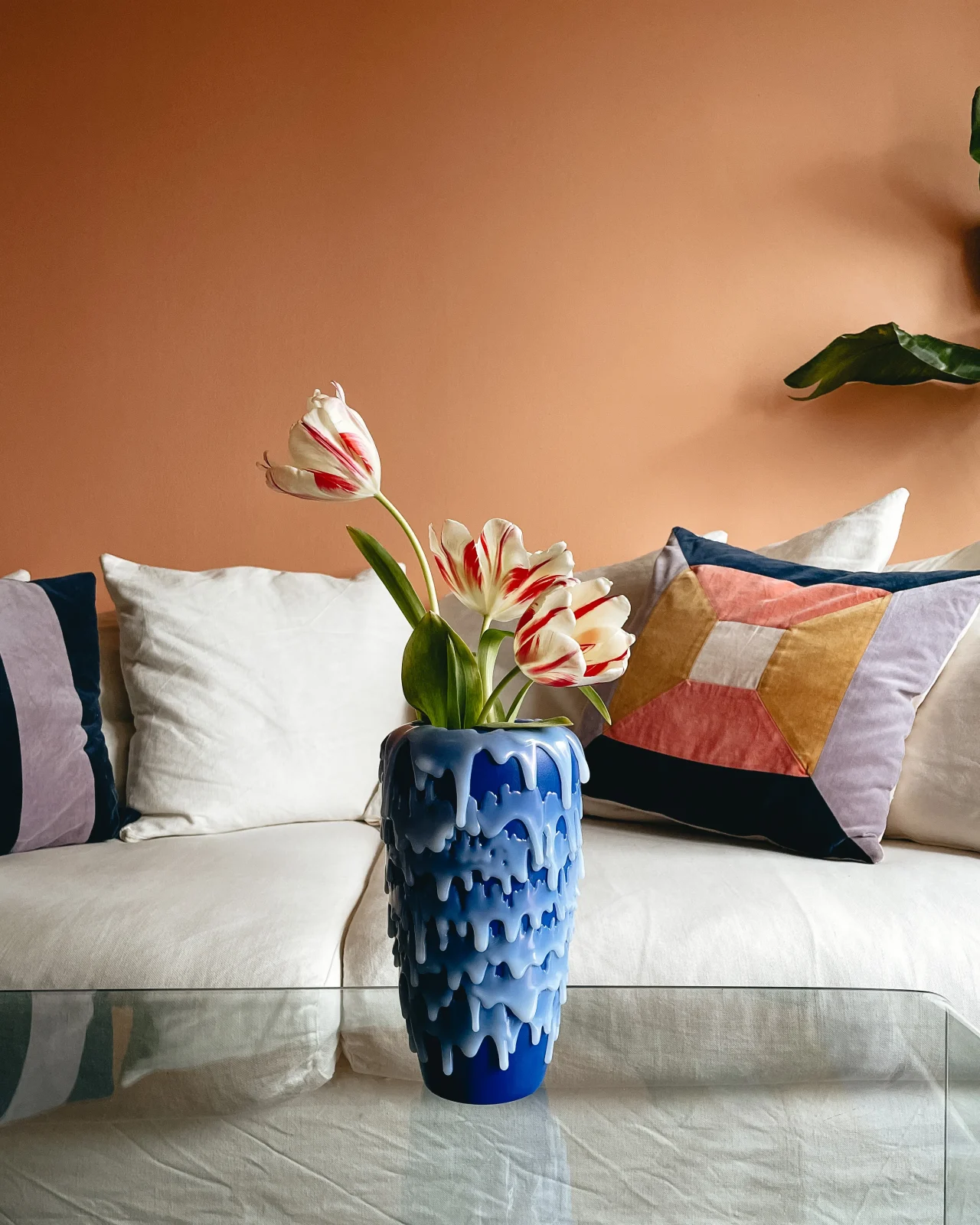
German ceramicist Barbara Jenner of Atelier von Ehren extrudes, sculpts and glazes each Round And Round vase by hand, a series named after Joni Mitchell’s song The Circle Game. This one is light blue with a hint of yellow, soft enough for a Dreamscape table of pastel glass and pale linen. Each vase in the series is numbered.
By Atelier von Ehren
€276 incl. tax
Oyster Shell – Medium by Sugoi Studio

Danish ceramicist Charlotte Kølkjær of Sugoi Studio shapes and glazes each oyster by hand, white and glossy inside, rough and mossy outside. It is food-safe, so it can hold olives, butter or oysters themselves, and it becomes the playful centerpiece of a Kids Table. Every shell is a little different in size.
By Sugoi Studio
€217 incl. tax
Strata – Flower Vase – Staggered Pink by Iyo Hasegawa
Japanese designer Iyo Hasegawa stacks slender offcuts of pink, white and amber marble with small offsets, giving waste from stone workshops a new shape. The result looks like rock strata in miniature. Low and heavy, it holds a few stems in the middle of a Secret Garden table without blocking anyone’s view.
By Iyo Hasegawa
€930 incl. tax
Gatherware – Stackable Clay Coffee Cups by Boo Design Studio

Boo Design Studio in Qatar bases this set of earthy clay cups on the dallah, the coffee pot that symbolizes hospitality in Arabic culture. The cups stack into a single vessel when not in use. They suit a Clean Table, where a few natural materials and nothing else make the setting, and they end the meal with coffee for everyone.
By Boo Design Studio
€95 incl. tax
Cubist Candelabra, Black Ebonized Oak by Josh Page Studio

British maker Josh Page builds this candelabra from ebonized oak and sets three aluminum candle cups at different heights on a stepped, angular frame. Its geometry recalls Art Deco skylines, which is why it belongs on a Jazz Age table with brass, crystal and black. It stands 28 cm (11 in) tall and 26 cm (10.2 in) wide and is made to order in four weeks.
By Josh Page Studio
€173 incl. tax
Jello S – Hand-blown Glass Cloche by STUDIO BERG
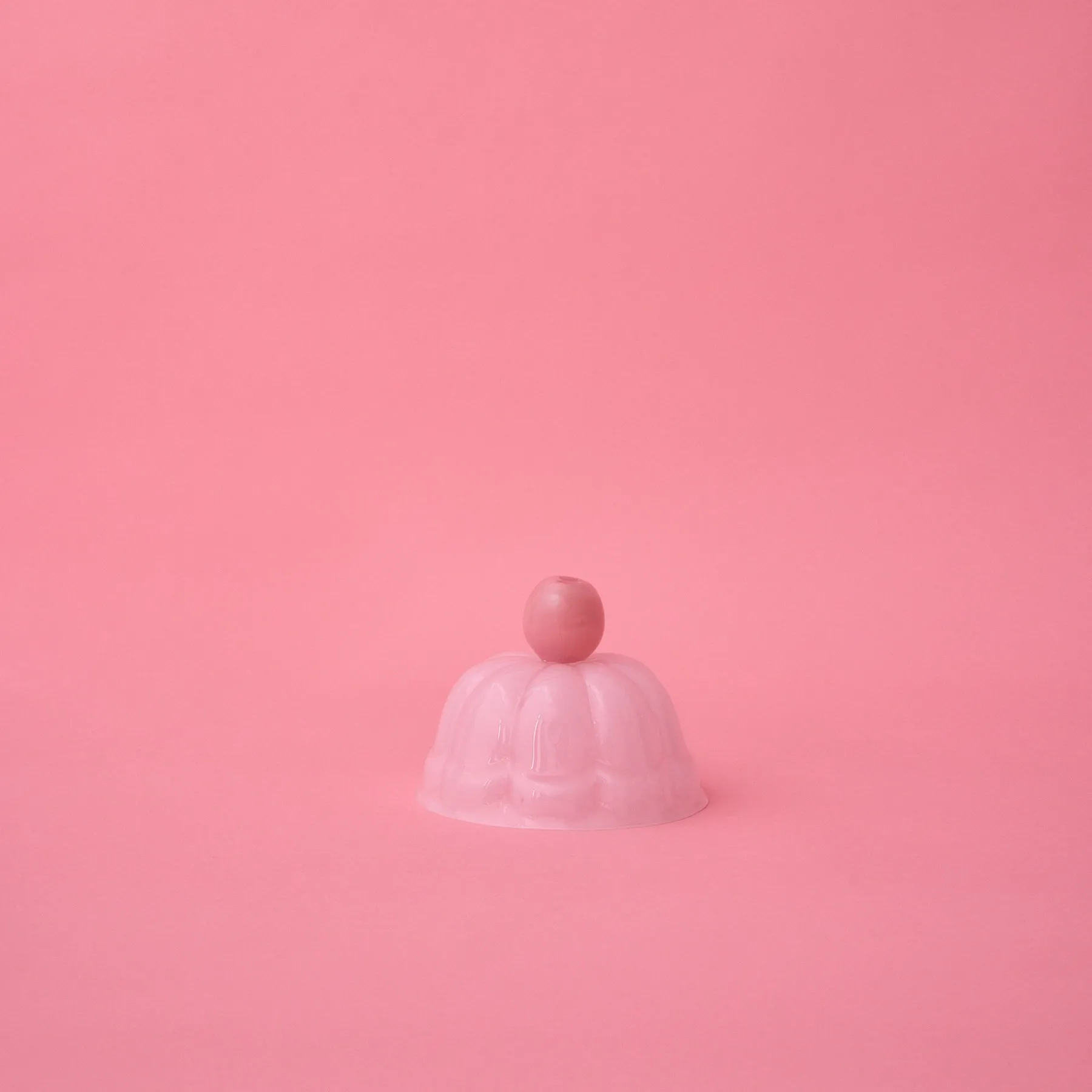
German STUDIO BERG has its JELLO cloches blown into 100-year-old cast-iron and copper jelly molds, then cut and polished in the Czech Republic. Use it to cover petits fours or a single dessert, the perfect wink for a Kitsch Kitchen table. JELLO S is about 14 cm (5.5 in) across and 11 cm (4.3 in) high and comes in fifteen colors.
By STUDIO BERG
€208 incl. tax
“nail” Full Cutlery Set by Sebastião Lobo

Portuguese designer Sebastião Lobo gives every fork, knife and spoon a handle shaped like a long nail. Nails build and cutlery takes apart, and the set plays on that contrast. Raw and slightly menacing, it completes a Gothic Feast setting next to black ceramics and candlelight.
By Sebastião Lobo
€200 incl. tax
Tablescape mistakes to avoid
- Centerpieces too tall: keep anything in the middle under about 30 cm (12 in), or tall and slim enough to see past.
- Scented candles at dinner: they compete with the food; use unscented ones.
- Too many themes: choose one style and one main color, then add accents.
- No room to eat: leave at least 60 cm (24 in) of table width per guest, and keep serving dishes off the table if space is tight.
- Forgetting the light: overhead light flattens everything; candles and low lamps make the table glow.
Planning drinks before dinner? Our guide to aperitivo hour covers the glasses and snacks.
FAQ
What is a tablescape?
A tablescape is a table setting arranged as a composition, with plates, glassware, linens, candles, flowers and decorative objects chosen around a theme, palette or mood.
What is the difference between a table setting and a tablescape?
A table setting is the functional arrangement of plates, cutlery and glasses at each seat. A tablescape includes the setting but adds a centerpiece, candles, linens and objects to create atmosphere.
How do you make a tablescape on a budget?
Use what you already own as the base, then add one or two pieces that set the theme, such as a sculptural vase or a candelabra. Seasonal branches, fruit and candles cost little and do a lot.
How tall should a centerpiece be?
Keep it under about 30 cm (12 in) so guests can see each other, or choose something tall and slim enough to see past.
What are good tablescape ideas for the holidays?
A Gothic Feast of black ceramics and candlelight, a Jazz Age table of brass and crystal, or an earthy table of stoneware and branches all work well for winter dinners.
How many candles should be on a dinner table?
There is no fixed number. Group them at different heights in the center and space them so every seat gets some light, usually three to seven for a table of six to eight.
Browse all tableware on ADORNO.