



















-
 In stock
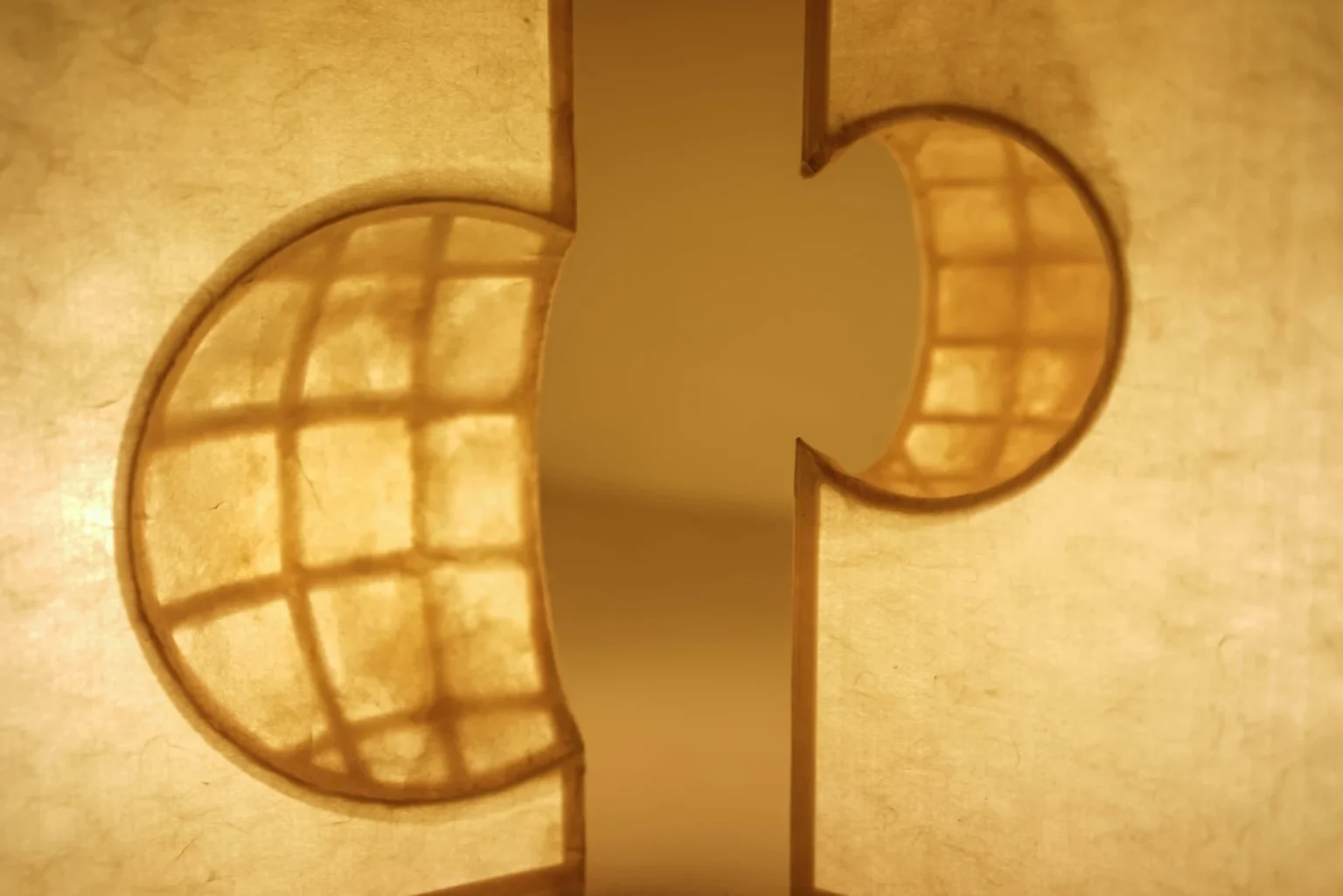
Off-form Lamp, Cube
By Nao Iyama
€1.350 -
 In stock
Off-form Lamp, Cuboid
By Nao Iyama
€1.800 -
 In stock
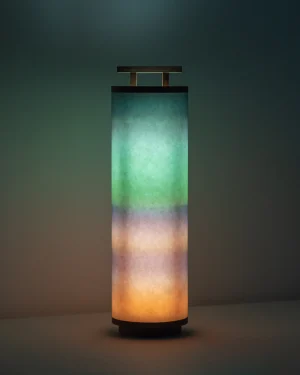
Torii G Pala Table Lamp in Washi Paper and Walnut
By Prangé
€1.232 -
 In stock
Mujo P Iver Wall Sconce in Walnut Wood and Washi Paper
By Prangé
€948 -
 In stock
Mujo M Aray Wall Sconce in Walnut Wood and Washi Paper
By Prangé
€1.706 -
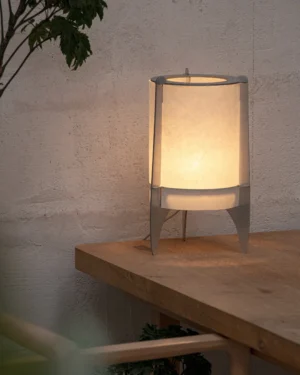 In stock
Capsule Table Lamp in Aluminum and Washi Paper
By Valentine Maurice
€1.200 -
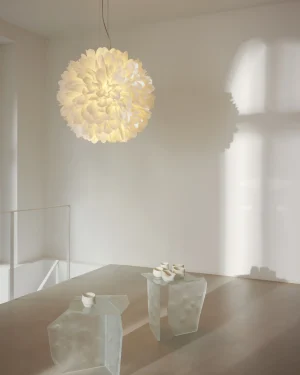
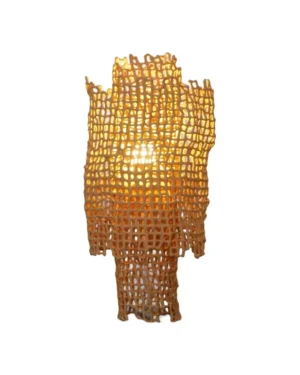
Blossom Pendant Lamp in Washi Paper
By HEIKE BUCHFELDER
€2.933 -
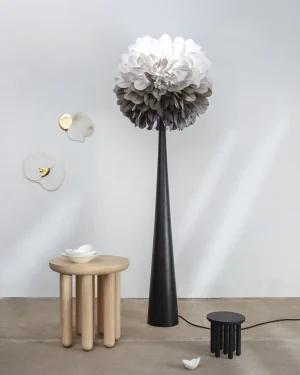
Blossom Floor Lamp in Washi Paper
By HEIKE BUCHFELDER
€5.618 -
 In stock
Mujo M Reol Wall Sconce in Walnut Wood and Washi Paper
By Prangé
€1.706 -
 In stock
Off-form Lamp, Cube S
By Nao Iyama
€760 -

Xxxx
By HEIKE BUCHFELDER
Washi paper lamps are built around sheets of hand-formed Japanese paper, made from mulberry or mitsumata fiber, stretched or pleated over a frame of bamboo, wire or turned wood. The studios working in this material pair paperwork techniques with simple metal or wood bases, folding and dyeing each sheet by hand before it is fitted to a shade. The result is a light source that is read as much as it is looked at, its surface doing half the work.
How washi paper behaves in light
Unlit, washi paper has a dry, matte surface with a visible fiber grain, closer to cloth than to the glossy paper used in printing. Lit, it turns translucent and diffuses the bulb's glow evenly across the shade, with no hot spot and no glare. Pale or undyed sheets read warm and soft; sheets dyed in beige, gray or deeper tones hold more of their daytime color even once the lamp is switched on.
The range of washi paper lamps on ADORNO
Within washi paper lighting on ADORNO, the paper itself varies more than the forms it is stretched over. Some studios leave it plain and pale, others layer or pleat it for texture, and others dye it in beige, blue, green, purple, yellow, gray or black before assembly. Bases and frames tend toward aluminum, walnut or other solid wood, finished to sit quietly behind the paper rather than compete with it.
- Styles across the range run from mid-century modern and contemporary to boho chic, romanticism and eclectic, depending on how the paper is folded and how plain or ornamented the frame is.
- Techniques include paperwork, hand assembly, wood and cabinetmaking for the base, and occasionally 3D printing or digital fabrication where a studio builds a modern frame for a traditional shade.
- Editions range from open editions, made as sheets and frames are replenished, to limited editions and unique pieces where the paper is dyed or folded in small batches.
For a wider view of how this fiber is used beyond lamps, every washi paper piece on ADORNO covers shades, screens and objects worked in the same material.
Choosing a washi paper lamp for a room
Scale matters more with washi paper than with glass or ceramic shades, since a larger surface diffuses more light but also reads as a bigger visual object in the room. A table lamp suits a reading corner or a bedside surface, where its glow sits close to eye level; a floor lamp carries more presence and can anchor a seating area on its own. Check the finish of the base as closely as the paper itself, since a walnut or aluminum stand will read differently against pale versus dark flooring.
Washi paper lamps suit living rooms and bedrooms more naturally than kitchens or bathrooms, since the paper prefers dry, even conditions over steam or splashes. Paired with other contemporary lamps in metal or wood, a washi shade softens a room that might otherwise lean hard and angular.
Caring for washi paper
Dust washi paper with a soft, dry brush or a hair dryer on a cool setting; a damp cloth will mark or tear the sheet. Keep the lamp out of direct sun, which yellows pale paper and fades dyed tones unevenly over time. Away from steam and standing water, a washi shade can last for years before it needs replacing, and the frame beneath it, in wood or metal, will usually outlast the paper itself.
Seen alongside other kinds in the wider lamp range, washi paper lamps stand out for how little they ask of a room and how much they change its light.
How do I choose a washi paper lamp?
Look at the frame material and the weight of the paper: thin sheets glow brighter but show every seam, while layered or textured washi softens the light further and hides the bulb's outline.
How do you clean and care for washi paper lamps?
Dust with a dry, soft brush or a low vacuum setting, and keep the paper away from direct moisture and sunlight, which weaken the fibers and fade the surface over time.
What size washi paper lamp do I need?
Table versions typically sit between 12 and 24 inches tall, floor versions run higher for ambient light, and pendant shades vary with ceiling height and the drop above furniture.
Which rooms suit washi paper lamps?
The soft, diffused glow works well in bedrooms, living rooms and reading corners, anywhere a gentle ambient light is wanted rather than strong task lighting.
Are washi paper lamps fragile or hard to maintain?
Washi paper is more durable than it looks, woven from long fibers that resist tearing, though it still needs a dry environment and careful handling around the frame.
What are ADORNO's shipping, returns and authenticity policies?
Shipping is insured and worldwide, returns are accepted within 14 days except on made-to-order pieces, and every piece arrives with a certificate of authenticity.