
-
 In stock
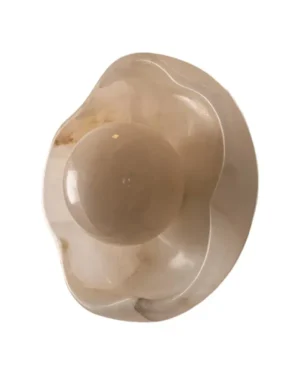
Asea No. 23 Dark Honey Wall Sconce in Stoneware and Glass
By Ceren Gürkan
€800 -
 In stock
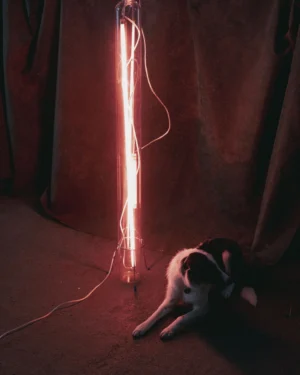
Äther Wall Lamp In Borosilicate Glass
By TUNK I Busra Tunc
€850 -
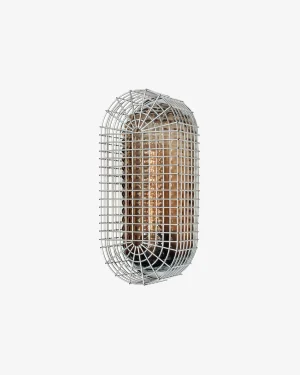
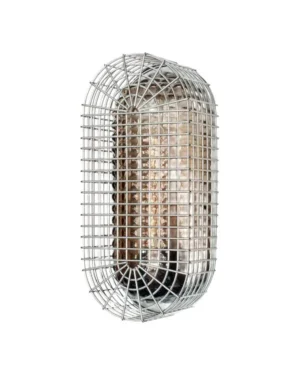
Chastity Wall Sconce In Stainless Steel And Handblown Glass
By Studio S II
€1.980 -
 In stock
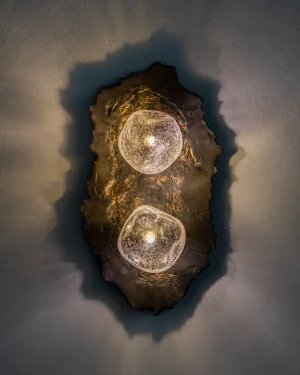
Asea No. 25 Wall Sconce In Blown Glass And Stoneware
By Ceren Gürkan
€1.100 -
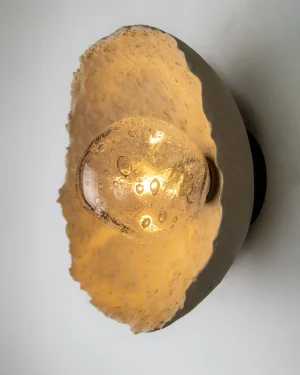
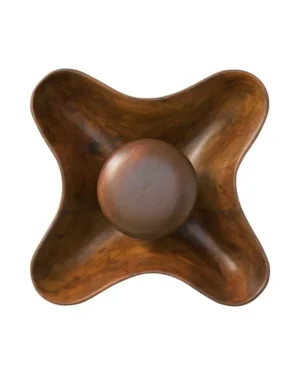
Asea No. 23 Wall Sconce In Stoneware And Blown Glass
By Ceren Gürkan
€800€680 -
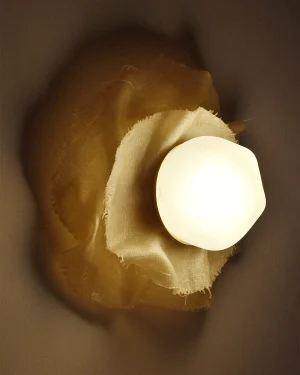
Liora II Wall Sconce in Glass, Brass and Fabric
By Atelier Alz
€350 -
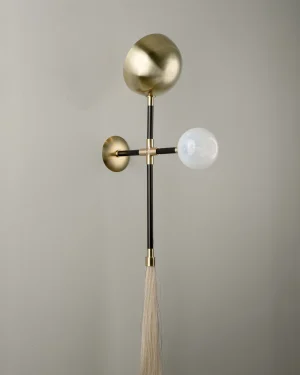
Gogo Wall Sconce in Brass, Blown Glass and Natural Fibers
By Isabel Moncada
€2.880 - €4.036 -
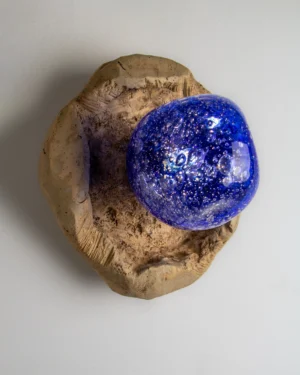 In stock
Asea No.13 Wall Sconce in Stoneware and Blown Glass
By Ceren Gürkan
€1.300 -
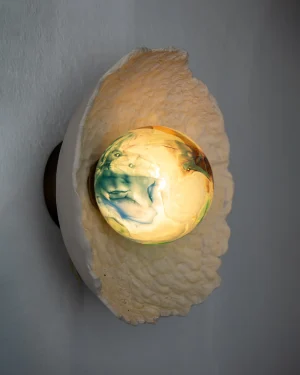 In stock
Asea No. 17 Wall Sconce In Stoneware And Blown Glass
By Ceren Gürkan
€900 -
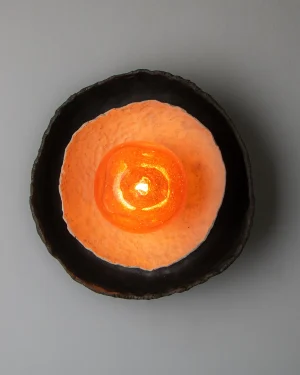
Asea No. 26 Red Wall Sconce in Blown Glass and Stoneware
By Ceren Gürkan
€1.100 -

Asea No.40 Wall Sconce In Stoneware And Blown Glass
By Ceren Gürkan
€1.200€1.020 -
 In stock
Asea No. 12 Green Wall Sconce In Stoneware And Blown Glass
By Ceren Gürkan
€800 -

Collier S1 Wall Sconce in Glass and Aluminum
By Darka
€1.050 -
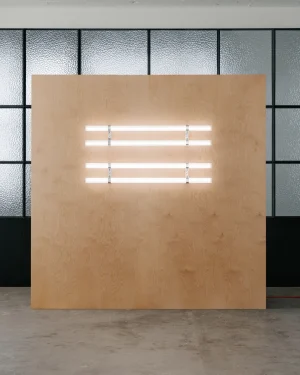
Collier S2 Pendant Lamp in Glass and Aluminum
By Darka
€1.700 -
 In stock
Root No. 3 Wall Sconce in Steel, Paper and Glass
By Natalie Dubrovska
€1.573 -
 In stock
Nova Wall Sconce in Blown Glass and Steel
By Ceren Gürkan
€700 -
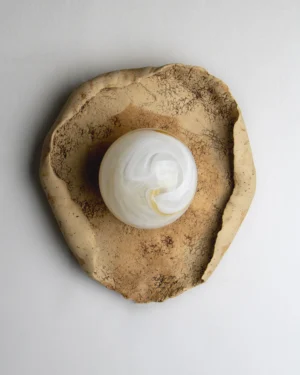 In stock
Asea No. 41 Pearl Wall Sconce in Stoneware and Blown Glass
By Ceren Gürkan
€1.000 -
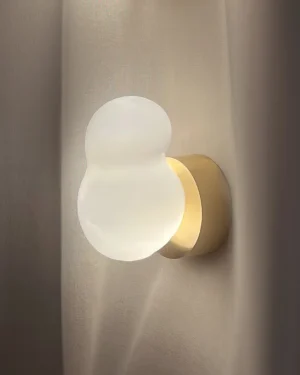
Vv Applique Wall Sconce in Brass and Blown Glass
By Clara Viladecans
€451 -
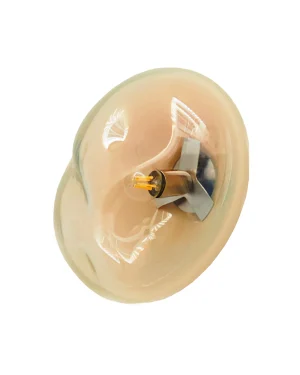
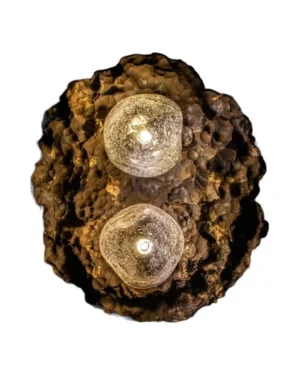
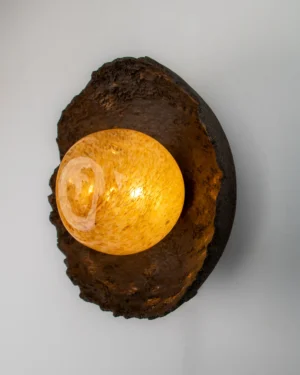
Haumea Amorph Wall Sconce In Amber Blown Glass
By ELOA - Unique Lights
€2.330 - €4.085 -
 In stock
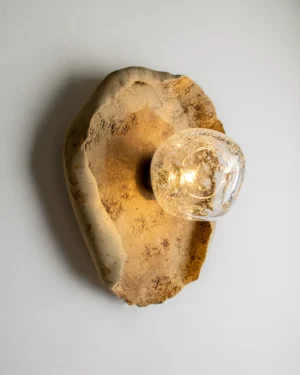
Asea No. 41 Wall Sconce in Stoneware and Blown Glass
By Ceren Gürkan
€1.000 -
 In stock
Herbarium Mini Lunaria Annua Wall Sconce In Glass And Plywood
By Mateusz Wappa
€1.200 -
 In stock
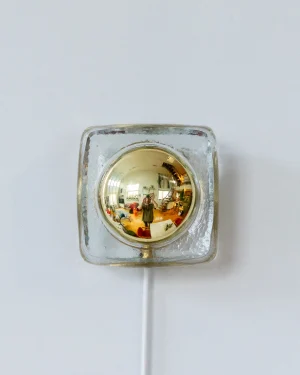
Starburst Wall Sconce in Brass and Blown Glass
By Voidfill Studio
€1.635 -
 In stock
Herbarium Mini Daucus Carota Wall Sconce In Glass And Plywood
By Mateusz Wappa
€1.200 -
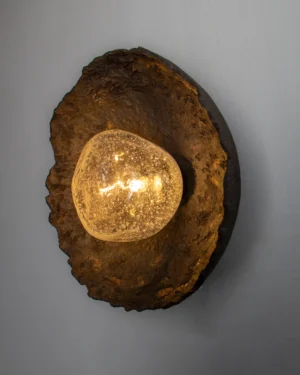
Asea No. 23 Dark Wall Sconce in Stoneware and Blown Glass
By Ceren Gürkan
€800 -
 In stock
Pearl Wall Lamp – Clay Sconce
By Dzovag Kotchian
€1.200 -
 In stock
Asea No. 26 Pink Wall Sconce in Stoneware and Blown Glass
By Ceren Gürkan
€1.000 -
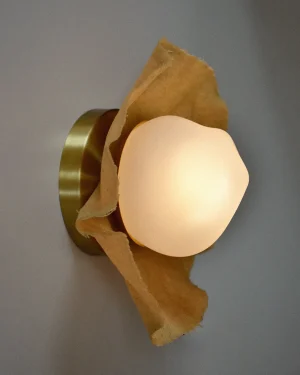 In stock
Liora I Wall Sconce in Glass and Brass
By Atelier Alz
€350 -
 In stock
Herbarium Eryngium Planum Wall Sconce In Glass And Plywood
By Mateusz Wappa
€2.000 -

Small Wall Sconce in Blown Glass and Brass
By Naama Hofman
€700 -
 In stock
Nova Blue Wall Sconce in Blown Glass and Steel
By Ceren Gürkan
€700 -
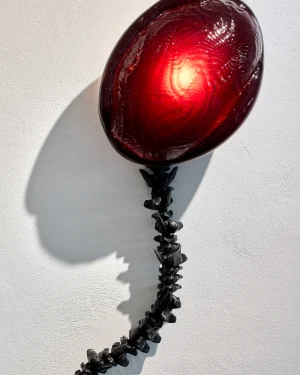 In stock
Dysplasio Wall Sconce in Blown Glass
By Anna Jožová
€2.000 - €3.300 -

Small Wall Sconce in Brass and Blown Glass
By Naama Hofman
€700 -
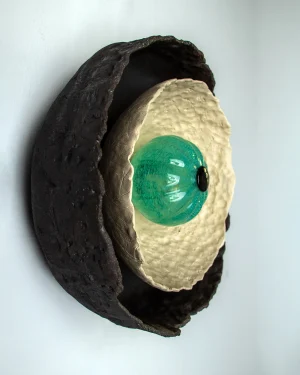 In stock
Asea No. 26 Eye Wall Sconce in Porcelain and Blown Glass
By Ceren Gürkan
€1.100 -

Rappel Wall Lamp in Glass and Aluminum
By Darka
€500 -
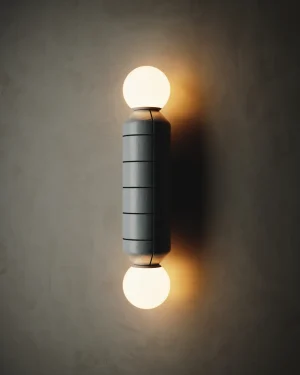 In stock
Navazi Wall Sconce in Glass and Ceramic
By SVITANOK
€1.130 - €1.260 -

Magnolia Blossom Wall Sconce in Blown Glass and Steel
By Toro Manifesto
€2.300 -
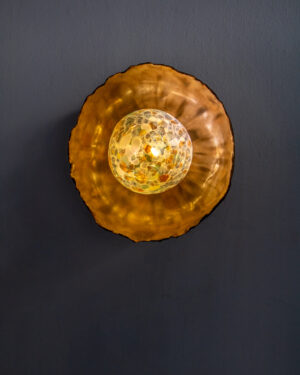 In stock
Asea No. 12 Sand Wall Sconce in Stoneware and Blown Glass
By Ceren Gürkan
€800 -
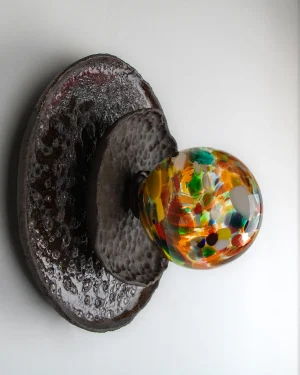 In stock
Asea No. 34 Wall Sconce in Stoneware and Blown Glass
By Ceren Gürkan
€1.000 -
 In stock
Asea No. 27 Blue Wall Sconce in Stoneware and Blown Glass
By Ceren Gürkan
€1.000 -
 In stock
Asea No. 35 Moss Wall Sconce in Stoneware and Blown Glass
By Ceren Gürkan
€1.200 -
 In stock
Herbarium Rumex Acetosa Wall Sconce In Glass And Plywood
By Mateusz Wappa
€2.000 -

Large Wall Sconce in Blown Glass and Brass
By Naama Hofman
€850 -
 In stock
Dahlia Blossom Wall Sconce in Blown Glass and Steel
By Toro Manifesto
€1.500 -
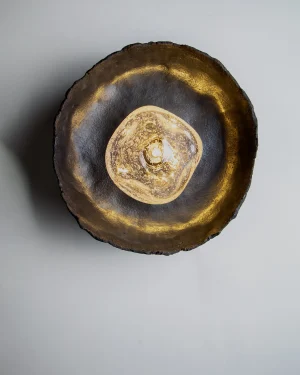 In stock
Asea No. 12 Wall Sconce In Stoneware And Blown Glass
By Ceren Gürkan
€800 -
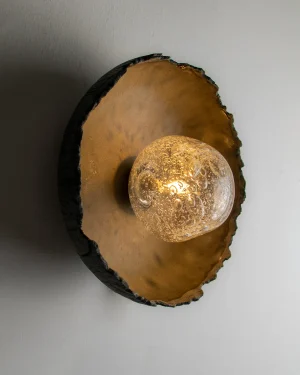
Asea No. 12 Moss Wall Sconce in Stoneware and Blown Glass
By Ceren Gürkan
€800 -

Double Wall Sconce in Brass and Blown Glass
By Naama Hofman
€1.150 -
 In stock
Cacao Blossom Wall Sconce in Blown Glass and Steel
By Toro Manifesto
€2.000 -
 In stock
Asea No. 35 Wall Sconce In Stoneware And Blown Glass
By Ceren Gürkan
€1.000 -
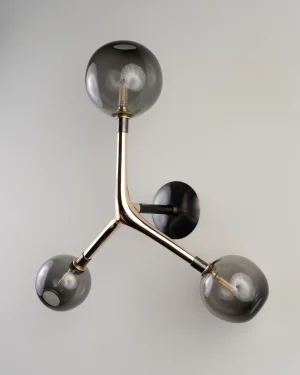
Ocellus Wall Sconce in Bronze and Blown Glass
By Isabel Moncada
€3.510 - €4.036 -
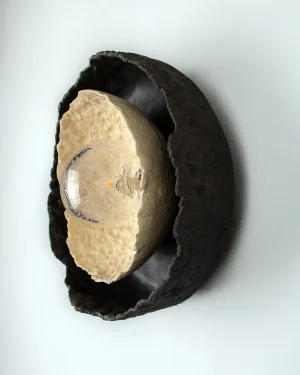 In stock
Asea No. 25 Wall Sconce in Porcelain and Blown Glass
By Ceren Gürkan
€1.100 -
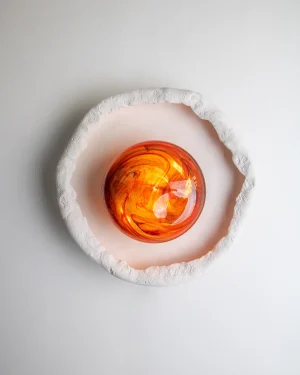 In stock
Asea No. 35 Wall Sconce in Porcelain and Blown Glass
By Ceren Gürkan
€1.200 -
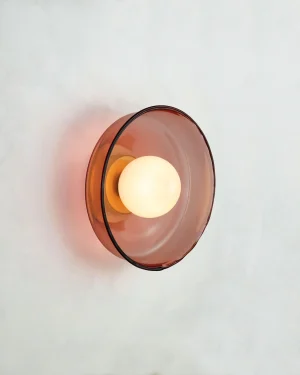
Large Wall Sconce in Brass and Blown Glass
By Naama Hofman
€850 -
 In stock
Herbarium Tanacetum Vulgare Wall Sconce In Glass And Plywood
By Mateusz Wappa
€2.000 -

Mayate Table Lamp in Glass
By Toro Manifesto
€3.750
Glass wall lamps gather daylight by day and scatter artificial light by night, their surfaces blown or cast by independent studios working with molten and cooled glass rather than turned out by factory molds. Some are shaped in a single breath of air against a pipe, others poured into a mold and left to set, and the method shows in the thickness of the wall and the way the light passes through it. What they share is a surface that never stays flat under light: it bends, pools, or diffuses it depending on how the glass was worked.
What defines glass as a lamp material
Glass is the one material in lighting that is also the shade. Where a steel or aluminum fixture wraps around a separate bulb and diffuser, a glass wall lamp often is the diffuser, so its thickness, color, and clarity decide how hard or soft the light lands on a wall. Clear glass throws a sharper pool and shows the bulb as a small bright point, while bubbled or tinted surfaces spread the same source into a wider, softer glow. Bronze and beige tones warm the light slightly as it passes through; black and smoked glass hold more of it back, giving a dimmer, more graphic shape.
The range of glass wall lamps on ADORNO
Glassblowing and glass casting are the two techniques behind most pieces, and both leave traces: blown glass tends to show faint ripples or a slightly uneven wall, while cast glass is denser and more even, with sharper edges where it met the mold. Color runs from clear and white through pink, beige, bronze and black, and finish ranges from a glossy, reflective skin to a matte one that scatters light rather than mirroring it. Editions vary by studio: some pieces are produced as open editions, others held to limited runs or made as unique, one-off pieces, so the glass itself is rarely repeated twice in exactly the same way.
How to choose a glass wall lamp
- For reading light beside a bed, choose a lamp that casts downward or sideways rather than straight out, so the glow lands on the page and not the eyes.
- For a corridor, a slimmer, evenly lit form spaced at intervals reads calmer than one oversized piece.
- For a mirror or artwork, a pair in clear or lightly tinted glass throws light without competing with what it is lighting.
Finish follows the same logic as paint or tile: clear and bronze tones suit rooms that already have warmth in their wood or brass, while white or black glass sits more neutrally against most wall colors.
Rooms and placement
Bedrooms benefit from glass wall lamps mounted at head height either side of the bed, freeing the nightstand for books rather than a lamp base. In a living room, a softer bubbled or tinted surface placed near seating gives ambient light without the glare of a bare bulb. Hallways take well to glass because the material reflects what little daylight reaches them, and a run of matching pieces (see hallway wall lamps) can mark a route through a dim space. For rooms where light needs to stay out of the way, pieces grouped under minimalist wall lamps keep the glass form quiet and the glow even.
Care
Glass does not fade, absorb odor or stain, so upkeep is mostly dusting with a dry or barely damp cloth; grease or fingerprints lift with a standard glass cleaner. Avoid sudden temperature swings near the fixture, such as cold air directly on hot glass, since rapid changes can stress a blown or cast surface over time. Beyond that, glass wall lamps hold up with little attention, which is part of why the material has stayed a standard choice for wall lighting.
For comparison, metal-bodied options sit under metal wall lamps, broader contemporary shapes under contemporary wall lamps, and the full range of wall lighting sits under wall lamps. Glass appears well beyond lighting too, across glass pieces on ADORNO and in smaller forms such as glass wall sconces.
How do I choose a glass wall lamp?
Match the glass to the light you want: clear surfaces throw a sharp pool and show the bulb, while bubbled or tinted glass spreads a softer, wider glow across the wall.
How do you clean and care for a glass wall lamp?
Dust with a dry or barely damp soft cloth, avoid ammonia-based cleaners that can dull the surface, and let the glass cool fully before wiping it after use.
What size glass wall lamp do I need?
Size depends on the wall and the task: smaller shades suit a reading nook or hallway, while larger blown or cast forms carry weight across a living room or stairwell.
How high should a glass wall lamp be mounted?
For general use, centers sit around eye level or slightly above, roughly 60 to 66 inches from the floor, though bedside pairs often sit lower, level with a seated head.
Which rooms suit glass wall lamps?
Bedrooms, hallways, and living rooms all take them well, anywhere a wall can hold light instead of a floor or ceiling fixture, including beside a mirror or painting.
What is ADORNO's shipping and return policy for glass wall lamps?
Shipping is insured and worldwide, with a 14-day return policy on all pieces except those made to order, and every piece arrives with a certificate of authenticity.