
-
 In stock
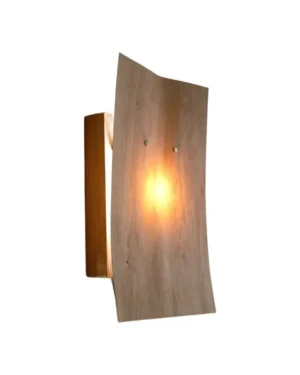
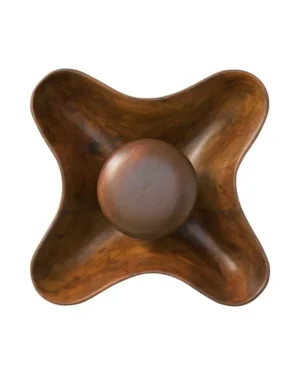
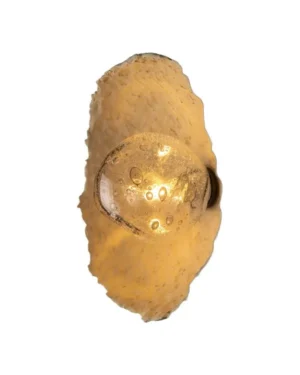
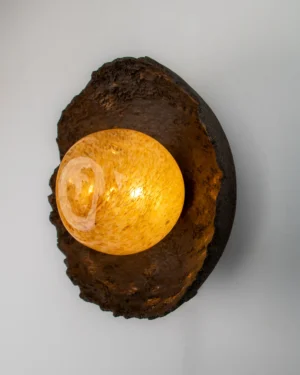
Asea No. 23 Dark Honey Wall Sconce in Stoneware and Glass
By Ceren Gürkan
€800 -
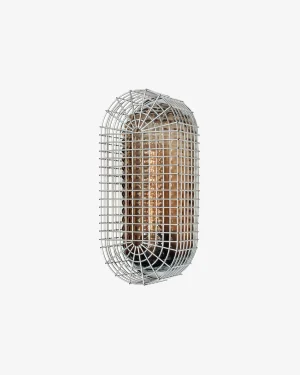
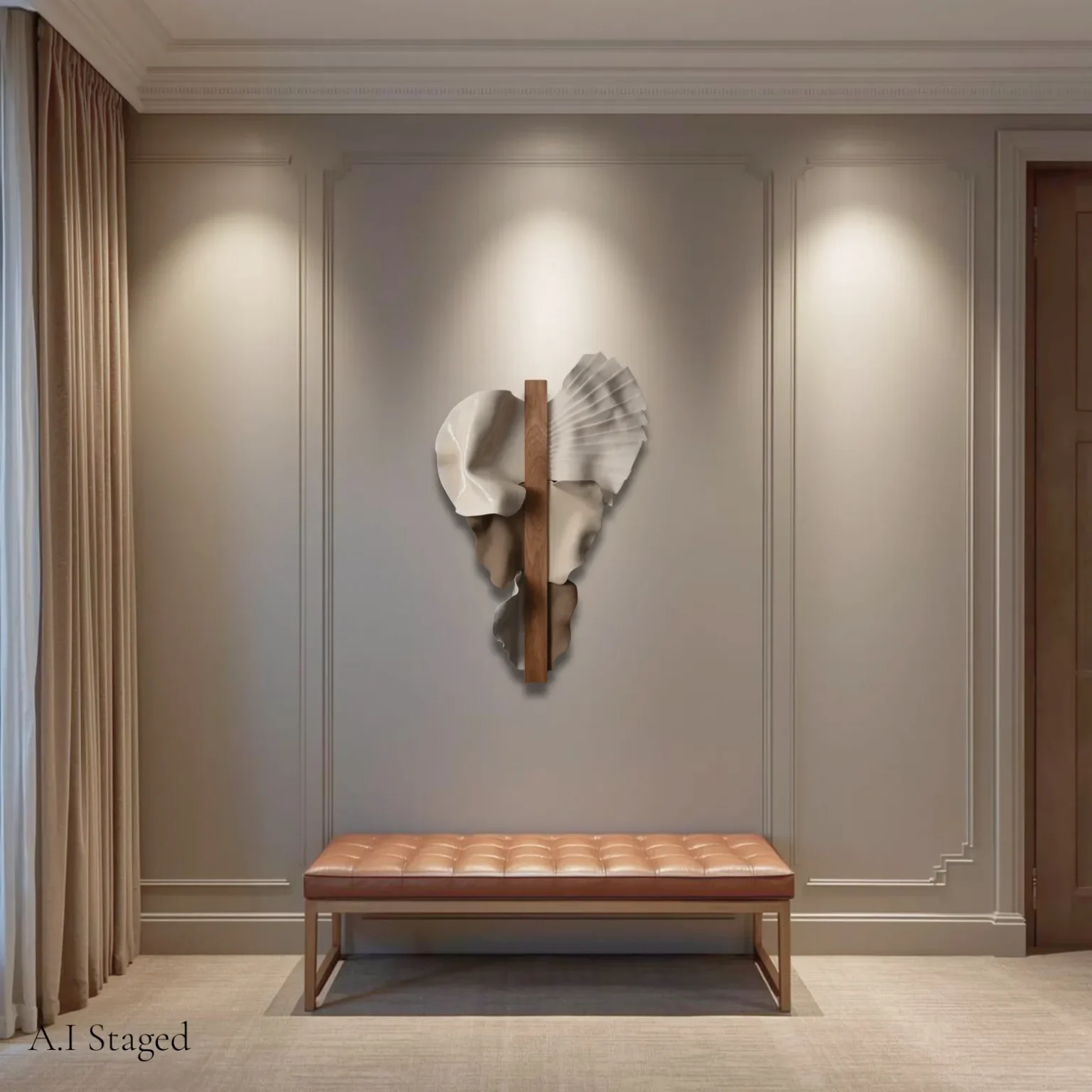
Chastity Wall Sconce In Stainless Steel And Handblown Glass
By Studio S II
€1.980 -
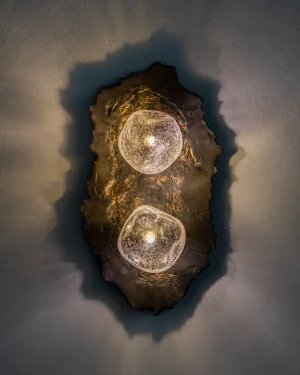 In stock
Asea No. 25 Wall Sconce In Blown Glass And Stoneware
By Ceren Gürkan
€1.100 -
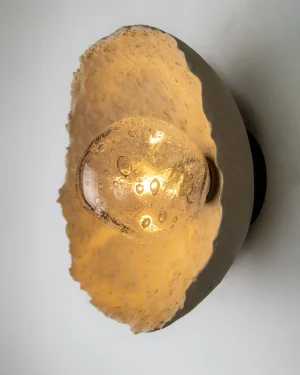
Asea No. 23 Wall Sconce In Stoneware And Blown Glass
By Ceren Gürkan
€800€680 -
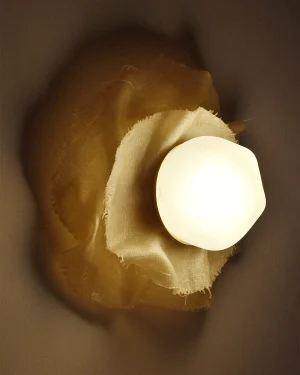
Liora II Wall Sconce in Glass, Brass and Fabric
By Atelier Alz
€350 -
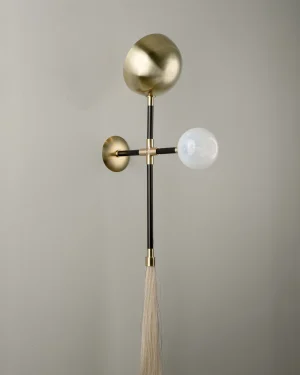
Gogo Wall Sconce in Brass, Blown Glass and Natural Fibers
By Isabel Moncada
€2.880 - €4.036 -
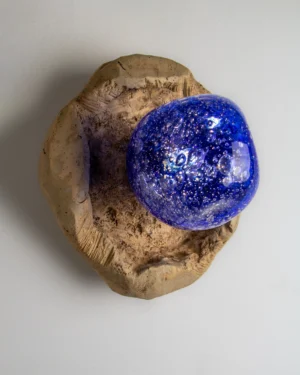 In stock
Asea No.13 Wall Sconce in Stoneware and Blown Glass
By Ceren Gürkan
€1.300 -
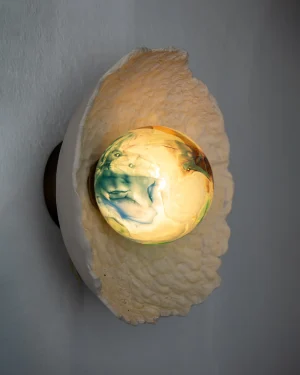 In stock
Asea No. 17 Wall Sconce In Stoneware And Blown Glass
By Ceren Gürkan
€900 -
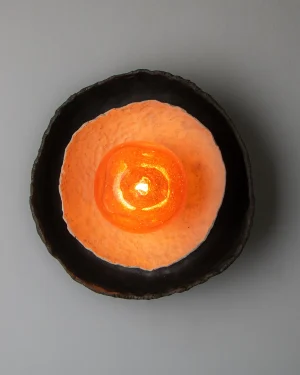
Asea No. 26 Red Wall Sconce in Blown Glass and Stoneware
By Ceren Gürkan
€1.100 -

Asea No.40 Wall Sconce In Stoneware And Blown Glass
By Ceren Gürkan
€1.200€1.020 -
 In stock
Asea No. 12 Green Wall Sconce In Stoneware And Blown Glass
By Ceren Gürkan
€800 -
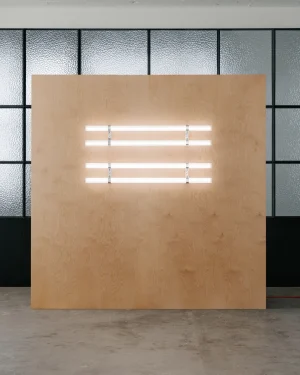
Collier S2 Pendant Lamp in Glass and Aluminum
By Darka
€1.700 -
 In stock
Asea No. 35 Wall Sconce In Stoneware And Blown Glass
By Ceren Gürkan
€1.000 -
 In stock
Root No. 3 Wall Sconce in Steel, Paper and Glass
By Natalie Dubrovska
€1.573 -
 In stock
Nova Wall Sconce in Blown Glass and Steel
By Ceren Gürkan
€700 -
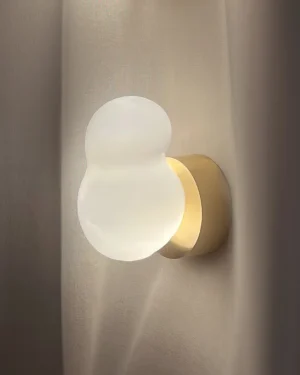
Vv Applique Wall Sconce in Brass and Blown Glass
By Clara Viladecans
€451 -

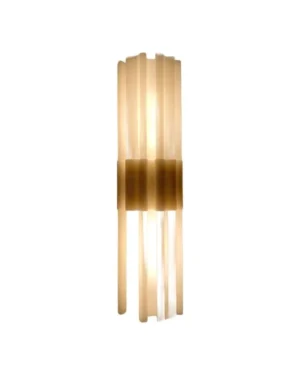
Collier S1 Wall Sconce in Glass and Aluminum
By Darka
€1.050 -
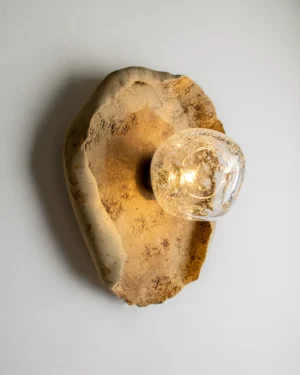 In stock
Asea No. 41 Wall Sconce in Stoneware and Blown Glass
By Ceren Gürkan
€1.000 -
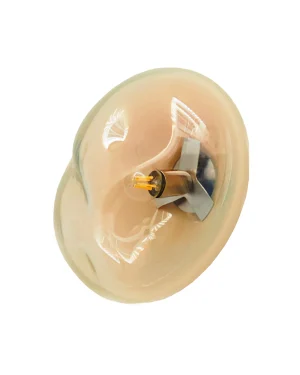
Haumea Amorph Wall Sconce In Amber Blown Glass
By ELOA - Unique Lights
€2.330 - €4.085 -
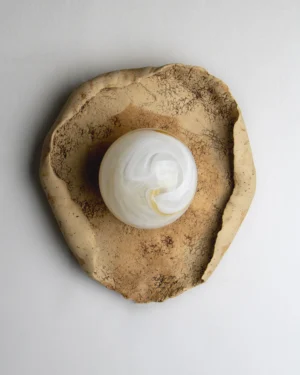 In stock
Asea No. 41 Pearl Wall Sconce in Stoneware and Blown Glass
By Ceren Gürkan
€1.000 -
 In stock
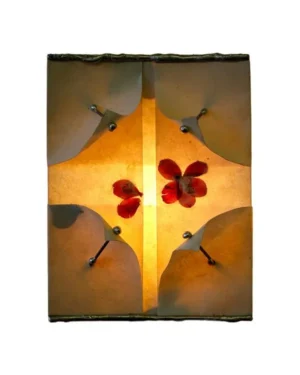
Herbarium Mini Lunaria Annua Wall Sconce In Glass And Plywood
By Mateusz Wappa
€1.200 -
 In stock
Herbarium Mini Daucus Carota Wall Sconce In Glass And Plywood
By Mateusz Wappa
€1.200 -
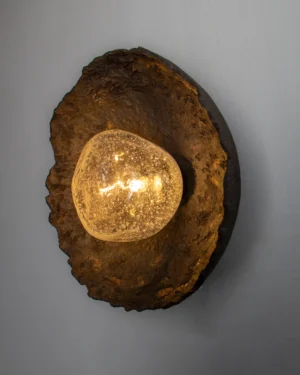
Asea No. 23 Dark Wall Sconce in Stoneware and Blown Glass
By Ceren Gürkan
€800 -
 In stock
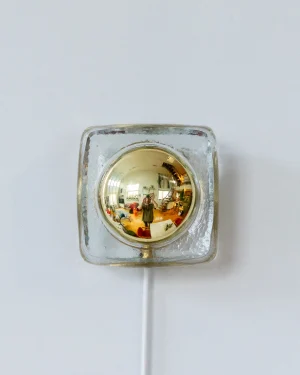
Starburst Wall Sconce in Brass and Blown Glass
By Voidfill Studio
€1.635 -
 In stock
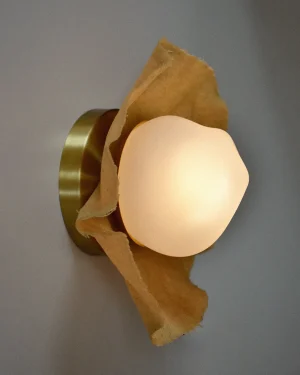
Liora I Wall Sconce in Glass and Brass
By Atelier Alz
€350 -
 In stock
Asea No. 26 Pink Wall Sconce in Stoneware and Blown Glass
By Ceren Gürkan
€1.000 -
 In stock
Pearl Wall Lamp – Clay Sconce
By Dzovag Kotchian
€1.200 -
 In stock
Herbarium Eryngium Planum Wall Sconce In Glass And Plywood
By Mateusz Wappa
€2.000 -

Small Wall Sconce in Blown Glass and Brass
By Naama Hofman
€700 -
 In stock
Nova Blue Wall Sconce in Blown Glass and Steel
By Ceren Gürkan
€700 -
 In stock
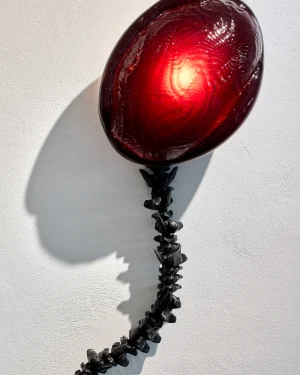
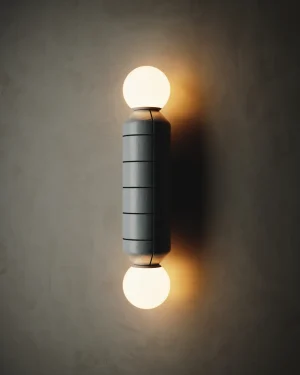
Dysplasio Wall Sconce in Blown Glass
By Anna Jožová
€2.000 - €3.300 -
 In stock
Navazi Wall Sconce in Glass and Ceramic
By SVITANOK
€1.130 - €1.260 -
 In stock
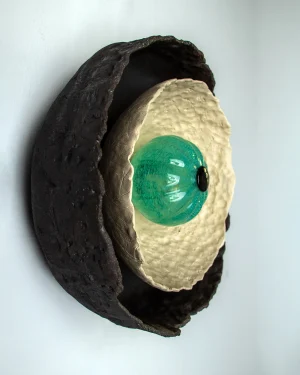
Asea No. 26 Eye Wall Sconce in Porcelain and Blown Glass
By Ceren Gürkan
€1.100 -

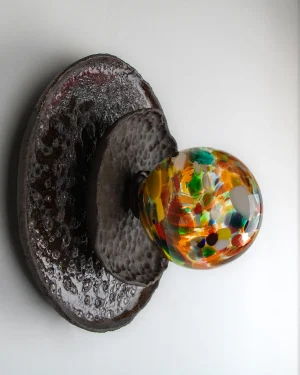
Small Wall Sconce in Brass and Blown Glass
By Naama Hofman
€700 -
 In stock
Asea No. 34 Wall Sconce in Stoneware and Blown Glass
By Ceren Gürkan
€1.000 -

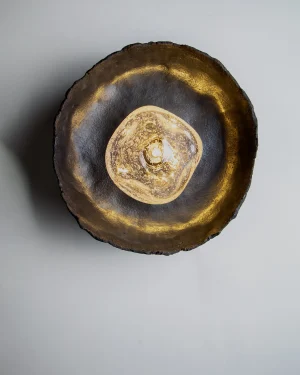
Magnolia Blossom Wall Sconce in Blown Glass and Steel
By Toro Manifesto
€2.300 -
 In stock
Asea No. 12 Wall Sconce In Stoneware And Blown Glass
By Ceren Gürkan
€800 -
 In stock
Asea No. 27 Blue Wall Sconce in Stoneware and Blown Glass
By Ceren Gürkan
€1.000 -
 In stock
Asea No. 35 Moss Wall Sconce in Stoneware and Blown Glass
By Ceren Gürkan
€1.200 -
 In stock
Herbarium Rumex Acetosa Wall Sconce In Glass And Plywood
By Mateusz Wappa
€2.000 -

Large Wall Sconce in Blown Glass and Brass
By Naama Hofman
€850 -
 In stock
Dahlia Blossom Wall Sconce in Blown Glass and Steel
By Toro Manifesto
€1.500 -
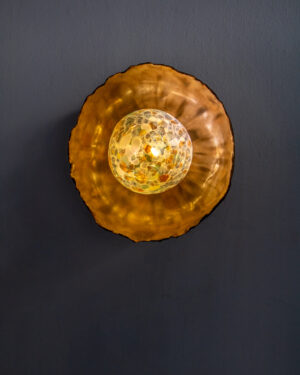 In stock
Asea No. 12 Sand Wall Sconce in Stoneware and Blown Glass
By Ceren Gürkan
€800 -
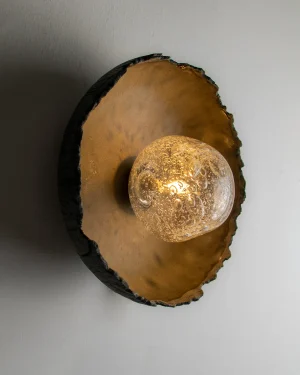
Asea No. 12 Moss Wall Sconce in Stoneware and Blown Glass
By Ceren Gürkan
€800 -

Double Wall Sconce in Brass and Blown Glass
By Naama Hofman
€1.150 -
 In stock
Cacao Blossom Wall Sconce in Blown Glass and Steel
By Toro Manifesto
€2.000 -
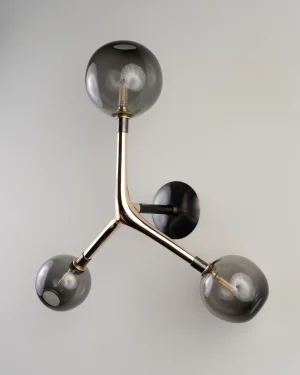
Ocellus Wall Sconce in Bronze and Blown Glass
By Isabel Moncada
€3.510 - €4.036 -
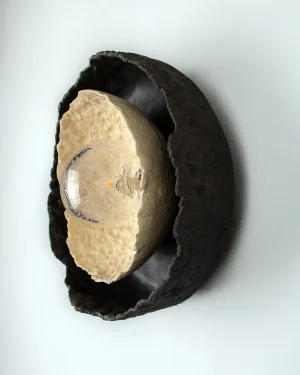 In stock
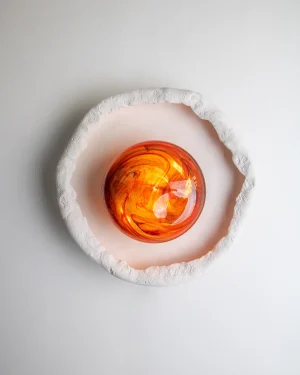
Asea No. 25 Wall Sconce in Porcelain and Blown Glass
By Ceren Gürkan
€1.100 -
 In stock
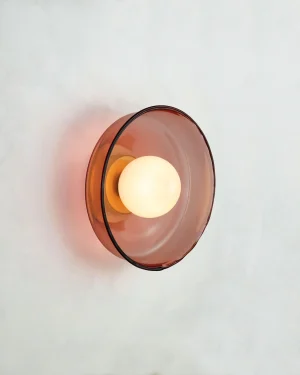
Asea No. 35 Wall Sconce in Porcelain and Blown Glass
By Ceren Gürkan
€1.200 -
Large Wall Sconce in Brass and Blown Glass
By Naama Hofman
€850 -
 In stock
Herbarium Tanacetum Vulgare Wall Sconce In Glass And Plywood
By Mateusz Wappa
€2.000 -

Mayate Table Lamp in Glass
By Toro Manifesto
€3.750 -

Ojos Wall Sconce in Bronze and Blown Glass
By Isabel Moncada
€2.925 - €3.363 -

Haumea Amorph Wall Sconce In Silver Blown Glass
By ELOA - Unique Lights
€2.330 - €4.085
Glass wall sconces turn a wired fixture into a small study of light itself, the glass taking a flame or current and giving back a glow instead of a glare. Studios working in this material shape it by hand over a blowpipe, press it into molds, or cast it in thick slabs, often fitting it to frames of brass, steel or aluminum. The result sits flush or just proud of the wall, reading as sculpture by day and as light by night.
How glass carries and shapes light
Where a ceramic or textile shade absorbs light and lets only a portion through, glass transmits it, so a sconce in this material tends to throw a wider, softer pool across plaster than its stoneware or metal equivalents. Clear glass scatters the bulb's light directly; textured or cast surfaces diffuse it into an even wash; bronze or beige-tinted glass warms it further, taking the edge off a bright LED. Black glass behaves differently again, reading as a dark, almost opaque object until it is lit, then opening into a narrow glow.
Blown and cast, the ways these pieces are made
Glassblowing remains the most common technique behind the glass wall sconces found here, each piece gathered and shaped while still molten, which means no two surfaces catch light in quite the same way even within a single run. Glass casting produces a heavier, more sculptural result, better suited to geometric or architectural forms that hold their line. Many studios pair the glass body with a base or arm in brass, steel or aluminum, worked through standard metalworking or metal casting, so the fixture reads as two materials in conversation rather than one.
Editions vary by studio and by technique. Hand-blown work is often produced in open or limited runs, since no two pieces come out of the furnace identical, while cast or molded glass can appear as a steadier open edition. Where a studio offers a one-off, the irregularity in the glass itself, a bubble, a slight asymmetry, is usually the point rather than a flaw.
Choosing a glass sconce for scale, height and finish
Scale matters more with glass than with most other sconce materials, since a shade that is too large next to a mirror or headboard can throw uneven shadow instead of even light. A general guide for eye-level mounting puts the center of the fixture around sixty to sixty-five inches from the floor, though a sconce flanking a mirror or artwork should follow the object it frames rather than that rule. Finish decides how much of the room the light reaches: clear glass for a brighter, more directional throw, tinted or cast glass where a softer, ambient wash is wanted.
- Clear or lightly tinted glass for reading light beside a bed or a chair
- Beige, amber or olive glass for ambient, low-contrast lighting in a hallway or entry
- Black or heavily textured glass as a daytime object as much as a light source
Where glass sconces work in a home
Because they project light outward rather than down, glass wall sconces suit rooms where floor and tabletop space is already spoken for. They flank mirrors and headboards well in a bedroom, line a corridor without narrowing it the way a floor lamp would in a hallway, and mark an entryway the moment a door opens. In a living room, a pair either side of a sofa or fireplace does the work a table lamp would otherwise do, minus the surface it would need to stand on. Styles run from the pared-back lines favored in a contemporary room to the warmer, textured glass that suits a coastal or wabi-sabi interior.
Caring for glass wall sconces
For the wider range of forms this material takes beyond lighting, see every glass piece on ADORNO, or move across to glass wall lamps for shapes that sit further from the wall. Within sconces more broadly, the full range of materials and forms is gathered under wall sconces, while room-specific selections for the bedroom, the hallway and contemporary interiors narrow things further for a particular room or line.
How do I choose a glass wall sconce?
Match the glass finish to the light you want: clear glass scatters a direct beam, textured or cast glass diffuses it evenly, and tinted or black glass softens or narrows the glow.
How do you clean and care for a glass wall sconce?
Dust with a dry or barely damp cloth and avoid ammonia-based cleaners, which can dull the surface. Let the glass cool before cleaning if the sconce has been on.
What size and height should a glass wall sconce be?
Most sit at eye level, roughly five to six feet from the floor, though hallway and bedside placements often sit lower for a tighter pool of light. A maker can confirm exact dimensions through Chat with the maker on the piece's page.
Which rooms suit glass wall sconces best?
Hallways, bedrooms, living rooms and entryways all suit them, since the glass throws a soft wash across plaster rather than a direct beam down onto a surface.
Are glass wall sconces hand-blown or cast, and does that matter?
Blown glass is gathered and shaped while molten, so no two surfaces catch light quite the same way. Cast glass is heavier and better suited to geometric, architectural forms.
What are ADORNO's shipping, returns and authenticity policies?
Shipping is insured and worldwide. Returns are accepted within 14 days, except for made-to-order pieces, and each piece arrives with a certificate of authenticity.