

-

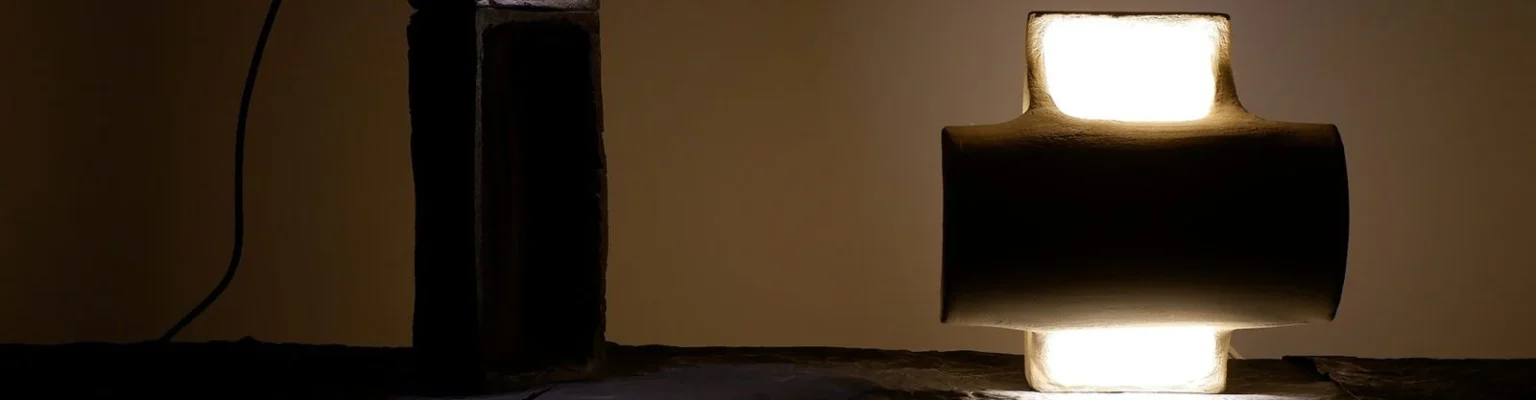
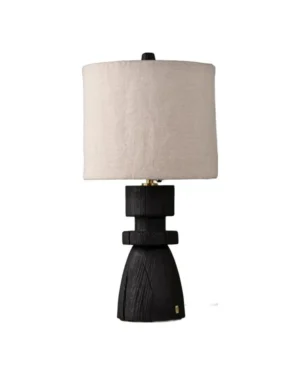
Coral Lamp – Clay Table Lamp
By Dzovag Kotchian
€900 -
 In stock
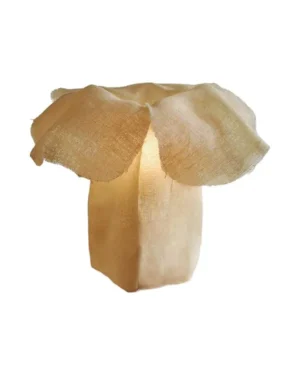
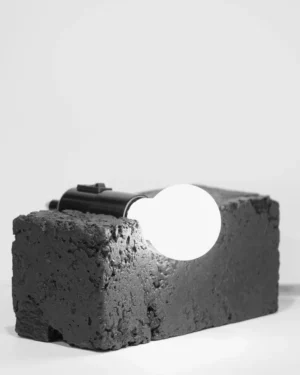
Cofit-20 Table Lamp In Coal Concrete
By Atelier Haute Cuisine
€380 -

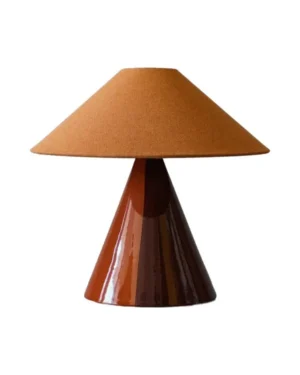
Ombrellina Table Lamp in Earthenware
By mattina moderna
€655 -
 In stock
Caterina Table Lamp in Earthenware
By mattina moderna
€585 -
 In stock
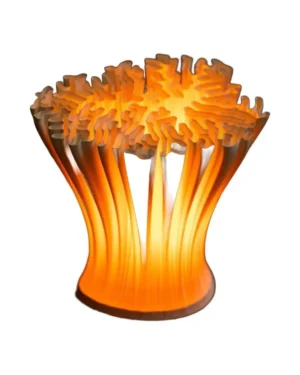
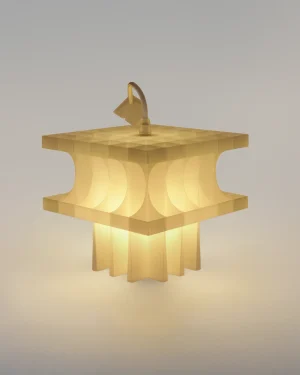
Citadel Small Table Lamp In 3d Printed Pla
By Ultramar Studio
€850 -

Rakis Lite Table Lamp – Black Stoneware Ceramic
By Catalin Filip
€455 -

Pendulū Table Lamp In Ceramics And Gold-leaf
By Catalin Filip
€950 -
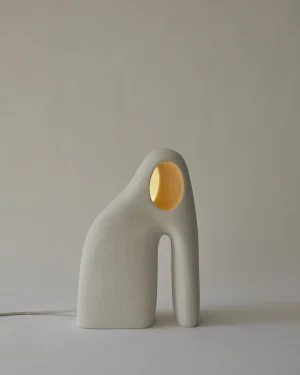
Nomad Ⅱ:02 Table Lamp in Stoneware
By SK - Sofia Karnukaeva
€2.480 -

Nomad Ⅱ:09 Table Lamp in Ceramics and Stoneware
By SK - Sofia Karnukaeva
€2.780 -
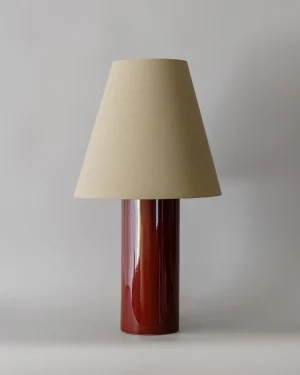
Giro Table Lamp in Ceramics and Cotton
By mattina moderna
€495 -
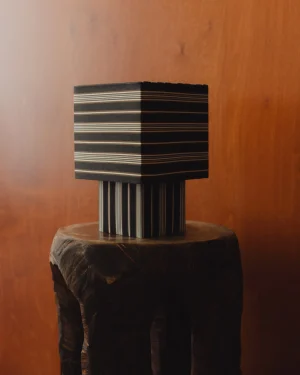
La Petite Boîte Cameron Black Table Lamp in Cotton
By mattina moderna
€285 -
 In stock
La Bergère Table Lamp In Glazed Ceramic
By Mina Wright
€686 -

El Joyero De Odette Table Lamp In Stoneware
By Mina Wright
€810€689 -
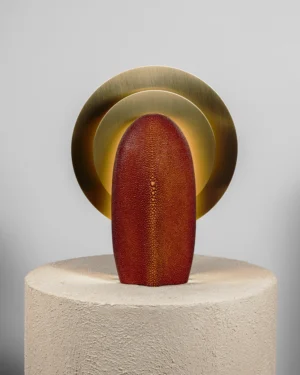
Mother of the Light Cognac Table Lamp in Galuchat and Brass
By PALUCKI Studio
€3.500 -
 In stock
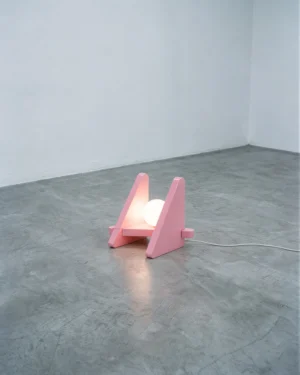
La Lampe Table Lamp in Wood
By Olive®
€325 -
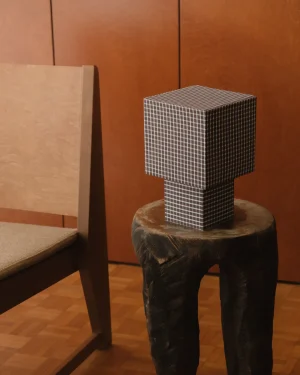
La Petite Boîte Table Lamp in Tartan Cotton
By mattina moderna
€285 -

Rakis Lite – Table Lamp In White Stoneware
By Catalin Filip
€455 -

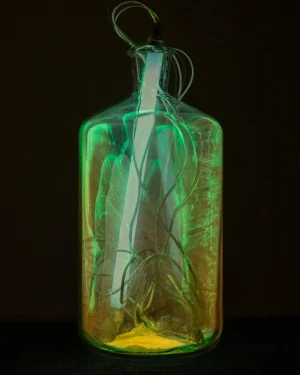
In Between Table Lamp in Ornamental Glass
By please touch studio
€1.500 -
 In stock
Äther Lucifer
By TUNK I Busra Tunc
€500 -
 In stock
Lampe De Table Gavrinis En Chêne Massif
By Vital Lainé
€1.200 -
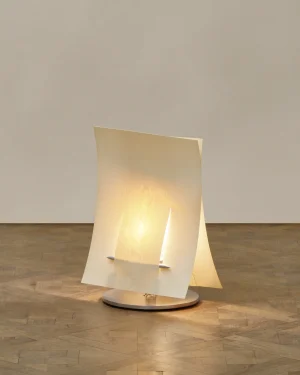
Soft Ply Table Lamp Series in Wood and Aluminum
By Sheyang Li
€785 -
 In stock
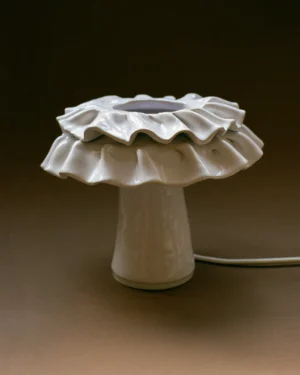
Lulu Table Lamp In Stoneware
By Mina Wright
€670 -
 In stock
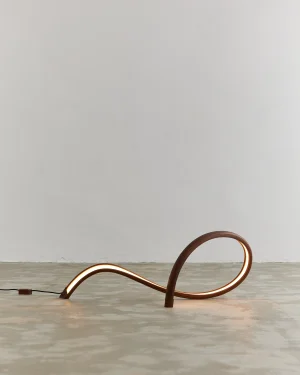
Maré Table Lamp in Walnut Wood
By Poémia
€3.600 -

My Stone Flower Ii Ceramic Table Lamp
By Katia Langeard
€1.000 -

Moon Sixteen – Alabaster Table Lamp
By A.D.U. Studios
€1.240 -
 In stock
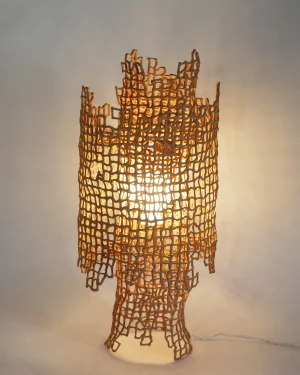
Présence Table Lamp In Oak And Brass
By Vital Lainé
€1.500 -
 In stock
Coral Lamp – Clay Table Lamp (big)
By Dzovag Kotchian
€2.600 -
 In stock
Parabanda Table Lamp in Aqua Green Terrazzo
By Pierre Klein
€750 -
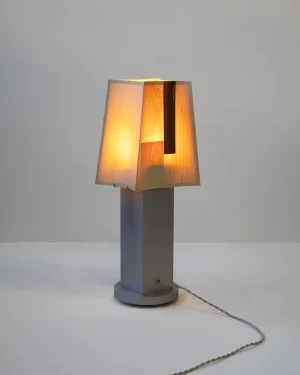
Soft Ply Table Lamp in Birch, Willow and Aluminum
By Sheyang Li
€1.000 -

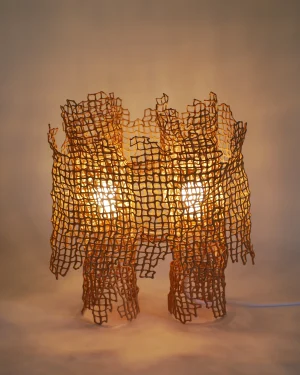
Pyramid Lamp – Clay Table Lamp
By Dzovag Kotchian
€1.500 -
 In stock
Coral Lamp Duo – Clay Table Lamp
By Dzovag Kotchian
€1.400 -
 In stock
Jag Ville Blive Table Lamp in Stainless Steel
By Sara Sjöbäck
€1.600 -

Mayate Table Lamp in Glass
By Toro Manifesto
€3.750 -
 In stock
Ipe Table Lamp In Steel
By SOLMISTUDIO
€2.500 -
 In stock
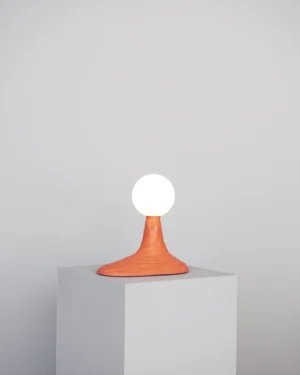
Cumulo Table Lamp in Aluminum and White Glass
By Valentine Maurice
€1.400 -
Baker’s Lamp Large Table Lamp in Jesmonite
By FARG & BLANCHE
€560 -
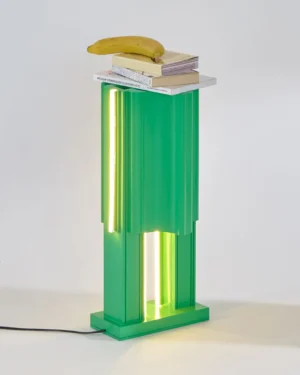
Cornice Supreme No. 2 Table Lamp in Polyurethane
By Teresa Fernández-Pello
€1.986 -
 In stock
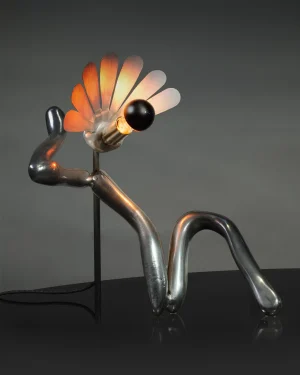
The Voguing Lamp 1 Table Lamp in Aluminum
By BY JAMPS
€3.000 -

Barbell Table Lamp 2.0 In Brass And Alabaster
By Nama Home
€4.705 -

Tap Table Lamp in Brass and Acrylic
By Nama Home
€3.505 -

Canyon Lamp
By Katia Langeard
-
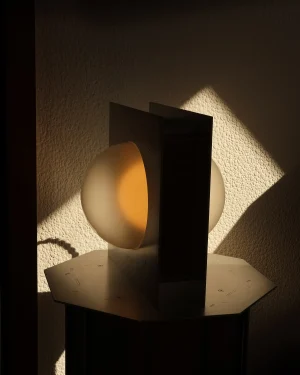
Event Horizon Table Lamp in Aluminum
By BUREAU OF ENTROPY
Price Upon Request -
 Sold
Sentry Light Sculpture Table Lamp in Resin
By Ultramar Studio
Price Upon Request -
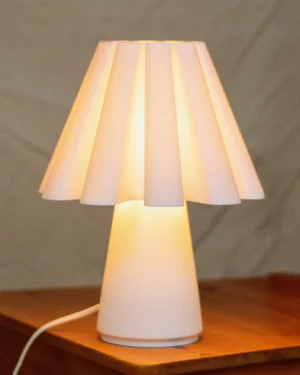
Ruff Table Lamp In Recycled Pla
By Mina Wright
€238 -
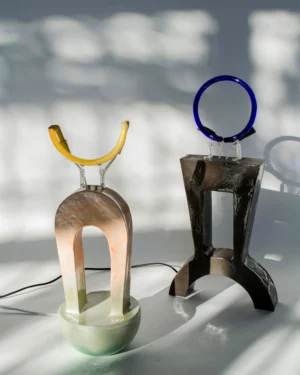 In stock
Synkro Table Lamp in Stoneware
By UAU Studio
€1.500 -
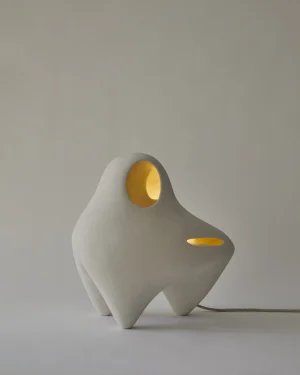 In stock
Nomad II:03 Table Lamp in White Stoneware
By SK - Sofia Karnukaeva
€2.480 -
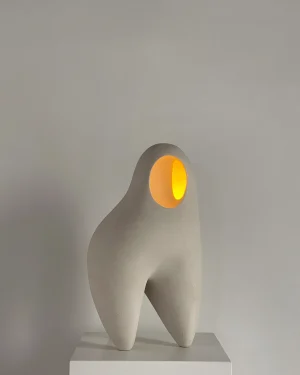 In stock
Nomad II:08 Table Lamp in White Stoneware
By SK - Sofia Karnukaeva
€2.480 -
 Sold
Collectible Table Lamp ‘tintin’ in Tin
By Studio Fabius Clovis
Price Upon Request -
 Sold
La Petite Boîte Table Lamp in Polka Dot Cotton
By mattina moderna
€285 -

Baker’s Lamp Table Lamp in Jesmonite
By FARG & BLANCHE
€240
Limited edition table lamps bring together small runs and one-off forms, each base shaped by a single studio rather than repeated on a factory line. Independent makers working in clay, stoneware and sculpted metal build these lamps piece by piece, so a pooled glaze, a hand-painted mark or the texture of a hand-formed surface varies from one lamp to the next within the same run. What holds the group together is process — hand-building, glazing, sculpting, metalwork — more than any single look.
Materials and techniques behind these lamps
Clay and stoneware make up much of what appears among limited edition table lamps, fired in earthenware bodies and finished with glazes that pool and break differently depending on how thick they're applied and how hot the kiln runs. A glaze can sit matte and chalky or pull toward gloss where it gathers near a base or rim, and no two firings behave quite the same way. Steel and other sculpted metals turn up alongside ceramic, usually worked by hand rather than cast in volume, which leaves faint tool marks and asymmetries that a machined surface would not show.
Technique shapes the final object as much as material does. Hand-building and sculpting give stoneware forms their weight and slight irregularity, hand painting adds marks that don't repeat exactly across a run, and some studios now bring 3D printing and digital fabrication into the process, shaping PLA or other polymers into forms that clay or metal can't hold on their own. Textilework shades, built from cotton and similar fibers, soften the light these lamps throw and add a second material against a ceramic or metal base.
Color and finish to expect
How to choose one for a room
Scale matters more than it first appears: a lamp on a side or console table reads differently than one meant for a desk, so check the base's footprint and the finished height against the surface it will sit on before anything else. A heavier stoneware or metal base sits low and stable, which suits a narrow console, while a taller, lighter form works better on a wider surface where it won't look crowded.
- Match the glaze or metal finish to what's already in the room — warm brass and bronze against wood, black or white glaze against lighter surfaces.
- Consider the shade material: textile softens and diffuses light, while an open ceramic or metal form throws a more direct glow.
- Leave room around the base so a hand-built or sculpted surface can be seen, not just used.
Limited edition table lamps suit a living room side table or console as easily as a desk or nightstand, since the lamp does its work without any fixed wiring and can move between rooms as needs change. A living room table lamp often carries more visual weight, placed where it's seen across a room, while a bedroom table lamp tends to sit closer at hand and lower, suited to softer, more direct light.
Caring for ceramic, stoneware and metal lamps
Glazed ceramic and stoneware resist water on the surface but can still crack if knocked or exposed to sudden temperature change, so keep them away from direct heat sources and handle the base rather than any narrow neck. Wipe glazed surfaces with a dry or barely damp cloth; abrasive cleaners will dull a glaze over time. Hand-formed metal bases develop a patina as they age — brass dulls, steel can show fine marks — which is part of how the material behaves rather than a fault, though a light wax or polish will slow the change if a brighter finish is preferred.
For a broader view of sculpted and small-run lighting, the full range of table lamps spans far beyond limited runs, while limited edition lamps extends the same approach to floor and pendant forms. Those drawn to worked metal specifically can look through metal table lamps for bases built from steel, brass and other sculpted alloys.
How do I choose a limited edition table lamp?
Start with the base material, since clay, stoneware or sculpted metal each carry light and weight differently. Then match scale and tone to the surface it will sit on, as finishes vary lamp to lamp within the same run.
How do you care for a ceramic or stoneware table lamp?
Dust glazed surfaces with a dry or barely damp cloth, since standing water can dull a glaze or seep into unglazed clay. Keep stoneware bases away from sudden temperature swings, which can stress the fired body.
What size table lamp should I choose for my space?
A table lamp generally sits with its shade at or just below eye level when seated nearby, keeping light out of direct view. For exact dimensions on a specific piece, chat with the maker on its page.
Which rooms suit a limited edition table lamp?
A hand-built or glazed lamp holds its own on a console, sideboard or nightstand, anywhere its texture and color sit close enough to be noticed. Living rooms and bedrooms are the most common settings.
Can I order a custom finish or color for a limited edition lamp?
Some studios take custom requests on glaze, color or finish, though this varies by maker and run. Chat with the maker on the piece's page to confirm what is possible.
What are ADORNO's shipping, returns and authenticity policies?
Shipping is insured and worldwide, with a 14-day return policy that excludes made-to-order pieces. Every lamp arrives with a certificate of authenticity, backed by a lowest-price guarantee.