
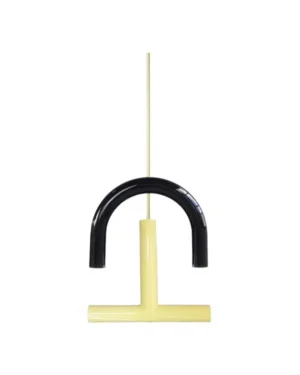
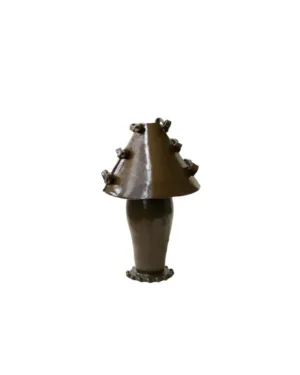
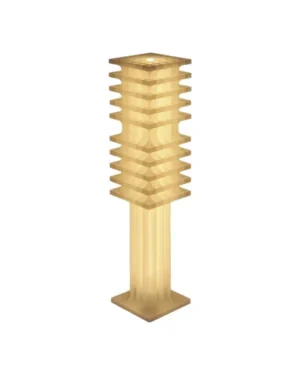
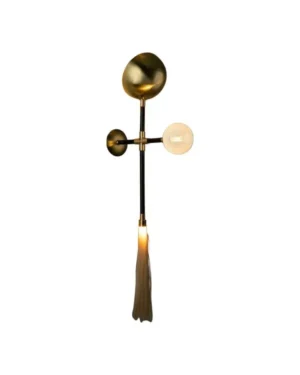
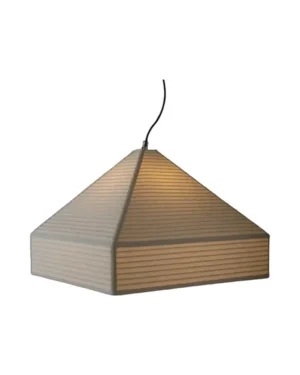
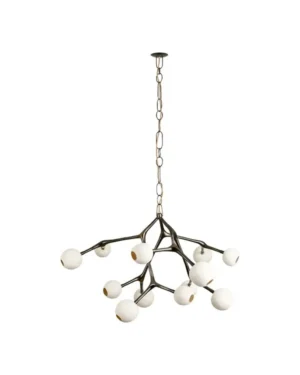
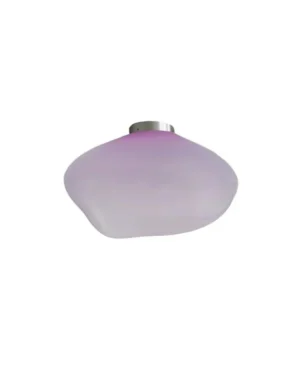


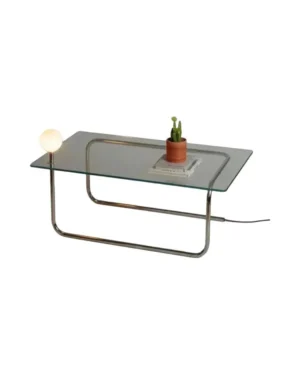

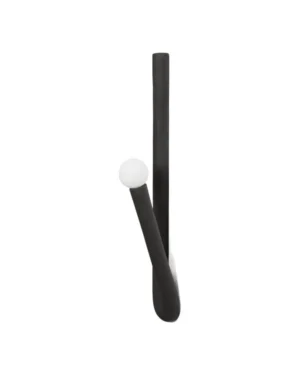
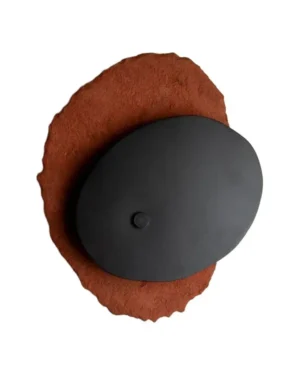
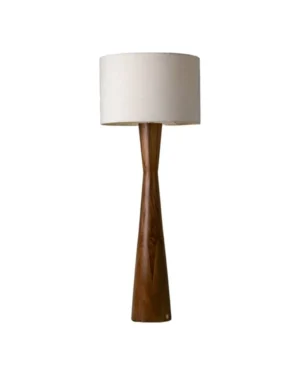

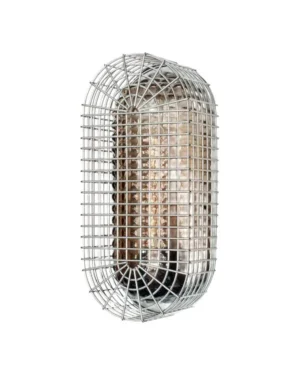

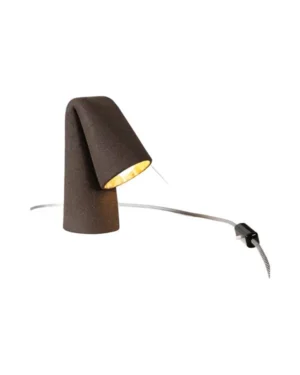
-
 In stock
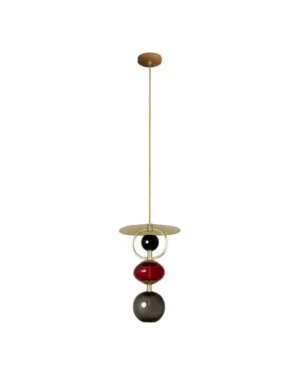
Ines Ceiling Lamp in Blown Glass And Brass
By Clara Viladecans
€550 -
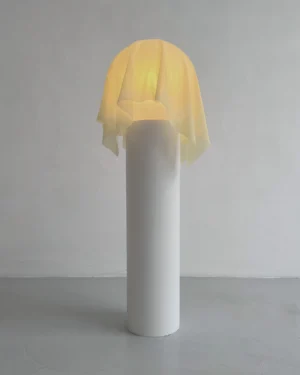 In stock
Carnmarina Floor Lamp In Plastics
By Pierre Klein
€1.500 -

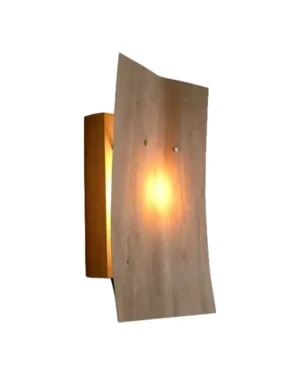
Peaceful Intuition 2.0 Floor Lamp in MDF
By Studio Fabius Clovis
€1.819 -
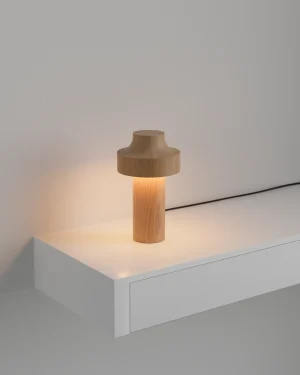 In stock
Monolith Table Lamp in Mexican Red Oak
By Sergio Enríquez Industrial Design Office
€800 -
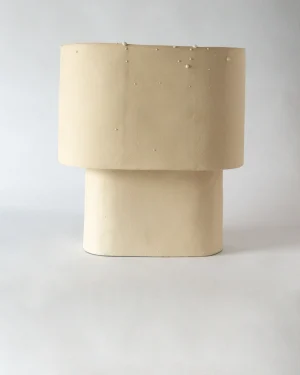 In stock
Lampe Beige Large Table Lamp in Glazed Stoneware
By Huillet Lucas
€1.900 -
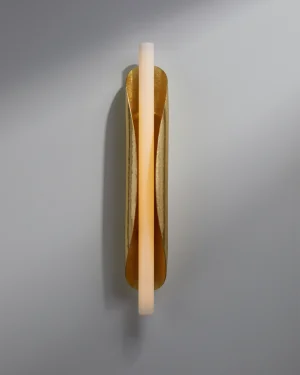 In stock
Taco De Luz 50cm Wall Sconce in Satin Brass
By Studio Aristotelis Barakos
€1.250 -
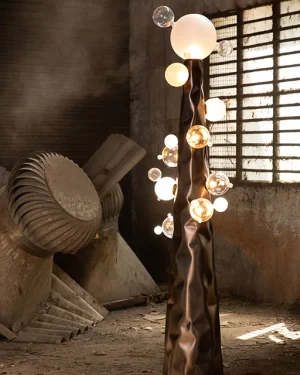 In stock
Molecule Floor Lamp in Stainless Steel and Blown Glass
By Nitush and Aroosh
€4.850 -
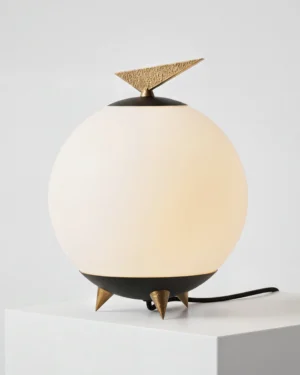 In stock
Eoni Table Lamp In Steel, Brass And White Glass
By Balance Lamp
€410 -
 In stock
Mini Sombrilla Wall Sconce in 3D Printed PLA
By Studio Parenthesis
€330 -
 In stock
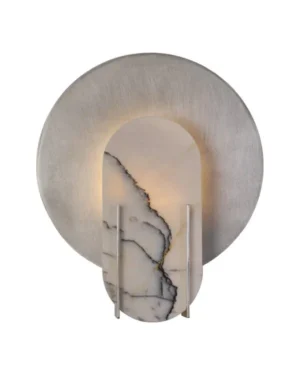
Sigil Tower Floor Lamp in Stainless Steel and Alabaster
By Nitush and Aroosh
€4.150 -
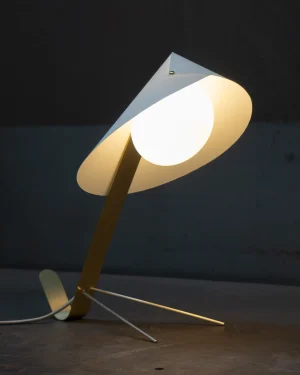
Mantis Table Lamp in Layered Paper and Brass
By MESEME by Riya Panchal
€405 -
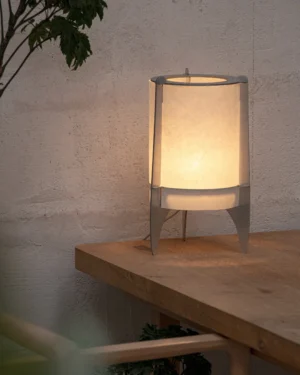 In stock
Capsule Table Lamp in Aluminum and Washi Paper
By Valentine Maurice
€1.200 -
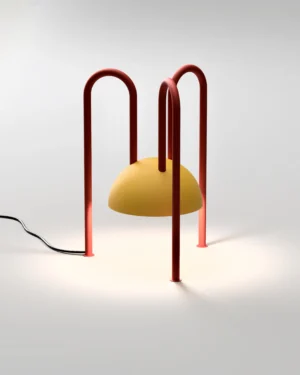 In stock
Allugi Table Lamp In Steel
By Balance Lamp
€450 -
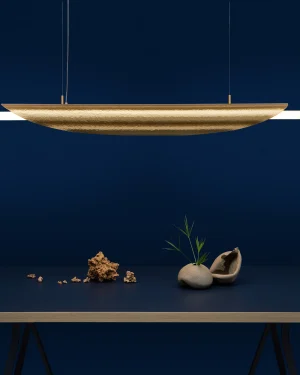 In stock
Taco De Luz Satin Brass Pendant Lamp in Brass
By Studio Aristotelis Barakos
€5.400 -
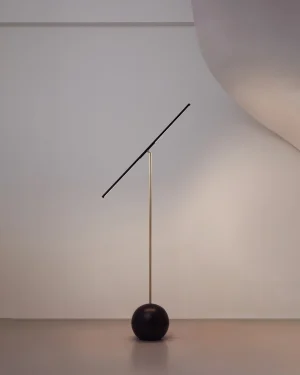 In stock
T-Lamp Floor Lamp in Aluminum, Brass and Oak Wood
By HEAKO
€3.850 -
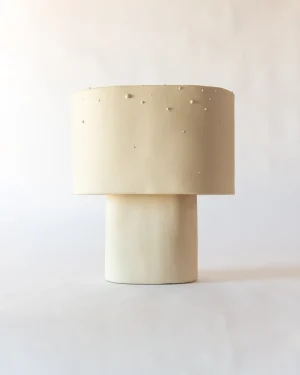
Lampe Beige Medium Table Lamp in Glazed Stoneware
By Huillet Lucas
€1.300 -
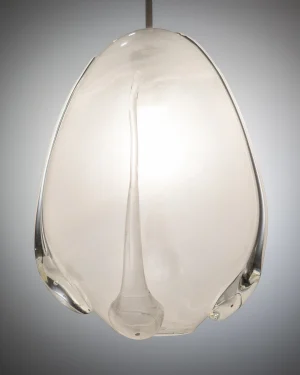
Glass Drops Frosty White Pendant Lamp in Blown Glass
By Georgiev Kiril
€1.300 -
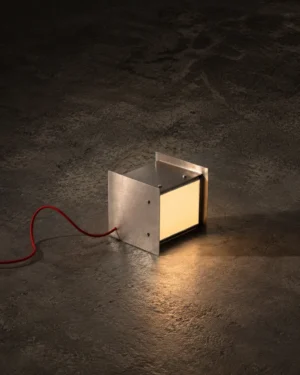
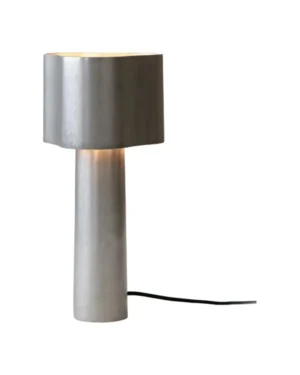
Sen S – Lamp In Stainless Steel
By SABAN FURKAN
€1.800 -
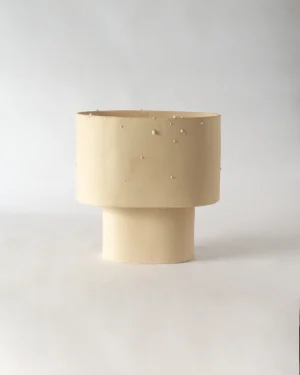 In stock
Lampe Beige Small Table Lamp in Glazed Stoneware
By Huillet Lucas
€1.100 -
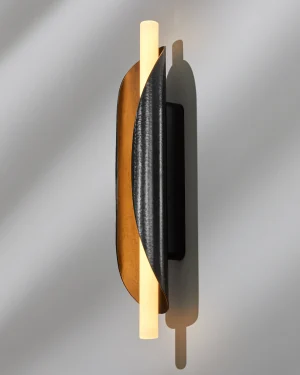 In stock
Taco De Luz 50cm Wall Sconce in Black Patinated Brass
By Studio Aristotelis Barakos
€1.300 -

Sen – Lamp In Stainless Steel
By SABAN FURKAN
€2.800
Matte lamps bring together ceramic, glass and metal surfaces that have been worked, glazed or sandblasted so they absorb light rather than reflect it. Independent studios reach this finish through different routes: a stoneware glaze fired to a dry, chalky result, a blown glass globe with a softened surface, a metal shade brushed until the shine is gone. The common thread is restraint — a surface built to hold attention without competing for it.
What gives a lamp its matte character
Matte is less a color than a way a surface meets light. On stoneware and white stoneware, it comes from the glaze recipe and the kiln temperature, leaving a body that feels closer to stone or chalk than to glass. On brass, steel and aluminum, matte is usually the last step after the metal is formed — a bead-blasted or lacquered finish that replaces the tell-tale sheen of polished metal with something quieter.
Because none of these surfaces throw hard reflections, matte lamps tend to look calm from most angles and in most light, daytime or after dark. The trade-off is that fingerprints and dust show differently than on gloss: less as smears, more as a change in the surface's texture.
The materials, techniques and editions found here
Within lamps finished matte, the range runs across stoneware and white stoneware worked by hand-building or glazing, blown glass shaped through glassblowing, and metal bodies in brass, steel or aluminum formed by metalwork or, increasingly, by digital fabrication and CNC milling. Styles span contemporary and minimalist forms through to Art Deco curves, Mid-Century Modern proportions, neo-industrial fixtures and the irregular, wabi-sabi edge of hand-built ceramic. Editions vary by studio: some pieces are produced in open runs, others as limited editions or as one-offs that will not be repeated once sold.
How to choose a matte lamp
Start with scale relative to the surface it will sit on: a table lamp should sit low enough that its shade falls below eye level when seated, while a floor lamp needs enough height to clear the furniture around it without looming over it. Finish matters as much as form — a pale stoneware base reads differently next to light oak than a dark bronze-toned metal body would, so matching or deliberately contrasting the lamp's finish with nearby wood, textile or wall color is worth doing before anything else.
- For reading or task use, choose a shade shape and height that directs light downward onto a surface rather than across a room.
- For ambient use, a wider or more open shade will spread light softly, which suits the diffused look of a matte surface.
- Pair heavier metal or ceramic bases with stable, weighted surfaces; lighter glass or aluminum forms suit shelves and narrow side tables.
Where matte lamps work
Living rooms take matte table and floor lamps well, where the finish softens a room already carrying gloss from glass, lacquer or upholstery. Bedrooms benefit from the same quality at a smaller scale, since a matte surface won't throw glare back at someone reading in bed. Studies, hallways and dining corners all suit a single matte fixture as a quiet counterpoint to harder, shinier materials nearby. Anyone furnishing a room built mostly from contemporary lamp forms or looking specifically at living room lighting or bedroom lamps will find matte finishes sit comfortably alongside most other surfaces.
Caring for matte surfaces
Matte ceramic and metal should be dusted with a dry or barely damp cloth; abrasive cleaners or scouring pads will polish a patch shiny and break the uniform finish. Matte glass can be wiped the same way, avoiding glass cleaners that leave streaks a matte surface will hold onto. Keep matte metal lamps away from damp bathrooms unless the finish is stated as sealed, since unsealed coatings can mark with moisture over time. For a wider look at the material side of this finish, the full range of metal lamps and the broader set of lamps on ADORNO both carry matte options alongside gloss and polished alternatives, and every matte-finished piece across lighting, furniture and objects follows the same logic of surface over shine.
How do I choose a matte lamp?
Start with the room and the light it already gets, then pick a material: stoneware for warmth, brushed metal for a quieter industrial note, blown glass if some translucency should remain. Matte surfaces suit spaces where glare or reflection would distract.
How do you clean and care for a matte lamp?
Dust with a soft, dry cloth rather than anything wet or abrasive, since matte surfaces show texture changes more than smears. Avoid household cleaners on glazed or bead-blasted finishes, as they can dull or streak the surface further.
What size or height lamp is right for a table or floor?
A table lamp generally sits with its shade at eye level when seated, while a floor lamp should clear nearby seating by a head's height. The maker can confirm exact dimensions through Chat with the maker on the piece's page.
Which rooms suit matte lamps best?
Living rooms and bedrooms benefit most, since matte surfaces soften reflections during the day and glow evenly once lit at night. Reading corners and bedside spots also suit the calmer, non-glare quality of these finishes.
Does ADORNO offer worldwide shipping and returns on matte lamps?
Shipping is insured and worldwide. Returns are accepted within 14 days, though made-to-order pieces are excluded from this policy.
Are matte lamps from ADORNO authentic and can I order a custom piece?
Every lamp arrives with a certificate of authenticity, and ADORNO offers a lowest-price guarantee. For custom requests, the maker can confirm options directly through Chat with the maker on the piece's page.