


-

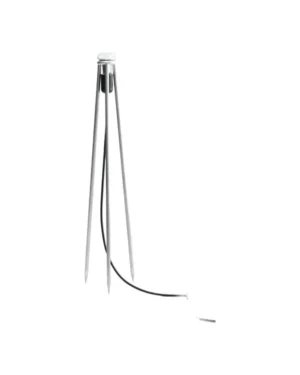
Lasso Floor Lamp in Stainless Steel and Glass
By Nitush and Aroosh
€2.850 -
 In stock
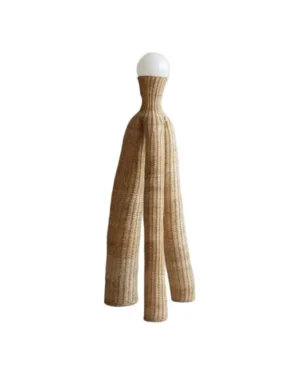
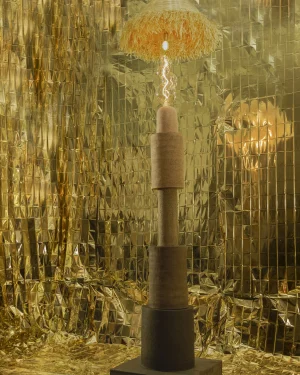
Thulani Floor Lamp in Terracotta and Rattan
By UAU Studio
€3.400 -

Pill1200 Floor Lamp In Stainless Steel
By MLK Furniture
€1.690 -

Bright Side Table Floor Lamp in Glass and Stainless Steel
By Ziroru Studio
€1.485 -
 In stock
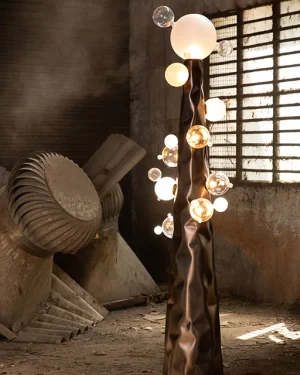
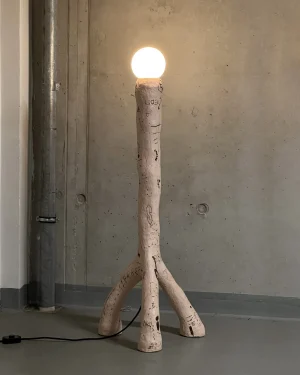
Molecule Floor Lamp in Stainless Steel and Blown Glass
By Nitush and Aroosh
€4.850 -
 In stock
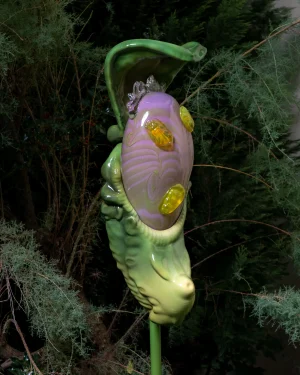
Tattooed Shining Creature Floor Lamp In Paper And Steel
By David Čáp
€1.400 -
 In stock
Lapas Paradiso Novo Series Floor Lamp in Blown Glass and PLA
By Anna Jožová
€9.500 -

Sky-set Floor Light
By Dace Sūna
€5.800 -
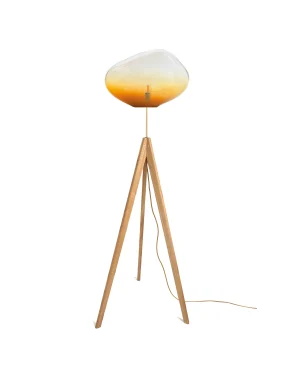
Statix Amber Iridescent Floor Lamp In Blown Glass
By ELOA - Unique Lights
€6.360 - €6.910 -

Glow Side Table Floor Lamp in Glass and Stainless Steel
By Ziroru Studio
€1.275 -

The Lore Floor Lamp in Wood and Glass
By am.o atelier
€991 -

Baile Large Floor Lamp in Metallic Tape and Glass
By Cultivado em Casa
€7.870 -
 In stock
Pregnant Lady Floor Lamp in Fiberglass
By StorqueStudios
€4.869 -
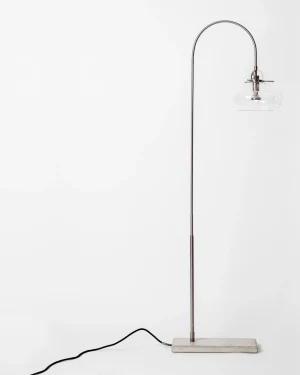
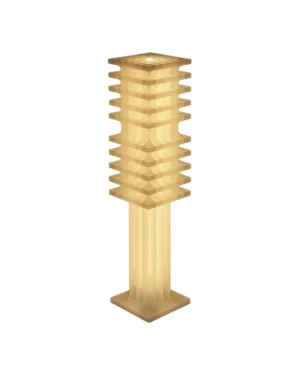
Art Deco Floor Lamp in Glass, Stainless Steel and Concrete
By Szostak Atelier
€2.100€1.995 -
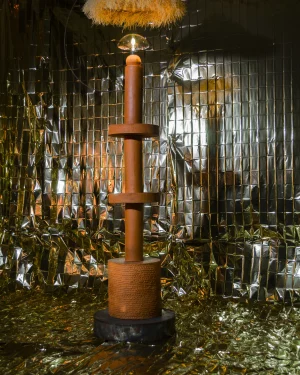 In stock
Badru Floor Lamp in Ceramic and Rattan
By UAU Studio
€3.400 -
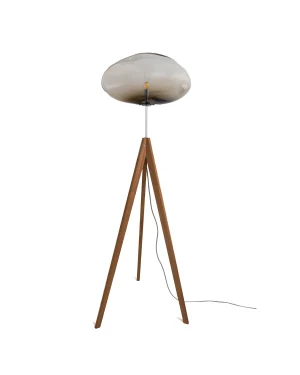
Statix Silver Smoke Floor Lamp In Blown Glass
By ELOA - Unique Lights
€6.360 - €6.910 -

Glow Coffee Table Floor Lamp in Glass and Stainless Steel
By Ziroru Studio
€2.320 -
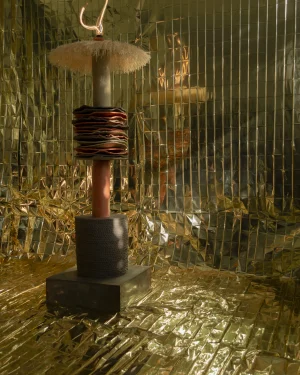 In stock
Nightjar Floor Lamp in Ceramic and Rattan
By UAU Studio
€3.400 -
 In stock
Baile Medium Floor Lamp in Metallic Tape and Glass
By Cultivado em Casa
€6.260 -
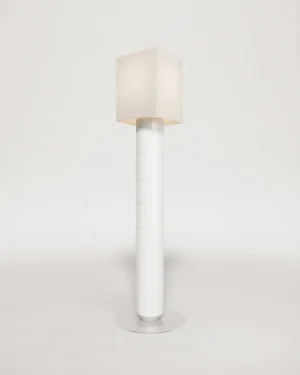
Navazi Linen Shade Floor Lamp in Glazed Ceramic and Glass
By SVITANOK
€4.500 - €6.700 -

Navazi Linen Cylinder Floor Lamp in Glazed Ceramic and Glass
By SVITANOK
€5.800 - €6.600 -
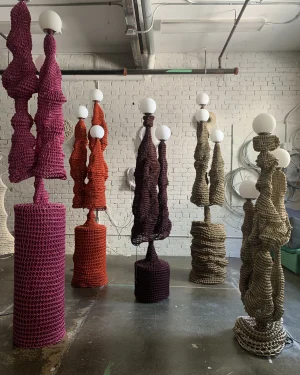
A Tribe Called Sagrada Floor Lamp in Textiles and Glass
By Annie Legault
Price Upon Request -

Navazi Glaze Floor Lamp in Glazed Ceramic and Glass
By SVITANOK
€4.600 - €6.000 -
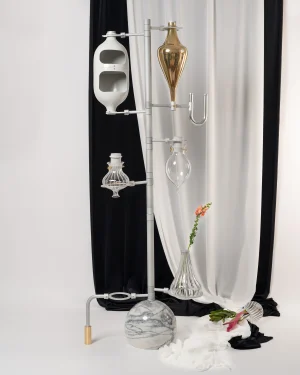 In stock
Emotional Lab Grey Floor Lamp In Marble And Aluminum
By Hania Jneid Design Studio
Price Upon Request -
 In stock
Emotional Lab White Floor Lamp In Stainless Steel And Glass
By Hania Jneid Design Studio
Price Upon Request -

Emotional Lab Beige Floor Lamp In Brass And Glass
By Hania Jneid Design Studio
Price Upon Request
Glass floor lamps carry light through a body you can see into, where the glow spreads sideways and downward rather than hiding behind a shade. Studios working in blown and cast glass build the stem, the diffuser or the whole silhouette from the material itself, so the lamp reads as a sculptural object even when it is switched off. Some are gathered on a glassblower's pipe, others poured into molds and ground smooth, which gives the range its range of textures.
What defines a glass floor lamp
Glass behaves differently from metal or wood at this scale. It has weight low in the piece, often in a thick foot or base, which keeps a tall, slender stem from tipping. Air bubbles, slight color shifts and faint tool marks are part of hand-blown work, and they tell you a piece left a workshop rather than a mold line running straight through.
Cast glass sits heavier again, with a density that pools light rather than letting it pass straight through. Borosilicate glass, more resistant to heat and sudden temperature change, shows up where a lamp sits close to its own bulb or where a maker wants thinner walls without the risk of cracking.
Finishes, color and how pieces are made
Within glass lamps generally, floor models lean toward amber, frosted, light gray and clear tones, with sky blue, green and multicolor pieces appearing where a designer wants the lamp to read as an accent by day as well as a light source by night. Matte and frosted surfaces soften the glow and hide fingerprints; clear and gloss glass throws sharper light and shows every mark. Metalwork often appears alongside the glass itself, in stainless steel, chrome or painted steel bases and fittings that anchor the glass and carry the wiring.
Styles across this material run from mid-century modern forms with rounded, bulbous bodies to contemporary and minimalist lamps built from a single clean cylinder or cone. Art Deco references appear in stepped or faceted bases, while more radical and futuristic pieces push the glass into asymmetric or sculptural shapes. Some pieces are made as open editions, repeated on request; others are limited editions or unique pieces, where no two share quite the same bubble pattern or color pull.
Choosing one for a room
Start with height relative to seating. A floor lamp meant to read beside a sofa or armchair usually sits close to shoulder height when you are seated, so the light falls over a book or a surface rather than into your eyes. Diffuser diameter matters as much as overall height; a wide glass shade throws a broader pool of light, while a narrow one behaves more like a bright, directional point.
Base footprint decides how much floor it asks for. A wide, low base needs clearance on at least two sides so it is not caught underfoot, while a narrow pedestal can sit closer to a wall or corner.
Where they work
Glass floor lamps suit rooms where the light itself is on display as much as what it illuminates. Living room floor lamps in glass tend to go beside seating or in a corner that needs a warm point of light rather than even overhead coverage. A clear or lightly tinted body also suits a reading corner, a hallway end or a spot near a window, where daylight and lamp light both pass through the same material.
Caring for glass
Dust with a dry or barely damp soft cloth; grit dragged across glass can scratch a glossy finish over time. Avoid sudden temperature swings, such as moving a cold lamp straight into direct winter sun or next to a radiator, since rapid changes stress the glass even when it is borosilicate.
Clean fingerprints from frosted or matte surfaces with a dry microfiber cloth rather than a wet one, which can leave streaks on the textured surface. For the full range of bases, heights and editions, the floor lamps category and the contemporary floor lamps grouping both sit alongside the wider body of glass pieces on ADORNO, from vases to wall lighting, all working the same material in different directions.
How do I choose a glass floor lamp?
Look at where the base sits in a room and how much light should pass through versus pool. Frosted and matte finishes soften a glow, while clear and cast glass throw more defined light and shadow.
How do you clean and care for a glass floor lamp?
Dust with a dry or lightly damp cloth, avoiding abrasive cleaners that can dull a surface. Keep hand-blown pieces away from sudden temperature swings, and lift from the base rather than the stem.
What size or height should a glass floor lamp be?
Most stand tall enough to light a seating area from above shoulder height when seated, with a wide, heavy foot that balances a slender glass stem. The maker can confirm exact dimensions through Chat with the maker.
Which rooms suit a glass floor lamp?
Living rooms and reading corners suit them well, since the glass reads as a sculptural object by day and a light source by night. Bedrooms work too, where a softer, frosted glow is often preferred.
Is shipping insured, and can I return a glass floor lamp?
Shipping is insured and worldwide. Returns are accepted within 14 days, except for made-to-order pieces, which are excluded from that policy.
How do I know a glass floor lamp is authentic, and will I get the best price?
Every piece comes with a certificate of authenticity, and ADORNO offers a lowest-price guarantee across all the glass floor lamps it offers.