

-
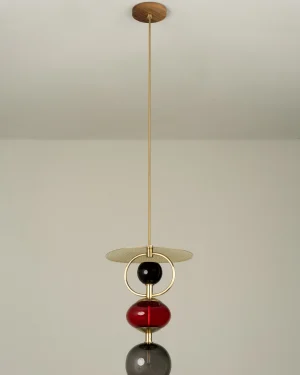
Vitrea Pendant Lamp in Glass and Brass
By Isabel Moncada
€3.802 This product has multiple variants. The options may be chosen on the product page -
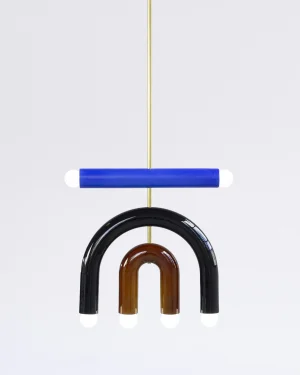
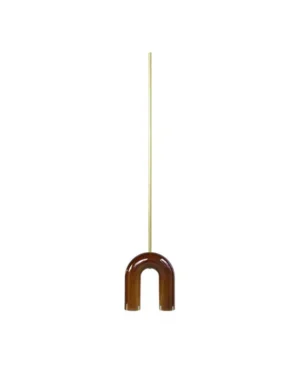
Trn / Model D1 Pendant Lamp in Ceramic
By Pani Jurek STUDIO
€1.080 This product has multiple variants. The options may be chosen on the product page -

Trn / Model A1 Pendant Lamp in Ceramic
By Pani Jurek STUDIO
€470 This product has multiple variants. The options may be chosen on the product page -
 In stock
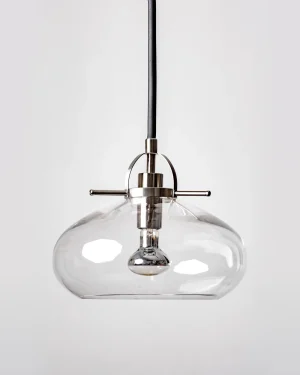
Art Deco Pendant Lamp in Glass and Stainless Steel
By Szostak Atelier
€1.000 This product has multiple variants. The options may be chosen on the product page -
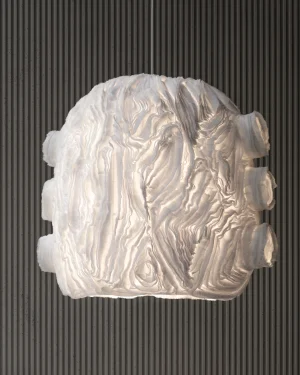
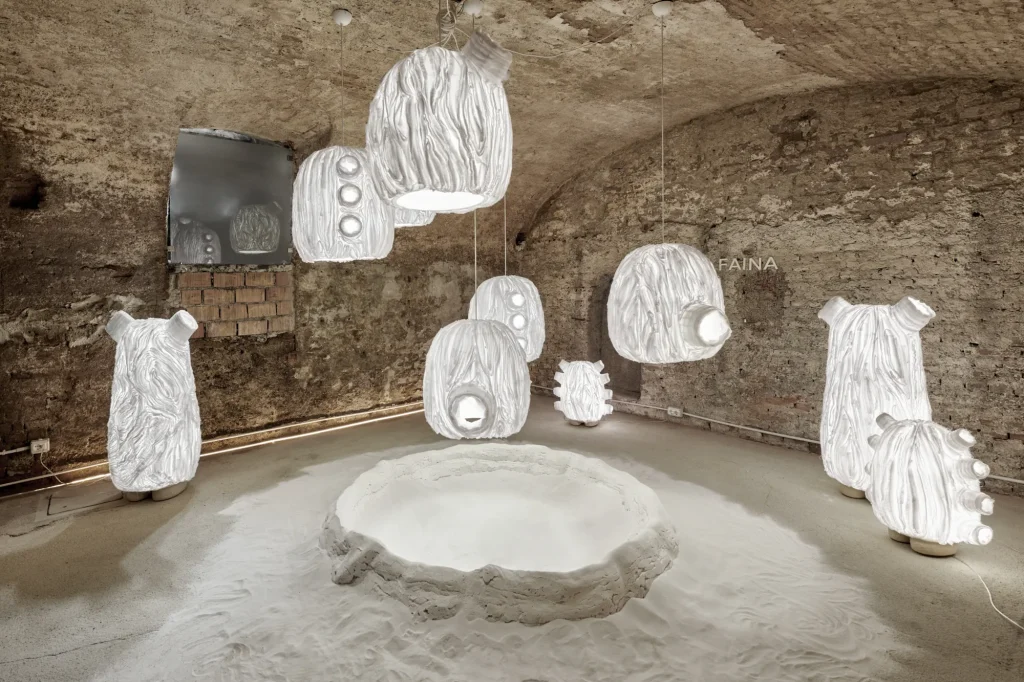
Idea Sluhach Pendant Lamp in Muslin and Metal
By FAINA
€1.950 -

Trn / Model D2 Pendant Lamp in Ceramic
By Pani Jurek STUDIO
€1.080 This product has multiple variants. The options may be chosen on the product page -
 In stock
Y30 Ceiling Lamp in Blown Glass and Brass
By Clara Viladecans
€786 This product has multiple variants. The options may be chosen on the product page -

Trn / Model B2 Pendant Lamp in Ceramic
By Pani Jurek STUDIO
€625 This product has multiple variants. The options may be chosen on the product page -

Trn / Model B3 Pendant Lamp in Ceramic
By Pani Jurek STUDIO
€625 This product has multiple variants. The options may be chosen on the product page -
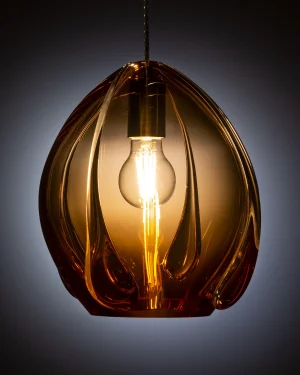
Glass Drops Fire Opal Pendant Lamp in Blown Glass
By Georgiev Kiril
€1.050 -
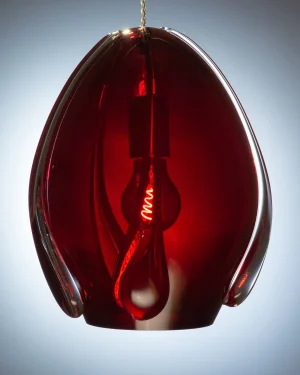
Glass Drop Pendant Lamp in Blown Glass
By Georgiev Kiril
€1.050 -
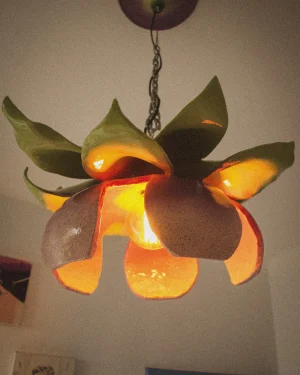
Amaryllis Ceiling Lamp in Glazed Ceramic
By UAU Studio
€1.300 -
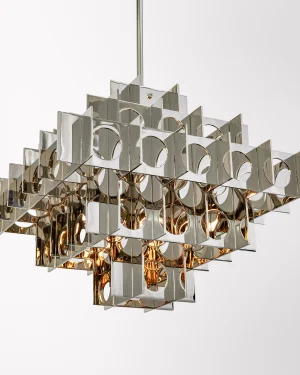
Tenfold 5 T Pendant Lamp in Stainless Steel and Aluminum
By Luft Tanaka Studio
€4.440 - €11.000 This product has multiple variants. The options may be chosen on the product page -
 In stock
Medium Pendant Lamp in Blown Glass and Textiles
By SVITANOK
€300 - €415 This product has multiple variants. The options may be chosen on the product page -
In stock
Large Pendant Lamp in Blown Glass and Textiles
By SVITANOK
€375 - €500 This product has multiple variants. The options may be chosen on the product page -
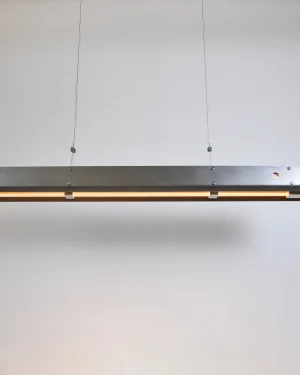
Ne1250/145 Pendant Lamp in Steel and Acrylic
By MLK Furniture
€1.390 -

Collier P2 Ceiling Lamp in Glass and Aluminum
By Darka
€1.950 -

Florance I Ceiling Lamp in Brass, Glass and Fabric
By Atelier Alz
€575 -

Object 018 Pendant Lamp in Brass and Acrylic
By Naama Hofman
€2.100 -
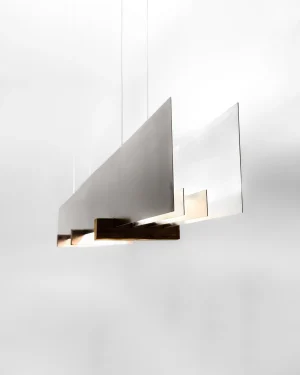
Linear Ceiling Lamp (extra Large) in Aluminum and Wood
By case studios
€1.210 - €1.910 This product has multiple variants. The options may be chosen on the product page -
 In stock
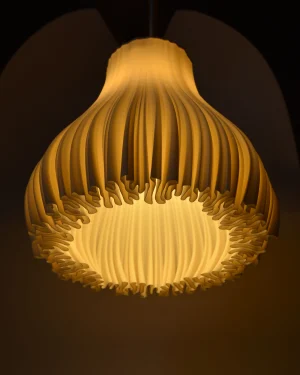
H 2 Pendant Lamp in Bio Polymer
By diploria studio
€255 - €335 This product has multiple variants. The options may be chosen on the product page -
 In stock
H 1 Pendant Lamp in Bio Polymer
By diploria studio
€255 - €425 This product has multiple variants. The options may be chosen on the product page -
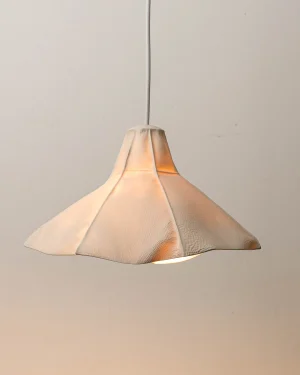
Kawa Series 04 – Ceramic Pendant Lamp
By Luft Tanaka Studio
€1.375 -
 In stock
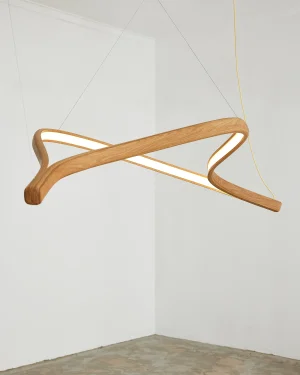
Perola Pendant Lamp in Oak Wood
By Poémia
€8.000 -
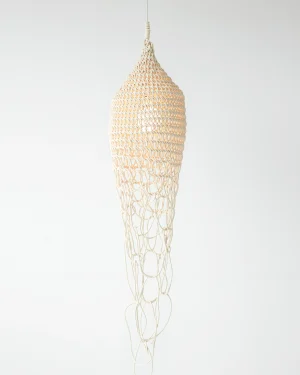
Meduse Pendant Lamp in Cotton
By Annie Legault
€700 This product has multiple variants. The options may be chosen on the product page -

Object 019 Pendant Lamp in Brass and Acrylic
By Naama Hofman
€1.850 -

Veil Pendant Lamp in Glass and Aluminum
By Andrew King Studio
€315 This product has multiple variants. The options may be chosen on the product page -

Mélopée Pendant Lamp in Porcelain
By Pirouette
€636 - €1.980 This product has multiple variants. The options may be chosen on the product page -
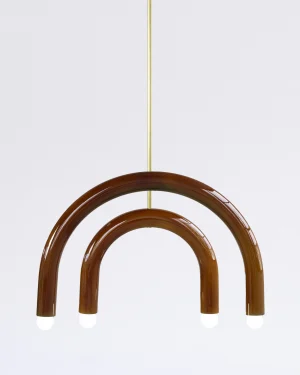
Trn / Model E3 Pendant Lamp in Ceramic
By Pani Jurek STUDIO
€1.430 This product has multiple variants. The options may be chosen on the product page -

Lomo Pendant Lamp in Ash Wood and Wool
By Natural Urbano - Sebastián Beltrán
€400 -
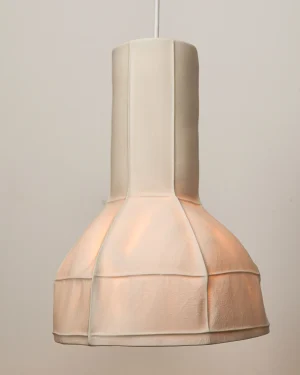
Kawa Series 05 Pendant Lamp in Porcelain and Ceramic
By Luft Tanaka Studio
€1.375 -
 In stock
Patagonia Pendant Lamp in Natural Wood
By espina corona
€350 -
 In stock
Abyss No. 1 Pendant Lamp in Stoneware
By Ceren Gürkan
€900 -
 In stock
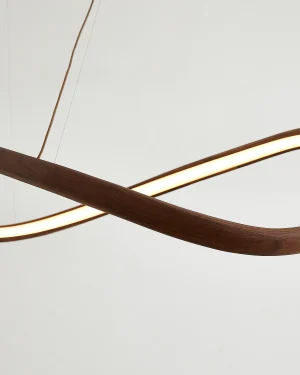
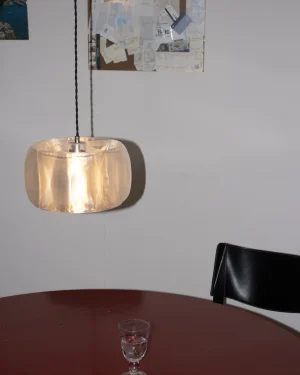
Horizonte Pendant Lamp in Walnut Wood
By Poémia
€8.450 -
 In stock
Pascal Pendant Lamp in Plastic
By 91-92
€306 - €459 This product has multiple variants. The options may be chosen on the product page -
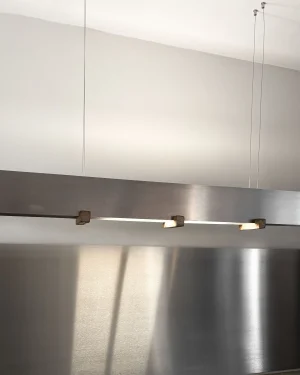
Linear Ceiling Lamp (Medium) in Aluminum and Wood
By case studios
€1.001 - €1.200 This product has multiple variants. The options may be chosen on the product page -

Eclipse Pendant Light
By Rollo Studio
€2.400 -

Trn / Model D1 Silver Finish Pendant Lamp in Ceramic
By Pani Jurek STUDIO
€1.130 This product has multiple variants. The options may be chosen on the product page -

Pletyvo I Pendant Lamp in Raffia and Metal
By PletoStudio
€800 -

Echin Pendant Lamp in Cotton and Glass
By PletoStudio
€1.100 -
 In stock
Citiez 0.3 Pendant Lamp in Brass and Steel
By Niels Stoeltie
€7.500 -
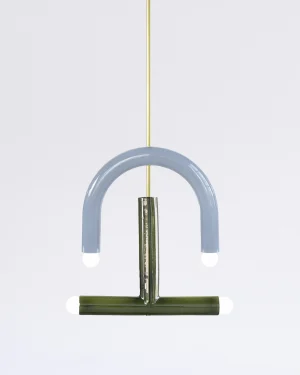
Trn / Model C3 Pendant Lamp in Ceramic
By Pani Jurek STUDIO
€880 This product has multiple variants. The options may be chosen on the product page -
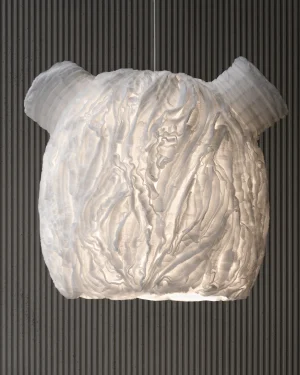
Dream Sluhach Pendant Lamp in Muslin and Metal
By FAINA
€1.950 -
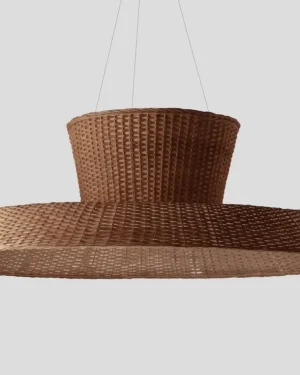
Strikha Pendant Lamp in Willow Vine
By FAINA
€2.070 -
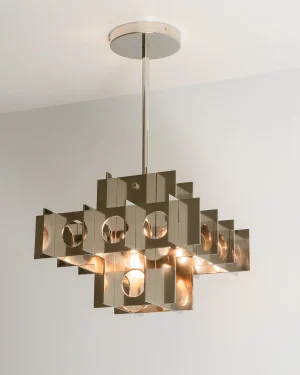
Tenfold 3 T B Pendant Lamp in Stainless Steel and Aluminum
By Luft Tanaka Studio
€2.895 - €8.675 This product has multiple variants. The options may be chosen on the product page -
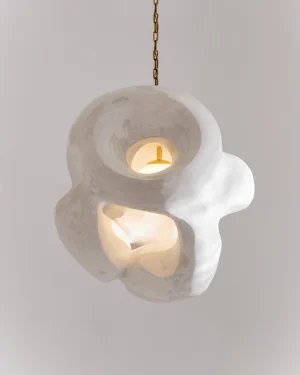
Ikigai Ceiling Lamp in Alabaster Gypsum
By Studio AOAO
€22.000 -
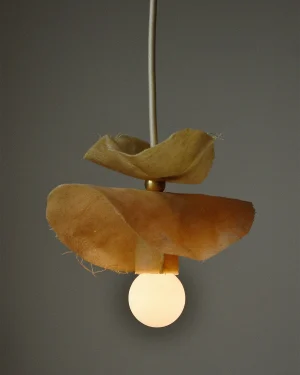
Judie Pendant Lamp in Cotton
By Atelier Alz
€200 -

Navazi Pendant Lamp in Ceramic and Glass
By SVITANOK
€500 - €760 This product has multiple variants. The options may be chosen on the product page -
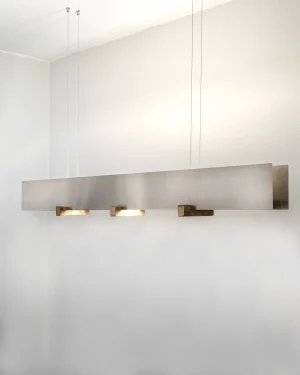
Linear Ceiling Lamp (Large) in Aluminum and Wood
By case studios
€1.444 - €1.844 This product has multiple variants. The options may be chosen on the product page -

Rand Ceiling Lamp in Aluminum
By Darka
€3.500 -
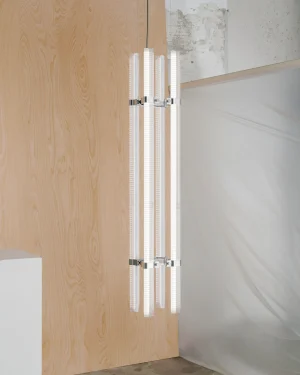
Collier P4 Pendant Lamp in Glass and Aluminum
By Darka
€3.500 -
 In stock
Lumix Ceiling Lamp in Stainless Steel
By Pablo Sinan Design
€365 -
 In stock
H 3 Pendant Lamp in Bio Polymer
By diploria studio
€335 -
 In stock
02 Pendant Lamp in Ash Wood
By Studio Victor Hahner
€2.000
Contemporary pendant lamps are the single-source lights that studios turn to when they want one shade, one cord and one source to read as a clear statement rather than a cluster of ornament. They favor honest material over applied decoration: blown glass left to show its bubbles and seams, brass left to darken at the edges, ceramic glazed in one deep, even color. What ties them together is restraint of form and confidence in material, each piece made by an independent designer or studio working in metal, glass, clay and steel.
What makes a pendant contemporary
A contemporary pendant reads as a single volume rather than a composed fixture. The silhouette is usually one shape, a dome, a sphere, a cylinder or an open cone, with no applied trim to soften it. Color and surface do the work that ornament would otherwise do: a cobalt glaze, a brushed steel finish, a denim-blue powder coat, a pale yellow glass. Against the minimalist pendant lamps nearby, which strip color and gesture back further still, contemporary pieces allow a little more personality in glaze, hue or proportion while keeping the same clarity of outline.
Materials, finishes and the ways they are made
Brass and steel pendants are raised, spun or welded, then left raw, lacquered or patinated, so the metal keeps a visible hand in how it was shaped. Blown glass is gathered and turned on a pipe, which is why no two shades sit identically even within an open edition; ceramic shades are thrown or hand-built, then glazed and fired, carrying the glaze's depth of cobalt blue, brown, green or pink. Among the kinds found here:
- Brass, copper and steel, hand-finished or powder-coated in black, beige or denim
- Hand-blown glass, often in cobalt blue, light yellow or clear
- Hand-built or thrown ceramic with a single glaze color
- Open editions and unique pieces, depending on whether the maker works from a mold or shapes each shade free-hand
Studios working mainly in metal tend to sit within metal pendant lamps and steel pendant lamps, while brass specialists sit under brass pendant lamps; glass and ceramic makers move across all three depending on the shade.
Choosing a pendant: scale, height and finish
Scale decides whether a pendant disappears into a room or anchors it. A single large shade over a dining table reads as a centerpiece; a cluster of small shades, each on its own cord, lets light spread without one dominant mass. Hang height matters as much as shade size: over a table, the base generally sits low enough to warm the surface without crossing sightlines when seated; over a stairwell or entry, it can drop further since no one sits beneath it.
Finish should answer the room's other metals and surfaces rather than compete with them. A brushed steel shade suits a kitchen already in stainless hardware; an aged brass or patinated copper shade warms a room built from wood and stone. Glazed ceramic in a strong color, cobalt, green or pink, works best where the walls stay quiet enough to let that one color carry the room.
Where contemporary pendant lamps hang
Kitchens take them over islands and counters, usually in a row for even, shadow-free light. Dining rooms take a single larger shade centered above the table. Bedrooms use them beside the bed in place of a table lamp, freeing the nightstand. Living room pendant lamps tend to run smaller and warmer, set low over a reading chair or side table rather than lighting the whole room.
Living with brass, glass and ceramic
Brass and copper will darken and spot with handling and air; a soft cloth and occasional wax keep that patina even rather than patchy. Blown glass needs only dusting and a damp wipe, kept away from sudden temperature swings that can stress the seams. Glazed ceramic resists stains and fading but chips if knocked, so it is hung where a cord has a little clearance. For the fuller range of forms in this style, see all pendant lamps, or follow the style across lighting and furniture through every contemporary piece on ADORNO.
How do I choose a contemporary pendant lamp?
Start with the material and how its light reads: glass and ceramic scatter a soft glow, brass and steel throw a more defined pool. Then match scale to the surface below it, a table, counter or stair run.
What materials are contemporary pendant lamps made from, and how do I care for them?
Most are brass, steel, blown glass or glazed ceramic. Wipe metal with a dry cloth to slow tarnish, dust glass and ceramic shades, and keep both away from damp or direct contact with bulbs.
What size pendant lamp do I need, and how low should it hang?
Over a table or island, aim for the shade to sit roughly 28 to 34 inches above the surface. In a stairwell or entry, leave at least 80 inches of headroom at the lowest point.
Which rooms suit a contemporary pendant lamp?
Kitchens and dining tables take them singly or in a row, stairwells and entries use them as a single anchor, and bedrooms often hang them beside the bed in place of a table lamp.
Can I order a custom contemporary pendant lamp?
Some makers adjust cord length, finish or scale on request. Chat with the maker on the piece's page to ask what they can confirm for your space.
How does shipping, returns and authenticity work on ADORNO?
Shipping is insured and sent worldwide. Returns are accepted within 14 days, except made-to-order pieces, and every piece arrives with a certificate of authenticity and ADORNO's lowest-price guarantee.