-
Black Friday −10%
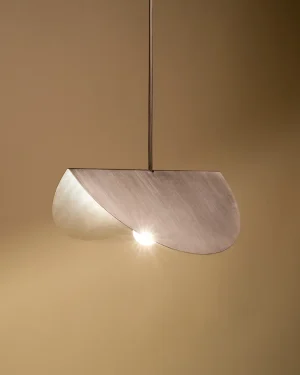
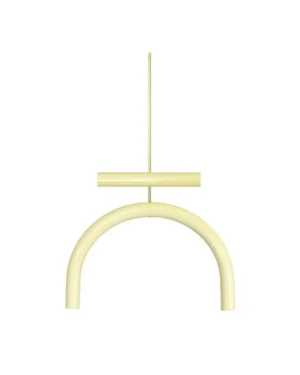
Two Circles Pendant Lamp in Stainless Steel
By Georgiev Kiril
€490 -
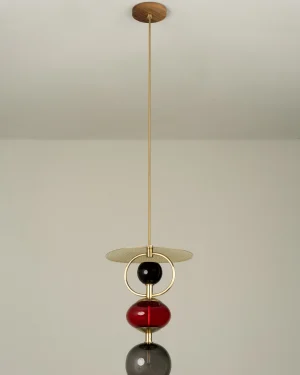
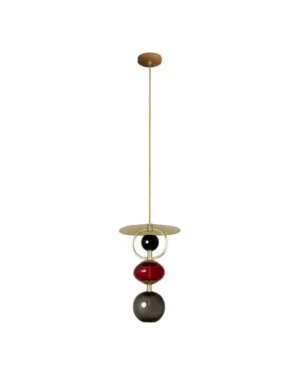
Vitrea Pendant Lamp in Glass and Brass
By Isabel Moncada
€3.802 -
 In stock
Y30 Ceiling Lamp in Blown Glass and Brass
By Clara Viladecans
€786 -
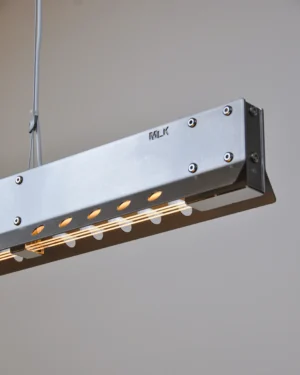
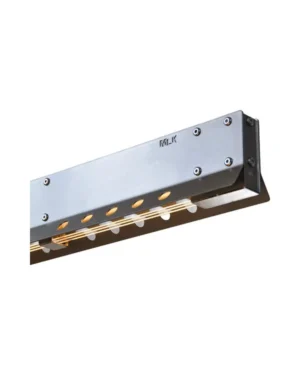
Ne1250/145 Pendant Lamp In Steel And Acrylic
By MLK Furniture
€1.390 -

The Queen Ceiling Lamp in Gold-leaf and Rust Steel
By Mammalampa
€3.133 -
5% off
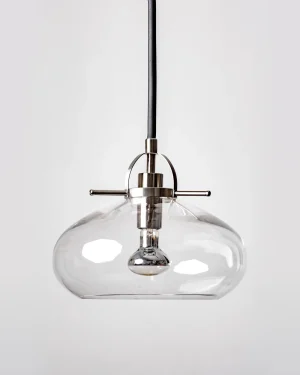
Art Deco Pendant Lamp in Glass and Stainless Steel
By Szostak Atelier
€1.000€950 -
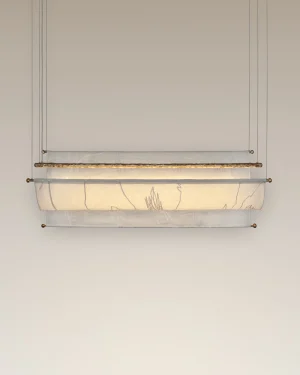
Aria Pendant Lamp In Brass
By Stem
€4.150 -
 In stock
Ines Ceiling Lamp in Blown Glass And Brass
By Clara Viladecans
€550 -

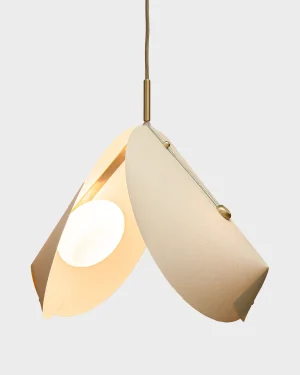
Marsha 02 Pendant Lamp in Blown Glass and Steel
By MESEME by Riya Panchal
€810 -
 In stock
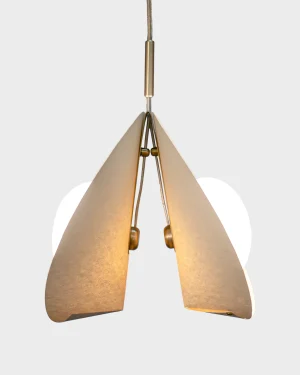
Concha Model 03 Pendant Lamp in Brass and Blown Glass
By MESEME by Riya Panchal
€434 -
 In stock
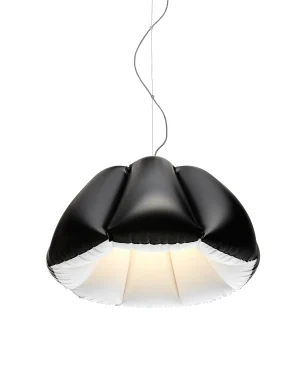
Concha Model 01 Pendant Lamp in Paper, Metals and Glass
By MESEME by Riya Panchal
€375 -
 In stock
Orca Pendant Lamp in Galvanised Steel and PVC
By PUFF-BUFF
€430 -
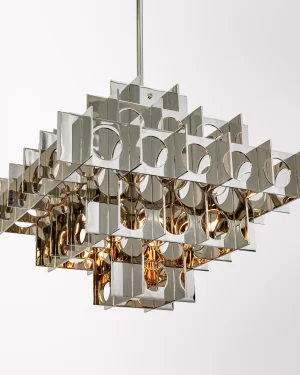
Tenfold 5 T Pendant Lamp in Stainless Steel and Aluminum
By Luft Tanaka Studio
€4.440 - €11.000 -
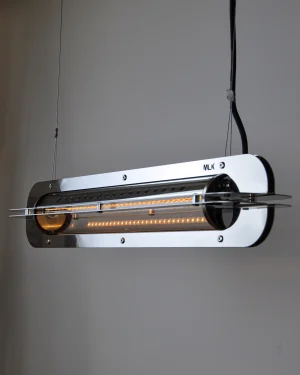
Pill600 Pendant Lamp In Mirror Stainless Steel
By MLK Furniture
€1.090 -
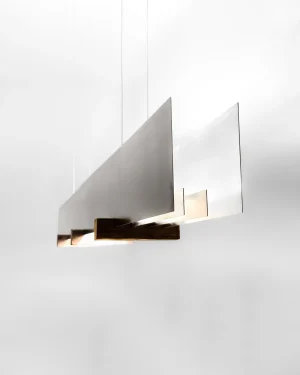
Linear Ceiling Lamp (extra Large) in Aluminum and Wood
By case studios
€1.210 - €1.910 -
 In stock
Lumix Ceiling Lamp in Stainless Steel
By Pablo Sinan Design
€365 -

Florance I Ceiling Lamp in Brass, Glass and Fabric
By Atelier Alz
€575 -

Marsha 01 Pendant Lamp in Glass and Steel
By MESEME by Riya Panchal
€839 -
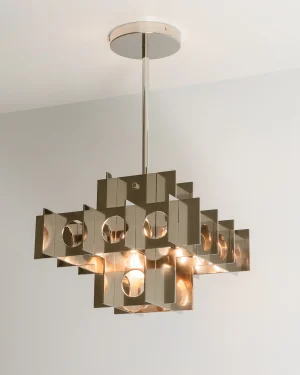
Tenfold 3 T B Pendant Lamp in Stainless Steel and Aluminum
By Luft Tanaka Studio
€2.895 - €8.675 -
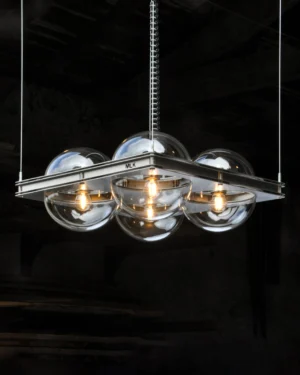
Bbl200x04 Pendant Lamp In Stainless Steel And Acrylic
By MLK Furniture
€2.400 -
Black Friday −15%
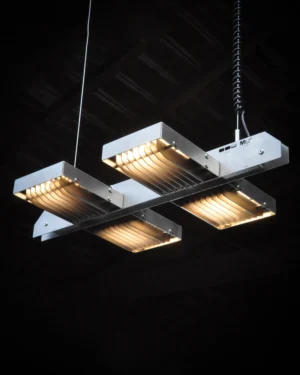
Ads200x04 Pendant Lamp In Matte Steel
By MLK Furniture
€2.400 -
 In stock
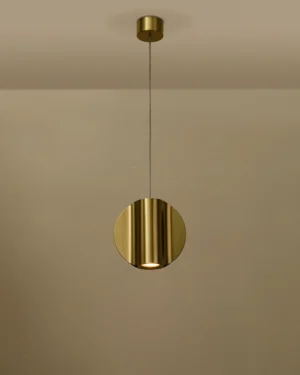
Pétale Pendant Lamp in Brass
By Studio Aristotelis Barakos
€850 -
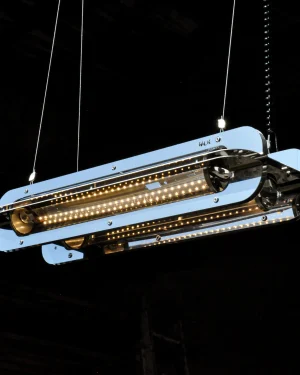
Pill600x2 Pendant Lamp In Mirror Stainless Steel
By MLK Furniture
€1.890 -
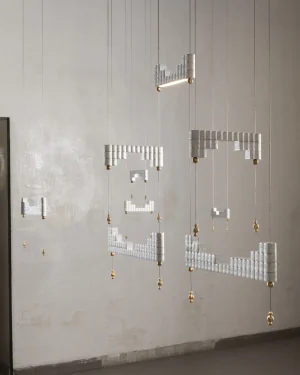 In stock
Inro Lamp
By Atelier Nuanda
€6.885 -
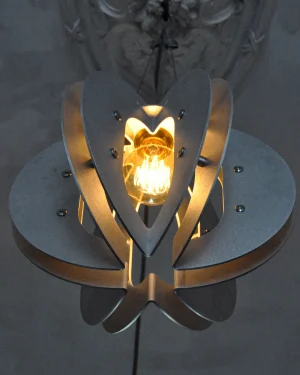
D300 Lampion Pendant Lamp In Matte Aluminum
By MLK Furniture
€390 -
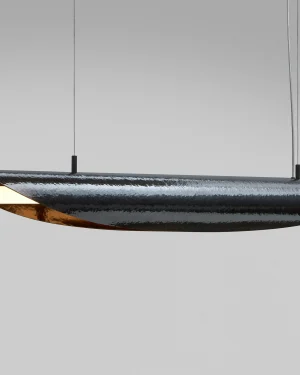
Taco De Luz Black Patinated Brass Pendant Lamp in Brass
By Studio Aristotelis Barakos
€5.900 -
 In stock
Svitlotin Olive Pendant Lamp in Stainless Steel
By SVITANOK
€890 - €960 -
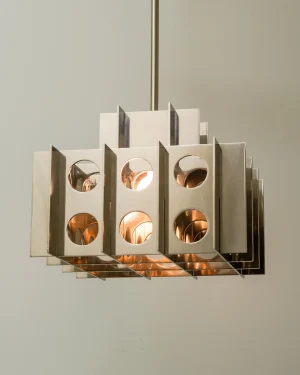
Tenfold 3 T A Pendant Lamp in Stainless Steel and Aluminum
By Luft Tanaka Studio
€2.895 - €8.675 -
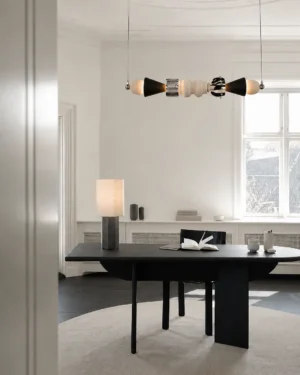 In stock
Arinna Pendant Lamp In Oak, Stone And Brass
By MARAU
€15.000 -
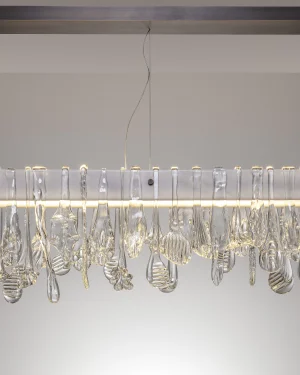 In stock
Pingente Pendant Lamp
By Carol Gay
€8.000 -
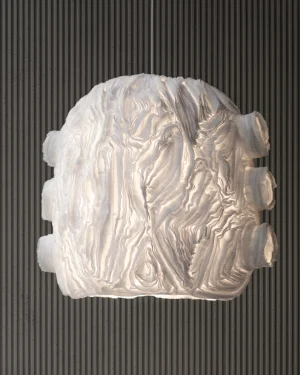
Idea Sluhach Pendant Lamp in Muslin and Metal
By FAINA
€1.950 -

Collier P2 Ceiling Lamp in Glass and Aluminum
By Darka
€1.950 -
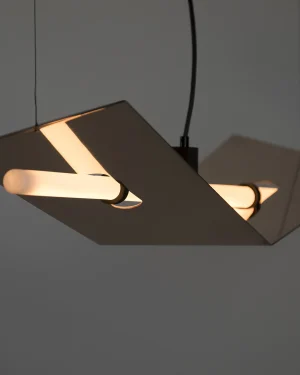
Bird of Prey Ceiling Lamp in Bronze
By Atelier Haute Cuisine
€3.700 -

Pletyvo I Pendant Lamp in Raffia and Metal
By PletoStudio
€800 -

Object 019 Pendant Lamp in Brass and Acrylic
By Naama Hofman
€1.850 -
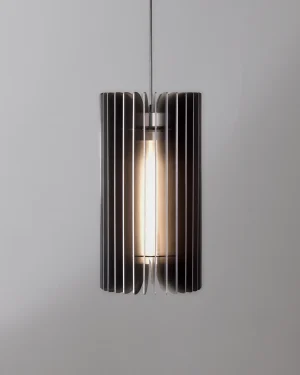
Bare Barrel – Metal Pendant Lamp
By Jochen Lavéno Mangelsdorff Studio & Objects
€760 - €920 -

Desire Sluhach Pendant Lamp in Muslin and Metal
By FAINA
€1.950 -
 In stock
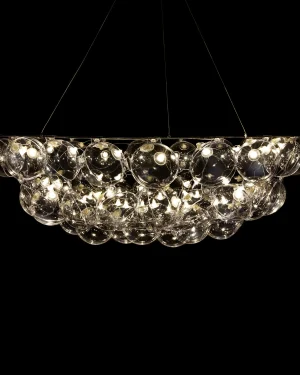
Half-superstar Ceiling/ Pendant Lamp In Pvc And Steel
By PUFF-BUFF
€1.190 -
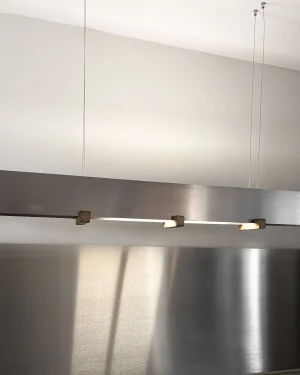
Linear Ceiling Lamp (Medium) in Aluminum and Wood
By case studios
€1.001 - €1.200 -
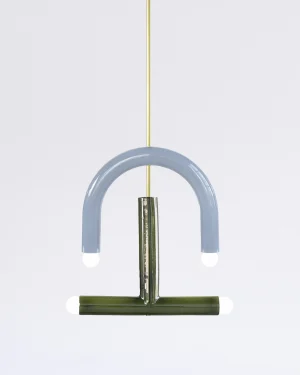
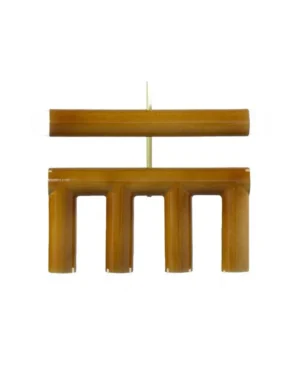
Trn / Model C3 Pendant Lamp In Ceramic
By Pani Jurek STUDIO
€880 - €940 -

Aria Red Dot Ceiling Lamp in Metal and Acrylic
By Saadia Design
€1.570 -
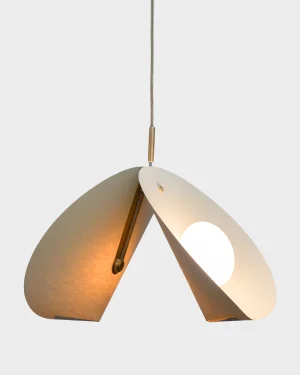
Concha Model 02 (Medium) Pendant Lamp in Paper and Brass
By MESEME by Riya Panchal
€434 -
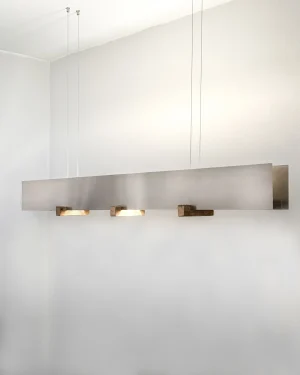
Linear Ceiling Lamp (Large) in Aluminum and Wood
By case studios
€1.444 - €1.844 -
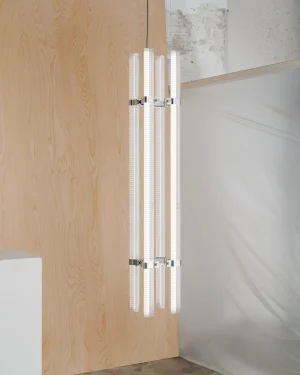
Collier P4 Pendant Lamp in Glass and Aluminum
By Darka
€3.500 -

Citiez 0.3
By Niels Stoeltie
€6.200 -
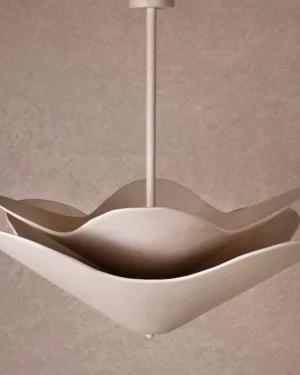
Iris Pendant In Clay Paste
By Harshita Jhamtani Designs
€1.180 -
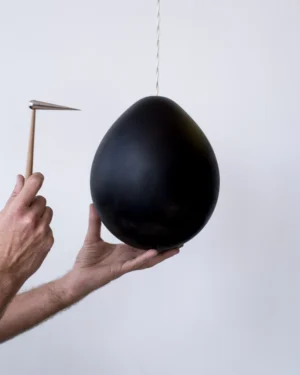 In stock
Less Pendant Lamp In Steel, Wood And Plaster
By Jordi Canudas Faura
€388 -
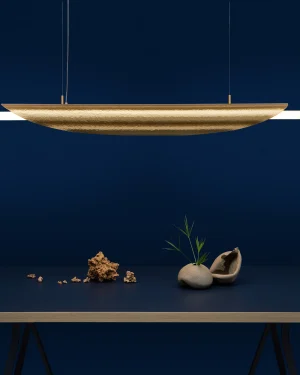 In stock
Taco De Luz Satin Brass Pendant Lamp in Brass
By Studio Aristotelis Barakos
€5.400 -
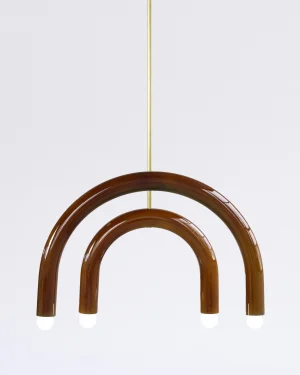
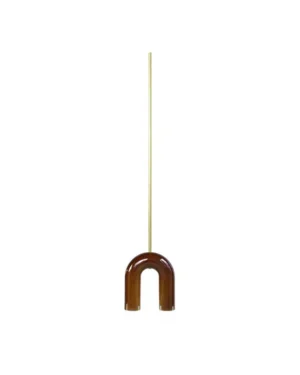
Trn / Model E3 Pendant Lamp In Ceramic
By Pani Jurek STUDIO
€1.430 - €1.490 -

Umu U Pendant Lamp In Iron And Acrylic Glass
By Drusch Design
€950 -
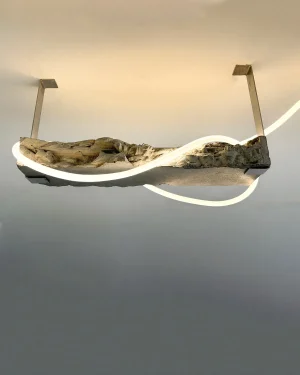
[float] Sculptural Ceiling Lamp in Concrete
By case studios
€2.700 -

Trn / Model A2 Pendant Lamp In Ceramic
By Pani Jurek STUDIO
€470 -

Trn / Model F1 Pendant Lamp In Ceramic
By Pani Jurek STUDIO
€1.600 -
5% off
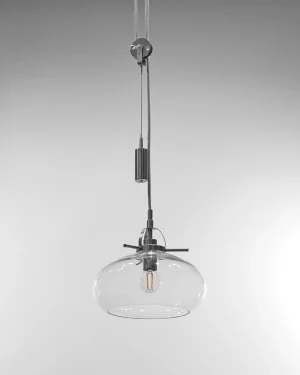
Art Deco Pendant Lamp with Weight in Glass and Steel
By Szostak Atelier
€1.400€1.330
Metal pendant lamps take their shape from brass, steel and aluminum, worked by studios that cut, bend, weld and cast rather than mold or blow. Each piece carries the marks of that process: a seam where sheet metal was joined, a surface left raw from the forge, a shade spun thin enough to let light pass through its edge. The material does the structural work that glass or ceramic cannot, holding a cantilevered arm or a long drop cord without added support.
What metal brings to a pendant lamp
Brass takes a warm, reflective cast that ages into a deeper patina if left unlacquered, picking up fingerprints and tarnish as part of its character rather than a flaw. Steel holds a harder, cooler line and can be left raw, blackened or powder-coated, which is why it shows up often in minimalist pendant lamps where the fixture is meant to read as a single stroke. Stainless steel resists corrosion and keeps its finish with little upkeep, a practical choice for kitchens and bathrooms where humidity is constant.
Because metal conducts heat, studios shape shades with venting or distance from the bulb in mind, so the material stays part of the design language without becoming a hazard. Sand casting and blacksmithing both leave the metal slightly uneven at the edges, a sign of hand work rather than a production flaw.
Finishes, colors and editions found here
Within metal pendant lamps, finish does most of the stylistic work: polished brass and chrome read Art Deco or Bauhaus, raw or blackened steel reads Mid-Century Modern or contemporary, and painted color accents in cobalt blue, denim or light yellow turn a plain cone or dome into something closer to boho chic or eclectic. Glazed ceramic sometimes pairs with a metal arm or canopy, giving a single fixture two materials and two logics of making.
Editions run from open runs, where a studio keeps a design in ongoing production, to unique pieces finished by hand one at a time, with no two surfaces identical. The difference matters less for how the lamp lights a room than for how it is bought and valued over time.
Choosing scale, height and placement
Scale and drop height matter more with metal than with most other materials, since a shade that is too small will look like an afterthought against a reflective or structural frame. As a general rule, a pendant over a dining table should sit roughly seventy centimeters above the surface, with more clearance in a stairwell or entry where people pass underneath.
- Brass and polished finishes suit rooms with other warm metals, wood tones or marble.
- Raw or blackened steel sits well against concrete, plaster or dark paint.
- Multiple small pendants in a row read as one fixture and work better over long counters than a single oversized shade.
Where metal pendant lamps work
Kitchens and dining rooms take to steel pendant lamps and brass fixtures equally, since both tolerate grease, steam and daily switching without losing finish. In living room pendant lamps, a single sculptural metal form often replaces a side lamp, freeing floor and table space while still anchoring a seating area.
Caring for metal fixtures
Dust with a dry or barely damp cloth, since standing moisture on brass or unsealed steel speeds tarnish and rust. Lacquered finishes need only occasional wiping, while raw metal benefits from an occasional light wax if a uniform patina is wanted. For the full range of metal design beyond lighting, see every metal piece on ADORNO.
How do I choose a metal pendant lamp?
Start with finish: brass warms a room and ages with use, steel and stainless steel hold a cooler, harder line and need little upkeep. Match the metal's weight and drop to the ceiling height and the mood you want.
How do I clean and care for a metal pendant lamp?
Dust with a dry cloth and wipe steel or stainless steel with a damp cloth as needed. Leave brass unlacquered if you want it to darken and tarnish naturally, or wipe with a soft cloth to slow that change.
What size pendant lamp do I need and how low should it hang?
Size and drop depend on the specific piece, so check its listed dimensions or chat with the maker on the piece's page. As a general rule, hang a pendant so its base sits above head height but close enough to focus light where needed.
Which rooms suit metal pendant lamps?
Stainless steel and powder-coated steel resist humidity, so they work well over kitchen islands and in bathrooms. Brass and raw steel suit dining tables, living rooms and stairwells, where their finish is seen rather than exposed to moisture.
Are these metal pendant lamps handmade or mass produced?
Many are shaped through metalwork, blacksmithing or sand casting, which leaves seams, raw surfaces or slightly uneven edges as signs of hand work. Check the piece's page for its specific technique and edition.
What are ADORNO's shipping, returns and authenticity policies?
Shipping is insured and worldwide. Returns are accepted within 14 days, excluding made-to-order pieces, and each piece comes with a certificate of authenticity along with a lowest-price guarantee.