


-
 In stock
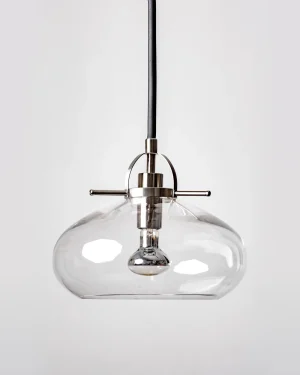
Art Deco Pendant Lamp in Glass and Stainless Steel
By Szostak Atelier
€1.000 This product has multiple variants. The options may be chosen on the product page -
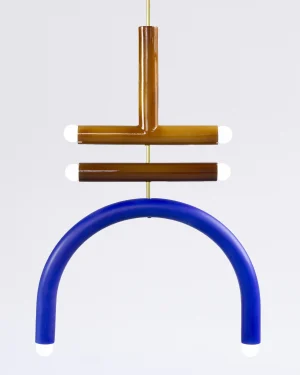
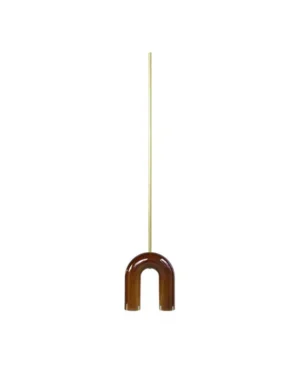
Trn / Model F2 Pendant Lamp in Ceramic
By Pani Jurek STUDIO
€1.600 This product has multiple variants. The options may be chosen on the product page -
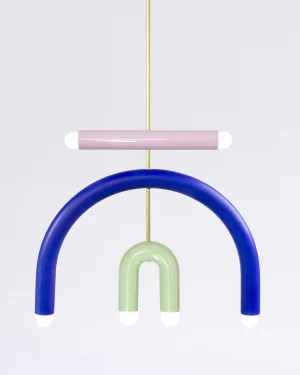
Trn / Model F3 Pendant Lamp in Ceramic
By Pani Jurek STUDIO
€1.600 This product has multiple variants. The options may be chosen on the product page -
 In stock
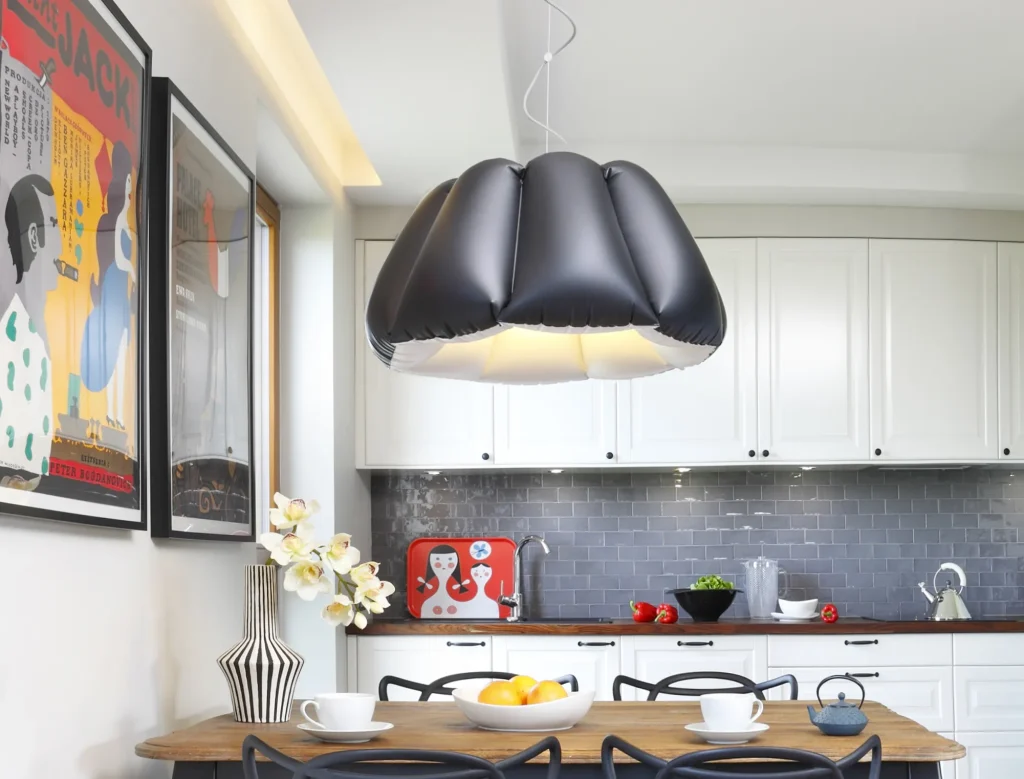
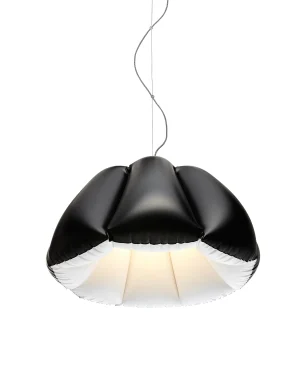
Orca Pendant Lamp in Galvanised Steel and PVC
By PUFF-BUFF
€430 -
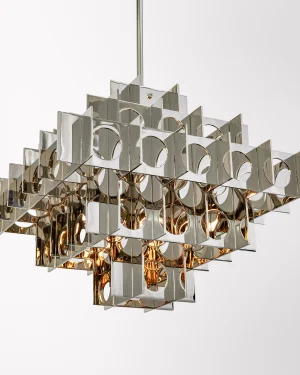
Tenfold 5 T Pendant Lamp in Stainless Steel and Aluminum
By Luft Tanaka Studio
€4.440 - €11.000 This product has multiple variants. The options may be chosen on the product page -
 In stock
Medium Pendant Lamp in Blown Glass and Textiles
By SVITANOK
€300 - €415 This product has multiple variants. The options may be chosen on the product page -
In stock
Large Pendant Lamp in Blown Glass and Textiles
By SVITANOK
€375 - €500 This product has multiple variants. The options may be chosen on the product page -
 In stock
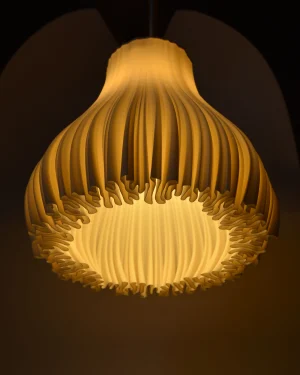
H 2 Pendant Lamp in Bio Polymer
By diploria studio
€255 - €335 This product has multiple variants. The options may be chosen on the product page -
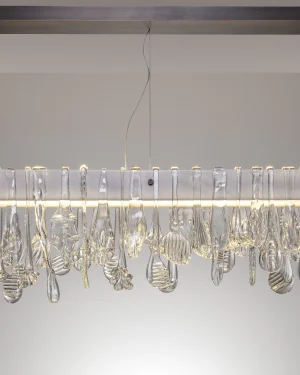 In stock
Pingente Pendant Lamp
By Carol Gay
€8.000 -
 In stock
H 1 Pendant Lamp in Bio Polymer
By diploria studio
€255 - €425 This product has multiple variants. The options may be chosen on the product page -
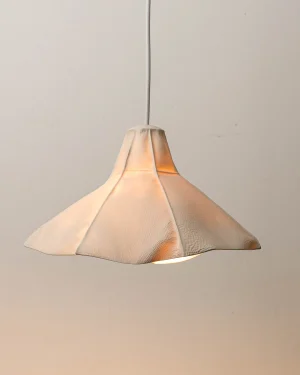
Kawa Series 04 – Ceramic Pendant Lamp
By Luft Tanaka Studio
€1.375 -
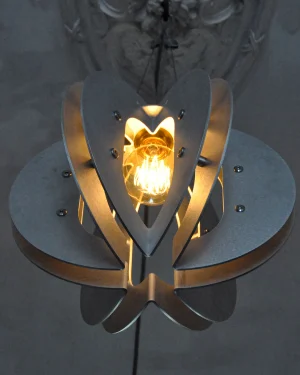 In stock
D300 Lampion Pendant Lamp in Matte Aluminum
By MLK Furniture
€390 -
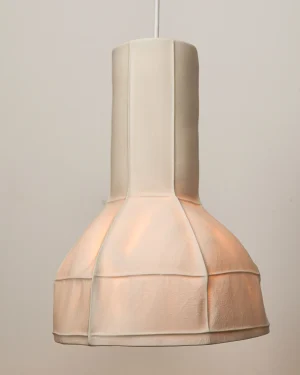
Kawa Series 05 Pendant Lamp in Porcelain and Ceramic
By Luft Tanaka Studio
€1.375 -
 In stock
Patagonia Pendant Lamp in Natural Wood
By espina corona
€350 -

Aria Red Dot Ceiling Lamp in Metal and Acrylic
By Saadia Design
€1.570 -
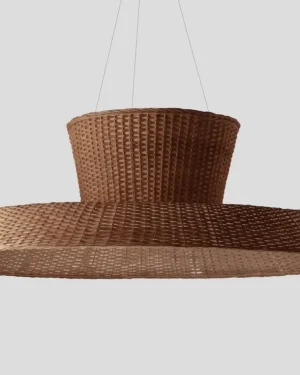
Strikha Pendant Lamp in Willow Vine
By FAINA
€2.070 -
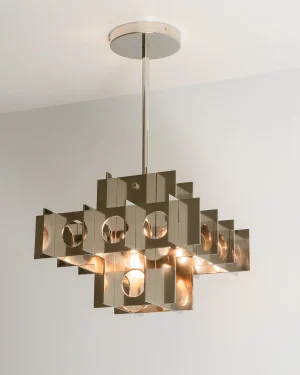
Tenfold 3 T B Pendant Lamp in Stainless Steel and Aluminum
By Luft Tanaka Studio
€2.895 - €8.675 This product has multiple variants. The options may be chosen on the product page -
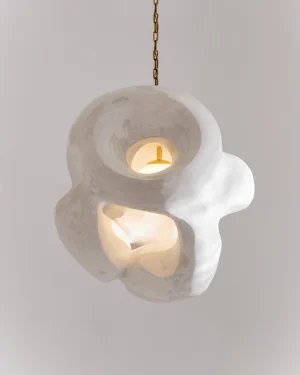
Ikigai Ceiling Lamp in Alabaster Gypsum
By Studio AOAO
€22.000 -
 In stock
H 3 Pendant Lamp in Bio Polymer
By diploria studio
€335 -
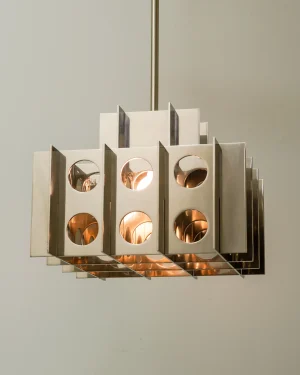
Tenfold 3 T A Pendant Lamp in Stainless Steel and Aluminum
By Luft Tanaka Studio
€2.895 - €8.675 This product has multiple variants. The options may be chosen on the product page -
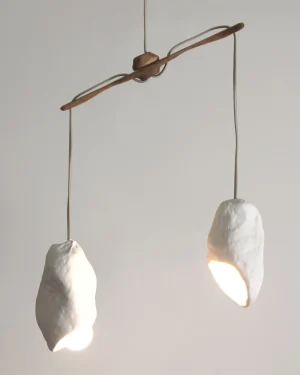
MAAT Ceiling Lamp in Walnut Wood and Plaster
By Dace Sūna
€1.200 -

Desire Sluhach Pendant Lamp in Muslin and Metal
By FAINA
€1.950 -
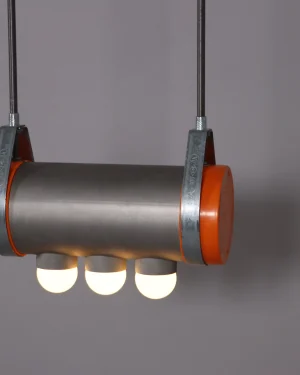 In stock
Three Bulb Upcycled Pendant Lamp in Raw Steel
By Nolan Talbot-Kelly
€2.100 -

Trn / Model F2 Silver Finish Pendant Lamp in Ceramic
By Pani Jurek STUDIO
€1.650 This product has multiple variants. The options may be chosen on the product page -
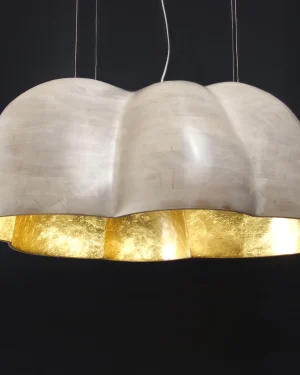 In stock
N2 Cloud Ceiling Lamp in Cherry Wood and Gold Leaf
By Aaron Scott
€10.300 -
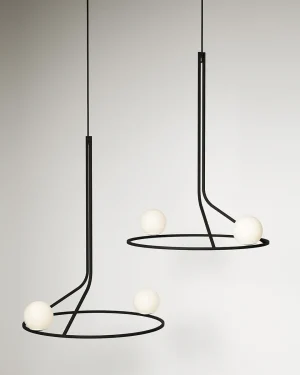 In stock
Na Linii Pendant Lamp in Steel and Glass
By SVITANOK
€1.050 -

Soniah Pendant Lamp in Clay
By FAINA
€2.990 -

Patagonia Pendant Lamp in Wood
By espina corona
€650
Dining room pendant lamps hang low over a table, concentrating light where people gather rather than washing an entire room from above. They come from independent studios working in hand-blown glass, glazed ceramic, spun steel and cast aluminum, each lamp built as a single shade and source rather than multiplied into a chandelier. The material decides how the light lands on the table below: glass scatters it, ceramic softens it, polished metal throws it back in a narrower beam.
What defines dining room pendant lamps
A pendant earns its place over a table by doing one job well: it lights a surface without blocking the view across it. That is why the shade matters as much as the bulb. A glazed ceramic dome spreads light evenly and sits quietly in the room when unlit, while a cut or ribbed glass shade throws pattern onto the ceiling and the plates beneath it. Steel and aluminum shades, often spun or laser cut, direct light downward in a tighter pool, which suits a long table where several lamps are hung in a row.Materials, finishes and techniques found here
The range at ADORNO runs from hand-blown glass and hand-built or glazed ceramic through to welded and spun steel, stainless steel, chrome and aluminum, with some studios now working in bioplastic through 3D printing and biofabrication. Finishes move between raw and reflective: a chrome or stainless steel shade reads as neo-industrial, where a matte black or ivory glaze sits closer to a mid-century modern or contemporary table setting. Color plays a quiet role too, with cobalt blue, denim, green and light yellow glass or glaze appearing alongside the more common black, beige and brown. Making methods vary by material: glassblowing and glazing for the shades that hold light, metalwork and digital fabrication for the structural and reflective pieces, hand-building where a ceramic shade needs a visible seam or texture. Editions run from open runs, repeated to a standard specification, to limited editions and unique pieces where no two shades glaze or blow exactly alike. For pieces built mainly from one material, metal pendant lamps and steel pendant lamps narrow the search to spun and welded shades.Choosing scale, height and finish
Size the shade to the table, not the room: a single wide pendant suits a round table seating four to six, while a run of two or three narrower shades reads better over a long rectangular one. Hang the bottom of the shade roughly 30 to 36 inches above the tabletop, lower for a dinner-lit mood, higher where the table doubles as a desk by day. Matte and glazed finishes hide dust and handling marks better than polished chrome or glass, which show fingerprints and need wiping more often. Where a dining area opens into a kitchen or living space, a style that reads as contemporary or eclectic from both sides, rather than strictly formal, tends to carry the transition better; contemporary pendant lamps and minimalist pendant lamps both work in that kind of room.Where these pendants work and how to care for them
Beyond the dining table, the same low-hung format works over a kitchen island, a breakfast nook or a narrow console, anywhere a surface below needs direct light rather than general room glow. Glass shades need only a dry cloth and occasional glass cleaner, applied to a cloth rather than sprayed directly near the fitting. Glazed ceramic resists stains and fading but can chip at the rim, so lamps should be hung well clear of traffic when raised or lowered for cleaning. Steel, stainless steel and aluminum shades hold their finish for years if kept dry and wiped free of dust, though raw or blackened steel can mark with fingerprints over time. For the wider range of ceiling formats beyond the single pendant, all ceiling lamps covers multi-arm and flush options, and all pendant lamps sets out the full category across every room. Pieces made for dining rooms specifically, lighting included, are gathered under every dining room piece on ADORNO.How do I choose a pendant lamp for a dining table?
Match the shade width to roughly half the table's width, and pick a material that suits how often the table is used, glazed ceramic and glass for everyday wiping, raw wood or woven fiber for softer light.
How high should a pendant lamp hang above a dining table?
A common range is 30 to 36 inches between the tabletop and the bottom of the shade, lower for a focused glow, higher under tall ceilings or for a row of pendants.
What materials are dining room pendant lamps made from?
Hand-thrown ceramic, hand-blown glass, brass, copper, steel, wood, woven natural fiber, paper, leather, concrete and grown biomaterials all appear, each shaping how the light reads and how the piece ages.
How do I clean and care for a pendant lamp?
Dust metal, glass and ceramic shades with a soft, dry cloth, and avoid damp cleaning on paper, leather or unglazed surfaces, which can mark or warp.
Can one pendant lamp design work in other rooms too?
Yes, a pendant suited to dining tables often works equally well over a kitchen island, a desk or a bedside, since the format is a single self-contained light source.
What is ADORNO's policy on shipping, returns and authenticity?
Shipping is insured and worldwide. Returns are accepted within 14 days, except made-to-order pieces. Every piece arrives with a certificate of authenticity, and ADORNO offers a lowest-price guarantee.