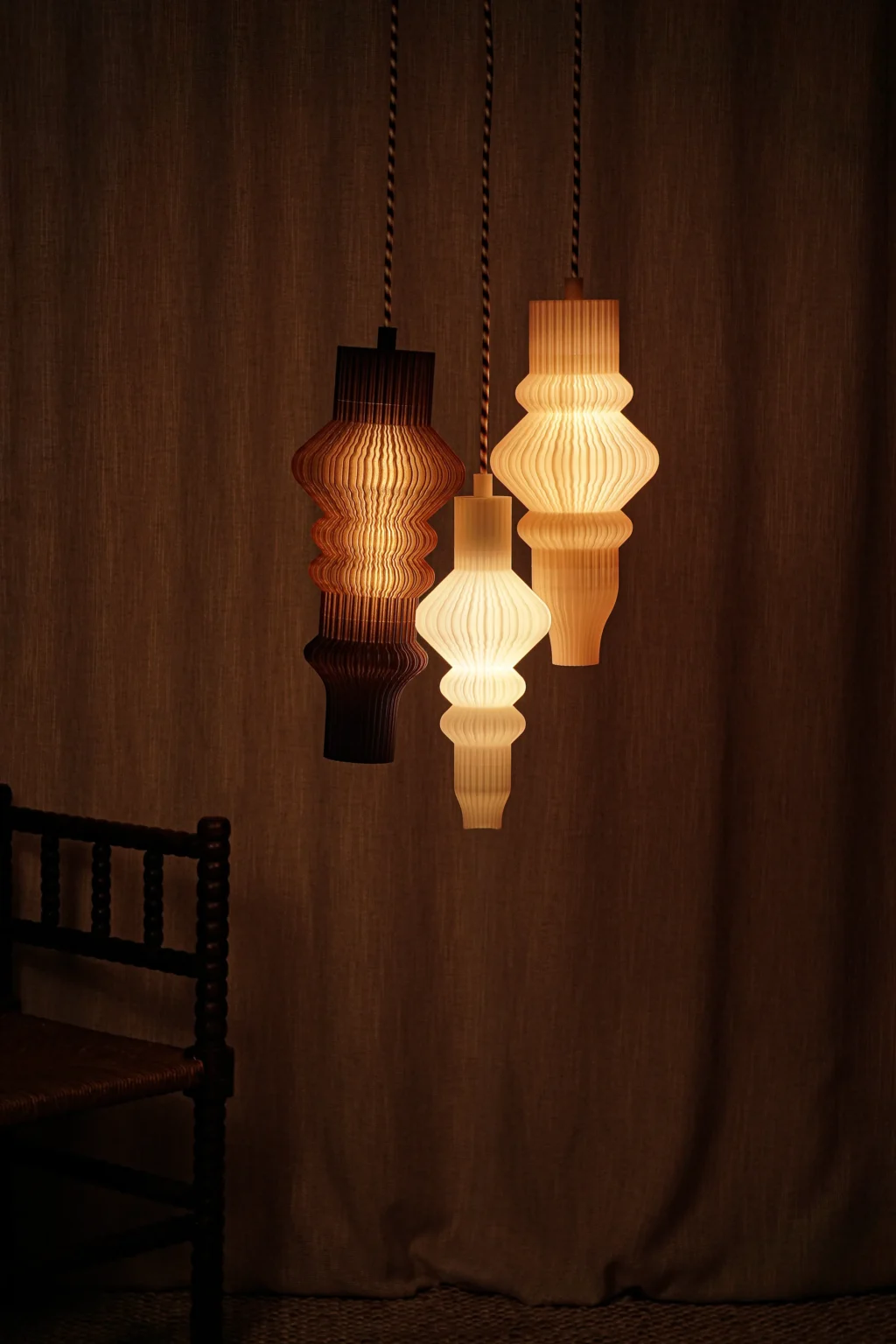

-
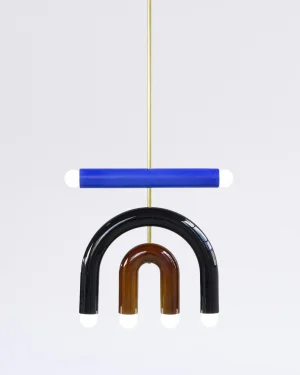
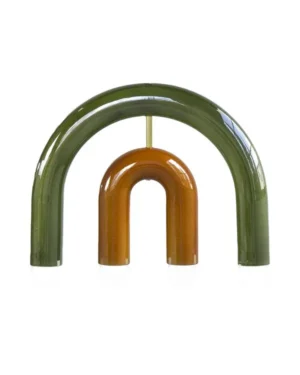
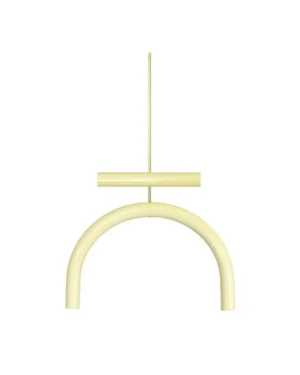
Trn / Model D1 Pendant Lamp In Ceramic
By Pani Jurek STUDIO
€1.080 -
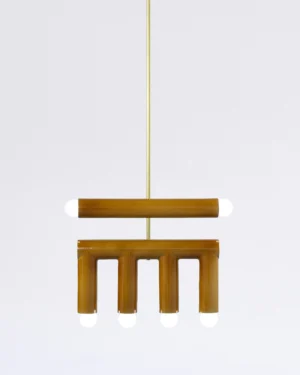
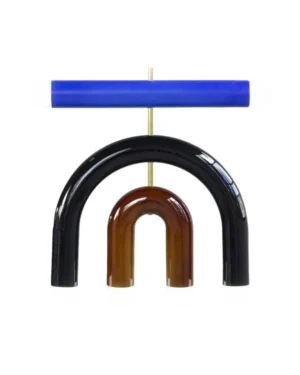
Trn / Model D2 Pendant Lamp In Ceramic
By Pani Jurek STUDIO
€1.080 - €1.130 -

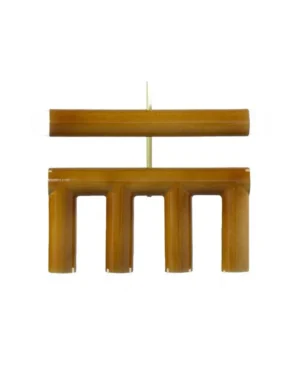
Trn / Model E1 Pendant Lamp In Ceramic
By Pani Jurek STUDIO
€1.430 - €1.490 -

Trn / Model C2 Pendant Lamp In Ceramic
By Pani Jurek STUDIO
€880 - €940 -
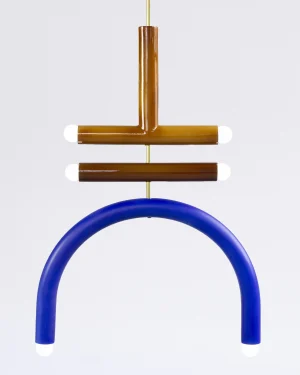
Trn / Model F2 Pendant Lamp In Ceramic
By Pani Jurek STUDIO
€1.600 -
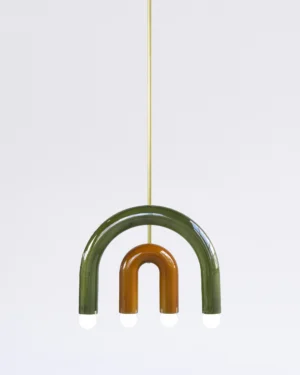
Trn / Model C1 Pendant Lamp In Ceramic
By Pani Jurek STUDIO
€880 -
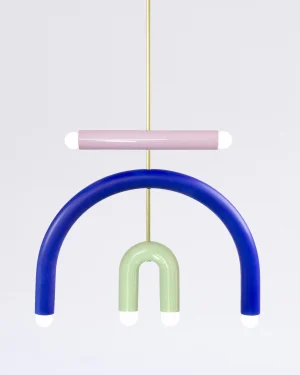
Trn / Model F3 Pendant Lamp In Ceramic
By Pani Jurek STUDIO
€1.600 - €1.650 -

Trn / Model A2 Pendant Lamp In Ceramic
By Pani Jurek STUDIO
€470 -
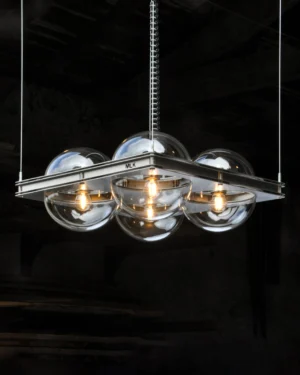
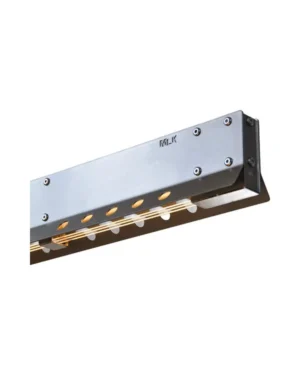
Bbl200x04 Pendant Lamp In Stainless Steel And Acrylic
By MLK Furniture
€2.400 -
 In stock
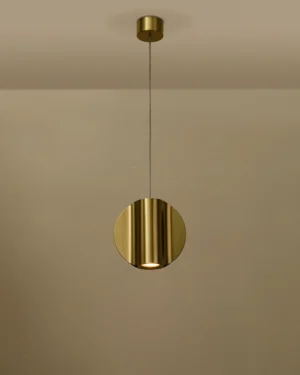
Pétale Pendant Lamp in Brass
By Studio Aristotelis Barakos
€850 -
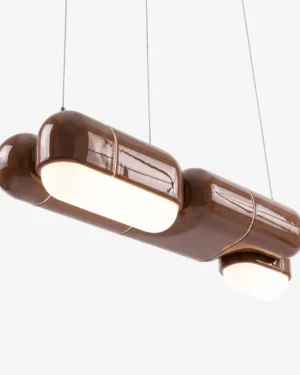
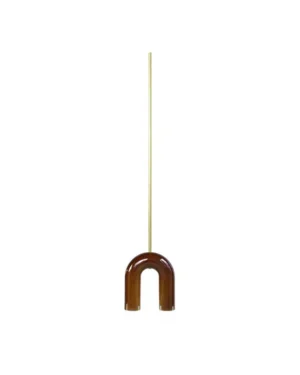
U – 044 – Pendant – Umber
By Rollo Studio
€2.345 -
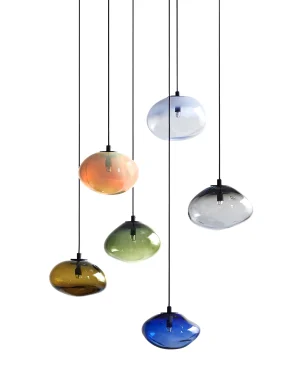
6 Starglow Pendant Lamp In Blown Glass
By ELOA - Unique Lights
€7.750 - €8.040 -
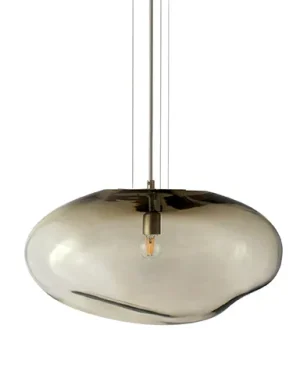
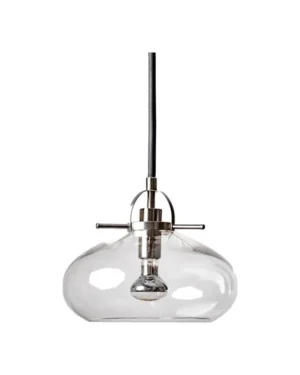
Haumea Amorph Pendant Lamp (silver Smoke) In Blown Glass
By ELOA - Unique Lights
€2.330 - €4.085 -
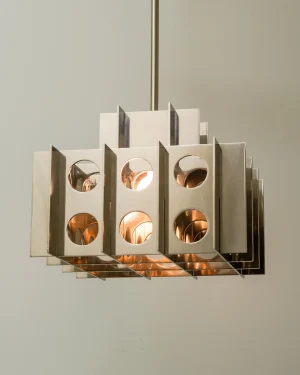
Tenfold 3 T A Pendant Lamp in Stainless Steel and Aluminum
By Luft Tanaka Studio
€2.895 - €8.675 -
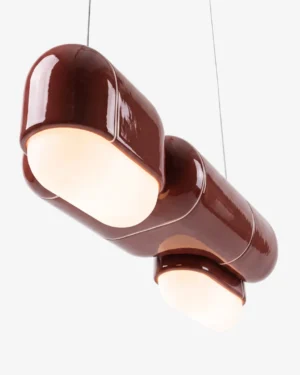
U-039 Pendant Lamp In Garnet Pla
By Rollo Studio
€1.995 -

Vira Triptych Ceiling Lamp In Bio Plastic
By Julie Mallet Studio
€567 -

Soniah Pendant Lamp in Clay
By FAINA
€2.990 -
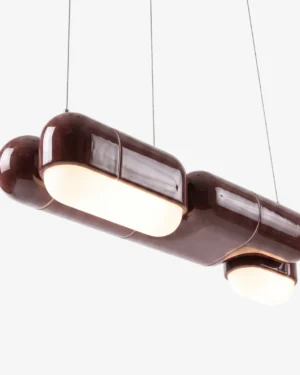
U-044 Pendant Lamp In Oxblood Pla
By Rollo Studio
€2.345 -

Umu U Pendant Lamp In Iron And Acrylic Glass
By Drusch Design
€950 -
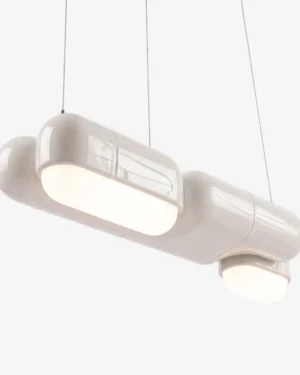
U-044 Pendant Lamp In Chalk Pla
By Rollo Studio
€2.345 -
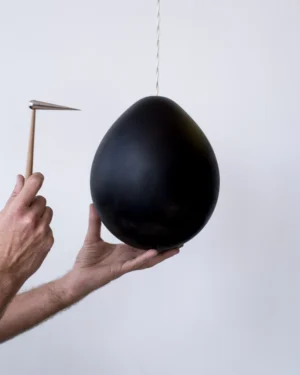 In stock
Less Pendant Lamp In Steel, Wood And Plaster
By Jordi Canudas Faura
€388 -
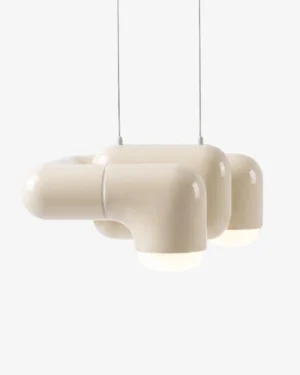
U-048 Pendant Lamp In Cream Pla
By Rollo Studio
€1.765 -
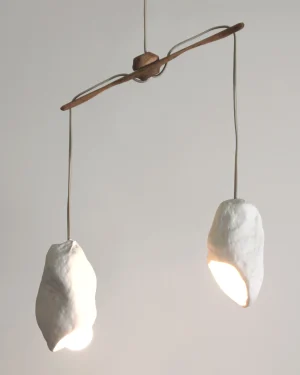
Maat Ceiling Lamp
By Dace Sūna
€1.200 -
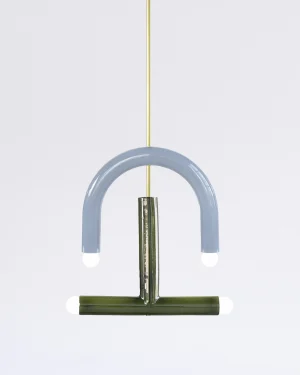
Trn / Model C3 Pendant Lamp In Ceramic
By Pani Jurek STUDIO
€880 - €940 -
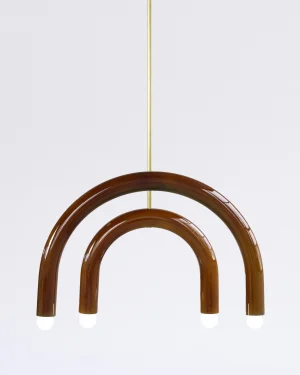
Trn / Model E3 Pendant Lamp In Ceramic
By Pani Jurek STUDIO
€1.430 - €1.490 -

Trn / Model F1 Pendant Lamp In Ceramic
By Pani Jurek STUDIO
€1.600 -
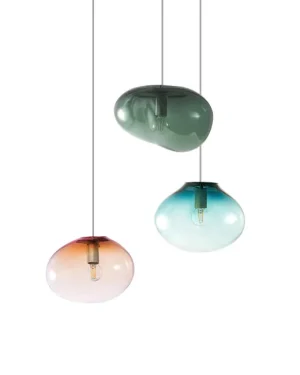
Planetoide Saiki Pendant Lamp In Blown Glass
By ELOA - Unique Lights
€7.480 - €7.770 -
 In stock
Abyss No. 1 Pendant Lamp In Stoneware
By Ceren Gürkan
€900 -
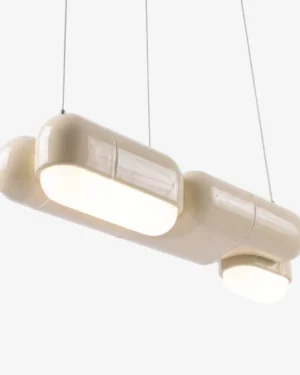
U-044 Pendant Lamp In Cream Pla
By Rollo Studio
€2.345 -
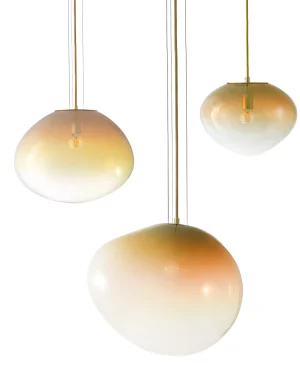
Sirius Pendant Lamp In Blown Glass
By ELOA - Unique Lights
€2.330 - €4.750 -
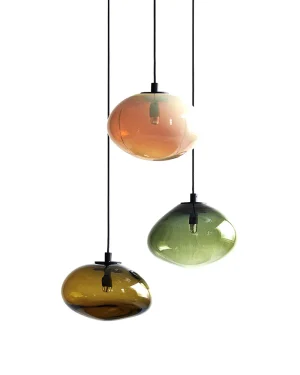
3 Starglow Pendant Lamp In Blown Glass
By ELOA - Unique Lights
€3.905 - €4.195 -
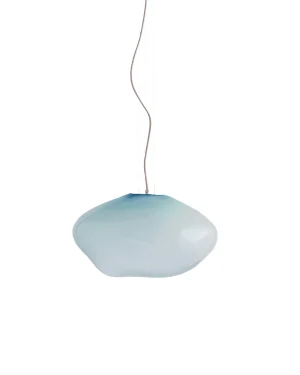
Haumea Convex Pendant Lamp (blue Opaque) In Blown Glass
By ELOA - Unique Lights
€2.330 - €4.085 -

Trn / Model D2 Silver Finish Pendant Lamp In Ceramic
By Pani Jurek STUDIO
€1.130 -
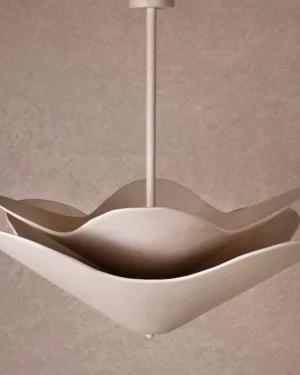
Iris Pendant In Clay Paste
By Harshita Jhamtani Designs
€1.180 -

Constellation Set Of 3 Pendant Lamp In Blown Glass
By ELOA - Unique Lights
€9.060 -
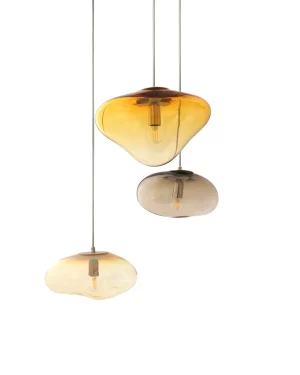
Planetoide Seresi Pendant Lamp In Blown Glass
By ELOA - Unique Lights
€7.480 - €7.770 -
 In stock
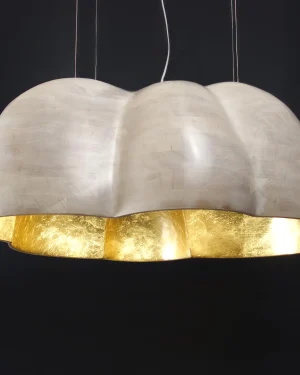
N2 Cloud Ceiling Lamp in Cherry Wood and Gold Leaf
By Aaron Scott
€10.300 -

Haumea Amorph Pendant Lamp (amber Iridescent) In Blown Glass
By ELOA - Unique Lights
€2.330 - €4.085 -
 In stock
Lullaby and Hygge Pendant Lamp in Resin and Steel
By BDCI
€1.400 -
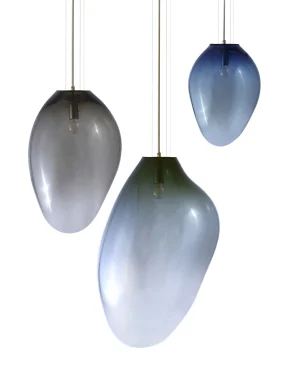
Ceres Pendant Lamp In Blown Glass
By ELOA - Unique Lights
€2.330 - €4.750 -
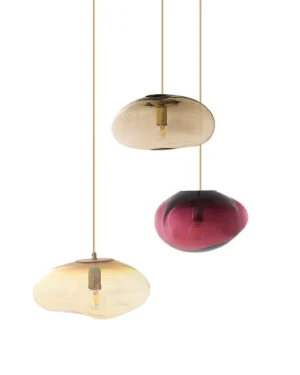
Planetoide Amor Pendant Lamp In Blown Glass
By ELOA - Unique Lights
€7.480 - €7.770 -
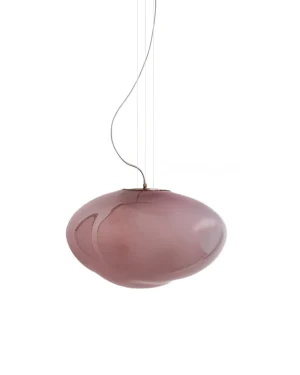
Haumea Convex Pendant Lamp (flieder Opaque) In Blown Glass
By ELOA - Unique Lights
€2.330 - €4.085 -
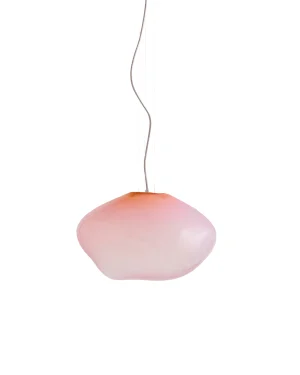
Haumea Convex Pendant Lamp (flamingo Opaque) In Blown Glass
By ELOA - Unique Lights
€2.330 - €4.085 -

Haumea Convex Pendant Lamp (salbei Opaque) In Blown Glass
By ELOA - Unique Lights
€2.330 - €4.085 -
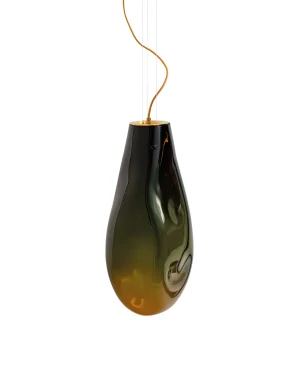
Lyra Pendant Lamp (yellow Green Blue) In Blown Glass
By ELOA - Unique Lights
€2.330 - €4.750 -

Clay Cone Pendant In Textured Black Clay Paste And Mild Steel
By Harshita Jhamtani Designs
€1.820 -
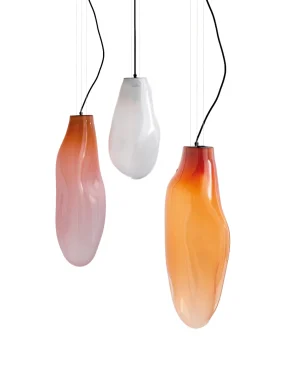
Lyra Pendant Lamp Set Of 3 In Blown Glass
By ELOA - Unique Lights
€9.480 -
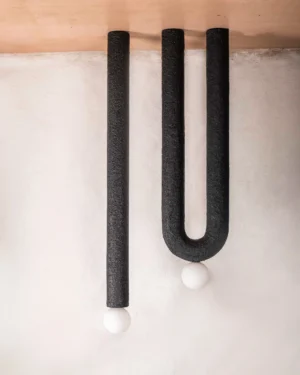
U And I Ceiling Light Set In Clay Paste And Glass
By Harshita Jhamtani Designs
€1.680 -
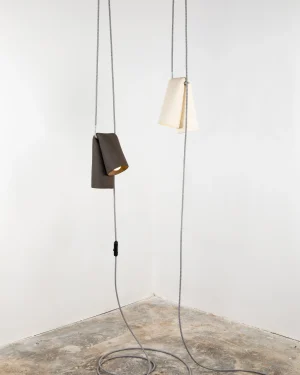
Melo Pendant Lamp In Ceramic
By Catalin Filip
€300 -
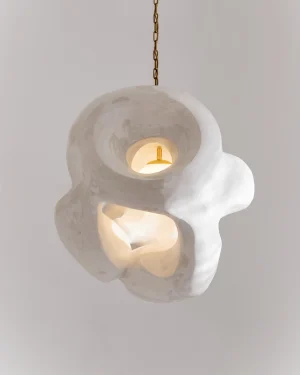
Ikigai Ceiling Lamp in Alabaster Gypsum
By Studio AOAO
€22.000 -
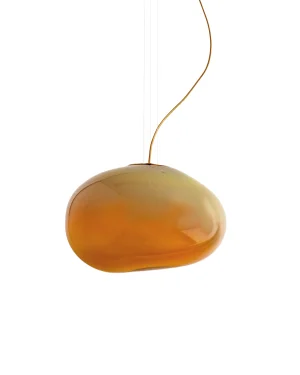
Haumea Convex Pendant Lamp (amber Iridescent) In Blown Glass
By ELOA - Unique Lights
€2.330 - €4.085 -
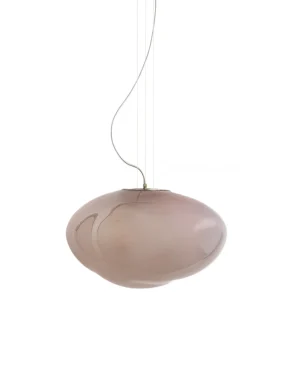
Haumea Convex Pendant Lamp (taupe Opaque) In Blown Glass
By ELOA - Unique Lights
€2.330 - €4.085 -
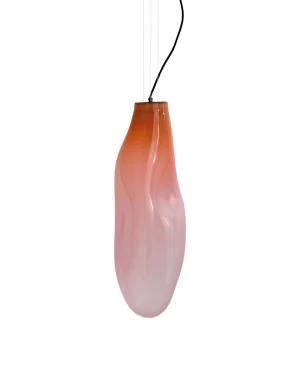
Lyra Single, Flamingo Opaque Pendant Lamp In Blown Glass
By ELOA - Unique Lights
€2.330 - €4.750 -
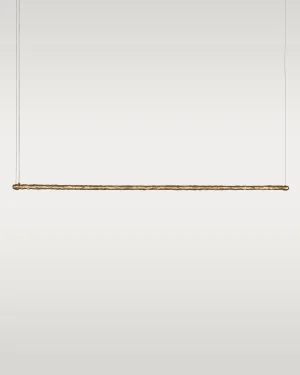
Aria Linear Ceiling Lamp In Brass
By Stem
€1.550 - €2.100
Entryway pendant lamps are the single fixtures hung above a door, a console table or a small landing, shaped by hand in blown glass, brass, steel and clay rather than stamped from a mold. Independent studios make them one at a time or in short runs, using glassblowing, metalwork, hand-building and plastering, so the surface and the weight vary slightly from piece to piece. A single shade on a single cord, the pendant format suits the entry because it does one job well: it marks the threshold with light, without crowding a space that is usually the smallest room in the house.
What defines the material and the making
Blown glass carries the most range here, from clear and amber spheres to white shades that soften a bare bulb into a glow. Brass and steel pendants, raised or sand cast, pick up a warm patina or hold a cool, brushed finish depending on how the studio treats the metal. Plaster composite and hand-built clay shades read heavier and more matte, closer to stone or raw ceramic than to anything polished.
The range of finishes and editions
Color runs from white, off-white and light gray through black, amber, coral, pink and green, so a pendant can disappear against a pale wall or stand out as the one bright object by the door. Styles span contemporary, minimalist, Japandi, Art Deco, wabi-sabi and brutalist work, meaning the same brass or steel body can look sharp-edged or deliberately rough depending on the studio's hand. Some pieces are open editions, made to a standing design; others are limited editions or unique pieces, where no two shades leave the kiln or the glass furnace quite alike. Studios working across metal pendant lamps or in a stricter minimalist pendant lamp idiom sit alongside the glass and clay makers, which is part of why the entryway category stays varied even as individual pieces sell out.
How to choose one for a narrow space
Scale first: an entry hall is usually tighter than a living or dining room, so a shade that would look modest over a long table can dominate a small square foot of ceiling. Hang height matters more here than anywhere else in the house, since people pass directly under the fixture; most entryway pendants sit higher than a dining pendant so a coat or an umbrella does not brush the shade. Finish should answer the door itself: a warm brass or amber glass pendant softens a dark hallway, while a black steel or white plaster shade reads cleaner against pale walls and tile.
Where entryway pendant lamps work
Beyond the front door, the same scale and hang height suit a stair landing, a narrow hallway or a mudroom bench, anywhere a single overhead light is asked to do the work of a lamp without taking up floor space. Paired with a console or a mirror, an entryway pendant becomes the fixture that greets a room before any seating does. For the rest of what an entry needs, entryway furniture and entryway tables cover the pieces that sit beneath the light.
Caring for glass and metal pendants
Blown glass wants a dry dusting cloth and a steady hand when wiring is touched, since the shade is thinner than it looks. Brass will darken and spot with handling and humidity; left alone it develops an even patina, or it can be waxed to hold its brightness. Steel and aluminum fixtures tolerate a damp cloth but should be dried fully, particularly in an entry exposed to wet coats and umbrellas. For the full spread of shapes and materials beyond the entry, the pendant lamp category and entryway pieces across every room are worth a look.
How do I choose a pendant lamp for an entryway?
Match the scale to the space: a small landing suits a single glass or clay shade, while a taller stairwell can hold a larger brass or steel form without crowding the walk-through.
What height should an entryway pendant hang at?
Most hang so the bottom of the shade sits well above head height, clearing doorways and coats while still pooling light at eye level near the threshold.
What materials are entryway pendant lamps made from, and how do I care for them?
Blown glass wipes clean with a soft cloth, brass and steel develop a patina or stay bright depending on finish, and plaster or clay shades want a dry dust rather than water.
Can a pendant lamp work in a small or narrow entryway?
Yes, a single shade on one cord takes up less visual space than a flush mount or sconce pair, marking the door without competing with coats, tables or mirrors nearby.
Are entryway pendant lamps handmade or one of a kind?
Many are blown, cast or hand-built by independent studios in open editions, limited runs or as unique pieces, so surface and weight vary slightly from one to the next.
How does buying a pendant lamp through ADORNO work, including shipping and returns?
Shipping is insured and worldwide, each piece arrives with a certificate of authenticity, and a 14-day return policy applies except on made-to-order pieces; for details on a specific lamp, use Chat with the maker on its page.