




-
 In stock
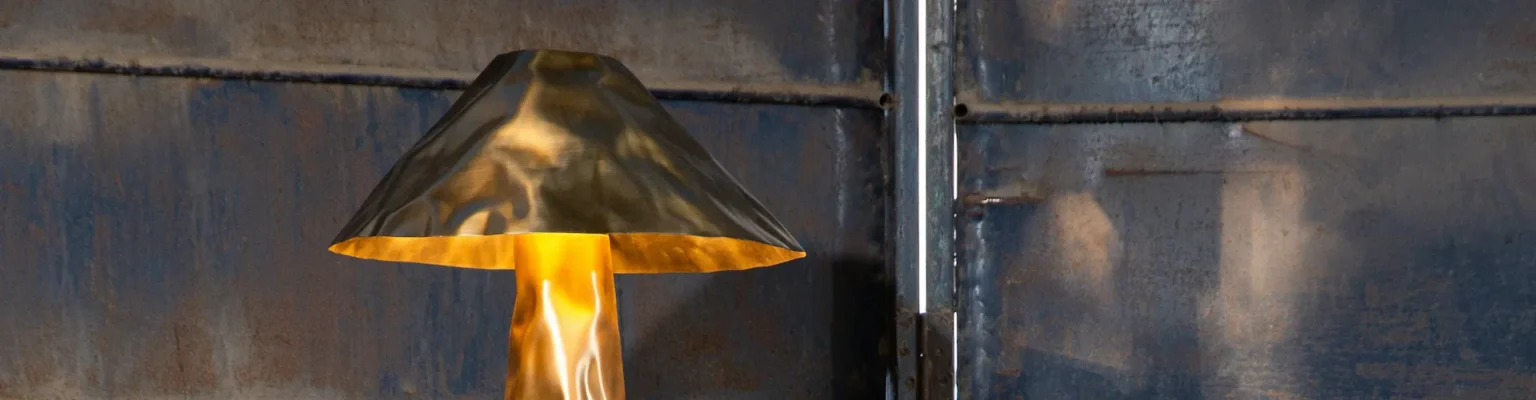
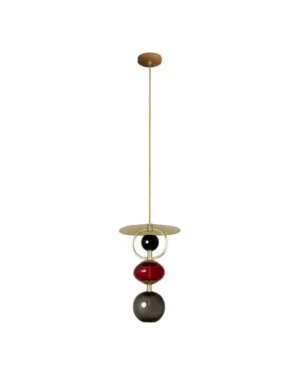
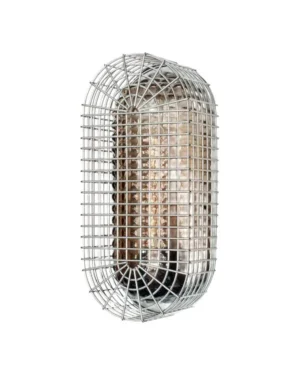
Svitlotin Blue Ceiling Lamp in Metal
By SVITANOK
€890 - €1.150 -
 In stock
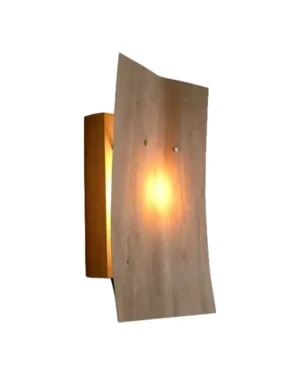
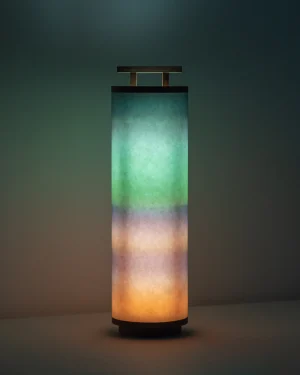
Torii G Pala Table Lamp in Washi Paper and Walnut
By Prangé
€1.232 -

Coralight Table Lamp in Bio Plastic
By Cornu Design
€129 -
 In stock
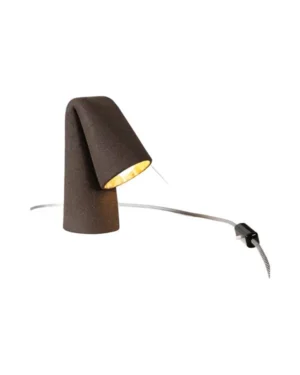
Pa Lamp
By BuRRo
€62 -
 In stock
Tiles Line European Wall Sconce in Ceramic and Metal
By Violaine d'Harcourt Lighting Design
€260 -
 In stock
Cheese Floor Lamp in PLA-Woodfill
By M’ama edizioni
€380 -
 In stock
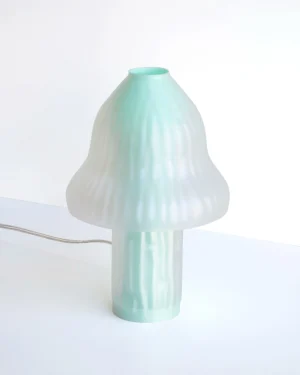
Lampamodelé Blue Table Lamp In 3d Printed Pla
By BehaghelFoiny Studio
€99 -
 In stock
Mujo M Reol Wall Sconce in Walnut Wood and Washi Paper
By Prangé
€1.706 -
 In stock
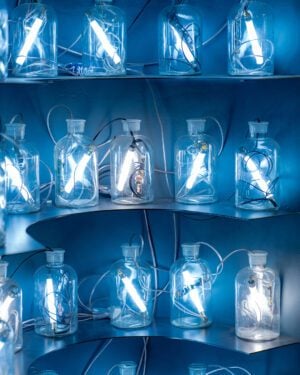
Äther 16
By TUNK I Busra Tunc
€2.200 -
 In stock
Manon Floor Lamp in Rattan
By Heaps & Woods
€2.125 - €2.375 -
 In stock
Pe Lamp
By BuRRo
€62 -
 In stock
Lolli Table Lamp in Blown Glass
By Studio Monsoleil
€700 - €900 -
 In stock
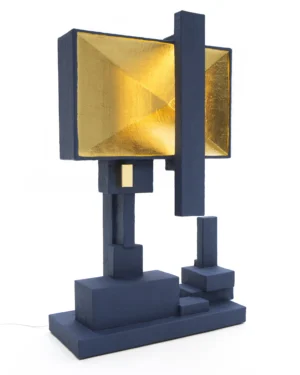
Box-2 Floor Lamp in Blue Cardboard and Gold-leaf
By Studio Josha
€8.995 -
 In stock
Acesa Luminária Em Papel Machê
By Sandro Vieira studio
€550 -
 In stock
Mujo M Aray Wall Sconce in Walnut Wood and Washi Paper
By Prangé
€1.706 -
 In stock
Tiles Door European Wall Sconce in Ceramic and Metal
By Violaine d'Harcourt Lighting Design
€260 -

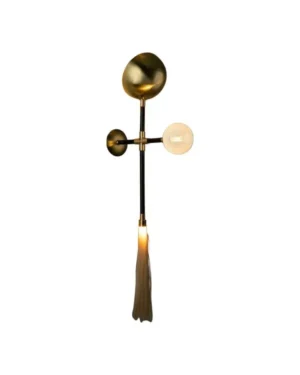
Dyptich Wall Sconce in Brass and Recycled Plastic
By SIGNATURE OBJECTS
€1.800 -
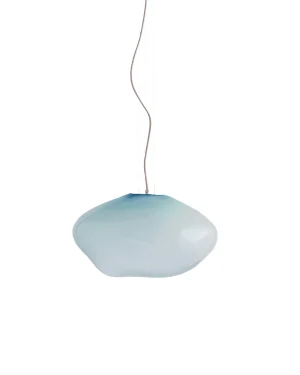
Haumea Convex Pendant Lamp (blue Opaque) In Blown Glass
By ELOA - Unique Lights
€2.330 - €4.085 -
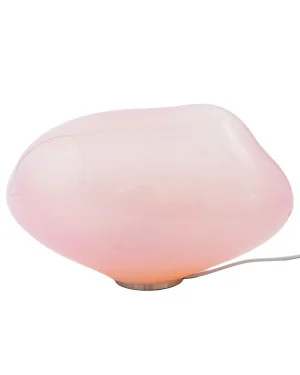
Haumea Convex Table Lamp In Flamingo Opaque Glass
By ELOA - Unique Lights
€2.330 - €4.085 -
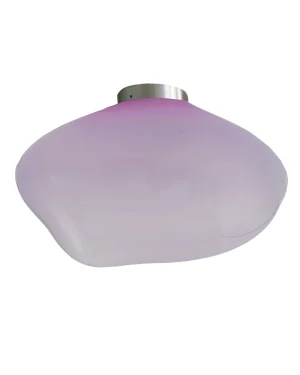
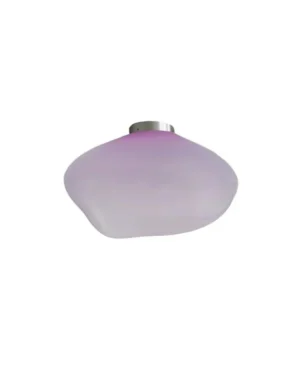
Haumea Convex Ceiling Lamp (flieder Opaque) In Blown Glass
By ELOA - Unique Lights
€2.330 - €4.085 -
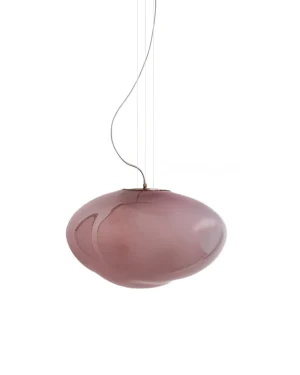
Haumea Convex Pendant Lamp (flieder Opaque) In Blown Glass
By ELOA - Unique Lights
€2.330 - €4.085 -

Haumea Convex Table Lamp In Amber Iridescent Glass
By ELOA - Unique Lights
€2.330 - €4.085 -

Haumea Convex Table Lamp In Blue Opaque Glass
By ELOA - Unique Lights
€2.330 - €4.085 -
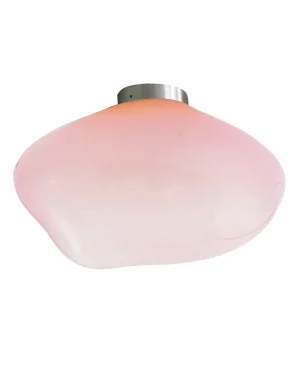
Haumea Convex Ceiling Lamp (flamingo Opaque) In Blown Glass
By ELOA - Unique Lights
€2.330 - €4.085 -
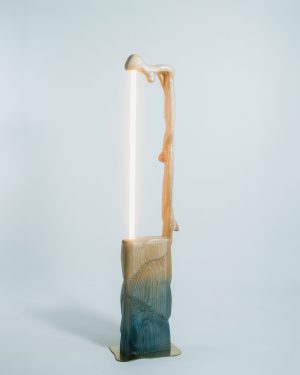 In stock
Blueprint Floor Lamp in Ash Wood
By Studio Kloak
€2.500 -
 In stock
Plissé Mini – Table Lamp In Royal Blue
By Vlad Oganov Objects
€299 -
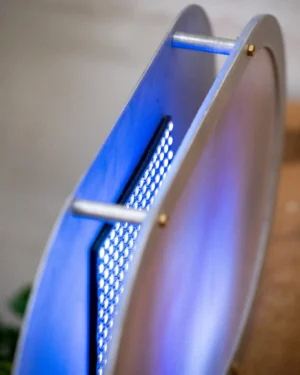 In stock
Cumulo Table Lamp in Aluminum and White Glass
By Valentine Maurice
€1.400 -
 In stock
Äther Seul
By TUNK I Busra Tunc
€325 -
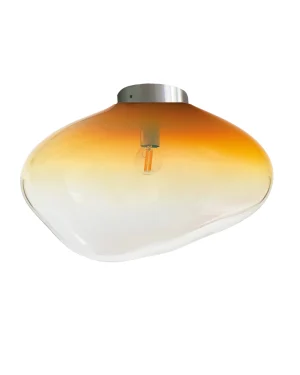
Haumea Convex Ceiling Lamp (amber Iridescent) In Blown Glass
By ELOA - Unique Lights
€2.330 - €4.085 -
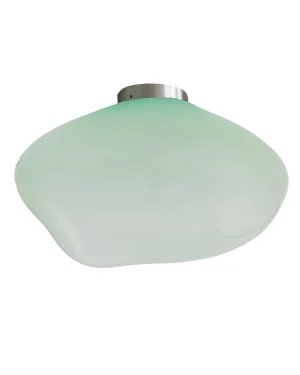
Haumea Convex Ceiling Lamp (salbei Opaque) In Blown Glass
By ELOA - Unique Lights
€2.330 - €4.085 -
 In stock
Tutu Table Lamp in Red Ceramic
By Slō
€1.150 -
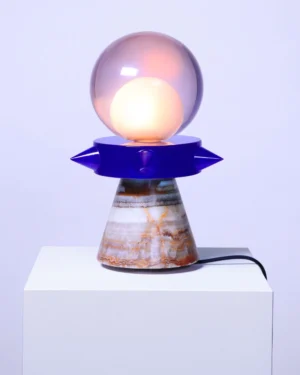
Tona Table Lamp in Onyx and Resin
By Adrian Cruz
€2.420 -
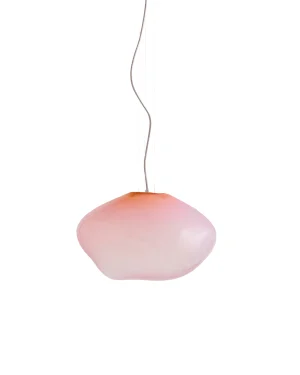
Haumea Convex Pendant Lamp (flamingo Opaque) In Blown Glass
By ELOA - Unique Lights
€2.330 - €4.085 -
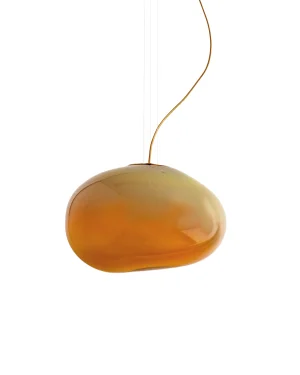
Haumea Convex Pendant Lamp (amber Iridescent) In Blown Glass
By ELOA - Unique Lights
€2.330 - €4.085 -
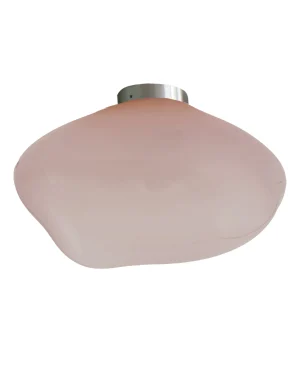
Haumea Convex Ceiling Lamp (taupe Opaque) In Blown Glass
By ELOA - Unique Lights
€2.330 - €4.085 -
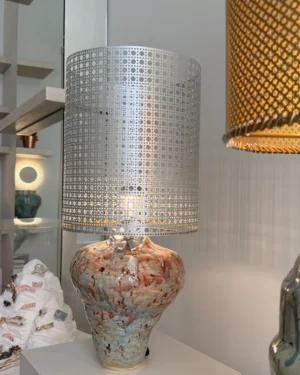
Veil Iv Jade Table Lamp In Aluminum And Ceramics
By Hania Jneid Design Studio
€2.900 -
 In stock
Empilé Petit – Table Lamp In Royal Blue
By Vlad Oganov Objects
€299 -
 Sold
Chimney Table Lamp In Aluminum And Steel
By BOTHI
€210 -
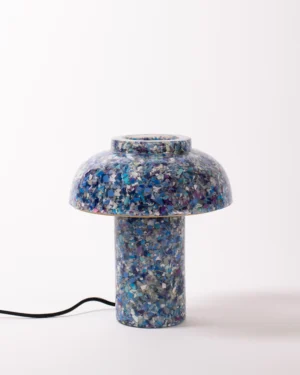
Second Tide Table Lamp In Blue Recycled Plastic And Brass
By Harshita Jhamtani Designs
€1.340 -
 In stock
Plissé – Table Lamp In Royal Blue
By Vlad Oganov Objects
€399 -
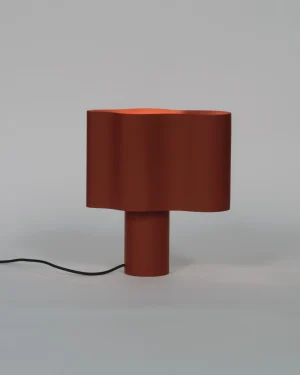
Lake Table Lamp In Steel
By Natural Urbano - Sebastián Beltrán
€330 -

Lagrimita Chicharron Lamp
By BuRRo
€337 -

Chimney Table Lamp In Aluminum
By BOTHI
€210 -

Haumea Convex Pendant Lamp (salbei Opaque) In Blown Glass
By ELOA - Unique Lights
€2.330 - €4.085 -
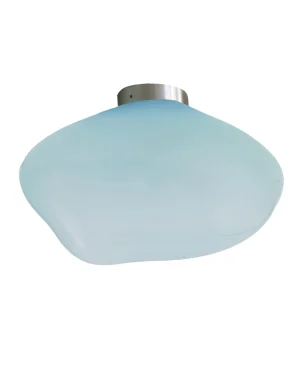
Haumea Convex Ceiling Lamp (blue Opaque) In Blown Glass
By ELOA - Unique Lights
€2.330 - €4.085 -

Haumea Convex Table Lamp In Flieder Opaque Glass
By ELOA - Unique Lights
€2.330 - €4.085 -
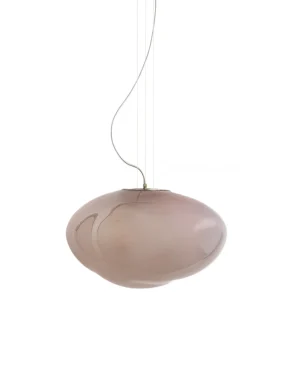
Haumea Convex Pendant Lamp (taupe Opaque) In Blown Glass
By ELOA - Unique Lights
€2.330 - €4.085 -

Haumea Convex Table Lamp In Taupe Opaque Glass
By ELOA - Unique Lights
€2.330 - €4.085 -

Follow The Deer Table Lamp In Neon Glass
By Dace Sūna
Price Upon Request -
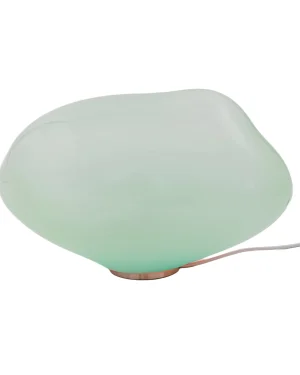
Haumea Convex Table Lamp In Salbei Opaque Glass
By ELOA - Unique Lights
€2.330 - €4.085 -
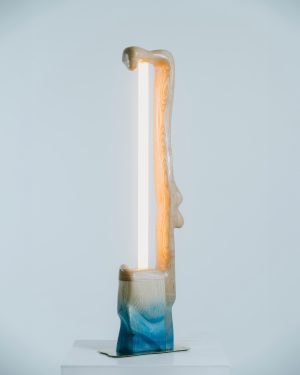 Sold
Blueprint Table Lamp in Ash Wood and Brass
By Studio Kloak
€1.200 -
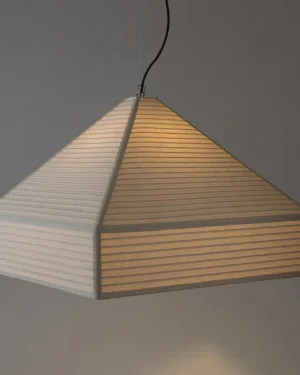
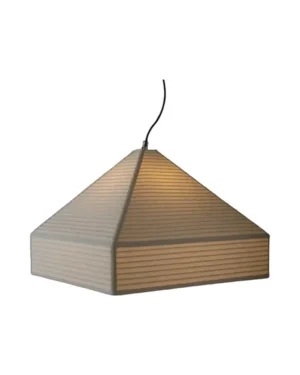
Pyramid Pendant Lamp In Textiles
By NASSI LAMPS
€1.049 - €1.575
Blue lamps gather glazed ceramic, hand-blown glass and brass into small-batch and limited-edition forms that hold their color in daylight and soften it after dark. Studios working in glass, glazed ceramic and metal reach blue through glaze chemistry, colored glass batches or painted finishes, each method giving the tone a different depth. The result is a piece that reads as a shaped object by day and as a glow once the room dims.
What gives blue lamps their color
Ceramic studios build blue into the glaze itself, firing a cobalt oxide mix that can run from a flat matte to a glassy pool depending on kiln temperature and cooling time. Glassblowers work color into the molten glass before the piece is shaped, so the hue sits inside the material rather than on its surface and shifts in saturation as the glass thickens or thins across a bubble or neck. Metal pieces reach blue through powder coating or wet paint on aluminum, finishes that sit on top of the material and read more even and graphic than a glaze or hand-blown form.
Materials and techniques found here
Alongside glazed ceramic and blown glass, blue appears on painted and stainless steel shades, aluminum bodies and bioplastic or recycled-plastic forms made through 3D printing and digital fabrication. Hand-building and glazing give ceramic lamps their variation piece to piece; glass cold working shapes and finishes blown forms once they leave the furnace; metalwork covers folded and shaped bases and shades. Editions run from unique pieces and open runs to limited editions, so scarcity depends on the maker and process rather than on the color itself. Across the range, blue lamps vary from quiet matte ceramics to bright blown-glass accents, with metal lamps adding a cooler, flatter version of the same tone.
Choosing a blue lamp for a room
Scale and height decide the job a lamp does before color does. A low glazed ceramic base suits a side table and a seated sightline, while a taller blown-glass or brass floor lamp can carry light across a sofa or reading chair among living room lamps. A smaller blue lamp on a nightstand works well among bedroom lamps, where the glow matters more than the daytime silhouette.
Finish changes how the blue reads against a wall or window. A matte glaze absorbs light and sits quietly against pale paint; a glossy glaze or clear-blown blue glass catches reflections and carries more visual weight. Metal bodies tend to hold a steadier, more constant blue across the whole form, which suits rooms where the lamp stays visible through the day.
Living with and caring for blue lamps
- Glazed ceramic resists stains and fading but can chip at edges and bases, so lift rather than drag it across a table.
- Blown glass should be dusted rather than wiped with abrasive cloths, which can dull a glossy surface over time.
- Painted metal finishes hold their color well out of direct sun but respond better to a dry cloth than to solvents, which can strip a painted coat.
Most blue lamps tolerate regular dusting without losing color, and keeping them out of direct midday sun helps a painted or glazed finish stay even over years of use. Blue sits easily against wood, white walls and most other colors, which is why it works equally as a quiet accent and as a statement piece in a room.
For a wider look at the tone across other object types, blue pieces from independent designers extend the same range of glaze, glass and metal finishes beyond lighting. The full spread of table, floor and wall-mounted forms sits within lamps on ADORNO, and the wider spread of shades, pendants and fixtures in the same tone sits within blue lighting.
How do I choose a blue lamp?
Match the technique to the setting: glazed ceramic reads soft and varied, blown glass carries light through its color, and painted metal gives a flatter, more graphic blue.
How do you care for a blue lamp?
Dust ceramic and metal surfaces with a dry cloth, and keep blown glass away from sudden temperature changes, since it can crack under stress rather than impact.
What size blue lamp do I need?
Table lamps generally sit close to eye level when seated, while floor lamps work at shoulder height or above, so measure the spot before choosing a form.
Which rooms suit a blue lamp?
Blue holds its depth near windows and softens into a glow after dark, which suits living rooms, bedrooms and reading corners where the light is seen both on and off.
Will the blue color fade or change over time?
Glaze and blown glass hold their color because it runs through the material, while painted metal can dull slightly with years of direct sun.
How does shipping, returns and authenticity work on ADORNO?
Shipping is insured and worldwide, returns are accepted within 14 days except on made-to-order pieces, and every lamp arrives with a certificate of authenticity.