















-
 In stock
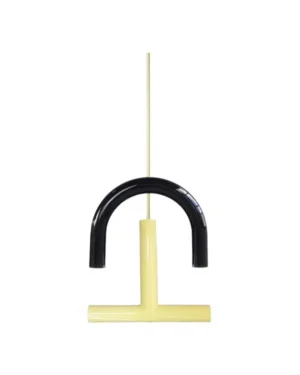
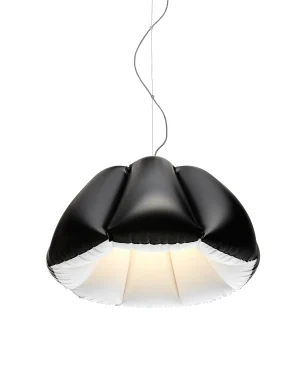
Orca Pendant Lamp in Galvanised Steel and PVC
By PUFF-BUFF
€430 -
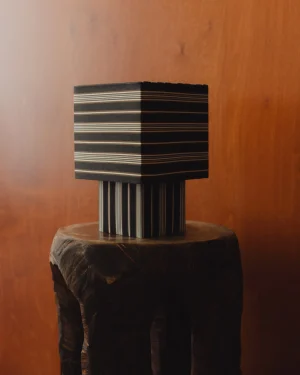
La Petite Boîte Cameron Black Table Lamp in Cotton
By mattina moderna
€285 -

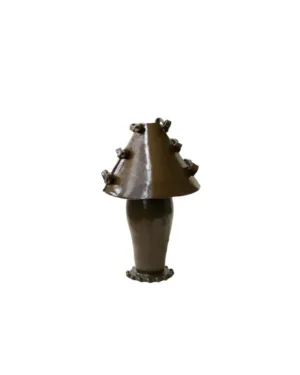
El Joyero De Odette Table Lamp In Stoneware
By Mina Wright
€810 -
 In stock
Lumière Feuillue Alba Table Lamp In Bio-plastic
By Vlad Oganov Objects
€499 -
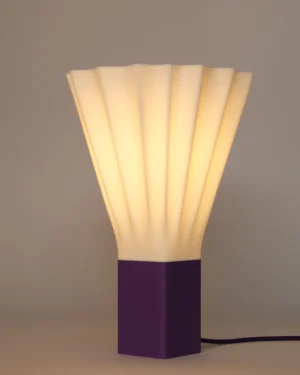 In stock
Plissé Mini – Table Lamp In Iris Purple
By Vlad Oganov Objects
€299 -

La Petite Boîte Table Lamp in Tartan Cotton
By mattina moderna
€285 -
 In stock
Lumière Feuillue Silva Table Lamp In Petg
By Vlad Oganov Objects
€499 -
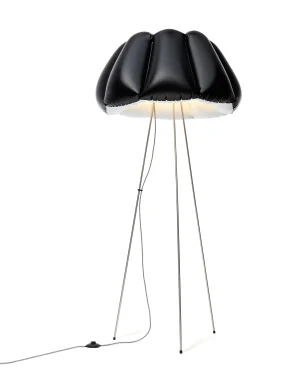 In stock
Orca Floor Lamp in PVC and Stainless Steel
By PUFF-BUFF
€650 -
 In stock
Tundra Floor Lamp
By Gábor Góbi
€4.990 -
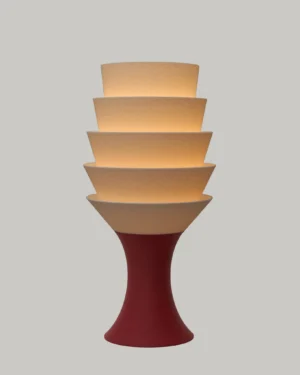 In stock
Empilé Petit – Table Lamp In Burgundy Red
By Vlad Oganov Objects
€299 -
 In stock
Totem Floor Lamp
By Gábor Góbi
€2.390 -
 In stock
Gravel Table Lamp in Quartz Stone
By STUDIO GUILTY
€612 - €620 -
 In stock
Lumière Feuillue Noctis Table Lamp In Petg
By Vlad Oganov Objects
€499 -
 In stock
Plissé Mini – Table Lamp In Royal Blue
By Vlad Oganov Objects
€299 -
 In stock
Empilé Petit – Table Lamp In Black
By Vlad Oganov Objects
€299 -
 In stock
Volcano Table Lamp
By Gábor Góbi
€3.690 -

Monadre – Vegetal Glass & Recycled Mother Of Pearl – Organic Table Lamp
By Clemence Josephine Touzet
€698 -

Pivnich Floor Lamp in Ceramic and Cotton
By FAINA
€7.700 -
 In stock
Plissé Mini Table Lamp In Bio Plastic
By Vlad Oganov Objects
€299 -
 In stock
Empilé Petit – Table Lamp In Iris Purple
By Vlad Oganov Objects
€299 -
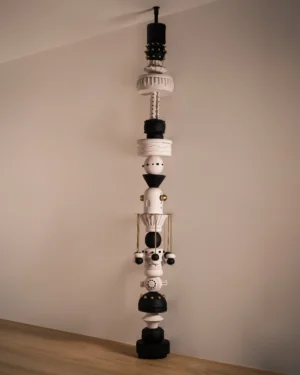
Asteroid Floor-to-ceiling Totem In Stoneware And Brass
By Harshita Jhamtani Designs
€6.900 -
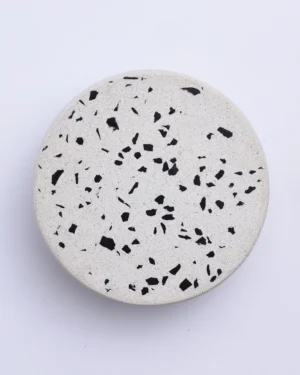
Wilo Mono Wall Sconce In Terrazzo, Aluminum And Silicone
By Harshita Jhamtani Designs
€220 -
 In stock
Empilé Petit – Table Lamp In Royal Blue
By Vlad Oganov Objects
€299 -
 In stock
Block Table Lamp
By Gábor Góbi
€1.190 -

Marbled Salts Ceiling Lamp in Marbled Salts
By MARBLEDSALTS studio
Price Upon Request -
 Sold
La Petite Boîte Table Lamp in Polka Dot Cotton
By mattina moderna
€285
Black and white lamps hold their graphic contrast through the material itself, not through paint alone: a glossy glaze stopped short of a matte base, a milky white glass set against a blackened metal fitting, a stoneware body fired in two tones. Independent studios build them by hand-throwing clay, blowing glass and hand-building forms before glazing, so the contrast reads as part of the object rather than a surface treatment. Many are made in limited editions or as one-off pieces, which keeps the color pairing from feeling mass-produced.
What gives black and white lamps their contrast
The look depends on how the material takes light and pigment. Glazed stoneware and ceramic hold black and white as two distinct fired surfaces, often divided by a visible seam or a dip line where the glaze was poured. Blown glass carries the contrast differently: white glass diffuses light into a soft, even glow, while black glass or a blackened metal base reads as solid and opaque even when lit. Bioplastic and PVC forms, often shaped through mould making or 3D printing, give a harder, more graphic edge to the same palette.
The range of materials and techniques
Within black and white lamps, ceramic and stoneware dominate, shaped by hand-building or thrown on a wheel and finished with glazing that separates the two colors cleanly or lets them bleed at the border. Glass pieces are blown and sometimes paired with cotton shades or silver detailing for a softer contrast. Newer studios work in bioplastic through biofabrication or 3D printing, producing forms with sharper geometry than clay allows. Editions run from unique pieces and small limited runs to open editions, so the degree of rarity varies piece to piece. For a wider view of the same palette across other lighting types, the full range of black and white lighting shows how the pairing carries into pendants and floor lamps as well.
How to choose a black and white lamp
Scale matters more with two-tone pieces than with a single color, since a tall base in black and white draws the eye the way a plain white one would not. Think about where the join between colors sits: a lamp with the darker tone low and the lighter tone near the shade will feel grounded, while the reverse can feel top-heavy in a small room. Height should match its task, bedside lamps sit low enough not to glare when you are lying down, while a lamp meant to light a reading chair needs the bulb at or above shoulder height when seated. Finish affects how much the contrast reads from a distance: matte stoneware softens the graphic effect, while glossy glaze or glass sharpens it.
- Pair a strong black and white base with a plain shade so the body stays the focal point
- Choose glass over ceramic if you want the lamp to read as soft light rather than solid object when off
- Keep the color pairing consistent with other black and white pieces in the room rather than introducing a third tone
Where they work in a room
The contrast suits rooms where the lamp is meant to be noticed as well as used. A side table or console in a living room gives a two-tone base enough space to read clearly, as shown among living room lamps built for that kind of placement. On a nightstand, a smaller black and white piece from the black and white table lamps works well against plain bedding, where the contrast stands out without competing with pattern. Entryways and shelving also suit the style, since the graphic quality holds up even in a glance.
Caring for ceramic, glass and metal lamps
Glazed stoneware and ceramic should be dusted with a dry or barely damp cloth, since standing water can seep into any unglazed foot or base and leave marks. Glass bodies benefit from a soft cloth rather than abrasive cleaners, which can dull the surface over time. Lamps with blackened metal fittings, more common among metal lamps, should be kept dry to avoid the patina shifting unevenly. Across the wider lamps on ADORNO, the same rule holds: let the material dictate the care, not the color.
How do I choose a black and white lamp?
Look at how the contrast is made, a dip-glazed line on stoneware reads differently than black glass against a milky white diffuser. Pick the material that suits how the room is lit day and night.
How do you care for a black and white lamp?
Dust ceramic and glass surfaces with a soft, dry cloth and avoid abrasive cleaners that can dull the glaze or scratch the glass. Keep metal fittings dry to prevent tarnishing or corrosion over time.
What size lamp works best on a table or floor?
Table lamps generally sit between 18 and 30 inches tall, while floor lamps run from 50 to 65 inches to cast light at seated or standing eye level. For an exact measurement, chat with the maker on the piece's page.
Which rooms suit black and white lamps?
Their graphic contrast holds its own in living rooms and entryways, and reads just as clearly on a bedside table where the form is seen up close. The strong palette works equally well as a single statement or paired with other tones.
Are black and white lamps handmade or mass-produced?
Many are hand-thrown, hand-built or hand-blown, and often made in limited editions or as one-off pieces, so the contrast reads as part of the object rather than a printed surface.
What happens when I buy a lamp through ADORNO?
Shipping is insured and worldwide, with a 14-day return policy excluding made-to-order pieces. Every lamp comes with a certificate of authenticity, backed by a lowest-price guarantee.