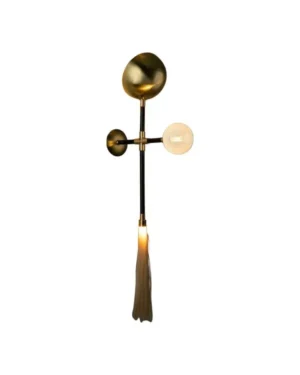
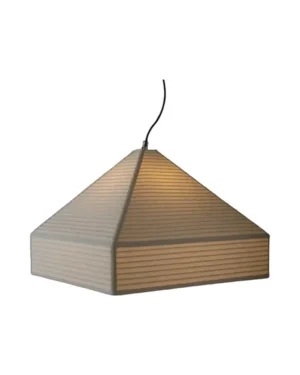
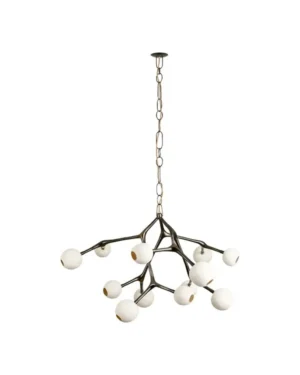
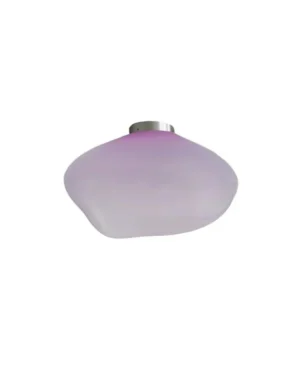






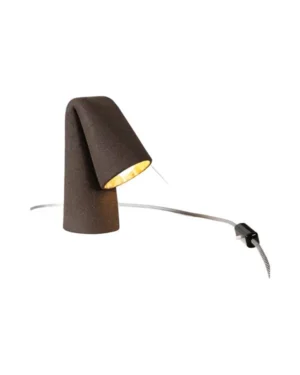
-

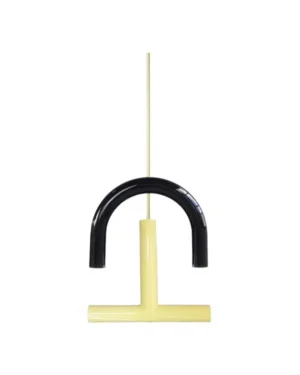
Trn / Model C2 Pendant Lamp in Ceramic
By Pani Jurek STUDIO
€880 -
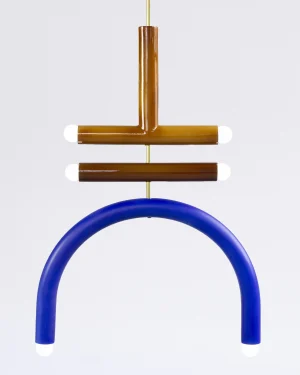
Trn / Model F2 Pendant Lamp in Ceramic
By Pani Jurek STUDIO
€1.600 -
 In stock
Sluren Table Lamp in Blown Glass
By Sara Sjöbäck
€1.450 - €1.850 -
 In stock
Object 09 Sconce in Nylon and Sand
By Hot Wire Extensions
€935 - €1.145 -
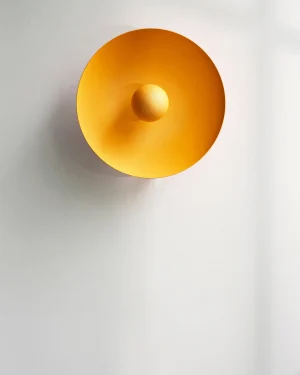 In stock
Sun Wall Lamp in Aluminum
By Anne Nowak
€1.340 -
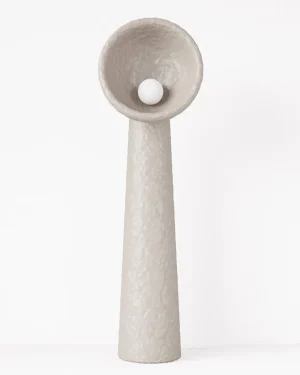 In stock
Soniah Floor Lamp in ZTISTA
By FAINA
€7.000 -
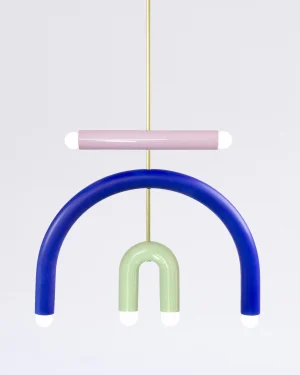
Trn / Model F3 Pendant Lamp in Ceramic
By Pani Jurek STUDIO
€1.600 -
 In stock
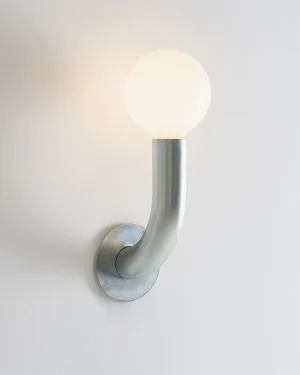
Curva Wall Sconce in Zinc
By Cultivado em Casa
€512 -
 In stock
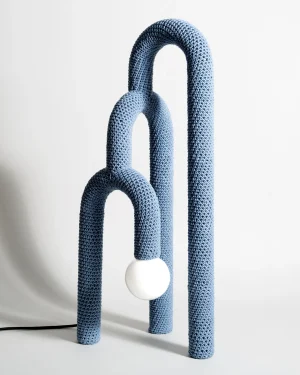
Cumula Table Lamp in Textiles and Steel
By AaltoAalto Studio
€1.600 -

Bright Side Table Floor Lamp in Glass and Stainless Steel
By Ziroru Studio
€1.485 -
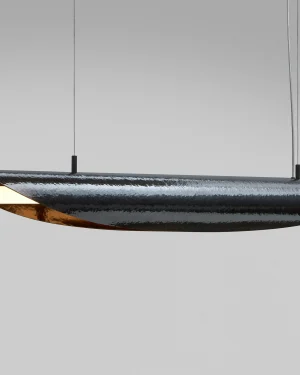
Taco De Luz Black Patinated Brass Pendant Lamp in Brass
By Studio Aristotelis Barakos
€5.900 -

Glow Side Table Floor Lamp in Glass and Stainless Steel
By Ziroru Studio
€1.275 -
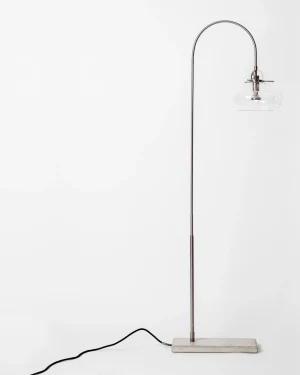
Art Deco Floor Lamp in Glass, Stainless Steel and Concrete
By Szostak Atelier
€2.100€1.995 -
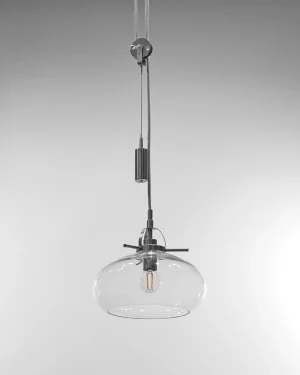
Art Deco Pendant Lamp with Weight in Glass and Steel
By Szostak Atelier
€1.400€1.330 -
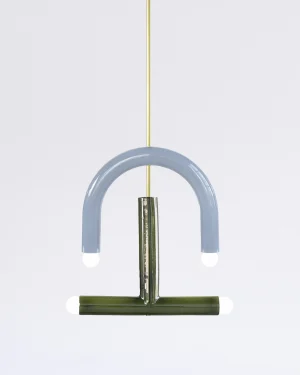
Trn / Model C3 Pendant Lamp in Ceramic
By Pani Jurek STUDIO
€880 -
 In stock
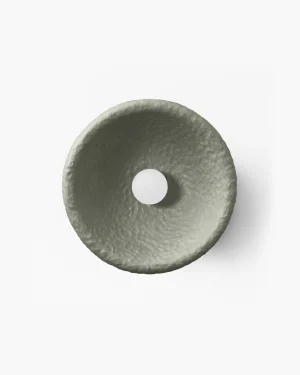
Sun Vxs.04 – Contemporary Wall Lamp In Textured Quartz Sand
By Rollo Studio
€1.280 -
 In stock
Soniah Wall Sconce in ZTISTA
By FAINA
€1.050 - €1.250 -

Soniah Medium Floor Lamp in ZTISTA
By FAINA
€6.300 -
 In stock
Ceramic Pendant Lamp
By Szostak Atelier
€990 -
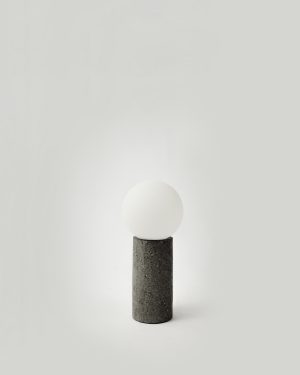
Fos 14 Table Lamp in Stone and Glass
By Daniel Orozco Estudio
€1.060 -
 In stock
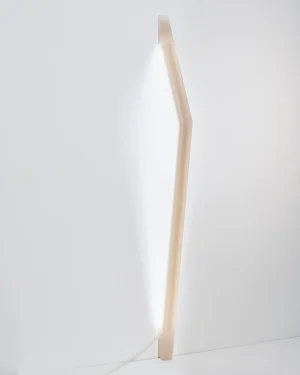
Vanishing Point Wall Lamp in Epoxy Resin
By Ragna Ragnarsdottir
€4.000 - €4.400 -
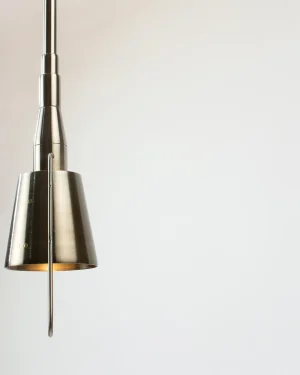
Suspension Pendant Lamp in Stainless Steel
By Szostak Atelier
€1.000 -

Caida Libre Floor Lamp in Metal and Glass
By Saadia Design
€660 -

Glow Coffee Table Floor Lamp in Glass and Stainless Steel
By Ziroru Studio
€2.320 -
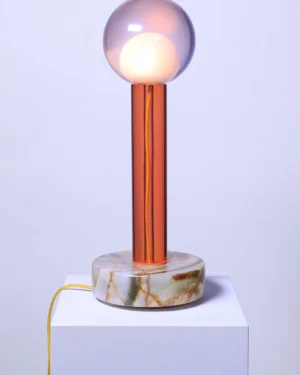
Tallo Table Lamp in Resin and Onyx
By Adrian Cruz
€2.380 -

Fos Lamp 07
By Daniel Orozco Estudio
€882 -

Trn / Model F2 Silver Finish Pendant Lamp in Ceramic
By Pani Jurek STUDIO
€1.650 -
 In stock
“Object 06” Wall Lamp from the “Hotel” Collection
By Hot Wire Extensions
€1.208 -

Soniah Small Floor Lamp in ZTISTA
By FAINA
€5.600 -

Citiez 0.1
By Niels Stoeltie
€2.521 - €2.893 -
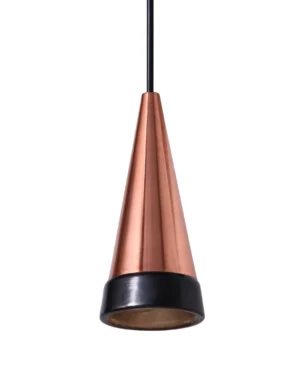 In stock
Vitrif Ceiling Lamp in Clay and Copper
By Studio davidpompa
€331 -
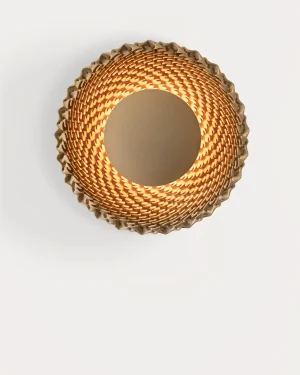 Sold
Sun V3-b – 3d Printed Sand Lamp
By Rollo Studio
€4.206 -

Ms Eclipse M (25cm) Pendant Lamp in Marbled Salts
By MARBLEDSALTS studio
Price Upon Request -
 Sold
Sun V3 – 3d Printed Sand Lamp
By Rollo Studio
€4.404 -
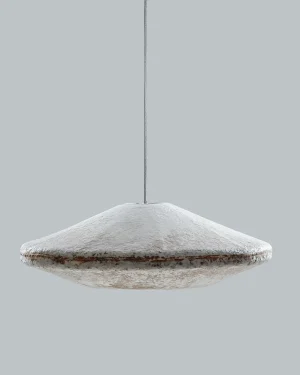 In stock
B Wise Pendant Lamp in Mycelium
By Myceen
Price Upon Request -
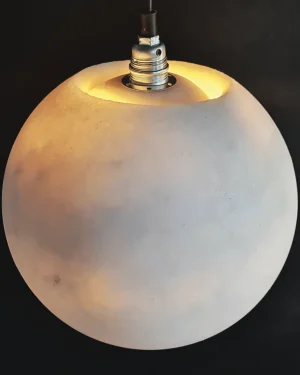
Marbled Salts Ceiling Lamp in Marbled Salts
By MARBLEDSALTS studio
Price Upon Request
Bauhaus lamps translate a design school's guiding idea, form follows function, into objects that light a room without disguising how they are built. Steel tubing, brass fittings and blown or pressed glass stay visible rather than hidden, so a lamp reads as a sphere, a disc or a cylinder balanced on a stem. Independent studios still build them the way the school taught: bending and shaping metal, blowing or pressing glass, finishing every joint by hand.
What gives a Bauhaus lamp its geometry
The Bauhaus workshops treated light as a problem of volume and line, not ornament. A base is a disc, a stem is a tube, a shade is a sphere or a cone, and each part stays legible as the shape it is. Nothing is carved or gilded to hide where metal meets glass; the join is the point.
That honesty carries through to finish. Steel is left raw or given a matte coat, brass is polished bright or allowed to take on a quiet patina, and glass is blown clear or lightly tinted rather than frosted to a flat opacity. A Bauhaus lamp should look as considered switched off as it does lit.
Materials, finishes and techniques in the range
Among Bauhaus lamps on ADORNO, steel and stainless steel frames are the most common, paired with brass fittings that are polished, left to patina, or electroplated to resist tarnish over years of handling. Shades are blown or pressed from glass, sometimes in cobalt blue or denim tones, more often clear, black or brown. A smaller number of bases are hand-built or glazed in ceramic, carved from sandstone, or formed through newer methods such as 3D printing and biofabrication, used alongside the older practices of metalwork and glassblowing.
Editions vary by studio: some lamps are open editions repeated as needed, others are limited editions closed once sold, and a smaller group are unique pieces, since hand-blown glass and hand-built ceramic rarely repeat exactly.
How to choose a Bauhaus lamp
Start with scale. A floor lamp built from a steel tube and a glass disc needs clearance on every side to read as a shape rather than an obstacle, while a table lamp with a small sphere shade can sit close to a wall without losing its form.
Height matters more here than with other lamp styles, since Bauhaus lamps depend on proportion between base, stem and shade to look resolved. Check eye level for a reading lamp and sightline for an ambient one before settling on size.
- Match metal finish to existing hardware: steel and chrome sit with cool metals, brass with warmer ones.
- Choose a glass tint that reads as deliberate in your light, since cobalt blue or denim glass changes a room's cast after dark.
- Give the lamp room to stand alone rather than crowding it against other objects, since its geometry is the point.
Where these lamps work
A floor lamp with a steel tube and a glass disc anchors a reading corner the way the lamps sized for living rooms usually do. A smaller brass or ceramic table lamp suits a bedside table in a bedroom, where its clear geometry reads well against a plain wall. A desk or study takes the same shapes easily, since the lack of ornament keeps a work surface from feeling cluttered.
Caring for metal and glass lamps
Wipe steel and stainless steel with a dry or barely damp cloth; standing water dulls a matte finish and can leave rust spots on raw steel. Brass left unlacquered darkens with handling, which many owners allow as a natural patina, while electroplated brass holds its finish longer with the same gentle care. Clean glass shades with a soft cloth rather than an abrasive one, which can scratch a blown surface for good.
For the wider range of lighting built this way, see all lamps on ADORNO or every piece grouped under Bauhaus style, including lamps built mainly in metal for a closer look at the steel and brass work.
How do I choose a Bauhaus lamp?
Look at the shapes first: a disc base, a tube stem, a sphere or cone shade should all stay distinct. Decide if you want raw or matte steel, polished or patina brass, and clear or tinted glass.
How do I care for the materials in a Bauhaus lamp?
Wipe steel and brass with a dry or lightly damp cloth, since moisture left sitting can mark unsealed metal. Dust glass shades with a soft cloth and avoid abrasive cleaners that dull a polished or patinated finish.
What size or height should I get?
A table lamp generally sits low enough not to block sightlines across a desk or nightstand, while a floor lamp should clear seated eye level. For an exact height, open the piece's page and chat with the maker.
Which rooms suit a Bauhaus lamp?
Their geometry reads clearly in living rooms and studies where the lamp is seen as well as used, and on a nightstand or desk where its form stays visible switched off. A black or steel finish holds its own in most settings.
Are Bauhaus lamps handmade or mass-produced?
Studios still bend and shape the metal, blow or press the glass, and finish joints by hand, following the same workshop methods the Bauhaus school taught. Exact process varies by piece, so check the piece's page for specifics.
What should I know about shipping, returns and authenticity when buying from ADORNO?
Shipping is insured and worldwide, returns are accepted within 14 days except on made-to-order pieces, and every lamp arrives with a certificate of authenticity. ADORNO also offers a lowest-price guarantee.