






-
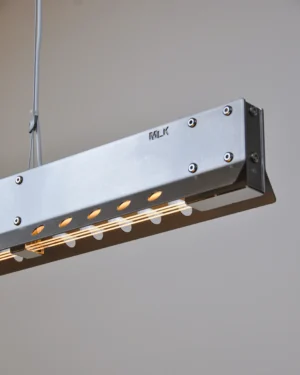
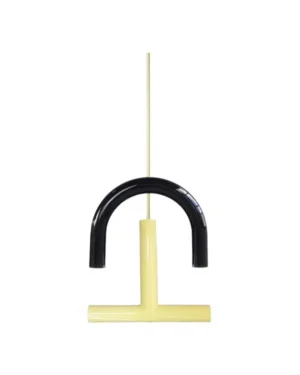
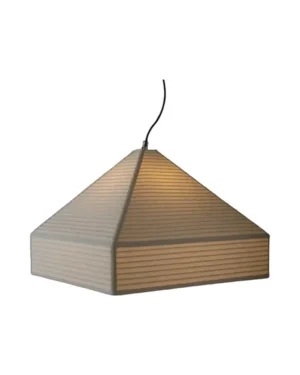
Ne1250/145 Pendant Lamp In Steel And Acrylic
By MLK Furniture
€1.390 -
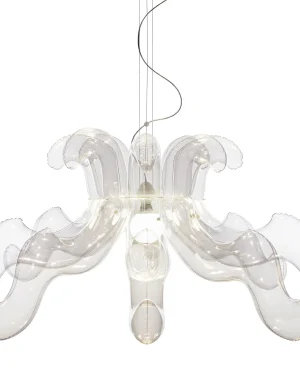
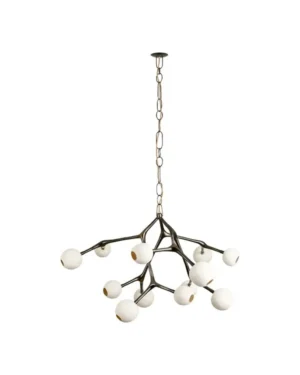
Lullaby No.2 Chandelier in PVC and Acrylic
By PUFF-BUFF
€640 -

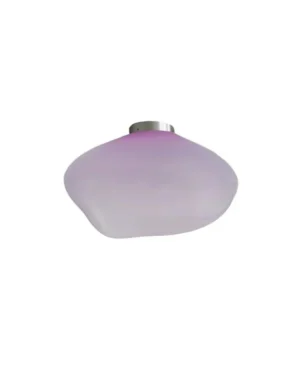
Drizzle Table Lamp in Acrylic
By Kajsa Melchior
€780 -

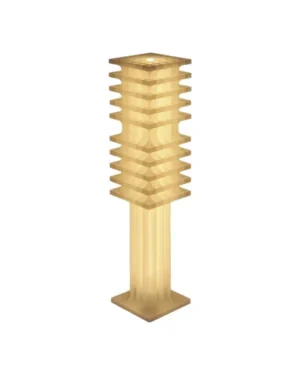
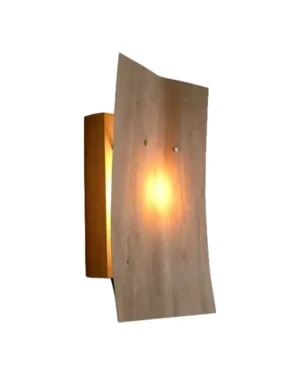
Lightpulse Wall Lamp in Oak Wood and Acrylic
By Studio Lampent
€1.400 -
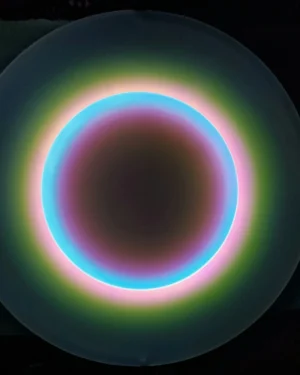
Event Horizon L Wall Sconce in Acrylic Glass
By Catrinel Sabaciag
€1.963 -
 In stock
Hero Lamp Floor Lamp In Stainless Steel
By Panorammma Atelier
€4.850 -
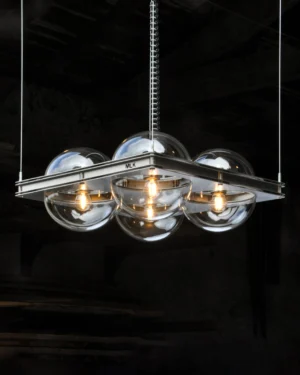
Bbl200x04 Pendant Lamp In Stainless Steel And Acrylic
By MLK Furniture
€2.400 -
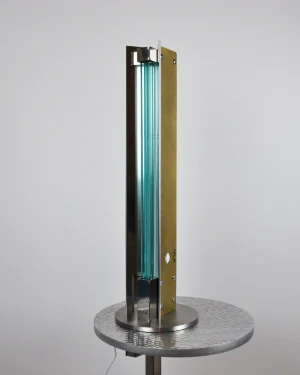
Ne600/145 Table Lamp In Brass And Blue Acrylic
By MLK Furniture
€1.190 -
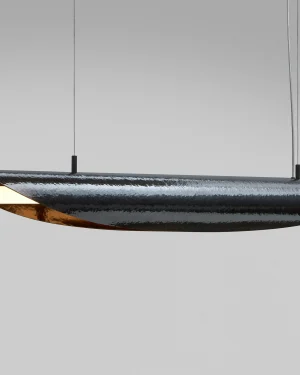
Taco De Luz Black Patinated Brass Pendant Lamp in Brass
By Studio Aristotelis Barakos
€5.900 -
 In stock
Aurora Frosted Wall Sconce in Acrylic and Aluminum
By Catrinel Sabaciag
€1.352 -
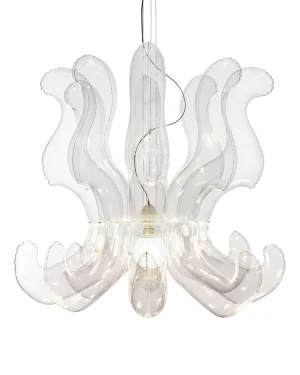
Lullaby No.1 Chandelier in PVC and Acrylic
By PUFF-BUFF
€640 -
 In stock
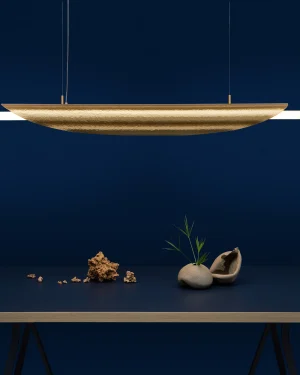
Taco De Luz Satin Brass Pendant Lamp in Brass
By Studio Aristotelis Barakos
€5.400 -

Object 019 Pendant Lamp in Brass and Acrylic
By Naama Hofman
€1.850 -
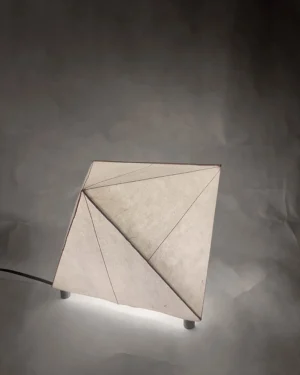
Biiit 006 Table Lamp In Paper And Brass
By Bo Ah Kim
€1.100 -
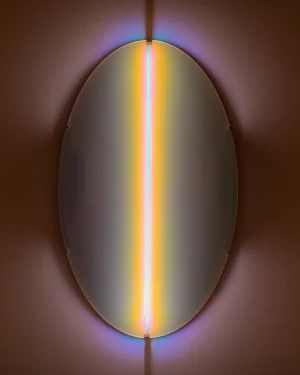
Aurora Gloss Wall Sconce in Acrylic and Aluminum
By Catrinel Sabaciag
€1.341 -

Umu U Pendant Lamp In Iron And Acrylic Glass
By Drusch Design
€950 -

Étendu – Wall Light Sculpture
By Studio Lampent
€2.020 -
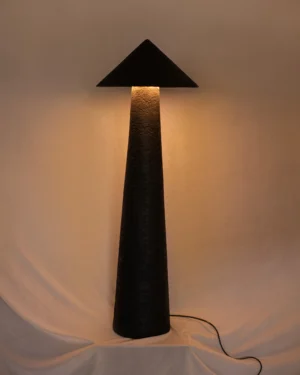
Kasa (m) Lamp In Clay Paste And Mild Steel
By Harshita Jhamtani Designs
€1.460 -

Totem Wall Sconce in Aluminum and Acrylic Glass
By Catrinel Sabaciag
€1.326 -

Object 018 Pendant Lamp in Brass and Acrylic
By Naama Hofman
€2.100 -
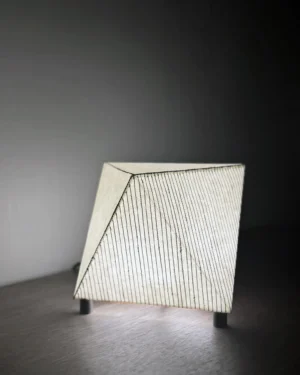
Biiit 007 Table Lamp In Paper And Brass
By Bo Ah Kim
€1.000 -

Alma Table Lamp in Brass and Perspex
By MESEME by Riya Panchal
€1.215 -
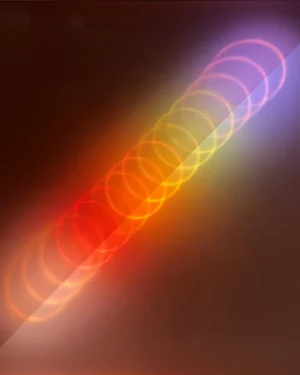
Dhaze – Wall Light Sculpture
By Studio Lampent
€2.700 -

Chromolapse – Wall Light Sculpture
By Studio Lampent
€900 -
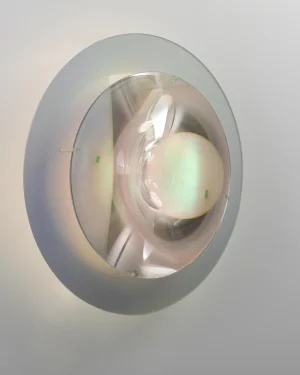
Noosphere Wall Sconce in Aluminum and Acrylic Glass
By Catrinel Sabaciag
€1.072 - €1.112 -
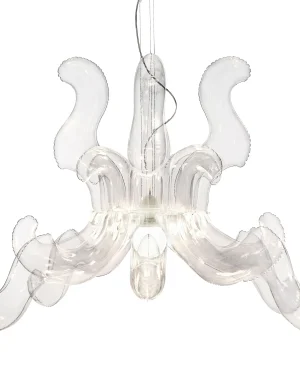
Lullaby No.3 Chandelier in PVC and Acrylic
By PUFF-BUFF
€640 -

Cirrus – Wall Light Sculpture
By Studio Lampent
€2.020 -

Apertur Wall Light Sculpture
By Studio Lampent
€3.500 -
 In stock
N2 Panel Table Lamp In Walnut And Steel
By Aaron Scott
€1.200 -

Horizons
By Studio Lampent
€1.500 -

Tube 01 Pendant Lamp in Brass and Acrylic
By Naama Hofman
€2.600 -
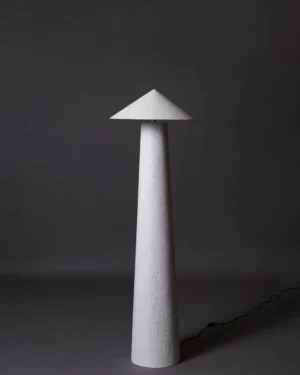
Kasa Floor Lamp In Clay Paste And Mild Steel
By Harshita Jhamtani Designs
€2.130 -
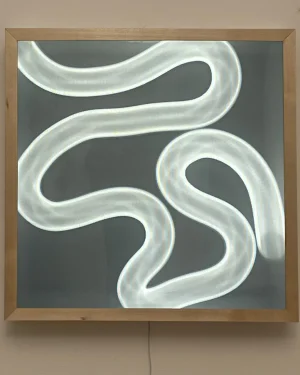
Aramse 01 Wall Light Sculpture
By Studio Lampent
€3.300 -

Ss1 Table Lamp In Cherry Wood And Acrylic
By Aaron Scott
€2.650 -

Tap Table Lamp in Brass and Acrylic
By Nama Home
€3.505 -

Arc 015 Pendant Lamp in Brass and Acrylic
By Naama Hofman
€2.900 -
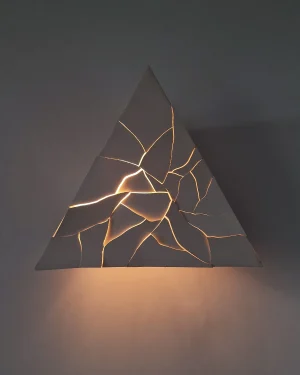 Sold
Mira Luminaire Wall Sconce in Jesmonite and Wood
By Catrinel Sabaciag
€2.500 -

Slotted Table Lamp In Acrylic And Metal
By Nolan Talbot-Kelly
€1.050 -

Slotted Vertical Offset Pendant Lamp In Acrylic
By Nolan Talbot-Kelly
€1.800 -

Slotted Linear 32 Pendant Lamp In Aluminum And Acrylic
By Nolan Talbot-Kelly
€1.200 -

Slotted Wall Sconce In Acrylic
By Nolan Talbot-Kelly
€800 -
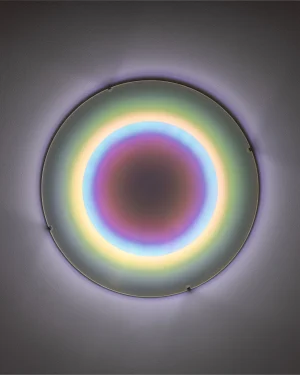
Event Horizon S : Eclipse Gradient Acrylic Glass Lamp
By Catrinel Sabaciag
€981 -
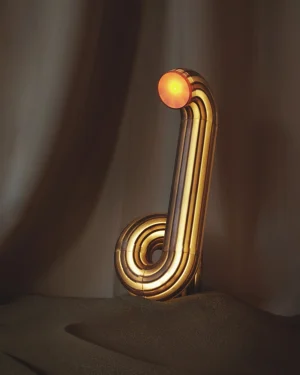 Sold
Sentry Light Sculpture Table Lamp in Resin
By Ultramar Studio
Price Upon Request -

Limbus – Wall Light Sculpture
By Studio Lampent
€1.492 -
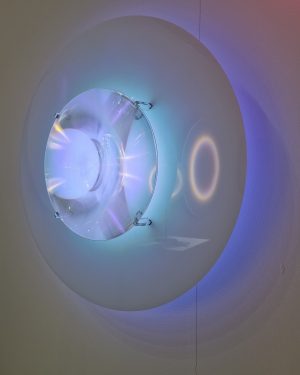 Sold
Noosphere Large, Smart Gradient Wall Lamp
By Catrinel Sabaciag
€934 -
Noosphere Small, Smart Gradient Wall Lamp
By Catrinel Sabaciag
€901
Acrylic lamps are built from cast or vacuum-formed sheets and blocks of acrylic glass, shaped by studios that work as much with heat and molds as with wire and bulbs. The material takes color evenly, holds a sharp edge when CNC milled, and bends into soft curves when warmed, so a single lamp can look transparent from one angle and solid from another. Some studios finish pieces by hand after forming, others leave the cast surface as it comes out of the mold, which is part of why no two runs read quite the same.
What defines acrylic as a lighting material
Acrylic, sometimes called acrylic glass, is valued for the same reason glass is valued in lighting: it lets light pass through and bend. Unlike blown glass, it can be cast in large, uninterrupted volumes or vacuum formed into thin, even shells, which keeps shades light and shapes consistent across an edition. Clear acrylic reads as near-invisible in daylight and turns into a block of pure light at night; tinted or multicolor versions carry that light as a wash of color across a wall or a tabletop.
The range of acrylic lighting found on ADORNO
Acrylic rarely stands alone in a fixture. Studios pair it with brass, stainless steel, mild steel or plaster composite for a base or frame, which gives a lamp enough weight to stand on its own and lets the acrylic carry the visual lightness. Finishes run from transparent and off-white to bronze, sand, black and cream, and styles span minimalist and contemporary through neo-industrial, futuristic, wabi-sabi, Japandi and more eclectic combinations.
Ways of making vary by studio and by piece:
- Vacuum forming for thin, curved shades and diffusers
- Sand casting or CNC milling for solid acrylic bases and blocks
- Metalwork for brass or steel armatures and fittings
- Hand assembly where acrylic parts are fitted to wood, metal or plaster components
Most pieces are offered in open editions, made to a standing design whenever ordered, while others come as limited editions in smaller, numbered runs. Related shapes and settings sit in acrylic lighting more broadly, and every acrylic piece across lamps, decor and furniture is gathered under acrylic as a material.
How to choose an acrylic lamp
Scale matters more with acrylic than with opaque materials, because a clear or pale lamp can disappear against a bright window or dominate a dim corner depending on its size. Measure the surface or floor space first, then think about how tall the lamp needs to stand relative to a sofa arm, a desk or a headboard, since acrylic shades that sit below eye level glare less than those placed at eye height.
Finish changes the light as much as shape does. Transparent finishes spread a broad, even glow and show the bulb as a bright point; tinted or opaque acrylic diffuses light into a softer field of color. Decide on placement, direct task lighting, ambient color, or a sculptural object left unlit by day, before settling on a finish.
Where acrylic lamps belong
Their lightness in both weight and appearance suits rooms where a piece needs to read as form during the day and as light after dark. They sit comfortably among living room lamps next to glass, ceramic or wood pieces, and work equally well as bedroom lamps on a nightstand, where a smaller scale and a softer finish keep the glow gentle. Desks, consoles and shelving all take well to acrylic's combination of clarity and color.
Caring for acrylic lighting
Acrylic scratches more easily than glass, so clean it with a soft cloth and a mild, non-ammonia cleaner rather than paper towels or abrasive sprays. Keep lamps out of direct, sustained sun, since some tinted acrylics can yellow or fade over years of strong exposure. For a wider view of how these pieces sit among other kinds of lamp, the full range of lamps and contemporary lamps shows how acrylic compares with wood, ceramic and metal forms.
How do I choose the right acrylic lamp?
Decide whether you want the lamp to read as a solid form in daylight or disappear into the room, since clear acrylic nearly vanishes while tinted or multicolor versions hold their shape and color even when unlit.
Is acrylic a good material for lamps?
Yes, acrylic lets light pass through and bend much like glass, but it can be cast or vacuum formed into larger, lighter shapes, which keeps shades light while staying consistent across a run.
How do you clean and care for an acrylic lamp?
Wipe acrylic with a soft, lint-free cloth and a mild soap solution, avoiding ammonia-based glass cleaners and abrasive materials, since both can cloud or scratch the surface over time.
What size acrylic lamp suits a table or room?
Sizing depends on the individual piece, so chat with the maker on the piece's page to confirm dimensions and how a shade or base will sit against your table or wall.
Which rooms work best with acrylic lamps?
Acrylic lamps suit living rooms and bedrooms equally well, since clear versions stay unobtrusive by day and tinted ones throw a wash of color across a wall or tabletop after dark.
What are ADORNO's shipping, returns and authenticity policies?
Shipping is insured and worldwide, with a 14-day return policy excluding made-to-order pieces, a certificate of authenticity included with every order, and a lowest-price guarantee.