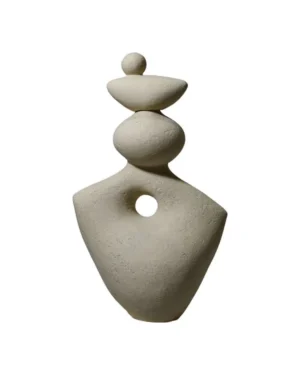
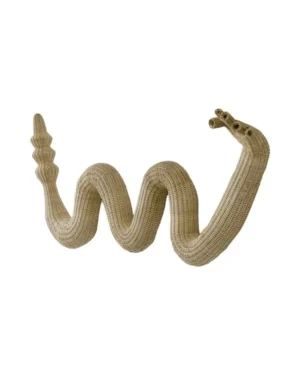
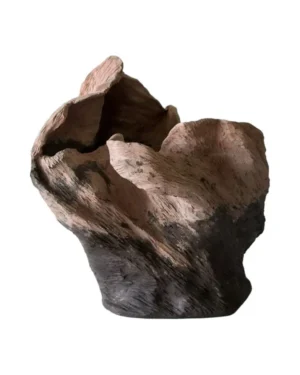
-
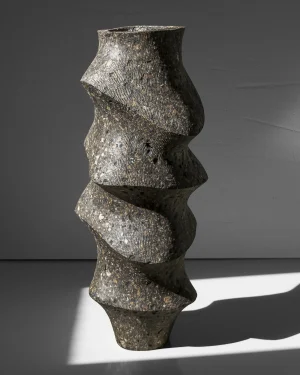
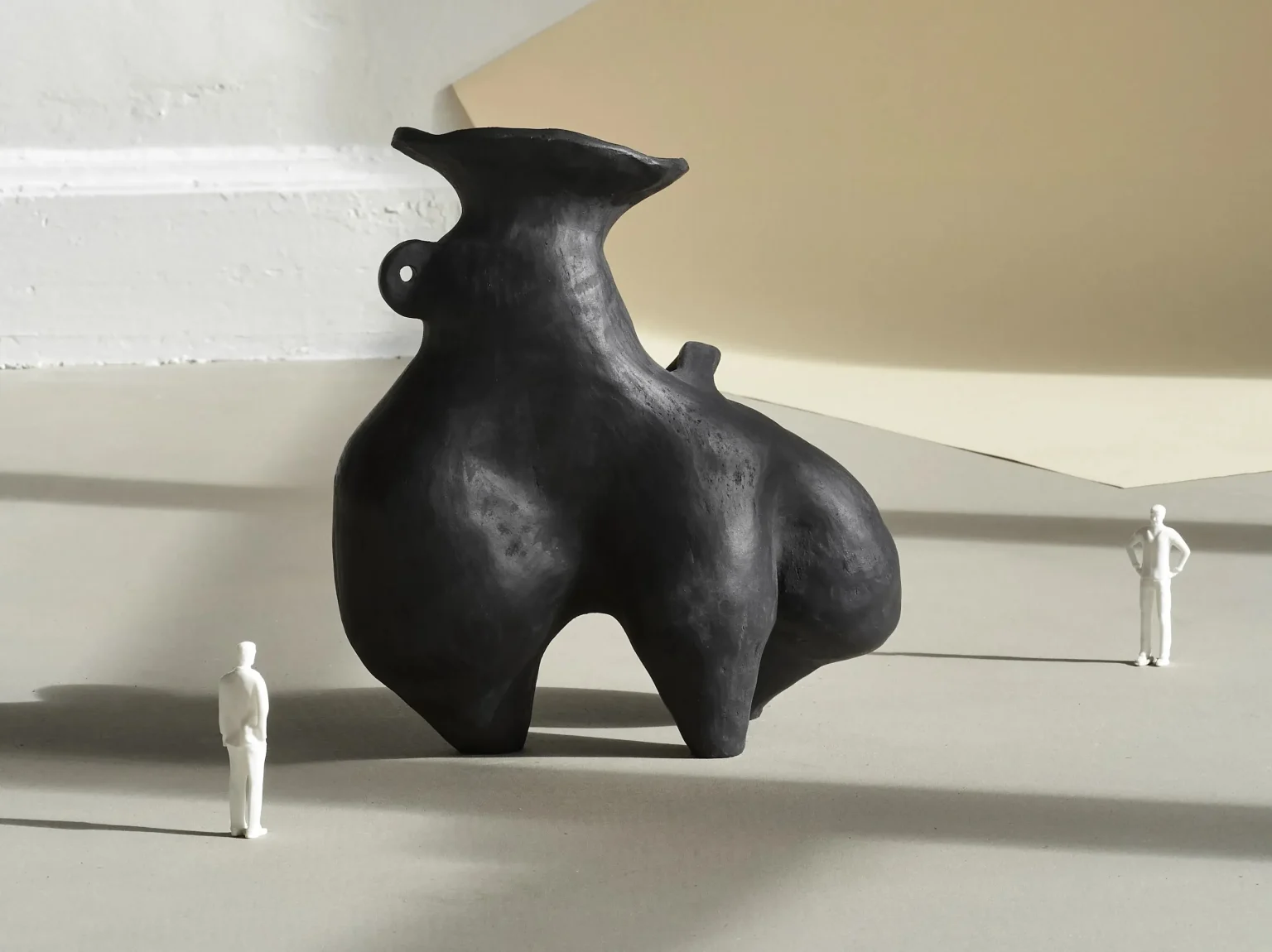
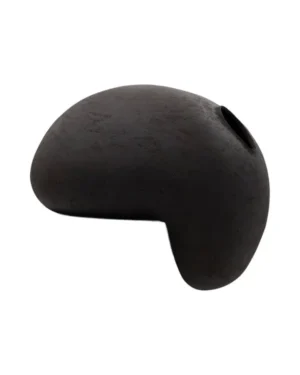
Large Floor Vase, Brutalist Concrete-look Sculpture
By Donatas Žukauskas
€1.450 -
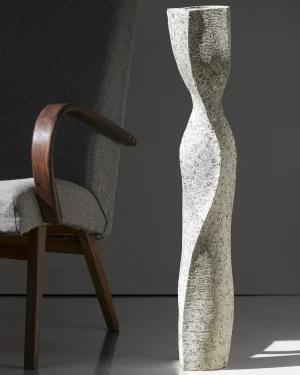
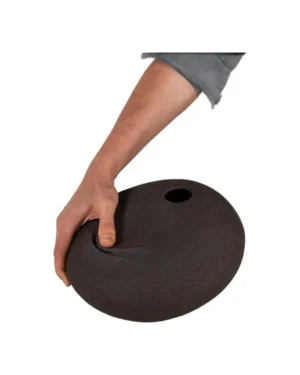
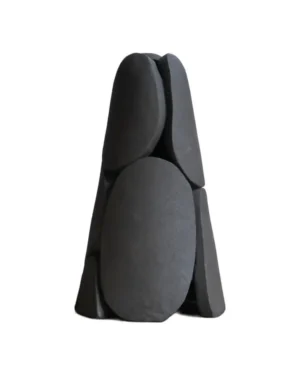
Column Tall Twisted Sculptural Vase, Brutalist Textured Floor Vase
By Donatas Žukauskas
€860 -
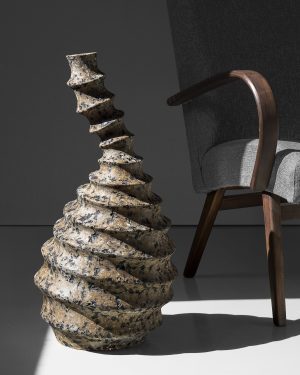
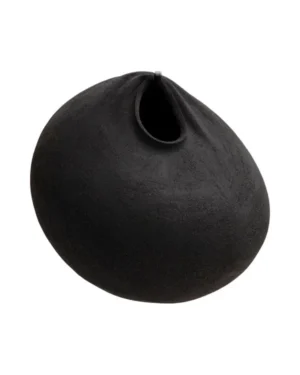
Solid Beige Stone Floor Vase – Erosion Series In Cast Stone By Donatas Zukauskas
By Donatas Žukauskas
€1.450 -
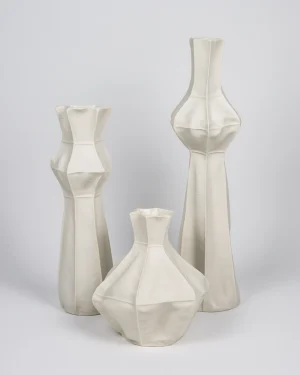
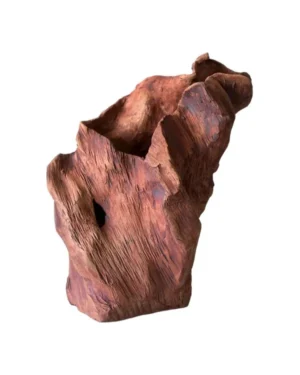
Set No. 1 Of 3 Kawa Vases – Organic Leather-cast Ceramics
By Luft Tanaka Studio
€2.550 -
 In stock
Abyss No. 21 – Sculptural Vessel In Stoneware
By Ceren Gürkan
€1.300 -
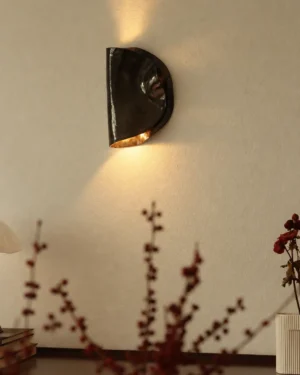
Lamp Shade – Fado
By Joana Vilaça Studio
€790 -
 In stock
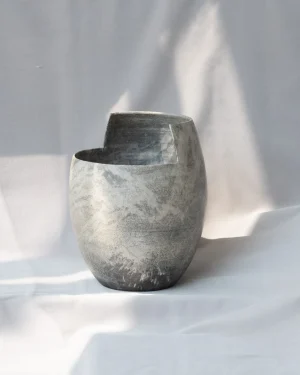
Cut Medium – Naked Stone
By Studionudo
€810 -
 In stock
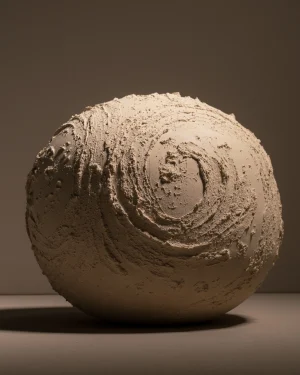
Sól No.1 Sculpture
By Od Studio
€630 -
 In stock
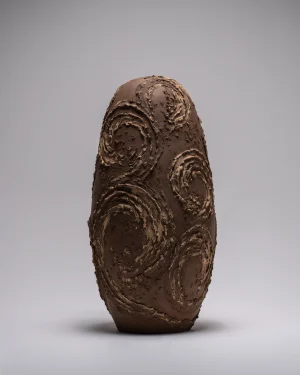
Sól No.5 Sculpture
By Od Studio
€1.800 -
 In stock
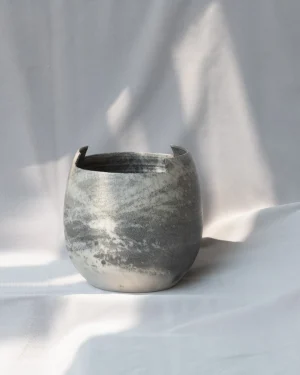
Black Earth – Vase O.6
By Ugly Things et al.
€560 -
 In stock
Cut Small – Naked Stone
By Studionudo
€780 -
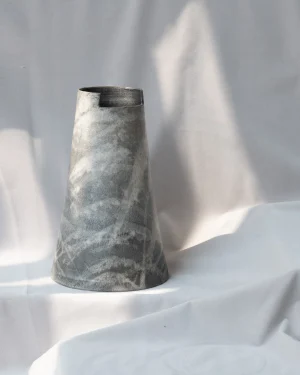 In stock
Cut High – Naked Stone
By Studionudo
€810 -
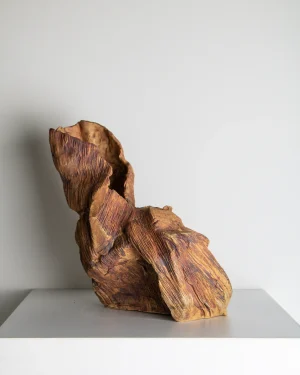 In stock
Abyss No. 22 – Sculptural Vessel In Stoneware
By Ceren Gürkan
€1.000 -
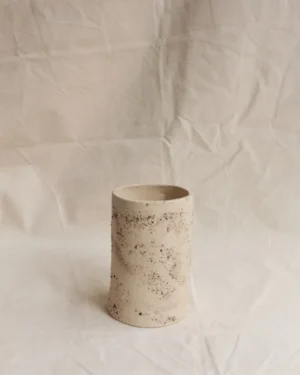 In stock
Cylinder Vessel 02
By Valentine Benoist Ceramics
€1.180 -

Dovhovukh – Clay Sculpture
By FAINA
€620 -
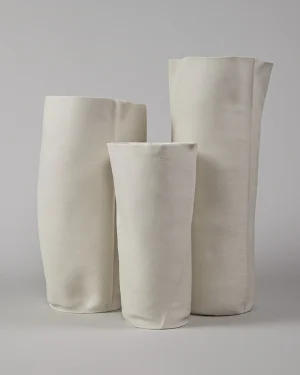
Set No. 2 Of 3 Kawa Vessels – Organic Leather-Cast Ceramics
By Luft Tanaka Studio
€1.940 -
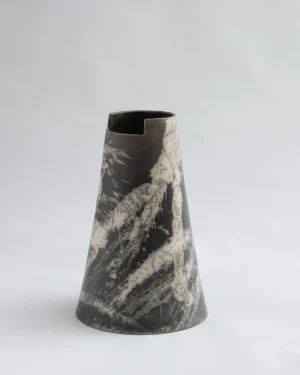 In stock
Cut High – Naked Dark
By Studionudo
€810 -
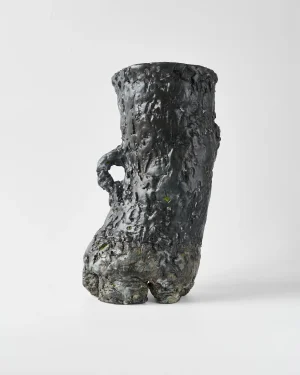 In stock
Something Shifted In The Leaves – Sculptural Ceramic Vessel
By Not Yet Ceramics
€615 -
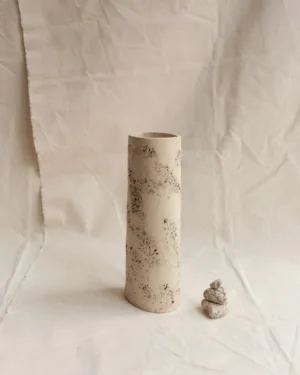 In stock
Cylinder Vessel 01
By Valentine Benoist Ceramics
€1.300 -
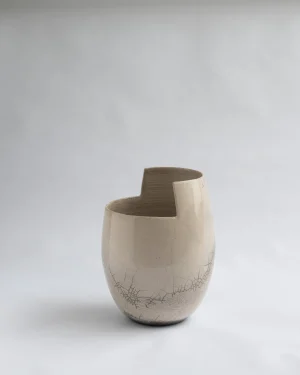 In stock
Cut Medium – Raku Clear
By Studionudo
€810 -
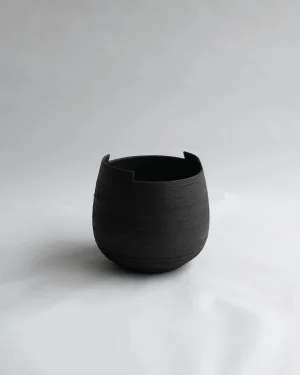
Cut Small – Smoked Black
By Studionudo
€540 -
 In stock
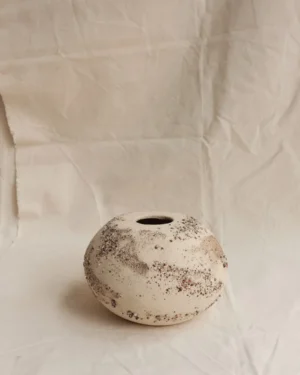
Globe Vessel 01
By Valentine Benoist Ceramics
€1.250 -
 In stock
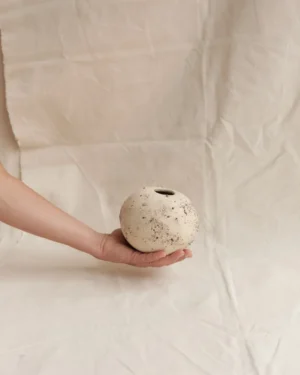
Globe Vessel 02
By Valentine Benoist Ceramics
€980 -
 In stock
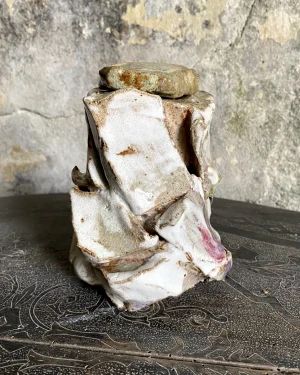
Sculptural Lidded Vessel ‘on The Rocks’ #3
By Elena Yakimushkina
€675 -
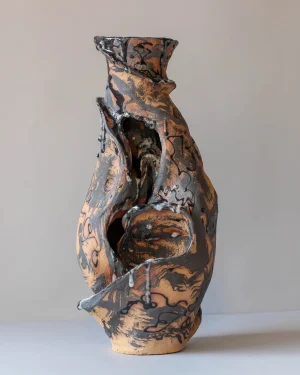 Sold
Unshell Your Heart – Stoneware Sculpture
By Vale Ro
€2.700 -
 In stock
Nomad Ⅰ:04 – Ceramic Vase
By SK - Sofia Karnukaeva
€1.900 -
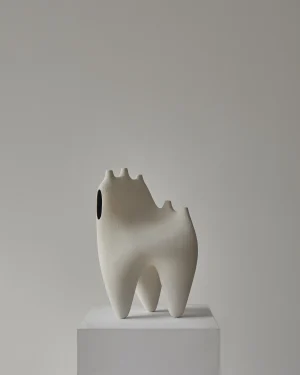
Nomad Ⅰ:03 – Ceramic Vase
By SK - Sofia Karnukaeva
€2.100 -
 In stock
Abyss No. 24 – Sculptural Vessel In Stoneware
By Ceren Gürkan
€1.200 -
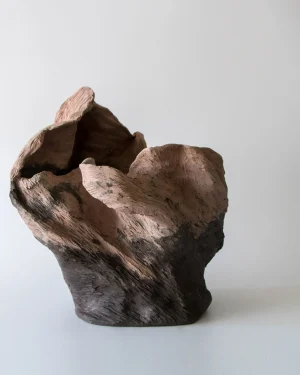 Sold
Abyss No. 18 – Sculptural Vessel
By Ceren Gürkan
€1.200
Wabi-sabi sculptures take their character from the irregular: a hand-built form that leans slightly, a glaze that pools unevenly, a surface left rough where another maker might have smoothed it. Independent studios working in stoneware, clay and natural stone shape these pieces by hand-building, wheel throwing or raku firing, methods that leave the evidence of the process visible rather than erased. The result is an object that reads as settled and quiet, not polished for effect.
What defines a wabi-sabi sculpture
The style takes its name from a Japanese aesthetic built on impermanence and imperfection, and in sculpture that translates into asymmetry, visible texture and muted color. A wabi-sabi piece rarely has a flat, uniform surface. Instead it carries the marks of the hand: finger ridges in clay, a crackled glaze, a stone face left in its natural state rather than ground flat.
Color stays restrained. Beige, cream, white, black and clear glazes dominate, often matte rather than glossy, so the form reads before the finish does. Where a glaze is used, it tends to pool or thin unevenly across the surface, a deliberate departure from the even coat of more conventional ceramics.
Materials and techniques found in wabi-sabi sculptures
Stoneware and ceramic clay make up most of the range, chosen for the way they take a glaze and for how they age, picking up small marks and a soft patina with handling over the years. Granite and other natural stone appear less often but hold their own kind of imperfection, with grain, veining and pitting that no two blocks repeat.
- Hand-building and wheel throwing, which leave visible seams and slight variation in wall thickness
- Raku firing, which produces unpredictable crackle and smoke marks in the glaze
- Matte and glossy glazing, often left thin at the edges so the clay body shows through
Editions run from unique, one-off pieces to small or open runs, so a form that looks hand-finished is not always a single piece. Where a listing states a piece is one-off, that uniqueness extends to the surface as well as the form, since no two firings behave the same way.
How to choose a wabi-sabi sculpture
Scale matters more than style with sculptural objects. A piece under a foot tall sits well on a shelf or sideboard, while anything taller asks for its own floor space or a low plinth where it will not compete with other objects nearby.
Check the base before anything else. Hand-built forms are not always perfectly flat, so a wide, stable foot matters more on a side table than on the floor, where a slight tilt reads as intentional rather than precarious.
Finish should answer the light in the room. Matte stoneware absorbs light and suits a room that already has warmth from wood or textile; a glossy or clear glaze catches light and works better where surfaces are otherwise plain.
Where these pieces sit in a room
Wabi-sabi sculptures suit rooms built around natural materials: oak and walnut furniture, linen, stone flooring, pieces from the broader range of wabi-sabi decor. A single piece on a console or dining table carries more weight than several grouped together, since the style depends on space around the object to register its texture.
Caring for stoneware and stone sculptures
Stoneware and ceramic pieces need only a dry cloth or a lightly damp one for dust; avoid soaking a raw or unglazed base, which can absorb water and stain. Granite and other stone forms tolerate more handling but should stay off direct, prolonged sun, which can dull a matte finish over time.
The full range of sculptural work, wabi-sabi and otherwise, sits within sculptures from independent studios, alongside narrower groupings such as ceramic sculptures, stoneware sculptures and unique, one-off sculptures. For the style across every category, see every wabi-sabi piece on ADORNO.
How do I choose a wabi-sabi sculpture?
Look for a form that sits with an irregular edge, a crackled glaze or an unglazed patch left bare. Let the material show its own history rather than a smooth, uniform finish.
What materials are wabi-sabi sculptures made from and how do I care for them?
Most are stoneware or clay, hand-built or wheel-thrown, sometimes raku-fired, with a matte or glossy glaze. Dust with a dry cloth, keep unglazed stone or clay away from damp, and avoid harsh cleaners.
What size sculpture should I buy for a room?
A smaller piece suits a shelf, console or side table, while a taller form can anchor a floor corner or hallway. Check the maker's listed dimensions, as sizes vary piece to piece.
Which rooms suit wabi-sabi sculptures?
They sit well in living rooms, entryways and studies, anywhere a quiet, textured object can hold its own against plainer surfaces. Stone and matte ceramic forms also read well in bathrooms with good ventilation.
Can I order a custom wabi-sabi sculpture or ask about a specific piece?
Use Chat with the maker on the piece's page to ask about customization, materials or timing directly with the studio.
What are ADORNO's shipping, returns and authenticity terms?
Shipping is insured and worldwide. Returns are accepted within 14 days, except on made-to-order pieces, and each purchase includes a certificate of authenticity alongside a lowest-price guarantee.