-
 In stock
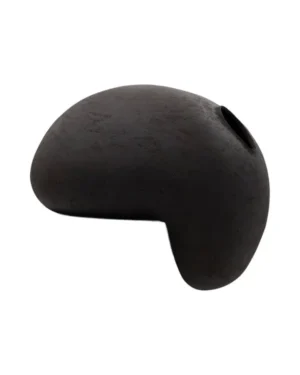
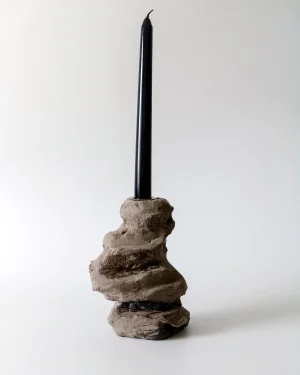
Abyss Candle Holder
By Ceren Gürkan
€120 -
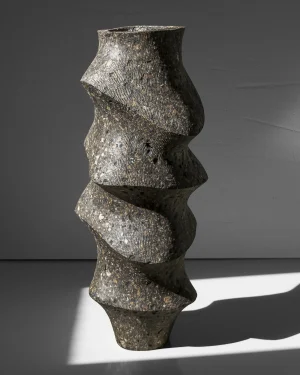
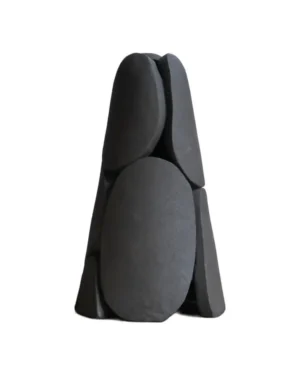
Large Floor Vase, Brutalist Concrete-look Sculpture
By Donatas Žukauskas
€1.450 -
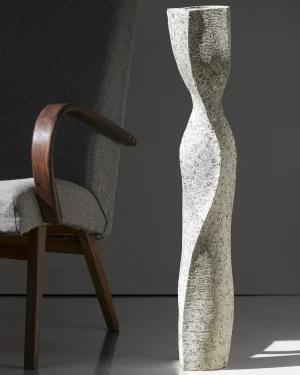
Column Tall Twisted Sculptural Vase, Brutalist Textured Floor Vase
By Donatas Žukauskas
€860 -
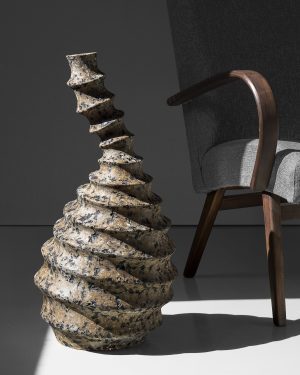
Solid Beige Stone Floor Vase – Erosion Series In Cast Stone By Donatas Zukauskas
By Donatas Žukauskas
€1.450 -
 In stock
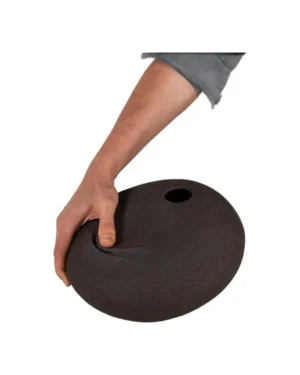
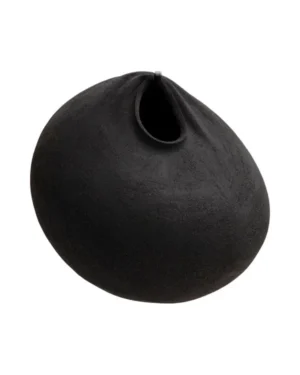
Abyss No. 21 – Sculptural Vessel In Stoneware
By Ceren Gürkan
€1.300 -
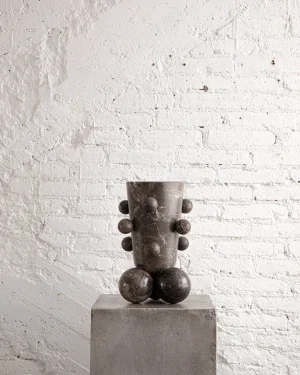
Pollux – Stone Vase
By Studio Ayres
€840 -
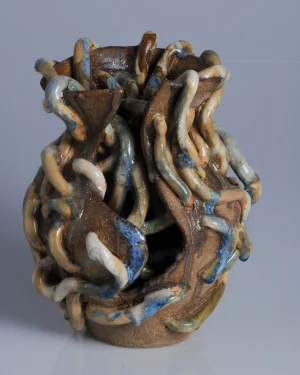 In stock
Tipishka – Stoneware Collectible Scultpure
By Vale Ro
€4.000 -
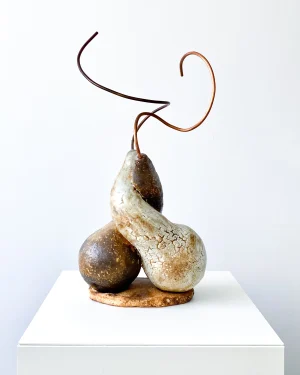 In stock
Embrace – Stoneware Sculpture
By Elena Yakimushkina
€900 -
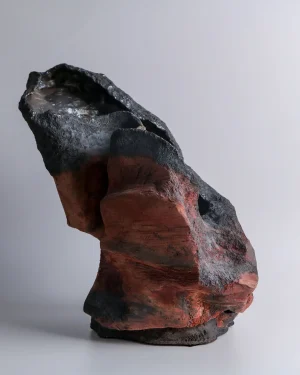 In stock
Abyss No. 13 – Sculptural Vessel By Ceren Gurkan
By Ceren Gürkan
€1.300 -
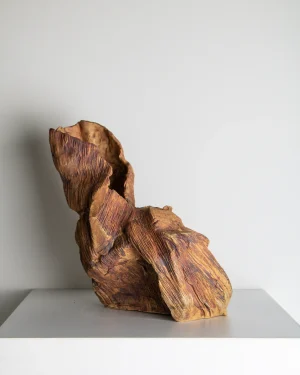 In stock
Abyss No. 22 – Sculptural Vessel In Stoneware
By Ceren Gürkan
€1.000 -
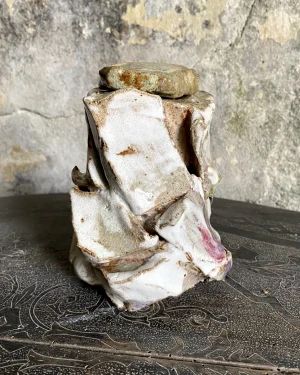 In stock
Sculptural Lidded Vessel ‘on The Rocks’ #3
By Elena Yakimushkina
€675 -
 In stock
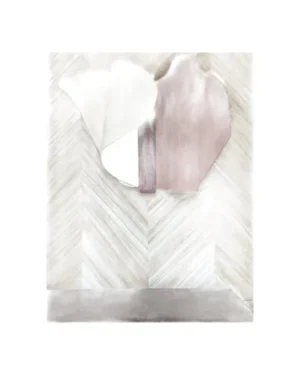
Peace After The Burn
By Undress House
Price Upon Request -
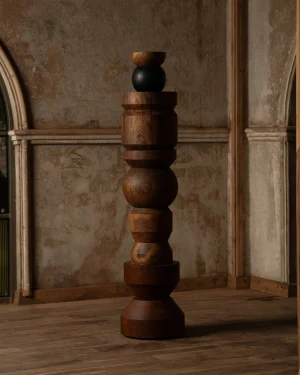 In stock
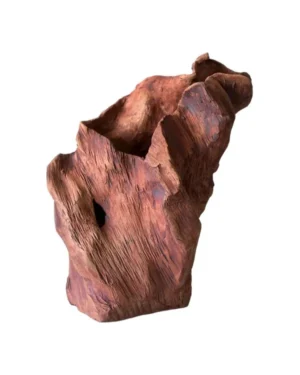
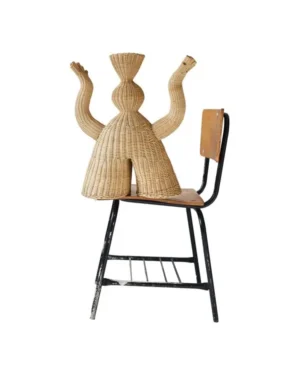
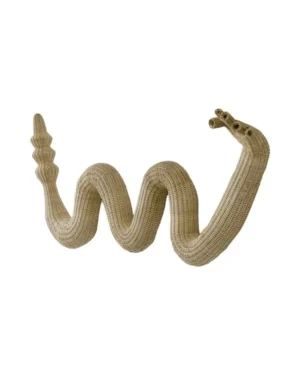
Recreational Verb – Wooden Floor Sculpture
By WANNAS
Price Upon Request -
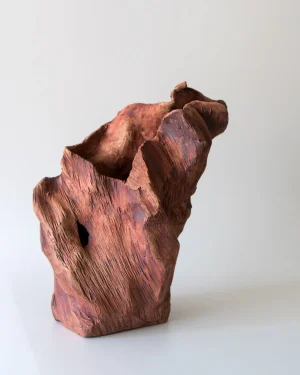 Sold
Abyss No. 16 – Sculptural Vessel
By Ceren Gürkan
€1.200 -
 In stock
Abyss No. 24 – Sculptural Vessel In Stoneware
By Ceren Gürkan
€1.200 -
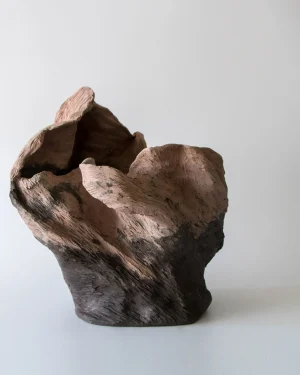 Sold
Abyss No. 18 – Sculptural Vessel
By Ceren Gürkan
€1.200 -
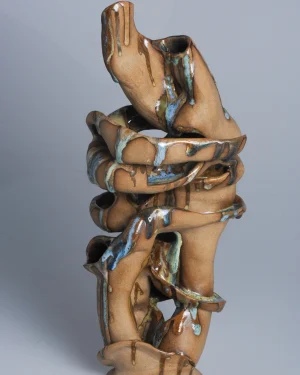 Sold
Atravesar – Stoneware Collectible Sculpture
By Vale Ro
€5.500
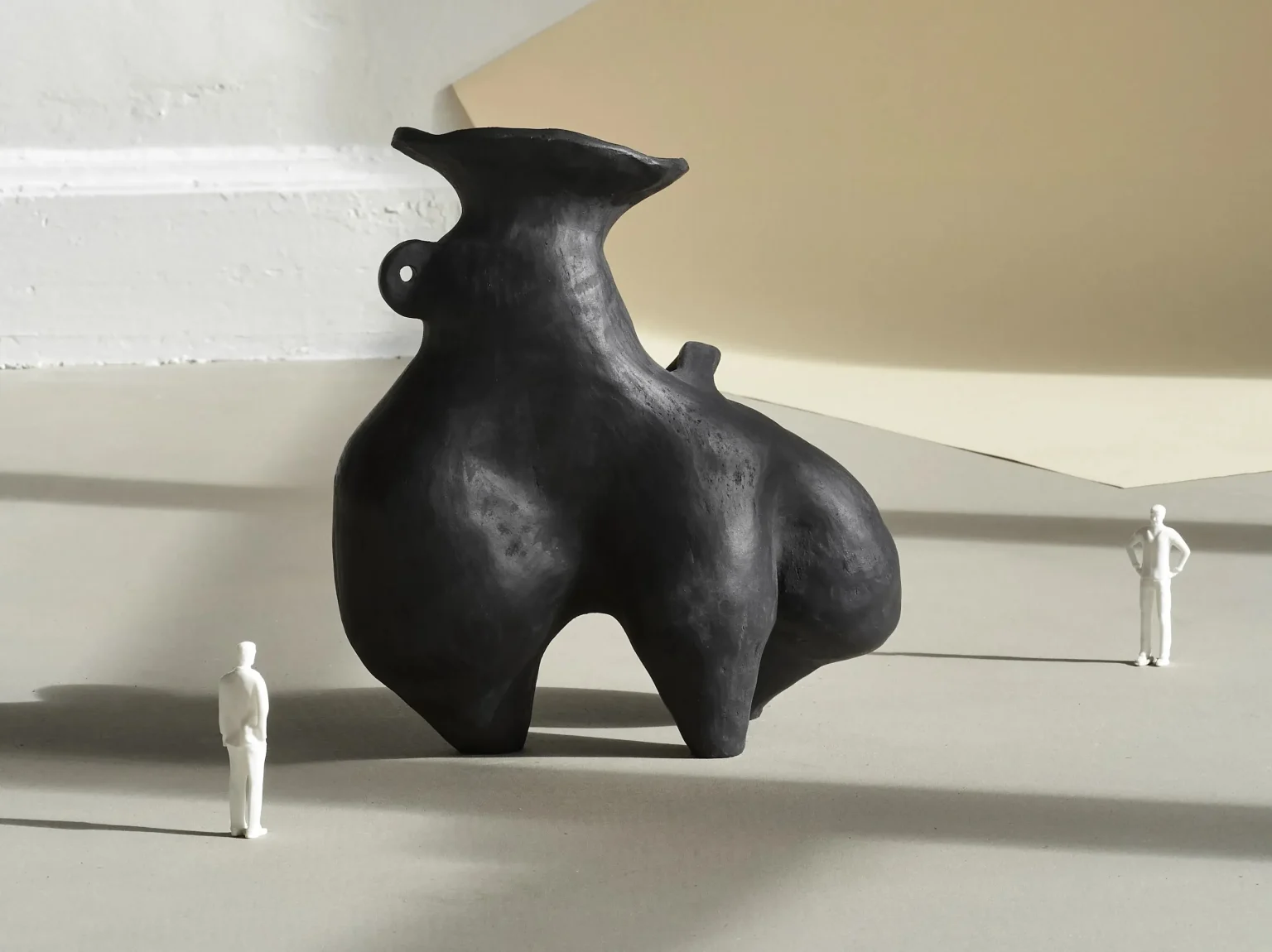
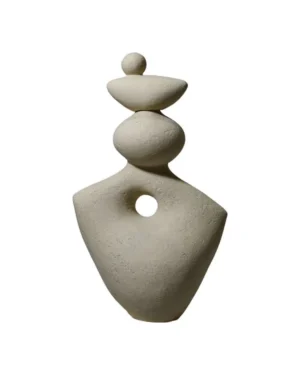
Neolithic sculptures take their name from the earliest worked stone and fired clay, objects shaped by hand and left to carry the trace of that shaping rather than smoothed into something polished. Studios working in this style return to stoneware, clay, stone, concrete and paper pulp, building forms through hand-building, stone carving, concrete casting and glazing instead of disguising the material underneath it. What results looks excavated as much as made, a form that could have come from a river bed or a quarry.
What defines the Neolithic style in sculpture
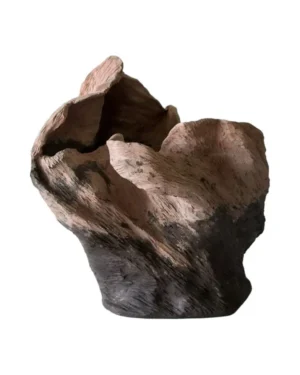
The Neolithic style favors mass over detail. Surfaces stay rough or lightly textured, edges stay irregular, and color sits close to the earth: black, brown, sand, beige and gray, sometimes warmed by burgundy or pink glazes that read like oxidized stone. A piece in this style rarely explains itself through ornament; its weight and silhouette do the work instead.
Because the forms draw on ancient tools and totems, proportions tend to be squat and grounded rather than tall and slender. A base is often wider than its top, which keeps a piece visually stable even where the material itself, cast concrete or dense stoneware, is genuinely heavy.
Materials and techniques found in this range
Within sculptures across the category, the Neolithic style turns up most often in a handful of recurring materials and ways of making:
- Stoneware and clay, hand-built and then glazed in matte earth tones.
- Stone, carved by hand to keep its natural grain and pitting visible.
- Concrete, cast into blunt, geometric forms that read as fragments of older structures.
- Paper pulp and cardboard, pressed and dried into lighter, more textural pieces.
Editions vary by studio: some pieces are unique, no two alike because each is shaped by hand; others are produced as open editions, repeatable but still carrying the marks of a hand-building or carving process. Either way, nothing here is machine-finished to a uniform edge. For the full spread of materials, finishes and forms carrying this style across categories, see every Neolithic piece on ADORNO.
Choosing a Neolithic sculpture for a room
Scale matters more than detail with this style. A small stoneware form reads as a tabletop object, something to be picked up and turned; a larger concrete or stone piece needs floor space and a sightline of its own, not a shelf it has to compete with.
Check the base before anything else. Carved stone and cast concrete pieces are often bottom-heavy by design, which makes them stable on the floor but means they need a surface that can bear real weight if placed on furniture. Matte, unglazed finishes absorb light and suit rooms with warm, low lighting, while glazed stoneware catches more reflection and reads better near a window.
Where these pieces sit in a room
Neolithic forms suit rooms built around texture rather than color: a living room with linen and oak, an entry hall with stone flooring, a study lined with books. They pair naturally with other pieces that share an unfinished quality, such as stoneware sculptures finished in the same earth tones, or with a Neolithic table whose carved or cast base echoes the same vocabulary. A single piece on an otherwise empty surface tends to carry more weight than several grouped together.
Caring for stoneware, clay, stone and concrete
Unglazed clay and concrete are porous and will stain if liquid sits on the surface, so keep these pieces away from damp plant pots or wet glassware. Dust with a dry or barely damp cloth; avoid household cleaners, which can strip the matte finish or discolor raw stone. Glazed stoneware is more forgiving and can be wiped with a soft, lightly dampened cloth. Carved stone pieces should be lifted rather than dragged, since a rough base can scratch a wood or stone floor over time.
How do I choose a neolithic sculpture?
Look at surface and form first: rough, hand-built stoneware or clay reads as grounded, while carved stone or cast concrete carries more weight. Pick a scale and tone that suit the room before the shape.
What materials are neolithic sculptures made from?
Most are stoneware, clay or stone, sometimes concrete or paper pulp, finished with glazing or left raw. Surfaces tend toward black, beige, brown, sand or gray, echoing early fired and carved forms.
How do I care for a neolithic sculpture?
Dust stoneware, clay and concrete with a soft, dry cloth and keep them from direct, prolonged moisture, since unglazed surfaces absorb stains. Stone can be wiped with a barely damp cloth, then dried.
What size neolithic sculpture should I buy?
Sizes range from small tabletop forms to floor-standing pieces that anchor a corner or entry. For a specific piece's exact dimensions, use Chat with the maker on its product page.
Which rooms suit neolithic sculptures?
Their rough, earthbound forms suit entryways, living rooms and reading corners where they can stand apart from other objects. Smaller pieces work on shelves, consoles or dining tables as a quiet counterpoint.
How does shipping, returns and authenticity work at ADORNO?
Shipping is insured and worldwide, with a 14-day return policy excluding made-to-order pieces. Every piece comes with a certificate of authenticity, backed by a lowest-price guarantee.