-
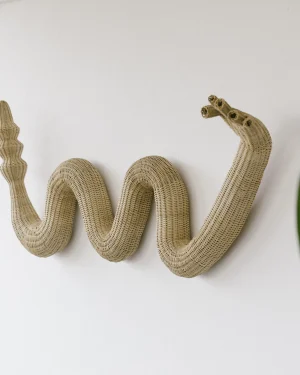
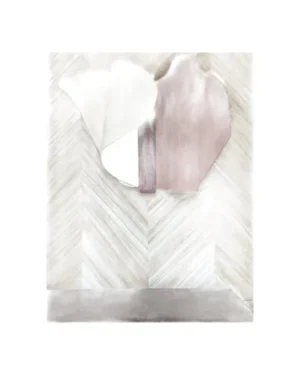
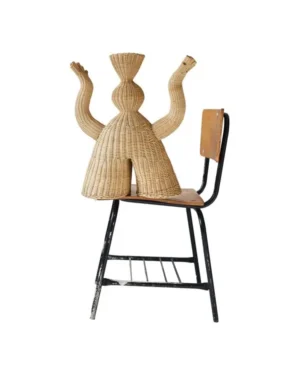
Artefacto Serpiente Ii – Woven Wicker Fiber Wall Sculpture
By LØRDAG & SØNDAG
€750 -
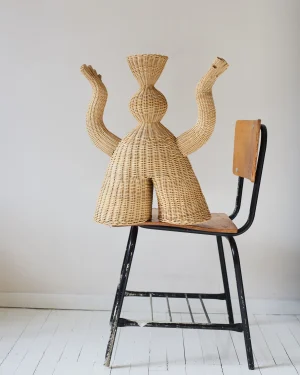 In stock
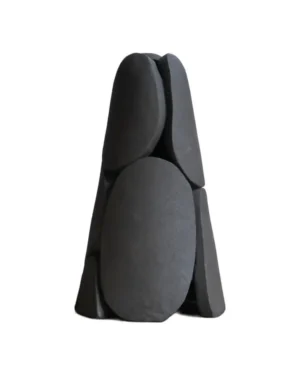
Artefacto Chan Maák Sculpture – Pol & Cab
By LØRDAG & SØNDAG
€655 This product has multiple variants. The options may be chosen on the product page -
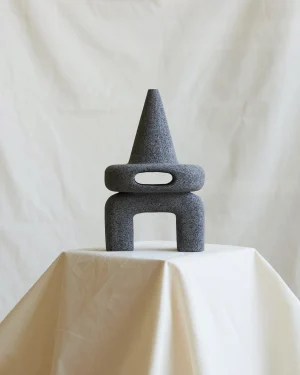 In stock
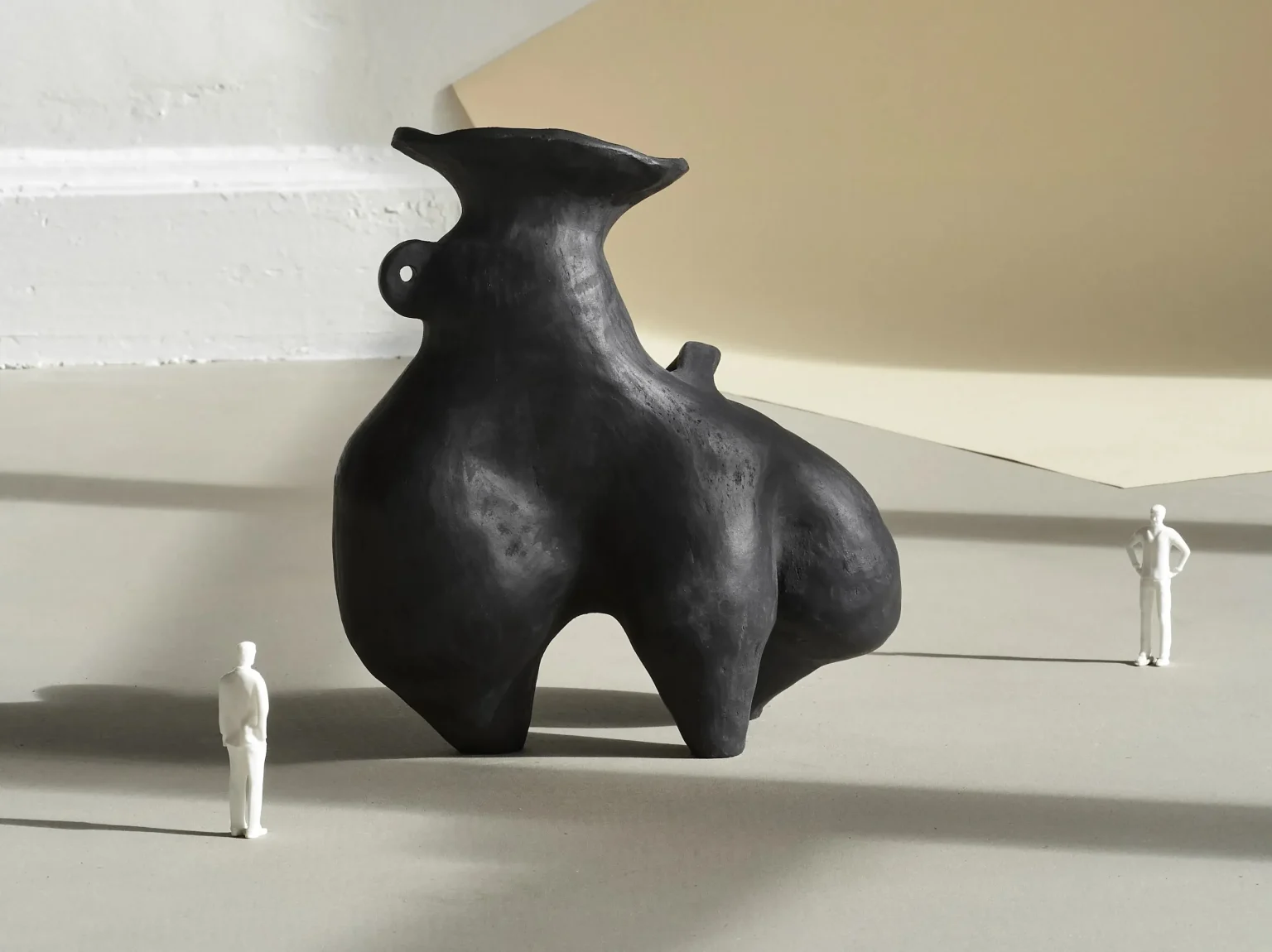
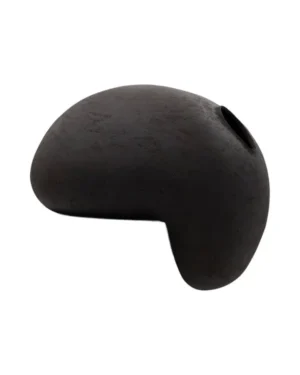
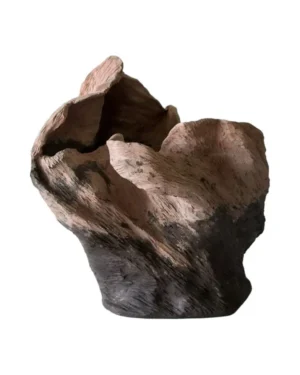
Artefacto Volcán Ls 06
By LØRDAG & SØNDAG
€490 -

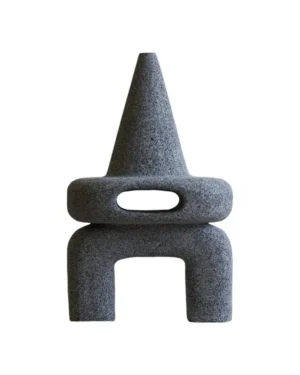
Aisha Totem – Stoneware Sculpture
By Lucia Mondadori
€1.395 -
 In stock
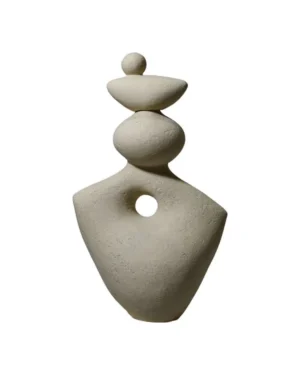
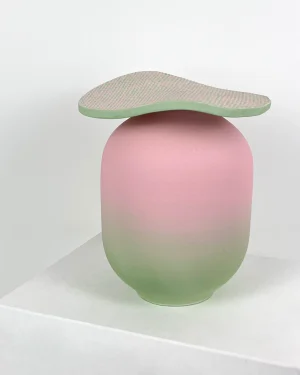
Sui Cappelli/ About Hats – Ceramic Sculpture
By Federica Paglia
€550 This product has multiple variants. The options may be chosen on the product page -
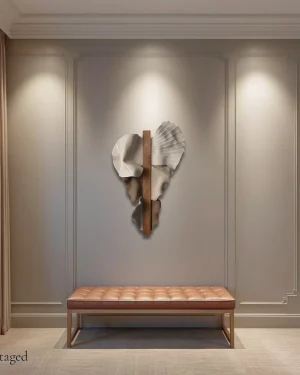
Abundance Wall Sculpture | Toffee · Studio Series ·
By Studio Ēeme
€3.565 -
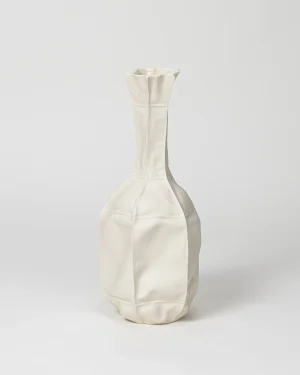
Organic White Ceramic Kawa Vase #12
By Luft Tanaka Studio
€1.075 -
 In stock
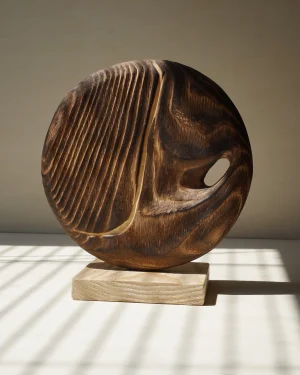
Concentric Flows / Wood Sculpture No.2
By SOLATERRE
€564 -
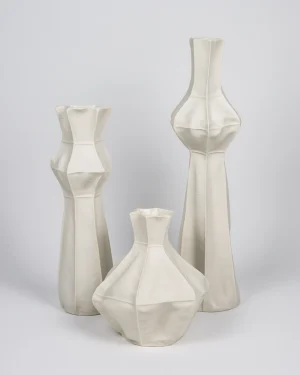
Set No. 1 Of 3 Kawa Vases – Organic Leather-cast Ceramics
By Luft Tanaka Studio
€2.550 -
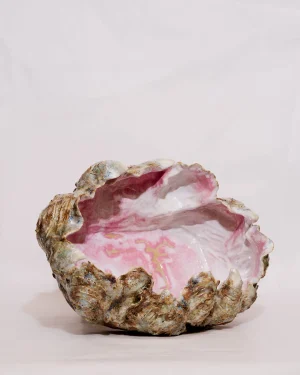
Shipwreck Vase
By Sugoi Studio
€800 -
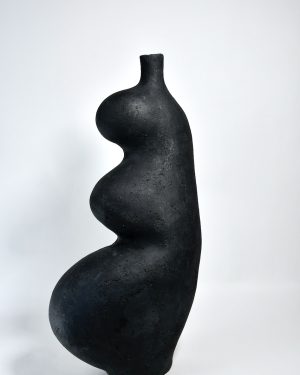 In stock
Lilith Grande
By Lucia Mondadori
€1.450 -
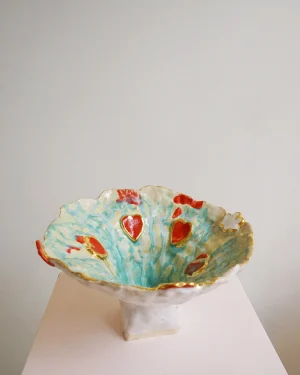 In stock
Olé Series- Plates Edition
By Hania Jneid Design Studio
€650 -
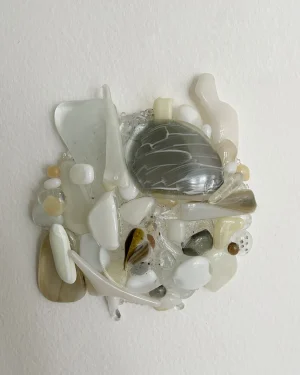 In stock
Encompassed – Fused Glass Wall Decor
By Meagan Cignoli Studio
€682 -
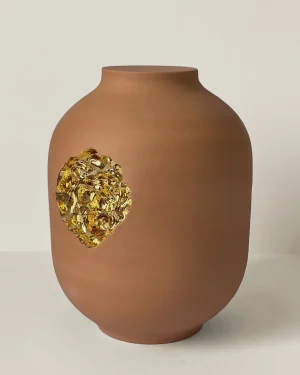 In stock
Intro – Large Ceramic Vase
By Federica Paglia
€590 -
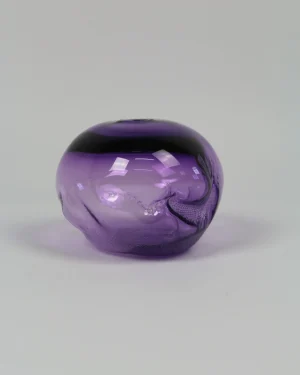 In stock
1/2 Ltr Forms – Violet Blue Handmade Glass Object
By Vogel Studio
€100 -
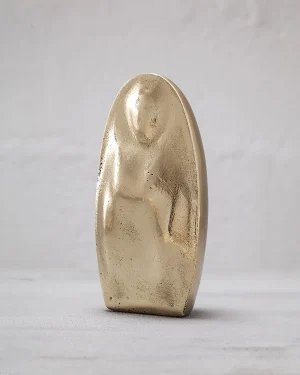 In stock
Valdivia Virgin Sculpture In Casted Bronze
By ANDEAN
€514 -
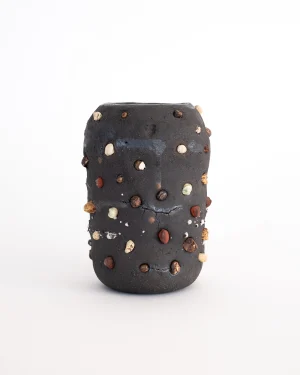 In stock
Little Rock Vase – Special Edition (deconstructed O.1)
By Ugly Things et al.
€590 -
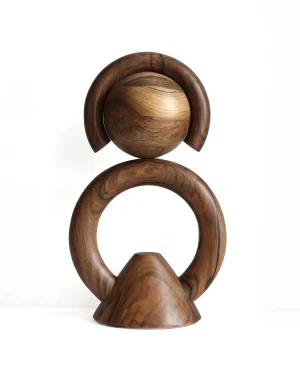
Air Totem In Walnut
By ZEMNA
€530 -
 In stock
Artefacto Mármol Ls 02
By LØRDAG & SØNDAG
€800 This product has multiple variants. The options may be chosen on the product page -
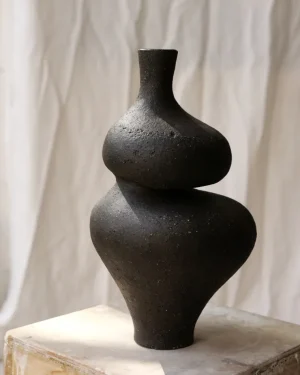
Black Lilith – Brut Stoneware Vessel
By Lucia Mondadori
€842 -

Lilith In Black Oxide
By Lucia Mondadori
€788 -

Fos Deco 07
By Daniel Orozco Estudio
€2.238 -
 In stock
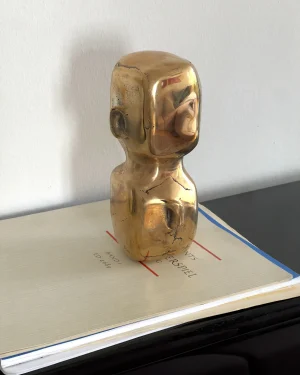
Heads — Cast Bronze Sculpture
By Lucas Gutierrez Studio
€7.500 -
 In stock
Black Earth – Vase O.6
By Ugly Things et al.
€560 -

Nc Hongo Baby Totem
By Daniel Orozco Estudio
€407 -
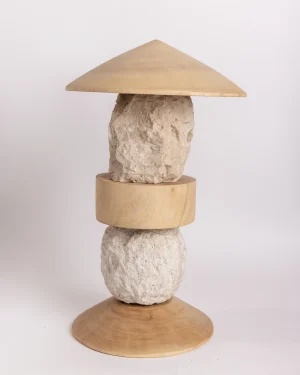
Bbta Sculpture
By Daniel Orozco Estudio
€1.745 -
 In stock
Figurative Sculpture
By Meagan Cignoli Studio
€400 -
 In stock
The Magic Fireplace
By M’ama edizioni
€800 -
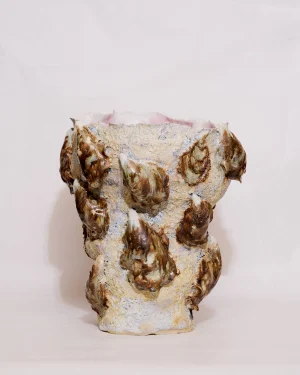
Shipwreck Vase
By Sugoi Studio
€800 -
 Sold
Wall Sculpture N°1
By Dzovag Kotchian
€2.200 -
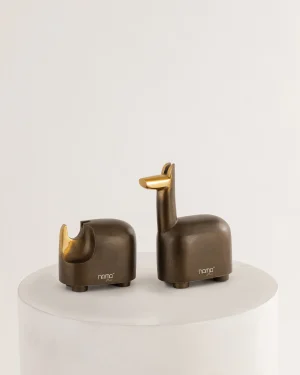
Zoo – Cast Aluminum Animal Sculpture Set
By Nama Home
€730 -
 Sold
Ucayali – Stoneware Collectible Sculpture
By Vale Ro
€2.500 -
 Sold
105 Ltr Forms – Fuchsia Handmade Glass Object
By Vogel Studio
€1.470 -
 Sold
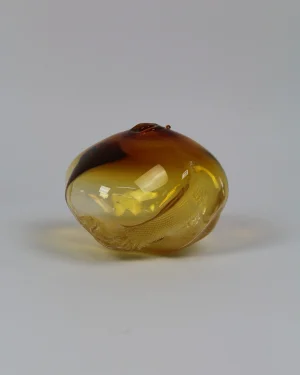
1/2 Ltr Forms – Brilliant Gold Handmade Glass Object
By Vogel Studio
€100 -
 Sold
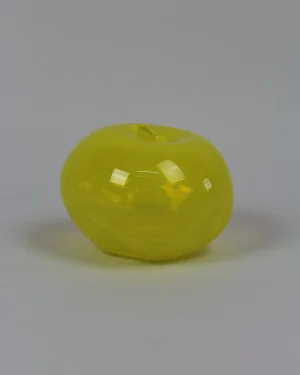
1/2 Ltr Forms – Lemon Yellow Handmade Glass Object
By Vogel Studio
€100 -
 Sold
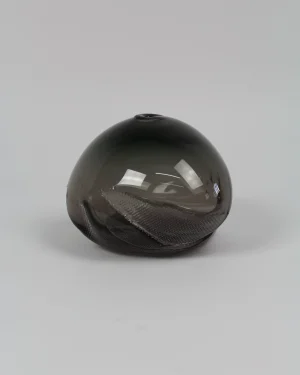
1/2 Ltr Forms – Neutral Grey Handmade Glass Object
By Vogel Studio
€100 -
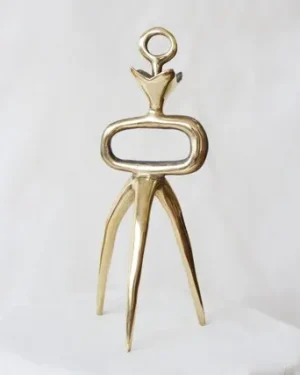 Sold
Artefacto Bronce Ls 01 – Lost-wax Casted Bronze Sculpture
By LØRDAG & SØNDAG
€1.355 -

Nc Fuente Totem
By Daniel Orozco Estudio
€814
Boho chic sculptures bring natural fiber, stoneware, and clay together in forms that favor texture over polish. They come from independent studios working in hand-building, basketry, and weaving, each piece shaped by hand rather than pulled from a uniform mold. The result reads closer to a woven basket or a sun-dried vessel than to a gallery pedestal object, and that informality is the point.
What defines the boho chic look in sculpture
The palette stays warm and muted: brown, caramel, ivory, off-white, with black and gray used as grounding notes rather than accents. Surfaces tend toward matte clay, raw fiber, or a glaze left uneven on purpose, so light sits in the texture instead of bouncing off it. Edges are rarely sharp; forms lean organic, asymmetrical, gathered, coiled, or carved rather than machined.
Where a minimalist or brutalist piece makes its case through mass and straight lines, boho chic sculptures work through surface and gesture. A rattan form or a hand-built clay vessel carries the marks of the process that made it, and that visibility of hand is treated as a feature, not something to be sanded away.
Materials and techniques behind the range
What shows up most often among the best-selling pieces, in roughly this order:
- Ceramic, stoneware, and porcelain, often hand-built or glazed in a single warm tone
- Natural fiber and rattan, gathered or coiled using basketry and weaving
- Clay left matte or given a glossy glaze for contrast
- Blown glass, used more sparingly, for a softer counterpoint to the raw textures around it
Editions vary. Some studios work piece by piece and call their output unique; others repeat a form across an open or limited edition, so the same silhouette returns in slightly different glazes or fibers. Across the sculpture category, you will also find the same materials handled in eclectic, rustic, and contemporary registers, each pulling the raw material toward a different mood.
How to choose a boho chic sculpture
Scale first: a tabletop piece should sit comfortably within arm's reach, while a floor sculpture needs enough clearance to be walked around rather than squeezed into a corner. Height matters as much as footprint, since a tall woven or carved form can read as a quiet column in a room, where a low, wide piece behaves more like a centerpiece on a console or dining table.
Finish is the second decision. A matte stoneware or raw fiber surface absorbs light and suits rooms that already carry pattern or color, while a glossy glaze or blown glass form reflects light and can anchor a plainer space. Placement follows from both: near a window, texture and shadow shift through the day; against a solid wall, a sculpture holds its silhouette.
Where these pieces sit well
Boho chic sculptures suit living rooms, entryways, and reading corners where a single object is meant to be noticed rather than compete with a wall of shelving. Natural fiber and stoneware pieces also work in bedrooms and home offices, where their muted color and soft texture do not compete with fabrics or artwork already in the room. For a fuller range of objects in the same material language, including vessels and figurative forms, the boho chic decor grouping is a useful next stop, and the full boho chic style extends the same palette into lighting and furniture.
Caring for natural materials
Unglazed clay and stoneware can mark or stain, so keep them away from direct contact with oil, wine, or standing water. Natural fiber and rattan prefer a dry, stable environment; too much humidity can warp a woven form, while direct sun over time will fade its color unevenly. A soft brush or dry cloth is usually enough for dust; avoid soaking fiber pieces or scrubbing glazed surfaces with anything abrasive.
For collectors who want a single, unrepeated object, the unique sculptures grouping narrows to one-off pieces, while those drawn specifically to fired clay forms can start with ceramic sculptures. Either way, boho chic sculptures reward patience: they are objects meant to be looked at closely, not glanced past.
How do I choose a boho chic sculpture?
Look for natural materials with visible texture, hand-building marks, woven fiber, or uneven glaze, and a form that reads as organic rather than geometric. Pick one whose color and scale match the surfaces already in the room.
What materials are boho chic sculptures usually made from?
Most come from ceramic, stoneware, or clay with glazed or raw finishes, alongside natural fiber, rattan, and occasional blown glass. These materials age with slight variation, which suits the style's relaxed character.
How do I care for a ceramic or fiber sculpture?
Dust ceramic and stoneware with a dry cloth and keep them from direct sun, which can fade glaze. Fiber and rattan pieces should stay dry and out of damp rooms to prevent mildew.
What size sculpture works best for a shelf or floor?
Smaller pieces, under a foot tall, suit shelves and side tables, while floor sculptures generally start around two feet to hold their own in a room. Check exact dimensions on each piece's page.
Which rooms suit boho chic sculptures?
Living rooms, reading corners, and entryways take to their warm, tactile presence, especially near wood furniture or woven textiles. Bedrooms and sunrooms also work well given softer, natural light.
Does ADORNO ship internationally and accept returns?
Shipping is insured and worldwide. Returns are accepted within 14 days, except for made-to-order pieces, and each sculpture arrives with a certificate of authenticity.