-
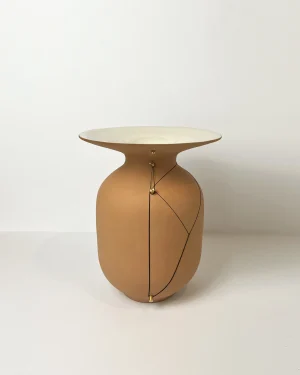
Provvisori / Temporary Large Ceramic Vase
By Federica Paglia
€500 -
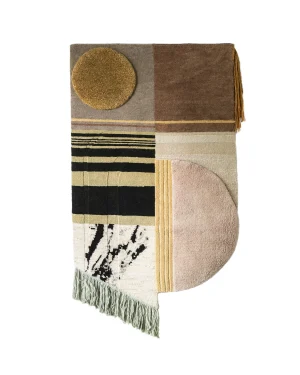
Textile Poster No. 11 – Geometric Tapestry
By Lyk Carpet
€2.674 -

Strikha Table Lamp in Clay
By FAINA
€1.820 -
 In stock
Coral Table Lamp in Clay and Ceramic
By Dzovag Kotchian
€900 -
 In stock
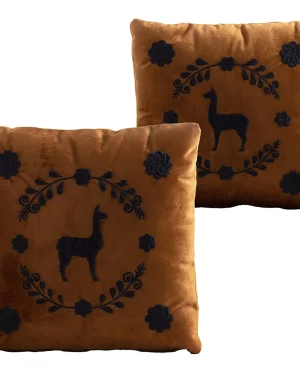
Llama Hand Embroidered Decorative Pillows, Set Of 2
By ANDEAN
€309 This product has multiple variants. The options may be chosen on the product page -
 In stock
Pantli: Ceramic Planters
By piedrafuego
€60 - €97 This product has multiple variants. The options may be chosen on the product page -
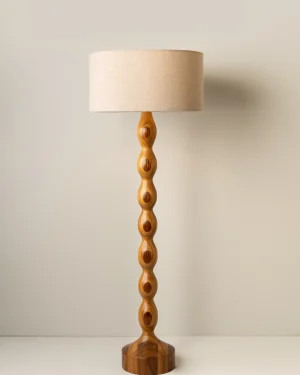
Tamarindo Floor Lamp in Parota Wood and Natural Fibers
By Isabel Moncada
€3.802 -

Distressed Sandstone Vessel No.4
By Alex Roby Design
€480 -
 In stock
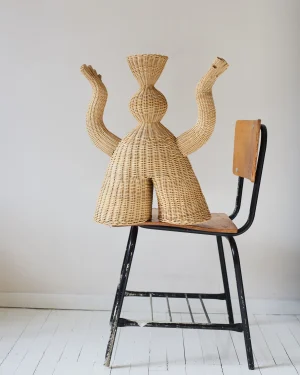
Artefacto Chan Maák Sculpture – Pol & Cab
By LØRDAG & SØNDAG
€655 This product has multiple variants. The options may be chosen on the product page -
 In stock
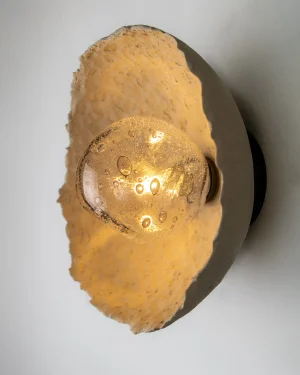
Asea No. 23 Wall Sconce in Stoneware and Blown Glass
By Ceren Gürkan
€800 -
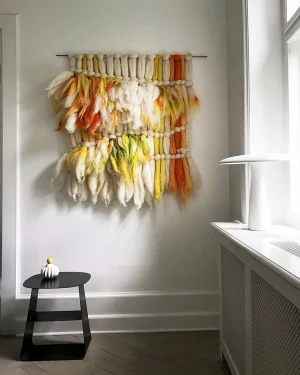
‘Woolwalls’ in Sustainable Wool – Neon Yellow, Orange and Green
By jeanett knipschildt
€1.224 -
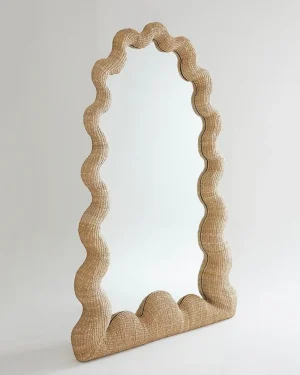
La Celebración – Handwoven Fiber Mirror
By Joyful Objects, Yes!
€6.000 -
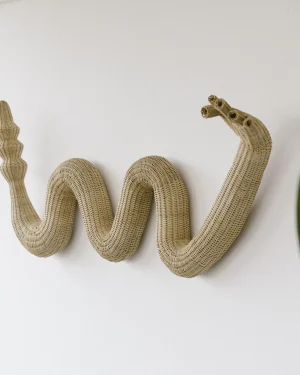
Artefacto Serpiente Ii – Woven Wicker Fiber Wall Sculpture
By LØRDAG & SØNDAG
€750 -

Regina Table Lamp In Marble
By Daniel Orozco Estudio
€2.034 This product has multiple variants. The options may be chosen on the product page -
 In stock
Eros Mirror
By Dzovag Kotchian
€860 -

Distressed Ivory Ikebana Vessel No.5
By Alex Roby Design
€480 -
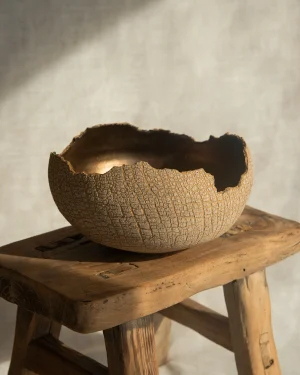
Distressed Sandstone Ikebana Vessel No.1
By Alex Roby Design
€288 -
 In stock
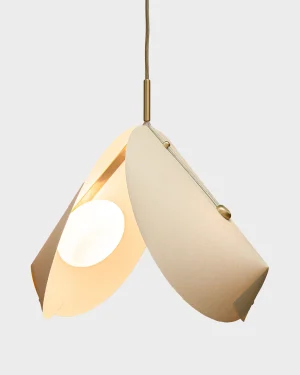
Concha Model 03 Pendant Lamp in Brass and Blown Glass
By MESEME by Riya Panchal
€434 This product has multiple variants. The options may be chosen on the product page -
 In stock
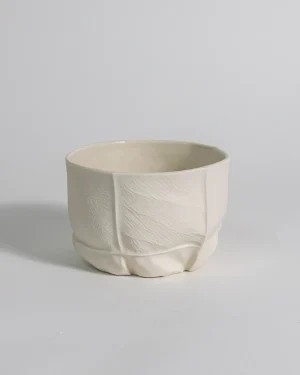
Kawa Matchawan – Limited Edition Leather-cast Porcelain Tea Bowl
By Luft Tanaka Studio
€300 -
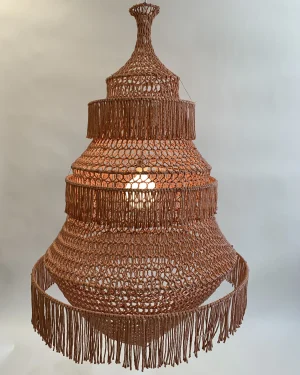
Typha Pendant Lamp in Cotton Rope
By Annie Legault
€1.907 -
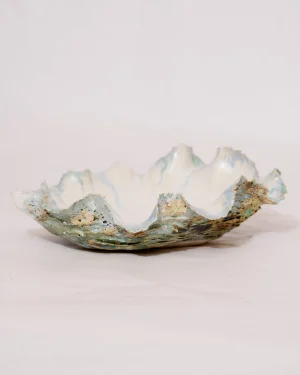
Oyster Shell – Medium
By Sugoi Studio
€217 -
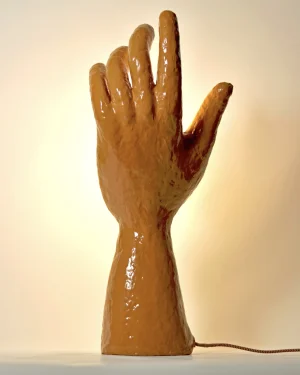
Luminária Luz Sobre Mão Table Lamp in Paper Pulp
By Sandro Vieira studio
€410 -
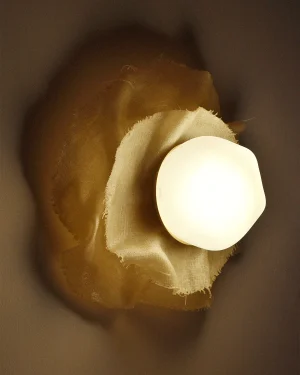
Liora II Wall Sconce in Glass, Brass and Fabric
By Atelier Alz
€350 -

Amar Table Lamp in Wenge Wood and Pau Ferro
By Brett Paulin
€2.267 -
 In stock
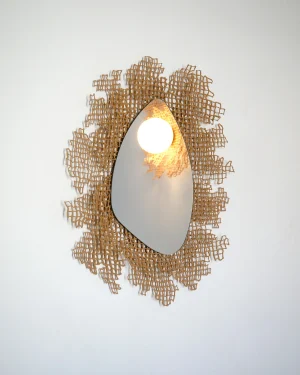
Coral Mirror – Clay Wall Mirror
By Dzovag Kotchian
€1.300 - €2.200 This product has multiple variants. The options may be chosen on the product page -

Black Wool Table Lamp in Biocomposite
By PletoStudio
€700 -

Original Lamp 1 Floor Lamp in Parota Wood and Textile
By Daniel Orozco Estudio
€1.899 This product has multiple variants. The options may be chosen on the product page -
 In stock
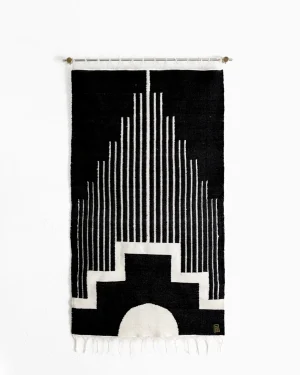
Centro Sheep Wool Handwoven Tapestry, Aged Bronze Wall Mount, Black & Ivory
By ANDEAN
€376 -
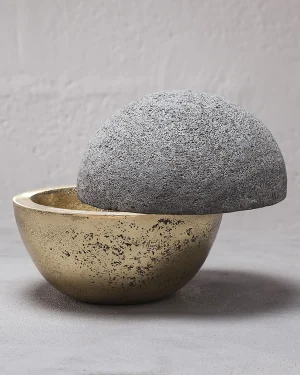
Hemisferio Table Lamp in Bronze and Volcanic Stone
By ANDEAN
€638 -
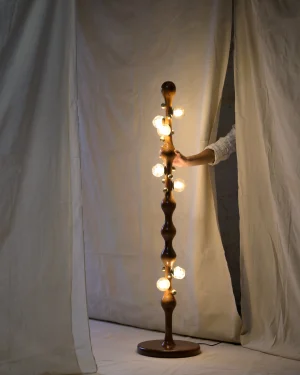
Stem – Teak Wood / Brass Floor Lamp
By Studio Indigene
€2.100 -
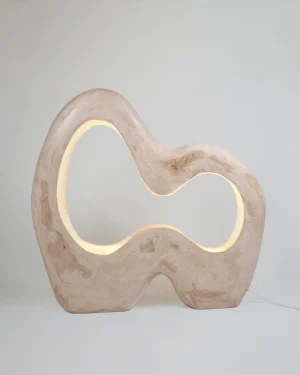
Infinite Floor Lamp in Pigmented Gypsum
By Studio AOAO
€6.000 -
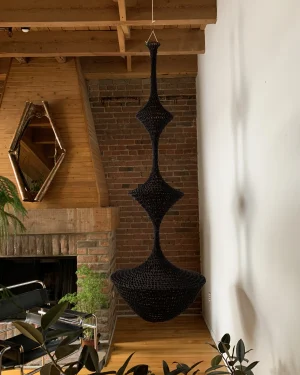
Briza Pendant Lamp in Cotton
By Annie Legault
€2.250 -
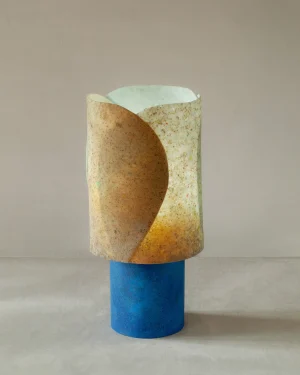
Verve Mint Table Lamp In Bio-based Resin
By Justyna Poplawska
€1.900 -
 In stock
Bed With Changeable Headboard Inserts
By Pupcha
€4.500 -
 In stock
Duck Butt Room Divider
By Pupcha
€3.950 -
 In stock
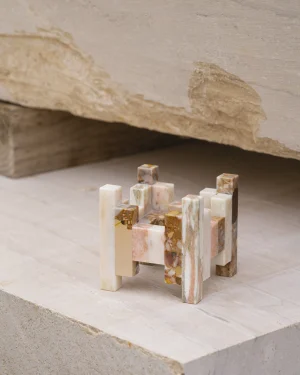
Strata – Flower Vase – Staggered Pink
By Iyo Hasegawa
€930 -
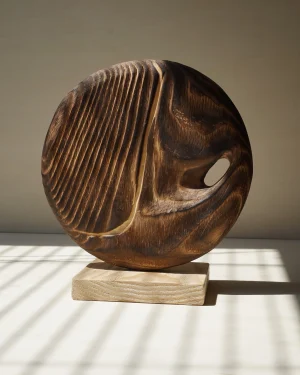 In stock
Concentric Flows / Wood Sculpture No.2
By SOLATERRE
€564 -
 In stock
Gala Shelf
By Heaps & Woods
€475 -
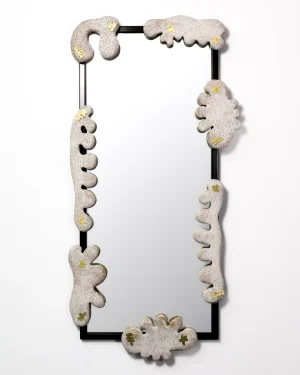
Tanguay – Ceramic And Metal Full Length Wall Mirror
By Luft Tanaka Studio
€6.400 -
 In stock
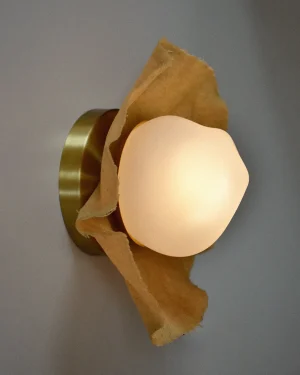
Liora I Wall Sconce in Glass and Brass
By Atelier Alz
€350 -
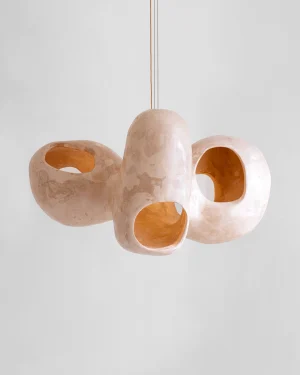
Bosei Chandelier in Gypsum
By Studio AOAO
€15.000 - €29.000 This product has multiple variants. The options may be chosen on the product page -
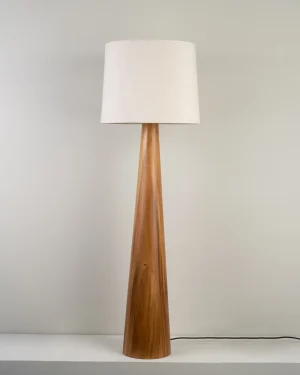
Malva Floor Lamp in Parota Wood
By Isabel Moncada
€3.802 -
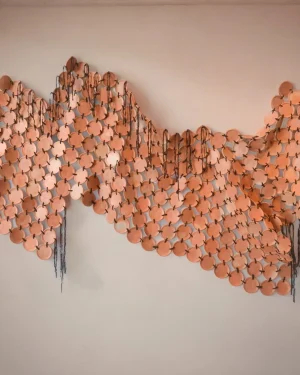
Tela De Barro I I – Terracotta And Wool Wall Installation
By Diego Olivero
€7.500 -
 In stock
Bruna Low Stool
By Heaps & Woods
€1.344 -

Orbita Floor Lamp in Biocomposite and Bouclé Wool
By PletoStudio
€5.000 -
 In stock
Miki Dining Chair
By Heaps & Woods
€1.531 - €1.625 This product has multiple variants. The options may be chosen on the product page -
 In stock
Coral Wall Sconce in Clay
By Dzovag Kotchian
€900 -
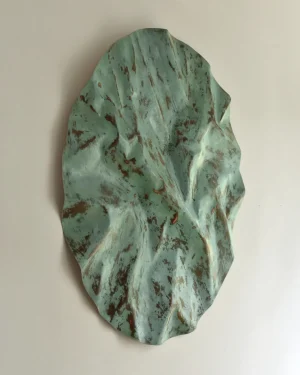
Mar De Cobre – Copper Wall Sculpture
By Aura Carpio®
€2.800 -
 In stock
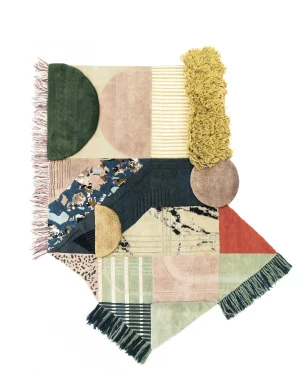
Medley – Eclectic Textured Rug Or Wallhanging
By Lyk Carpet
€9.378 -
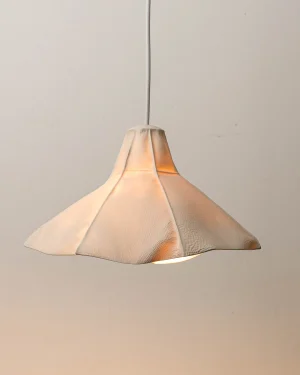
Kawa Series 04 – Ceramic Pendant Lamp
By Luft Tanaka Studio
€1.375 -
 In stock
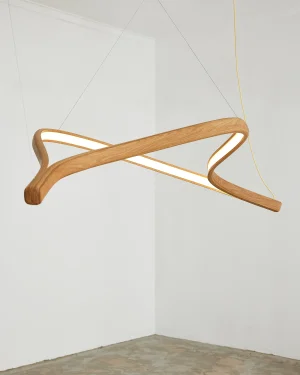
Perola Pendant Lamp in Oak Wood
By Poémia
€8.000 -
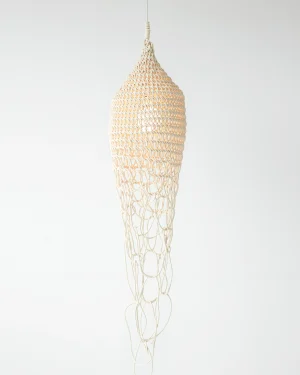
Meduse Pendant Lamp in Cotton
By Annie Legault
€700 This product has multiple variants. The options may be chosen on the product page -
 In stock
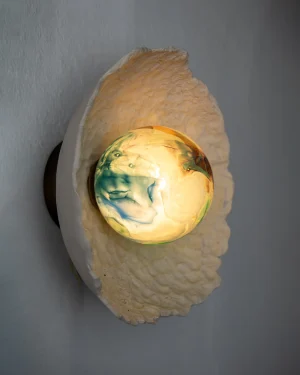
Asea No. 17 Wall Sconce in Stoneware and Blown Glass
By Ceren Gürkan
€900 -
 In stock
Big Candle Holder ” Fairy Tale Horse On Pillows “
By Pupcha
€580
Boho Design Through Texture, Layering, and Detail
Before it became a recognizable aesthetic, bohemian design described a way of living shaped by creativity, independence, and a disregard for convention. Today, boho design continues to reflect that mindset. It moves away from strict rules and instead builds interiors through instinct, layering, and objects chosen for their individual presence.
This selection focuses on the elements that define a bohemian interior beyond furniture. Boho rugs, boho lighting, and sculptural decor objects work together to shape a space gradually. The result comes through accumulation rather than a single gesture, where texture, material, and variation guide the composition.
Boho Rugs for Layering and Texture
Boho rugs set the tone early. Tassels, irregular edges, and abstract or folk-inspired patterns move the floor away from rigid structure. These rugs lend themselves to layering, placed together, overlapped, or arranged in sequence to build depth. Variation in scale, color, and texture creates a composition that remains open and adaptable.
Explore more approaches to layered interiors through eclectic design and living room inspiration, where rugs help define both layout and atmosphere.
Boho Lamps in Natural Materials
Boho lamps emphasize material first. Natural stone, hand-formed ceramics, woven fibers, wicker, and wood shape each piece. Surfaces retain grain, weave, and irregularity, avoiding uniform finishes.
Light remains soft and diffused. Shades in textile and bio-based materials filter illumination, creating layered lighting when table lamps, floor lamps, and smaller fixtures are used together. This approach aligns with broader ideas around diffused light, where atmosphere takes priority over intensity.
Boho Design Through Decorative Details
Smaller objects complete the composition. Vases, wall art, and mirrors introduce variation through texture and surface. Materials such as ceramics, natural fibers, and wood bring depth, while sculptural forms and layered details create a more dimensional effect.
Many of these pieces move beyond flat surfaces. Relief, fringe, and irregular edges echo natural growth and erosion. Mirrors follow the same logic, with frames that feel assembled or hand-shaped, adding subtle asymmetry to a space.
Boho Design as a Personal Language
Boho design continues to resonate because it offers an alternative to uniform interiors. It favors composition over coordination and encourages mixing objects without strict alignment. This approach connects closely to collectible design, where each piece carries its own identity and contributes to a larger whole.
The return of boho also reflects a broader shift toward tactile, lo-fi sensibilities. Materials show their texture, forms remain slightly irregular, and objects feel handled rather than mass-produced. These choices create interiors that feel grounded, expressive, and closely tied to the people who live within them.
Explore Boho Design
Browse ADORNO’s selection of boho rugs, boho lighting, and sculptural decor to build a layered interior shaped by texture, material, and instinct.