A Thanksgiving table has to hold more food than any other meal of the year, and most tablescapes are designed as though it won’t.
This is the practical problem nobody addresses. Thanksgiving is a serving-heavy meal — a turkey, four or five sides, gravy, a bread basket, wine, water — and it is usually eaten at a table seating more people than it comfortably holds. Consequently the elaborate centerpiece that looked right on Wednesday evening gets shifted to the sideboard on Thursday afternoon, because there is nowhere else for the potatoes to go.
A Thanksgiving tablescape that actually survives the meal is designed around that constraint rather than in spite of it. What follows works through the color, the centerpiece and its height, candlelight, place settings, and the specific problem of a long table with fourteen people at it. For the mechanics of laying a place setting — where the glasses go, how to fold and where to put the napkin — our table setting guide covers all of it, so this piece stays on what makes the last Thursday in November different.
Design for the food first
Before anything decorative, work out the footprint. Measure your table, then subtract what the meal needs.
Each place setting takes 24 inches of width. Anything under about 21 inches and elbows touch, which matters more at a two-hour meal than at a quick dinner. On a 72-inch table that means three settings per side, not four, however much you want to squeeze another in.
Serving dishes need a spine down the middle. Reserve a strip roughly 14 to 16 inches wide down the center of the table and put nothing permanent in it. That strip is where the platters land. Consequently the decoration lives at the ends of that spine, or in the gaps between dishes, or above the table entirely — never in the middle of it.
Decide now whether you are serving family style or from a sideboard. This single choice determines your whole tablescape. Family style means the center of the table belongs to the food and your decoration has to be minimal and movable. Plating in the kitchen or serving from a sideboard frees the entire center, and only then can you build the kind of centerpiece that appears in photographs.
Most disappointing Thanksgiving tables are the result of styling for the second scenario and then serving in the first.
Building the color palette
Thanksgiving has a default palette — orange, brown, burnt yellow — and it is the reason so many tables look like a seasonal display rather than a dinner. The instinct behind it is sound, since the meal wants warmth. The execution is what fails.
Let the food supply the orange
This is the one insight that changes a Thanksgiving table. The meal itself is already a warm palette: golden-brown turkey, orange squash, cranberry red, buttery corn, deep gravy. Add orange decoration on top and the whole surface turns into one undifferentiated warm mass where nothing reads clearly.
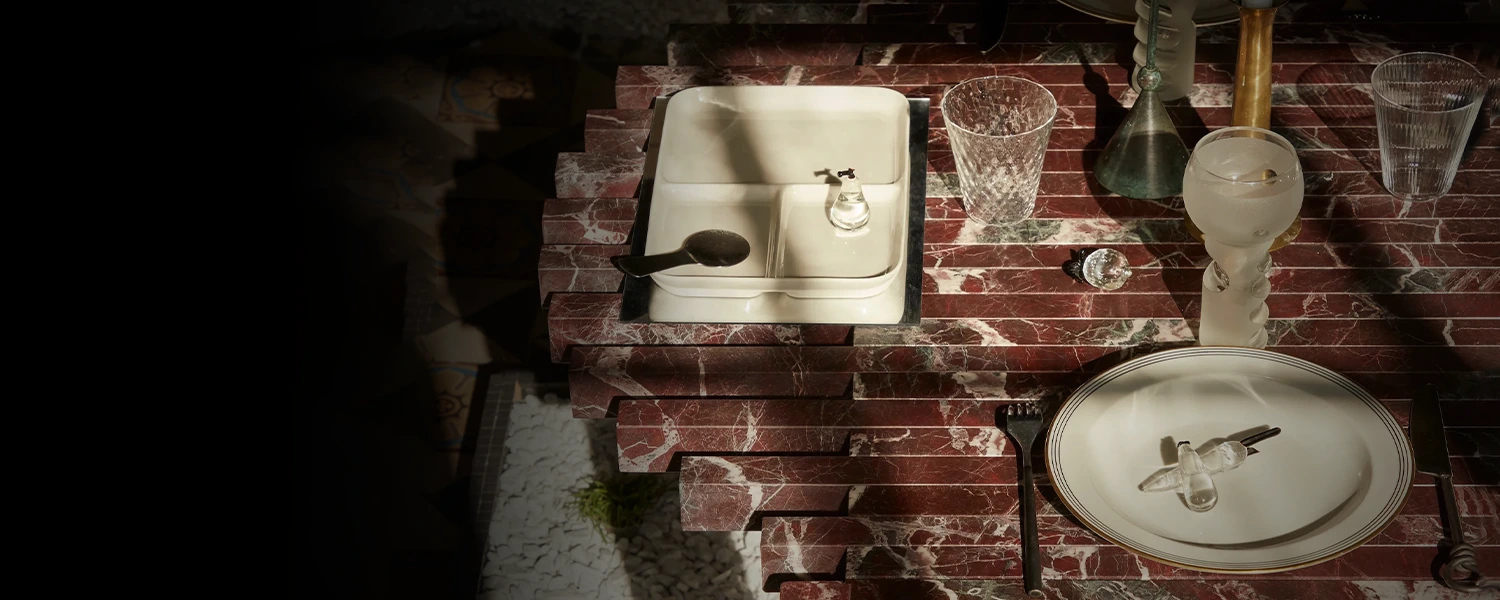
Therefore the effective move is to set the food against something cooler or quieter — cream linen, pale stoneware, clear glass, unbleached natural fiber, or a genuinely dark ground like charcoal or deep green. The food becomes the color, and it looks considerably better for having somewhere neutral to sit.
Palettes that work
- Cream, bone and brass. The most forgiving option. Warm without being autumnal, and it flatters candlelight.
- Charcoal or deep green with pale plates. A dark runner or tablecloth makes food and glassware jump forward. The most dramatic choice and the least expected.
- Clay, terracotta and oatmeal. Warm and material-led rather than seasonal, and it carries straight through to December.
- Clear glass and white linen. The minimalist route. Works only if the table is not crowded, since glass needs space to read.
- Dusty pink and brown. Unexpected and genuinely good — pink is the desaturated end of terracotta, and it reads as sophisticated rather than seasonal.
Limit yourself to three colors across linen, ceramics and glass. Meanwhile, the flowers and foliage count as a fourth, so keep them within the same family rather than introducing something new.
The centerpiece and the sightline rule
One rule governs every centerpiece and it is broken constantly: nothing between 12 and 30 inches tall belongs in the middle of a table where people are talking across it. That band is exactly where faces are, so anything in it blocks the conversation the meal exists for.
You have two options, and they both work. Stay below 12 inches — low bowls, a shallow vessel of foliage, candles in short holders, a run of objects along the spine. Or go above 30 inches, with tall thin-stemmed candlesticks or a raised arrangement that people see under. What fails is the classic tall florist’s vase, which lands squarely in the blocked band and gets moved to the floor by the time the plates come out.
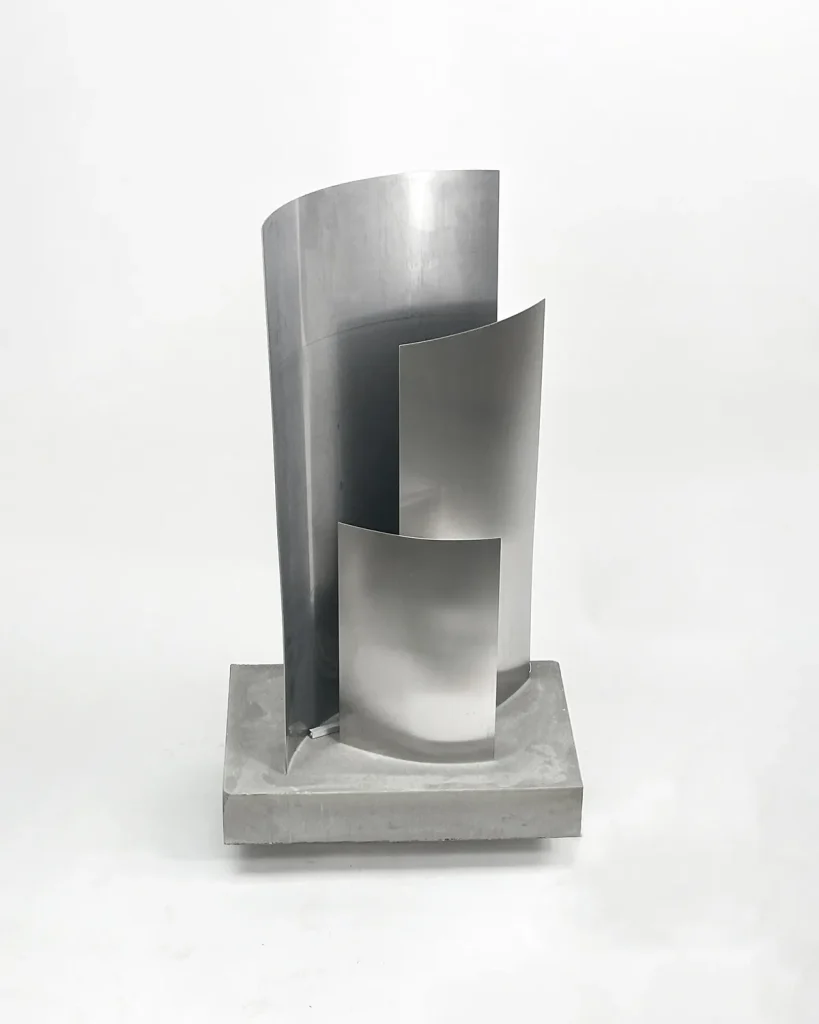
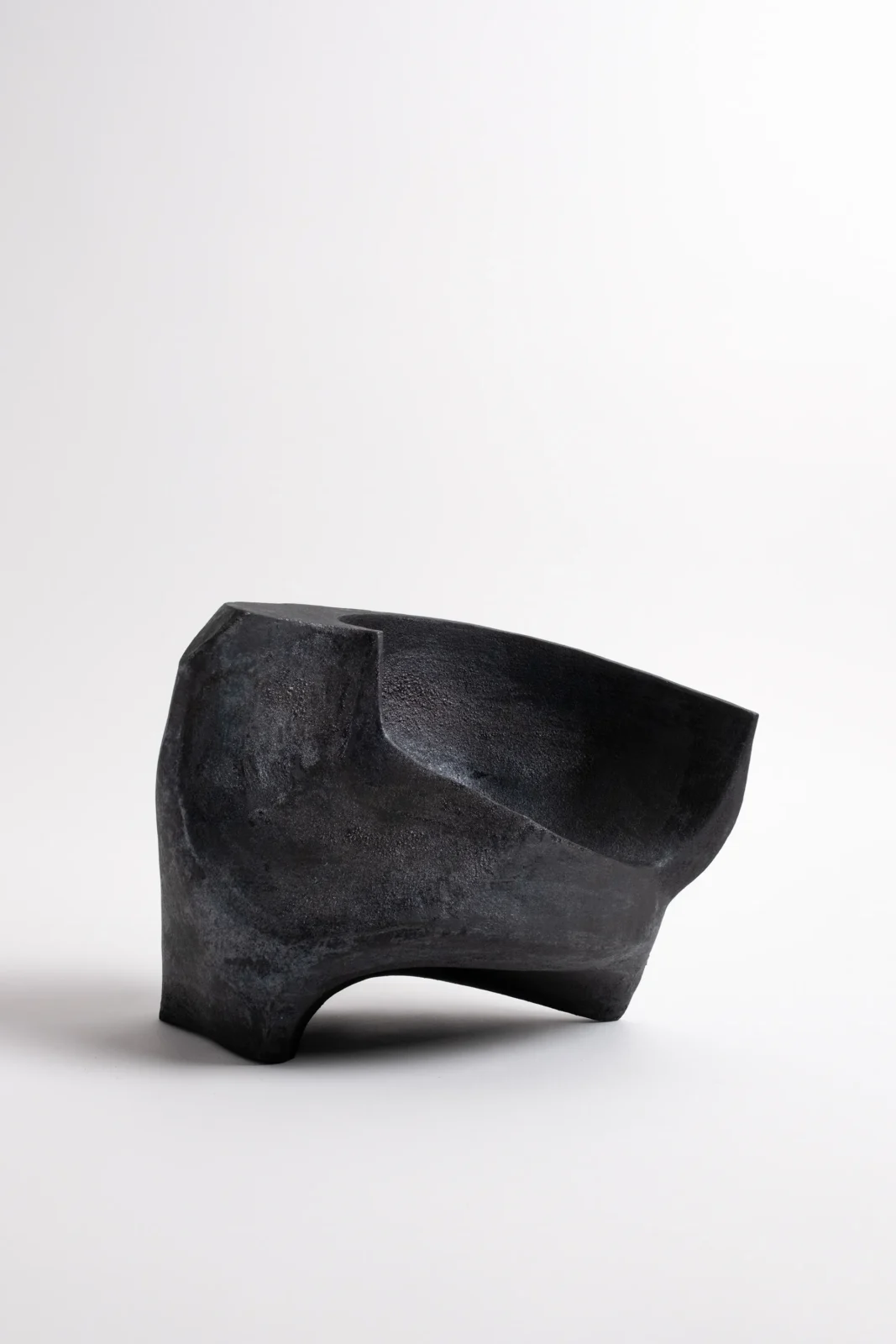
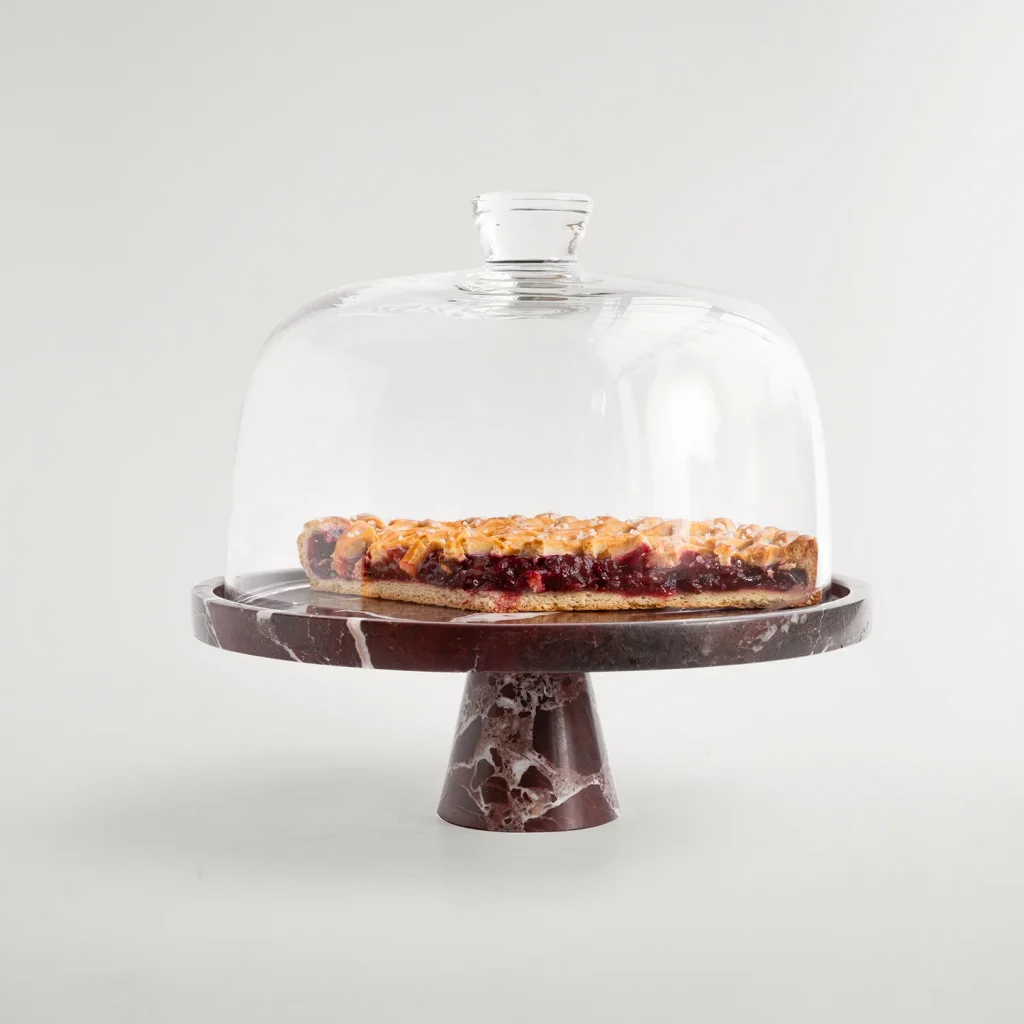
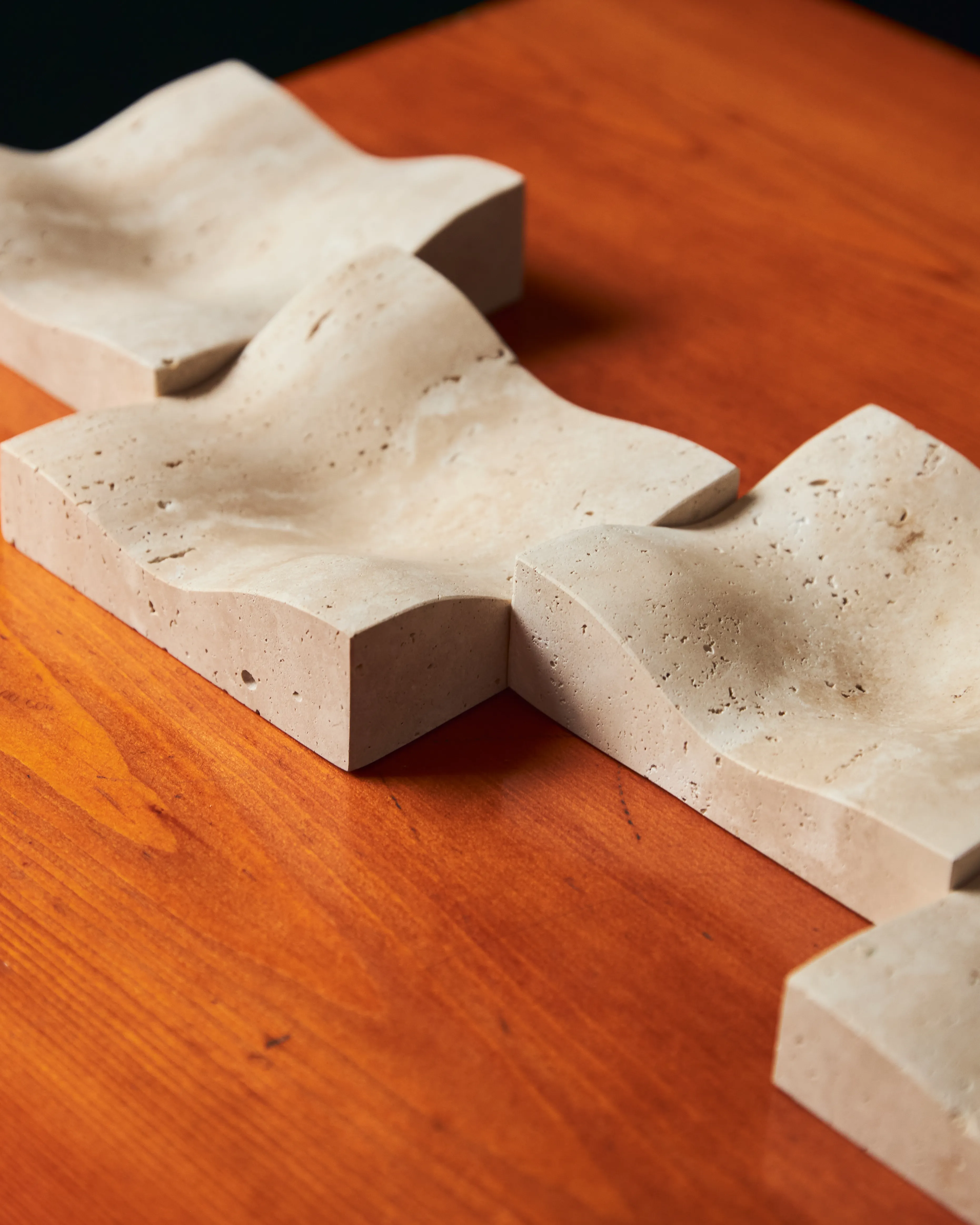
Furthermore, a Thanksgiving centerpiece should be liftable in one hand. Whatever you build will need to move at least twice during the meal, and a heavy or fragile arrangement becomes everybody’s problem. A single sculptural bowl or a low marble form does the job and can be relocated in a second.
Consider the linear centerpiece instead. Rather than one object in the middle, run three or five small vessels down the length of the table at intervals. It reads as generous, it can be broken up when a platter arrives, and it works far better on a long table than one central arrangement that guests at the ends can barely see.
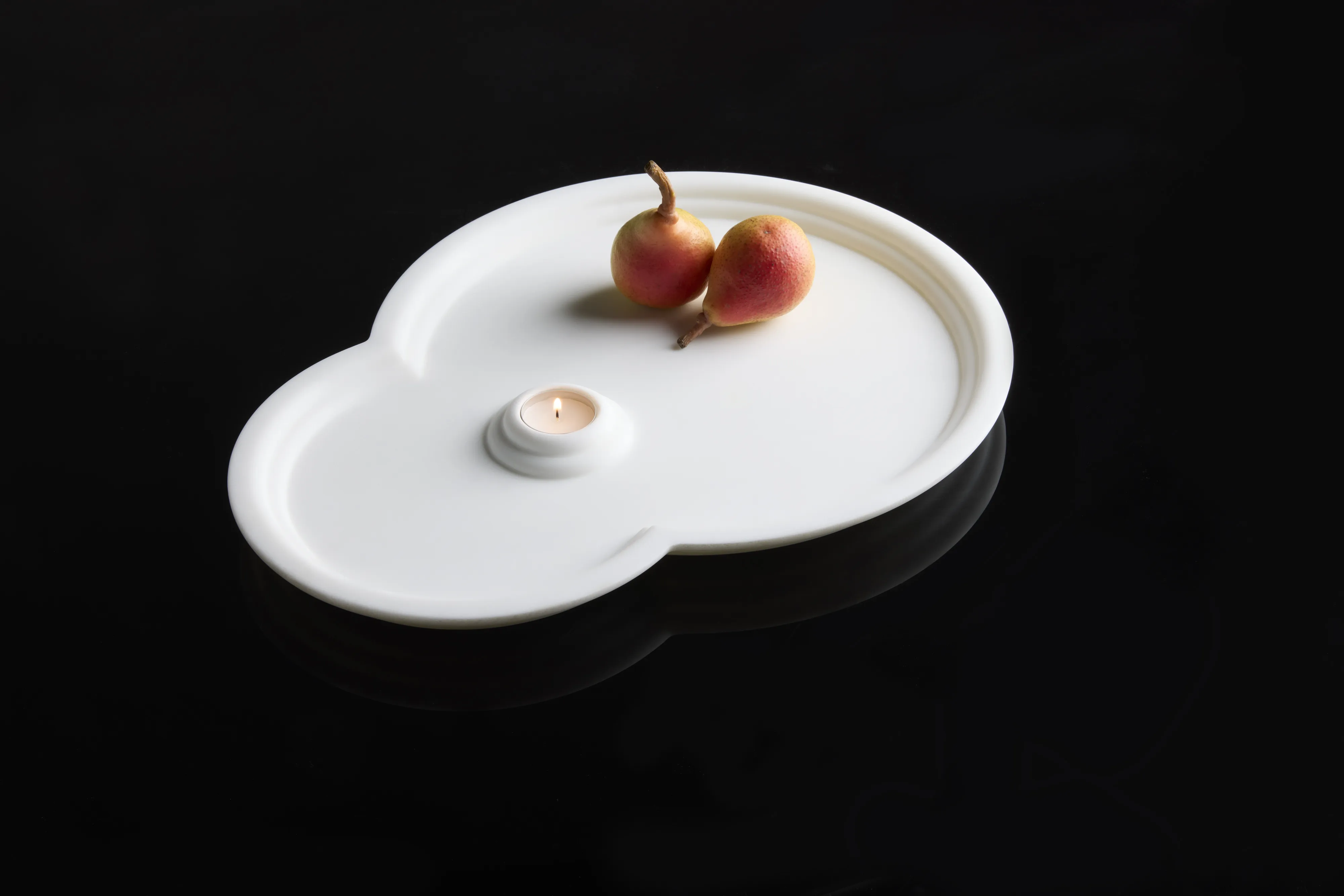
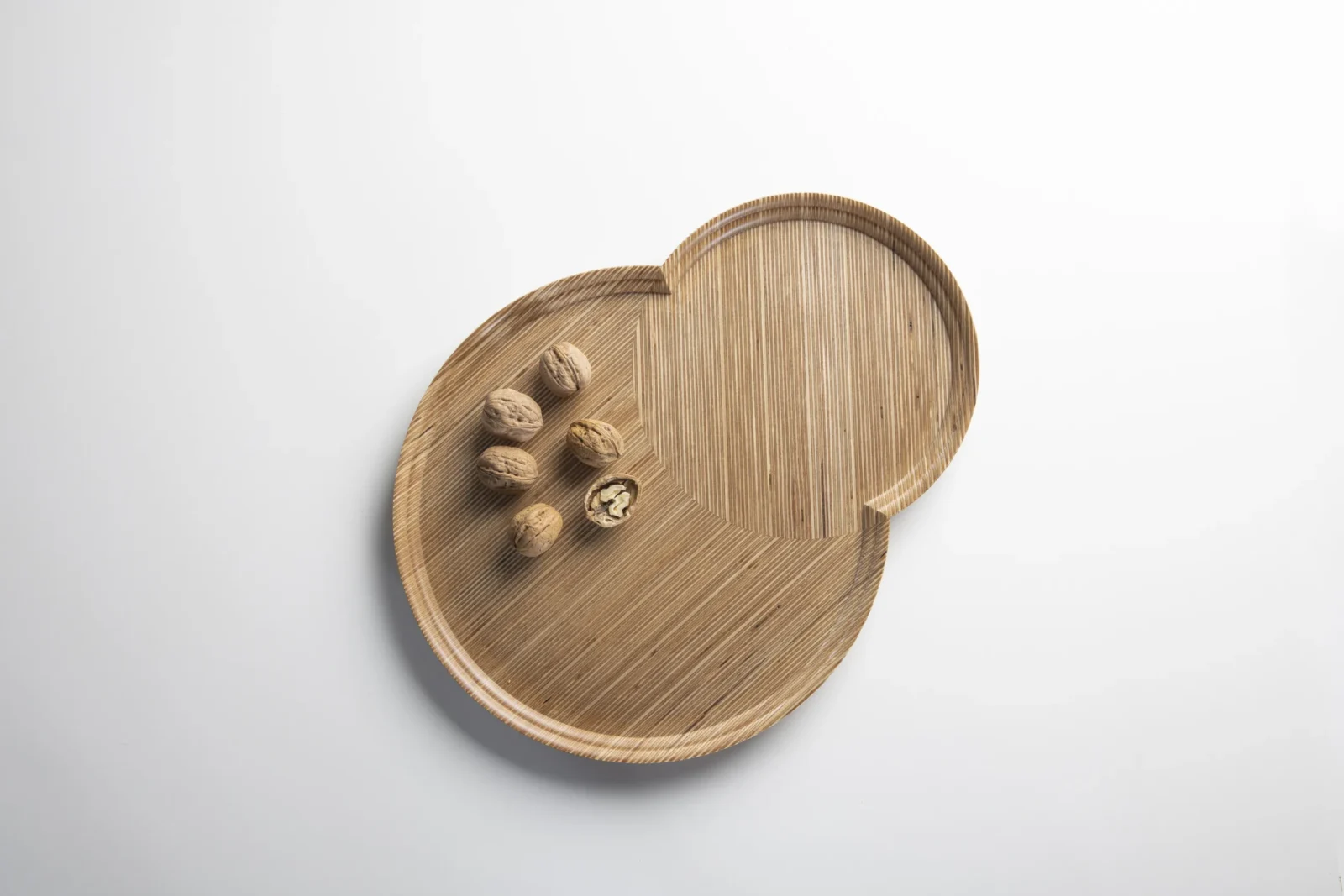
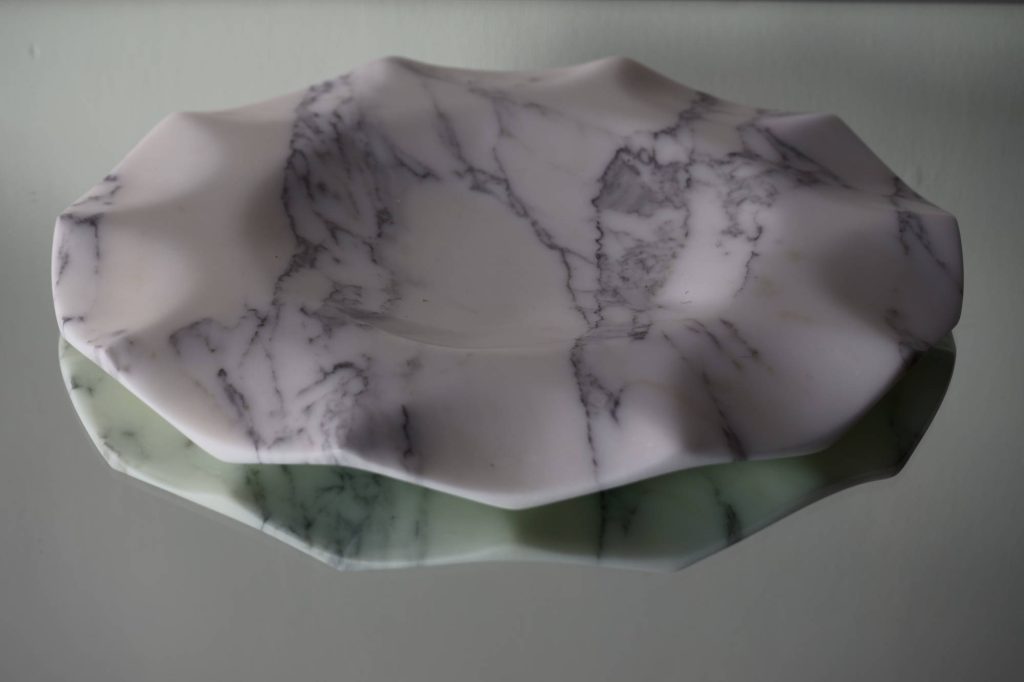
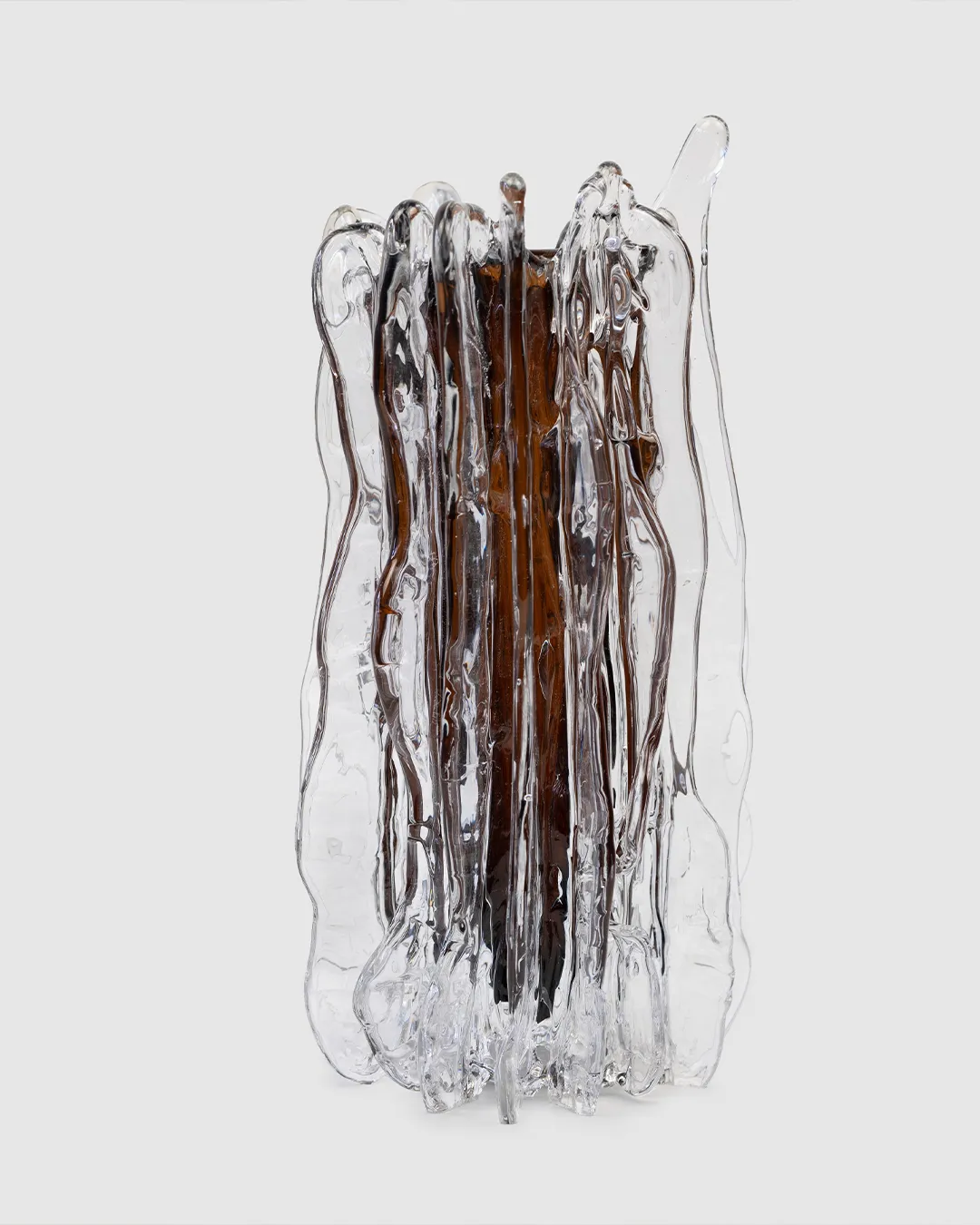
Vessels for the linear centerpiece
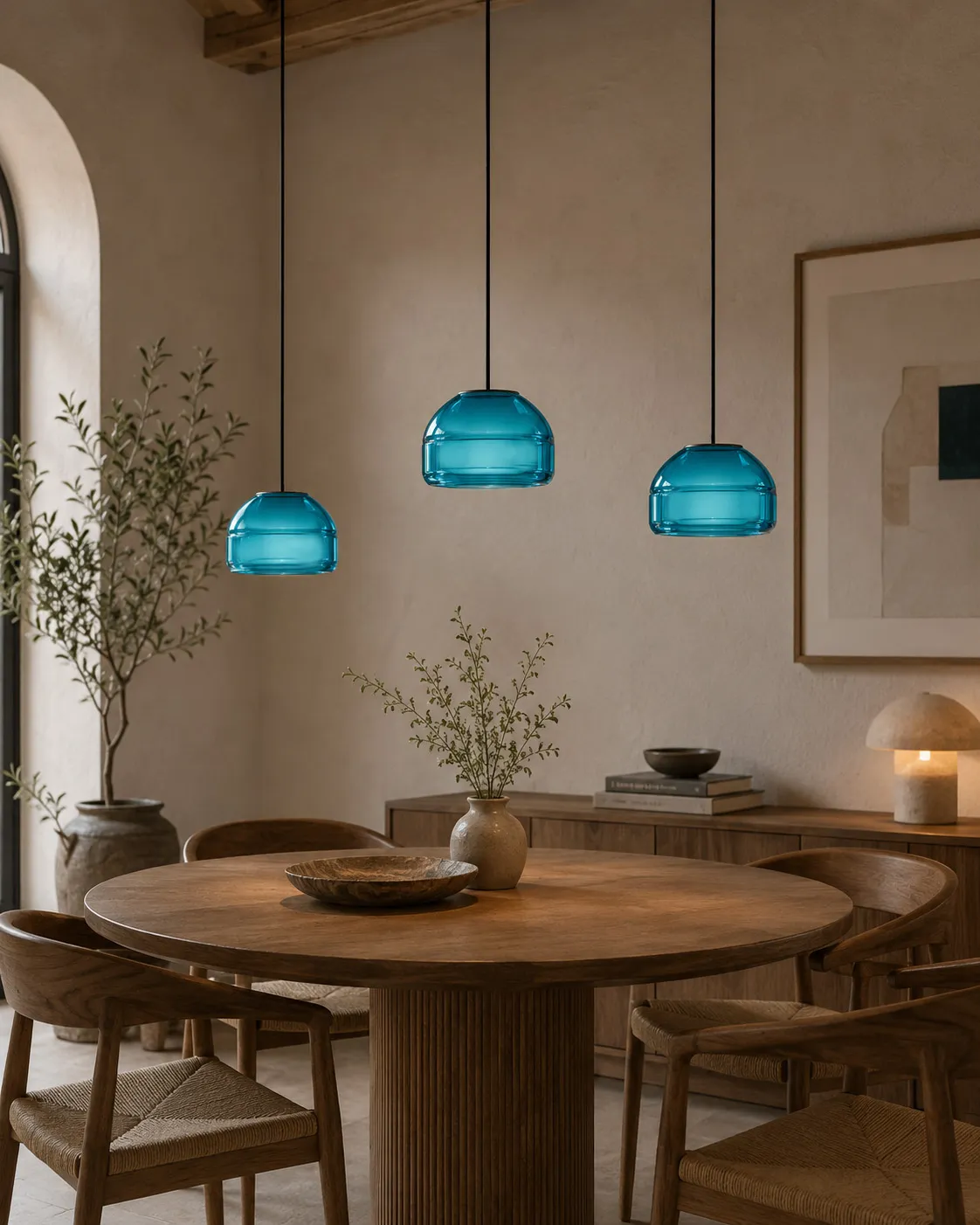
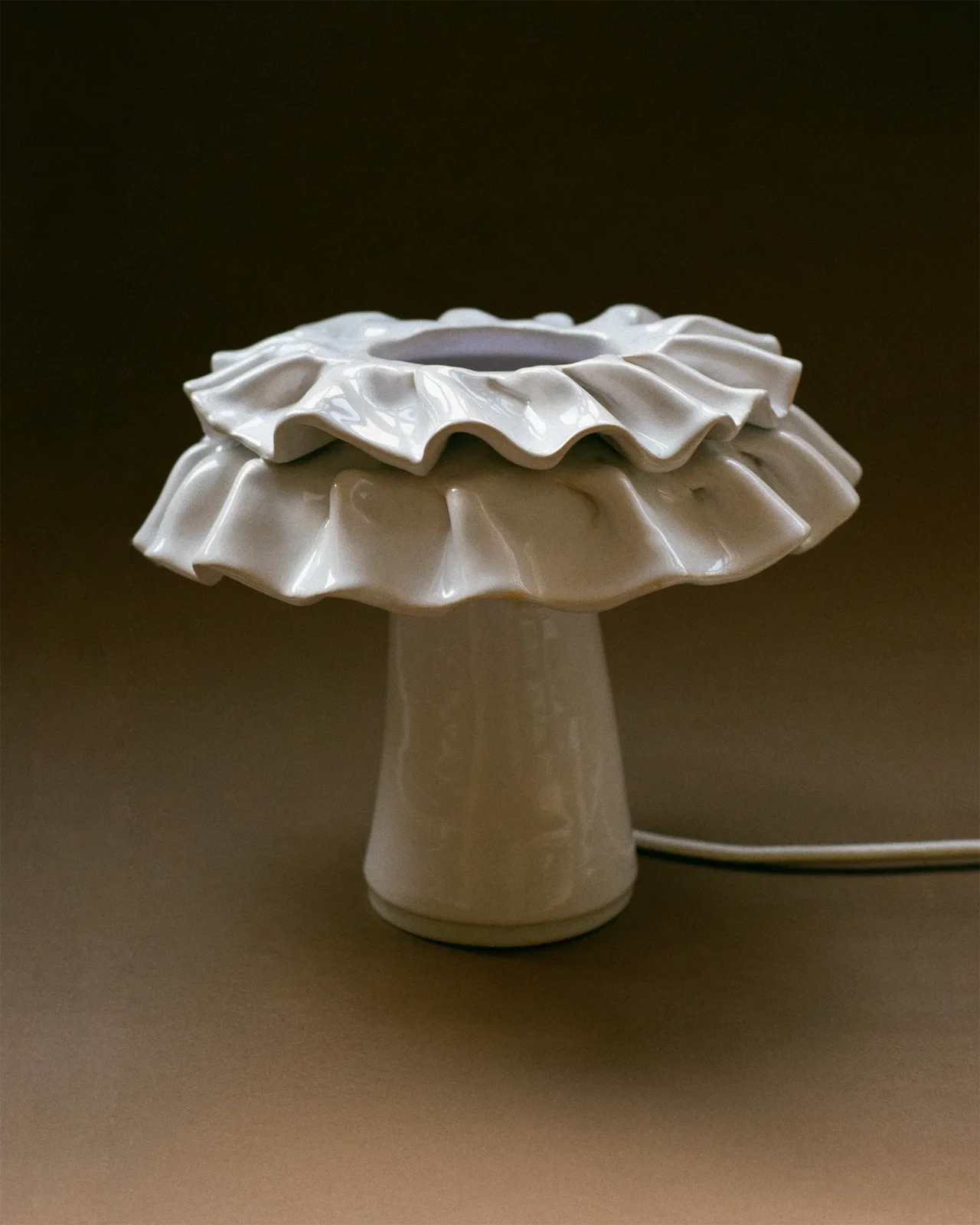
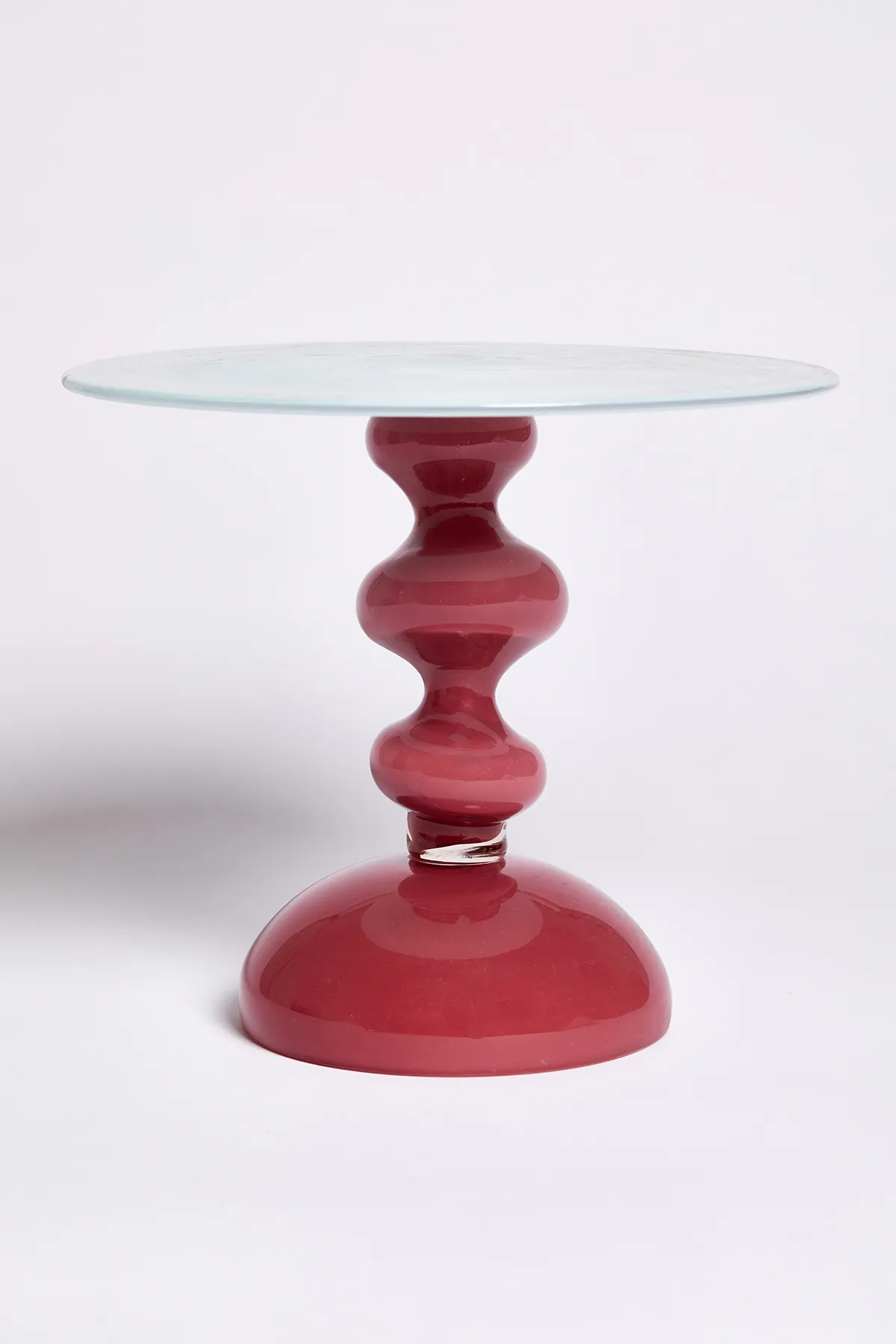
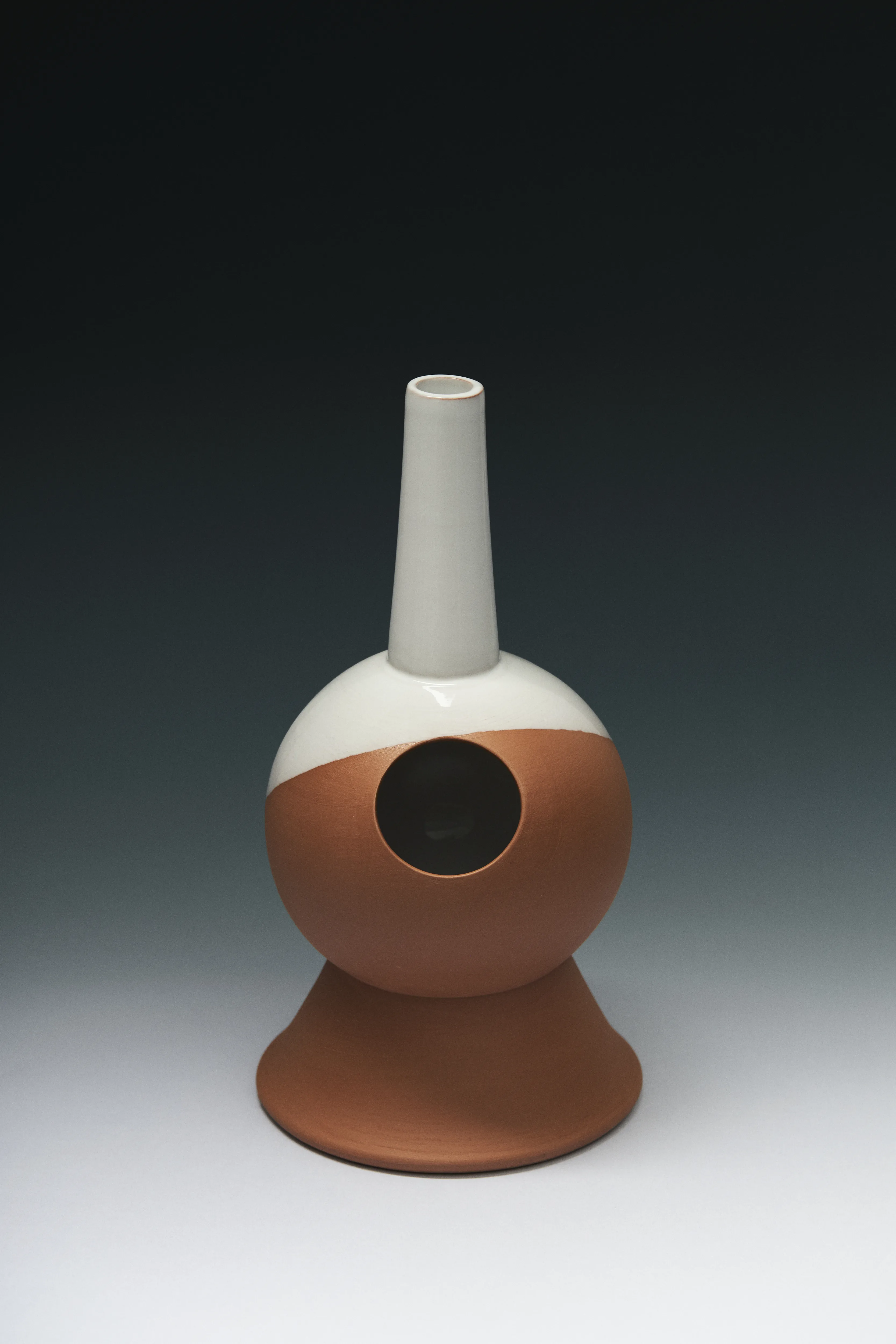
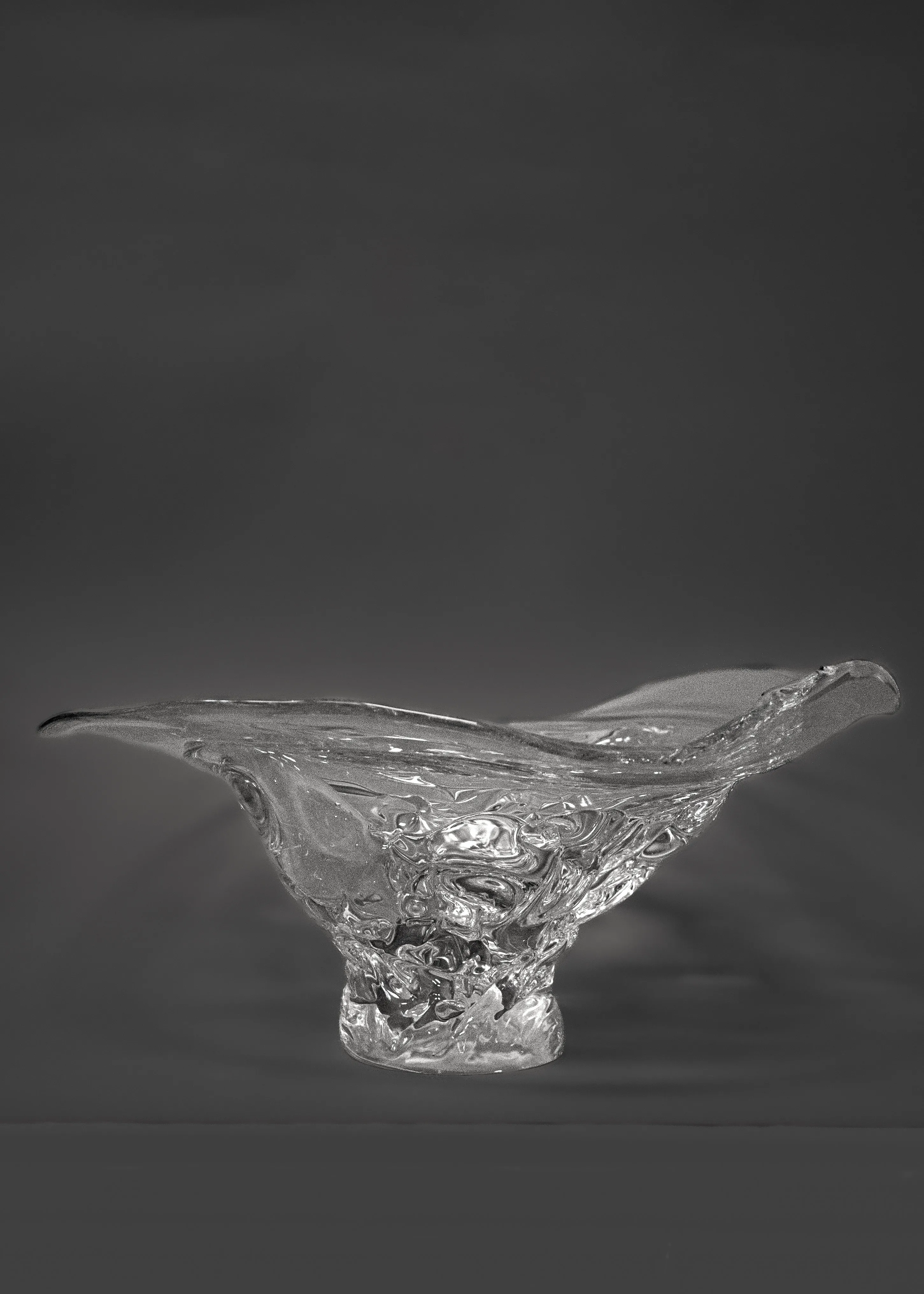
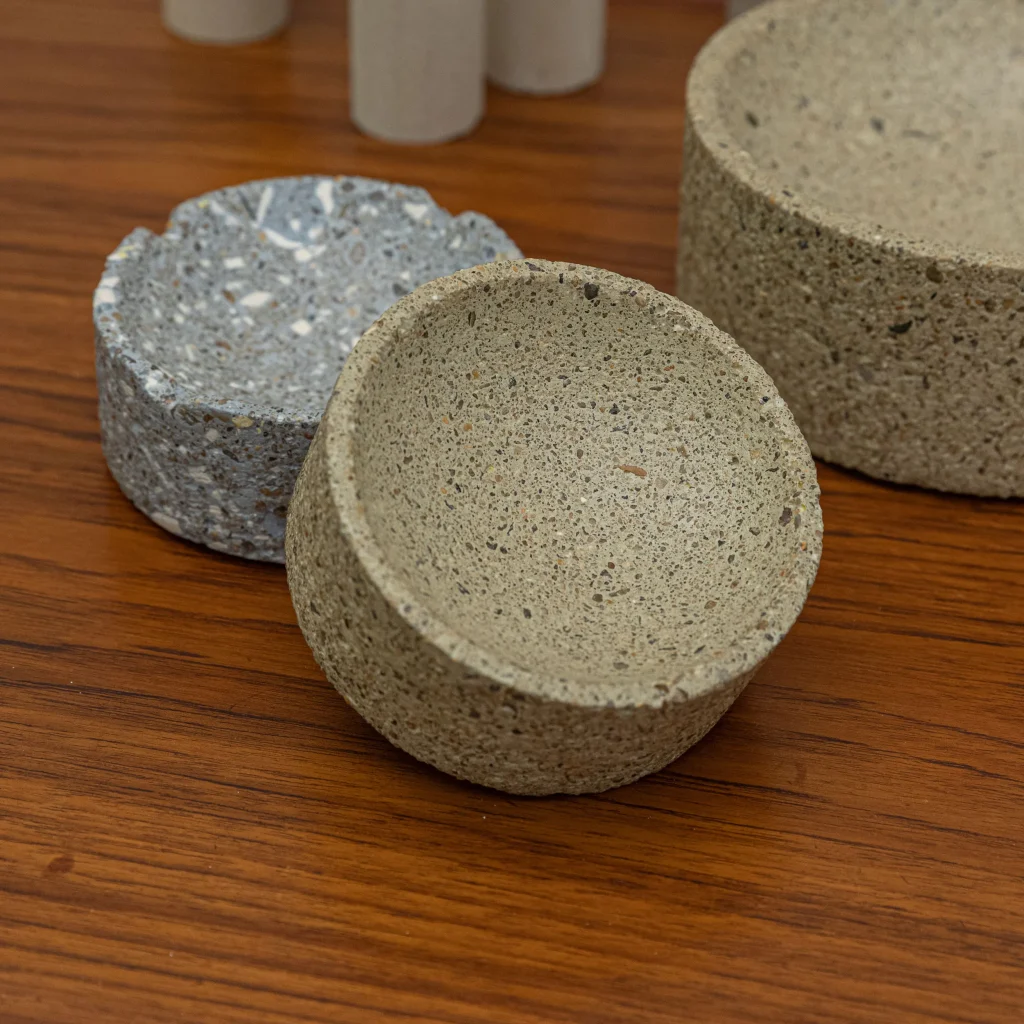
Three or five related vessels spaced along the spine work better than one grand arrangement, because they can be pulled apart as dishes arrive. Series pieces are ideal here — they read as deliberate rather than collected at random, and low stoneware or tinted glass keeps everything under the sightline.

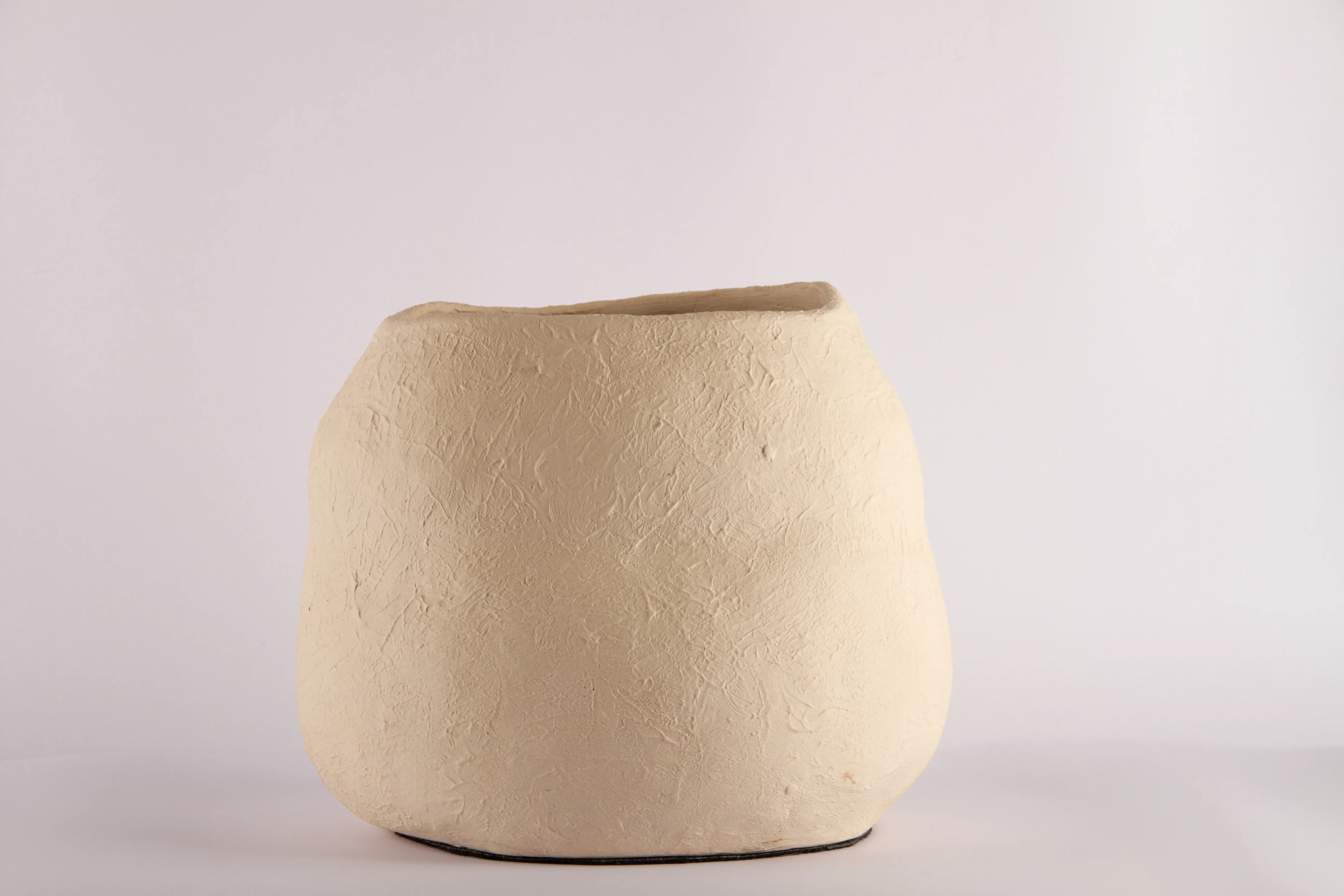
Candlelight, and why it matters more than flowers
Thanksgiving dinner in most of the United States starts in the afternoon and ends after dark. That transition is the single biggest thing happening to your table, and candles are what handle it.
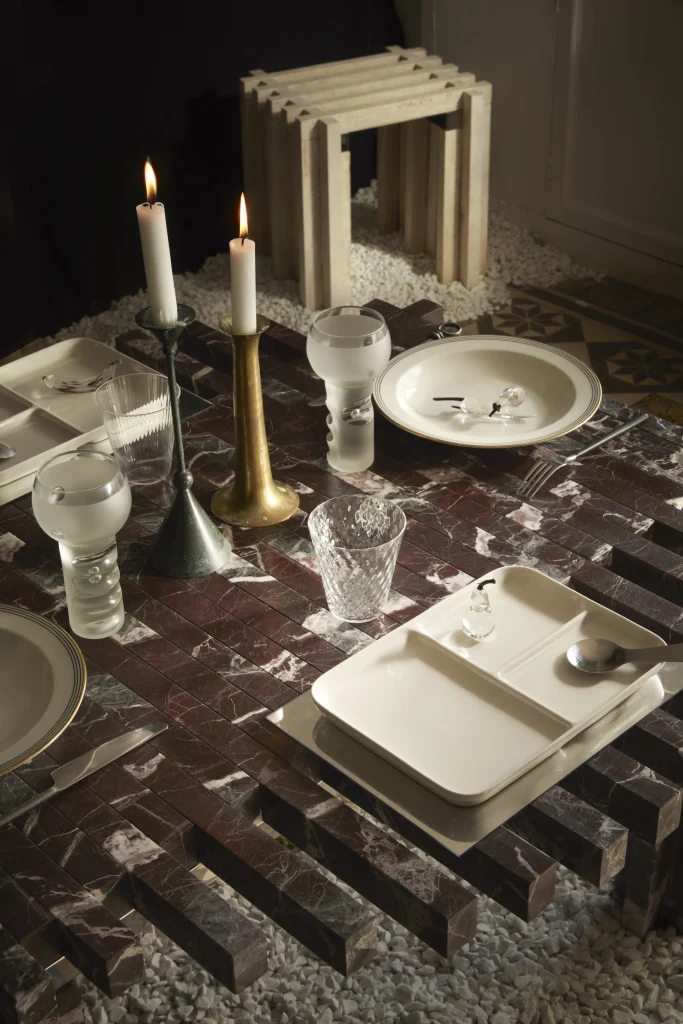
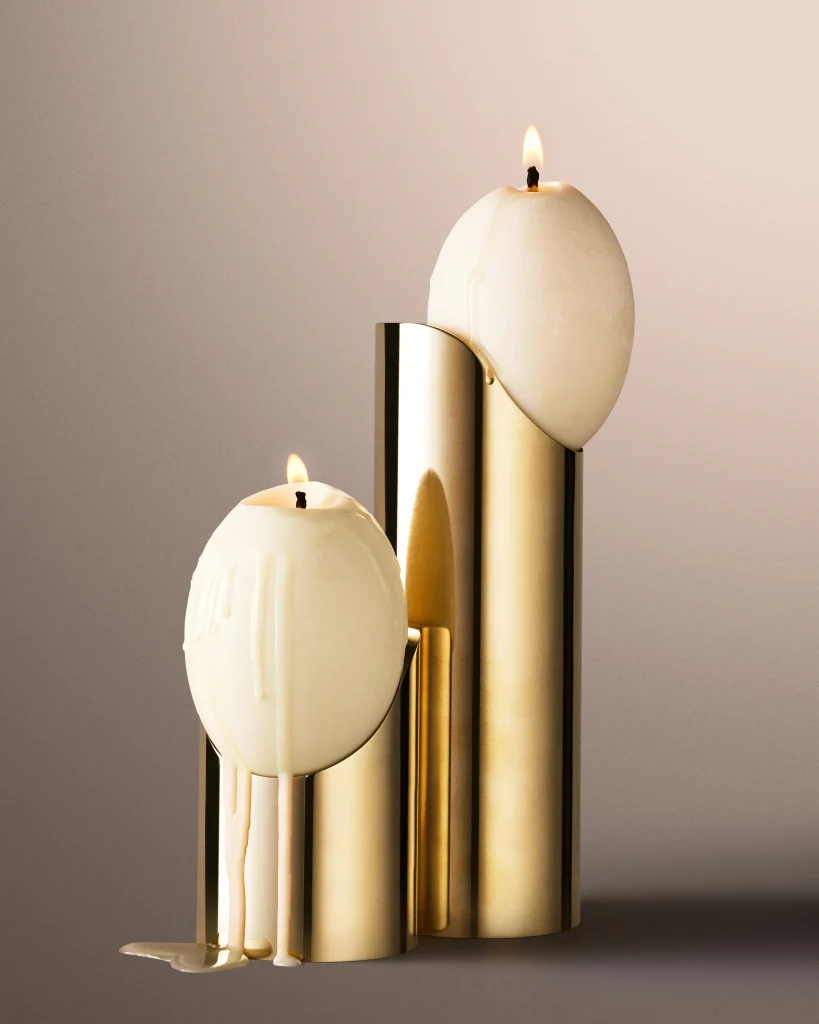
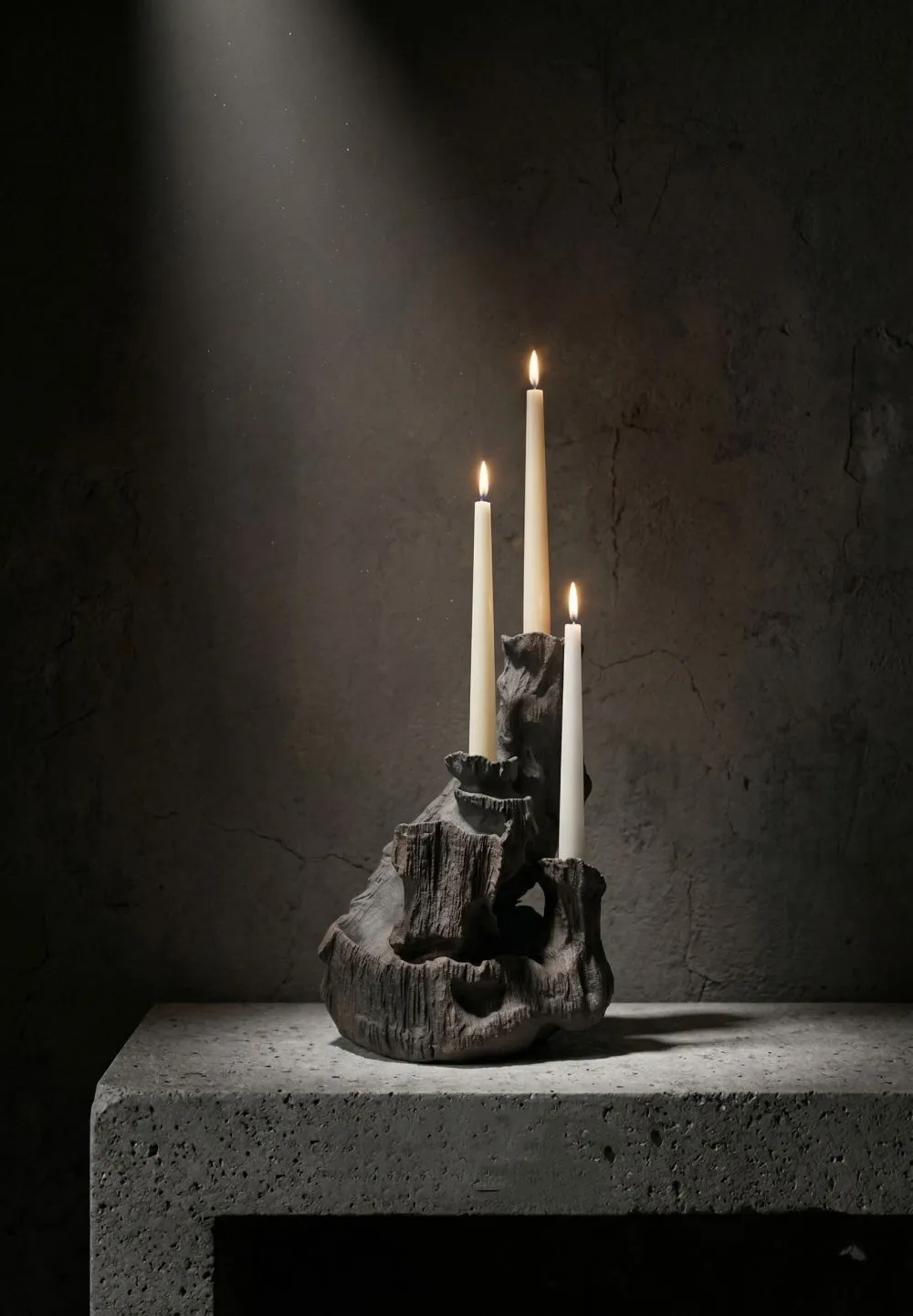
Use more candles than feels necessary. One or two look apologetic on a long table. Five to nine small flames down the length, at varying heights, give the surface warmth and movement that a single cluster cannot. Odd numbers group better than even ones.
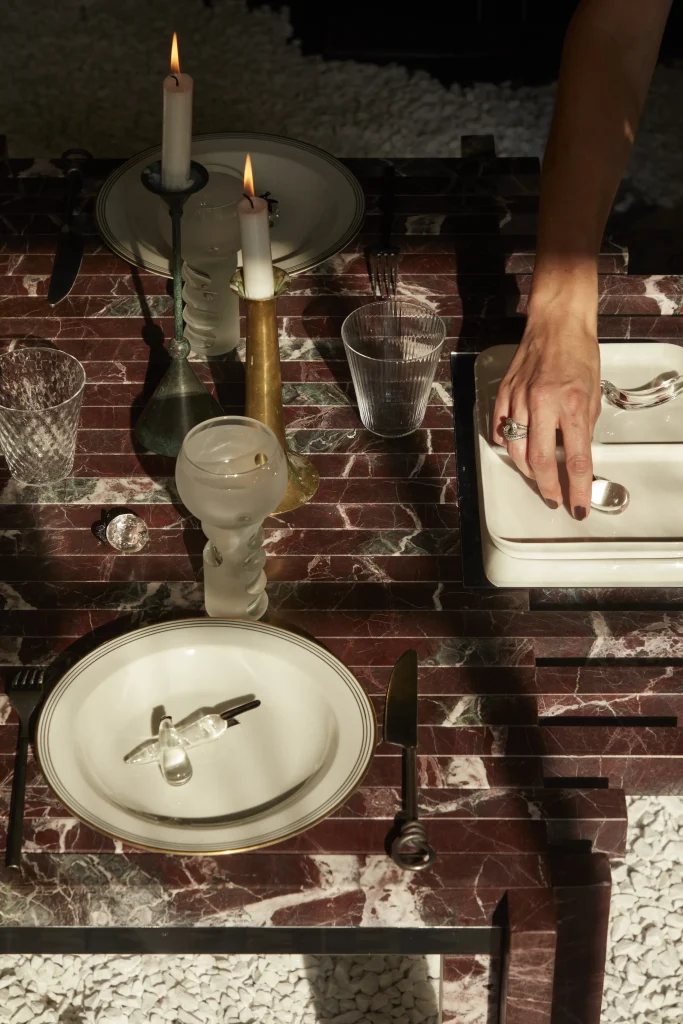
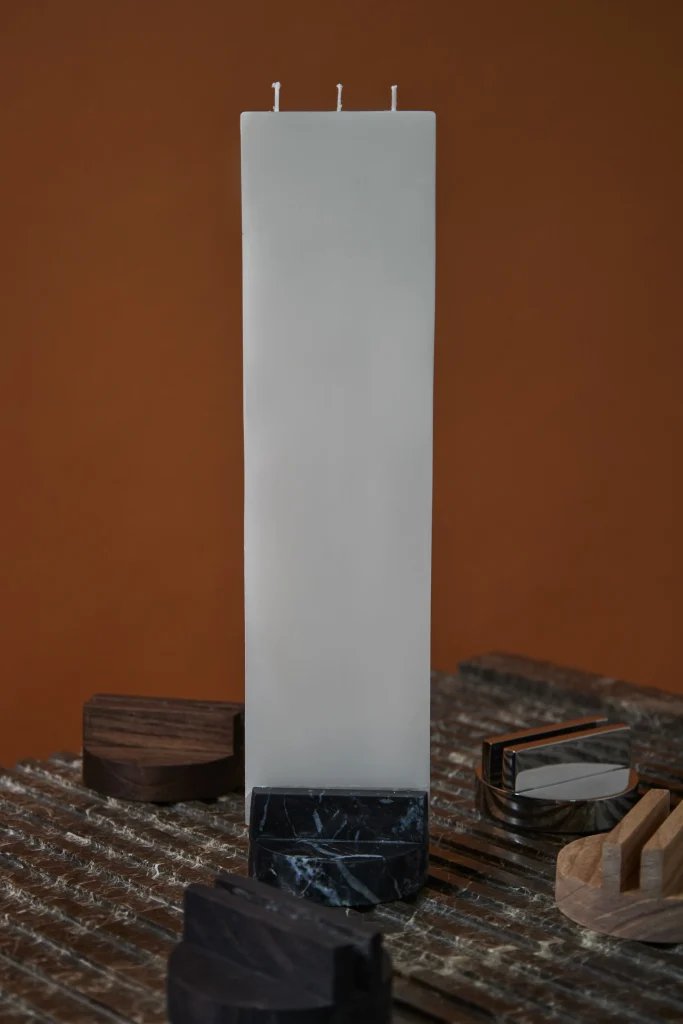
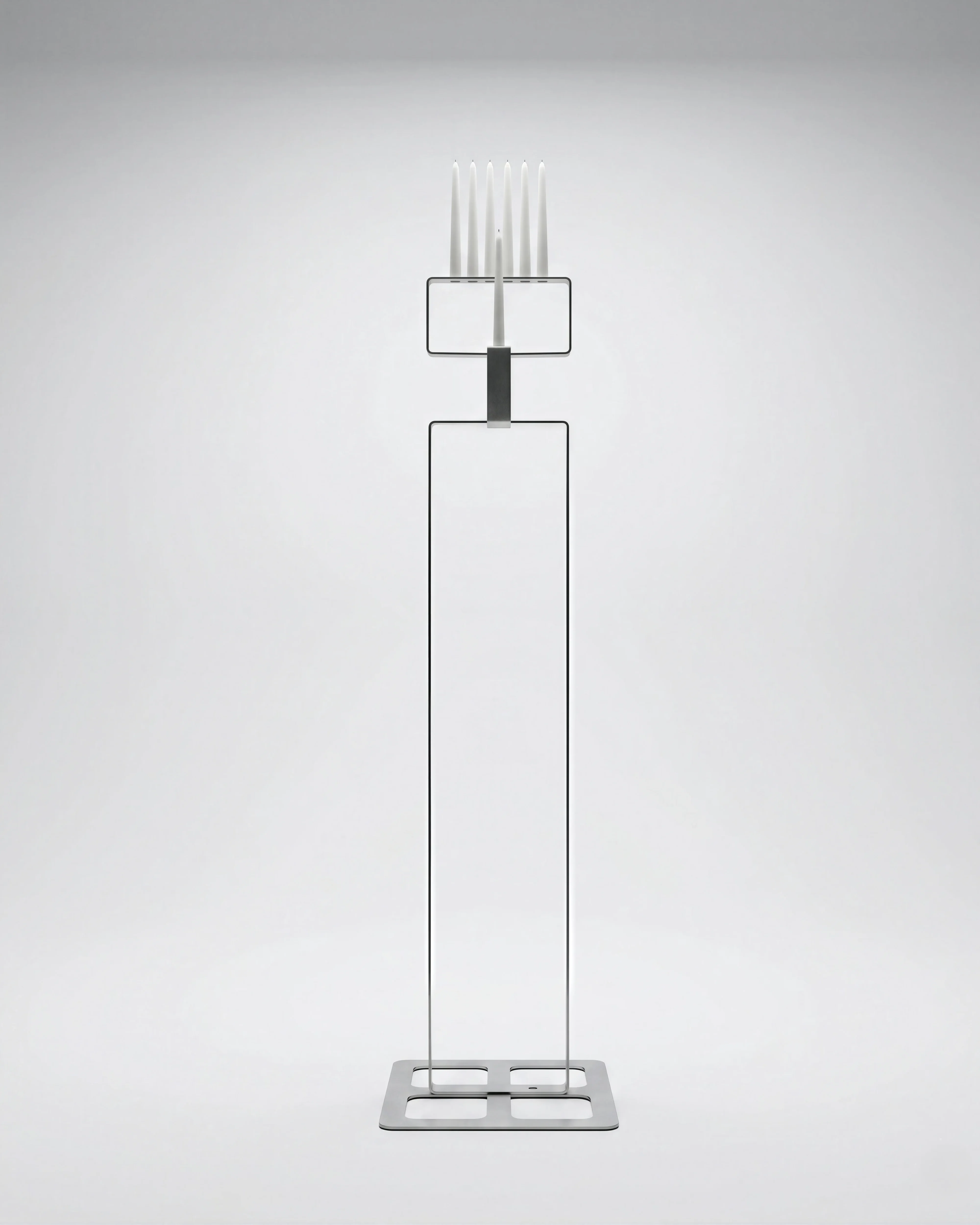
Respect the same height rule. Either short holders under 12 inches or tall thin tapers above 30. Specifically, a taper in a slim holder blocks almost nothing at eye level because the stem is narrow, which is why candlesticks have been the traditional answer for centuries.
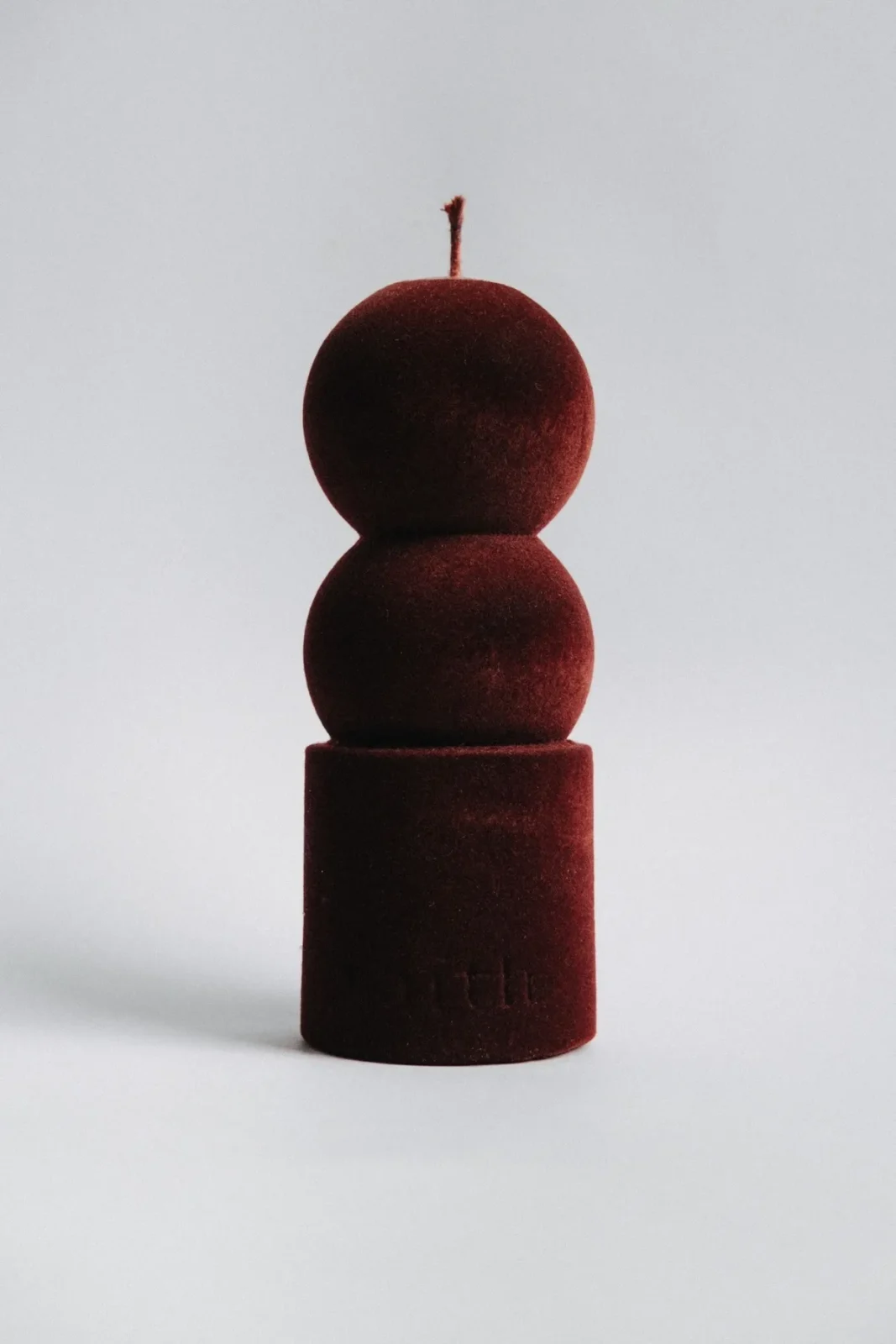
Unscented only. This is not a preference. A scented candle competes directly with the food, and on a table where the smell of the meal is half the pleasure it is genuinely a mistake. Save the scent for the entryway.
Light them fifteen minutes before people sit down, so the flames have settled and the wax has started to pool. Also keep them away from serving dishes that get passed, since a sleeve over an open flame is the one real hazard on a Thanksgiving table.

Place settings and the small details
Thanksgiving place settings differ from ordinary ones in two ways: there is more food per person, and there are usually more people than matching plates.
Mismatched is fine — deliberately mismatched is better. Almost nobody owns fourteen identical place settings, and pretending otherwise leads to buying a set that gets used once a year. Mixing works when one element repeats: same color family across different forms, or the same napkin at every seat, or one shared material. What reads as chaotic is a table where every element differs.
Skip the charger, keep the side plate. Chargers take 12 inches of width you need for serving dishes and do nothing functional. A side plate, by contrast, earns its place at a meal with bread and multiple courses.
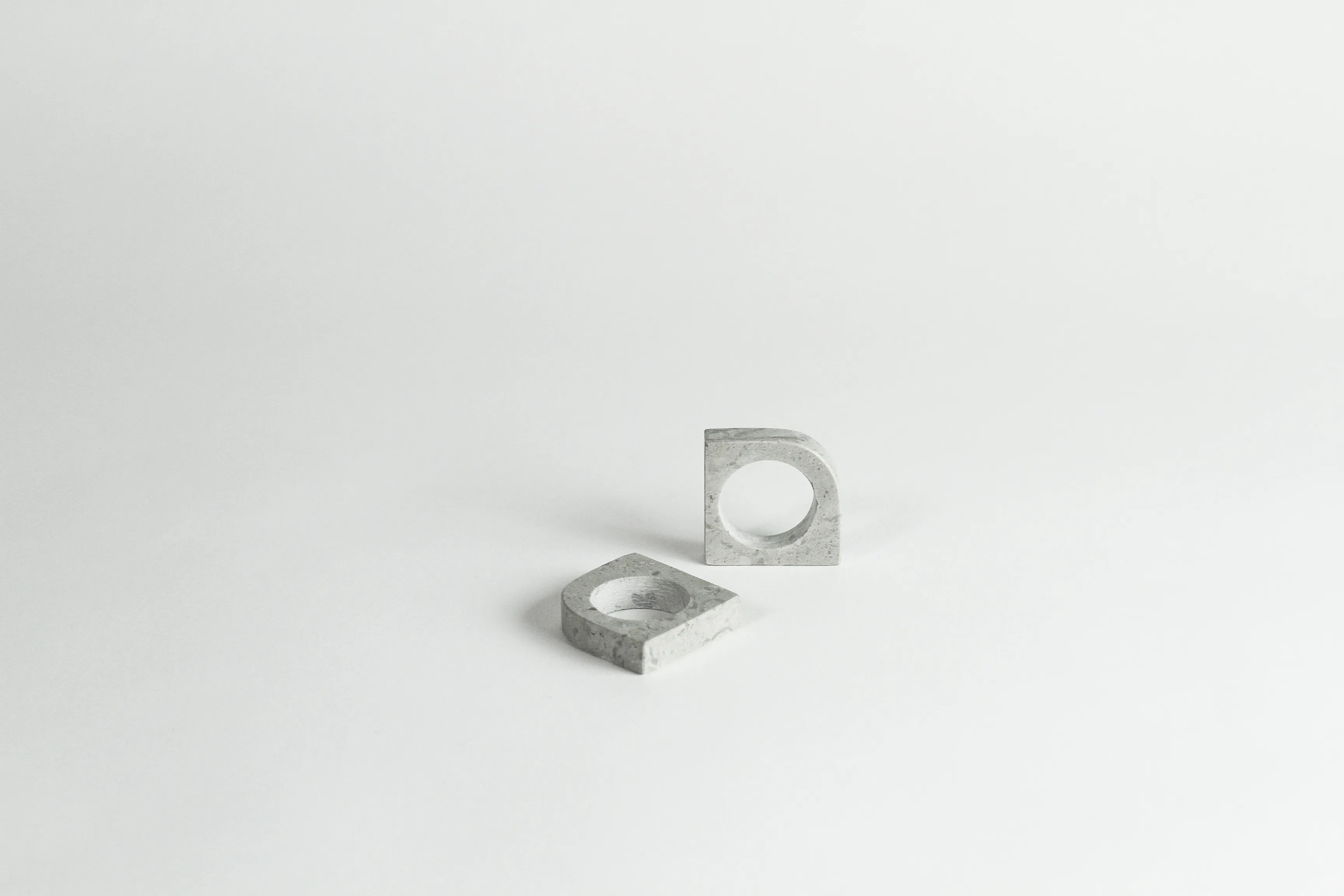
Napkins are the cheapest upgrade available. Real cloth in a heavy weave changes a table more per dollar than anything else on it, and it survives a meal that generates a lot of hands-on eating. A simple ring or a sprig of something laid on top is enough; elaborate folding gets undone in four seconds.
Place cards are worth it above about eight guests — not for formality, but because seating people deliberately makes the meal go better and it saves the awkward hovering as everyone works out where to sit.
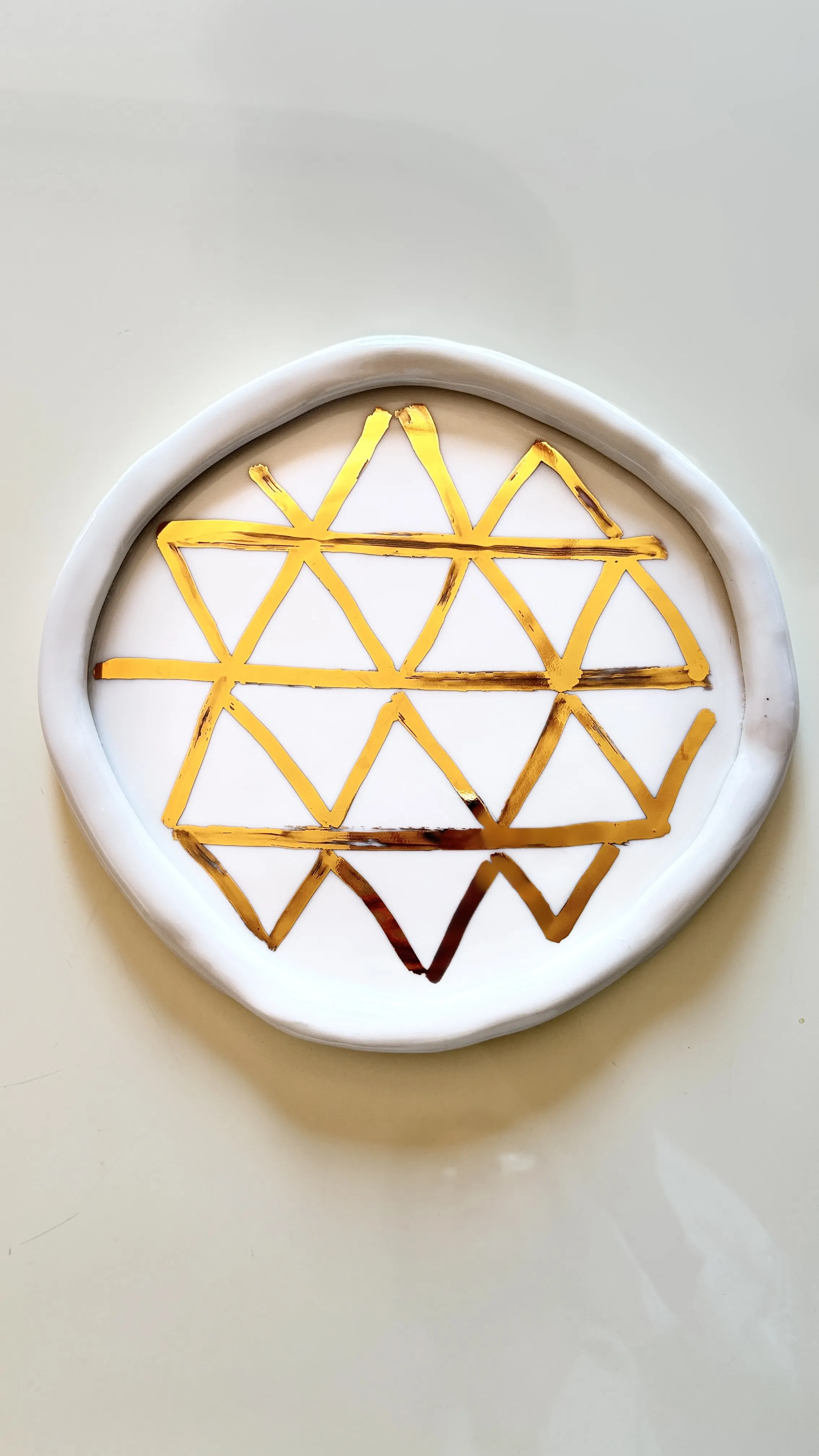
Plates: buy in sets, keep the ground pale
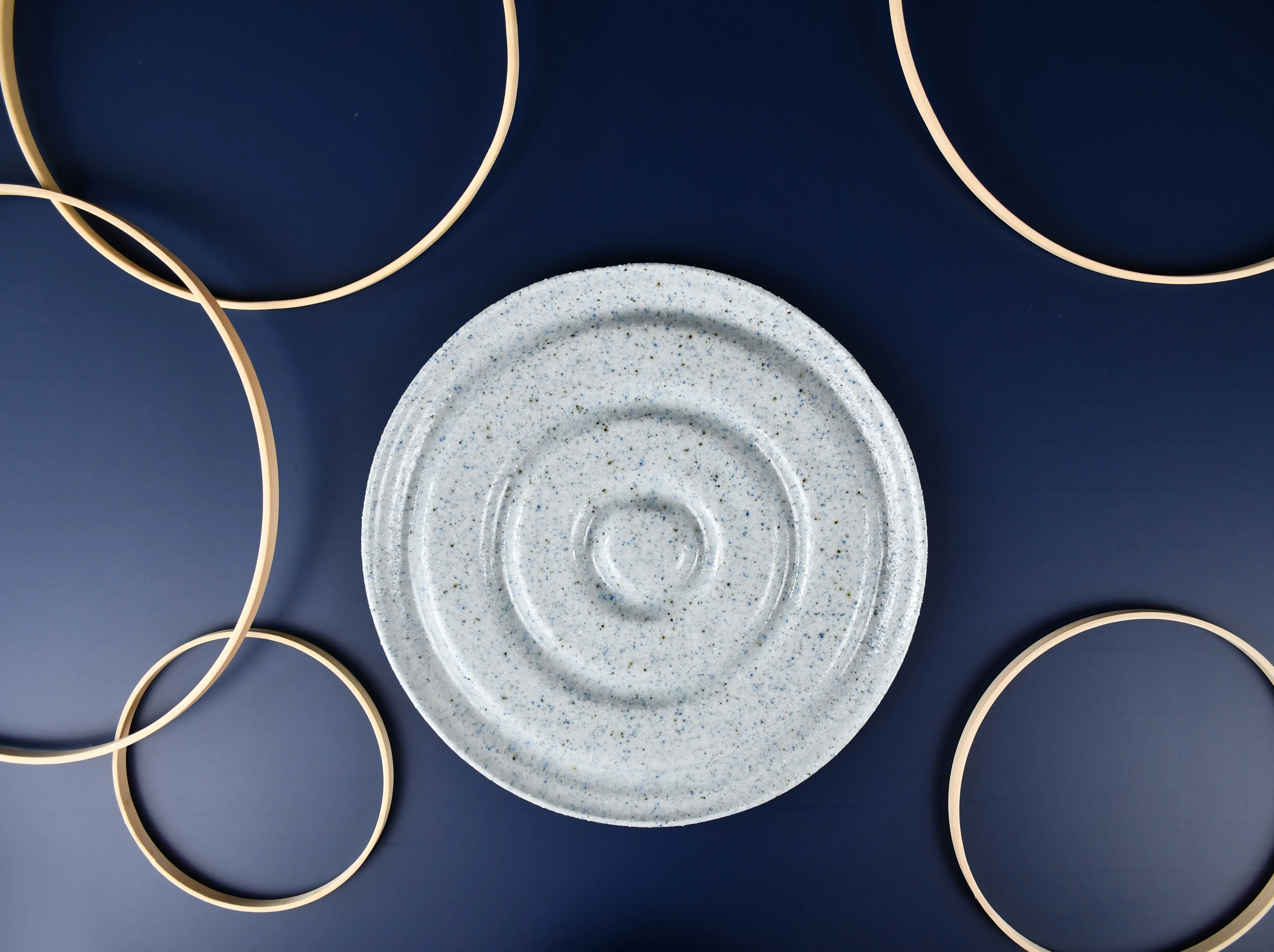
Sets of four or five are the practical unit, since they scale to twelve or sixteen without hunting for singles. A pale or lightly speckled ground is what lets the food read as the color of the table, which is the whole argument above.


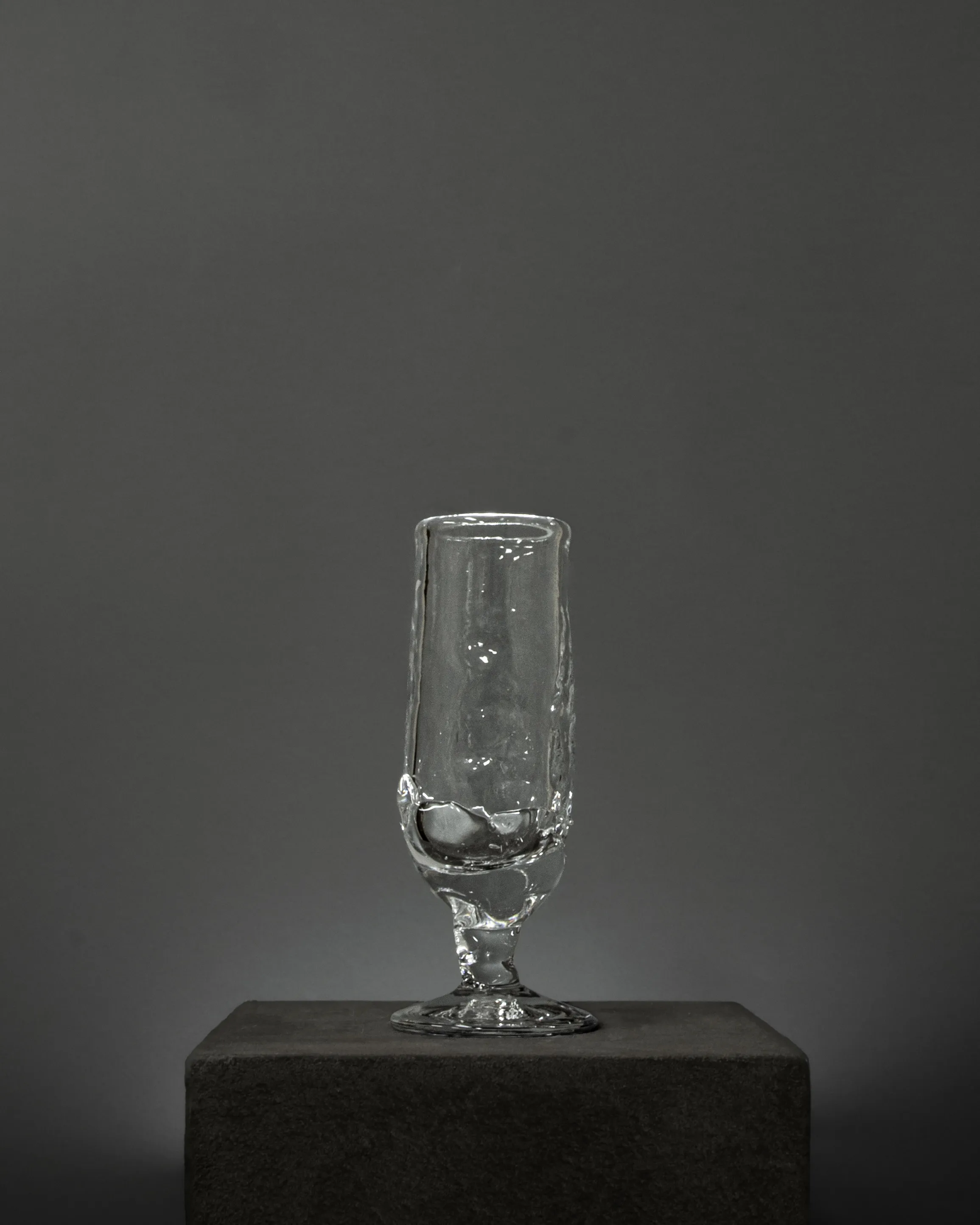
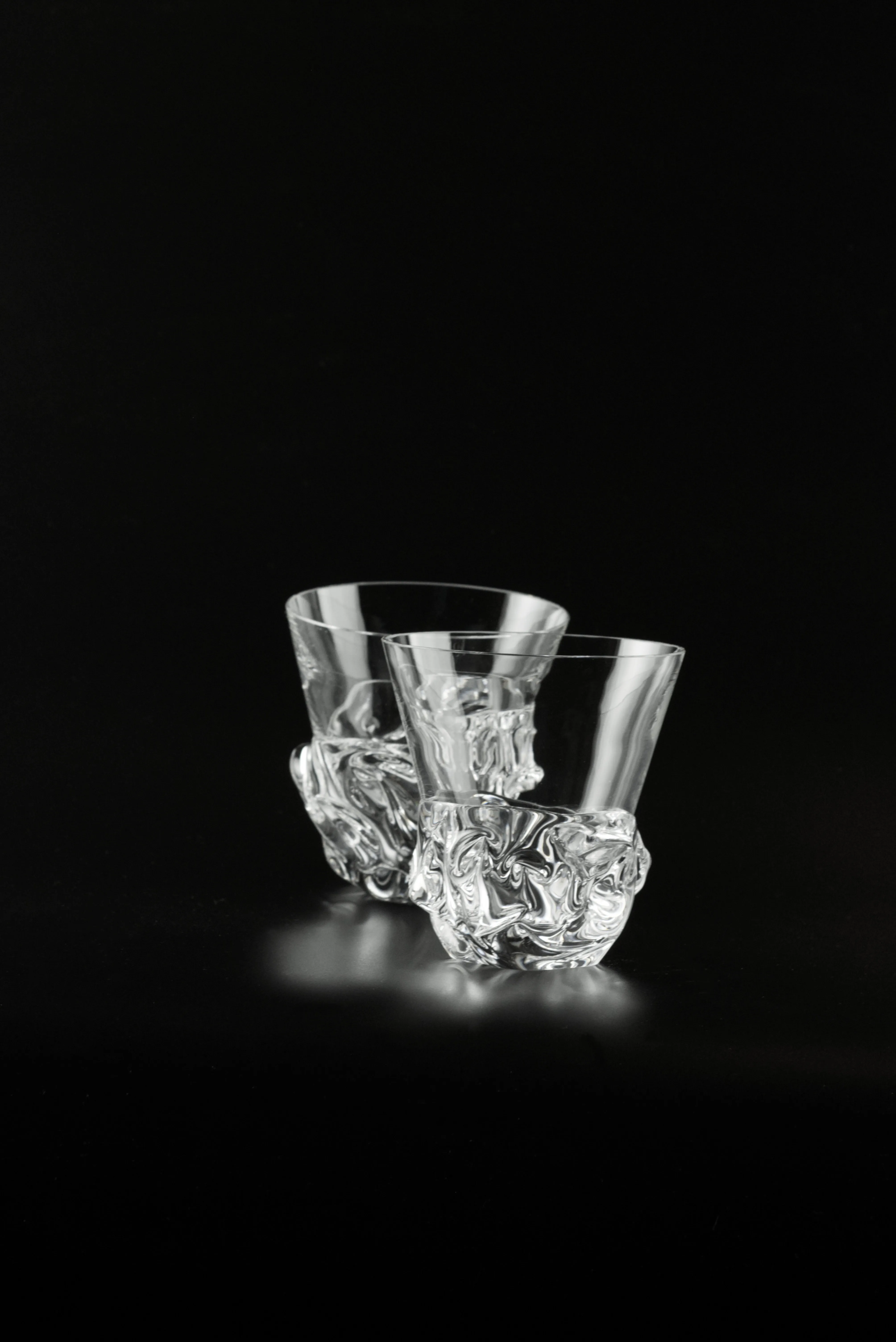
Glassware: low and stable beats tall and fine
On a table where dishes are passed over the glasses, a low center of gravity matters more than an elegant stem. Clear or barely tinted glass also keeps the palette quiet, and buying a set rather than singles is what gets you to twelve.

Cutlery and the passing pieces
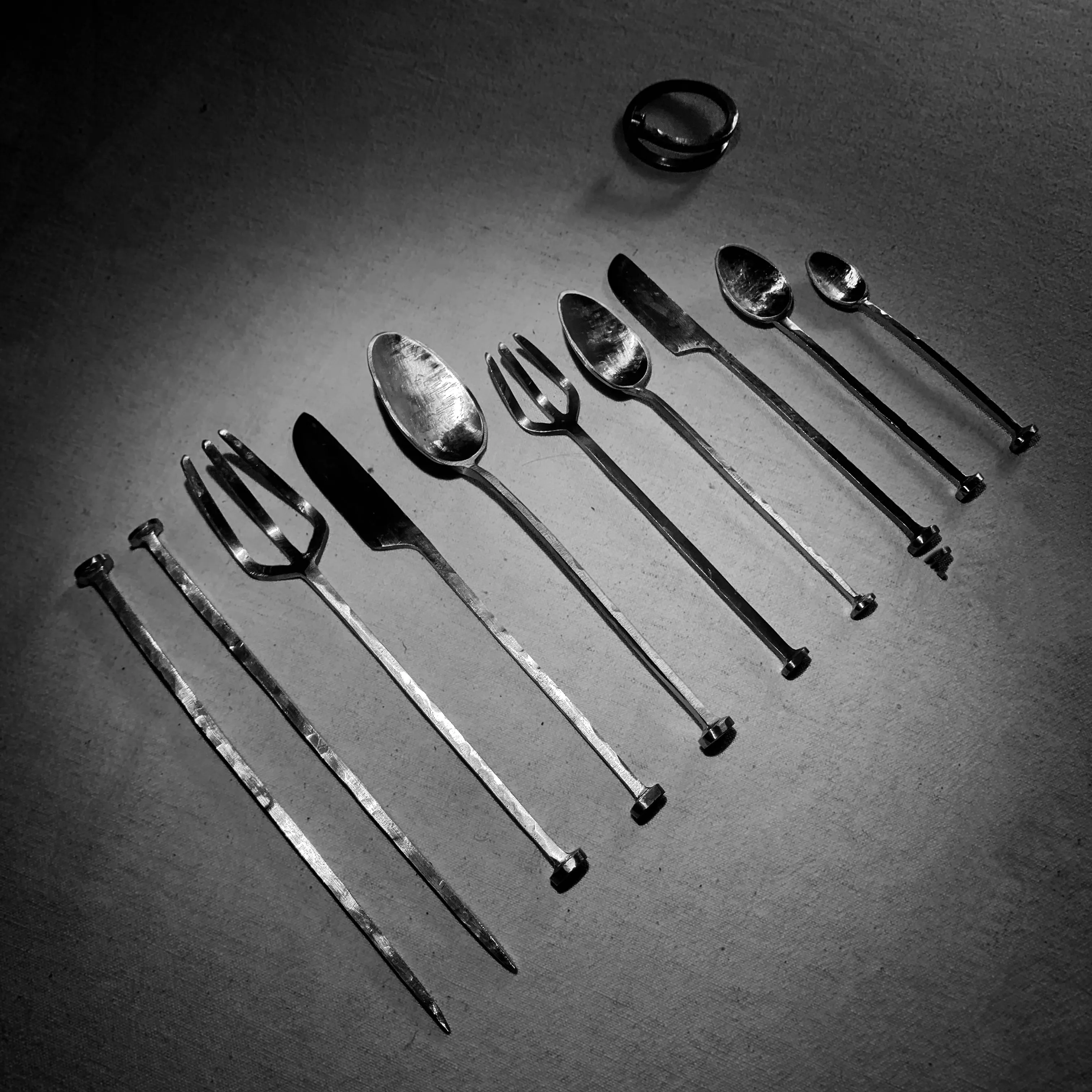
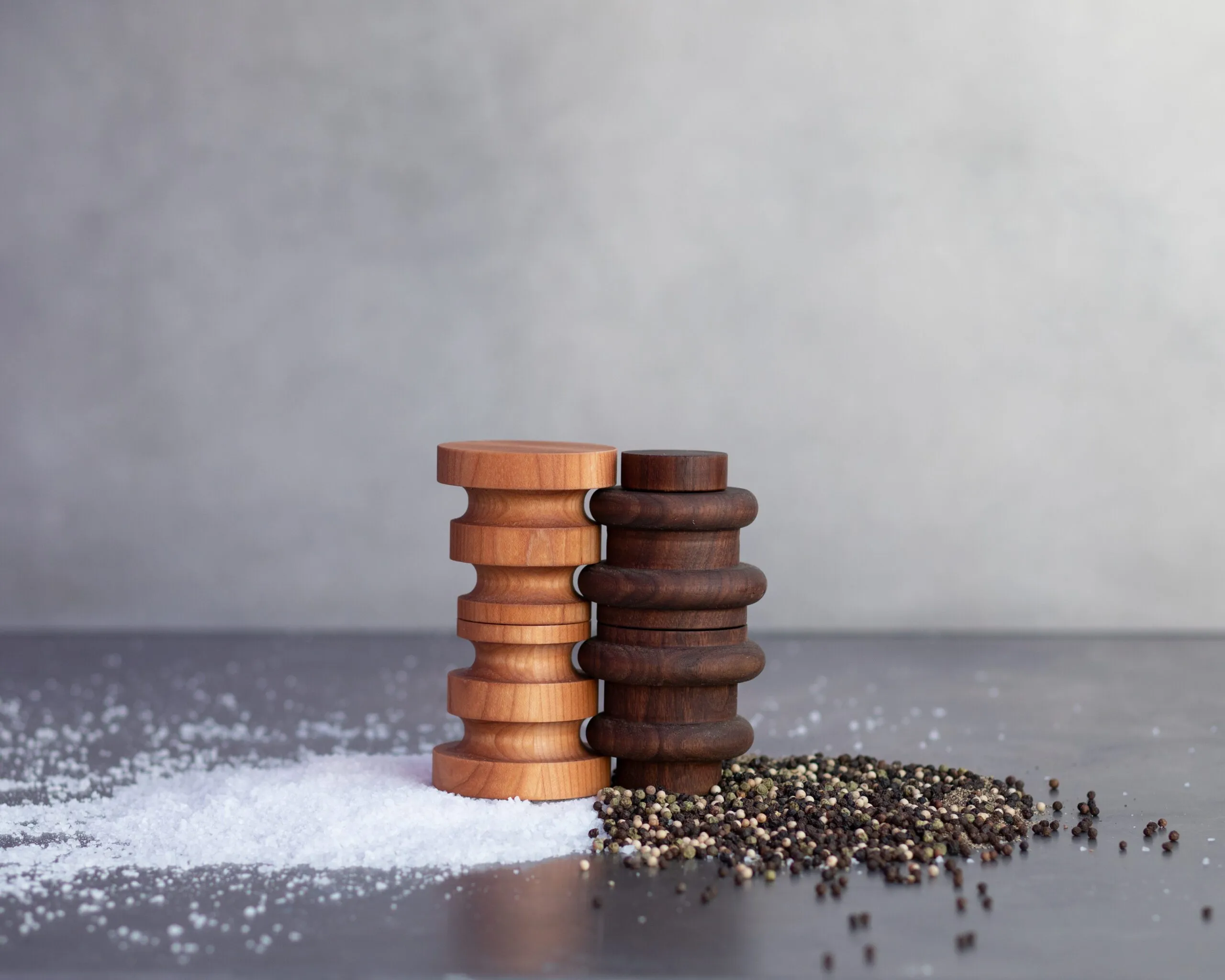
A full set matters more than a beautiful single piece at a meal this size. Notably, salt and pepper should travel as one unit rather than two loose objects, and every serving dish wants its own spoon so nothing gets used twice across different sides.

Serving, passing and the long table
A table of fourteen behaves differently from a table of six, and most tablescape advice quietly assumes the smaller one.
Double the serving pieces. On a long table, one bowl of potatoes means it travels the entire length and arrives cold at the far end. Two smaller bowls, one starting at each end, solve it completely. The same goes for gravy, bread and butter, and it is the most useful hosting adjustment on this list.
Repeat the decoration rather than centering it. A long table has no single middle that everyone can see. Consequently a repeating rhythm — a candle and a small vessel every three feet — serves guests at the ends far better than one grand arrangement they are looking at edge-on.
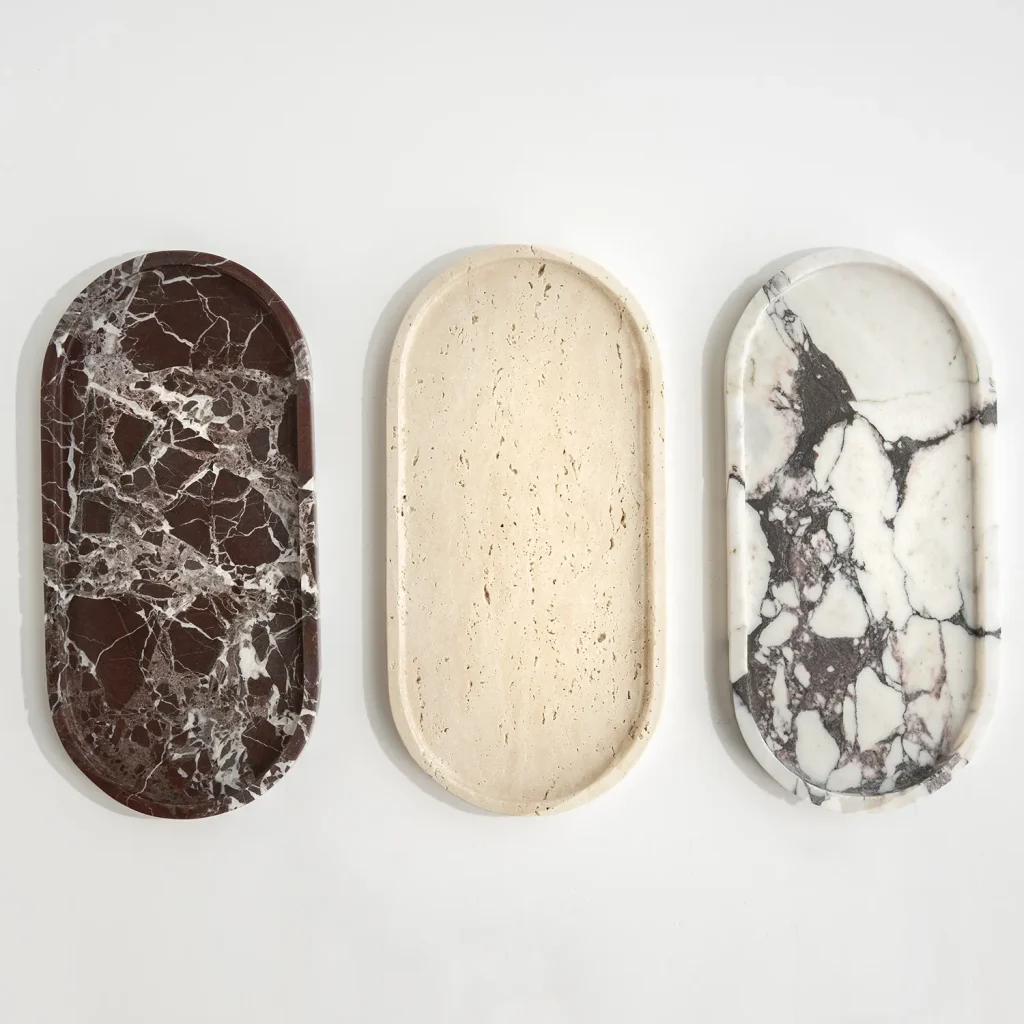
Use trays to make things movable. Grouping the salt, pepper, butter and a small vessel on a tray means the whole set travels in one movement instead of four, and the table can be reset between courses in seconds. Moreover, a tray gives loose objects a boundary, which is what stops a crowded table looking chaotic.
Where the table genuinely will not hold the meal, move the serving to a sideboard or a console and let guests plate there. It frees the table entirely, and it is a better solution than a cramped surface where nobody can reach anything.
Serving bowls: buy two of whatever you love
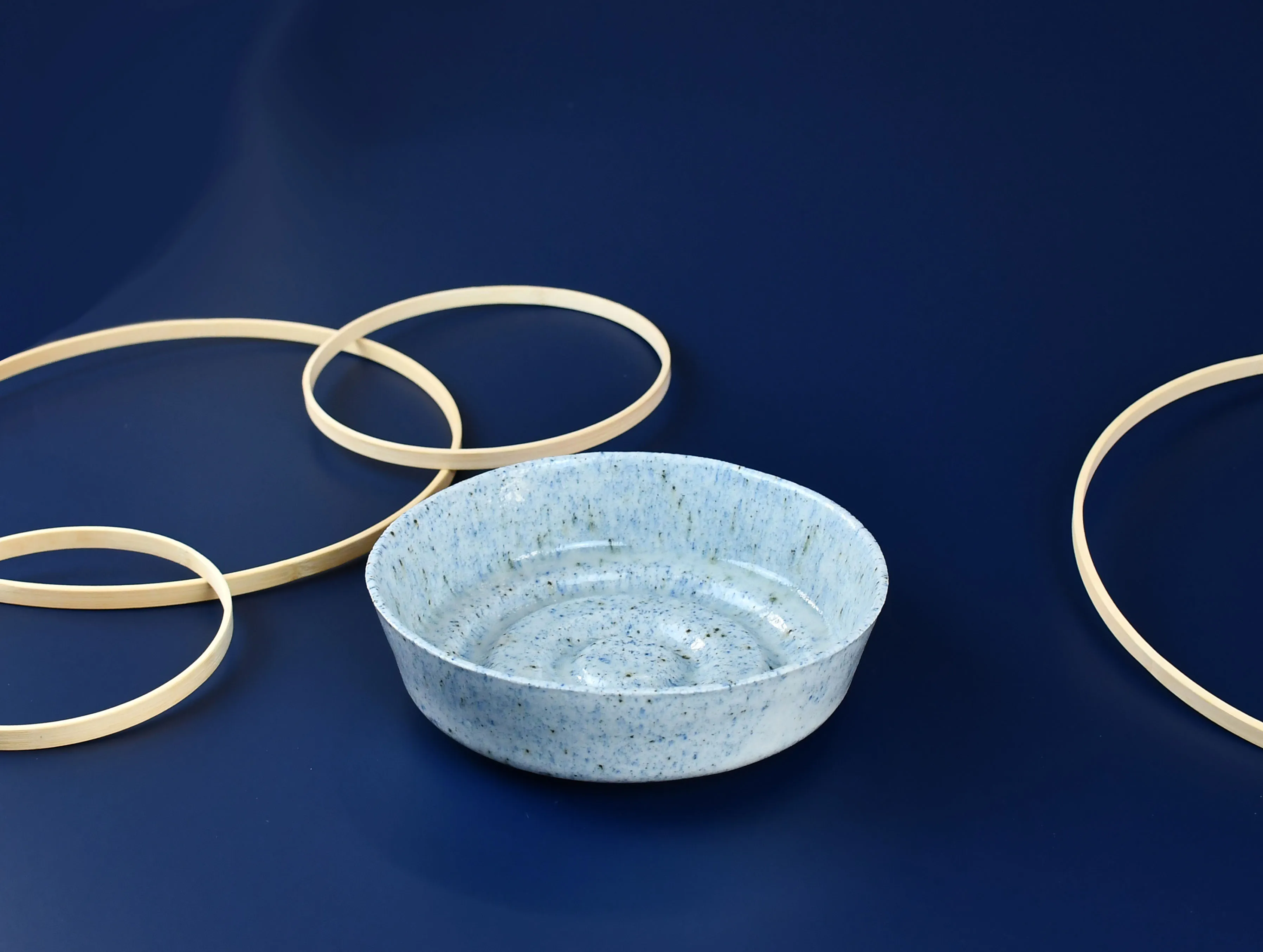
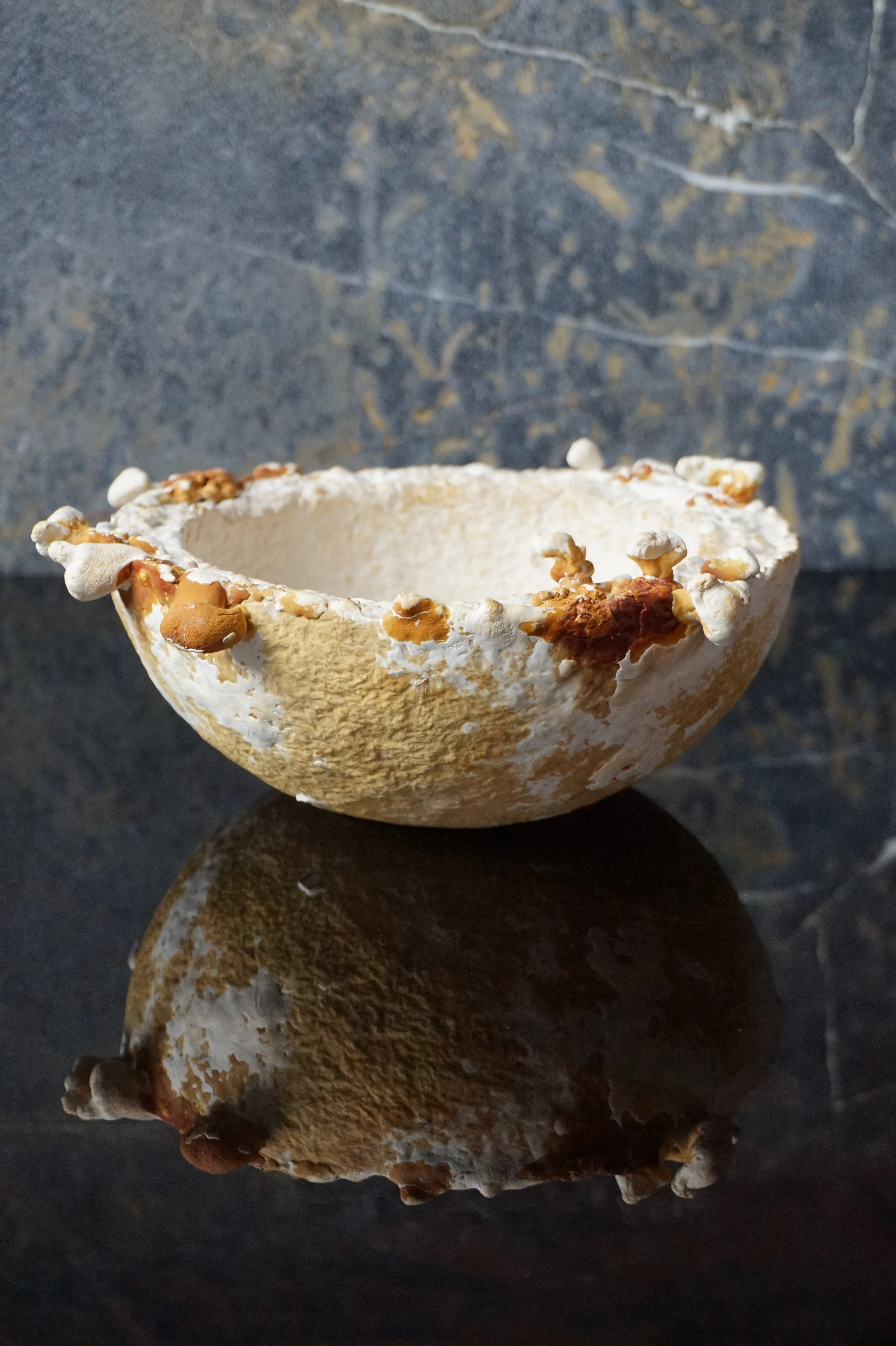
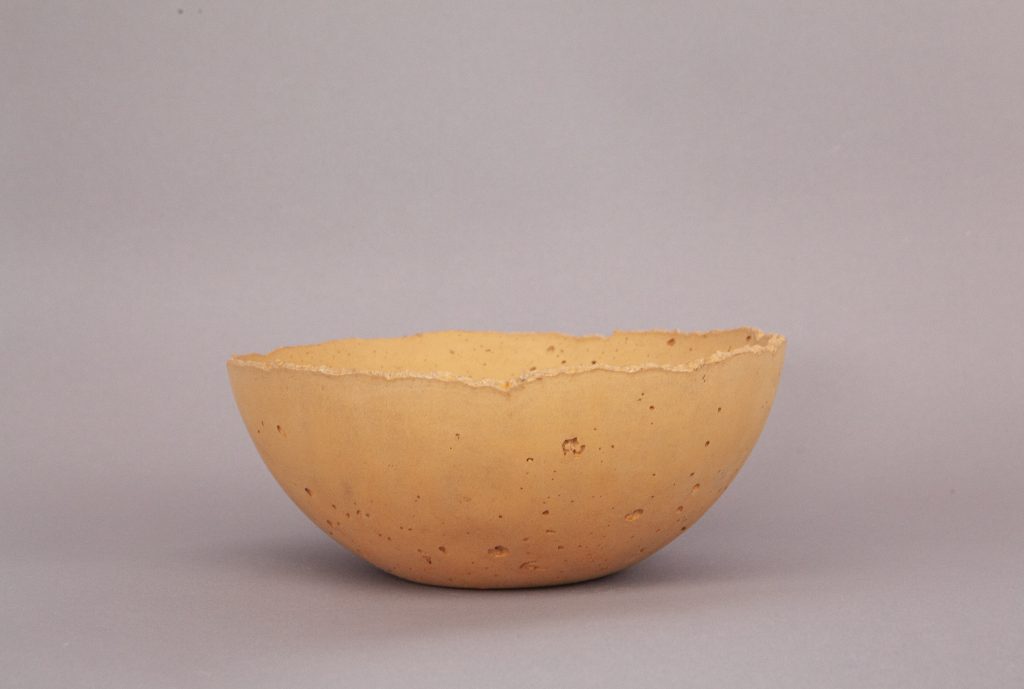
Sides are the reason to own pairs. Two medium bowls starting at opposite ends of the table beat one large bowl travelling the whole length, and related pieces from a single series read as intentional rather than improvised.

Trays: the reset button
A tray is what turns four loose objects into one thing you can lift. It is also how a table gets cleared and reset between courses without six separate trips.
Pitchers, jugs and the gravy
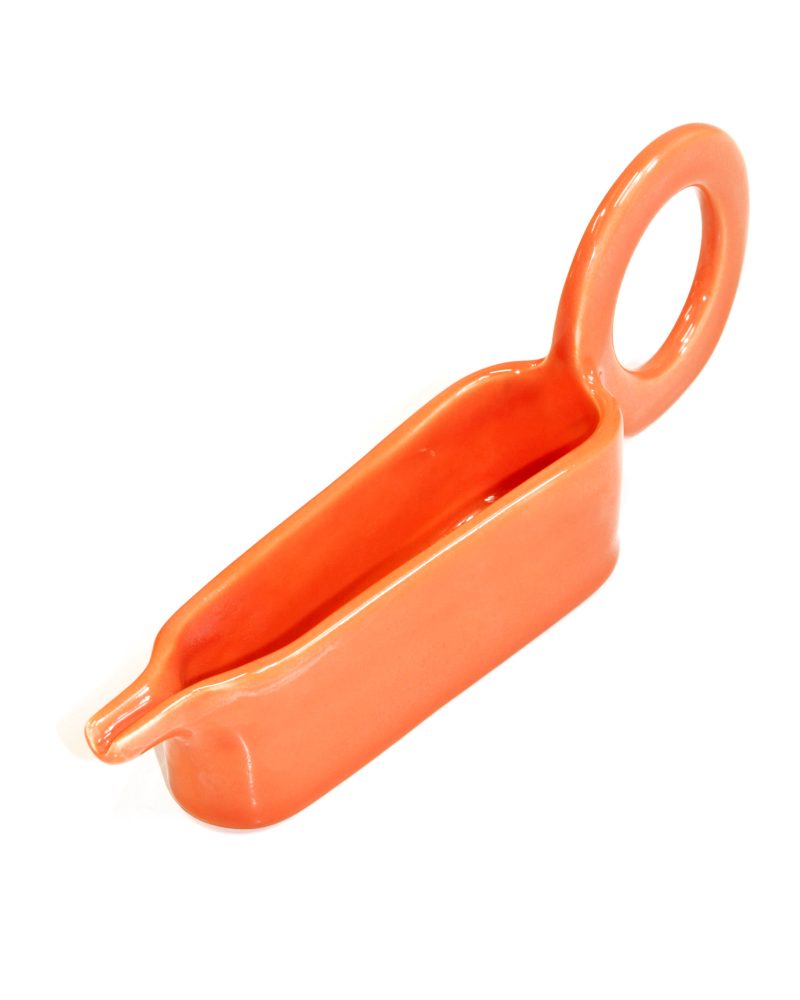
Water needs two pitchers on a long table for the same reason the potatoes need two bowls. Gravy deserves a proper vessel rather than a measuring jug, and a ceramic jug earns its keep the rest of the year holding branches.

Foliage, and what to use instead of cut flowers
Late November is a poor month for cut flowers in most of the country, and the seasonal arrangements sold for Thanksgiving tend toward the literal. The alternatives are cheaper and hold up better.
Branches beat blooms. Bare or berried branches last for weeks, cost nothing if you have a yard, and give height without bulk — which means they can sit above the 30-inch line without blocking anyone. Dried grasses, seed heads and hydrangea do the same at low level.
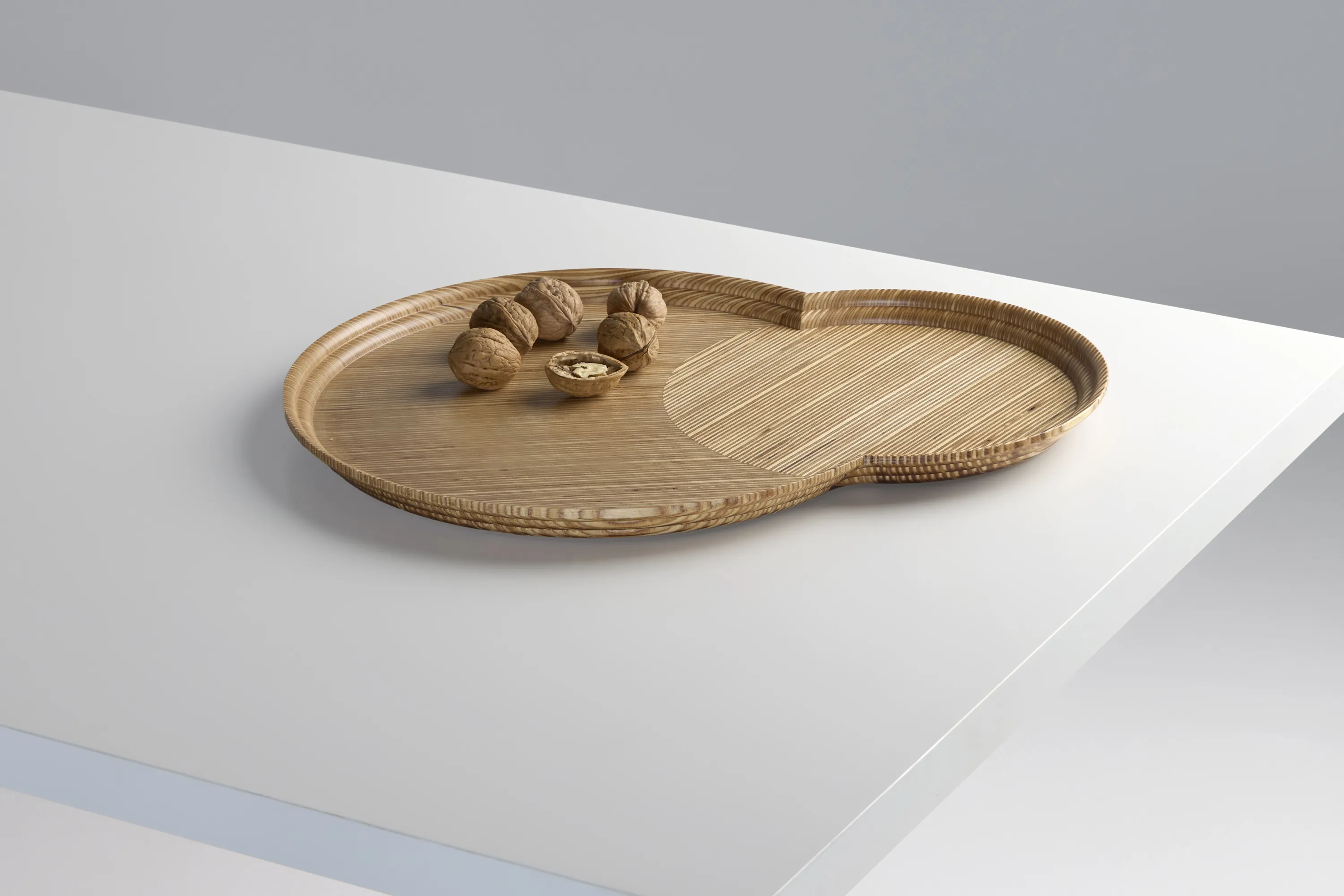
Use what is edible. Pomegranates, figs, small pears, persimmons, walnuts still in the shell, a few heads of garlic. These read as harvest without any of the costume, they cost less than flowers, and they can be eaten or cooked afterward rather than thrown out.
Herbs do double duty. A sprig of rosemary, sage or bay laid on each napkin smells like the meal, costs almost nothing, and can go into the stock the next day. Notably, this is the one place where scent on the table works, because it belongs to the food rather than competing with it.
On pumpkins and gourds: real ones grouped by color in odd numbers along the spine of the table look fine, especially the pale, ribbed and green varieties. Uniform orange plastic does not, and a single large gourd blocks sightlines exactly as badly as a tall vase.
Small vessels for salt, nuts and place cards
The most useful objects on a Thanksgiving table are often the smallest: a shallow stone dish for flaky salt, a vessel for shelled walnuts, something to weigh down a place card. All of them sit well under the sightline, and marble or terrazzo gives the cool ground the food wants to sit against.
Thanksgiving tablescape styles
Modern and pared-back
A modern Thanksgiving table is mostly about what is absent. Bare wood or a single runner, one material repeated across the settings, low sculptural vessels rather than arrangements, and no seasonal motif at all. The warmth comes from candlelight and the food, which is enough.
Elegant and formal
Formality here comes from quality and repetition rather than quantity: proper linen, real glassware, tapers in slim holders, a side plate at every seat, place cards. An elegant Thanksgiving table is usually a restrained one — the failure mode is adding gold-sprayed decoration to achieve the effect, which reads as the opposite.
Rustic and material-led
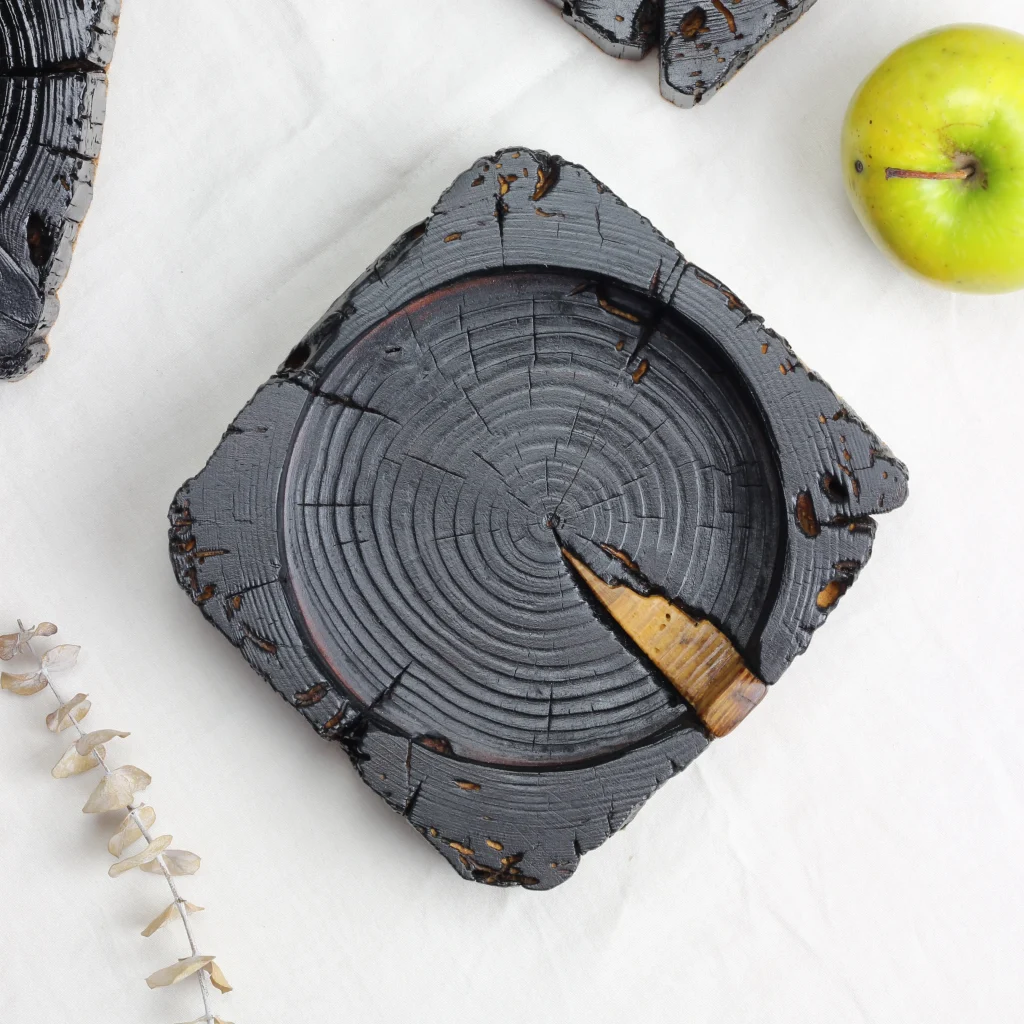
Raw wood, hand-thrown stoneware, unbleached linen, branches, real fruit. This register depends on the materials being genuine, so it collapses when the objects are manufactured to look handmade. One real piece carries more weight than a table full of approximations.
Simple, for a small table
For four to six people, the whole thing can be a runner, three candles, one low bowl and good napkins. Small tables are the easiest to get right and the most often over-decorated, since there is no room for both a tablescape and a meal.
A timeline that works
- A week ahead. Count chairs against table width at 24 inches per person. Decide family style or sideboard. Check you have enough serving dishes, and borrow rather than buy.
- Two days ahead. Wash and press linen. Cut branches — they open up indoors over 48 hours.
- The day before. Set the table completely, then photograph it. You will spot the problems in the photo that you cannot see standing over it.
- Thanksgiving morning. Add fruit and foliage. Fill water glasses. Leave the center spine clear.
- Fifteen minutes before. Light the candles so the flames settle and the wax pools.
- Between courses. Clear serving dishes as they empty rather than at the end. A table that empties gradually stays pleasant to sit at.
Common mistakes
- The tall centerpiece. Anything 12 to 30 inches in the middle blocks every conversation across the table.
- No room for the food. Styling a table for photographs and then serving family style from it.
- Orange on orange. The meal is already warm-toned. Adding more flattens the whole surface.
- Scented candles. They fight the food, and the food should win.
- Too few candles. Dinner ends after dark. Two flames on a long table read as an afterthought.
- Squeezing in an extra seat. Under 21 inches per person and a two-hour meal becomes uncomfortable.
- Chargers on a crowded table. They consume the width the serving dishes need.
- Buying a matching set for one meal. Deliberate mixing looks better and costs nothing.
Frequently asked questions
How tall should a Thanksgiving centerpiece be?
Either under 12 inches or over 30 inches. The band between those heights sits exactly at seated eye level and blocks conversation across the table. Low bowls, short candles and small vessels work below the line; tall thin tapers and raised arrangements work above it.
How much space does each person need at a Thanksgiving table?
About 24 inches of table width per place setting, and no less than 21 inches. A 72-inch table seats three people per side comfortably. Also reserve a 14 to 16 inch strip down the center for serving dishes if you are serving family style.
What colors work best for a Thanksgiving table?
Let the food supply the warm tones and set it against something quieter — cream, bone, pale stoneware, clear glass, or a dark ground like charcoal or deep green. Piling orange and brown decoration on top of an already warm-toned meal flattens the whole table. Keep to three colors across linen, ceramics and glass.
Do Thanksgiving plates need to match?
No, and deliberately mixed settings usually look better than a set bought for one meal. Mixing works when one element repeats across every seat — the same color family, the same napkin, or one shared material. A table where every single element differs is what reads as unplanned.
What can I use instead of flowers?
Bare or berried branches for height, dried grasses and seed heads at low level, and edible things — pomegranates, figs, small pears, persimmons, walnuts in the shell. A sprig of rosemary, sage or bay on each napkin costs almost nothing and can go into the stock the next day.
How do you decorate a long Thanksgiving table?
Repeat rather than center. A candle and a small vessel every three feet serves guests at the ends far better than one large arrangement they see edge-on. Double the serving dishes too, starting one at each end, so nothing travels the full length and arrives cold.
The table people actually remember
The Thanksgiving tables that work are not the most decorated ones. They are the ones where the food had room to land, the candles were lit before anyone sat down, and nobody had to lean sideways to see the person across from them. Get the heights right, leave the center spine clear, use more candles than you think you need, and let the meal supply the color.
What is worth owning is the handful of things that come out again — a marble centerpiece low enough to see over, a stoneware candleholder, a blown glass platter, a pair of napkin rings. None of them is seasonal, which is precisely why they will be on the table again in December and next November, holding a meal rather than decorating one.