The most sustainable object is the one you keep. The second most sustainable is one made from something that already exists.
Updated on: November 26, 2026
Sustainable design looks at the full life of an object: what it is made from, who makes it, how much energy it takes and what happens to it at the end. For independent designers, that often starts with materials. Waste from one industry becomes the raw material for another, and traditional crafts and renewable fibers replace energy-hungry processes.
Here are seven ways designers are approaching sustainability today, each with a piece from an independent studio.
What Makes Design Sustainable?
There is no single definition, but most sustainable design shares a few principles. It uses recycled, reclaimed or renewable materials. It is made to last and to be repaired, rather than replaced. It keeps local crafts and communities alive. And it considers the end of life, so a piece can be taken apart, recycled or returned to nature. Read more about the social side of this in personal vs social sustainability.
Materials matter because they carry most of an object’s footprint. Producing new metal, plastic and fired ceramic takes large amounts of energy, while recycled, reclaimed and plant-based materials can cut that dramatically. That is why so many independent designers now begin with waste streams, from industrial sludge to old clothes and broken timber, and treat them as raw material rather than rubbish. The results are often more interesting than virgin materials, because each piece carries visible traces of where it came from.
1. Turning Metal Waste Into Color
Ignorance Is Bliss Big Cup by Agne Kucerenkaite
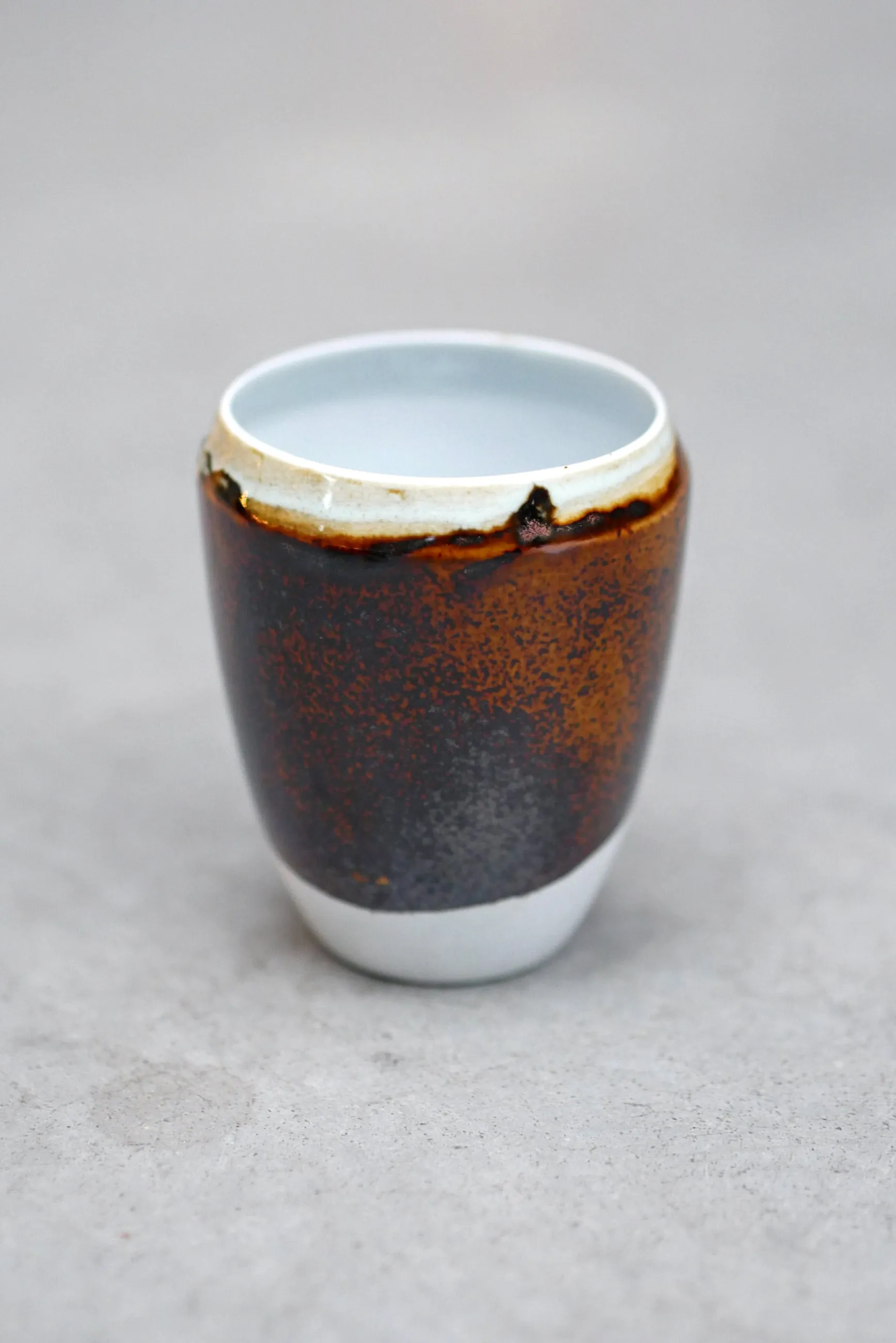
Agne Kucerenkaite recovers metal waste from industries such as drinking water supply and soil remediation and turns it into pigment for porcelain glazes. Surprisingly, the more contaminated the raw material, the more vibrant the color, so every cup in her Ignorance Is Bliss project gives industrial waste a second, everyday life.
By Agne Kucerenkaite
€46 incl. tax
2. Giving Discarded Textiles a Second Life
La Fourche Verte Wall Hanging by FabBRICK
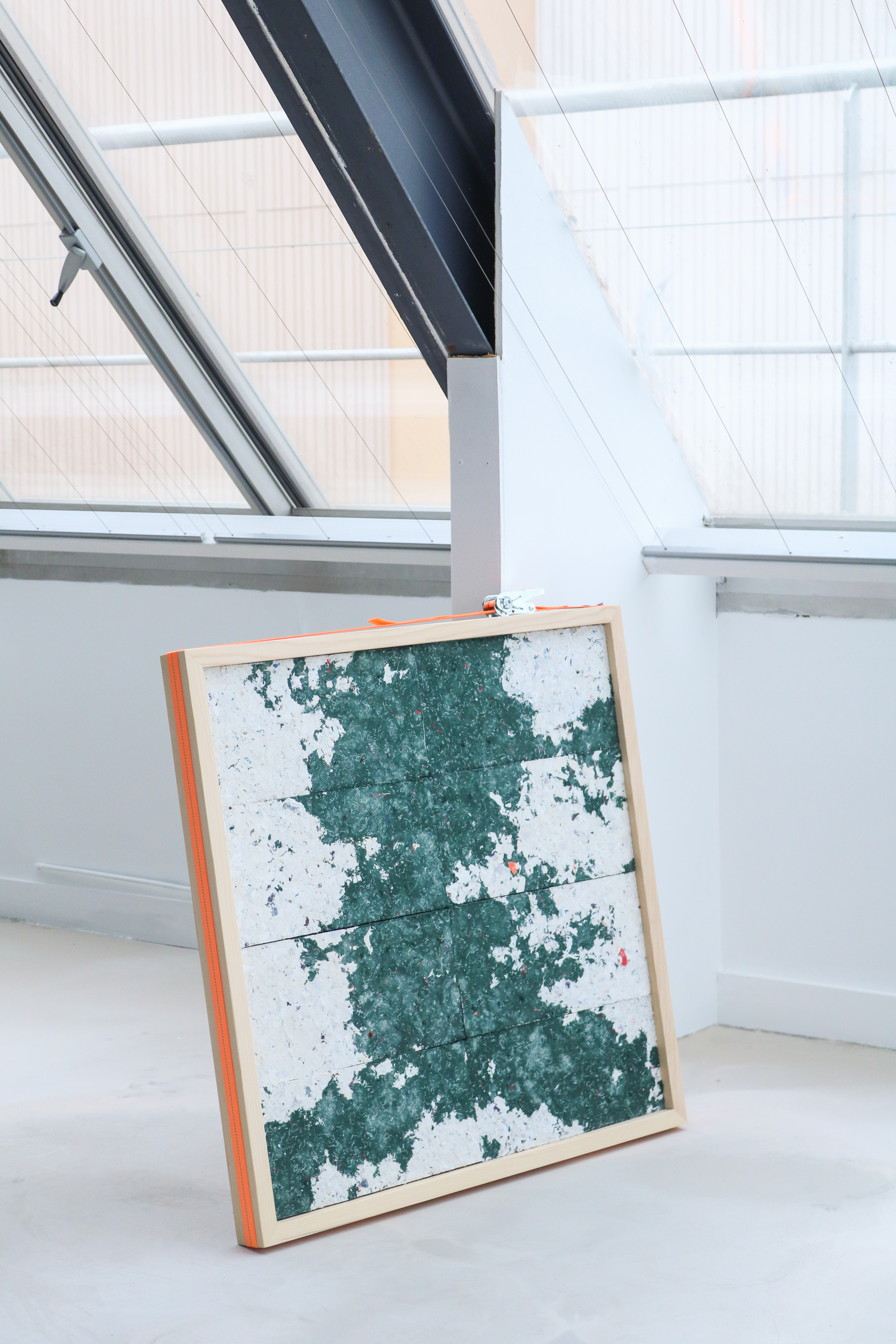
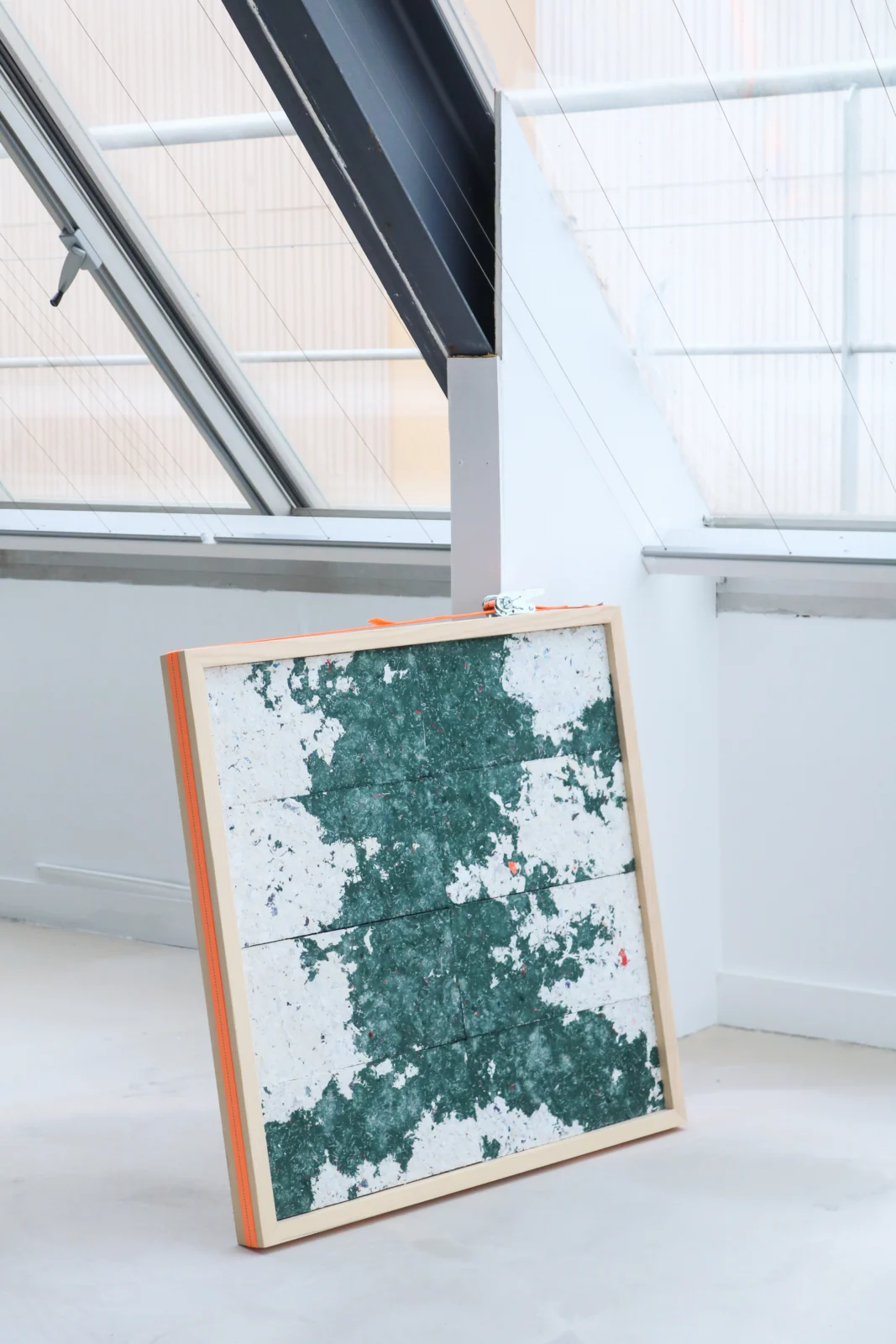
FabBRICK turns discarded clothing and textiles into a dense, stone-like material. In La Fourche Verte, white and green fibers swirl together like veined marble, a mineral trompe-l’oeil made entirely from repurposed fabric. At 115 cm (45 in) square, it is a striking piece of wall art with a clear second-life story.
By FabBRICK
€1,267 incl. tax
3. Building With Reclaimed Wood
Natural Parota Collage Tiles, Set of 4 by Peter Glassford
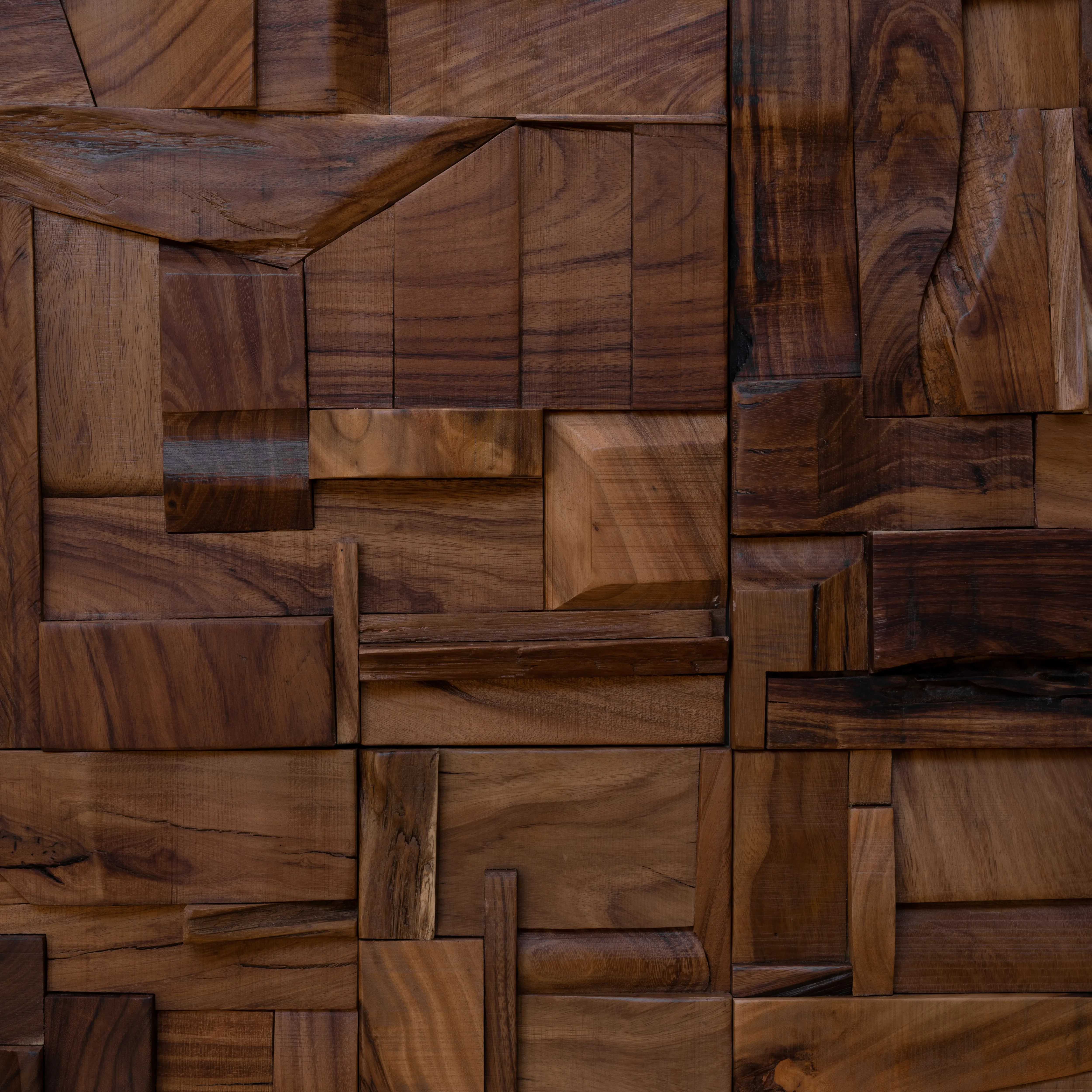
From Peter Glassford’s Brutal Nature collection, each tile is handmade from reclaimed wood fragments, sanded and sealed with matte lacquer and wax. Arranged as a set of four, they form a 62 cm (24.5 in) square relief with rich texture and the warmth of Parota wood.
By Peter Glassford
€656 incl. tax
4. Designing With Renewable Cork
Cork X Bench 01 by Robert Megel
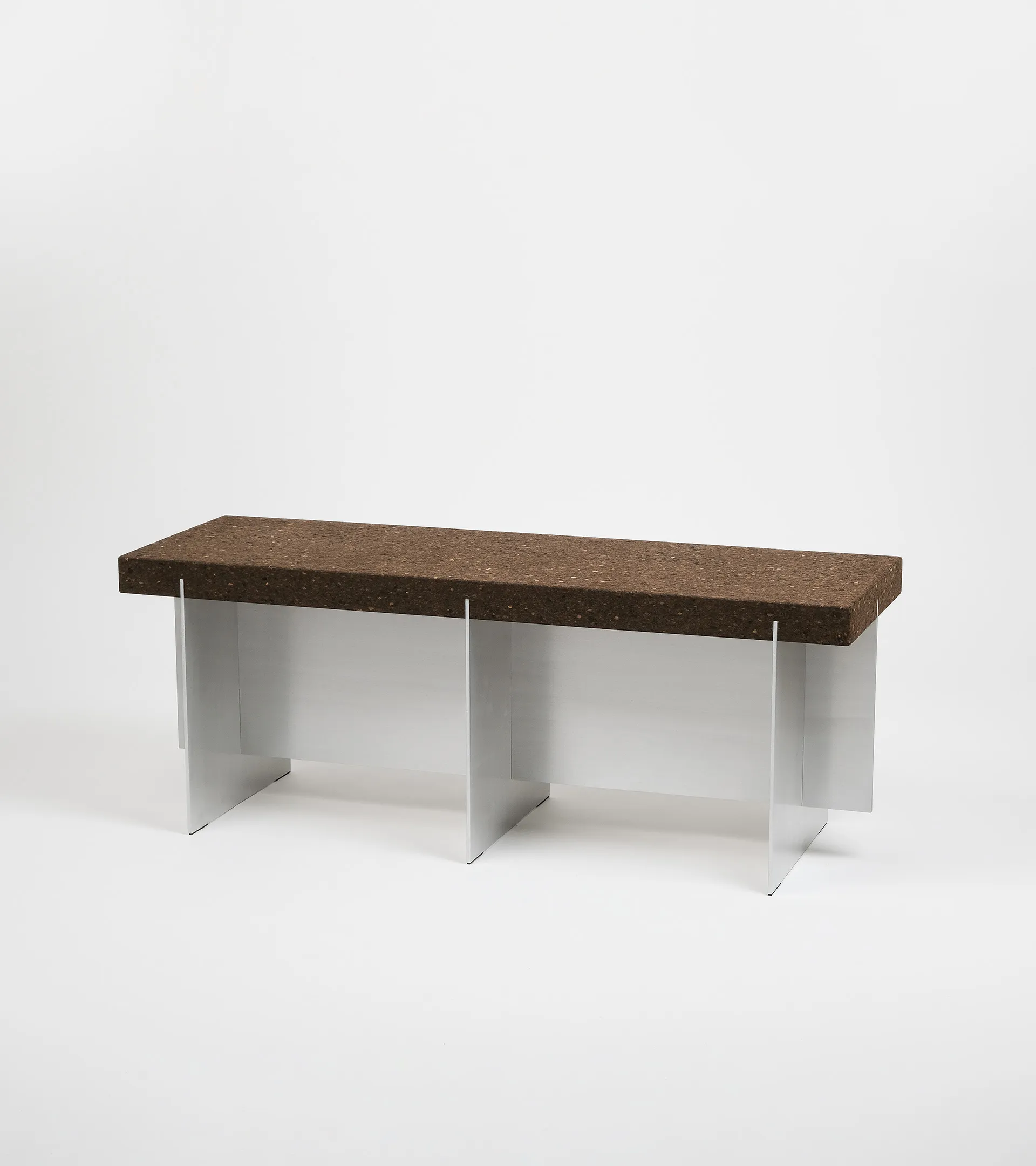
Cork is harvested from the bark of the cork oak without cutting down the tree, which then grows a new layer. Robert Megel pairs Portuguese cork with satin aluminum in a bench designed for self-assembly, so it ships flat and can be taken apart and repaired. It measures 120 cm (47 in) long.
By Robert Megel
€1,499 incl. tax
5. Shaping Light From Paper Pulp
Edges Wall Sconce by David Čáp

David Čáp shapes paper pulp into Edges, a tall wall or ceiling light whose textured surface softens the light into a calm, glare-free glow. This is the tallest version, in camel paper pulp, and it works as a light source and a wall sculpture at once.
By David Čáp
€500 incl. tax
6. Mixing Recycled Composites
Fragment Ochre II by Donatas Žukauskas
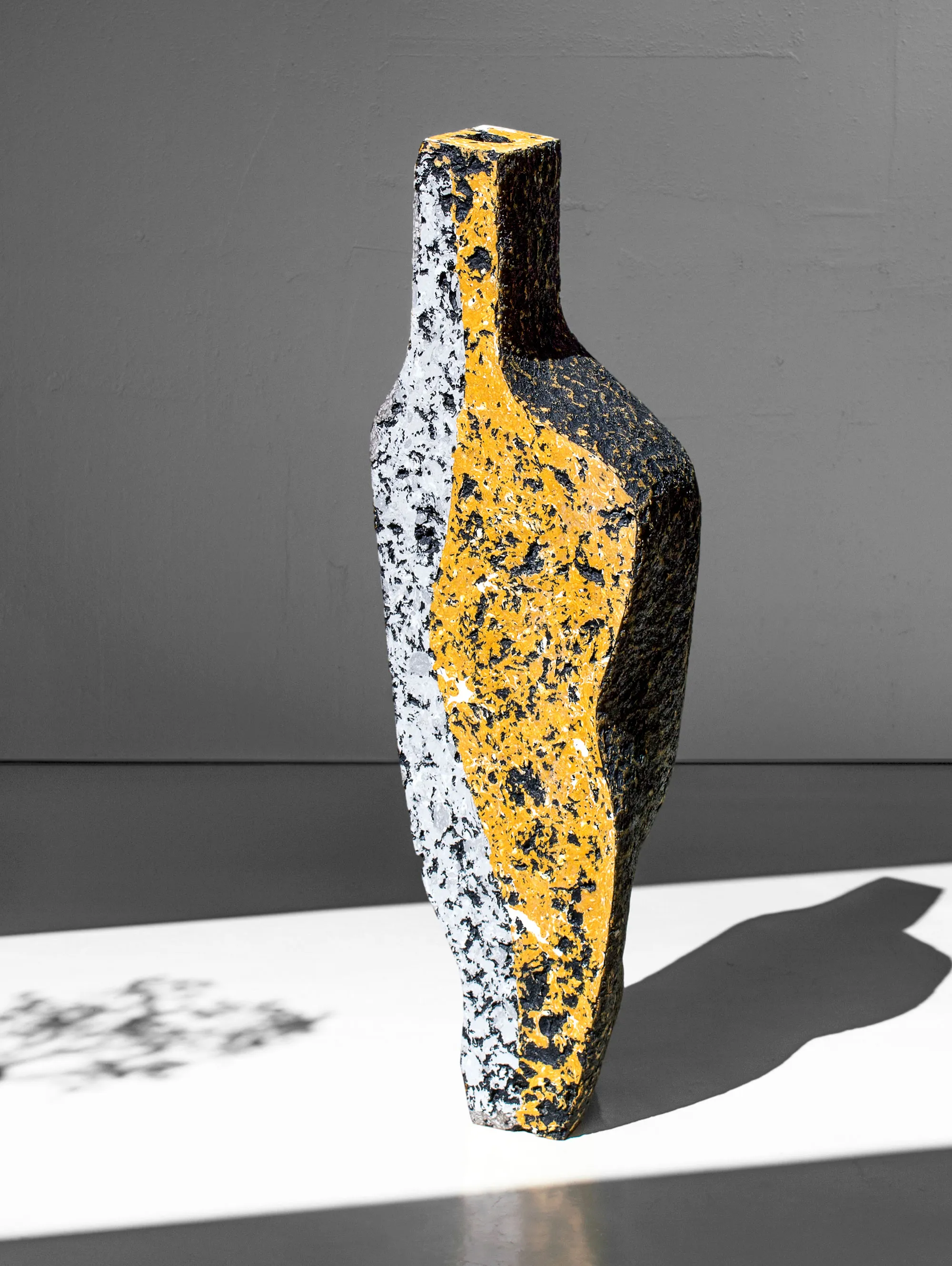
Donatas Žukauskas handcrafts Fragment Ochre II from a composite of recycled paper pulp, natural cement and mineral pigments. Its faceted planes in volcanic black, granite grey and raw ochre read like a piece of fractured rock, a sculptural object made with far less energy than fired ceramic.
By Donatas Žukauskas
€1,250 incl. tax
7. Keeping Natural Fiber Crafts Alive
Artefacto LS 16 Floor Lamp by LØRDAG & SØNDAG
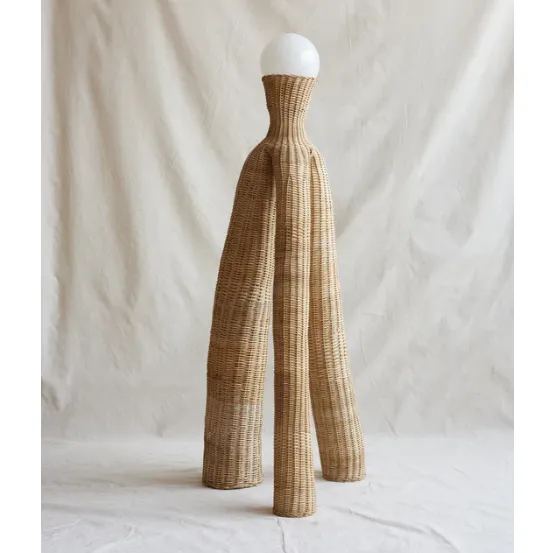
Woven by hand in Mexico from G’noo Xombé Nisin plant fiber, Artefacto LS 16 needs no internal metal frame: the weave alone carries the 153 cm (60 in) lamp. It keeps a traditional craft alive and uses a renewable material, and it works as a sculpture even when switched off.
By LØRDAG & SØNDAG
€1,090 incl. tax
How to Choose Sustainable Furniture and Decor
Look for clear information on materials, such as recycled content, reclaimed wood, FSC-certified timber or renewable fibers. Favor pieces that can be repaired, reupholstered or taken apart. Buy from makers who are open about where and how their work is made, and choose quality over quantity: a well-made piece kept for decades has a far smaller footprint than several cheap ones. Even large industries are moving this way; Wallpaper* covered Hydro’s 100R project, where leading designers worked in aluminum made from post-consumer scrap. For more makers working with waste, see upcycling in sustainable design.
Frequently Asked Questions
What is sustainable design?
Design that reduces environmental and social harm across an object’s whole life, from materials and production to use and disposal, often by using recycled or renewable materials and making pieces that last.
What is the difference between recycled and upcycled furniture?
Recycled furniture is made from materials that have been broken down and reprocessed, such as recycled plastic or aluminum. Upcycled furniture reuses existing objects or materials in their current form, such as reclaimed wood or pipe offcuts.
Is cork a sustainable material?
Yes. Cork is harvested from the bark of the cork oak without felling the tree, which regrows its bark every nine years or so. It is also light, durable and recyclable.
How can I make my home more sustainable?
Buy fewer, better pieces, choose recycled or renewable materials, repair before replacing and support local makers who are open about their production.









Responses