



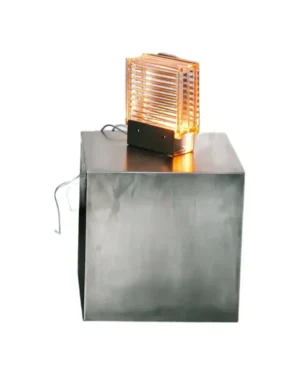
-
 In stock
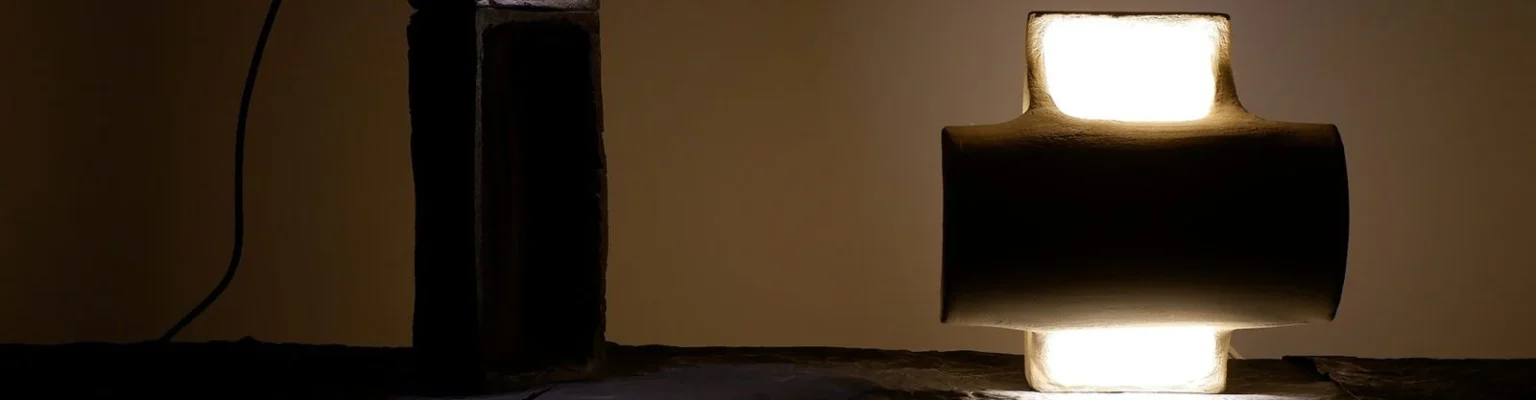
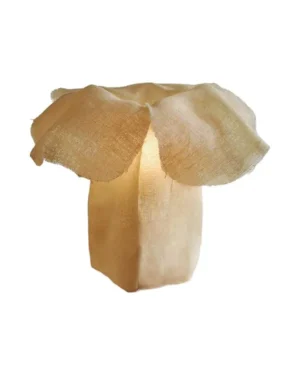
Thalie Vi Table Lamp Sheer Fabric
By Atelier Alz
€200 - €300 -
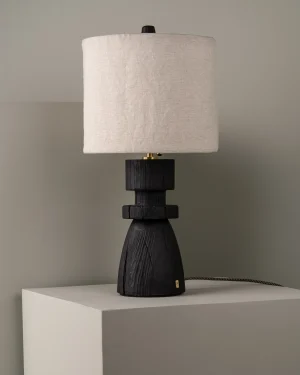
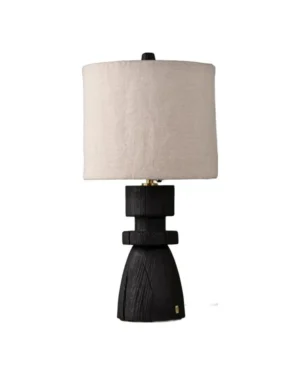
Mezquite Table Lamp in Burned Pinewood and Natural Linen
By Isabel Moncada
€2.925 -

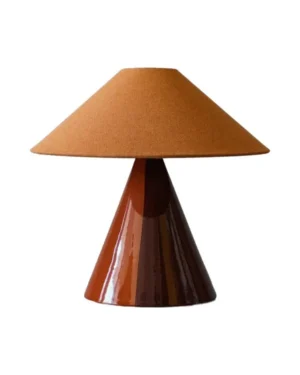
Chloé Table Lamp in Reflective Fabric
By Atelier Alz
€300€270 -

Regina Table Lamp In Marble
By Daniel Orozco Estudio
€2.034 -
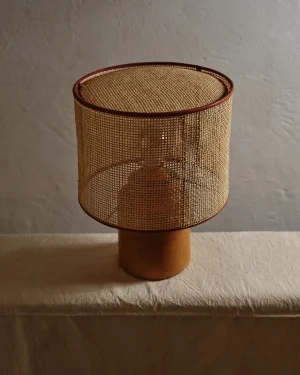
Sonora Rattan Small Table Lamp In Clay And Textiles
By NASSI LAMPS
€689 -
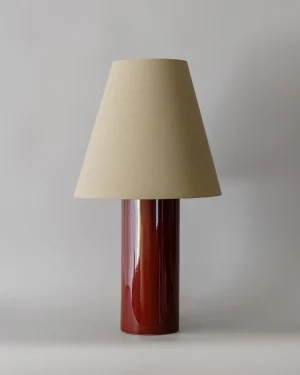
Giro Table Lamp in Ceramics and Cotton
By mattina moderna
€495 -

Knotto_01 Table Lamp In Glazed Stoneware And Synthetic Fibers
By Catalin Filip
€800 -
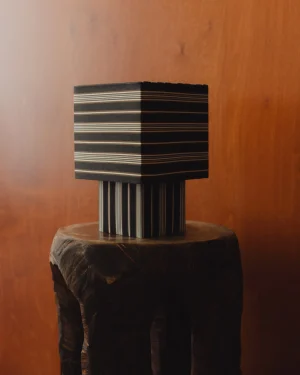
La Petite Boîte Cameron Black Table Lamp in Cotton
By mattina moderna
€285 -
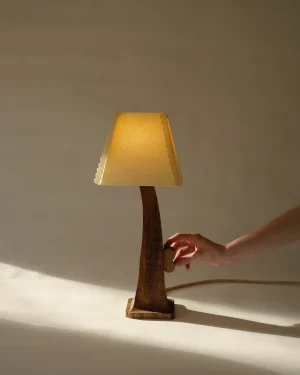
Sprout Table Lamp In Cotton And Natural Oak
By Basia Pruszyńska
€2.000 -

Black Wool Table Lamp in Biocomposite
By PletoStudio
€700 -
 In stock
Cumula Table Lamp in Textiles and Steel
By AaltoAalto Studio
€1.600 -
 In stock
Grid Table Lamp In Cotton And Resin
By Basia Pruszyńska
€2.000 -
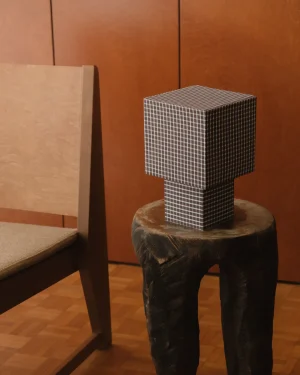
La Petite Boîte Table Lamp in Tartan Cotton
By mattina moderna
€285 -

In Between Table Lamp in Ornamental Glass
By please touch studio
€1.500 -
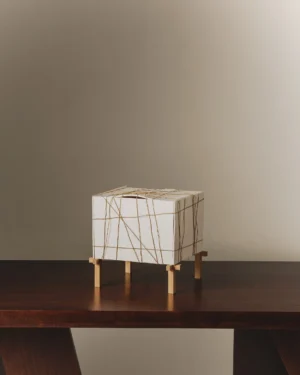 In stock
Fardo Table Lamp in Porcelain, Oak Wood and Rope
By Mike Hausmann
€2.800 -

Galaxy Table Lamp in Parota Wood and Brass
By Isabel Moncada
€2.925 -
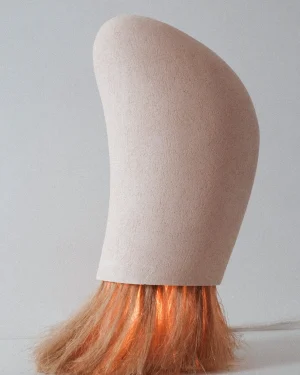
Cetus Table Lamp in Ceramics and Natural Fibers
By Andrei Clontea STUDIO
€1.000 -

Wool Smola Table Lamp in Biocomposite
By PletoStudio
€800 -
 In stock
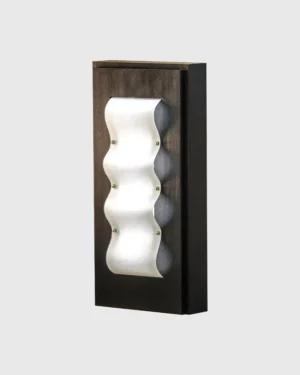
Mora Table Lamp in Sapele Wood and Recycled Paper
By MESEME by Riya Panchal
€1.397 -
 In stock
SONIAH Table Lamp in ZTISTA Biocomposite
By FAINA
€3.000 -
 In stock
Cumula Table Lamp in Yellow Crochet
By AaltoAalto Studio
€1.600 -
 In stock
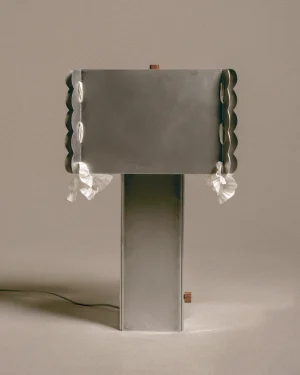
Serwetka Table Lamp in Aluminum and Cherry Wood
By Basia Pruszyńska
€1.900 -
 In stock
Ic-3 Table Lamp In Resin, Foam And Natural Fibers
By Studio Josha
€5.450 -
 In stock
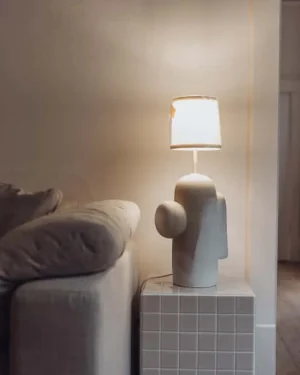
Nodo Table Lamp in Speckled Stoneware
By LYT Studio
€550 -
 In stock
Curvita Table Lamp in Solid Wood
By Laluz Handcraft
€2.470 -

Roma Dodecagon Large Table Lamp In Red Travertine
By NASSI LAMPS
€1.721 -
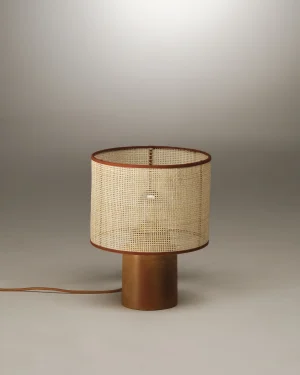
Sonora Small Table Lamp In Terracotta And Rattan
By NASSI LAMPS
€576 -
 In stock
Ic 1 Table Lamp In Resin, Foam And Natural Fibers
By Studio Josha
€3.700 -

Owca Small Table Lamp In Cotton And Oak Wood
By Basia Pruszyńska
Price Upon Request -
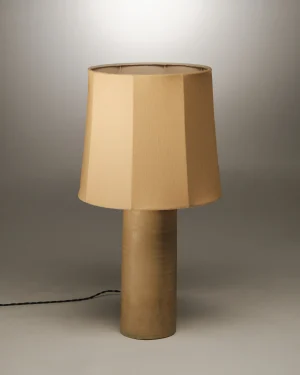
Sonora Large Table Lamp In Terracotta And Linen
By NASSI LAMPS
€1.156 -

Lámpara Regina Table Lamp In Wood
By Daniel Orozco Estudio
Price Upon Request -
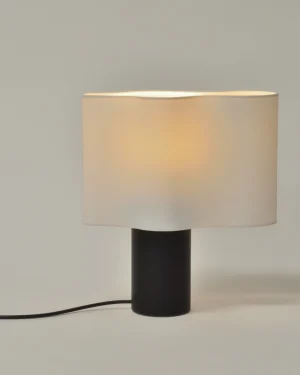
Lake Table Lamp In Steel And Textile
By Natural Urbano - Sebastián Beltrán
€330 -
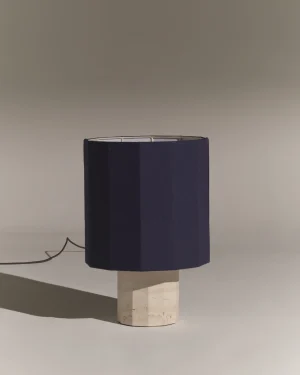
Roma Dodecagon Medium Table Lamp In White Travertine
By NASSI LAMPS
€1.205 -
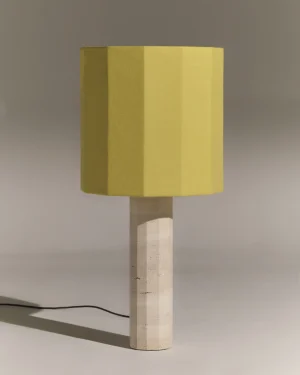
Roma Dodecagon Large Table Lamp In White Travertine
By NASSI LAMPS
€1.575 -
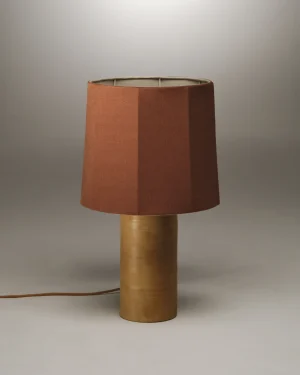
Sonora Medium Table Lamp In Terracotta And Linen
By NASSI LAMPS
€611 -
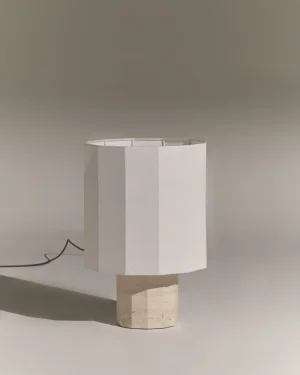
Roma Dodecagon Small Table Lamp In Travertine
By NASSI LAMPS
€1.049 -
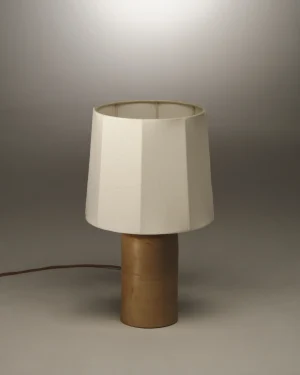
Sonora Small Table Lamp In Terracotta And Linen
By NASSI LAMPS
€844 -
 Sold
La Petite Boîte Table Lamp in Polka Dot Cotton
By mattina moderna
€285
Textile table lamps bring fiber and cloth into a category usually ruled by glass and metal, built from natural fiber, cotton and hemp rather than hard materials, and shaped by hand through weaving, knotting and tufting. Studios working in textilework wrap or tuft cord, yarn and cloth over a frame or armature, so the shade itself holds texture instead of simply filtering light. Paired with bases in clay, terracotta, ceramic or oak wood, these lamps read as woven objects as much as fixtures.
What sets fiber and cloth apart
Natural fiber and cotton behave differently from glass or metal under light. Woven or knotted shades let light pass unevenly, breaking it into soft pools rather than a single clean beam, and the fiber itself softens the glow instead of simply covering it. Cord, natural fiber and cotton rope each hold a different density, so two lamps of the same shape can cast noticeably different light depending on how tightly the material is worked.
Color in this group tends toward the undyed and the earthen: off-white, beige, sand, cream and terracotta sit alongside black, black-and-white and the occasional gold detail. These tones come from the fiber itself more often than from a surface finish, which is part of why they read as calm rather than decorative.
Ways of making, base materials and editions
Textilework and weaving define the shade, but bases bring in other crafts: wood and cabinetmaking for turned or joined oak stands, sculpting or stone carving for solid clay and terracotta forms, and embroidery where cloth is worked over a shade rather than knotted. Some studios also work with biofabricated or sustainable fiber, extending the same hand techniques into newer materials. Pieces appear across open editions, limited editions and one-off pieces, so the same technique can produce a repeatable textile table lamp or a single standing piece that will not be remade.
Style ranges from boho chic and eclectic weaves to brutalist and midimalism shapes that pare the fiber back to a plain cylinder or dome. Contemporary and minimalist versions tend to use one fiber and one color, letting the weave pattern stand as the only detail; anyone wanting that pared-back approach can start among the contemporary table lamps.
Choosing scale, height and placement
Textile table lamps need to sit close to eye level when seated, so measure the surface before choosing a height: a side table calls for a lower, denser shade, while a console or sideboard carries a taller, more open weave without feeling heavy. Wider shades throw more ambient light across a room; narrower, tighter weaves give a more directional pool suited to reading.
Because fiber is lightweight and the base often provides most of the stability, check the base material and footprint rather than overall height alone. A heavier terracotta or oak base keeps a tall woven shade steady on an open shelf or low table.
- Living rooms: pair a wider woven shade with a sofa-side table for general light that fills the seating area.
- Bedrooms: choose a smaller, denser weave on a nightstand for a softer, more contained glow near the bed.
- Studies and reading corners: a tighter cotton or hemp weave directs light downward without glare.
These placements line up with how the pieces are grouped on ADORNO, from living room table lamps to bedroom table lamps.
Caring for fiber and cloth
Natural fiber and cotton are sensitive to damp and direct sun: keep shades away from windowsills and bathrooms, where moisture can loosen a weave or fade undyed fiber unevenly. Dust with a dry, soft brush or a low vacuum setting rather than a damp cloth, which can mark cotton and leave cord looking matted. Keep fiber shades away from the bulb's heat by using a low-wattage or LED bulb, since prolonged heat can dry and weaken natural fiber over time.
For the full range of fiber and cloth pieces beyond lighting, from seating to decor, see every textile and natural fiber piece on ADORNO, or start from all table lamps and narrow by material. Textile table lamps also sit within a wider group of textile lighting, for anyone looking beyond the table surface.
How do I choose a textile table lamp?
Look at how the fiber is worked rather than just its shape. A tightly knotted or tufted shade casts a more even glow, while loosely woven cord breaks light into softer, patterned pools.
How do you clean and care for a textile lamp shade?
Dust woven or tufted shades with a soft brush or low vacuum setting, and keep them away from direct sun and damp, since natural fiber can fade or weaken over time. Avoid wiping with water.
What size table lamp should I get?
A table lamp generally sits with its base and shade reaching between one and one and a half times the height of what's beside it, so it lights without overwhelming the surface.
Which rooms suit textile table lamps?
Their soft, uneven light and tactile shades suit living rooms and bedrooms especially, where a warmer, diffused glow matters more than bright, even task lighting.
Can I order a custom textile table lamp?
Some studios take custom requests on sizing, color or fiber. Chat with the maker on the piece's page to ask directly.
What about shipping, returns and authenticity?
Shipping is insured and worldwide. Returns are accepted within 14 days, except made-to-order pieces, and every lamp arrives with a certificate of authenticity and ADORNO's lowest-price guarantee.