

-

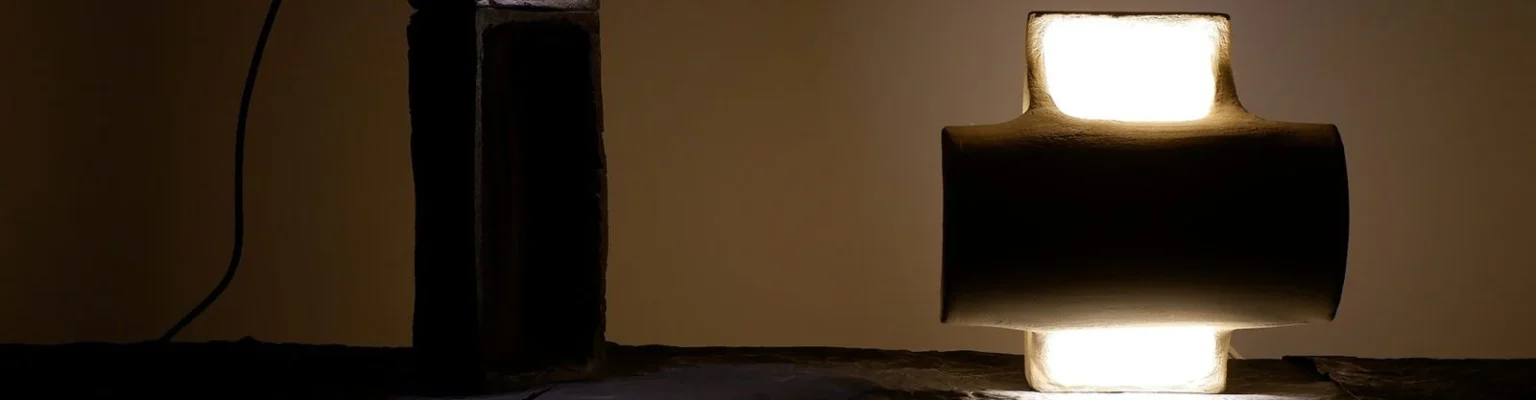
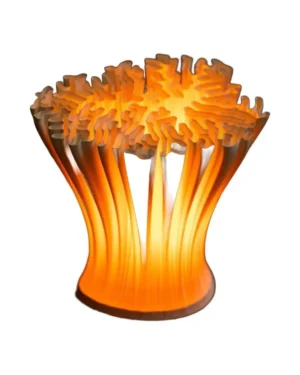
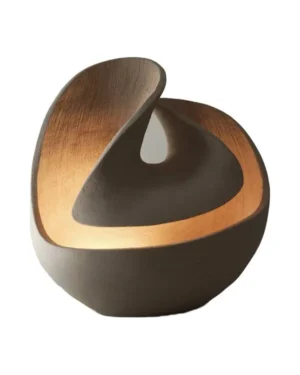
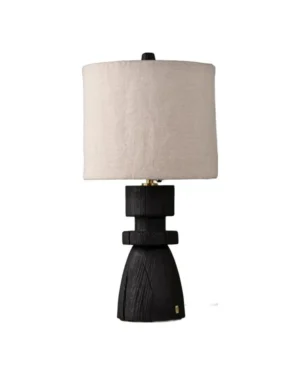
Coral Lamp – Clay Table Lamp
By Dzovag Kotchian
€900 -
 In stock
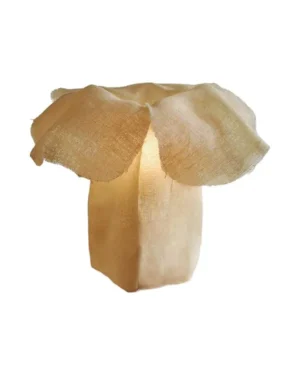
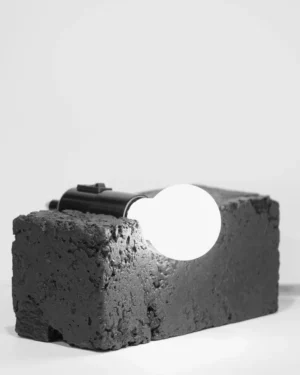
Cofit-20 Table Lamp In Coal Concrete
By Atelier Haute Cuisine
€380 -
 In stock
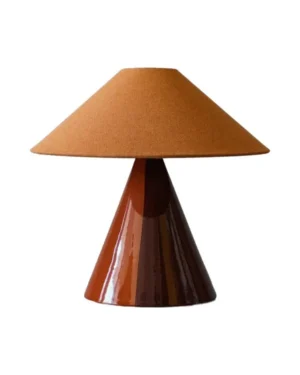
Object 05 Table Lamp in Nylon and Sand
By Hot Wire Extensions
€935 -
 In stock
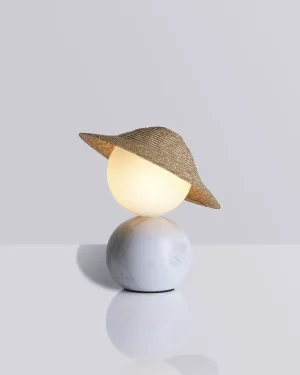
Théros 0.2 Table Lamp in Blown Glass and Marble
By Studio Aristotelis Barakos
€950 -
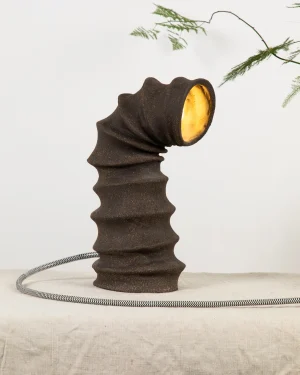
Rakis Lite Table Lamp – Black Stoneware Ceramic
By Catalin Filip
€455 -
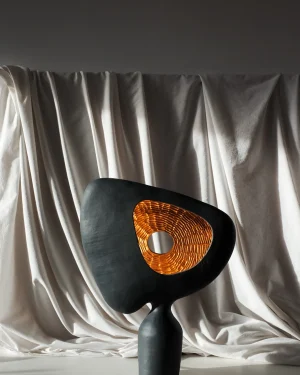
Olethros Table Lamp in Stoneware
By Andrei Clontea STUDIO
€1.000 -

Regina Table Lamp In Marble
By Daniel Orozco Estudio
€2.034 -
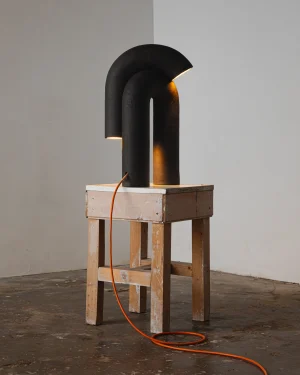
Pendulū Table Lamp In Ceramics And Gold-leaf
By Catalin Filip
€950 -
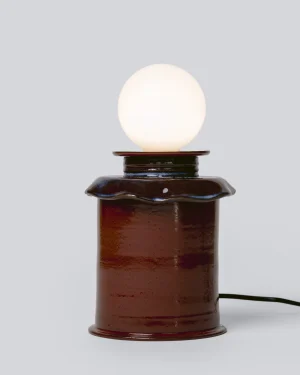
Baby Tutu Table Lamp in Glazed Stoneware
By Slō
€750 -

Knotto_01 Table Lamp In Glazed Stoneware And Synthetic Fibers
By Catalin Filip
€800 -
 In stock
Navazi Table Lamp in Ceramic
By SVITANOK
€440 - €670 -

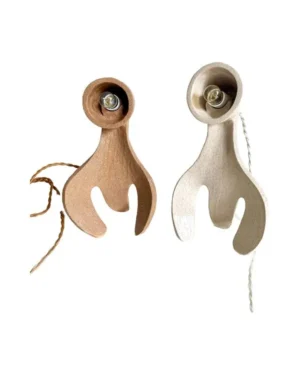
Luminária Luz Sobre Mão Table Lamp in Paper Pulp
By Sandro Vieira studio
€410 -
 In stock
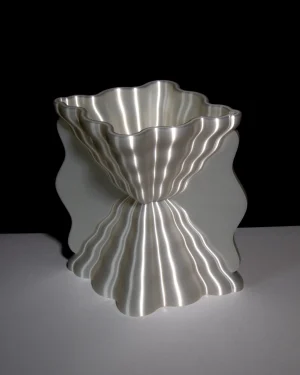
Ding Dong 01 Table Lamp in Ceramic
By Luft Tanaka Studio
€1.442 -
 In stock
Galéa Table Lamp in Bio Plastic
By Errance.
€250 -

The Mesia Table Lamp In Ceramics And Glass
By Luis Gimeno Design
€1.600 -
 In stock
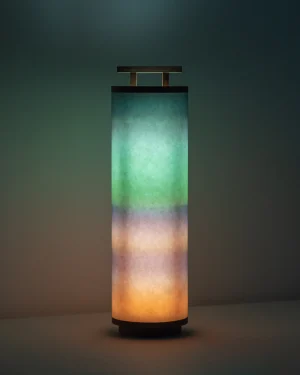
Torii G Pala Table Lamp in Washi Paper and Walnut
By Prangé
€1.232 -
 In stock
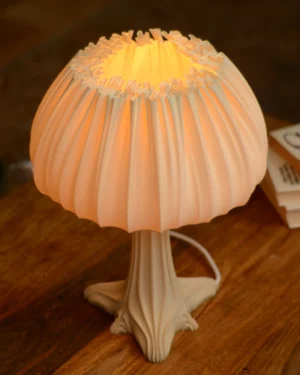
M 2 Table Lamp In Bio Polymer And Sand
By diploria studio
€395 -
 In stock
Cave Table Lamp In Glass
By Dace Sūna
€1.500 -
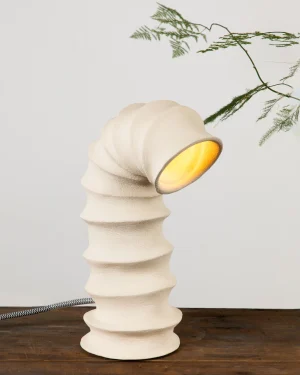
Rakis Lite – Table Lamp In White Stoneware
By Catalin Filip
€455 -
 In stock
Shadow 24 Table Lamp in Orange Acrylic and Aluminum
By Andreas Berlin
€1.218 -
 In stock
Practice Table Lamp – Square in Orange Plywood
By Studio Fabius Clovis
€632 -
 In stock
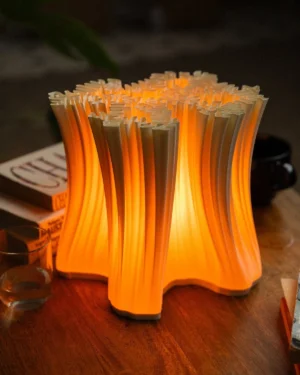
Lolli Table Lamp in Blown Glass
By Studio Monsoleil
€700 - €900 -
 In stock
S 6 Table Lamp In Bio Polymer
By diploria studio
€295 -
 In stock
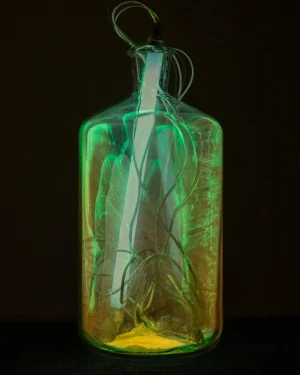
Äther Twins
By TUNK I Busra Tunc
€800 -
 In stock
Äther Lucifer
By TUNK I Busra Tunc
€500 -
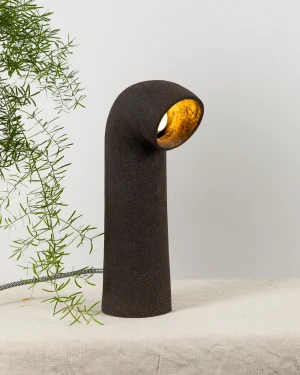
Melo C Table Lamp In Black Ceramic
By Catalin Filip
€270 -

Cetus Table Lamp in Ceramics and Natural Fibers
By Andrei Clontea STUDIO
€1.000 -

Luna Nova Table Lamp in Oak Wood
By HEIKE BUCHFELDER
€3.294 -
 In stock
Äther 16
By TUNK I Busra Tunc
€2.200 -
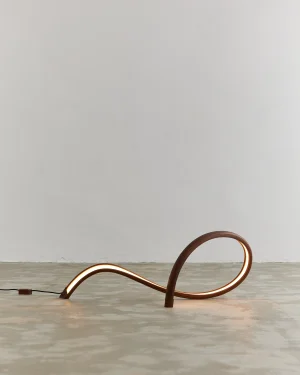 In stock
Maré Table Lamp in Walnut Wood
By Poémia
€3.600 -
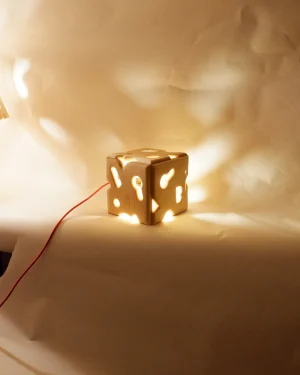
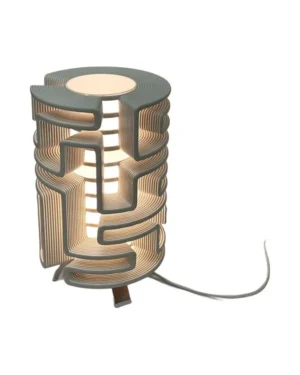
Cut Out Light Cube Table Lamp in Pine Wood
By Josh Page Studio
€310 -
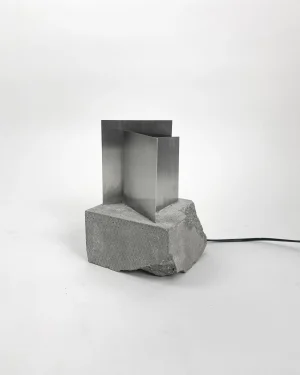
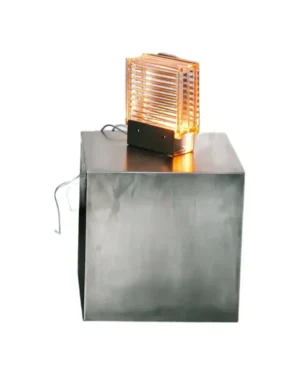
Sculptural Table Lamp in Stainless Steel and Concrete
By case studios
€820 -
 In stock
“Object 01” Lamp from the “Play” Collection
By Hot Wire Extensions
€1.890 -
 In stock
“Object 03” Lamp from the “Play” Collection
By Hot Wire Extensions
€1.670 -
 In stock
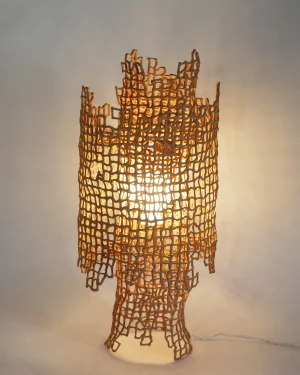
Coral Lamp – Clay Table Lamp (big)
By Dzovag Kotchian
€2.600 -

Poser Table Lamp in Stainless Steel
By Emil Robbrecht
€446 -
 In stock
Tutu Table Lamp in Red Ceramic
By Slō
€1.150 -

Navazi Table Lamp in Glazed Ceramic
By SVITANOK
€590 - €890 -
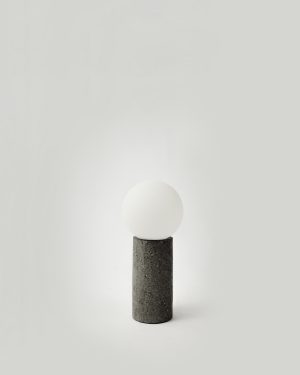
Fos 14 Table Lamp in Stone and Glass
By Daniel Orozco Estudio
€1.060 -
 In stock
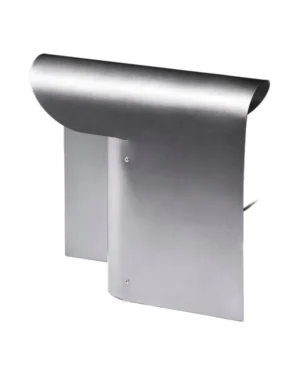
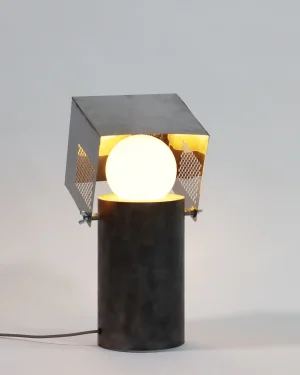
Hood Light Table Lamp In Stainless Steel
By Nolan Talbot-Kelly
€900 -
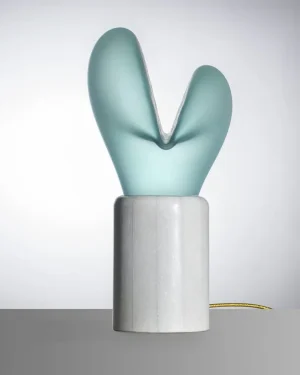
Cactus Table Lamp in Glass and Marble
By Carol Gay
€1.922 -
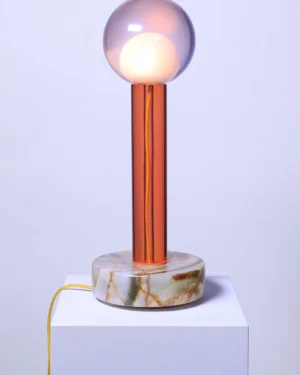
Tallo Table Lamp in Resin and Onyx
By Adrian Cruz
€2.380 -
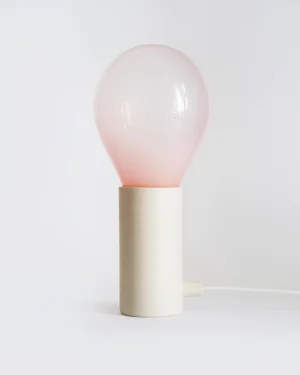
Puru Table Lamp in Ceramics and Blown Glass
By Erin Turkoglu
€851 -
 In stock
“Random Light”
By Hot Wire Extensions
€1.250 -
 In stock
“Object 03” Lamp from the “Basic Knot Variations” Collection
By Hot Wire Extensions
€935 -
 In stock
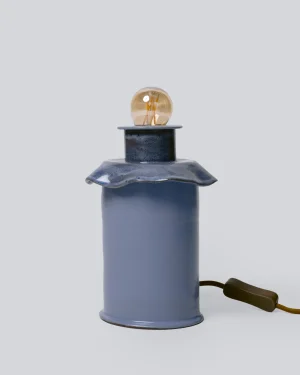
Llamas Table Lamp In Casted Bronze And Handblown Glass, In Stock
By ANDEAN
€1.781 - €2.171 -
 In stock
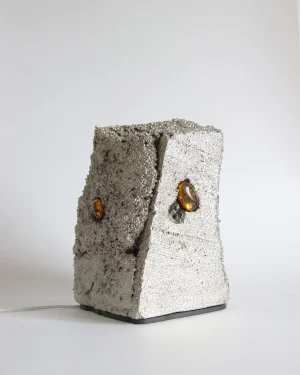
Tutu Mini Table Lamp in Baby Blue Stoneware
By Slō
€750 -
 In stock
Irony Of Material Table Lamp in Nickel
By Studio Speculo
€716 -
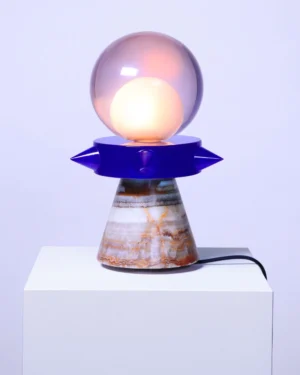
Tona Table Lamp in Onyx and Resin
By Adrian Cruz
€2.420 -
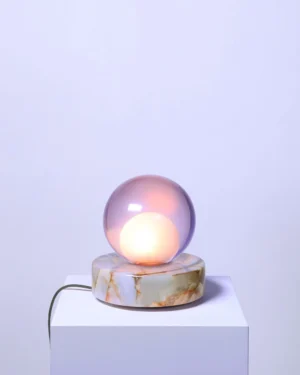
Bulbe Table Lamp in Resin and Onyx
By Adrian Cruz
€1.580 -
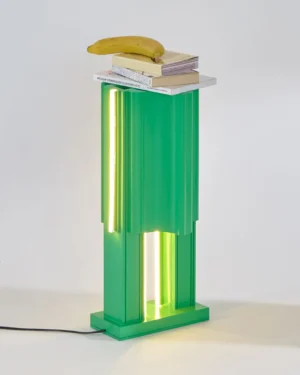
Cornice Supreme No. 2 Table Lamp in Polyurethane
By Teresa Fernández-Pello
€1.986 -
 In stock
“Object 01” Lamp from the “Basic Knot Variations” Collection
By Hot Wire Extensions
€935 -
 In stock
Äther Seul
By TUNK I Busra Tunc
€325 -

The Mammal Table Lamp in Walnut Wood
By CHANDLER MCLELLAN
€1.155
Eclectic table lamps bring together materials that do not usually share a base — glazed ceramic next to hand-formed metal, blown glass beside woven fiber — and let each one keep its own character. The studios working in this style favor hand-building, glazing, metalwork and glassblowing over repetition, so no two pieces behave quite the same way in the hand or on a shelf. Editions range from open runs to unique, one-off pieces, which is part of what gives a room filled with eclectic table lamps its layered, collected-over-time look.
What defines an eclectic table lamp
An eclectic lamp is defined less by a single material than by contrast. A stoneware base might carry a paper or natural fiber shade; a slab of hand-formed metal might sit under blown glass. The style borrows from Brutalist weight, Boho Chic texture and Conceptual form in equal measure, and resists settling into one finish or palette.
Color plays a large part. Where a Minimalist or Contemporary lamp might stay close to white or black, eclectic table lamps move through ochre, blue, pink, yellow and orange, often glazed by hand so the color pools and varies across the surface. That variation is a sign of the process, not a flaw to look past.
Materials and techniques found in this range
Ceramic, stoneware and clay bases are common, built by hand and finished with glaze that shifts in tone from one firing to the next. Ash wood and other turned timbers appear as bases and stems, left in a natural finish that will darken slightly with light over years. Blown glass shades add weight and a soft, uneven refraction that machine-pressed glass does not have, and metalwork — brass, iron, aluminum — brings sharper lines and cooler color into the mix.
- Hand-building and glazing for ceramic and stoneware bases
- Glassblowing for shades and diffusers with slight, intentional variation
- Metalwork for stems, arms and fittings
- Weaving and paperwork for natural fiber and textured shades
How to choose one for a room
Scale matters first: a lamp should sit roughly level with a seated eye line on a side table, and lower on a console where light should wash rather than glare. Weight follows — stoneware and carved stone bases sit low and steady, while slimmer metal or wood stems need a wider foot to stay stable. Decide on finish last, picking a glaze or metal tone that answers one other material already in the room rather than matching it outright, which is the quickest way to make a choice among eclectic table lamps look assembled rather than accidental.
Placement changes the job a lamp does. On a nightstand, a smaller shade and a warm, low glow suit reading before sleep; on a sideboard or console, a taller base and a wider shade can light a whole corner.
Where these lamps work best
Living rooms absorb the mixed materials most easily, since there is usually more surface — a console, a side table, a shelf — to let one lamp stand apart from upholstery and rugs. Bedrooms take the quieter end of the range well, a single ceramic or wood base doing the work without competing with other objects nearby. Studies and reading corners suit anything with directional light and a stem tall enough to clear a stack of books.
Caring for mixed materials
Glazed ceramic and stoneware wipe clean with a dry or barely damp cloth; standing water can work into unglazed footrings and should be avoided. Blown glass asks only for a soft cloth and a light hand, since its walls are thinner than pressed glass. Wood bases benefit from staying out of direct sun, which fades and dries the grain faster than ambient light, and metal fittings stay brightest with an occasional wipe rather than any abrasive polish.
For the full range of bases, shades and editions in this style, see the full table lamp offering, or move to every eclectic piece on ADORNO for lighting, furniture and decor that share the same mixed-material approach. Lamps chosen for the sitting room specifically are gathered under living room table lamps, and those suited to rest are grouped as bedroom table lamps.
How do I choose an eclectic table lamp?
Let it contrast with what is already in the room rather than match it. Pair a glazed ceramic or hand-formed metal base with the texture of your furniture instead of its finish.
How do I care for ceramic, glass and metal lamp bases?
Dust ceramic and glazed surfaces with a dry cloth and avoid sudden temperature changes, which can crack glaze. Wipe metal bases dry after cleaning to prevent tarnish, and handle blown glass by the base, not the shade.
What size table lamp should I choose?
Match the lamp height to its surface: smaller bases suit side tables, while taller stems carry better on consoles or sideboards. For reading, the shade should sit roughly at shoulder height when seated.
Which rooms suit eclectic table lamps?
Their mix of materials and color works wherever a room already layers old and new, from a living room console to a bedroom nightstand. One lamp can anchor a quiet corner or sit among other textures without competing.
Are eclectic table lamps handmade or produced in editions?
Many are hand-built, glazed, blown or worked by hand, which is why editions range from open runs to unique, one-off pieces. Ask the maker through Chat with the maker on the piece's page for specifics.
How does shipping, returns and authenticity work when buying from ADORNO?
Shipping is insured and worldwide, with a 14-day return policy excluding made-to-order pieces. Each lamp comes with a certificate of authenticity and ADORNO's lowest-price guarantee.