


-

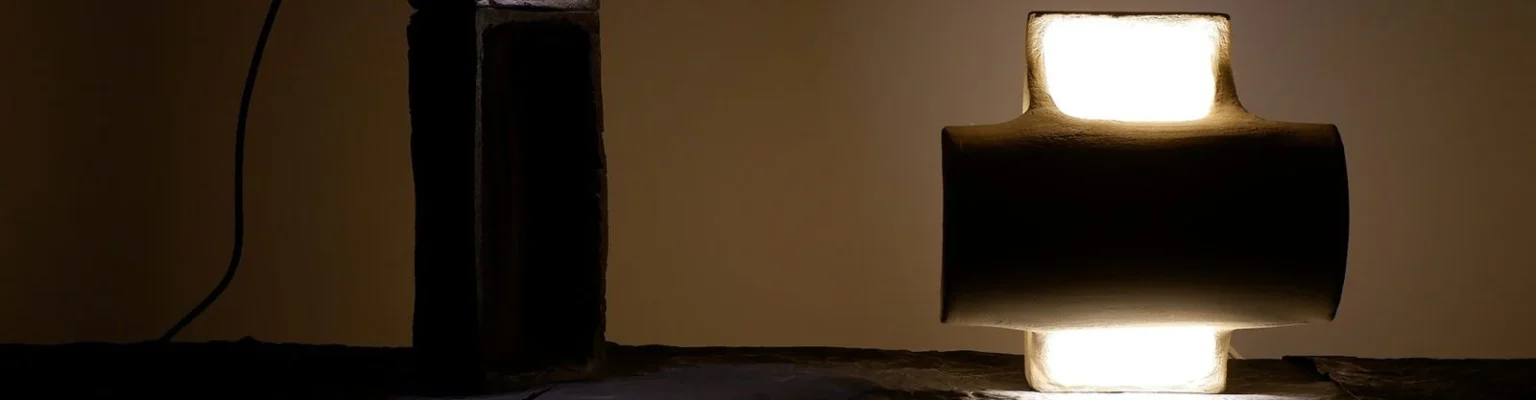
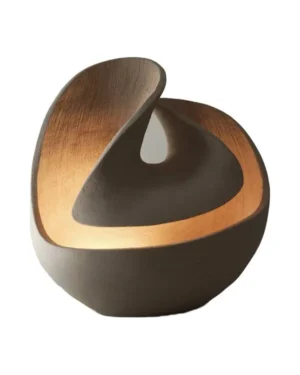
Strikha Table Lamp in Clay
By FAINA
€1.820 -
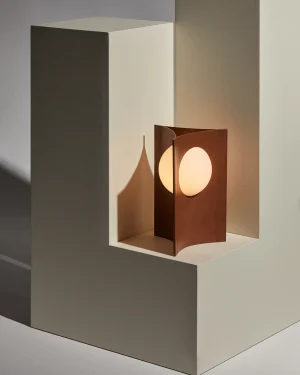
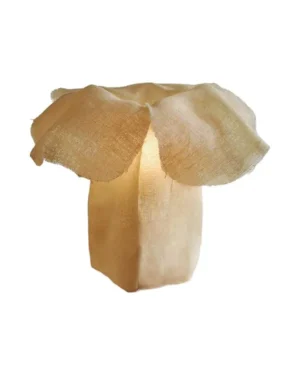
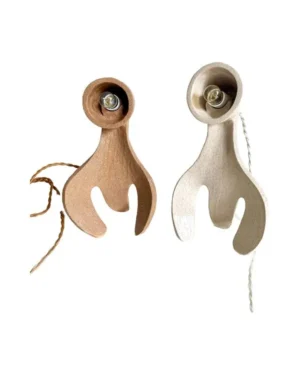
Hecate Table Lamp in Leather and Glass
By Studio Aristotelis Barakos
€480 -
 In stock
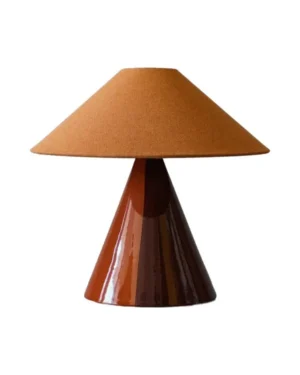
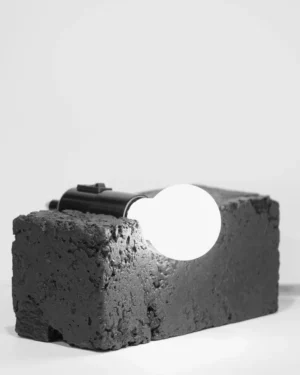
Cofit-20 Table Lamp In Coal Concrete
By Atelier Haute Cuisine
€380 -
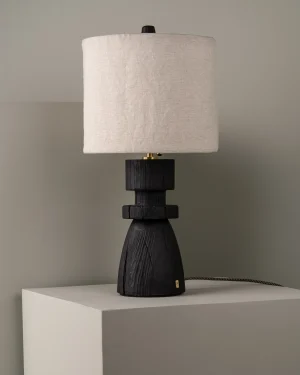
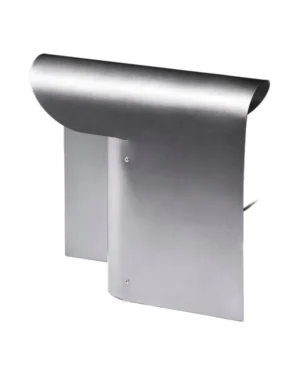
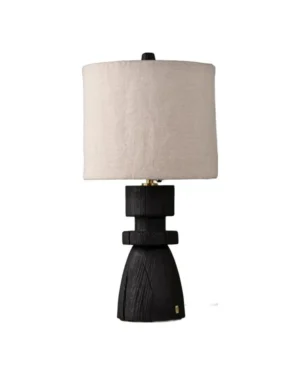
Mezquite Table Lamp in Burned Pinewood and Natural Linen
By Isabel Moncada
€2.925 -

Rakis Lite Table Lamp – Black Stoneware Ceramic
By Catalin Filip
€455 -

Regina Table Lamp In Marble
By Daniel Orozco Estudio
€2.034 -
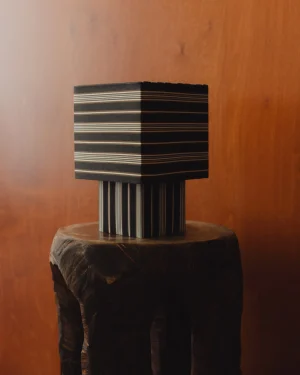
La Petite Boîte Cameron Black Table Lamp in Cotton
By mattina moderna
€285 -
 In stock
La Bergère Table Lamp In Glazed Ceramic
By Mina Wright
€686 -

El Joyero De Odette Table Lamp In Stoneware
By Mina Wright
€810€689 -
 In stock
Empilé Grande Table Lamp In Black
By Vlad Oganov Objects
€499 -
 In stock
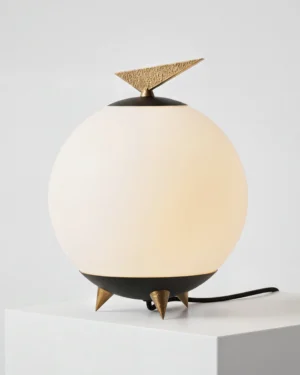
Eoni Table Lamp In Steel, Brass And White Glass
By Balance Lamp
€410 -

Coralight Table Lamp in High Density Bio Polymer
By Cornu Design
€129 -
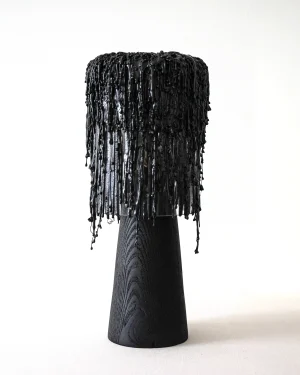
Leaky Lamp III Table Lamp in Ash Wood and Biomaterial
By Pablo Ejarque-González
€1.085 -
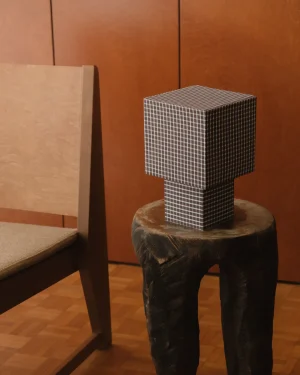
La Petite Boîte Table Lamp in Tartan Cotton
By mattina moderna
€285 -

Hoja Table Lamp In White Steel
By Natural Urbano - Sebastián Beltrán
€315 -
 In stock
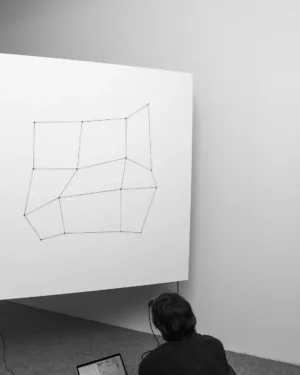
Yunseul Table Lamp In Ash Wood
By Woohyun Han
€550 -
 In stock
Shadow 24 Table Lamp in Orange Acrylic and Aluminum
By Andreas Berlin
€1.218 -

Galaxy Table Lamp in Parota Wood and Brass
By Isabel Moncada
€2.925 -
 In stock
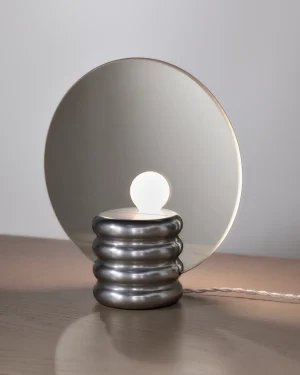
Spegla Mirror Lamp – Mirror / Lamp In Aluminium And Mirror Glass
By Jochen Lavéno Mangelsdorff Studio & Objects
€556 -

Melo C Table Lamp In Black Ceramic
By Catalin Filip
€270 -

Overcast Table Lamp In Aluminum, Leather And Paper Pulp
By Calen Knauf Studio
€1.570 -

Luna Nova Table Lamp in Oak Wood
By HEIKE BUCHFELDER
€3.294 -

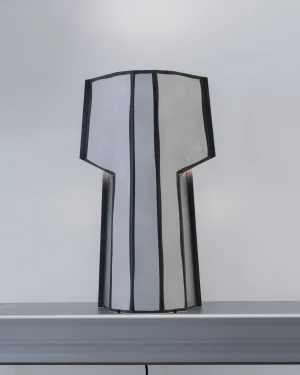
Leaky Lamp II Table Lamp in Oak and Glass
By Pablo Ejarque-González
€895 -
 In stock
Hex Table Lamp in Aluminum
By STUDIO GUILTY
€492 -

Cypress Table Lamp in Wood
By Studio Kloak
€2.000 -

Melo M Table Lamp In Ceramic
By Catalin Filip
€455 -
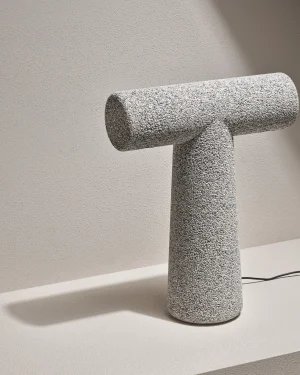 In stock
Gravel Table Lamp in Quartz Stone
By STUDIO GUILTY
€612 - €620 -
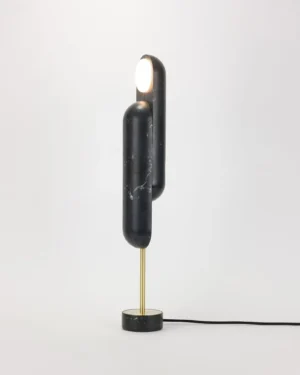
OFFSET Table Lamp in Marble and Brass
By Dan Yeffet
€2.500 -
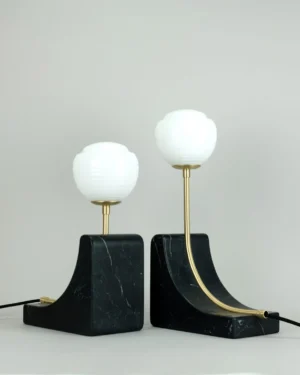
DU/ET Table Lamp in Marble and Brass
By Dan Yeffet
€1.650 -
 In stock
Lullaby And Hygge Standing Table Lamp in Resin
By BDCI
€1.550 -
 In stock
Ipe Table Lamp In Steel
By SOLMISTUDIO
€2.500 -
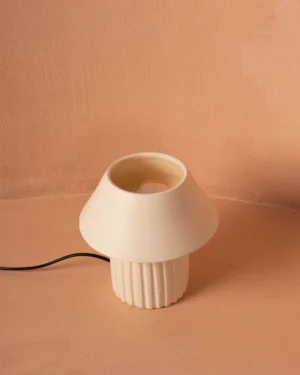
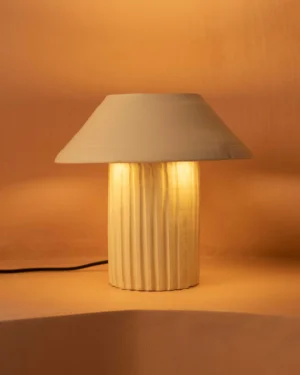
Rio (s) Table Lamp In Stoneware
By Harshita Jhamtani Designs
€200 -
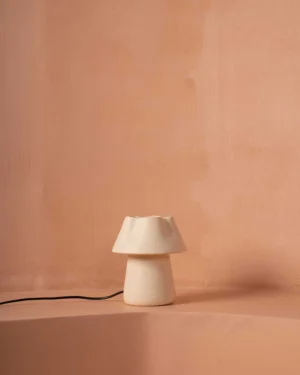
Rio (m) Table Lamp In Stoneware
By Harshita Jhamtani Designs
€360 -
Bloom (m) Table Lamp In Stoneware
By Harshita Jhamtani Designs
€360 -
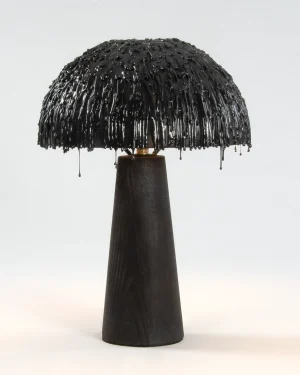
Leaky Lamp I Table Lamp in Ash Wood and Bioplastic
By Pablo Ejarque-González
€1.050 -
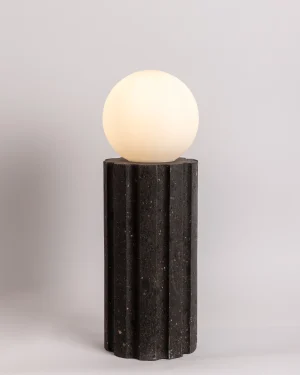
Cantera Table Lamp In Black Stone
By Daniel Orozco Estudio
€1.722 -
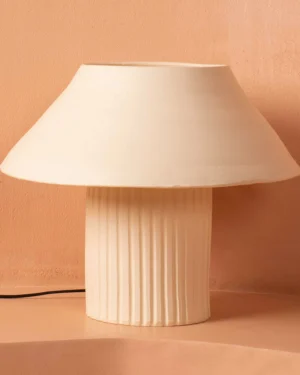
Rio (l) Table Lamp In Stoneware
By Harshita Jhamtani Designs
€560 -
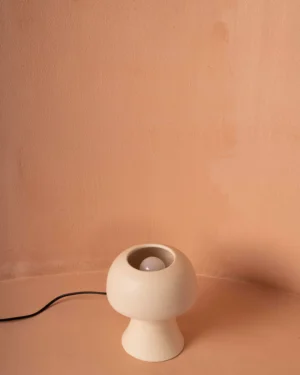
Shroom (l) Table Lamp In Stoneware
By Harshita Jhamtani Designs
€560 -
Bloom (s) Table Lamp In Stoneware
By Harshita Jhamtani Designs
€200 -
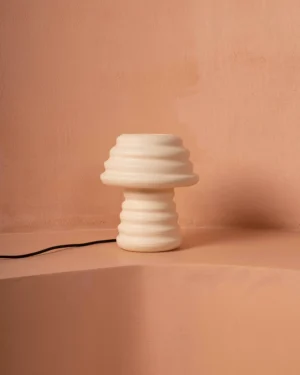
Flab (s) Table Lamp In Stoneware
By Harshita Jhamtani Designs
€200 -
Shroom (s) Table Lamp In Stoneware
By Harshita Jhamtani Designs
€200 -
Shroom (m) Table Lamp In Stoneware
By Harshita Jhamtani Designs
€360 -
 In stock
Ic 1 Table Lamp In Resin, Foam And Natural Fibers
By Studio Josha
€3.700 -
Bloom (l) Table Lamp In Stoneware
By Harshita Jhamtani Designs
€560 -
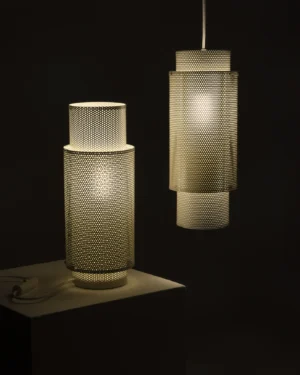
P-lamp Table Lamp In Perforated Metal
By SOLMISTUDIO
€1.200 -
Flab (m) Table Lamp In Stoneware
By Harshita Jhamtani Designs
€360 -
Flab (l) Table Lamp In Stoneware
By Harshita Jhamtani Designs
€560 -
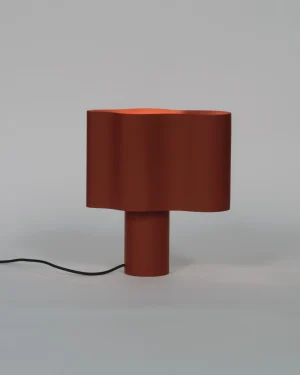
Lake Table Lamp In Steel
By Natural Urbano - Sebastián Beltrán
€330 -
 In stock
La Cauna Tesa Table Lamp in Concrete
By Pierre Klein
€800 -
 Sold
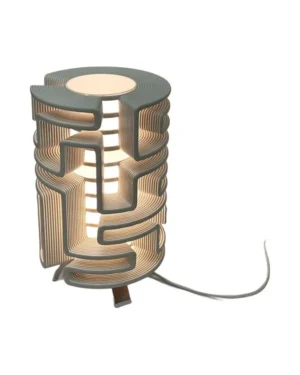
Puzzle Table Lamp
By Gábor Góbi
€1.390 -
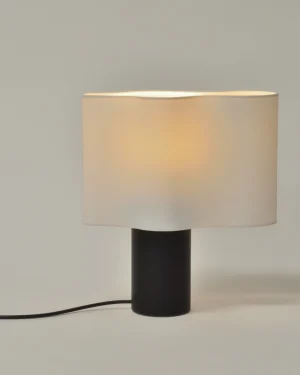
Lake Table Lamp In Steel And Textile
By Natural Urbano - Sebastián Beltrán
€330 -
 Sold
La Petite Boîte Table Lamp in Polka Dot Cotton
By mattina moderna
€285
Black table lamps hold their shape in a room rather than disappearing into it. The ones found here are worked in stoneware and glazed ceramic, in hand-formed brass and steel, built by independent studios using hand-building, glazing and metalwork techniques, and released as open editions, limited runs or unique pieces. What ties them together is not a single material but a finish: a black that absorbs light instead of bouncing it, so the lamp reads as a solid, grounded form on whatever surface holds it.
What makes a table lamp read as black
In stoneware and ceramic, black usually comes from a glaze fired over clay, sometimes matte and chalky, sometimes glossy enough to hold a reflection. Matte glazes tend to show the hand of the maker, with faint variation from piece to piece, while gloss glazes behave more like lacquer, picking up fingerprints and dust and asking for a wipe now and then.
The range of materials and techniques
Across black table lamps, the base or body is usually one of a small set of materials, each handled differently by the studios working in it.
- Stoneware and clay, hand-built and glazed, where the black finish sits over a textured or smooth surface.
- Brass and steel, hand-formed or welded, left patinated or powder-coated for a flatter, more uniform black.
- Shades and accents in cotton or natural fiber, woven or sewn, which soften the light a black base throws and keep the glow from reading as stark.
Styles range from a pared-down minimalist table lamp, with no ornament beyond the join of base and shade, through to mid-century silhouettes and more conceptual, sculptural forms that treat the lamp as an object first and a light source second. Wabi-sabi and Japandi pieces tend to let the glaze or the metal surface carry small irregularities rather than smoothing them away, which suits the quiet, textured end of a black palette.
How to choose one
Scale matters more with a dark lamp than a pale one, because black reads as visual weight and can make a small lamp look heavier than its actual footprint. On a narrow side table, a slender ceramic or metal base keeps the proportion light; on a console or sideboard, a wider stoneware form or a taller brass base can anchor the surface without looking oversized.
Shade material changes how the light itself behaves. A fabric or natural-fiber shade diffuses the bulb into a soft, even wash, while an open or metal shade throws a more directional pool of light, useful for reading or close task work. Height is worth checking against where you will sit or stand near the lamp, since a shade set too low will sit at eye level and glare rather than glow.
Where these lamps work
A black base holds its own on a console in an entryway or a living room table lamp arrangement, where the dark form reads clearly against lighter walls or wood. In a bedroom table lamp pairing, two matching black lamps on either side of a bed give the room symmetry without adding visual clutter, since the color recedes once the light is on. In a study or home office, a black metal lamp beside a desk tends to sit quietly in the background during the day and work hard in the evening.
Care, by material
Glazed stoneware and ceramic want a dry or barely damp cloth; standing water or abrasive cleaners can dull a matte glaze or work into any hairline crazing over time. Brass bases benefit from an occasional wipe to keep oils and dust from building up, and should be kept away from damp surfaces that could mark a patina unevenly. Steel with a powder coat is the least fussy of the three, tolerant of regular handling and needing little beyond a dry cloth to keep its finish even. For a broader look at the color across furniture and lighting, the full range of black lighting and black pieces on ADORNO shows how the same finishes carry into seating, storage and objects.
How do I choose a black table lamp?
Start with the finish: a matte glaze or patina sits quietly in a room, while a glossy glaze or powder coat picks up light and reflection. Then match the base material, ceramic, brass or steel, to the surface it will stand on.
How do you care for a black table lamp?
Wipe glazed ceramic and glossy finishes with a dry or barely damp cloth to keep dust and fingerprints off. Patinated brass will deepen with handling and age, while powder-coated or blackened steel stays stable and resists scratches.
What size table lamp do I need?
A table lamp should sit roughly level with or slightly below eye height when seated nearby, so the bulb stays out of direct sightline. The maker can confirm exact dimensions through Chat with the maker on the piece's page.
Which rooms suit a black table lamp?
Black holds its shape against most surfaces, so these lamps work on a console in an entryway, a nightstand in a bedroom or a sideboard in a living room. The darker finish reads as grounded rather than bright, so it suits rooms built around contrast.
Can I order a custom black table lamp?
Some studios take custom requests on finish, scale or wiring. Ask through Chat with the maker on the piece's page to confirm what is possible.
What are ADORNO's shipping and return policies?
Shipping is insured and worldwide. Returns are accepted within 14 days, except for made-to-order pieces, and every lamp comes with a certificate of authenticity and a lowest-price guarantee.