


-
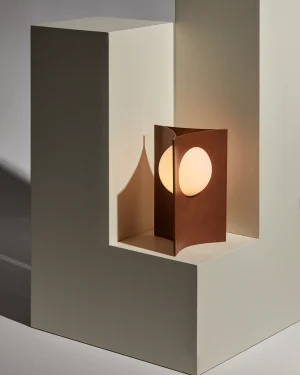
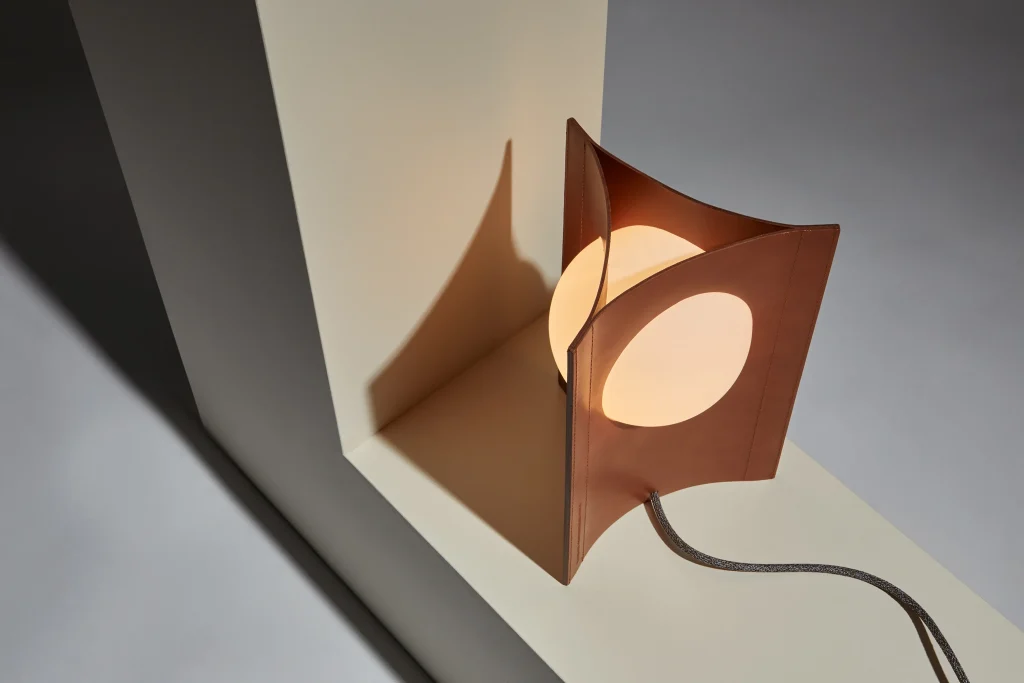
Hecate Table Lamp in Leather and Glass
By Studio Aristotelis Barakos
€480 This product has multiple variants. The options may be chosen on the product page -
 In stock
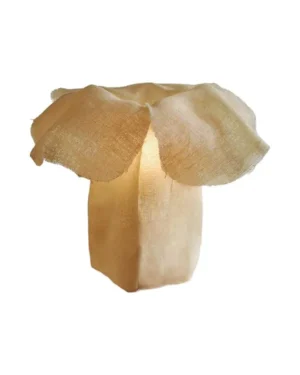
SONIAH Table Lamp in ZTISTA Biocomposite
By FAINA
€3.000 This product has multiple variants. The options may be chosen on the product page -

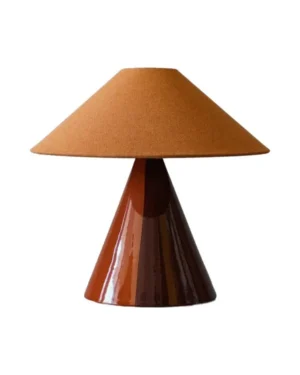
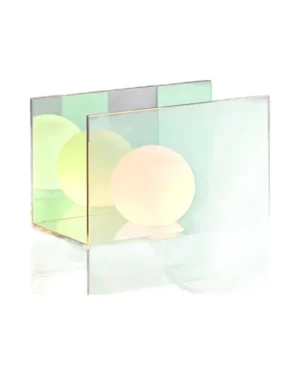
Kalia Table Lamp in Glass and Resin
By Justyna Poplawska
€536 -

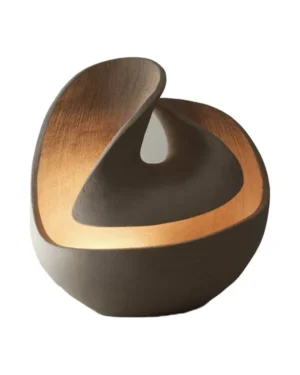
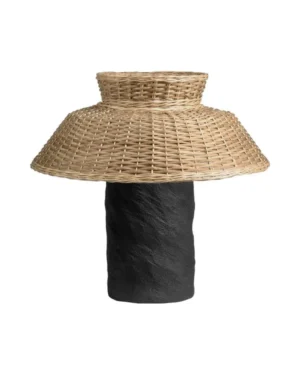
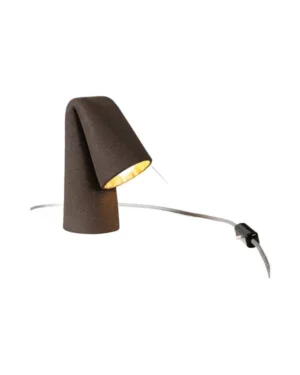
Black Wool Table Lamp in Biocomposite
By PletoStudio
€700 -
 In stock
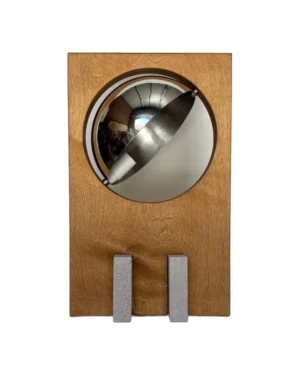
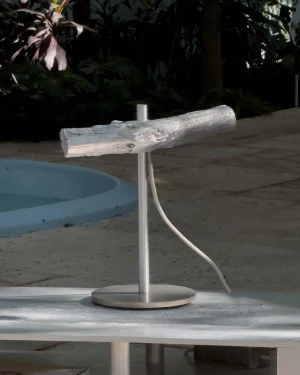
Aluminum Veneer Table Lamp in Cast Aluminum
By Bureau.parso
€1.400 -
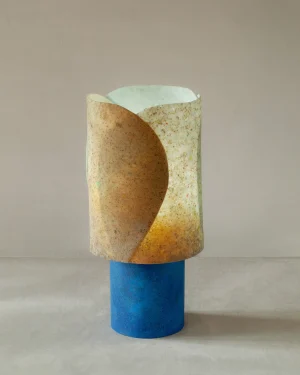
Verve Mint Table Lamp In Bio-based Resin
By Justyna Poplawska
€1.900 -
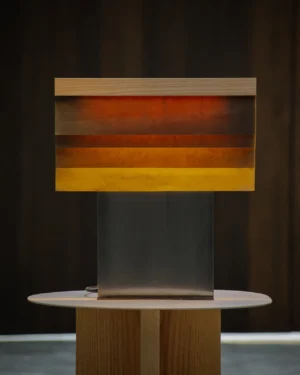
Cenit Table Lamp in Ash Wood and Celium
By Natural Urbano - Sebastián Beltrán
€510 -
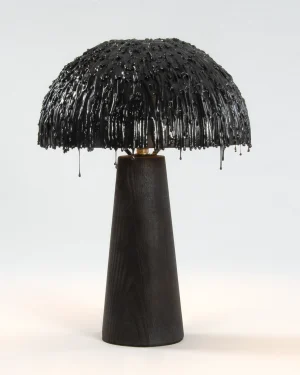
Leaky Lamp I Table Lamp in Ash Wood and Bioplastic
By Pablo Ejarque-González
€1.050 -
 In stock
“Random Light”
By Hot Wire Extensions
€1.250 This product has multiple variants. The options may be chosen on the product page -
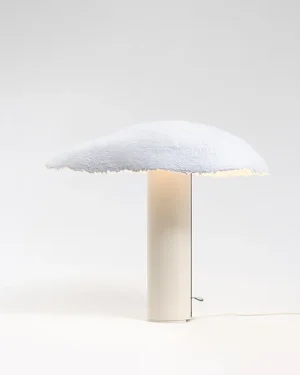
Overcast Table Lamp In Aluminum, Leather And Paper Pulp
By Calen Knauf Studio
€1.570 -
 In stock
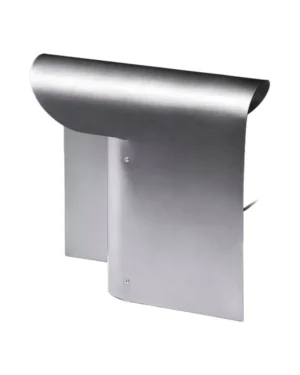
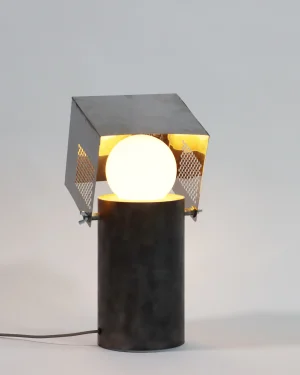
Hood Light Table Lamp in Stainless Steel
By Nolan Talbot-Kelly
€900 -

Wool Smola Table Lamp in Biocomposite
By PletoStudio
€800 -
 In stock
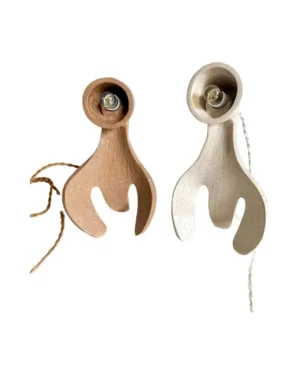
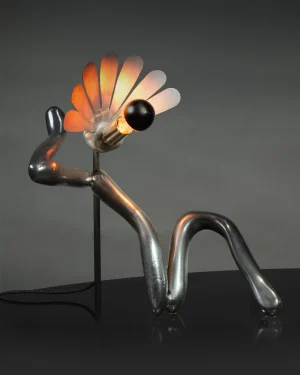
The Voguing Lamp 1 Table Lamp in Aluminum
By BY JAMPS
€3.000 -
 In stock
Object 05 Table Lamp in Nylon and Sand
By Hot Wire Extensions
€935 -
 In stock
“Object 01” Lamp from the “Play” Collection
By Hot Wire Extensions
€1.890 This product has multiple variants. The options may be chosen on the product page -
 In stock
“Object 03” Lamp from the “Play” Collection
By Hot Wire Extensions
€1.670 This product has multiple variants. The options may be chosen on the product page -
 In stock
“Object 04” Lamp from the “Basic Knot Variations” Collection
By Hot Wire Extensions
€1.040 -
 In stock
“Object 03” Lamp from the “Basic Knot Variations” Collection
By Hot Wire Extensions
€935 -
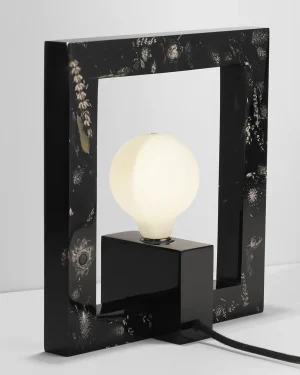
Square Table Lamp in Resin with Dried Flowers
By Ragna Ragnarsdottir
€2.200 This product has multiple variants. The options may be chosen on the product page -
 In stock
“Object 02” Lamp from the “Play” Collection
By Hot Wire Extensions
€1.670 This product has multiple variants. The options may be chosen on the product page -
 In stock
“Object 01” Lamp from the “Basic Knot Variations” Collection
By Hot Wire Extensions
€935 -
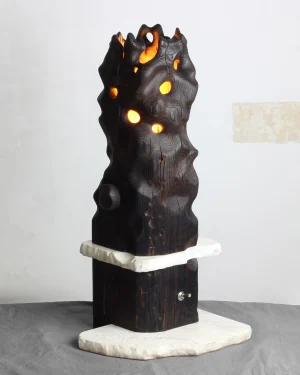
Volcano Table Lamp
By Gábor Góbi
€3.290 -
 In stock
B. S. P Series Table Lamp in Recycled Plastic
By Atelier SOHN
Price Upon Request
Biomaterial table lamps are made from matter that grows, presses or sets rather than matter that is mined or synthesized outright: mycelium composites, pressed cellulose, sand-bound resins, clay fired at low heat, and plastics recovered from existing waste streams. The studios working in this field tend to come from biodesign and material research as much as from lighting, pairing a cast or molded body with a simple socket and cord. The result is a lamp whose shade or base carries the texture of its origin — grain, grit, fiber — instead of hiding it under paint or lacquer.
What defines the material is variation. Because biomaterials are grown, pressed or cast rather than machined, no two pours or batches behave in exactly the same way: a sand-based composite may show faint banding, a cellulose shade may take light unevenly, a clay body may carry small pits from firing. These are not flaws to correct but evidence of a process that starts from raw matter and ends close to it.
What biomaterial table lamps are made of
Sand and sandstone are bound into solid forms that read as stone but weigh less and hold warmth differently. Cellulose, pressed from plant fiber, gives shades a papery density that diffuses light rather than throwing it. Clay bodies, left matte or lightly glazed, behave like small-batch ceramics. Recycled material — reclaimed plastics, textile waste, offcuts — gets reprocessed into solid or sheet form and finished smooth. Metal and stainless steel appear mostly in fittings, sockets and slim stems, giving a biomaterial shade or base something rigid to stand on.
Finishes, colors and the range on ADORNO
Color stays close to the raw material: sand, beige, brown, black, and white recur most, with amber or aqua green turning up where pigment is added during casting. Styles range from wabi-sabi pieces that leave every imperfection visible to futuristic and neo-industrial forms that use the same materials for sharper geometry, with contemporary, boho chic and sustainable-leaning designs in between. Editions vary by maker: some work in open runs, others produce limited editions or one-off, unique pieces where no two casts repeat.
For comparison, metal table lamps rely on a harder, more uniform surface; biomaterial pieces trade that consistency for texture and a lower environmental cost.
How to choose one
Scale first: a biomaterial lamp with a dense sand or clay base needs a surface that can take its weight without looking crowded, while a pressed-cellulose shade reads lighter and suits a narrower console or desk. Height should sit at or just below eye level when seated nearby, so the socket and switch stay reachable.
- Match the finish to the room's other surfaces — raw, matte biomaterials pair naturally with wood, linen and unlacquered metal.
- Check how the shade diffuses light: cellulose and thin clay glow softly, denser sand composites throw a narrower pool.
- Confirm cord length and plug position before placing the lamp against a wall.
Where these lamps sit well
Living rooms and studies suit them on side tables or consoles, where the texture is close enough to notice. Bedrooms work with a single biomaterial lamp on a nightstand, giving low, even light without the glare of a ceiling fixture. Entryways and reading corners also take well to a sculptural base that can be appreciated from more than one angle.
Caring for biomaterial lamps
Most biomaterials prefer a dry cloth and indirect light; strong sun can fade pigment or dry out cellulose and clay over time. Avoid damp cleaning on sand or cellulose pieces, since moisture can soften the bound structure. Treat them as pieces that age with gentle wear rather than ones polished back to a factory finish, in line with other biomaterial furniture and lighting found across the site.
For the full range of forms and materials, see every biomaterial lamp on ADORNO, browse all table lamps, or look across every biomaterials piece the gallery carries.
How do I choose a biomaterial table lamp?
Start with the base material, since it sets the weight, texture and how the light reads when switched off. Sand-cast, cellulose or clay forms each carry a different surface and density, so pick one that suits the room's other finishes.
How do you care for biomaterial lamps?
Dust with a dry or barely damp cloth and keep pieces away from direct moisture and strong heat, since biomaterials like cellulose, sand composites or clay can absorb water or warp under sustained sun.
What size table lamp should I get?
Match the lamp's height to the surface it sits on: smaller forms suit side tables and nightstands, taller ones hold their own on consoles or sideboards. Check each listing's exact dimensions before ordering.
Which rooms suit biomaterial table lamps?
Their organic textures and muted tones work in living rooms, bedrooms and studies, anywhere the lamp sits within reach and its surface can be noticed up close.
Are biomaterial lamps sustainable?
Many are made from recycled, biofabricated or natural materials like sand, cellulose or clay, which generally draw on lower-impact processes than conventional plastics or metals, though exact sourcing varies by maker.
What are ADORNO's shipping and return policies?
Shipping is insured and worldwide. Returns are accepted within 14 days, except for made-to-order pieces. Each lamp arrives with a certificate of authenticity, and ADORNO offers a lowest-price guarantee.