





-
 In stock
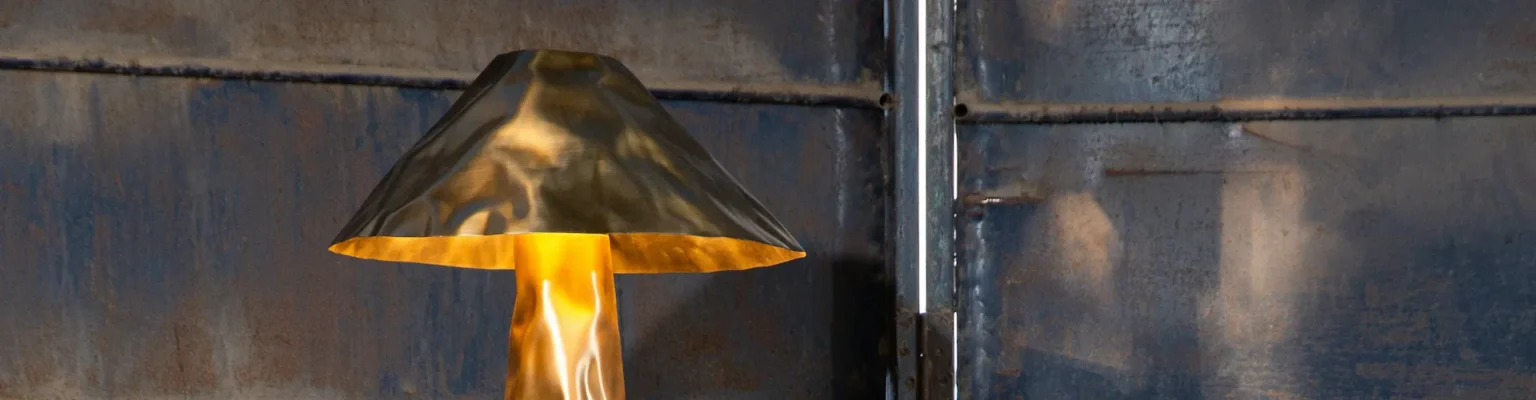
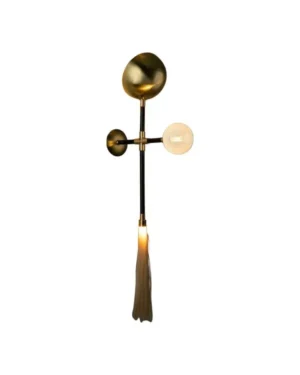
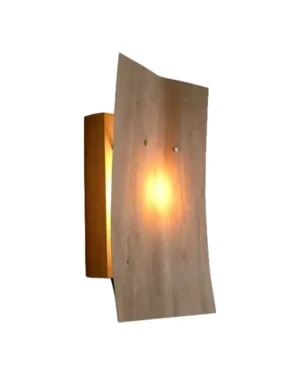
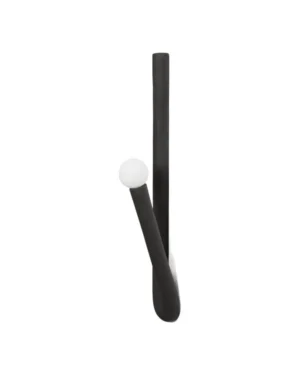
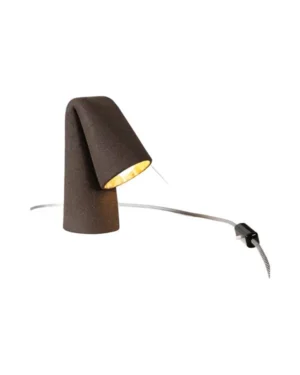
Object 09 Sconce in Nylon and Sand
By Hot Wire Extensions
€1.145 - €1.163 -
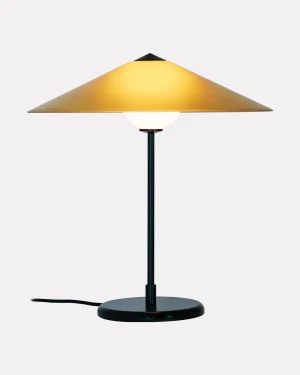
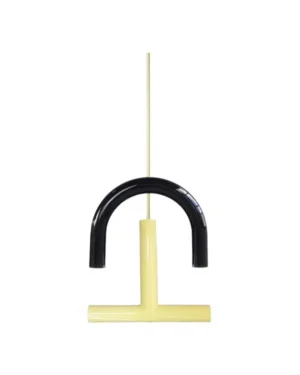
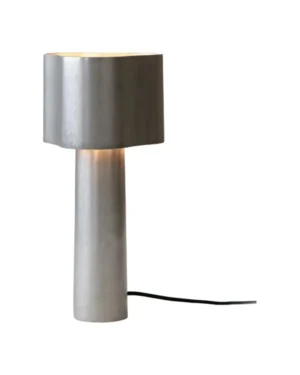
Marsha Table Lamp in Glass and Metal
By MESEME by Riya Panchal
€1.015 -
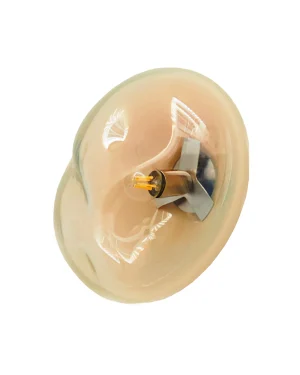
Haumea Amorph Wall Sconce In Amber Blown Glass
By ELOA - Unique Lights
€2.330 - €4.085 -

Hoja Table Lamp In White Steel
By Natural Urbano - Sebastián Beltrán
€315 -
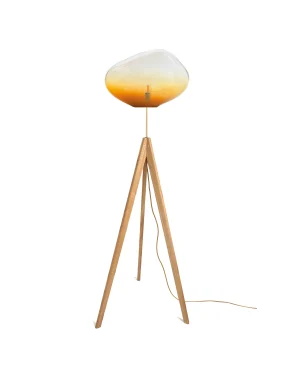
Statix Amber Iridescent Floor Lamp In Blown Glass
By ELOA - Unique Lights
€6.360 - €6.910 -
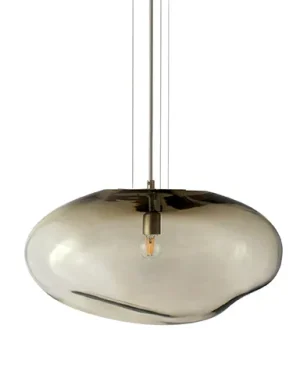
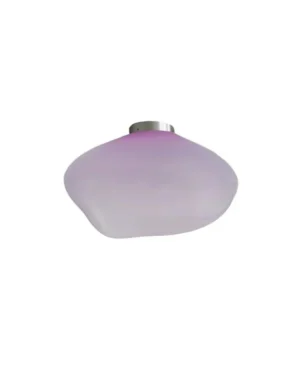
Haumea Amorph Pendant Lamp (silver Smoke) In Blown Glass
By ELOA - Unique Lights
€2.330 - €4.085 -
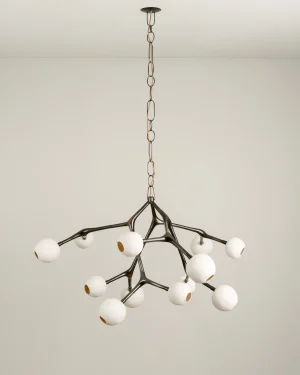
Maratus Chandelier in Bronze and Glass
By Isabel Moncada
€31.005 - €35.655 -

Haumea Amorph Table Lamp In Amber Iridescent Glass
By ELOA - Unique Lights
€2.330 - €4.085 -
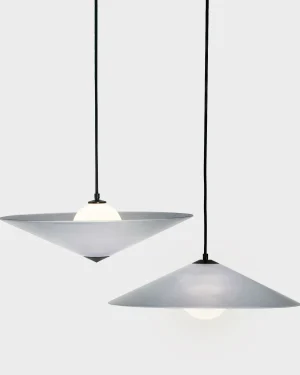
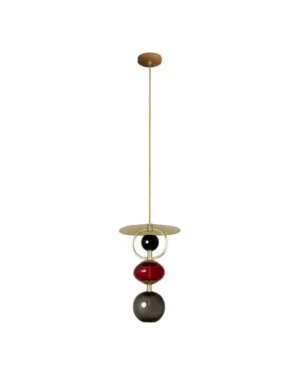
Marsha 01/02 Pendant Light Duo in Glass and Steel
By MESEME by Riya Panchal
€1.649 -
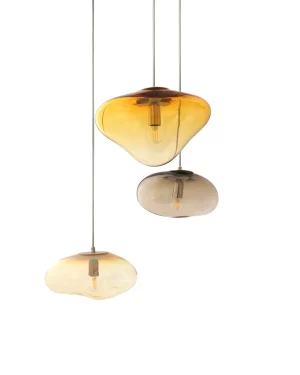
Planetoide Seresi Pendant Lamp In Blown Glass
By ELOA - Unique Lights
€7.480 - €7.770 -
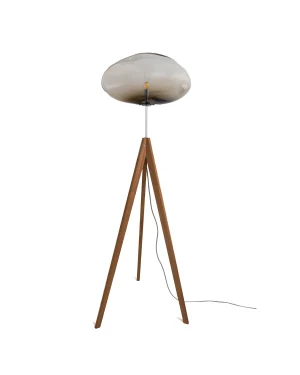
Statix Silver Smoke Floor Lamp In Blown Glass
By ELOA - Unique Lights
€6.360 - €6.910 -
 In stock
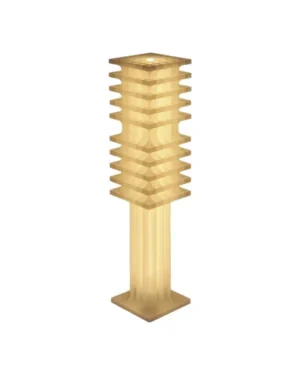
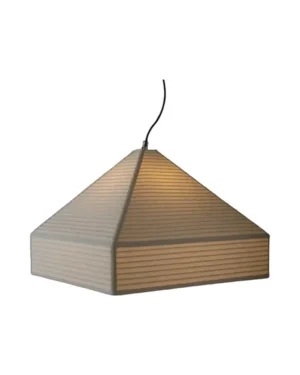
“Random Light”
By Hot Wire Extensions
€1.250 -
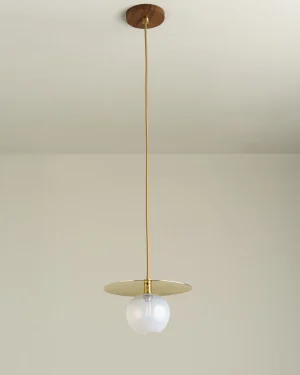
Cometa Pendant Lamp in Brass, Wood and Glass
By Isabel Moncada
€2.340 - €2.691 -
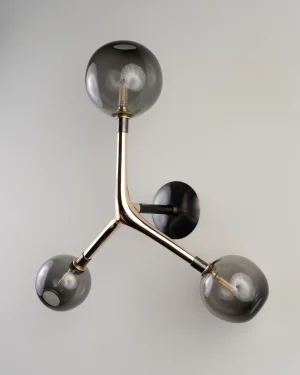
Ocellus Wall Sconce in Bronze and Blown Glass
By Isabel Moncada
€3.510 - €4.036 -
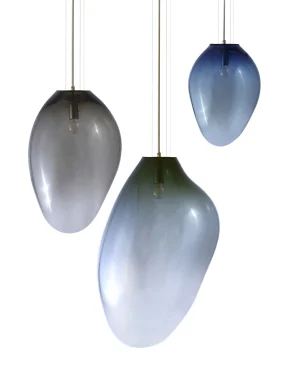
Ceres Pendant Lamp In Blown Glass
By ELOA - Unique Lights
€2.330 - €4.750 -
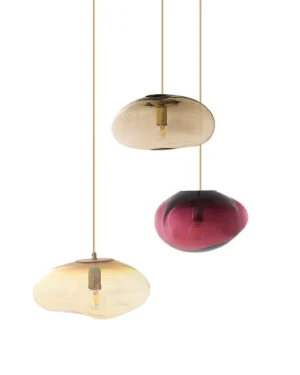
Planetoide Amor Pendant Lamp In Blown Glass
By ELOA - Unique Lights
€7.480 - €7.770 -

Haumea Amorph Pendant Lamp (amber Iridescent) In Blown Glass
By ELOA - Unique Lights
€2.330 - €4.085 -

Ojos Wall Sconce in Bronze and Blown Glass
By Isabel Moncada
€2.925 - €3.363 -
 In stock
Faro Table Lamp in Concrete and Glass
By AaltoAalto Studio
€1.600 -

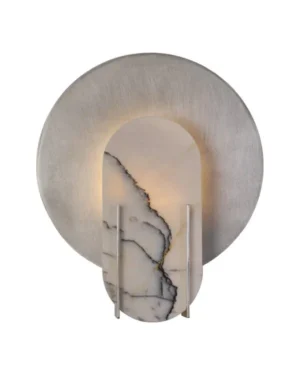
Haumea Amorph Wall Sconce In Silver Blown Glass
By ELOA - Unique Lights
€2.330 - €4.085 -
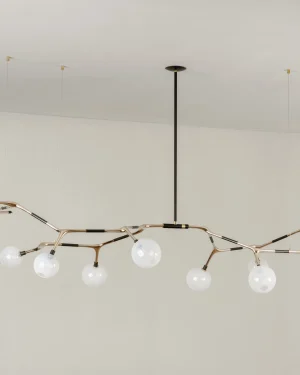
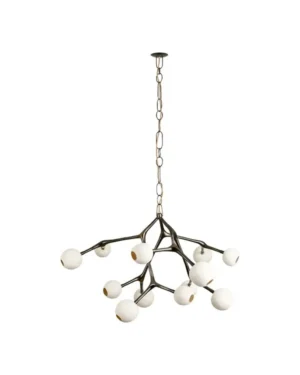
Mantis 13-Piece Chandelier in Bronze and Glass
By Isabel Moncada
Price Upon Request - -

Mantis 9-Piece Chandelier in Bronze and Glass
By Isabel Moncada
Price Upon Request - -
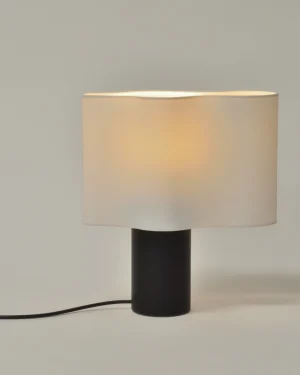
Lake Table Lamp In Steel And Textile
By Natural Urbano - Sebastián Beltrán
€330 -

Haumea Amorph Table Lamp In Silver Smoke Glass
By ELOA - Unique Lights
€2.330 - €4.085
Light gray lamps sit at the quiet end of the color spectrum, pale enough to read as neutral against most walls yet warm enough to avoid looking clinical. The tone appears in hand-blown glass, steel, brass and bronze, some made through lost-wax casting, and in 3D-printed nylon and sandstone, each material carrying the gray differently depending on how it catches or releases light. Studios working across metal lamps and glass studios alike choose this shade because it lets the form, not the color, hold attention.
What makes a lamp read as light gray
In glass, light gray usually comes from a mineral or metal oxide added to the melt, giving the material a soft, smoky cast that shifts with the bulb inside: milky and flat when off, faintly luminous when lit. In steel, brass and bronze, the tone is more often a finish, a brushed or matte coat laid over the raw metal to soften its shine rather than a change to the metal itself. Porcelain and textile shades reach the same gray through pigment in the glaze or the yarn, which is why two light gray lamps can still look different up close: one cool and chalky, the other with a faint warmth underneath.
The materials, techniques and editions behind these pieces
Glassblowing remains the main technique for the softer, rounded forms, where a bubble of hot glass is shaped and colored before it sets. Metalwork and lost-wax casting account for most of the sculptural, architectural shapes in steel, brass and bronze, while a smaller number of studios turn to 3D printing and digital fabrication for lamps with faceted or lattice-like bodies that would be difficult to produce by hand. Borosilicate and standard glass, along with porcelain and textile shades, round out the range, often paired with metal bases for weight and stability.
How to choose a light gray lamp
Scale and height matter more than color once a lamp is in a room, since a pale finish can disappear if the proportions are wrong for the surface it sits on. A table lamp should generally sit low enough that its shade falls below eye level when seated nearby, while a floor lamp earns its height by lighting a reading chair or a dark corner rather than competing with a pendant overhead.
- Match the undertone: cooler light gray lamps suit rooms with white walls, blue-gray textiles or chrome fixtures, while warmer grays sit easier against wood and brass.
- Check the finish: matte surfaces hide dust and fingerprints better than polished metal or glossy glass.
- Weigh the base: wider, heavier bases suit tables that get bumped often, while slender ones suit shelves or side tables that stay still.
Where these lamps work
Light gray's neutrality makes it one of the easier colors to place. In a living room, it reads as quiet background lighting next to a sofa or beside a reading chair, and in a bedroom it softens the light enough for evening use without adding visual noise to a small nightstand. The same restraint works in a study or hallway, where a sculptural steel or brass lamp can stand as the only strong form in the space.
Caring for glass and metal lamps
Glass shades need only a soft, dry cloth or a damp one for fingerprints, since most cleaning products leave streaks on tinted surfaces. Brushed and matte metal finishes should be wiped rather than scrubbed, as abrasive cloths can polish away the texture that gives the gray its depth. Keep cords and switches dry, and let any patina on brass or bronze develop on its own rather than trying to maintain a uniform shine.
Across light gray lighting more broadly, and within the full range of lamps on ADORNO, the color stays consistent even as materials and techniques vary, which is why light gray lamps work as a starting point for lighting a room rather than an afterthought. For rooms that favor a more pared-back look, minimalist lamps in the same tone carry the idea further.
How do I choose a light gray lamp?
Decide whether the lamp needs to stand out as a sculptural object or recede into the room, then match the material: glass for a softer, glowing presence, metal for a more architectural one.
How do I clean and care for a light gray lamp?
Dust glass and porcelain with a dry or barely damp cloth, and wipe metal finishes with a soft cloth, avoiding abrasive cleaners that can dull a brushed or matte coat.
What size lamp suits a side table versus a floor space?
A table lamp should sit roughly at eye level when seated, while a floor lamp needs enough height to cast light down and across a seating area without glare.
Which rooms work best with light gray lamps?
The tone reads as neutral against most wall colors, which makes it suited to living rooms, bedrooms and studies alike, wherever a calmer light is wanted.
Can I get a light gray lamp in a custom size or finish?
Some makers take custom requests. Chat with the maker on the piece's page to ask about size, finish or other adjustments.
What are ADORNO's shipping, returns and authenticity policies?
Shipping is insured and worldwide, with a 14-day return policy excluding made-to-order pieces. Every lamp comes with a certificate of authenticity and a lowest-price guarantee.