








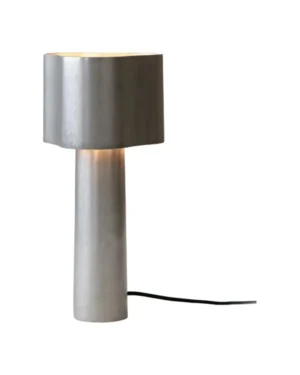

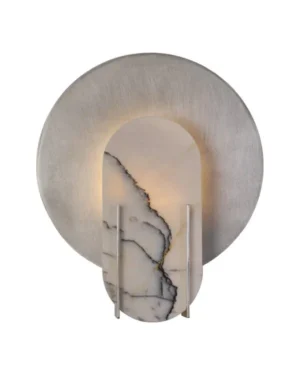

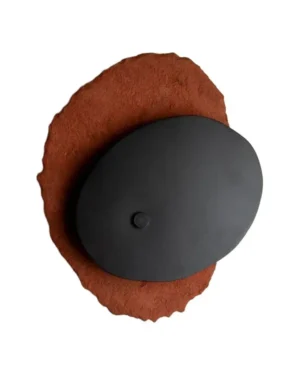


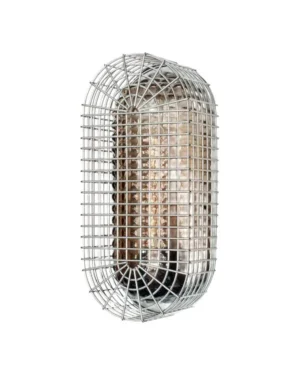

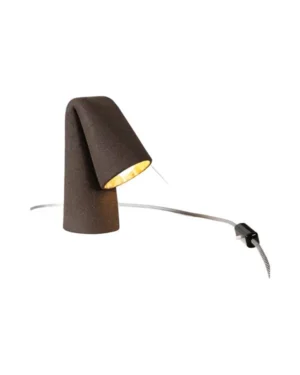
-
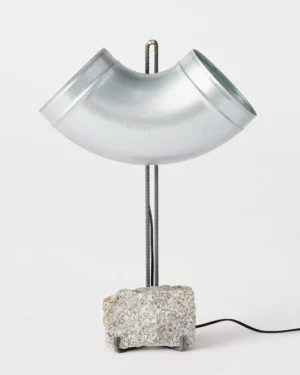 In stock
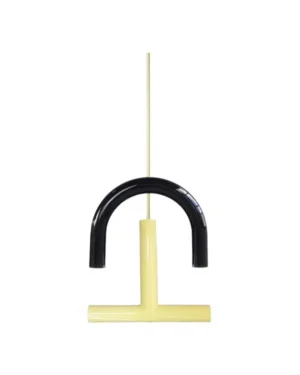
O.f.i.s Series Table Lamp in Pipe, Rod And Brick
By Lucas Muñoz Muñoz
€280 -
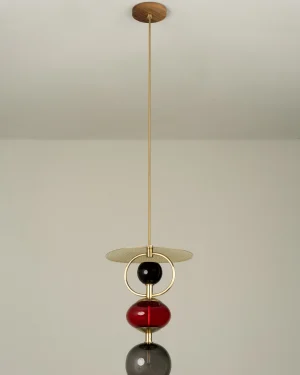
Vitrea Pendant Lamp in Glass and Brass
By Isabel Moncada
€3.802 -
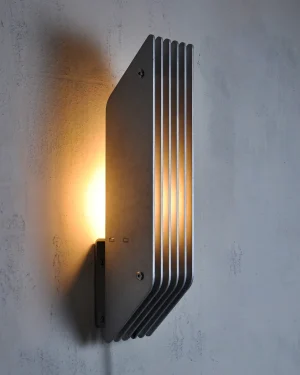
Rln460 Wall Lamp In Matte Aluminium
By MLK Furniture
€390 -
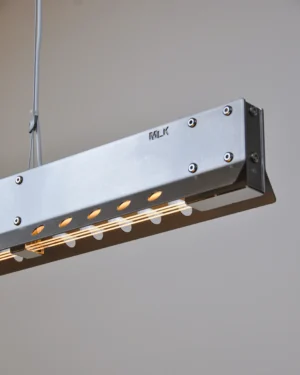
Ne1250/145 Pendant Lamp In Steel And Acrylic
By MLK Furniture
€1.390 -
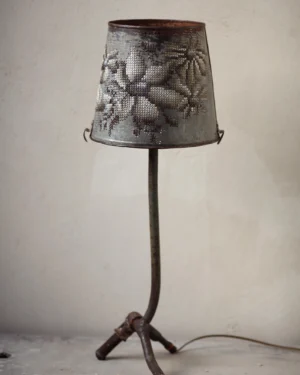
Light Bucket Challenge II Floor Lamp in Metal and Thread
By Severija Inčirauskaitė-Kriaunevičienė
€4.500 -
 In stock
Soniah Floor Lamp in ZTISTA
By FAINA
€7.000 -

Marsha 01 Pendant Lamp in Glass and Steel
By MESEME by Riya Panchal
€839 -
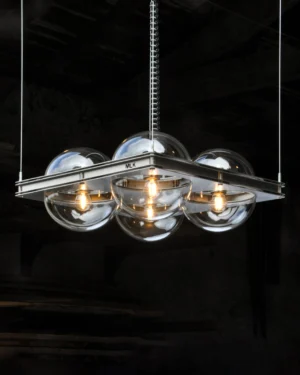
Bbl200x04 Pendant Lamp In Stainless Steel And Acrylic
By MLK Furniture
€2.400 -

Ads200 Wall Lamp – Matte Stainless Steel
By MLK Furniture
€590 -
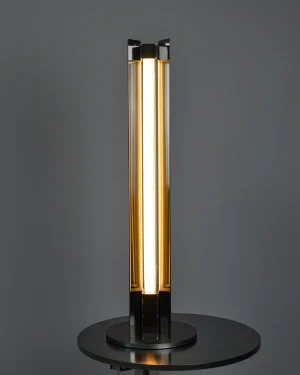
Ne600/145 – Mat Stainless Steel & Acrylic Lamp
By MLK Furniture
€990 -

Willow Floor Lamp in Steel and Cotton
By BOTHI
€455 -
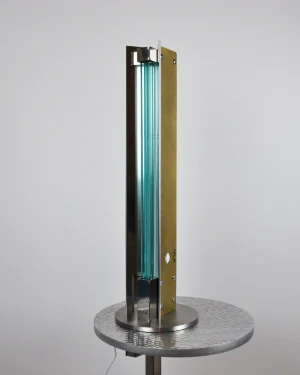
Ne600/145 Table Lamp In Brass And Blue Acrylic
By MLK Furniture
€1.190 -
 In stock
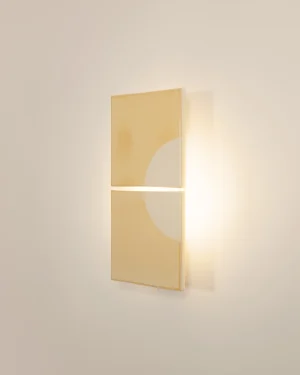
Tiles Moon European Wall Sconce in Ceramic and Metal
By Violaine d'Harcourt Lighting Design
€260 -

Lomo Floor Lamp In Wool And Ash Wood
By Natural Urbano - Sebastián Beltrán
€565 -
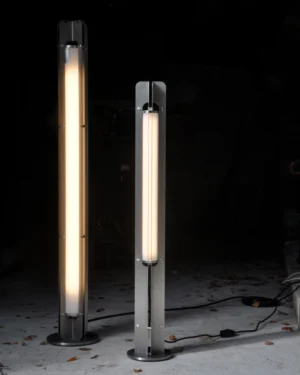
Pill600-70 Floor Lamp In Stainless Steel
By MLK Furniture
€1.490 -
 In stock
Tiles Line European Wall Sconce in Ceramic and Metal
By Violaine d'Harcourt Lighting Design
€260 -
 In stock
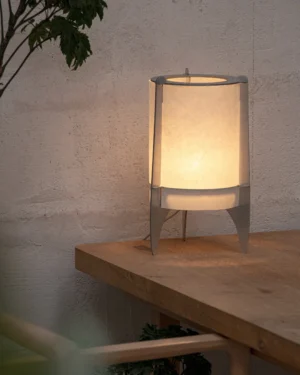
Capsule Table Lamp in Aluminum and Washi Paper
By Valentine Maurice
€1.200 -
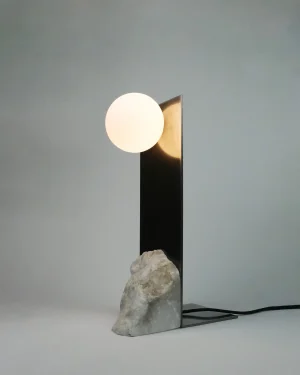 In stock
Himalaya Lunar Vertical Table Lamp in Alabaster
By HEAKO
€3.300 -
 In stock
Peony Floor Lamp In Fiber-cement
By Donatas Žukauskas
€2.450 -
 In stock
SONIAH Table Lamp in ZTISTA Biocomposite
By FAINA
€3.000 -
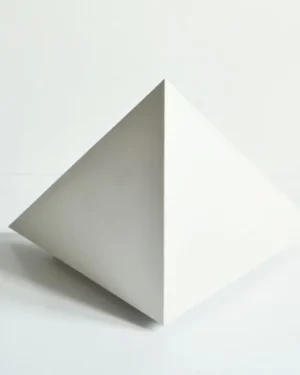
“YYY” Floor Lamp
By Duccio Maria Gambi
€1.640 -
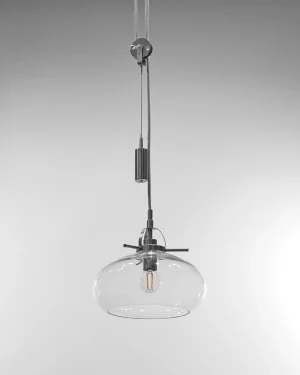
Art Deco Pendant Lamp with Weight in Glass and Steel
By Szostak Atelier
€1.400€1.330 -
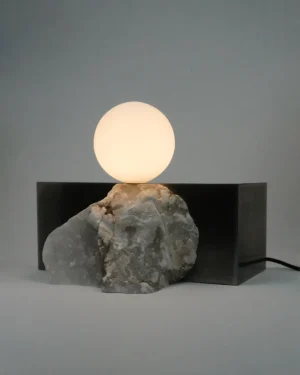 In stock
Himalaya Lunar Horizontal Table Lamp in Alabaster
By HEAKO
€3.200 -
 In stock
Svitlotin Hammered Stamp Pendant Lamp in Stainless Steel
By SVITANOK
€1.280 - €1.800 -
 In stock
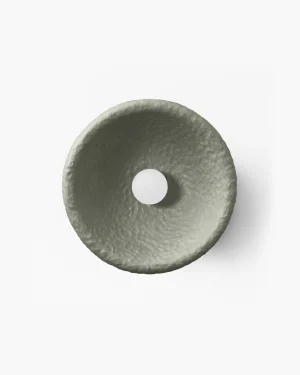
Soniah Wall Sconce in ZTISTA
By FAINA
€1.050 - €1.250 -

Soniah Medium Floor Lamp in ZTISTA
By FAINA
€6.300 -
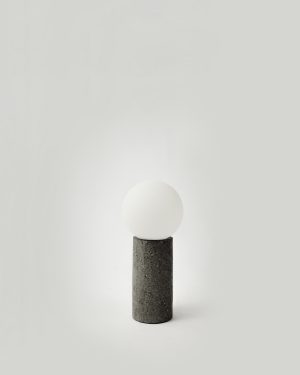
Fos 14 Table Lamp in Stone and Glass
By Daniel Orozco Estudio
€1.060 -

Lomo Pendant Lamp In Ash Wood And Wool
By Natural Urbano - Sebastián Beltrán
€400 -
 In stock
Svitlotin Brush Strokes Pendant Lamp in Stainless Steel
By SVITANOK
€1.020 - €1.400 -

Soniah Small Floor Lamp in ZTISTA
By FAINA
€5.600 -
 In stock
Svitlotin Anisotropy Ceiling Lamp in Metal
By SVITANOK
€930 - €1.270 -

Wall Light Franca B
By MANUHITA
Price Upon Request -

Wall Light Franca D
By MANUHITA
Price Upon Request -
 Sold
Chimney Table Lamp In Aluminum And Steel
By BOTHI
€210 -

Slotted Table Lamp In Acrylic And Metal
By Nolan Talbot-Kelly
€1.050 -
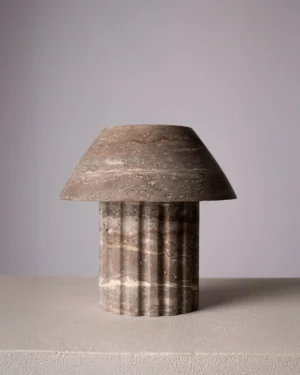
Rio (s) Table Lamp In Titanium Travertine
By Harshita Jhamtani Designs
€430 -

Slotted Vertical Offset Pendant Lamp In Acrylic
By Nolan Talbot-Kelly
€1.800 -
Rio (m) Table Lamp In Titanium Travertine
By Harshita Jhamtani Designs
€800 -

Slotted Linear 32 Pendant Lamp In Aluminum And Acrylic
By Nolan Talbot-Kelly
€1.200 -
Rio (l) Table Lamp In Titanium Travertine
By Harshita Jhamtani Designs
€1.340 -

Slotted Wall Sconce In Acrylic
By Nolan Talbot-Kelly
€800 -
 In stock
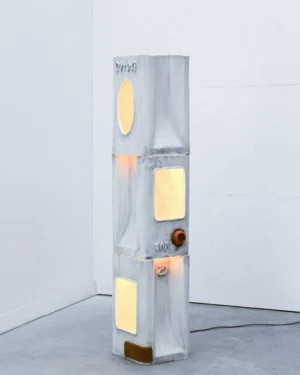
Vestigi 01 – Stoneware Floor Lamp
By Pierre Klein
€7.200 -

Wall Light Franca A
By MANUHITA
Price Upon Request -

Crescent Pendant Lamp In Steel
By Natural Urbano - Sebastián Beltrán
€515 -
 In stock
Laser Lamp Table Lamp in Stainless Steel
By Around the Studio
€900 -
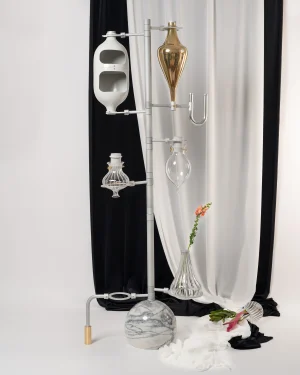 In stock
Emotional Lab Grey Floor Lamp In Marble And Aluminum
By Hania Jneid Design Studio
Price Upon Request -
 In stock
La Cauna Tesa Table Lamp in Concrete
By Pierre Klein
€800 -

Chimney Table Lamp In Aluminum
By BOTHI
€210 -

Fos 05 Pendant Lamp in Wood and Marble
By Daniel Orozco Estudio
€1.390 -
 Sold
Collectible Table Lamp ‘tintin’ in Tin
By Studio Fabius Clovis
Price Upon Request
Gray lamps gather a single neutral across several materials: brushed or painted steel, aluminum, composite and glazed stoneware all settle into the same quiet register. The color comes from pigment, patina or raw metal rather than paint alone, which is why one gray lamp can look warmer than another standing beside it. Independent studios turn to this range because it recedes into a room instead of competing with what sits around it.
What defines gray in a lamp
Gray is not one shade but a family that runs from near-black graphite to pale dove. In metal, it comes from the surface itself: brushed stainless steel carries a cool, slightly reflective gray, while painted steel holds a flatter, more matte version of the same color. In ceramic, a glaze fired at high temperature can shift gray toward blue, green or warm ash depending on the minerals and the kiln.
This range reads as calm rather than cold, which is why gray sits easily next to wood, textile, brass or black metal without fighting any of them. It also shows wear differently than white or pale finishes: scuffs and fingerprints are less visible, so gray surfaces tend to look settled rather than tired over time.
Materials and techniques behind the range
- Metalwork in stainless steel, aluminum or painted steel, folded or shaped into a shade or base
- Hand-building and glazing in stoneware, where a gray glaze pools unevenly at edges and seams
- Stone carving in travertine, used mostly for bases that anchor a lighter metal or glass shade
- CNC milling, which gives gray metal and acrylic components sharp, repeatable edges
Styles drawn from this palette range from strict minimalist forms to neo-industrial fixtures that leave welds and joints visible, through to Art Deco silhouettes and quieter Japandi and wabi-sabi shapes that favor an irregular glaze over a flawless one. Editions vary by studio: some gray lamps are produced as open editions, others as limited runs tied to a particular glaze batch, and a smaller number exist as unique pieces where no two surfaces match exactly.
How to choose a gray lamp
Scale matters before color does. A table lamp should sit roughly at eye level when seated nearby, so its light falls across a surface rather than into the eyes; a floor lamp should clear a sofa arm by a reasonable margin so the shade is not blocked.
Finish decides how the gray behaves under daylight and under its own bulb. A matte painted steel absorbs light and keeps the color flat and graphic, while a brushed or polished metal throws back small reflections that shift as you move around the room. Glazed ceramic sits between the two, with a soft sheen that varies with the thickness of the glaze.
Placement follows from both. A gray lamp with a dark, dense base reads as grounded and suits a corner or beside heavier furniture, while a lighter aluminum or acrylic shade works well where you want the fixture to feel almost incidental.
Where gray lamps belong
Gray works in rooms that already carry pattern or color elsewhere, since it gives the eye a place to rest. It is a common choice for living room lamps set beside upholstery in stronger tones, and equally suited to minimalist lamps placed where a single clean form needs to stand without distraction. Bedrooms, studies and hallways all take gray easily, since the color rarely clashes with wood tones or existing metal hardware.
Caring for gray metal and ceramic surfaces
Painted and brushed metal lamps need only a dry or barely damp cloth; solvents and abrasive pads will dull a matte finish or scratch a polished one. Glazed stoneware should be dusted rather than soaked, since trapped moisture at an unglazed foot can mark the surface over time. Keep any gray lamp away from direct, prolonged sun if its finish is painted, since pigment can fade unevenly over years.
For the wider run of fixtures in these materials, see metal lamps worked in steel and aluminum, the full set of lamps across every color, or every gray piece on ADORNO beyond lighting alone.
How do I choose the right gray lamp?
Start with the surface: brushed or painted steel gives a cooler, flatter gray, while glazed stoneware can lean warm or ashy. Match that undertone to the woods and fabrics already in the room.
How do you clean and care for a gray lamp?
Dust metal and ceramic surfaces with a dry or barely damp cloth, avoiding abrasives that dull a brushed or glazed finish. Keep stoneware bases away from damp spots to protect the glaze over time.
What size gray lamp do I need for a table or floor?
Table lamps generally sit between knee and shoulder height when placed beside seating, while floor lamps should clear nearby furniture. Check each piece's listed dimensions, or chat with the maker for guidance.
Which rooms suit gray lamps best?
Gray recedes rather than competes, so it works in living rooms, bedrooms and studies where the lamp should support the room, not dominate it. It also sits well next to wood, textile, brass or black metal.
Can I order a gray lamp in a custom size or finish?
Some studios take custom requests, others do not. Chat with the maker on the piece's page to ask about sizing, finish or other changes.
How does shipping, returns and authenticity work when I order from ADORNO?
Shipping is insured and worldwide. Pieces can be returned within 14 days, excluding made-to-order items, and every order includes a certificate of authenticity along with a lowest-price guarantee.