



















-
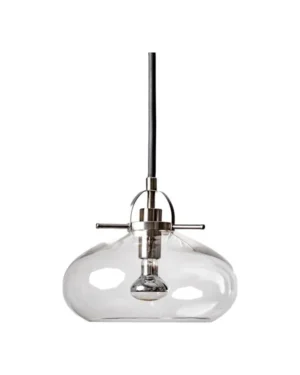
Two Circles Pendant Lamp in Stainless Steel
By Georgiev Kiril
€490 -
 In stock
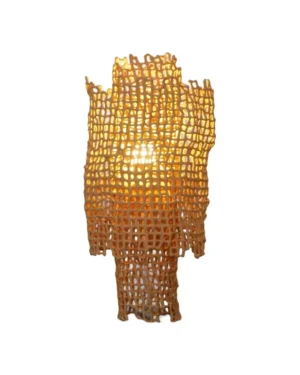
Caterina Table Lamp in Earthenware
By mattina moderna
€585 This product has multiple variants. The options may be chosen on the product page -
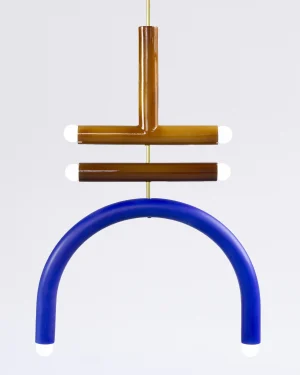
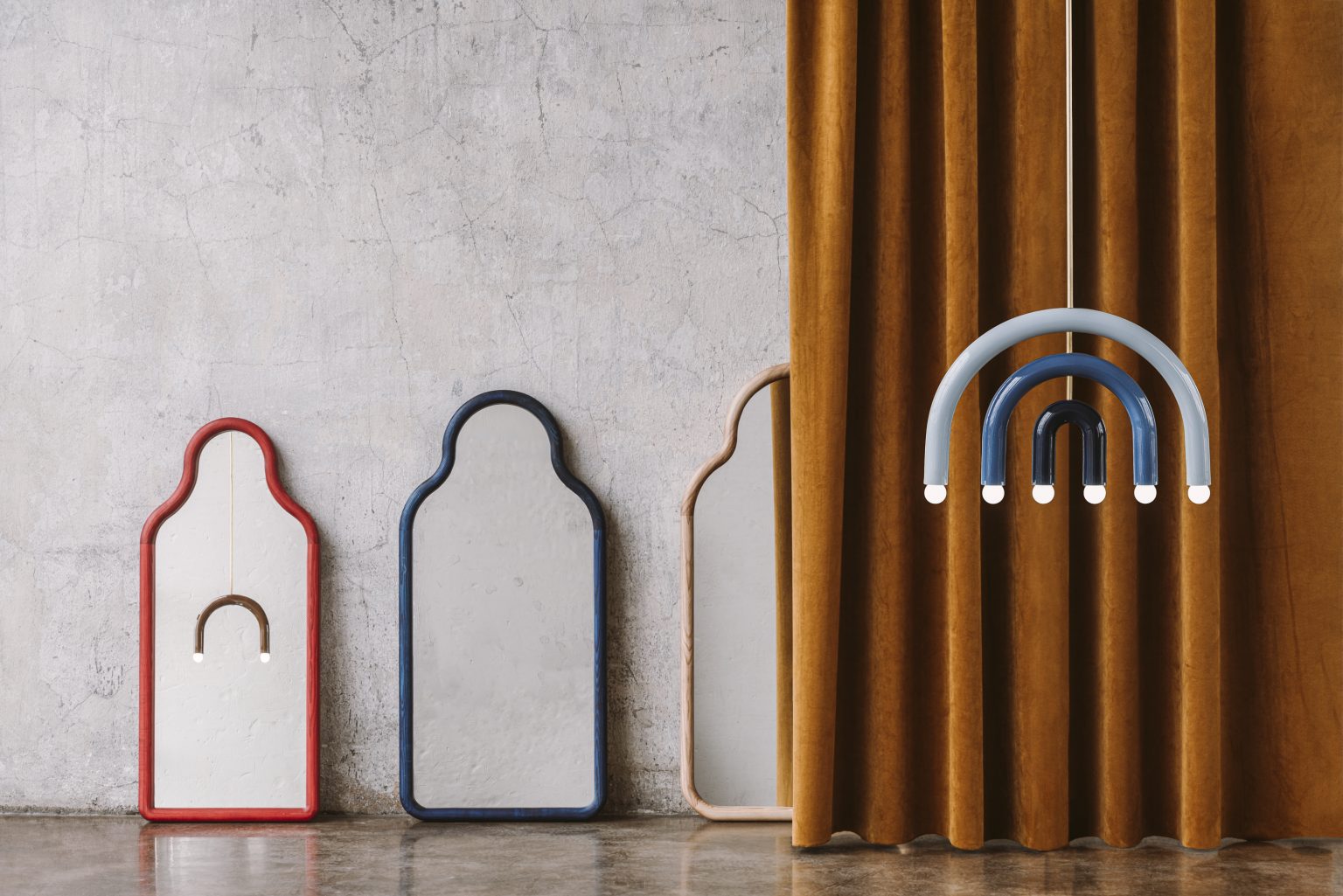
Trn / Model F2 Pendant Lamp in Ceramic
By Pani Jurek STUDIO
€1.600 This product has multiple variants. The options may be chosen on the product page -

Trn / Model C2 Pendant Lamp in Ceramic
By Pani Jurek STUDIO
€880 This product has multiple variants. The options may be chosen on the product page -
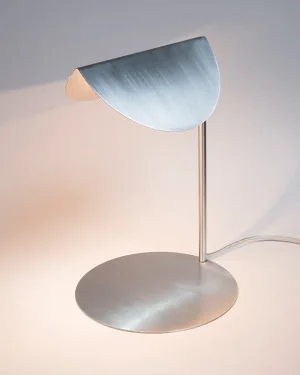
Two Circles Table Lamp in Stainless Steel
By Georgiev Kiril
€690 -

Nuit Table Lamp in Teak Wood
By Studio Indigene
€400 -

Hoja Table Lamp in Steel
By Natural Urbano - Sebastián Beltrán
€335 -
 In stock
Mushroom Floor Lamp in Stainless Steel
By Nitush and Aroosh
€2.500 This product has multiple variants. The options may be chosen on the product page -

Ombrellina Table Lamp in Earthenware
By mattina moderna
€655 This product has multiple variants. The options may be chosen on the product page -
 In stock
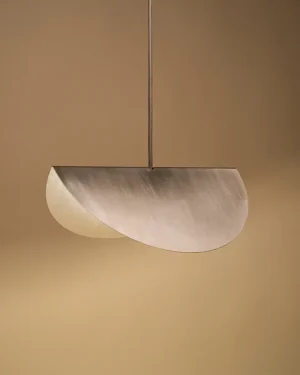
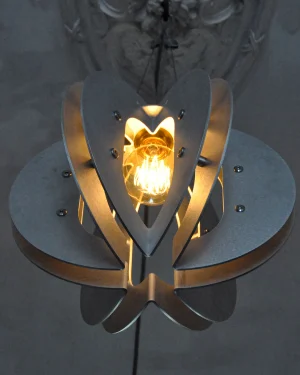
D300 Lampion Pendant Lamp in Matte Aluminum
By MLK Furniture
€390 -
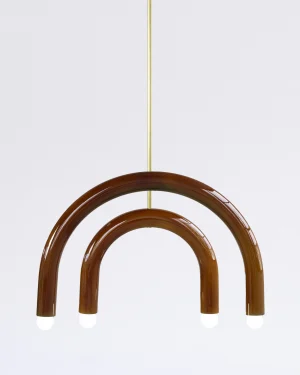
Trn / Model E3 Pendant Lamp in Ceramic
By Pani Jurek STUDIO
€1.430 This product has multiple variants. The options may be chosen on the product page -

Segment Table Lamp in Aluminum
By Andrew King Studio
€500 This product has multiple variants. The options may be chosen on the product page -
 In stock
Svitlotin Brush Strokes Pendant Lamp in Stainless Steel
By SVITANOK
€1.020 - €1.400 This product has multiple variants. The options may be chosen on the product page -
 In stock
Svitlotin Olive Pendant Lamp in Stainless Steel
By SVITANOK
€890 - €960 This product has multiple variants. The options may be chosen on the product page -
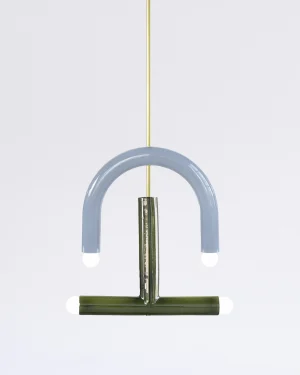
Trn / Model C3 Pendant Lamp in Ceramic
By Pani Jurek STUDIO
€880 This product has multiple variants. The options may be chosen on the product page -
 In stock
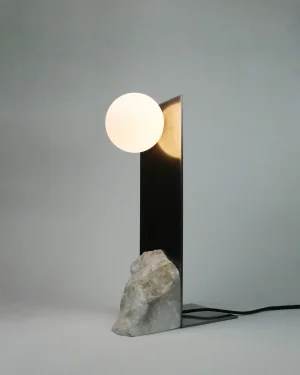
Himalaya Lunar Vertical Table Lamp in Alabaster
By HEAKO
€3.300 -
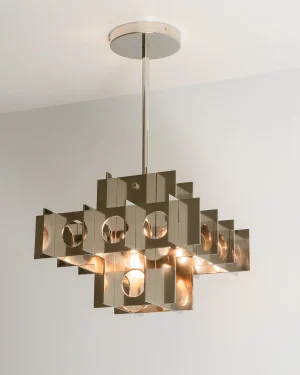
Tenfold 3 T B Pendant Lamp in Stainless Steel and Aluminum
By Luft Tanaka Studio
€2.895 - €8.675 This product has multiple variants. The options may be chosen on the product page -
 In stock
Svitlotin Anisotropy Ceiling Lamp in Metal
By SVITANOK
€930 - €1.270 This product has multiple variants. The options may be chosen on the product page -

Trn / Model F1 Pendant Lamp in Ceramic
By Pani Jurek STUDIO
€1.600 This product has multiple variants. The options may be chosen on the product page -
 In stock
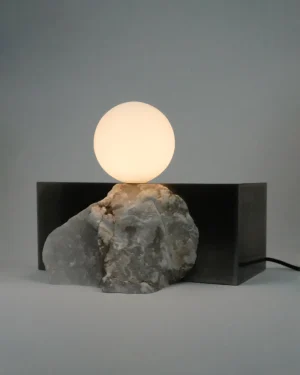
Himalaya Lunar Horizontal Table Lamp in Alabaster
By HEAKO
€3.200 -
 In stock
Ding Dong 01 Table Lamp in Ceramic
By Luft Tanaka Studio
€1.442 -
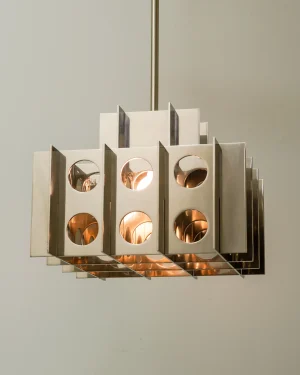
Tenfold 3 T A Pendant Lamp in Stainless Steel and Aluminum
By Luft Tanaka Studio
€2.895 - €8.675 This product has multiple variants. The options may be chosen on the product page -
 In stock
Svitlotin Blue Ceiling Lamp in Metal
By SVITANOK
€890 - €1.150 This product has multiple variants. The options may be chosen on the product page -
 In stock
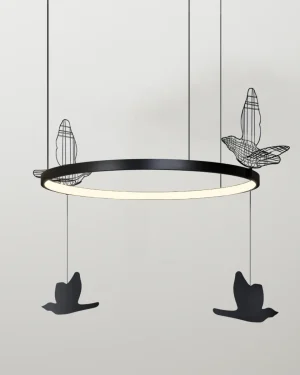
Flight Shadows Circular Pendant Lamp in Steel
By SVITANOK
€1.020 - €1.140 This product has multiple variants. The options may be chosen on the product page -
 In stock
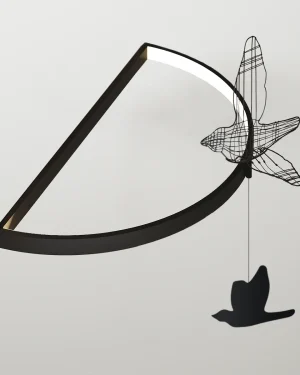
Flight Shadows Wall Sconce in Steel
By SVITANOK
€1.020 - €1.140 This product has multiple variants. The options may be chosen on the product page -

Trn / Model F2 Silver Finish Pendant Lamp in Ceramic
By Pani Jurek STUDIO
€1.650 This product has multiple variants. The options may be chosen on the product page -
 In stock
Svitlotin Hammered Stamp Pendant Lamp in Stainless Steel
By SVITANOK
€1.280 - €1.800 This product has multiple variants. The options may be chosen on the product page -
 In stock
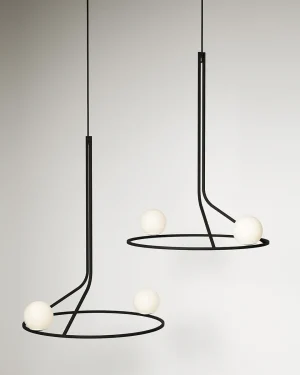
Na Linii Pendant Lamp in Steel and Glass
By SVITANOK
€1.050 -

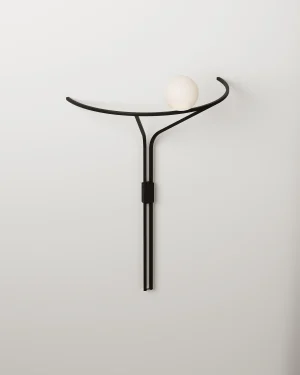
The Semaphore Lamp.
By am.o atelier
€824 -
 In stock
Na Linii Wall Sconce in Steel
By SVITANOK
€1.050 -

Trn / Model F1 Silver Finish Pendant Lamp in Ceramic
By Pani Jurek STUDIO
€1.650 This product has multiple variants. The options may be chosen on the product page -
 Sold
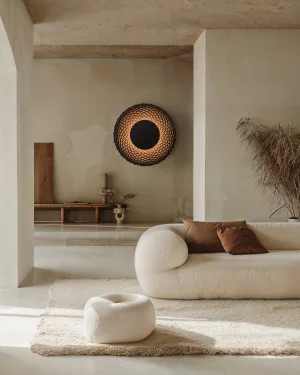
SoldSun V1 Wall Lamp in Stoneware
By Rollo Studio
€9.173
Geometrical lamps build light around shape itself: the cone, the sphere, the cylinder and the flat plane, cut cleanly or stacked in deliberate steps rather than softened into curves. Studios working this way favor steel, brass and stainless steel for their sharp edges, along with hand-built ceramic and glazed earthenware that can still hold a hard line. The result is a lamp read as much by its silhouette in daylight as by the shape its light throws after dark.
What makes a lamp geometrical
A geometrical lamp is built from forms that have names: triangle, cube, half-moon, ring. The base, stem and shade are often distinct volumes set against one another rather than blended, so a cylinder might sit on a cube, or a flat disc might balance on a narrow rod. Edges stay crisp, seams stay visible, and the whole piece reads as an arrangement of parts rather than one continuous curve.
Metalwork suits this logic well, since sheet steel and brass can be cut, folded and welded into exact angles and repoussé can raise a flat surface into a faceted one. Ceramic studios reach the same effect through hand-building and glazing, pressing clay into straight-sided molds or trimming a hard-edged profile before firing. Wood and cabinetmaking contribute their own version, turning or joining solid oak and walnut into blocks and discs rather than tapered, rounded forms.
Materials, finishes and colors found here
Steel and stainless steel appear often, left raw for an industrial edge or painted flat black, beige or brown for a quieter presence. Brass and copper carry a warmer, almost architectural weight, especially where repoussé work raises a pattern across a geometric panel. Ceramic and earthenware pieces bring glaze into the mix, sometimes in a single matte tone, sometimes in cobalt blue, denim or light yellow that catches differently depending on the angle of the shade.
Color tends to follow the geometry rather than compete with it: a cobalt sphere, a lilac disc, a green cylinder. Hand painting sometimes adds a second layer, a line or band that follows an edge and sharpens the shape further rather than decorating over it.
Styles and editions to expect
The shape runs across several styles rather than belonging to one. Minimalist and contemporary pieces strip the form down to a single dominant volume, while mid-century modern and modern versions often pair a geometric shade with a slim turned or welded stem. Neo-industrial and futuristic takes lean on exposed metal and hard angles, and midimalism and boho chic versions soften the geometry slightly with glaze texture or a warmer palette.
Because many of these lamps come from independent studios working by hand, editions vary: open editions sit alongside limited editions and unique pieces, particularly where glazing or repoussé means no two surfaces finish identically. Where a piece is a one-off, the shape stays exact but the glaze or patina will not repeat.
Choosing and placing a geometrical lamp
Scale matters more with geometric shapes than with rounded ones, since a cube or disc reads as a solid block of space rather than a tapering form. A tall cylindrical floor lamp can anchor a reading corner, while a smaller faceted table lamp suits a console or sideboard without competing with what sits near it.
- Match the finish to the room: matte black or steel for a neo-industrial study, glazed ceramic in color for a living room
- Check shade height against seated eye level, so the light source itself is not visible directly
- Group two of the same form for symmetry, or pair contrasting shapes, a sphere and a cube, for tension
These lamps suit living rooms and studies particularly well, where their shapes hold up under daylight as sculptural objects first. For a broader range of forms in the same spirit, the full geometrical lighting group and every geometrical piece on ADORNO extend the shape into other kinds of fixtures and furniture.
Caring for metal and ceramic lamps
Steel, brass and stainless steel need only a dry or slightly damp cloth; abrasive cleaners will dull a brushed or painted finish and should be avoided. Unlacquered brass will darken slowly with handling, which most owners allow rather than polish away. Glazed ceramic resists dust and moisture well, but the base should be lifted rather than dragged across a surface to avoid chipping an edge where the geometry is sharpest.
For comparison, the wider metal lamps and ceramic lamps groups show how the same materials behave without the geometric constraint, while the full lamps category covers every shape and material ADORNO carries.
How do I choose a geometrical lamp?
Start with the shape the room already lacks, a cone, sphere or angled plane reads clearly against plainer furniture. Then consider material: metal gives sharp edges, ceramic or glass soften the geometry with light.
What materials are geometrical lamps usually made from?
Steel, brass and other metals hold crisp angles and take a matte or polished finish. Ceramic and glass versions round the geometry slightly and let light pass through or glow along the glaze.
How do I care for a metal or ceramic lamp?
Wipe metal with a dry or barely damp cloth to avoid water spotting or tarnish; ceramic and glazed surfaces just need a soft cloth and no abrasive cleaners. Keep both away from direct, prolonged moisture.
What size lamp suits my space?
Geometrical forms read best with some air around them, so match scale to the surface: a side table holds a smaller shape, a floor lamp fills a corner or anchors a seating area. Exact dimensions are listed on each piece's page.
Which rooms work well with geometrical lamps?
Their clean lines suit living rooms, studies and entryways where the form can stand on its own. Paired with plainer furniture, they act as a quiet focal point rather than blending in.
How does shipping, returns and authenticity work on ADORNO?
Shipping is insured and sent worldwide. Returns are accepted within 14 days, except for made-to-order pieces, and every lamp arrives with a certificate of authenticity, backed by a lowest-price guarantee.