




-
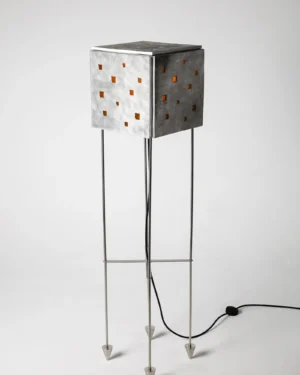 In stock
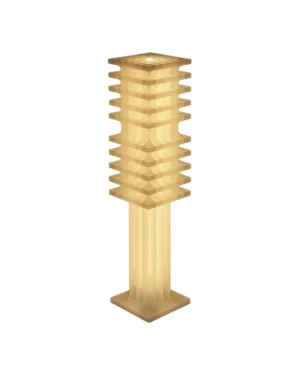
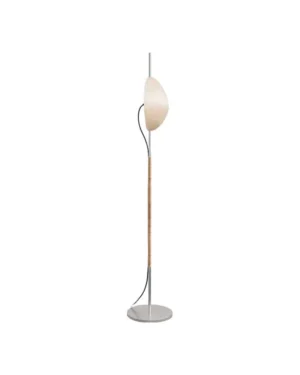
Prisma Massiva Floor Lamp in Cast Aluminum, Resin And Steel
By DONÓ Design
€3.780 -

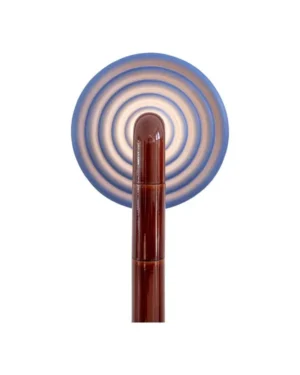
Tentacle Floor Lamp In Resin
By Ryan Mercer
€3.171 -
 In stock
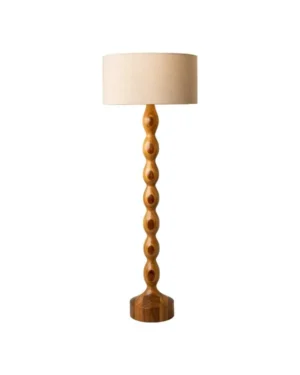
Lapas Paradiso Novo Series Floor Lamp in Blown Glass and PLA
By Anna Jožová
€9.500 -
 In stock
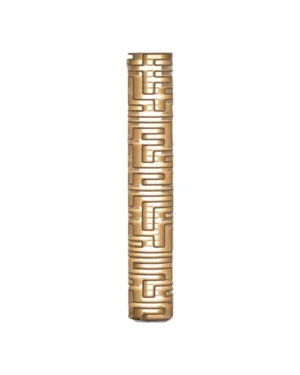
Gotham Floor Lamp In Resin And Stainless Steel
By Jürgen Baumann
€3.200 -

Biggest Floor Lamp In Resin And Epoxy Clay
By Ryan Mercer
€4.566 -
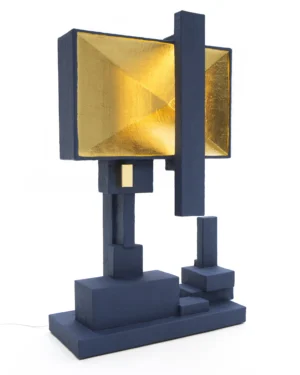 In stock
Box-2 Floor Lamp in Blue Cardboard and Gold-leaf
By Studio Josha
€8.995 -
 In stock
Ic-6 Floor Lamp in Resin, Gold-leaf and Natural Fibers
By Studio Josha
€9.500 -
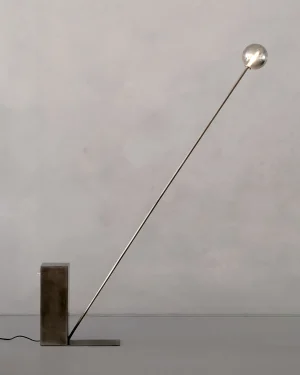 In stock
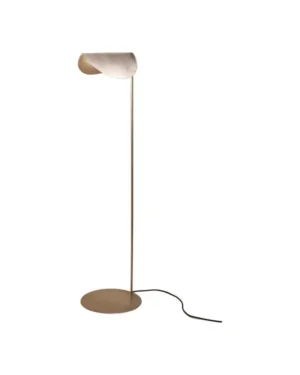
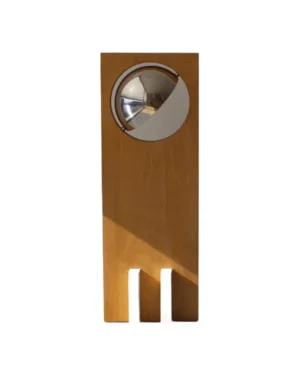
Oblique Glow Floor Lamp in Steel and Acrylic Resin
By HEAKO
€5.500 -
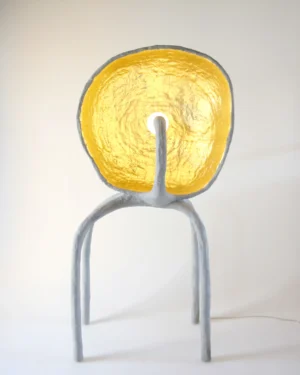 In stock
Ic-17 Floor Lamp in Resin, Gold-leaf and Natural Fibers
By Studio Josha
€10.500 -
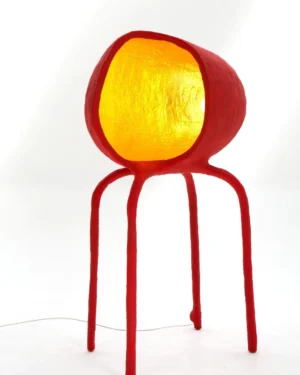 In stock
Ic-12 Floor Lamp in Resin, Gold-leaf and Natural Fibers
By Studio Josha
€8.500 -
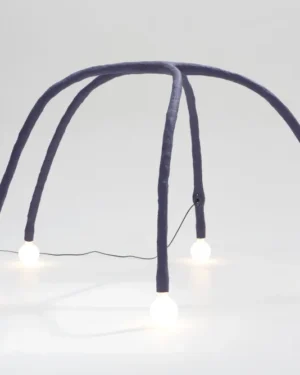 In stock
Ic-13 Floor Lamp In Resin, Foam And Natural Fibers
By Studio Josha
€9.900 -
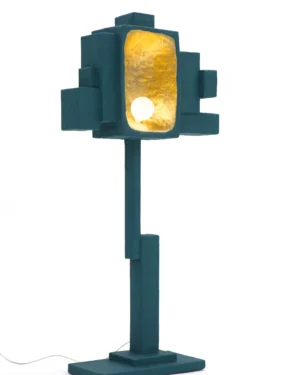 In stock
Box-1 Floor Lamp in Cardboard and Gold-leaf
By Studio Josha
€4.500 -
 In stock
Ic-15 Floor Lamp in Green Wool and Gold-leaf
By Studio Josha
€6.250 -
 In stock
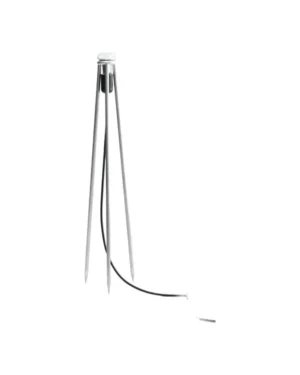
Untitled Ii Floor Lamp In Steel And Bronze
By aeny studio
Price Upon Request -

Untitled Iii Floor Lamp In Steel And Bronze
By aeny studio
Price Upon Request -

Untitled I Floor Lamp In Steel And Bronze
By aeny studio
Price Upon Request
Resin floor lamps stand apart from metal or wood because the material itself carries color and light rather than simply reflecting it. Studios pour and cast resin in open molds, building up sculptural bases and shades in tones that range from deep bronze to translucent reds and greens. The result is a floor lamp that reads as an object first, a light source second.
What defines resin as a lighting material
Resin is a liquid polymer poured into a mold, where it cures into a solid, often glossy form. Pigments and metallic powders can be mixed into the mixture before it sets, which is why resin pieces carry color saturated all the way through rather than painted onto a surface. Depending on the studio's technique, a base can be dense and opaque or layered so light passes through in bands.
Because resin is cast rather than carved or welded, it lends itself to shapes that would be difficult in wood or steel: rounded, organic silhouettes, irregular surfaces left intentionally uneven, or forms that mimic stone, amber or sea glass. This makes resin a natural fit for contemporary floor lamps and for surrealist work that treats the lamp as a sculptural gesture rather than a strictly functional object.
The range of finishes, colors and editions
On ADORNO, resin floor lamps appear alongside pieces that combine the material with gold leaf, bronze detailing, steel armatures or woven natural fiber accents. Finishes vary from high-gloss and mirror-like to matte and stone-like, and color runs from bold red, purple and teal through to quieter white and gold tones that sit closer to the Wabi-Sabi end of the spectrum. Some studios hand-paint or gild the surface after casting, adding a layer of metalwork or sculpting detail on top of the base form.
Editions vary by studio. Some resin floor lamps are produced as open editions, made repeatedly to a fixed design, while others are limited editions or unique pieces where each cast varies slightly in color or surface pattern. Where a lamp is a one-off, no two will ever match exactly, which is part of the appeal of working directly with a cast material.
How to choose a resin floor lamp
A floor lamp is seen in full from across a room, so scale and silhouette matter more than surface detail alone. Resin forms tend to be sculptural and front-facing; stand one where its shape can be read clearly, rather than tucked behind furniture.
- Height: taller bases suit reading corners and spots beside seating, while shorter, heavier forms work as standalone sculptural lights near a sofa or bed.
- Color and finish: saturated or metallic resin reads as a strong accent, so it pairs well with plainer walls and simpler furniture nearby.
- Placement: because resin lamps have no fixed wiring, they can be moved as a room changes, unlike a pendant or a wall light.
Many of these pieces suit a living room where there is space to walk around the base, though smaller, quieter forms also work well in a bedroom as a bedside alternative to a table lamp. For a calmer palette, look toward minimalist floor lamps, where resin is used for form rather than for bold color.
Caring for resin
Resin is stable and does not need polishing or oiling the way wood or metal might, but it is sensitive to direct, prolonged sun, which can yellow or fade pigment over time. Keep a resin floor lamp out of direct sunlight where possible, and dust the surface with a soft, dry cloth rather than solvents, which can dull a glossy finish.
To see how resin behaves across other kinds of furniture and lighting, the full range of resin pieces on ADORNO spans tables, trays and lamps built the same way, while the broader floor lamp category shows how resin compares with brass, oak or hand-blown glass as a material for standing light.
How do I choose a resin floor lamp?
Decide whether you want the base to anchor a room with dense, opaque color or let light pass through in translucent bands. Consider the finish, high-gloss or matte, and whether the silhouette should read as sculpture or as a quieter, functional form.
How do you care for a resin floor lamp?
Wipe the surface with a soft, dry or barely damp cloth, and keep it out of direct sun, which can dull or yellow some pigments over time. Avoid solvents, which can cloud or soften the surface.
What size and height should a resin floor lamp be?
Resin floor lamps follow standard floor lamp proportions, tall enough to light a seating area at eye level when you are seated. The maker can confirm exact dimensions and base footprint using Chat with the maker on the piece's page.
Which rooms suit a resin floor lamp?
Living rooms and reading corners suit resin lamps well, since the cast base reads as an object from across the room. Bedrooms work too, where a softer, translucent glow is often preferred over a sharp, direct light.
Does resin fade, crack or yellow over time?
Some resins can yellow slightly with prolonged UV exposure, and extreme temperature swings may cause fine surface cracking over many years. Keeping the piece away from direct sun and heat sources slows both effects.
What happens when I buy a resin floor lamp from ADORNO?
Shipping is insured and worldwide, and each piece arrives with a certificate of authenticity. Returns are accepted within 14 days, except for made-to-order pieces, and ADORNO offers a lowest-price guarantee.