


-
 In stock
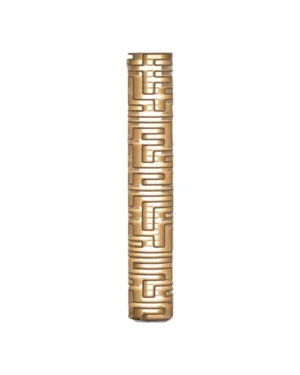
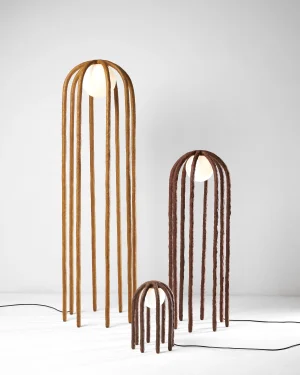
Açafrão and Urucum Floor Lamp in Anatto and Saffron
By Cultivado em Casa
€1.234 - €2.971 -

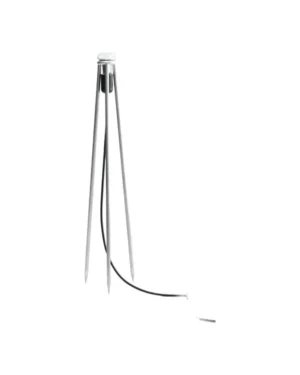
Trilight 70 Floor Lamp In Aluminum
By Obscure Objects
€800 -
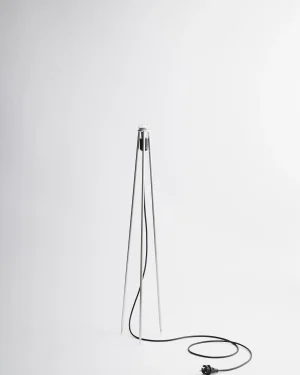
Trilight 100 Floor Lamp In Aluminum
By Obscure Objects
€840 -
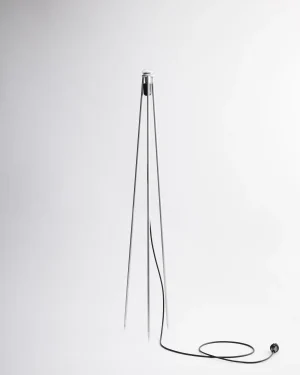
Trilight 130 Floor Lamp In Aluminum
By Obscure Objects
€925 -
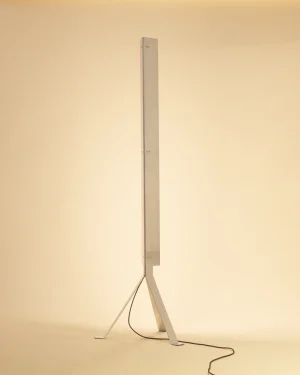
L1 High Floor Lamp in Aluminum
By Luiz Solano
€1.200 -
 In stock
B.A.R.E Series ‘Tall’ Floor Lamp in Brick and Copper
By Lucas Muñoz Muñoz
€780 -
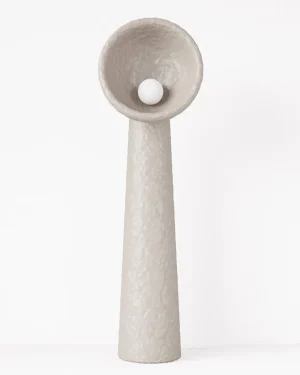 In stock
Soniah Floor Lamp in ZTISTA
By FAINA
€7.000 -
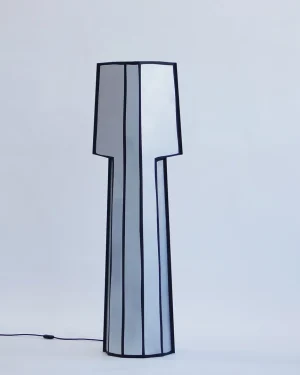
Hex Floor Lamp in Aluminum
By STUDIO GUILTY
€1.256 -
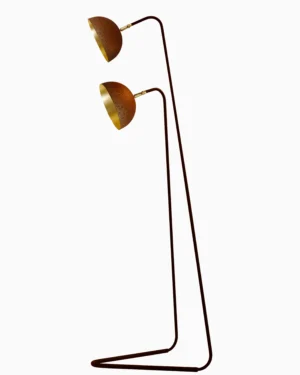
The Queen Double Floor Lamp in Gold-leaf and Rust Steel
By Mammalampa
€1.151 -
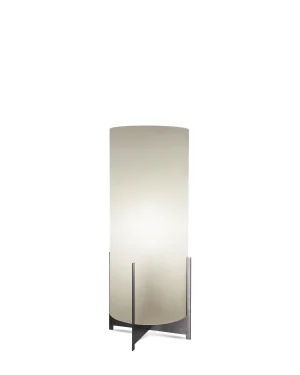 In stock
Lumix Floor Lamp in Stainless Steel and Polycarbonate
By Pablo Sinan Design
€510 -

Pill1200 Floor Lamp In Stainless Steel
By MLK Furniture
€1.690 -

Rakis Floor Lamp In Ceramic
By Catalin Filip
€1.900 -
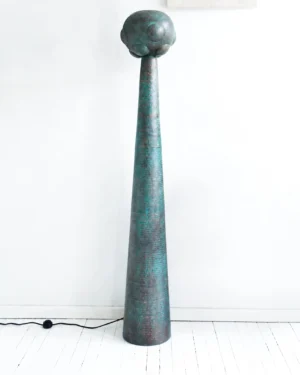 In stock
Artefacto Copper Venus Floor Lamp in Hammered Copper
By LØRDAG & SØNDAG
€4.768 -
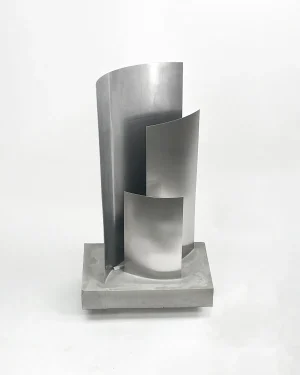 In stock
Essenz Floor Lamp in Concrete and Stainless Steel
By case studios
€1.610 -
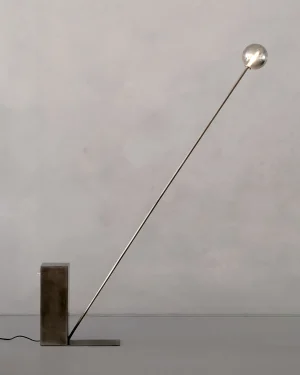 In stock
Oblique Glow Floor Lamp in Steel and Acrylic Resin
By HEAKO
€5.500 -
 In stock
T-Lamp Floor Lamp in Aluminum, Brass and Oak Wood
By HEAKO
€3.850 -

Zm Tezontle Floor Lamp in Metal and Volcanic Stone
By Daniel Orozco Estudio
€2.820 -

Poser Floor Lamp in Stainless Steel
By Emil Robbrecht
€992 -

The Lore Floor Lamp in Wood and Glass
By am.o atelier
€991 -
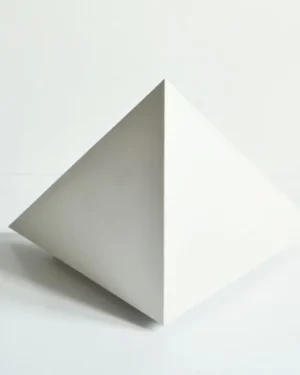
“YYY” Floor Lamp
By Duccio Maria Gambi
€1.640 -
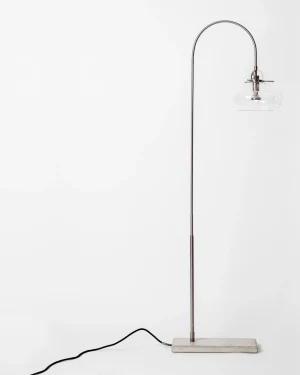
Art Deco Floor Lamp in Glass, Stainless Steel and Concrete
By Szostak Atelier
€2.100€1.995 -

Soniah Medium Floor Lamp in ZTISTA
By FAINA
€6.300 -
 In stock
Sputnik V Floor Lamp in Steel
By StorqueStudios
€689 -

Soniah Small Floor Lamp in ZTISTA
By FAINA
€5.600 -
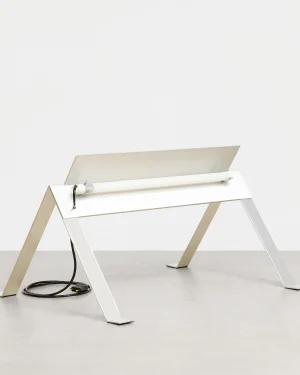
L1 Low Floor Lamp
By Luiz Solano
€900 - €1.200 -
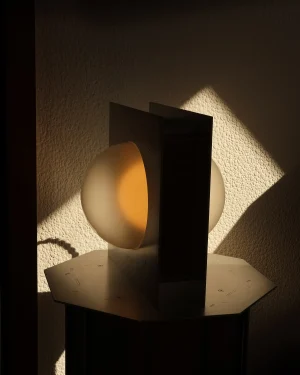
Event Horizon Table Lamp in Aluminum
By BUREAU OF ENTROPY
Price Upon Request -
 In stock
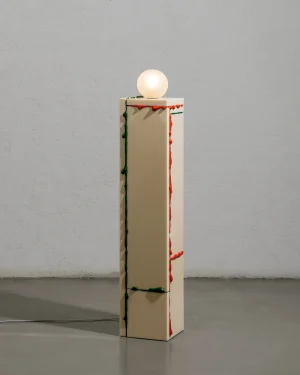
B.S.P Series Floor Lamp in Recycled Plastic
By Atelier SOHN
Price Upon Request -

Aperture Protocol Floor Lamp in Aluminum
By BUREAU OF ENTROPY
Price Upon Request
Neo-industrial floor lamps take their structure from factory equipment rather than domestic fixtures: raw aluminum, welded steel and polished stainless steel, left visibly joined instead of disguised. Independent studios working in metalwork, laser cutting, CNC milling and hand assembly build them as they might build a tool, then finish each in small, independent runs. The result stands in a room with the weight and presence of furniture, not an accessory.
What makes a floor lamp neo-industrial
The style reads through process as much as material. Seams stay visible, bolts stay exposed, and surfaces keep the marks of the machine that made them: a milled edge, a welded joint, a brushed or anodized plane that catches light rather than hiding it. Where other styles sand away evidence of making, neo-industrial design keeps it, treating the lamp body the way a workshop treats a bracket or a beam.
Color runs narrow and deliberate. Expect silver, gunmetal gray and black alongside raw aluminum and copper tones that come from the metal itself rather than paint. A few studios introduce warmer accents, an anatto or saffron shade against brick or concrete, but the base note stays metallic and cool. This restraint is what lets the lamps sit in a room full of other materials without competing with them.
The range found among neo-industrial floor lamps
Within the style, construction varies more than silhouette. Some lamps are built from a single folded or milled sheet of aluminum, others from welded steel tube finished in matte black or left in its raw state to pick up a living patina over years. Stainless steel pieces, especially those polished rather than brushed, behave almost like mirrors, throwing light back into a room instead of absorbing it.
- Open editions, for studios producing a standing design on an ongoing basis
- Limited editions, numbered and finite
- Unique pieces, each one assembled and finished by hand with small variations
Anodizing shows up often on aluminum bodies, sealing the metal and giving it a slight sheen without a painted layer. Hand assembly is standard across the style: even factory-derived parts are fitted, wired and finished by a person, which is part of why no two welded joints look quite the same. For the wider family of objects built the same way, Neo-Industrial Lighting and Neo-Industrial Furniture show how the style extends beyond lamps into shelving, seating and tables.
How to choose one for scale and placement
A floor lamp in raw metal reads as a piece of furniture before it reads as a light source, so scale matters first. A tall, narrow steel lamp will anchor a reading corner or the dead space beside a sofa; a wider, tripod-footed aluminum base needs enough clearance around it to register as structure rather than clutter. Stand close to the eventual position and judge the height against your own eye line and against the furniture nearby, the same way you would place a chair.
Finish should follow the room's other metals. A brushed or raw aluminum lamp sits easily with existing steel hardware, window frames or shelving brackets, while a polished stainless steel body throws reflections that work best away from direct sun. Living rooms take the larger, more sculptural bases well, often beside seating; for that pairing see Living Room Floor Lamps. Bedrooms generally call for a quieter, narrower profile set for reading rather than ambient light, covered under Bedroom Floor Lamps.
Caring for raw and finished metal
Raw aluminum and unsealed steel will change over time, picking up fine scratches and, with steel, a gradual darkening that most owners leave alone rather than polish out. Anodized and polished stainless finishes are more stable and need only a dry or lightly damp cloth, since household cleaners can dull the surface. Keep any exposed steel away from damp rooms or direct moisture to slow rust at joints and welds.
For the full range of floor-standing lighting beyond this one style, see All Floor Lamps, and for every neo-industrial object regardless of category, every neo-industrial piece on ADORNO gives the broader view.
How do I choose a neo-industrial floor lamp?
Look at how the piece is joined rather than how it is decorated: visible welds, exposed bolts and a milled or brushed surface signal the style more than any single shape does.
What metal are neo-industrial floor lamps made from and how do I care for it?
Most are raw aluminum, welded steel or polished stainless steel. Wipe with a dry or slightly damp cloth, keep away from moisture to prevent spotting, and avoid abrasive cleaners on anodized or brushed surfaces.
How tall is a neo-industrial floor lamp?
Heights follow standard floor lamp proportions, tall enough to light a reading chair or corner at seated eye level. A maker can confirm exact dimensions with Chat with the maker on the piece's page.
Which rooms suit a neo-industrial floor lamp?
The narrow, metallic palette sits well against concrete, brick or plain plaster, and holds its own in a living room, study or loft space without competing with other materials.
Can I get a neo-industrial floor lamp customized?
Some studios take custom requests on finish or scale. Ask directly through Chat with the maker on the piece's page to confirm what is possible.
What are ADORNO's shipping, returns and authenticity policies?
Shipping is insured and worldwide. Returns are accepted within 14 days, excluding made-to-order pieces, and every piece ships with a certificate of authenticity alongside ADORNO's lowest-price guarantee.