


-

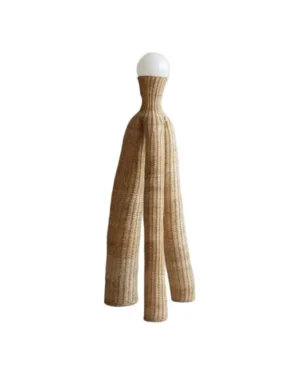
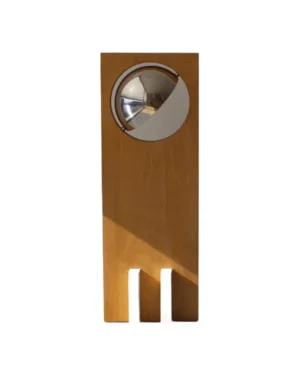
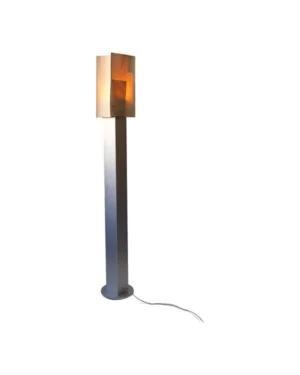
Deas Floor Lamp In Aluminum And Rattan
By Calen Knauf Studio
€1.360 -
 In stock
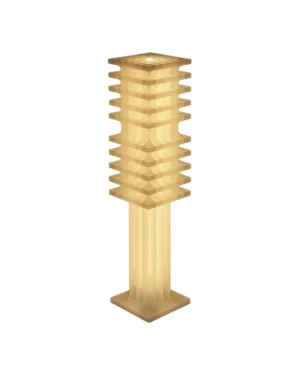
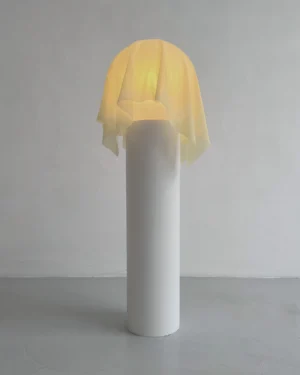
Carnmarina Floor Lamp In Plastics
By Pierre Klein
€1.500 -
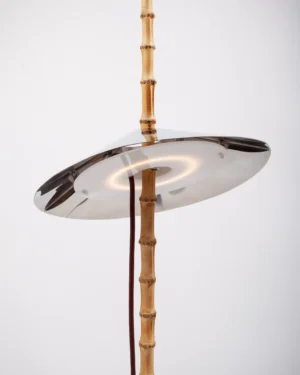
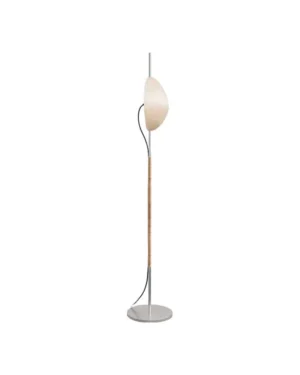
7plates Floor Lamp In Stainless Steel, Bamboo And Aluminum
By Calen Knauf Studio
€1.918 -
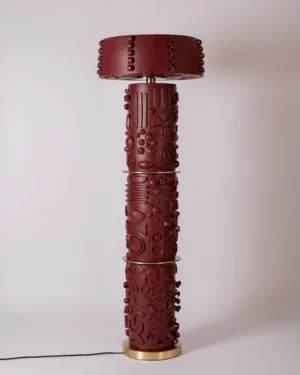
Sculpt Floor Lamp In Hand-built Stoneware
By Harshita Jhamtani Designs
€7.880 -
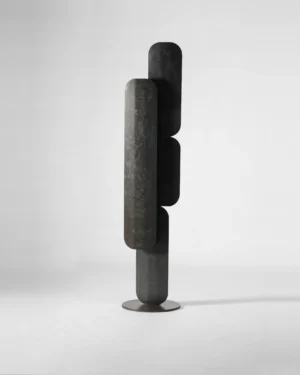
Nucleation Floor Lamp in Steel
By Drusch Design
€2.760 -
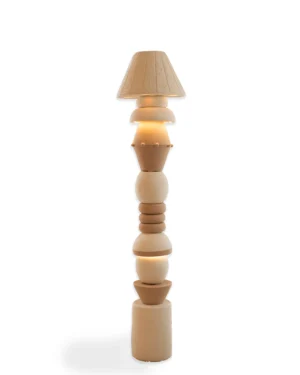
Totem Floor Lamp In Stoneware And Clay Paste
By Harshita Jhamtani Designs
€2.570 -
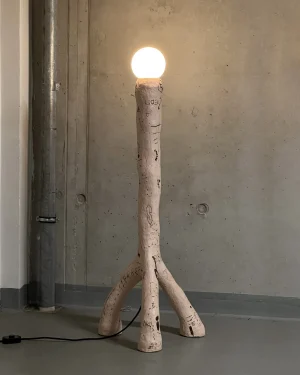 In stock
Tattooed Shining Creature Floor Lamp In Paper And Steel
By David Čáp
€1.400 -

Sky-set Floor Light
By Dace Sūna
€5.800 -
 In stock
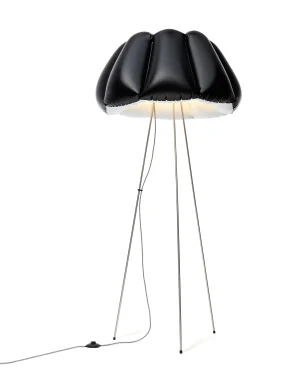
Orca Floor Lamp in PVC and Stainless Steel
By PUFF-BUFF
€650 -
 In stock
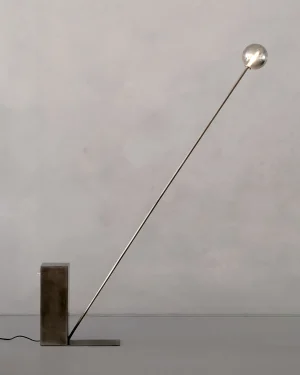
Oblique Glow Floor Lamp in Steel and Acrylic Resin
By HEAKO
€5.500 -
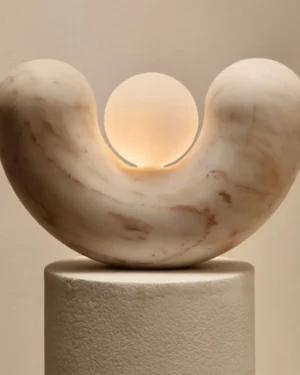
Estremoz Floor Lamp In Marble And Glass
By Joana Vilaça Studio
€3.800 -
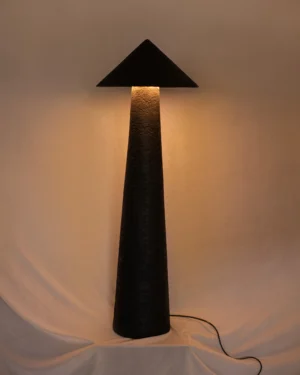
Kasa (m) Lamp In Clay Paste And Mild Steel
By Harshita Jhamtani Designs
€1.460 -
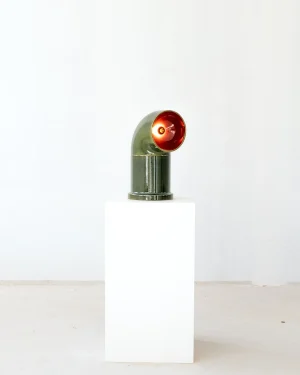
Fat Op No. 003 Two Piece Table Lamp In Ceramic
By Pani Jurek STUDIO
€1.539 -
 In stock
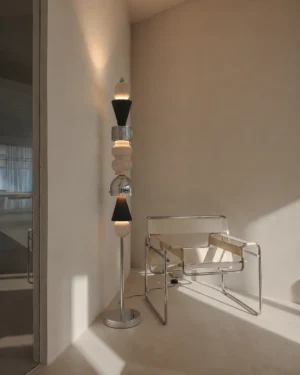
Arinna Floor Lamp
By MARAU
€15.000 -
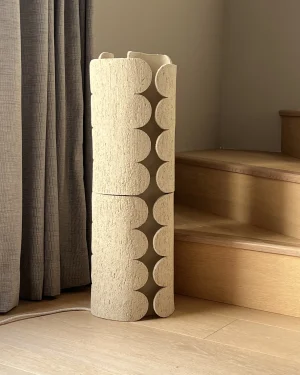
My Stone Flower – Ceramic Floor Lamp Medium
By Katia Langeard
€900 -
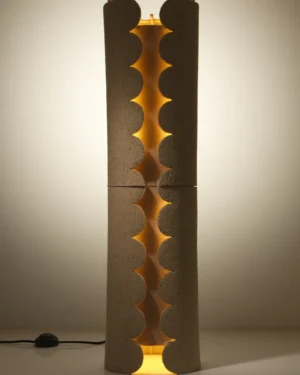
My Stone Flower Large Floor Lamp in Stoneware
By Katia Langeard
€2.330 -
 In stock
Wrench Standing Floor Lamp In Aluminum And Iron
By Iyo Hasegawa
€2.300 -
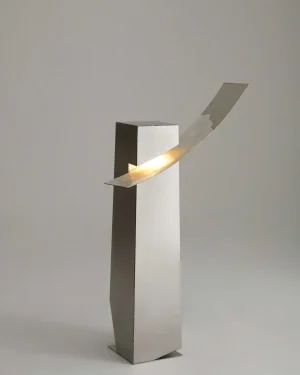
Shining No.2302 Floor Lamp in Stainless Steel
By Park Eunchong Studio
€3.200 -
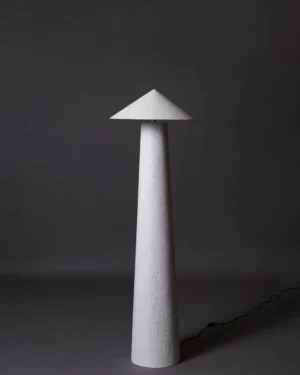
Kasa Floor Lamp In Clay Paste And Mild Steel
By Harshita Jhamtani Designs
€2.130 -
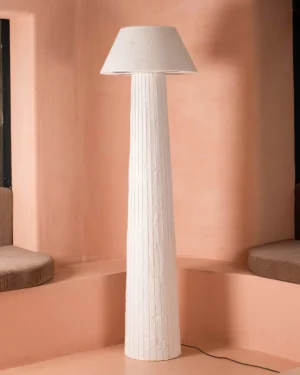
Rio Floor Lamp In Clay Paste And Mild Steel
By Harshita Jhamtani Designs
€2.270 -
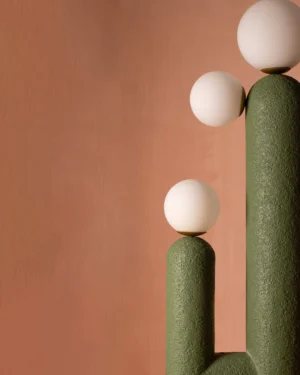
Cactus Floor Lamp In Clay Paste, Mild Steel And Glass
By Harshita Jhamtani Designs
€2.570 -
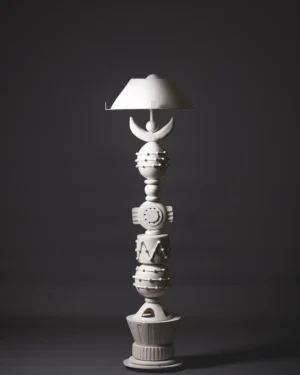
Asteroid Floor Lamp In Stoneware And Mild Steel
By Harshita Jhamtani Designs
€2.570 -
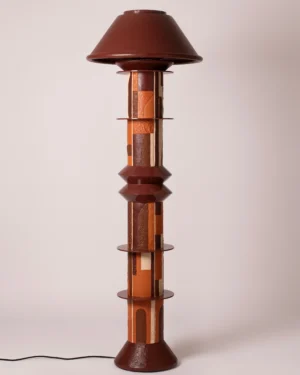
The Rouge Floor Lamp In Clay Paste And Metal
By Harshita Jhamtani Designs
€4.430 -
 In stock
Destiny Sluhach Floor Lamp in Steel, Muslin and ZTISTA
By FAINA
€3.420 -
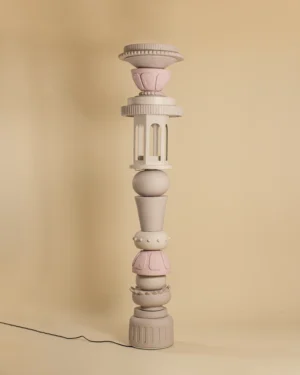
Pillar Of Ties Totem Floor Lamp In Stoneware, Clay Paste And Wood
By Harshita Jhamtani Designs
€3.780 -
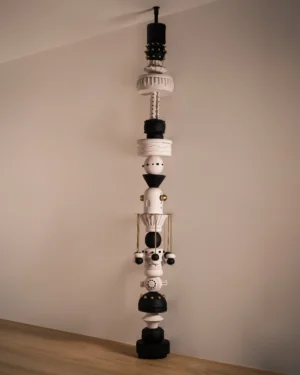
Asteroid Floor-to-ceiling Totem In Stoneware And Brass
By Harshita Jhamtani Designs
€6.900 -
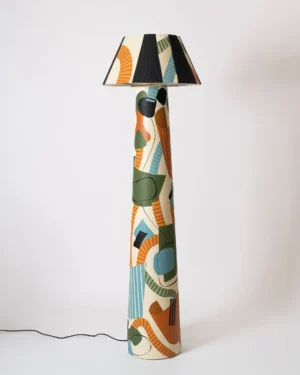
Hand Painted Rio Floor Lamp In Clay Paste And Mild Steel
By Harshita Jhamtani Designs
€3.940 -
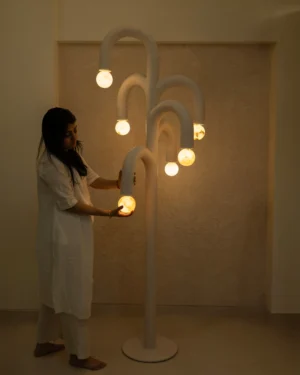
Big Cactus Floor Lamp In Clay Paste, Mild Steel And Alabaster
By Harshita Jhamtani Designs
€3.310 -
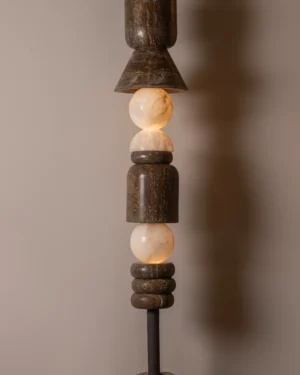
Titan Travertine Totem Floor Lamp In Travertine And Alabaster
By Harshita Jhamtani Designs
€3.070 -
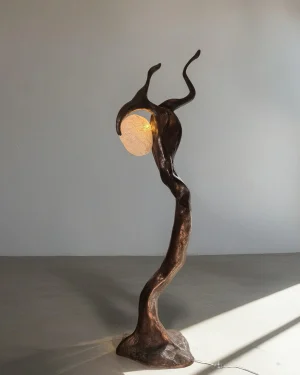 In stock
Untitled Ii Floor Lamp In Steel And Bronze
By aeny studio
Price Upon Request -
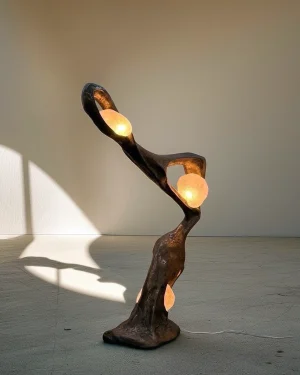
Untitled Iii Floor Lamp In Steel And Bronze
By aeny studio
Price Upon Request -
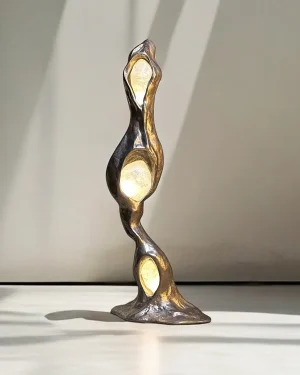
Untitled I Floor Lamp In Steel And Bronze
By aeny studio
Price Upon Request
Home office floor lamps are chosen for how they direct light onto a desk without crowding it, standing in steel, plaster composite, stoneware and alabaster that independent studios shape through welding, hand-building, wheel throwing and stone carving. Each piece carries its own footprint and silhouette, so it works as a piece of furniture as much as a source of light. Many are made in open or limited editions, and a few exist as unique pieces.
What defines a home office floor lamp
A floor lamp built for work differs from one built for a living room corner: the head tilts or swivels to aim light onto paper or a keyboard, the stem holds steady under repeated adjustment, and the base sits low enough not to tip when a cable is pulled. Mild steel and stainless steel give that stability through weight and a welded joint; aluminum does it through a wider, lighter base. Plaster composite and alabaster bring a stone-like density and a warm, diffused glow once the bulb is lit, since both materials pass light rather than block it outright.
Materials, finishes and techniques found here
Metalwork and welding produce the sharper, architectural stems seen in mild steel, stainless steel and aluminum, often left in black, silver or bronze. Plastering and stone carving shape the softer, sculptural bodies in plaster composite and alabaster, usually in off-white or cream, where every surface shows a slight variation from the hand that finished it. Stoneware bases, built or thrown, add a ceramic weight at floor level, and rattan appears where a studio wants a woven, textured column instead of a solid one.
Color follows material more than trend: terracotta and burgundy turn up on stoneware and plaster, sky blue and silver on metal, bronze on cast or brushed finishes. Style ranges from Minimalist and Contemporary stems with no ornament beyond their joinery, to Japandi and Wabi-Sabi pieces that leave tool marks or an uneven glaze visible, to Surrealist or Conceptual lamps that bend the usual stem-and-shade logic into something closer to sculpture.
How to choose one for a desk or a work corner
Start with height relative to the desk: a lamp with a head that sits above seated eye level throws light down and across the work surface without glare, while a shorter, angled arm works better beside a laptop. Measure the base against the floor space you can give it; a wide plaster or alabaster foot needs more clearance than a slim steel tripod. Match the finish to what already sits in the room, matte black or bronze metal against wood furniture, pale plaster or alabaster against lighter walls.
- Check the head or shade angle, since a fixed one limits where the lamp can sit relative to the desk
- Weigh the base material against the floor: stone and plaster resist tipping better than hollow metal
- Confirm bulb type and dimming if the lamp will run for long working hours
Where these lamps work and how to care for them
Beyond a dedicated office, these lamps suit a reading corner, a studio desk or any room doing double duty as a workspace, since their footprint lets you reposition them as furniture arrangements change. Metal stems need only a dry cloth and occasional polish to keep their finish; plaster and alabaster should stay away from damp cloths and direct, prolonged sun, which can dull or yellow the surface over time. For related pieces that light the same desk differently, studios working across the room are also gathered under home office lighting and the wider home office collection, while the full range of standing lights sits under floor lamps. Those drawn to metal stems specifically can look through metal floor lamps, and anyone after a pared-back stem without ornament can start with minimalist floor lamps.
How do I choose a floor lamp for a home office?
Look for a head that tilts or swivels to aim light onto a desk, a stem that holds its angle under repeated adjustment, and a base wide or heavy enough not to tip when a cable is pulled.
What materials are home office floor lamps made from?
Most stand in mild steel, stainless steel or aluminum for a welded, architectural stem, or in plaster composite and alabaster for a denser, sculptural body that diffuses light once lit.
How do I care for a steel or alabaster floor lamp?
Wipe steel and aluminum with a dry cloth to avoid water spots, and dust plaster composite or alabaster gently, since both stone-like materials can mark if scrubbed or soaked.
What height should a home office floor lamp be?
A good working height lets the shade sit just above eye level when seated, so light falls across the desk rather than into the eyes; the maker can confirm exact measurements on request.
Can a home office floor lamp work in other rooms too?
Yes, the same stability and directional head that suit a desk also work well beside a reading chair or sofa corner, since the light simply redirects to wherever it is needed.
What are ADORNO's shipping and return policies?
Shipping is insured and worldwide. Returns are accepted within 14 days, except for made-to-order pieces, and every lamp arrives with a certificate of authenticity.