



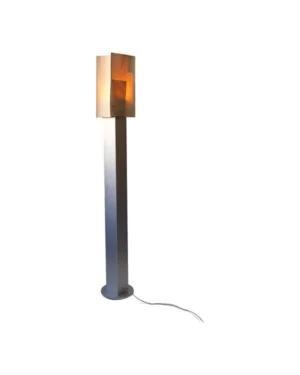
-

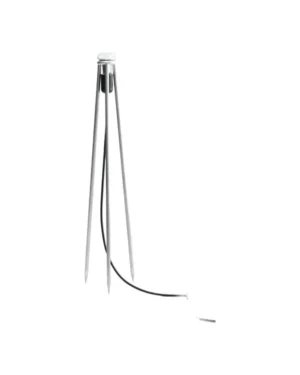
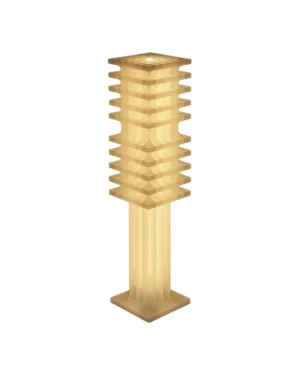
Deas Floor Lamp In Aluminum And Rattan
By Calen Knauf Studio
€1.360 -
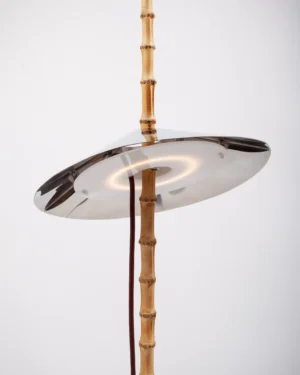
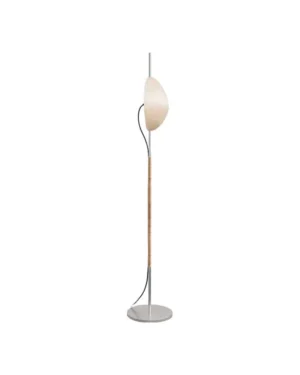
7plates Floor Lamp In Stainless Steel, Bamboo And Aluminum
By Calen Knauf Studio
€1.918 -

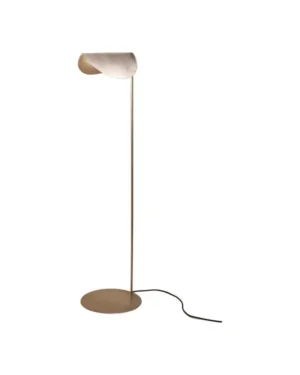
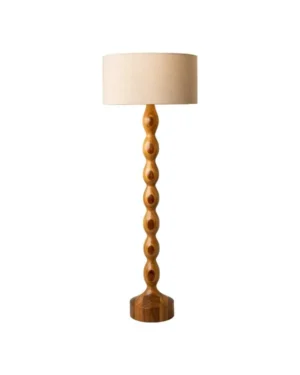
Pill1200 Floor Lamp In Stainless Steel
By MLK Furniture
€1.690 -
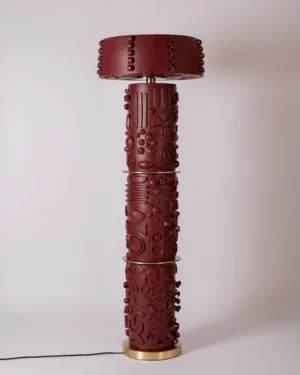
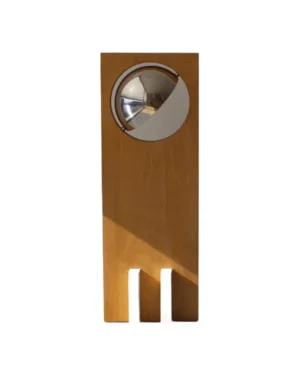
Sculpt Floor Lamp In Hand-built Stoneware
By Harshita Jhamtani Designs
€7.880 -

Exélixi Floor Lamp In Bio Plastic
By Julie Mallet Studio
€1.958 -

Bright Side Table Floor Lamp in Glass and Stainless Steel
By Ziroru Studio
€1.485 -
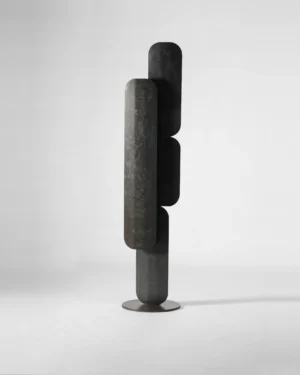
Nucleation Floor Lamp in Steel
By Drusch Design
€2.760 -
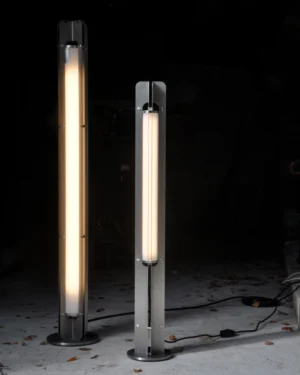
Pill600-70 Floor Lamp In Stainless Steel
By MLK Furniture
€1.490€1.267 -

Lomo Floor Lamp In Wool And Ash Wood
By Natural Urbano - Sebastián Beltrán
€565 -
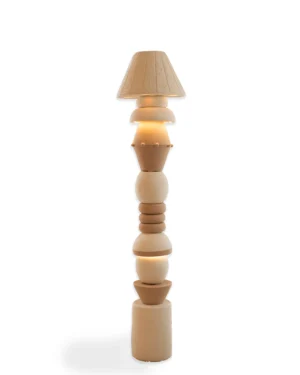
Totem Floor Lamp In Stoneware And Clay Paste
By Harshita Jhamtani Designs
€2.570 -

Sky-set Floor Light
By Dace Sūna
€5.800 -
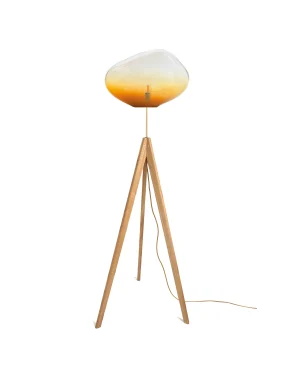
Statix Amber Iridescent Floor Lamp In Blown Glass
By ELOA - Unique Lights
€6.360 - €6.910 -
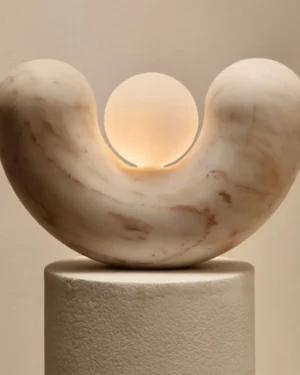
Estremoz Floor Lamp In Marble And Glass
By Joana Vilaça Studio
€3.800 -
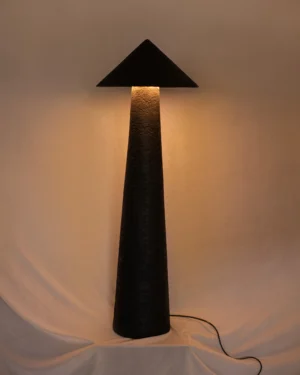
Kasa (m) Lamp In Clay Paste And Mild Steel
By Harshita Jhamtani Designs
€1.460 -
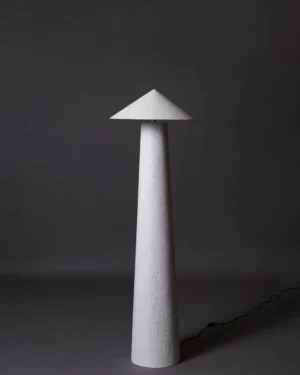
Kasa Floor Lamp In Clay Paste And Mild Steel
By Harshita Jhamtani Designs
€2.130 -
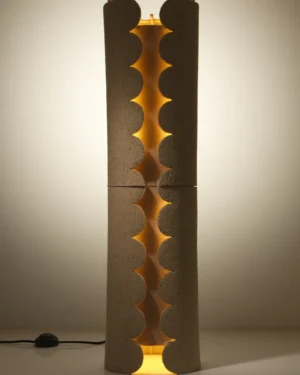
My Stone Flower Large Floor Lamp in Stoneware
By Katia Langeard
€2.330 -
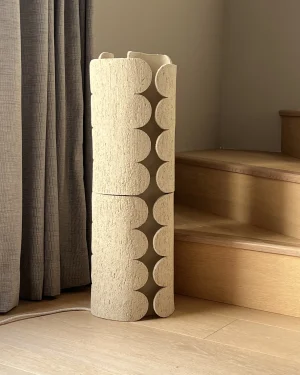
My Stone Flower – Ceramic Floor Lamp Medium
By Katia Langeard
€900 -
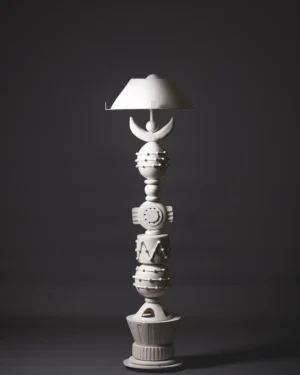
Asteroid Floor Lamp In Stoneware And Mild Steel
By Harshita Jhamtani Designs
€2.570 -
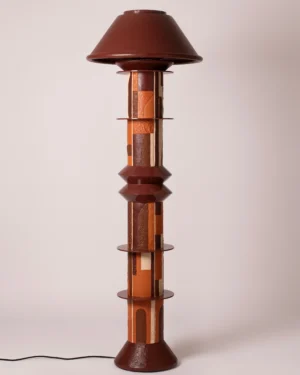
The Rouge Floor Lamp In Clay Paste And Metal
By Harshita Jhamtani Designs
€4.430 -
 In stock
Totem Floor Lamp
By Gábor Góbi
€2.390 -
 In stock
Wrench Standing Floor Lamp In Aluminum And Iron
By Iyo Hasegawa
€2.300 -
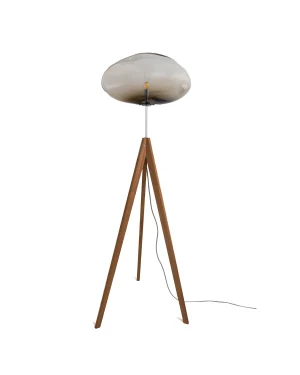
Statix Silver Smoke Floor Lamp In Blown Glass
By ELOA - Unique Lights
€6.360 - €6.910 -
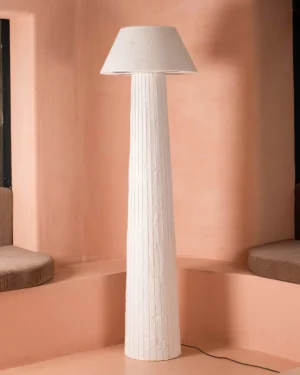
Rio Floor Lamp In Clay Paste And Mild Steel
By Harshita Jhamtani Designs
€2.270 -
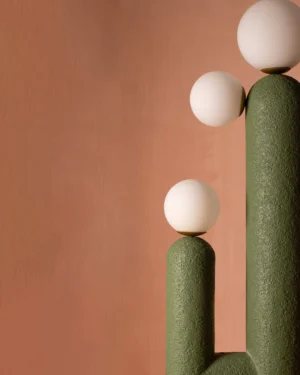
Cactus Floor Lamp In Clay Paste, Mild Steel And Glass
By Harshita Jhamtani Designs
€2.570 -

Alumette Floor Lamp In Aluminum
By Calen Knauf Studio
€2.617 -
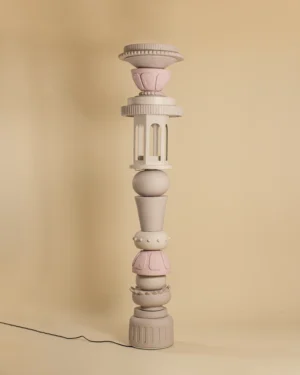
Pillar Of Ties Totem Floor Lamp In Stoneware, Clay Paste And Wood
By Harshita Jhamtani Designs
€3.780 -
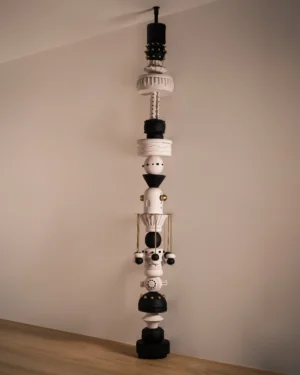
Asteroid Floor-to-ceiling Totem In Stoneware And Brass
By Harshita Jhamtani Designs
€6.900 -
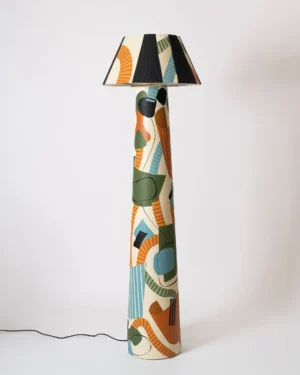
Hand Painted Rio Floor Lamp In Clay Paste And Mild Steel
By Harshita Jhamtani Designs
€3.940 -
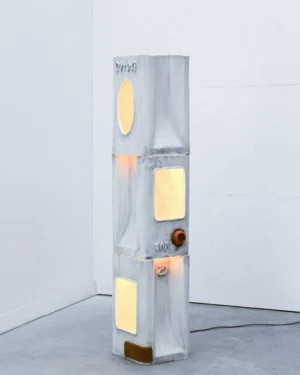 In stock
Vestigi 01 – Stoneware Floor Lamp
By Pierre Klein
€7.200 -
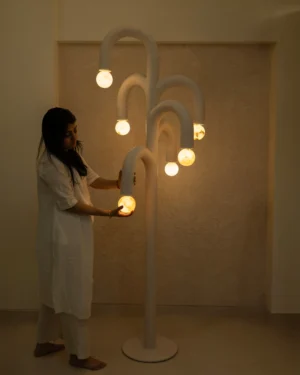
Big Cactus Floor Lamp In Clay Paste, Mild Steel And Alabaster
By Harshita Jhamtani Designs
€3.310 -
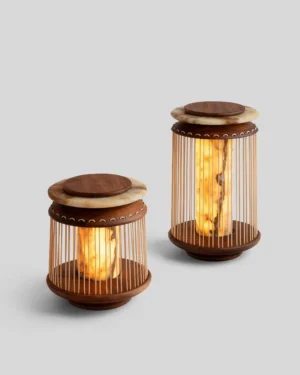
Ebtún Floor Lamp
By Juskani Alonso
€2.890 - €3.340 -
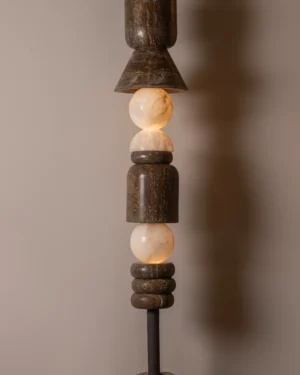
Titan Travertine Totem Floor Lamp In Travertine And Alabaster
By Harshita Jhamtani Designs
€3.070 -
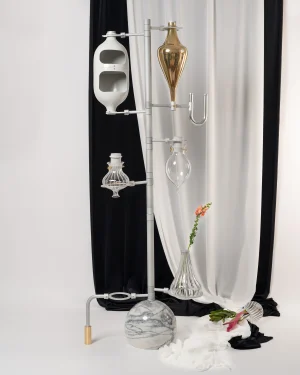 In stock
Emotional Lab Grey Floor Lamp In Marble And Aluminum
By Hania Jneid Design Studio
Price Upon Request -
 In stock
Untitled Ii Floor Lamp In Steel And Bronze
By aeny studio
Price Upon Request -
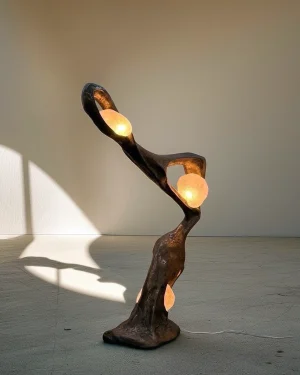
Untitled Iii Floor Lamp In Steel And Bronze
By aeny studio
Price Upon Request -

Untitled I Floor Lamp In Steel And Bronze
By aeny studio
Price Upon Request
Entryway floor lamps meet a room that is used for seconds at a time, not hours, so they are built to read clearly at a glance: a steel column, a stoneware base wide enough to resist a bumped coat, an alabaster shade that glows rather than glares. Studios working in metalwork, hand-building and stone carving make them, often in mild steel, stoneware or alabaster, sometimes in stainless steel, aluminum, plaster composite or acrylic. Many are produced in limited editions, a handful as open editions that studios keep in ongoing production.
What defines a floor lamp built for a hallway or entry
An entryway lamp has to stand near a door, which means a narrower footprint and a base heavy enough to resist a draft or a dropped umbrella. Steel columns are welded and ground smooth, so the joins disappear into a single upright line. Stoneware and alabaster bases are hand-built or stone-carved, which gives each one a slightly different weight and surface, since both materials carry natural variation from the block or the clay body.
Finishes and colors common to this group
Off-white, cream and gray dominate, colors that let a lamp sit quietly against plaster or painted walls without competing with artwork or mirrors nearby. Bronze and silver tones show up in metalwork, either brushed into the steel or applied as a patina that will deepen slightly with handling over years. Rust and terracotta appear in stoneware and plaster composite pieces, warmer tones that read well against stone or wood flooring.
How to choose one for scale and placement
Measure the width of the path people actually walk, not just the open floor space, since an entryway is rarely more than a corridor with a door at one end. A lamp under three feet tall tends to disappear next to a console or an entryway table, while one closer to five feet holds its own as a freestanding piece and can stand in for overhead light the way wall fixtures cannot. Consider the base diameter against the width of the entry: a wide alabaster or stoneware foot needs more floor than a slender steel one, and will dictate how close a bench or table can sit.
- For narrow hallways, favor a steel or aluminum lamp with a slim column and a compact foot.
- For wider entries, a stoneware or plaster composite base can anchor the space on its own.
- Alabaster shades suit a dim corner, since the stone diffuses light rather than throwing it across a room.
Styles and editions found here
Wabi-sabi and Japandi pieces lean on unglazed stoneware and visible hand-building marks, while minimalist and contemporary lamps favor a single steel or aluminum form with no applied decoration. Conceptual and surrealist work turns the floor lamp into a sculptural object first, a light source second, and these are more often limited editions than open ones. Futuristic and biophilic pieces, where they appear, tend to use acrylic or woven rattan alongside steel, a looser read on what an entryway fixture can be.
Care for steel, stoneware and alabaster
Mild steel left unsealed will develop surface rust if it sits near a wet umbrella stand or an open door for long stretches, so a dry cloth after damp weather keeps the finish even. Stoneware and plaster composite bases can be dusted but should not be soaked, since both absorb water and can stain or weaken at the base. Alabaster is soft as stone goes and marks if scratched, so it is best kept clear of keys, bags and anything dragged across its surface.
For the wider range of entryway floor lamps alongside other lighting and furniture, see all floor lamps or everything gathered under entryway pieces. Steel forms in particular are easiest to compare through the metal floor lamps group, and quieter, single-form pieces sit within minimalist floor lamps. Entry surfaces that pair naturally with a floor lamp are covered under entryway tables.
How do I choose a floor lamp for an entryway?
Look for a narrow footprint and a base heavy enough to resist a bumped coat or dropped umbrella. Steel columns and stoneware or alabaster bases both hold steady near a door.
What height should an entryway floor lamp be?
Most stand tall enough to cast light at eye level without crowding a doorway, proportioned for a quick glance rather than extended reading. A maker can confirm exact dimensions through Chat with the maker on the piece's page.
How do I care for a stoneware or alabaster lamp base?
Wipe stoneware with a dry or barely damp cloth, since glazes can be porous. Alabaster stains easily, so keep it away from water and direct sun, which can cause fading over time.
Will a floor lamp work in a small entryway?
A single lamp with a narrow column and compact base can anchor a small entry without blocking movement, since it needs only floor space, not a wired fixture or shelf.
What is the difference between entryway and living room floor lamps?
Entryway lamps are built narrower and heavier at the base, meant to be passed quickly, while living room lamps are often taller or wider, designed for a seating area and longer use.
What are ADORNO's shipping, returns and authenticity policies?
Shipping is insured and worldwide. Returns are accepted within 14 days, except on made-to-order pieces, and every lamp arrives with a certificate of authenticity.