





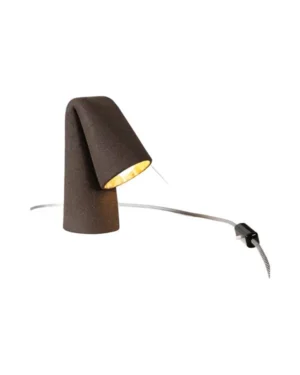
-
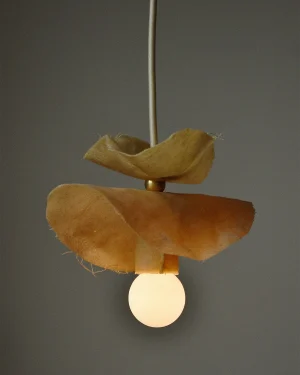
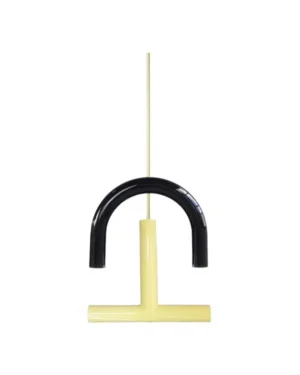
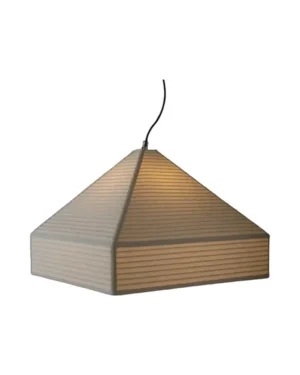
Judie Pendant Lamp in Cotton
By Atelier Alz
€200 -
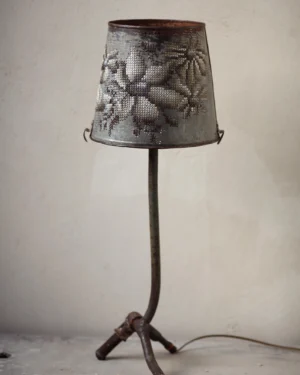
Light Bucket Challenge II Floor Lamp in Metal and Thread
By Severija Inčirauskaitė-Kriaunevičienė
€4.500 -
 In stock
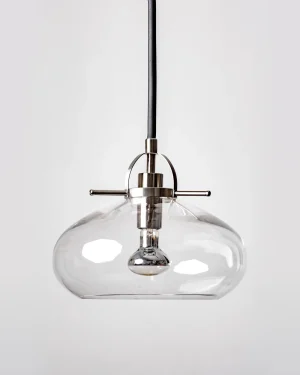
Art Deco Pendant Lamp in Glass and Stainless Steel
By Szostak Atelier
€1.000 -
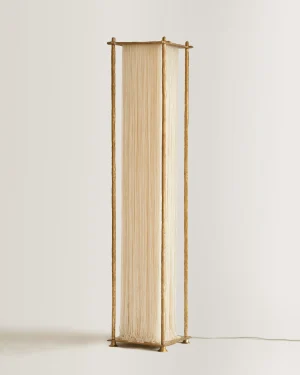
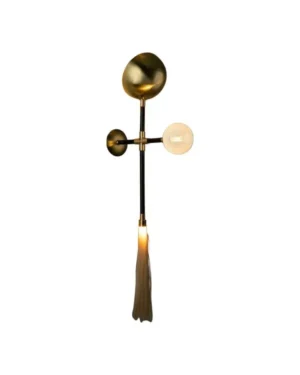
Ito Floor Lamp In Brass And Cotton Thread
By Stem
€6.050 -
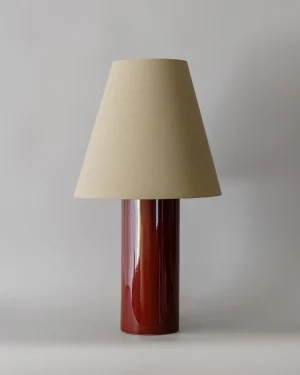
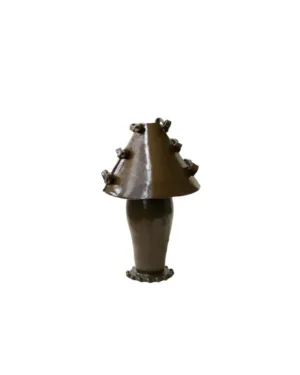
Giro Table Lamp in Ceramics and Cotton
By mattina moderna
€495 -
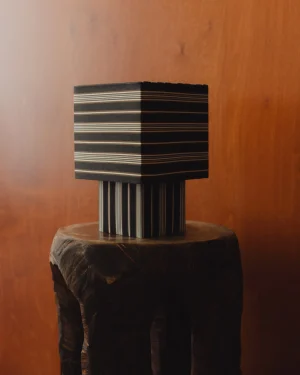
La Petite Boîte Cameron Black Table Lamp in Cotton
By mattina moderna
€285 -
 In stock
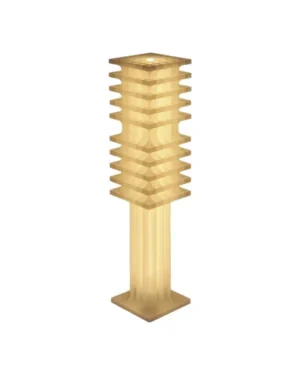
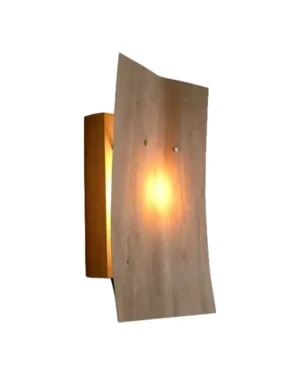
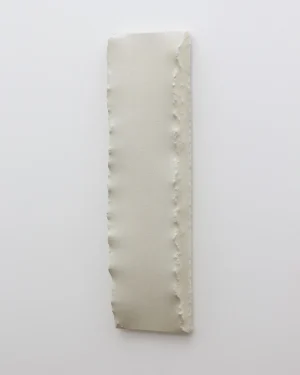
Edges 20-75 T8-60 Wall Sconce In Paper Pulp
By David Čáp
€400 -
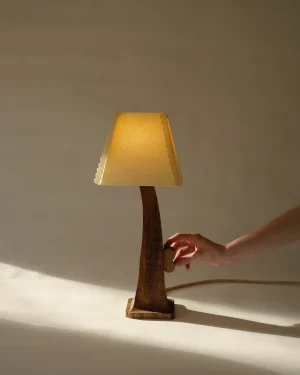
Sprout Table Lamp In Cotton And Natural Oak
By Basia Pruszyńska
€2.000 -

Edges 20-105 T8-90 Wall Sconce In Paper Pulp
By David Čáp
€500 -
 In stock
Edges Ellipse 36-96 T8-60 Wall Sconce In Paper Pulp
By David Čáp
€550 -
 In stock
Grid Table Lamp In Cotton And Resin
By Basia Pruszyńska
€2.000 -

Willow Floor Lamp in Steel and Cotton
By BOTHI
€455 -
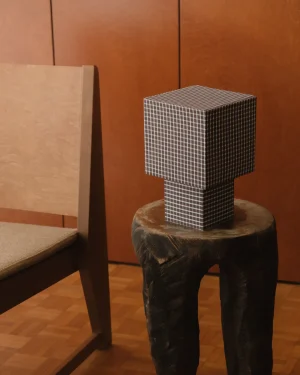
La Petite Boîte Table Lamp in Tartan Cotton
By mattina moderna
€285 -
 In stock
Edges 20-75 T8-60 Wall Sconce In Black Paper Pulp
By David Čáp
€550 -
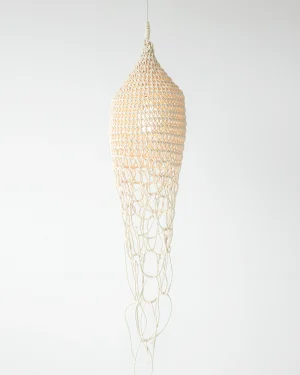
Meduse Pendant Lamp in Cotton
By Annie Legault
€700 -

Echin Pendant Lamp in Cotton and Glass
By PletoStudio
€1.100 -
 In stock
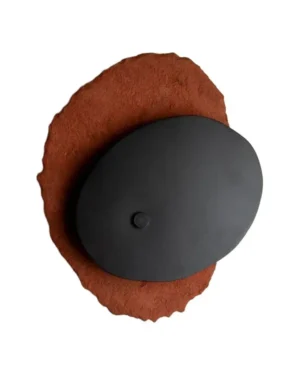
Brown Mud Ellipse Wall Sconce In Textiles And Wood
By David Čáp
€550 -
 In stock
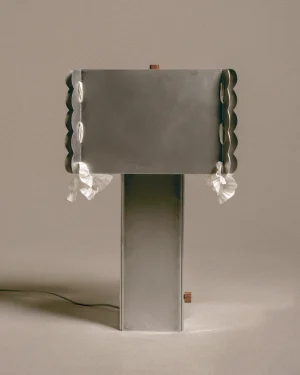
Serwetka Table Lamp in Aluminum and Cherry Wood
By Basia Pruszyńska
€1.900 -
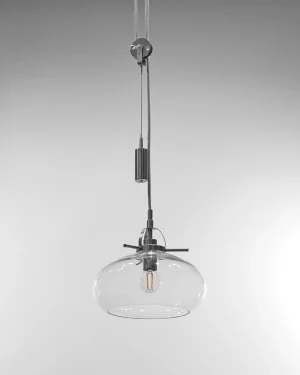
Art Deco Pendant Lamp with Weight in Glass and Steel
By Szostak Atelier
€1.400€1.330 -
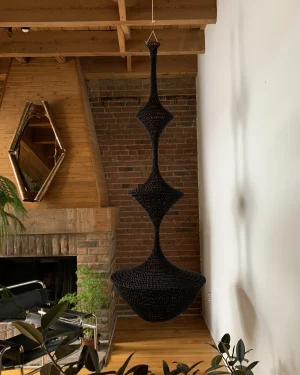
Briza Pendant Lamp in Cotton
By Annie Legault
€2.250 -

Silva Soft Floor Lamp in Biocomposite and Cotton
By PletoStudio
€1.100 -

Pivnich Floor Lamp in Ceramic and Cotton
By FAINA
€7.700 -

Owca Small Table Lamp In Cotton And Oak Wood
By Basia Pruszyńska
Price Upon Request -

Melica Pendant Lamp in Cotton
By Annie Legault
Price Upon Request -
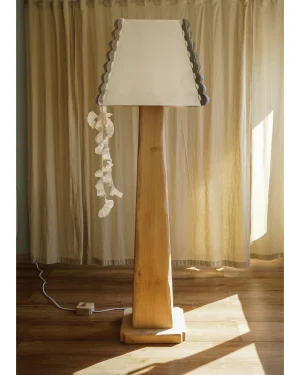
Falbanka Floor Lamp in Aluminum and Oak Wood
By Basia Pruszyńska
Price Upon Request -
 Sold
La Petite Boîte Table Lamp in Polka Dot Cotton
By mattina moderna
€285
Cotton lamps use woven or hand-stitched cotton shades to soften a bulb's output into a wide, even glow rather than a direct beam. Studios pair the fiber with bases in oak or other wood, or bent from steel or aluminum, so the shade carries the light and the base carries the weight. Some shades are plain and taut, others gathered, pleated or embroidered, which changes how much light passes through and how the lamp reads once it is switched off.
What defines a cotton shade
Cotton is a plant fiber, spun and woven into a cloth that is dense enough to hold a shape over a wire or paper frame yet open enough to let light through. Unbleached or natural cotton gives a warmer, amber cast; bleached white or pale gray cotton gives a cooler, brighter spread. Because the fiber breathes, cotton shades do not yellow from heat the way some plastics do, though they do take on dust and, over years near a window, a little sun fading.
How the range is made
Across the pieces grouped here, cotton rarely stands alone. It is combined with paper pulp for layered shades, with glass diffusers for a harder inner light, or with oak and other solid woods for the stand itself. Finishes run from black and white through beige, brown and silver-toned metal, which lets a cotton lamp sit inside a contemporary, mid-century, Art Deco or boho interior without fighting the furniture around it.
- Techniques: textilework, embroidery, hand assembly, wood and cabinetmaking, metalwork, papermaking
- Editions: open editions for everyday use, limited editions and unique pieces for a single statement lamp
- Common pairings: cotton with brass or stainless steel bases, cotton with oak or other wood stands, cotton over a glass or paper core
For a broader view of the fiber across other rooms and furniture, the full range of cotton pieces on ADORNO spans seating, decor and lighting, not only lamps. Within lighting, cotton is also found stitched onto pendant and wall fittings, listed separately under cotton lighting.
Choosing a cotton lamp
Start with scale. A table lamp with a cotton shade should sit roughly at eye level when seated nearby, so the bulb itself stays hidden and only the glow is visible. A floor lamp needs a shade wide enough to spread light across a sofa or reading chair without casting a hard-edged pool on the ceiling.
Base material sets the mood as much as the shade. Turned wood reads warmer and heavier, brass or steel reads sharper and more graphic, and a slim stainless steel stem will visually disappear faster than a thick wooden column. If the room already leans toward polished metal and glass, a metal lamp with a cotton shade can bridge the two materials; if it leans toward oak floors and linen upholstery, a wood-based cotton lamp will sit more quietly.
Where cotton lamps work
Soft, diffused light is forgiving, which is why cotton lamps are common in places meant for rest rather than close work. A low cotton lamp beside a bed casts enough light to read by without the glare of an exposed bulb, which is one reason they recur among bedroom lamps. In a sitting area, a taller cotton floor lamp can anchor a corner and fill the gap between a bright overhead fixture and a dim evening room, alongside other living room lamps.
Caring for a cotton shade
Dust a cotton shade regularly with a soft brush attachment or dry cloth, working with the weave rather than against it. Keep cotton lamps out of direct, prolonged sun, which will fade color unevenly before it fades a base. Spot-clean marks with a barely damp cloth and let the shade air dry fully before switching the lamp back on, since a wet shade close to a hot bulb can scorch. For the wider family of lamps this material belongs to, the full collection of lamps shows how cotton shades sit alongside ceramic, glass and metal fittings made in the same spirit.
How do I choose a cotton lamp?
Look at the weave first. A loose weave spreads light sideways and suits a living room, while a tight or doubled weave directs light down or up, better for a desk or a bedside table.
How do you clean and care for a cotton lamp shade?
Dust regularly with a soft brush or cloth attachment, and keep the shade out of direct sun for long stretches since cotton can fade over years near a window. Spot clean only, and avoid soaking the fabric.
What size or height of cotton lamp do I need?
A table lamp generally sits so its shade meets eye level when seated, while a floor lamp should clear nearby seat backs. Chat with the maker on a piece's page to confirm its exact dimensions.
Which rooms suit a cotton lamp?
Natural, unbleached cotton gives a warm, amber glow suited to living rooms and bedrooms, while bleached white or gray cotton casts a cooler, brighter light that works well near a desk or reading chair.
Does a cotton lamp shade yellow or wear out over time?
Cotton breathes, so it resists the yellowing that heat causes in some plastics, though it does collect dust and can fade slightly with years of direct sun exposure.
What about shipping, returns and authenticity when buying from ADORNO?
Shipping is insured and worldwide, with a 14-day return policy excluding made-to-order pieces. Every piece comes with a certificate of authenticity, backed by a lowest-price guarantee.