





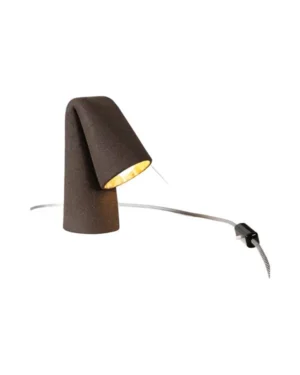
-

Artefacto Ls 16 Floor Lamp In Woven Wicker Fiber
By LØRDAG & SØNDAG
€1.090 -
 In stock
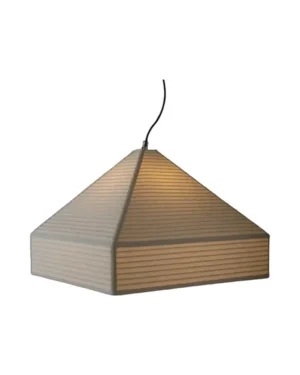
Thalie Vi Table Lamp Sheer Fabric
By Atelier Alz
€200 - €300 -
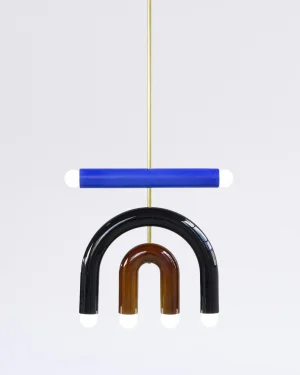
Trn / Model D1 Pendant Lamp in Ceramic
By Pani Jurek STUDIO
€1.080 -
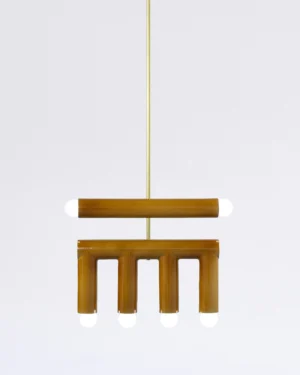
Trn / Model D2 Pendant Lamp in Ceramic
By Pani Jurek STUDIO
€1.080 -

Trn / Model E1 Pendant Lamp in Ceramic
By Pani Jurek STUDIO
€1.430 -

Strikha Table Lamp in Clay
By FAINA
€1.820 -
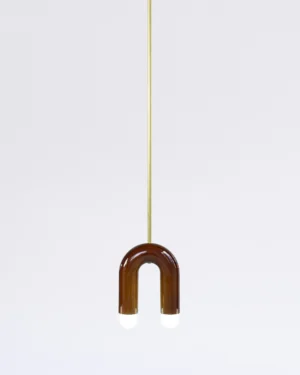
Trn / Model A1 Pendant Lamp in Ceramic
By Pani Jurek STUDIO
€470 -

Trn / Model C2 Pendant Lamp in Ceramic
By Pani Jurek STUDIO
€880 -

Trn / Model B2 Pendant Lamp in Ceramic
By Pani Jurek STUDIO
€625 -
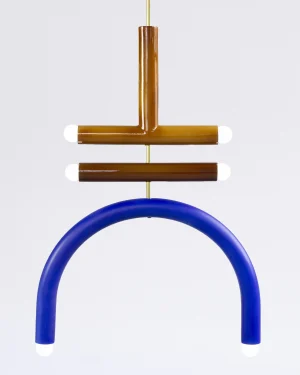
Trn / Model F2 Pendant Lamp in Ceramic
By Pani Jurek STUDIO
€1.600 -
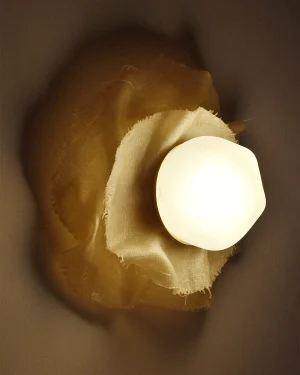
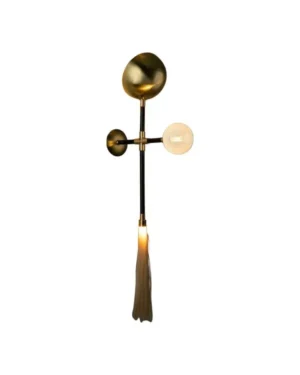
Liora II Wall Sconce in Glass, Brass and Fabric
By Atelier Alz
€350 -
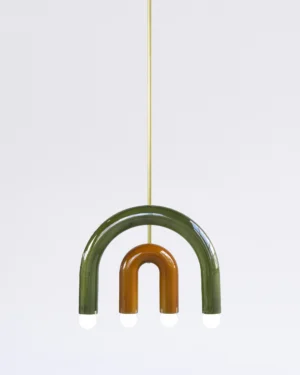
Trn / Model C1 Pendant Lamp in Ceramic
By Pani Jurek STUDIO
€880 -

Trn / Model B3 Pendant Lamp in Ceramic
By Pani Jurek STUDIO
€625 -

Trn / Model F3 Pendant Lamp in Ceramic
By Pani Jurek STUDIO
€1.600 -
 In stock
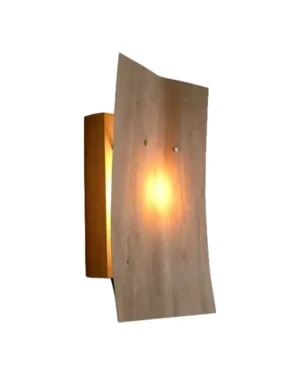
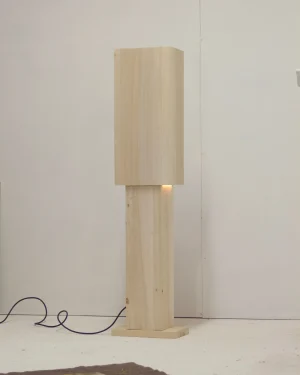
Sensitive Wood Claire Floor Lamp In Poplar Wood
By Vital Lainé
€1.000 -

Regina Table Lamp In Marble
By Daniel Orozco Estudio
€2.034 -
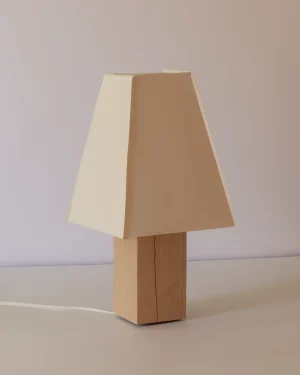
PL – 1 Table Lamp in Beech Wood and Paper
By Sergio Enríquez Industrial Design Office
€1.500 -
 In stock
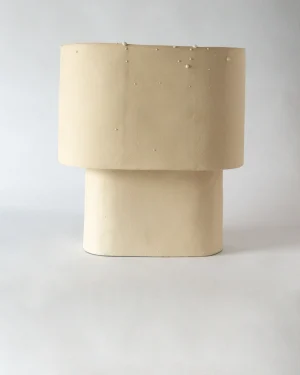
Lampe Beige Large Table Lamp in Glazed Stoneware
By Huillet Lucas
€1.900 -
 In stock
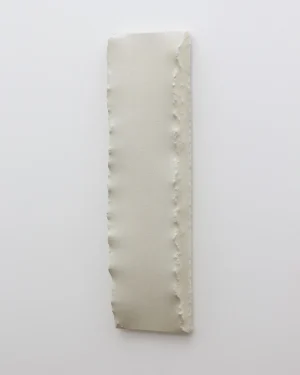
Edges 20-75 T8-60 Wall Sconce In Paper Pulp
By David Čáp
€400 -
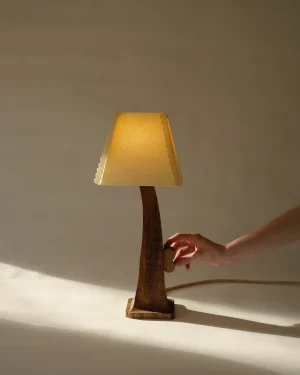
Sprout Table Lamp In Cotton And Natural Oak
By Basia Pruszyńska
€2.000 -

Edges 20-105 T8-90 Wall Sconce In Paper Pulp
By David Čáp
€500 -
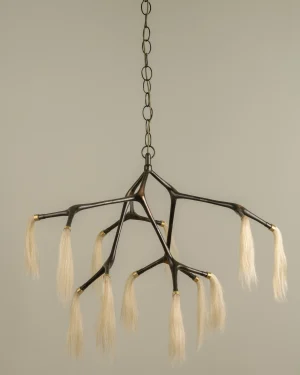
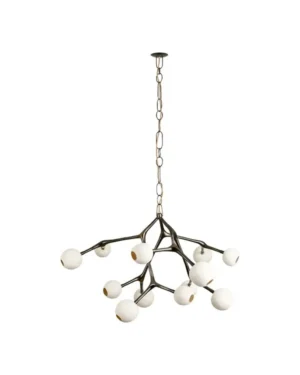
Maratus Horsehair Chandelier in Bronze
By Isabel Moncada
€33.345 -

Trn / Model A2 Pendant Lamp in Ceramic
By Pani Jurek STUDIO
€470 -
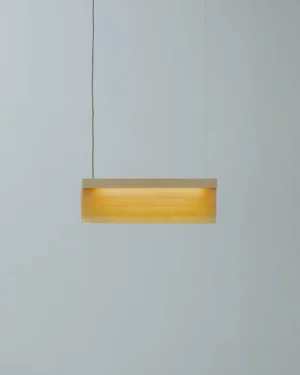
Cenit S Pendant Lamp In Ash Wood And Celium
By Natural Urbano - Sebastián Beltrán
€740 -

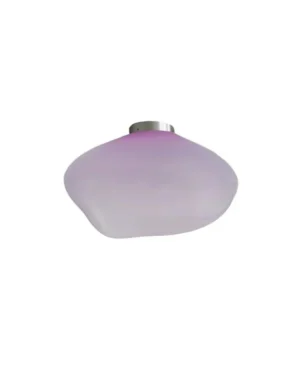
Pendulum Triptych Ceiling Lamp In Bio Plastic
By Julie Mallet Studio
€792 -
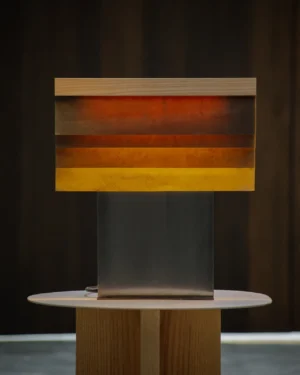
Cenit Table Lamp In Ash Wood And Celium
By Natural Urbano - Sebastián Beltrán
€510 -
 In stock
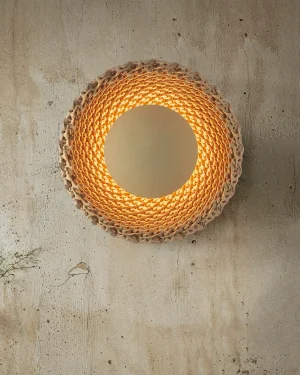
Sun V2-b – 3d Printed Wall Lamp
By Rollo Studio
€6.049 -
 In stock
Grid Table Lamp In Cotton And Resin
By Basia Pruszyńska
€2.000 -

Original Lamp 1 Floor Lamp in Parota Wood and Textile
By Daniel Orozco Estudio
€1.899 -

Kalia Table Lamp in Glass and Resin
By Justyna Poplawska
€536 -
 In stock
Nebula Table Lamp in 3D Printed PLA
By Cornu Design
€250 -
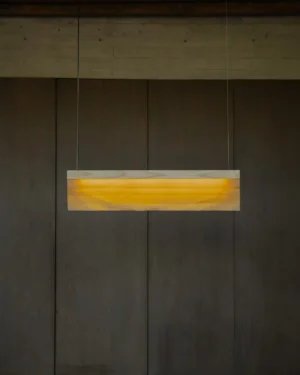
Cenit L Pendant Lamp In Ash Wood And Celium
By Natural Urbano - Sebastián Beltrán
€895 -
 In stock
Off-form Lamp, Cube
By Nao Iyama
€1.350 -
 In stock
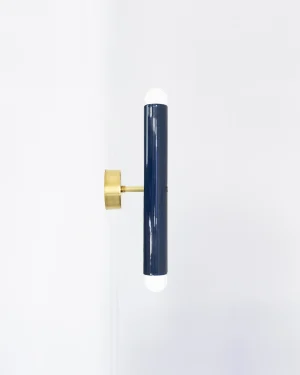
Trn Wall Sconce in Glazed Ceramic
By Pani Jurek STUDIO
€470 -
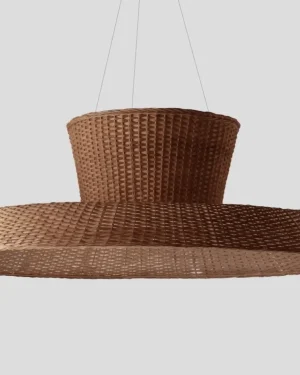
Strikha Pendant Lamp in Willow Vine
By FAINA
€2.070 -

Vira Triptych Ceiling Lamp In Bio Plastic
By Julie Mallet Studio
€567 -
 In stock
Manon Floor Lamp in Rattan
By Heaps & Woods
€2.125 - €2.375 -
 In stock
Petita Floor Lamp in Rattan
By Heaps & Woods
€375 - €1.975 -
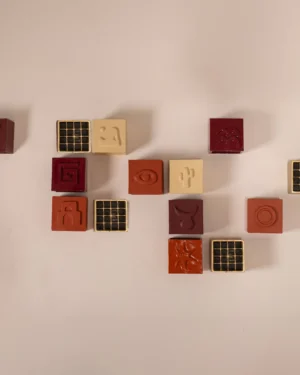
Oasis Wall Light In Hand-sculpted Stoneware
By Harshita Jhamtani Designs
€410 -
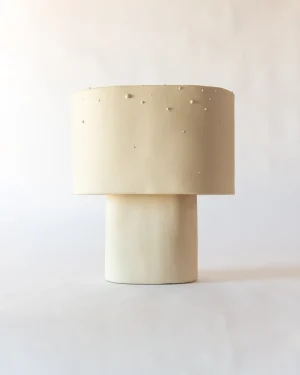
Lampe Beige Medium Table Lamp in Glazed Stoneware
By Huillet Lucas
€1.300 -

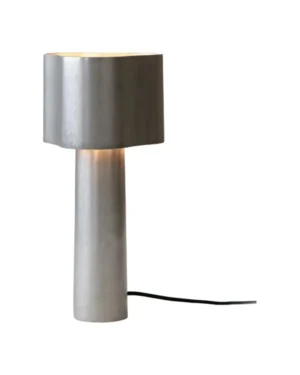
Stutter Table Lamp In Aluminum
By Calen Knauf Studio
€1.344 -
 In stock
Off-form Lamp, Cuboid
By Nao Iyama
€1.800 -
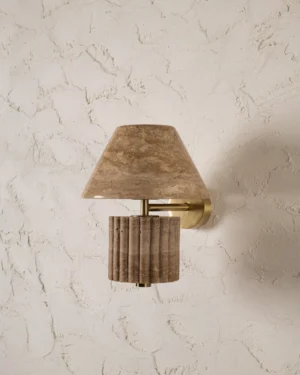
Rio Wall Lamp In Beige Travertine And Brass
By Harshita Jhamtani Designs
€1.150 -

Trn / Model F1 Pendant Lamp in Ceramic
By Pani Jurek STUDIO
€1.600 -
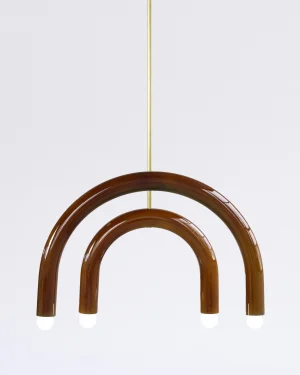
Trn / Model E3 Pendant Lamp in Ceramic
By Pani Jurek STUDIO
€1.430 -
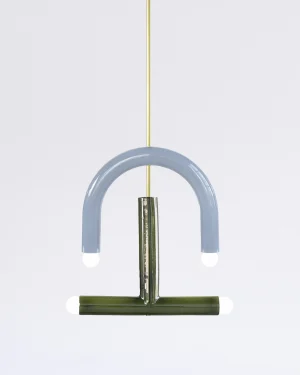
Trn / Model C3 Pendant Lamp in Ceramic
By Pani Jurek STUDIO
€880 -

Trn / Model F1 Silver Finish Pendant Lamp in Ceramic
By Pani Jurek STUDIO
€1.650 -
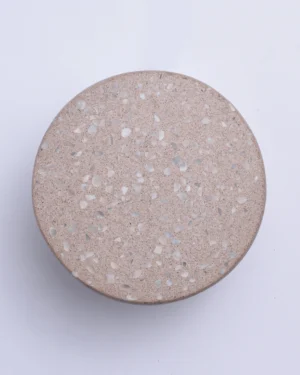
Wilo Nude Wall Sconce In Terrazzo, Aluminum And Silicone
By Harshita Jhamtani Designs
€220 -
 In stock
Square Table Lamp in Epoxy Resin
By Ragna Ragnarsdottir
€1.900 -
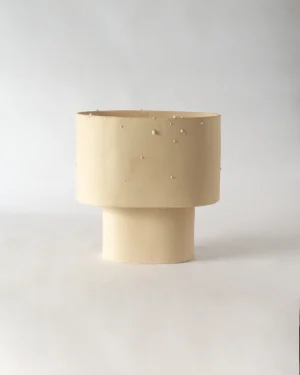 In stock
Lampe Beige Small Table Lamp in Glazed Stoneware
By Huillet Lucas
€1.100 -
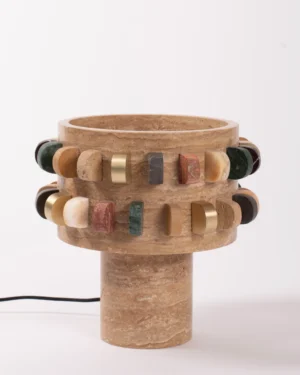
Outcasts Table Lamp In Marble And Travertine
By Harshita Jhamtani Designs
€2.140 -
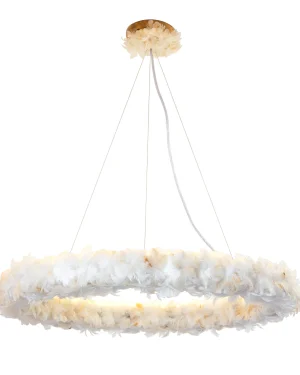
Halo Pendant Lamp in Peroba Wood and Feathers
By YANKATU
€3.700 -
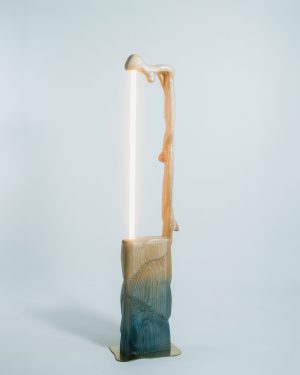 In stock
Blueprint Floor Lamp in Ash Wood
By Studio Kloak
€2.500 -
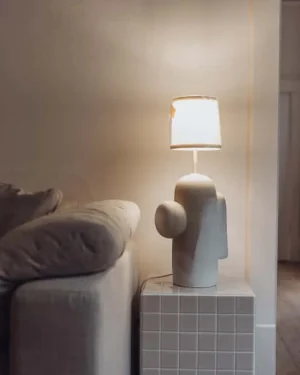 In stock
Nodo Table Lamp in Speckled Stoneware
By LYT Studio
€550
Beige lamps take their warmth from the material underneath the color, not from a coat of paint: a stoneware glaze fired to a sandy matte, brushed steel left with a soft patina, cotton pulled tight over a frame. Independent studios build them through hand-building, glazing, metalwork and textilework, so the same neutral tone arrives by very different routes. Some are open editions repeated in small runs, others are unique pieces that vary from one to the next.
How beige behaves in glaze, metal and fiber
In fired clay, beige is rarely flat. A glaze pools thicker in the grooves of a hand-built base and thinner on the raised surfaces, so the same lamp can read sandy in one light and almost gray in another. Unglazed stoneware and raw clay bodies carry a similar tone but with a drier, chalky surface that softens the light passing through a shade.
Brushed steel and aluminum hold beige differently, as an applied finish over a cool metal base, so highlights along an edge or a seam can show the metal underneath. Natural fiber and cotton shades sit at the warm end of the color, since the fiber itself is close to beige before any dye is added, which is part of why woven and textile lamps feel so settled next to ceramic ones.
The range of beige lamps found on ADORNO
Across the full range of lamps, beige pieces cover floor, pendant and table forms, in a handful of recurring materials and techniques:
- Glazed ceramic and stoneware, hand-built or thrown, with matte or semi-gloss finishes
- Brushed steel and brass, worked through metalwork into floor and table bases
- Woven natural fiber, cotton and other textiles, shaped through textilework and weaving
- Occasional biofabricated or papermade shades, where the beige comes from an unbleached or plant-based material rather than a dye
Styles range from minimalist and contemporary pieces, where the beige surface is left plain, to Bauhaus and Art Deco references, where it sits alongside brass or black trims. Every beige tone across lighting and furniture, not only lamps, is gathered on the beige color page, useful if a room is being planned around the tone rather than one piece.
Choosing a beige lamp by scale, height and finish
Floor lamps need height more than footprint: a base that comes to shoulder height when seated works for reading, while a taller, uplighting form suits a corner with no task to perform. Table lamps should sit low enough that the shade falls at or below eye level once a person is seated nearby, so the bulb or diffuser stays out of direct sight.
Matte glaze and raw clay finishes read as the softest, calmest version of beige and hide handling marks well. Brushed metal brings more contrast and a cooler undertone, which helps a lamp stand out against beige or white walls instead of disappearing into them. For bases worked in metal, check the plinth width against the surface it will sit on, since narrow feet can look unsteady on a wide table.
Where beige lamps sit well in a room
Beige is a background color, which is exactly why it carries weight in rooms meant for rest. A pair of table lamps either side of a sofa in the living room lets the shade color recede while the form and light do the work. In the bedroom, a glazed or fiber shade softens a reading light enough to use late at night without the glare of a brighter white.
Caring for ceramic, metal and fiber lamps
Glazed ceramic and stoneware need only a dry or slightly damp cloth; harsh cleaners can dull a matte glaze over time. Brushed metal should be wiped with a dry cloth to avoid water spots, and natural fiber or cotton shades do best kept out of direct sun, which can shift a warm beige toward gray over the years.
How do I choose a beige lamp?
Start with the material, since it decides the tone: glazed ceramic leans sandy and warm, brushed metal stays cooler, natural fiber sits at the warmest end. Match that undertone to the other surfaces in the room before the shape or size.
How do I clean and care for a beige lamp?
Dust ceramic and metal lamps with a dry or barely damp cloth, and keep glaze away from harsh cleaners that can dull the finish. Natural fiber and textile shades should stay dry and out of direct sun, which fades and weakens the fibers over time.
What size or height lamp do I need?
Table lamps generally sit with the shade at eye level when seated, floor lamps rise a bit above a sofa arm, and pendants hang low enough to pool light without blocking a view.
Which rooms suit beige lamps?
Beige works in living rooms and bedrooms, where its warmth softens brighter accent colors, and in entryways and studies, where it reads as settled rather than decorative. Ceramic and metal versions suit more formal rooms, woven and fiber ones suit relaxed, textured spaces.
Are beige lamps handmade or made in limited numbers?
Many are hand-built, glazed, shaped or woven by independent studios, with some repeated in small open editions and others made as unique pieces that vary from one to the next. A maker can confirm the method and edition for a specific piece on its page.
What about shipping, returns and authenticity when buying through ADORNO?
Shipping is insured and worldwide, with a 14-day return policy excluding made-to-order pieces. Every piece comes with a certificate of authenticity, backed by a lowest-price guarantee.