
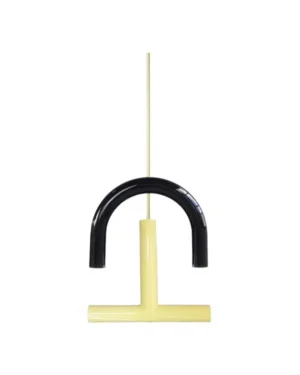
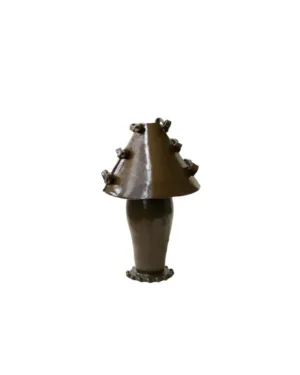
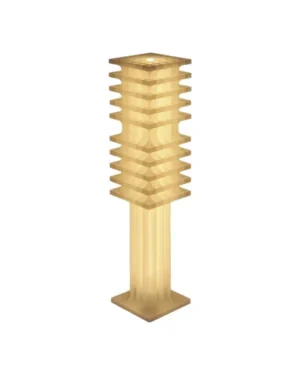
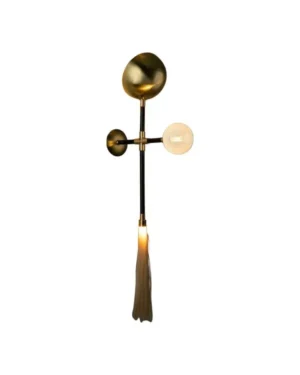













-
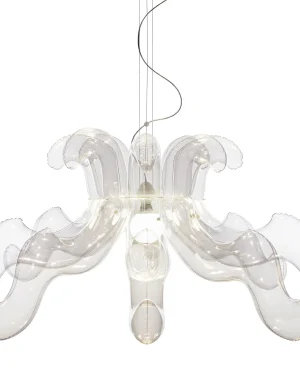
Lullaby No.2 Chandelier in PVC and Acrylic
By PUFF-BUFF
€640 -
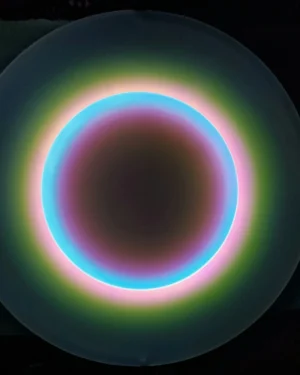
Event Horizon L Wall Sconce in Acrylic Glass
By Catrinel Sabaciag
€1.963 -
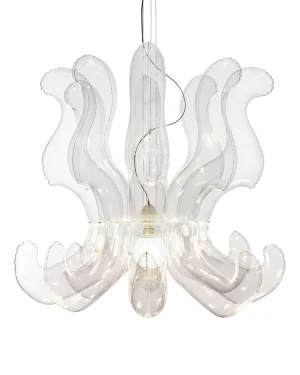
Lullaby No.1 Chandelier in PVC and Acrylic
By PUFF-BUFF
€640 -
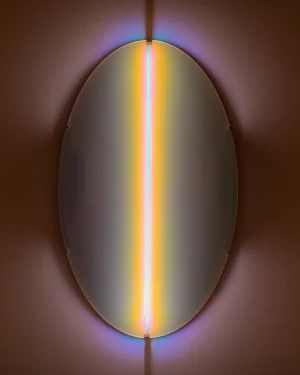
Aurora Gloss Wall Sconce in Acrylic and Aluminum
By Catrinel Sabaciag
€1.341 -

Umu U Pendant Lamp In Iron And Acrylic Glass
By Drusch Design
€950 -

Totem Wall Sconce in Aluminum and Acrylic Glass
By Catrinel Sabaciag
€1.326 -
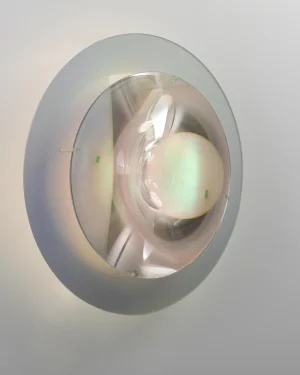
Noosphere Wall Sconce in Aluminum and Acrylic Glass
By Catrinel Sabaciag
€1.072 - €1.112 -
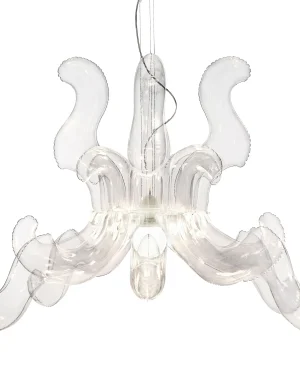
Lullaby No.3 Chandelier in PVC and Acrylic
By PUFF-BUFF
€640 -

Horizons
By Studio Lampent
€1.500 -
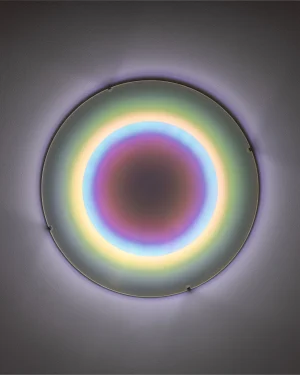
Event Horizon S : Eclipse Gradient Acrylic Glass Lamp
By Catrinel Sabaciag
€981 -
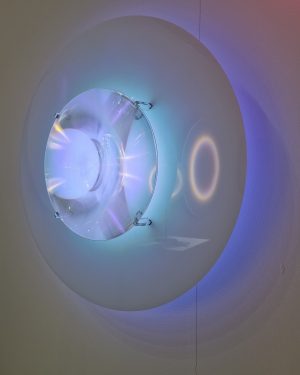 Sold
Noosphere Large, Smart Gradient Wall Lamp
By Catrinel Sabaciag
€934 -
Noosphere Small, Smart Gradient Wall Lamp
By Catrinel Sabaciag
€901
Acrylic glass lamps pair the optical clarity of glass with a fraction of its weight, letting light pass through a shell that can be left clear or cast in strong color. Studios working in this material come from plastics engineering as often as from design, since shaping it well calls for mastery of heat, molds and polish. The result sits somewhere between sculpture and fixture, read as an object by day and as a glow by night.
What Defines Acrylic Glass in Lighting
Acrylic glass, also called Plexiglas or PMMA, takes dye evenly through its body rather than only on its surface, so a cobalt blue or off-white lamp holds that color at any angle the light catches it. Left transparent, it refracts and bends a bulb's glow in ways that cut glass only approximates at a lower cost and weight. It resists shattering the way glass does, though it scratches more easily, which is why most pieces leave the mold with a polished or sanded finish rather than a raw one.
How These Lamps Are Made
Two methods dominate here. Vacuum forming heats a sheet of acrylic until it softens, then draws it over a mold under pressure to hold a shape, a process suited to open editions with repeatable curves and shells. Resin casting pours liquid acrylic into a mold and lets it cure solid, which allows denser, sculptural forms and makes each unique piece possible since every pour can vary slightly in color and density.
Beyond these two, some studios finish their work with metalwork or hand assembly, pairing acrylic shades or bases with aluminum or iron fittings. Digital fabrication increasingly shapes the molds themselves, letting futuristic and space age silhouettes reach production without hand-carving every form.
Choosing a Lamp by Scale, Finish and Placement
Scale matters more with acrylic glass than with opaque materials, since a clear or lightly tinted piece reads as volume rather than mass. A tall floor lamp in transparent acrylic can anchor a corner without visually crowding it, while a small table lamp in solid color behaves more like an accent object than a light source until switched on.
- Clear or lightly tinted pieces suit rooms where you want light without visual weight.
- Saturated colors such as cobalt blue or black work as a focal point on a side table or console.
- Multicolor and maximalist pieces hold their own against plain walls and simple furniture.
Height and placement follow the same logic as any lamp: table pieces should sit near eye level when seated, floor pieces should clear nearby seating by enough to avoid glare. Pair an acrylic piece with minimalist lamps in metal or wood where a room already carries strong pattern or color, letting the acrylic form stand alone.
Where These Lamps Belong
Acrylic glass lamps suit living rooms and studies where their transparency keeps a space feeling open, and they work equally well in a bedroom as a soft, colored night light that avoids harsh shadow. Their resistance to moisture and corrosion also makes them a reasonable choice for bathrooms or covered outdoor spots, which few metal or wood lamps can claim without extra finishing. For broader pairing ideas across rooms, the living room lamps and bedroom lamps ranges show how different materials sit in each setting.
Caring for Acrylic Glass
Acrylic glass scratches more readily than mineral glass, so it should be dusted with a soft, dry cloth rather than wiped with abrasive cleaners or paper towels. Mild soap and water lift fingerprints and grime without clouding the surface, and a plastic polish restores shine if fine scratches appear over time. Keep pieces away from direct, prolonged heat, since acrylic softens well below the temperature that glass can withstand.
For the full range of lamps in every material, the lamps category covers ceramic, wood, metal and glass alongside acrylic, while every acrylic piece beyond lighting, including acrylic glass furniture and objects, shows how studios use the same material elsewhere in a room. Those drawn to its color and form in fixtures rather than lamps alone can also look at acrylic glass lighting more broadly, from sconces to chandeliers built on the same casting and forming techniques.
How do I choose an acrylic glass lamp?
Decide whether you want it to disappear or stand out: clear bodies blend into a room by day, while colored or cast forms read as sculpture even when unlit.
How do you clean and care for an acrylic glass lamp?
Wipe with a soft, slightly damp cloth, since acrylic scratches more easily than glass and dry wiping can grind in dust. Avoid ammonia-based cleaners, which cloud the surface, and keep it away from direct, prolonged heat.
What size or height of acrylic glass lamp works best?
This depends on the specific piece, including its exact height and base size. Chat with the maker on the piece's page to confirm dimensions before ordering.
Which rooms suit acrylic glass lamps?
Their lightweight shells and dual nature as object and glow suit living rooms and bedrooms alike, anchoring a side table by day and casting color after dark. Transparent pieces read as understated, while cast color forms carry more presence.
Can I get an acrylic glass lamp in a custom color or size?
Some studios take custom requests, particularly those working in resin casting, where each pour can already vary slightly. Chat with the maker on the piece's page to ask directly.
What about shipping, returns and authenticity for acrylic glass lamps?
Shipping is insured and worldwide, with a 14-day return policy, though made-to-order pieces are excluded. Each lamp arrives with a certificate of authenticity, backed by ADORNO's lowest-price guarantee.