






-
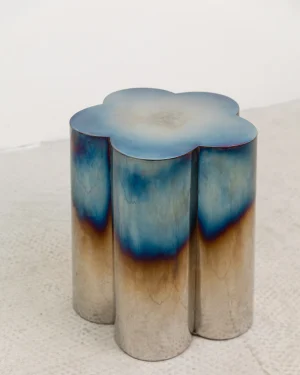
Barvinok Side Table in Heat-Treated Stainless Steel
By FURN OBJECT
€2.700 -
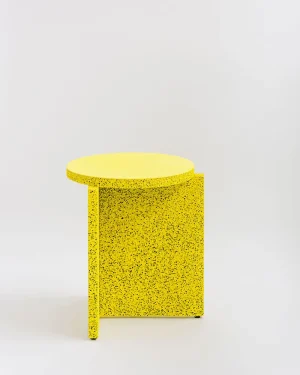
Sponge Side Table in Foamed Aluminum
By Calen Knauf Studio
€898 This product has multiple variants. The options may be chosen on the product page -

White Plinth Side Table in Paper Pulp and Cement
By Donatas Žukauskas
€1.050 -
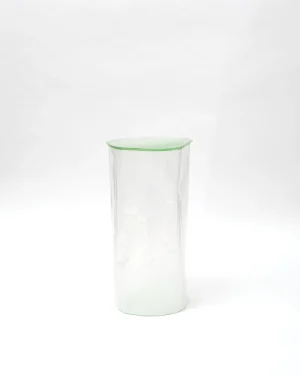
Trace Side Table in Epoxy Resin and Vellum
By Calen Knauf Studio
€340 - €380 This product has multiple variants. The options may be chosen on the product page -
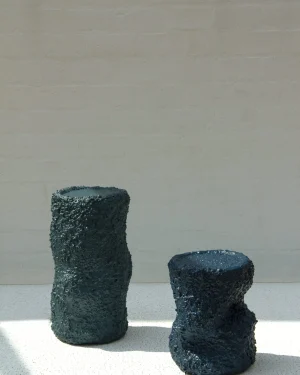
XS + XM Side Table in Special Composite Material
By Tellurico Design Studio
€3.870 -
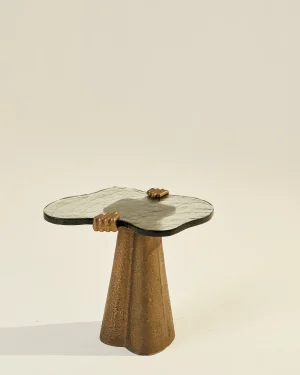
Paws Side Table in Cast Aluminum and Cast Glass
By LMNOH
€1.950 -
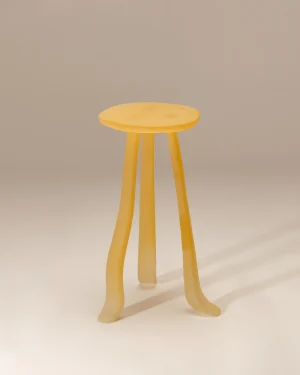
Lung 1.0 Honey Matte Side Table in Resin
By Szymon Keller
€2.200 - €2.400 This product has multiple variants. The options may be chosen on the product page -
 In stock
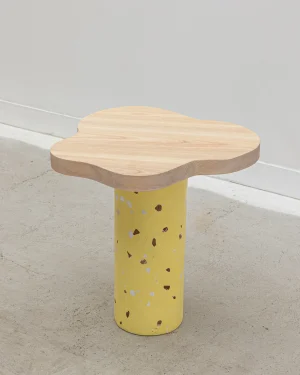
Esposcada 01 Side Table in Terrazzo and Ash Wood
By Pierre Klein
€1.600 -

Twist Stool
By Yet Design Studio
€1.200 This product has multiple variants. The options may be chosen on the product page -
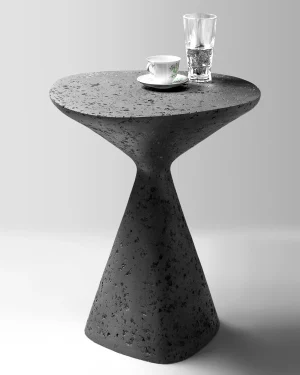
Black Mottled Side Table in Paper Pulp and Cement
By Donatas Žukauskas
€1.100 -
 In stock
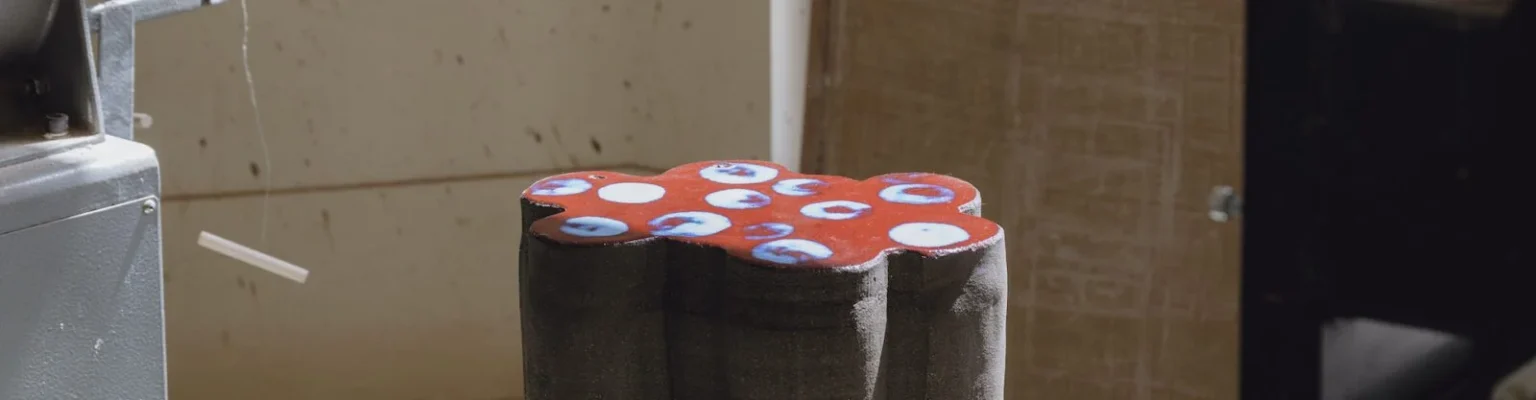
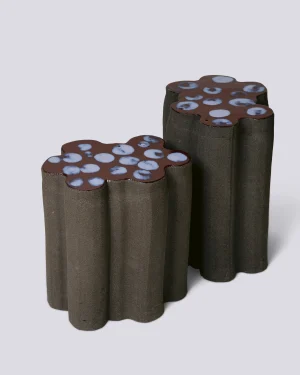
Trunk Ice and Red Poison Frog Pair Side Table in Stoneware
By Slō
€2.900 -
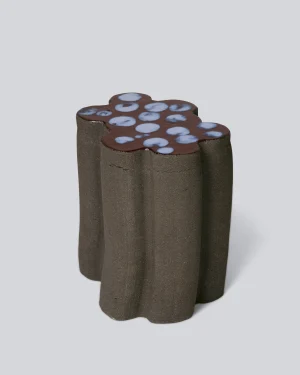 In stock
Trunk Ice and Red Poison Frog Side Table in Stoneware
By Slō
€1.495 -

Windows of Bo Bardi – Butter
By Linde Freya Tangelder
€1.300 -
 In stock
Orange With Green Tape Wowtable Side Table in Epoxy Resin
By Calen Knauf Studio
€273 -
 In stock
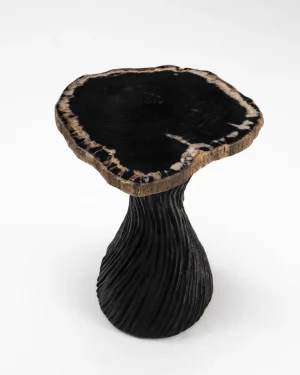
Twisted Fantasy Side Table in Petrified Wood and Acacia
By Odditi
€1.490 -
 In stock
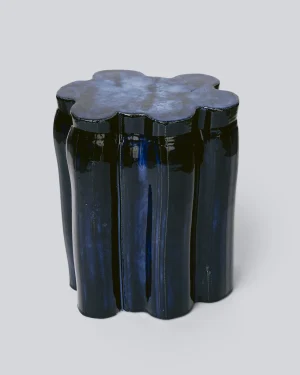
Trunk Black and Navy Blue Side Table in Stoneware
By Slō
€1.395 -
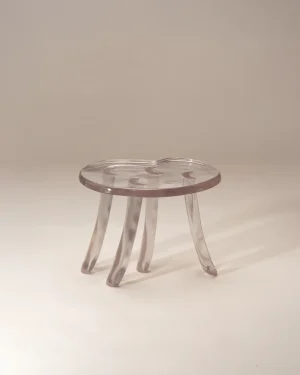
Lung 2.0 Side Table in Resin
By Szymon Keller
€3.180 -

Lung 2.0 Blue Side Table in Resin
By Szymon Keller
€3.180 This product has multiple variants. The options may be chosen on the product page -
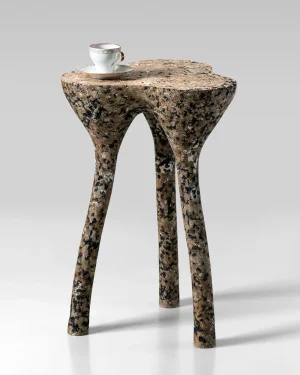
Beige Tripod Low Side Table in Paper Pulp and Cement
By Donatas Žukauskas
€1.100 -
 In stock
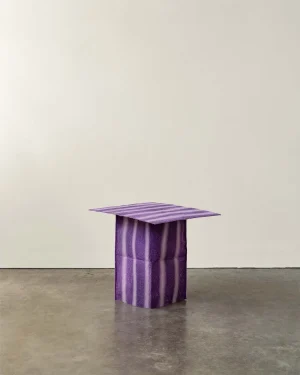
Purple-Striped Wowtable Side Table in Epoxy Resin
By Calen Knauf Studio
€277 -
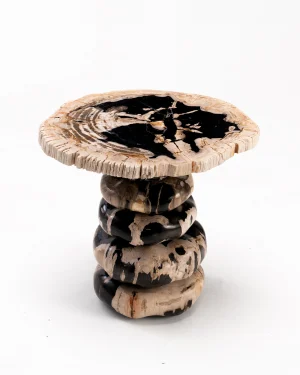
Dwayne Johnson Side Table in Petrified Wood
By Odditi
€1.480 -
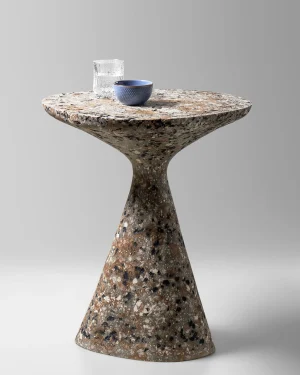
Beige Mottled Side Table in Paper Pulp and Cement
By Donatas Žukauskas
€1.100 -
 In stock
Coral Circle Side Table in Concrete
By clasik.studio
€1.350 -
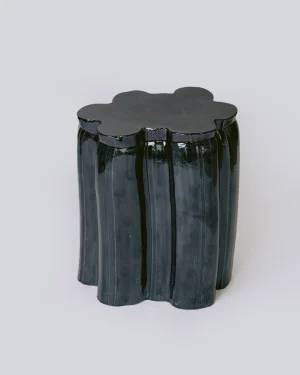 In stock
Trunk Navy Side Table in Stoneware
By Slō
€1.395 -
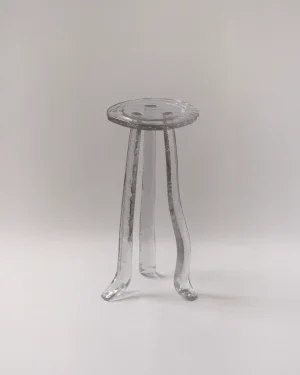
Lung 1.0 Side Table in Resin
By Szymon Keller
€2.000 - €2.400 This product has multiple variants. The options may be chosen on the product page -
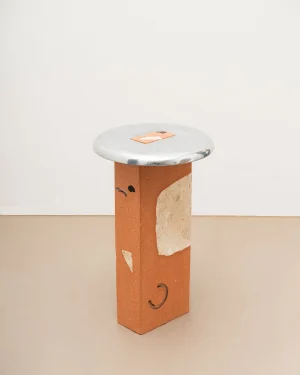
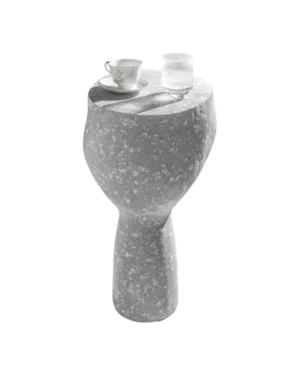
Nu Tall Side Table in Terrazzo and Cast Aluminum
By Assimply Studio
€1.650 -
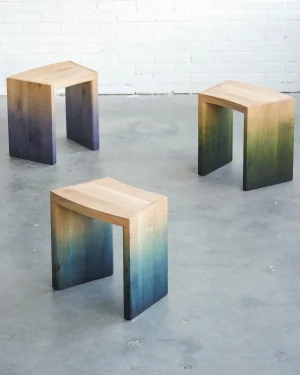 In stock
Dawn – Stool
By Studio Onno Adriaanse
€732 This product has multiple variants. The options may be chosen on the product page -

Umbral Side Table in Black Marble and Travertine
By Panorammma Atelier
€2.900 -
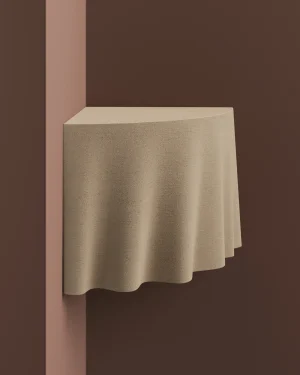
Duk Side Table in Quartz Sand
By Studio TOOJ
€2.800 -
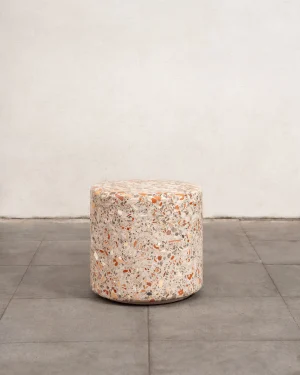
Brut Side Table in Terrazzo
By Assimply Studio
€900 This product has multiple variants. The options may be chosen on the product page -
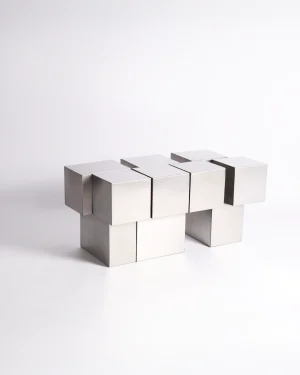
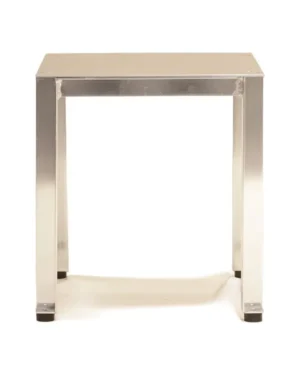
Nexus 67 – Stainless Steel Bench
By Drusch Design
€5.000 -

Cult Stool – Sculptural Side Table In Blue Calcite
By Panorammma Atelier
€2.732 -
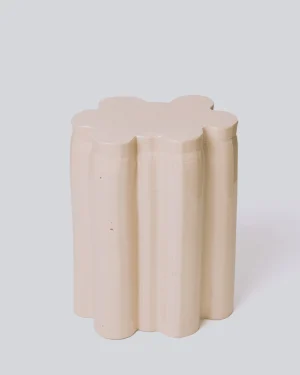 In stock
Trunk Strawberry Milkshake Side Table in Stoneware
By Slō
€1.395 -

Black Still Column Side Table in Paper Pulp, Cement and Oak
By Donatas Žukauskas
€1.550 -
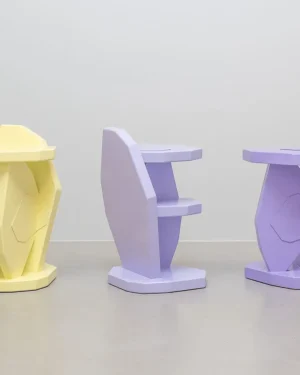
Patched Side Table in Painted Birch and Aluminum
By Jacob Mathias Egeberg
€1.300 This product has multiple variants. The options may be chosen on the product page -
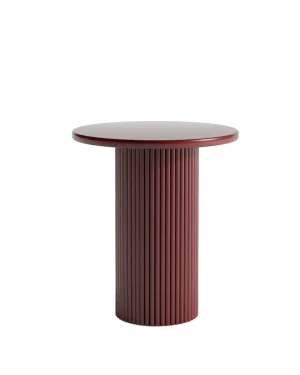
Hola Side Table in Lacquered MDF
By hermhaus
€1.374 This product has multiple variants. The options may be chosen on the product page -
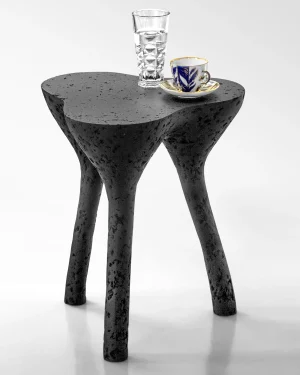
Black Tripod Low Side Table in Paper Pulp and Cement
By Donatas Žukauskas
€960 -
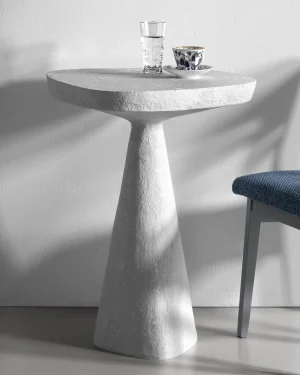
White Plinth High Side Table in Paper Pulp and Cement
By Donatas Žukauskas
€1.350 -
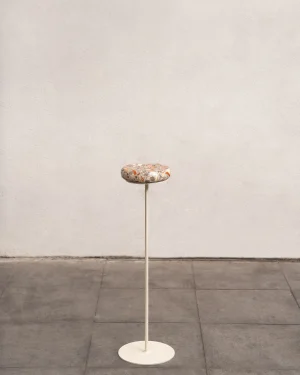
Brut Tall Side Table in Terrazzo
By Assimply Studio
€350 This product has multiple variants. The options may be chosen on the product page -
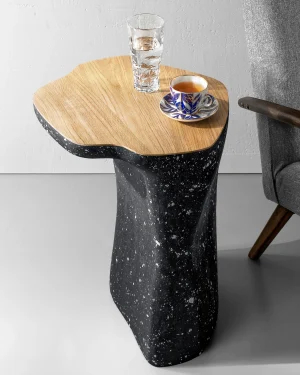
Black Still Form Side Table in Paper Pulp, Cement and Oak
By Donatas Žukauskas
€920 -

Revolve No. 06 Side Table in Scagliola and Natural Wax
By Flensted Mouritzen
€2.988 -
 In stock
Yellow Dotted Cube Wowtable Side Table in Epoxy Resin
By Calen Knauf Studio
€273 -

Tri Side Table in Lacquered MDF and Brass
By hermhaus
€1.323 This product has multiple variants. The options may be chosen on the product page -
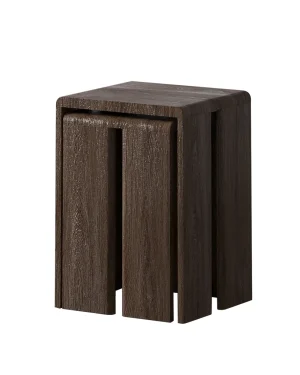
Plus Side Table in Solid Oak Wood
By hermhaus
€1.882 This product has multiple variants. The options may be chosen on the product page -
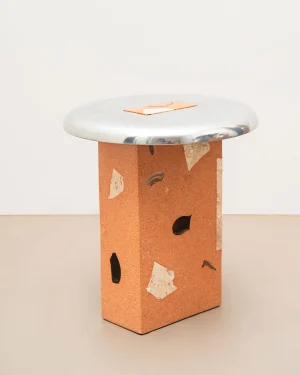
Nu Low Side Table in Terrazzo and Cast Aluminum
By Assimply Studio
€1.320 -
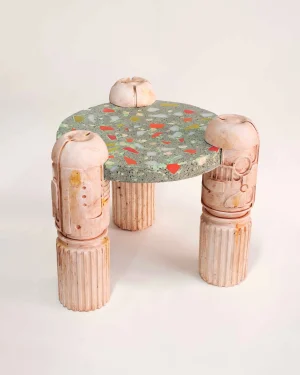
Taula 04 Side Table in Terrazzo and Plaster
By Pierre Klein
€2.600 -
 In stock
Red Candy Side Table in Blown Glass
By STUDIO BERG
€1.328 - €1.471 This product has multiple variants. The options may be chosen on the product page -
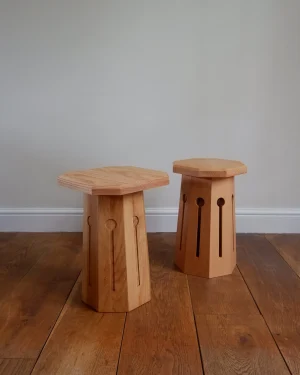
Algers Side Table in Beech and Oak Wood
By Josh Page Studio
€990 - €1.030 This product has multiple variants. The options may be chosen on the product page -

Revolve No. 05 Side Table in Scagliola and Natural Wax
By Flensted Mouritzen
€2.548 -
 In stock
Sand in Motion Slim Side Table in Sandstone and Tinted Glass
By Rive Roshan
€4.000 -
 In stock
Yellow Circular Drape Wowtable Side Table in Epoxy Resin
By Calen Knauf Studio
€273 -
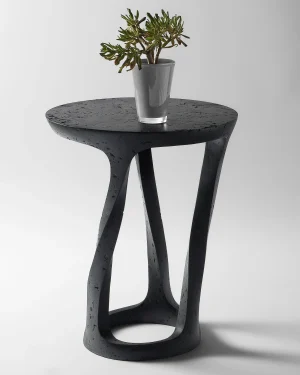
Black Bent Side Table in Paper Pulp and Cement
By Donatas Žukauskas
€2.450 -

Mono Side Table in Terrazzo
By Assimply Studio
€910 This product has multiple variants. The options may be chosen on the product page -
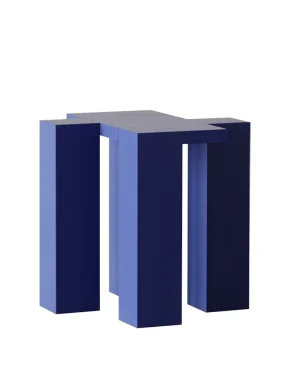
Leg Side Table in MDF
By hermhaus
€681 This product has multiple variants. The options may be chosen on the product page
Eclectic side tables bring together materials and methods that do not usually share a plinth: cast resin beside carved stone, pressed cardboard beside solid oak. The studios behind them borrow from different traditions on purpose, setting one material's weight against another's lightness within a single piece or a single grouping. What unites eclectic side tables is not one material or color but a willingness to mix several within reach of each other.
What makes a side table eclectic
An eclectic piece draws on more than one working tradition at once. A tabletop shaped by stone carving might sit on a base built through metalwork, or a form built from recycled material might take the silhouette of a historic plinth. Color plays the same role: transparent resin, beige and brown stone, pastel pink plaster, and black concrete all turn up across the group, often close enough to touch.
Like any side table, eclectic side tables share a basic job: a surface at arm's reach, set roughly level with a sofa arm or a mattress. What they resist is a single visual rule. Variety, not consistency, is the point.
The materials and techniques behind them
Resin casting and epoxy work produce tops with depth and translucency, often poured over or around another material to trap color or texture inside. Concrete casting and plastering give flatter, matte surfaces that read as heavier than they actually are. Stone carving and solid oak construction bring older cabinetmaking into the same room as biofabrication and paperwork, where cardboard or other recycled material is layered and pressed into a rigid form.
Editions tend to follow the method. Hand-poured resin or plastered surfaces usually appear as limited editions or unique pieces, since each pour or pass leaves its own marks; oak tables built through standard joinery are more often produced as open editions.
How to choose one
Choosing among eclectic side tables starts with height: a table usually sits level with or just below the arm of a sofa or the mattress of a bed, so measure before settling on a top. Scale matters as much as material - a dense concrete or stone top needs a base wide enough to feel settled, while a resin or cardboard piece can sit lighter in a tight gap.
- For a sofa or reading chair, look for a surface wide enough to hold a lamp and a cup without crowding.
- For a bedroom, keep the top low enough to reach from a lying position and check that the base will not catch bedding.
- For a hallway, a narrower footprint and a sturdier material, such as stone or oak, will take daily use better than resin alone.
Mixing finishes within one room is part of the approach: a stone-topped table can sit beside a resin lamp or a metal mirror frame without competing, as long as one material is left to lead.
Where these tables work
Living rooms take them beside sofas and armchairs, where they carry lighting, books, and the small objects a room collects over time. Bedrooms use them for a lamp, a glass, and whatever gets picked up on the way out. An entryway side table gives keys and mail a place to land before they spread across a counter.
Caring for mixed materials
Stone and concrete stain if liquid sits on them, so wipe spills quickly and use a coaster under glasses or bottles. Resin and epoxy resist moisture well but scratch under abrasive cleaning; a soft cloth and mild soap keep the surface clear. Oak darkens slightly with years of light exposure and should stay clear of direct heat, which can dry and crack the wood. Cardboard and other recycled-material pieces do better away from damp rooms, where humidity can soften the layers.
For the wider range, see all side tables, including wooden side tables and metal side tables for rooms that call for one material rather than several. The same mixing of materials and methods carries into other rooms through eclectic furniture more broadly.
How do I choose an eclectic side table?
Look for contrast rather than matching sets, pair resin or concrete forms with oak or stone, and let color or texture carry the personality instead of a single uniform style.
What materials are eclectic side tables usually made from?
Many mix materials such as resin, concrete, stone, or recycled material with oak wood, often combining cast and carved elements in one piece for contrast.
How do I care for resin, concrete, or oak side tables?
Wipe resin and concrete with a damp cloth and avoid harsh chemicals, keep stone sealed against stains, and treat oak occasionally with oil to maintain its tone.
What height and size should a side table be?
Most side tables sit close to arm height, between 18 and 26 inches, so they stay level with a sofa arm or bed edge for easy reach.
Which rooms suit an eclectic side table?
They work well beside sofas, armchairs, and beds, anywhere a surface for light, books, or objects helps the room feel finished without matching the rest of the furniture.
What are ADORNO's shipping, returns, and authenticity policies?
Shipping is insured and worldwide. Returns are accepted within 14 days, except made-to-order pieces. Every piece comes with a certificate of authenticity and a lowest-price guarantee.