
-
 In stock
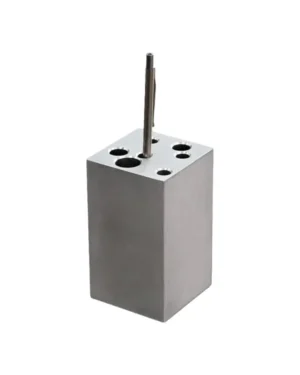
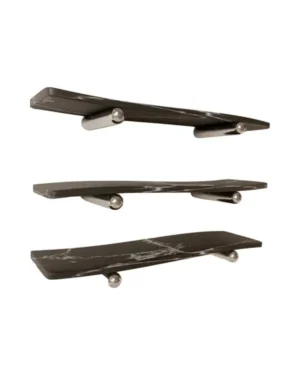
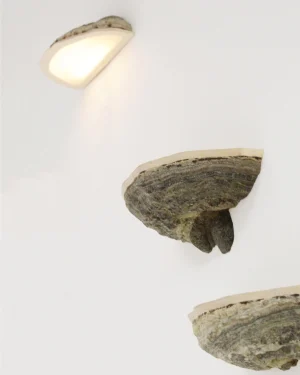
Ticka – Fungi Wall Shelf
By Olle Sahlqvist
€250 - €450 This product has multiple variants. The options may be chosen on the product page -
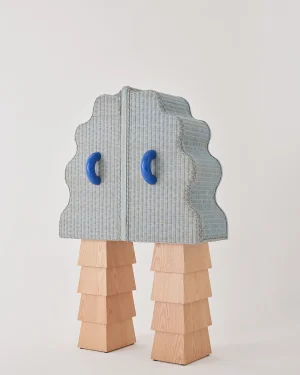
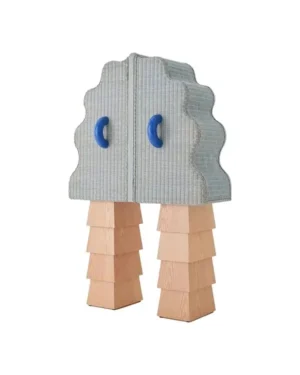
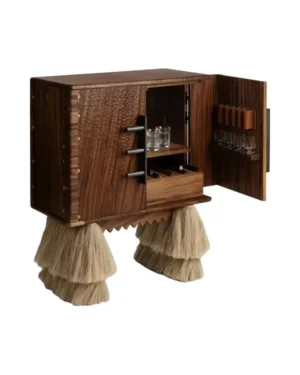
Ventura Cabinet
By Joyful Objects, Yes!
€6.900 This product has multiple variants. The options may be chosen on the product page -

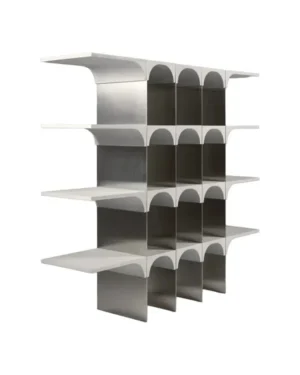
Slant Book Stand – Marble, Brass and Oak Wood
By VAUST Studio
€6.600 -

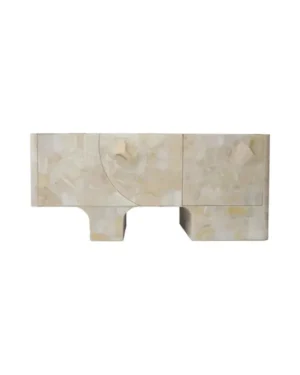
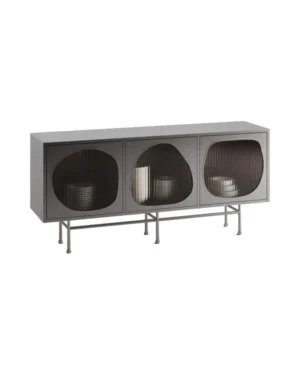
Vilma Display Cabinet
By Comité de Proyectos
€15.800 -

Ju – Modular Wall Shelf
By PROSA
€1.285 This product has multiple variants. The options may be chosen on the product page -

Timber – Pine Wood Room Divider
By Studio Onno Adriaanse
€1.570 -
 In stock
Martin & Me High Gloss Two Piece Bar
By Toro Manifesto
€14.600 -

Carmen Bar Cabinet
By Comité de Proyectos
€10.900 -

Nolastar – Room Divider And Curtain
By Pablo Octavio
€220 - €330 This product has multiple variants. The options may be chosen on the product page -
 In stock
Rosomak – Garage Unit Wood Cabinet
By StorqueStudios
€1.794 -
 In stock
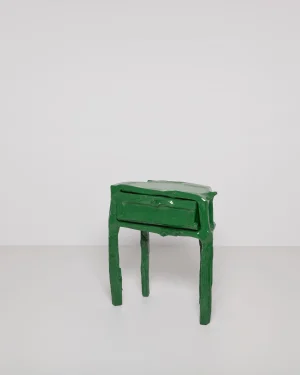
Splitted Round Cabinet Green
By Teun Zwets
€3.915 -
 In stock
Danae Room Divider
By Hasik Design Studio
€6.800 -
 In stock
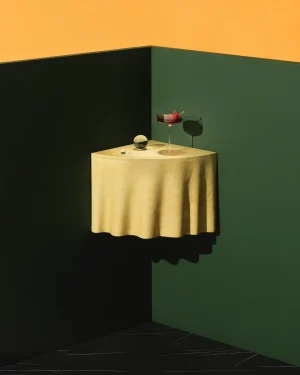
DUK x Reishi Edition Wall-Mounted Corner Table
By Studio TOOJ
€2.900 -

Binario Ill – Bookcase
By SABAN FURKAN
€6.500 -
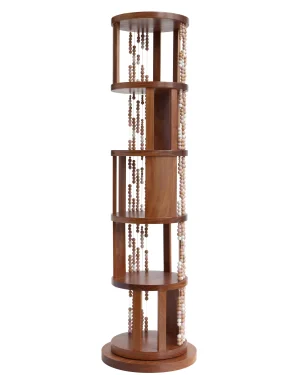
Contas Round Swivel Bookcase – Cabreuva Wood / Ceramic
By YANKATU
€5.100 -

Salomón Credenza – Solid Rosa Morada Wood
By Kresta Studio
€2.500 -
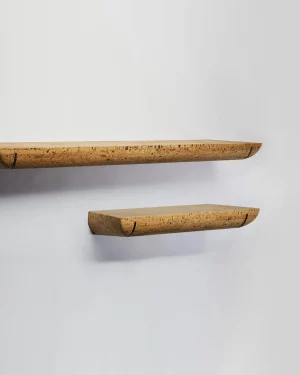 In stock
Mortaise Shelf – Cork
By Clemence Birot
€384 - €509 This product has multiple variants. The options may be chosen on the product page -
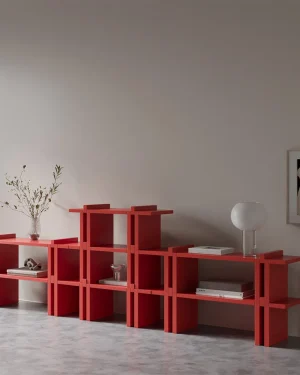
Pin – Modular Shelf System
By hermhaus
€1.114 - €1.776 This product has multiple variants. The options may be chosen on the product page -

The Mono-leg Architectural Bookshelf In Brazilian Hardwood
By am.o atelier
€4.386 -

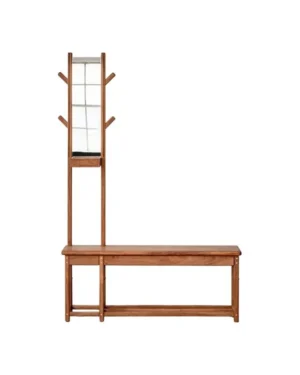
Tudo – Hallway Bench With Coat Rack & Mirror
By atelier PASSARELLI
€2.435 This product has multiple variants. The options may be chosen on the product page -
 In stock
Phloem, Parota Wood Carved Credenza – Cabinet
By CMX | Furniture
€15.086 -
 In stock
Enclave Shelving Unit
By Arbore x Cezar Moldovan
€18.450 -
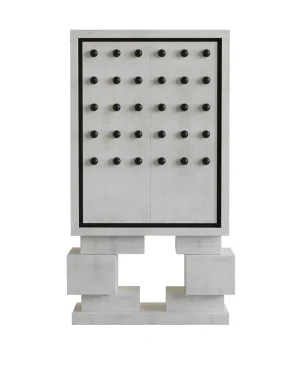
Sculpt – Bar Cabinet
By hermhaus
€4.829 This product has multiple variants. The options may be chosen on the product page -
 In stock
Duck Butt Room Divider
By Pupcha
€3.950 -
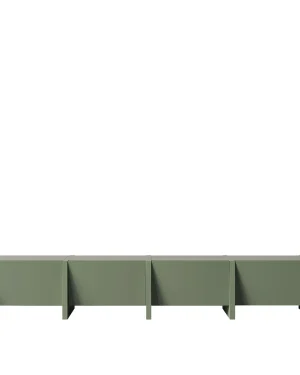
Bevel Low Console
By hermhaus
€3.405 - €4.024 This product has multiple variants. The options may be chosen on the product page -

Eoli Credenza In White Onyx, Postmodern Sideboard/cabinet
By Panorammma Atelier
€24.900 -

The Three Room Divider
By Sam Later
€7.800 -

Jose Bar
By PROSA
€5.200 -
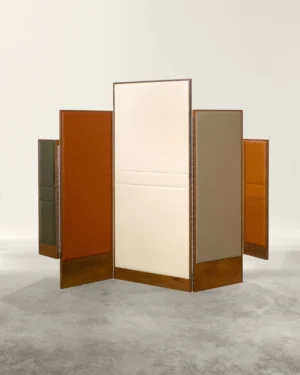
Amigo Biombo
By Fi
€6.800 -
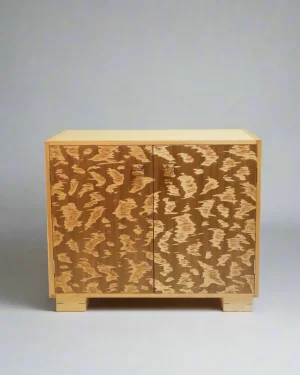
Acid Cabinet, Walnut And Ash Wood
By Josh Page Studio
€2.770 -

Brocado Cabinet – Cabreúva Wood / Embroidered Glass
By YANKATU
€5.100 -
 In stock
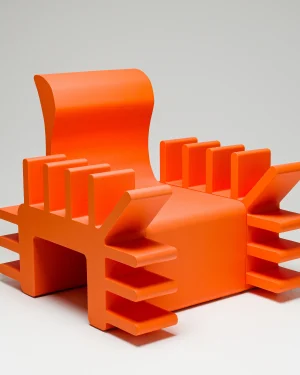
Book Monster
By JLF Design Studio
€10.000 -
 In stock
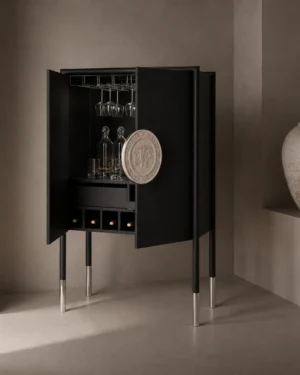
Puduhepa Liquor Cabinet
By MARAU
€25.000 -
 In stock
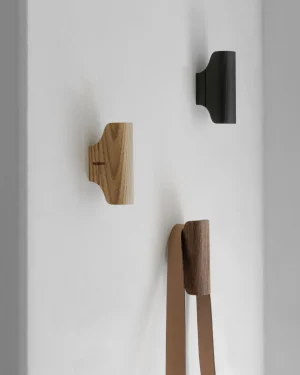
Nigiri – Set Of 3 Wooden Coat Racks
By Peca Mobiliario
€450 -

Furniture Friends – Room Divider (noce)
By STUDIO FP
€2.375 -
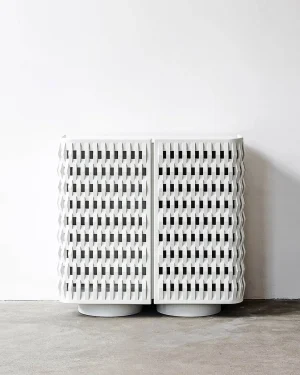
Chain Mail (two-door Cabinet)
By ZEMNA
€6.000 -
 In stock
Dryft No 1 Spatial Divider
By BLUBA Studio
€3.500 -
 In stock
Modular Textile Room Divider
By Szostak Atelier
€5.370 -

Dot Mini Cabinet
By hermhaus
€5.745 This product has multiple variants. The options may be chosen on the product page -
 In stock
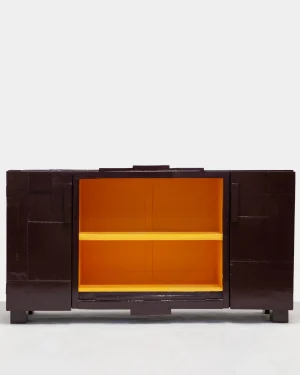
Practice Semi-open Credenza
By Studio Fabius Clovis
€8.900 -

Mastro – Pinho De Riga Coat Stand
By Estúdio Simbiose
€1.350 -

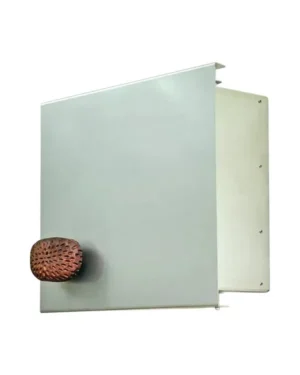
The Control Panel
By ilan
€280 This product has multiple variants. The options may be chosen on the product page -

Joinery No.1
By Theodóra Alfreðsdóttir
€58 -
 In stock
Rima Credenza
By Peca Mobiliario
€5.455 -
 In stock
Perfidia_01 Solid Wood & Casted Bronze Bar Cabinet
By ANDEAN
€12.551 -
 In stock
Capri – Drink Cabinet
By Lebanto
€10.500 -
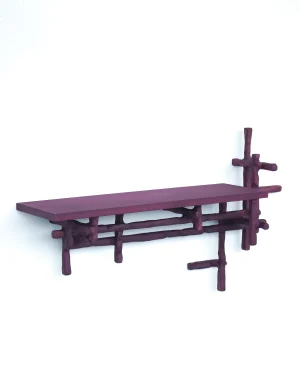
Hedera – Oak Wood Medium Wall Shelf
By Studio Onno Adriaanse
€1.440 -
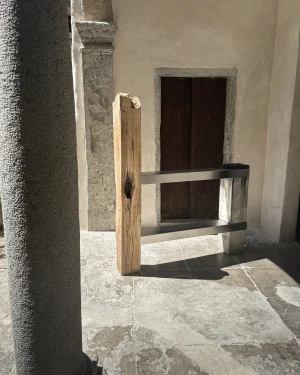 In stock
Ice Beech Wood Sideboard
By case studios
€1.810 -
 In stock
Le Porte-document — La Planche Collection
By Olive®
€400 -
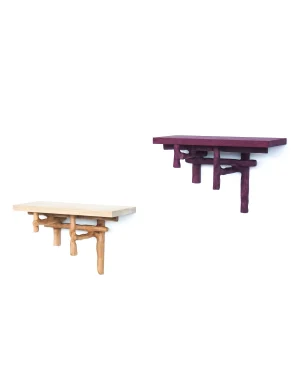
Hedera – Wall Shelf S
By Studio Onno Adriaanse
€636 This product has multiple variants. The options may be chosen on the product page -

Timujin Wenge Wood Cabinet
By Brett Paulin
€11.366 -

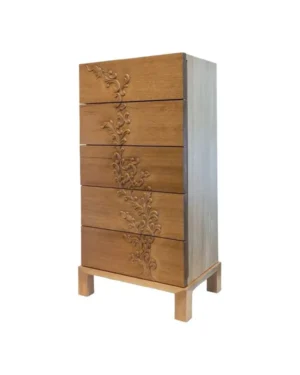
Acid Chest Of Drawers, Walnut And Ash
By Josh Page Studio
€4.100 -
 In stock
Hooks – Beech Wood Wall Hooks
By raawii
€240 - €600 This product has multiple variants. The options may be chosen on the product page -

Baccello – Solid Wood Modular Drawer Units
By Costantini Design
€1.000
Wooden storage covers cabinets, sideboards, cupboards and modular shelving built from solid timber or timber veneers, made by independent studios working across cabinetmaking, carving and joinery. What ties these pieces together is the material itself: wood that carries its own grain, density and color, shaped rather than molded, and finished to protect the surface while letting the figure of the timber show through. Each piece behaves differently depending on species, cut and finish, but all of it ages, rather than simply existing, in a room.
What Defines Wooden Storage
Oak, ash and other hardwoods dominate this group because they resist warping and take daily use without losing their edge. Lighter woods read as understated and work well against pale walls, while darker hardwoods and stained finishes anchor a room and read heavier, even at the same scale. Grain direction, knots and sapwood streaks mean no two cabinets from the same run look identical, which is part of the appeal rather than a flaw.
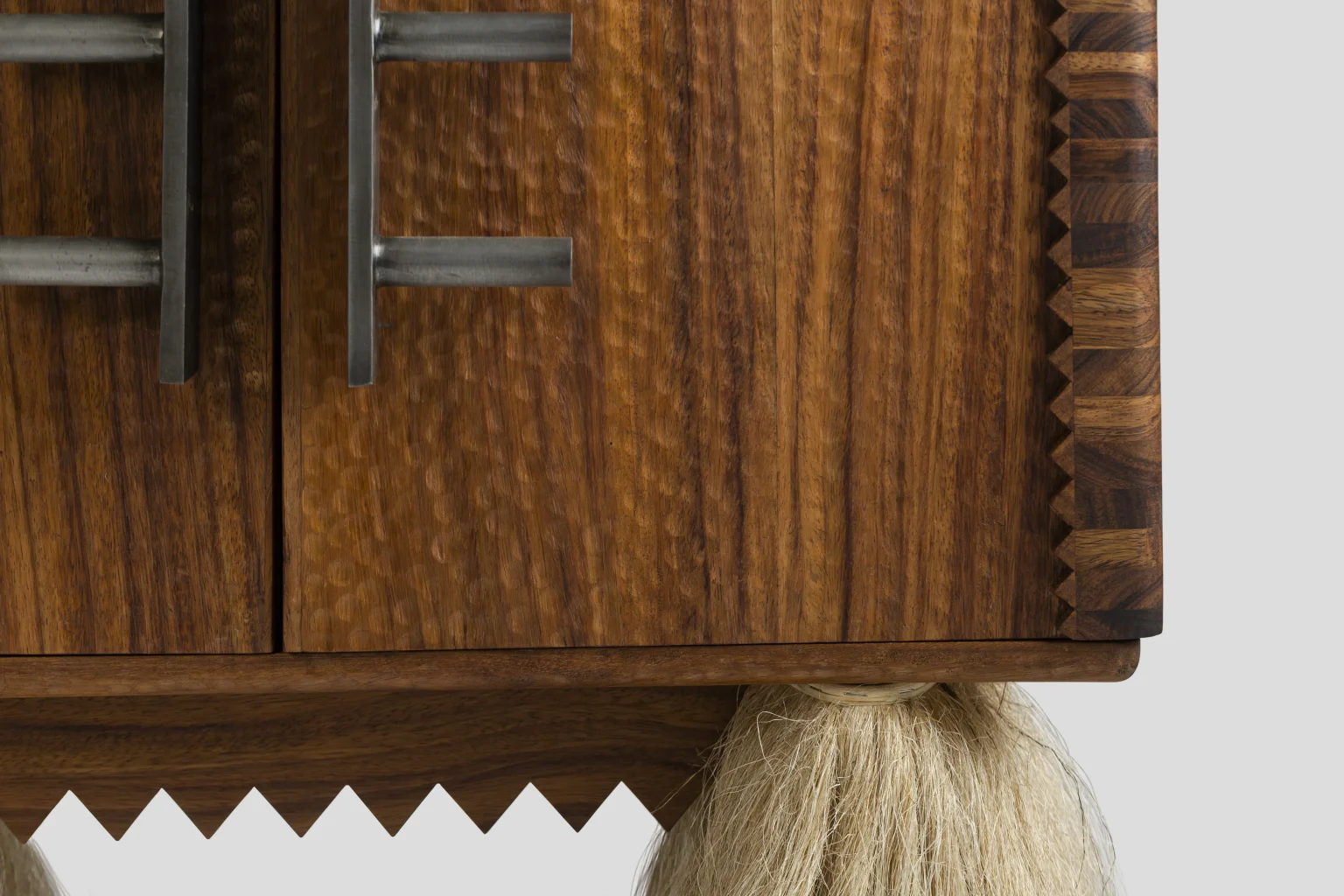
Some studios pair wood with iron hardware, resin inlay or natural fiber panels, mixing textures without masking the timber underneath. Others leave the wood alone, letting oil or wax finishes do the work. The result spans from quiet, boxy cupboards to sculptural cabinets with carved fronts or charred surfaces.
Finishes, Techniques and Editions to Expect
Across storage pieces on ADORNO, wood appears in several forms: ash, oak, hardwood more broadly, and occasional Brazilian hardwoods prized for density and color. Finishes range from natural oil to black, white, beige, gray or deep red stains, with gold or metal detailing on some pieces. Techniques include traditional cabinetmaking and joinery, hand-carving, charring in the Shou Sugi Ban tradition, and occasional metalwork for legs or pulls.
- Styles span minimalist boxes, mid-century silhouettes, Bauhaus-influenced grids, boho chic woven or carved detailing, and the occasional brutalist or maximalist outlier.
- Editions include open runs alongside limited editions and, less often, unique pieces where the maker treats each cabinet as a one-off.
The full range of species, finishes and forms shifts as pieces sell and new work arrives, but these categories recur season after season. For the broader material story, every wood piece on ADORNO sits under one heading, storage being one use among several.
How to Choose a Wooden Storage Piece
Start with scale: measure the wall or alcove the piece needs to fill, and leave room for doors or drawers to open fully. Height matters as much as width — low sideboards suit rooms where you want sightlines to stay open, while taller cupboards claim more visual weight and work better in rooms with higher ceilings.
Finish should match how the piece will be used. A waxed or oiled surface shows marks and scratches more readily than a lacquered one, which suits pieces meant to age visibly rather than stay pristine. Placement near heat sources or direct sun will dry out timber over time, so position pieces away from radiators and south-facing windows where possible.
Rooms and Care
Wooden storage moves easily between living rooms, dining rooms, bedrooms and entryways, and smaller carved or charred pieces often suit a home office where a single cabinet needs to hold files without dominating the space. For a broader look at wood used across tables, chairs and other seating, wooden tables and wooden furniture as a whole show how the same species and finishes carry across forms.
Wipe surfaces with a dry or barely damp cloth; standing water leaves marks on most finishes. Oiled wood benefits from reapplying oil once or twice a year to keep the surface from drying out, while lacquered or painted finishes mainly need dusting and protection from direct sun, which fades color unevenly over time.
How do I choose the right wooden storage piece?
Match the wood tone and grain to the room's existing furniture, then consider whether you need open shelving, closed cabinets, or a mix of both for your storage habits.
How do I care for wooden storage furniture?
Dust regularly with a dry cloth, keep away from direct heat and humidity swings, and treat solid wood with oil or wax occasionally to maintain its finish and prevent cracking.
What size storage piece do I need?
Measure the wall space and clearance for doors or drawers to open fully, and consider standard counter and eye-level heights so the piece sits comfortably within the room.
Which rooms suit wooden storage best?
Wood storage works in living rooms, bedrooms, dining rooms, and entryways, anywhere warmth and a tactile surface suit the daily handling of doors and drawers.
Does ADORNO ship wooden storage worldwide?
Yes, shipping is insured and worldwide, so wooden storage pieces reach you securely wherever you are.
Can I return a wooden storage piece if it doesn't fit?
Most pieces can be returned within 14 days of delivery, though made-to-order pieces are excluded from this policy.