





















-

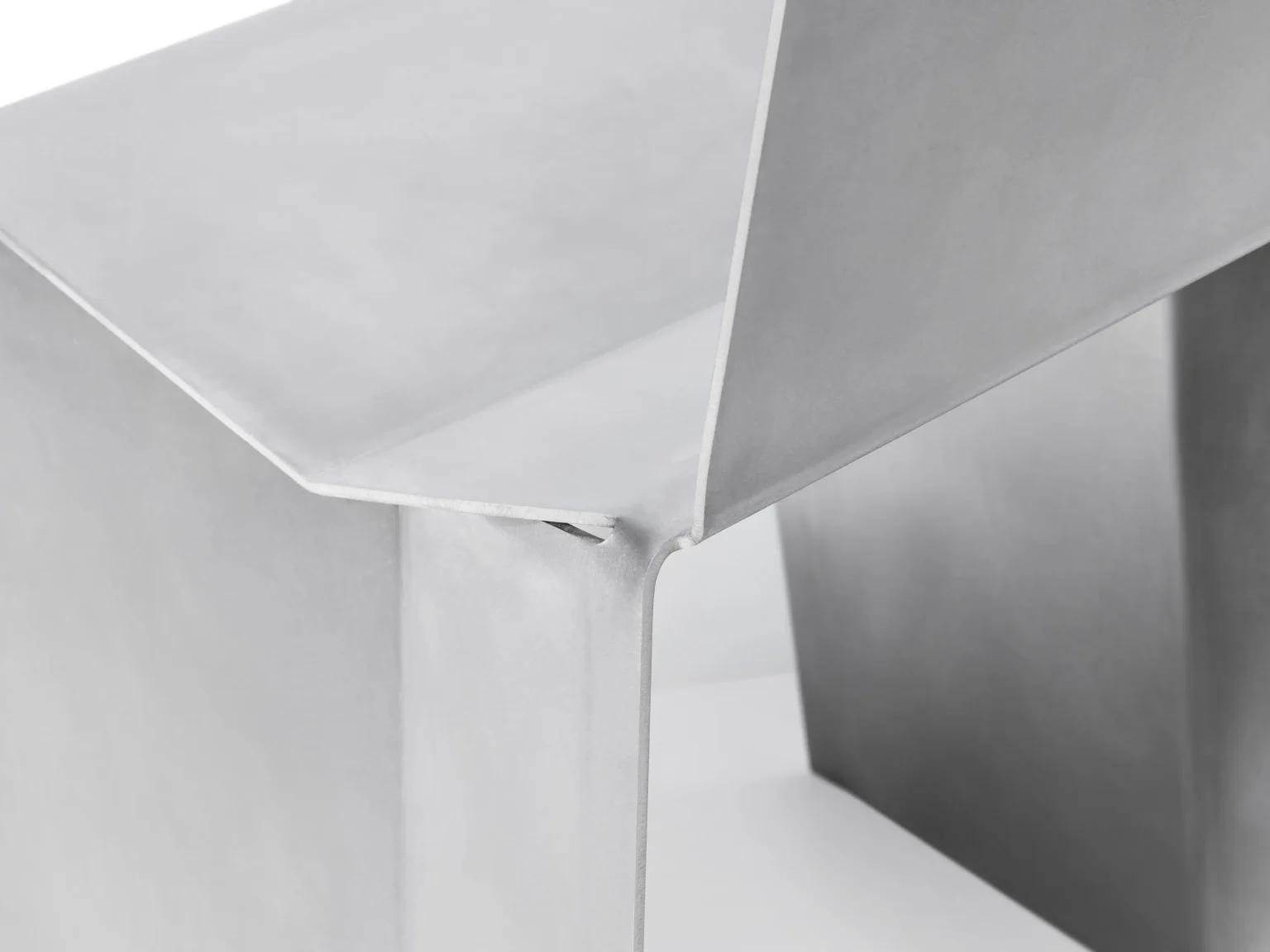
Camber – stainless Steel Stool
By Paul Coenen
€539 -
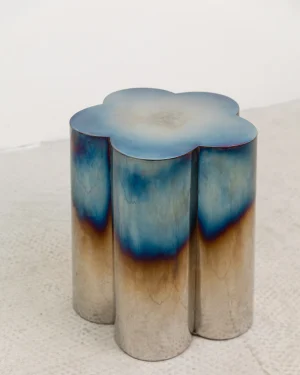
Barvinok Side Table in Heat-Treated Stainless Steel
By FURN OBJECT
€2.700 -

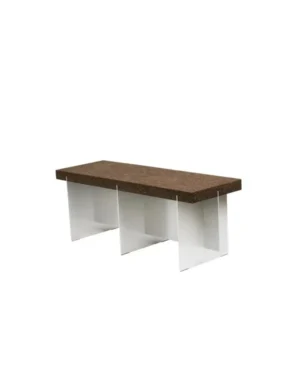
Camber – Stainless Steel Bench
By Paul Coenen
€818 -

Imaginary Object – Steel Stool
By Joana Teixeira
€1.600 -

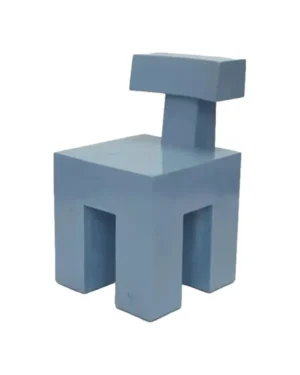
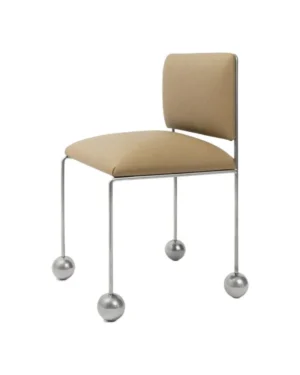
Camber – Stainless Steel Chair
By Paul Coenen
€1.121 -
 In stock
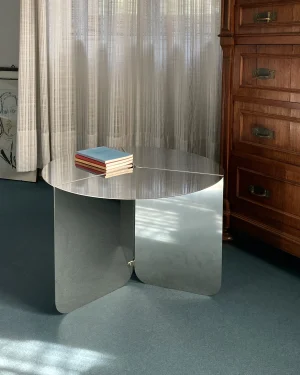
“120” Coffee Table – Stainless Steel Edition
By matteo giustozzi
€900 -
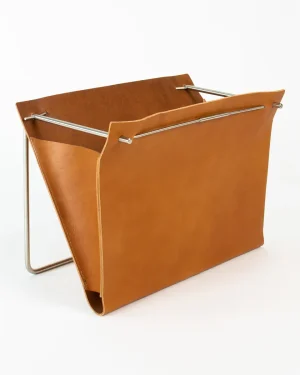
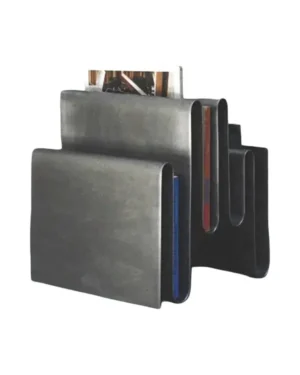
Leather Magazine Holder
By Szostak Atelier
€1.200 This product has multiple variants. The options may be chosen on the product page -
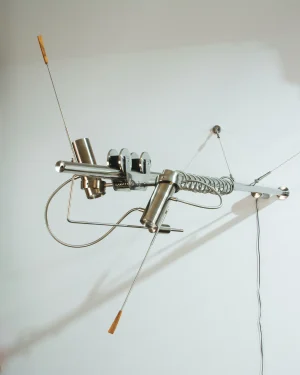
Steel Arm Sconce Lamp
By Szostak Atelier
€8.900 -
 In stock
N1 Cena — Sky-blue Wood And Aluminum Stool
By DONÓ Design
€2.100 -

N2 Cena — Sky-blue Wood And Aluminum Stool
By DONÓ Design
€2.600 -

Mono Side Table in Travertine and Metal
By Yet Design Studio
€1.200 - €1.380 This product has multiple variants. The options may be chosen on the product page -
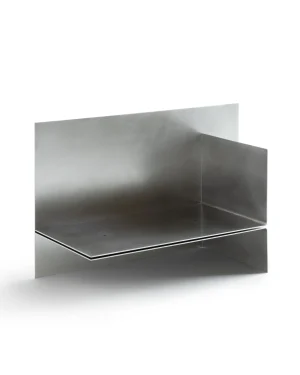
Polysemy Silver Side Table in Stainless Steel
By So Koizumi
€1.200 -
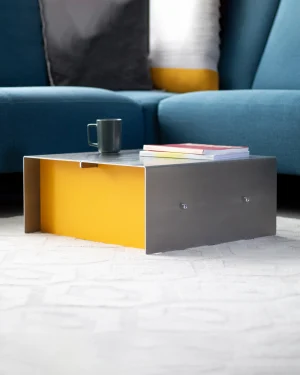
Core Aluminium Coffee Table
By Lisanne Meester
€519 This product has multiple variants. The options may be chosen on the product page -
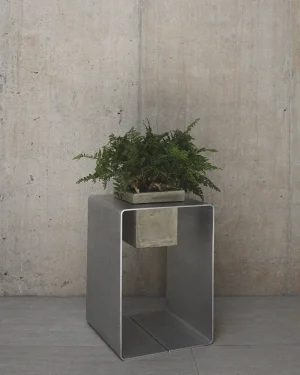
ST001-02 Side Table in Stainless Steel and Concrete
By NAVE
€990 -

Chainmail Sculptural Chair, Nickel Plated Steel Finish, Hand Linked Mesh
By Panorammma Atelier
€4.200 -
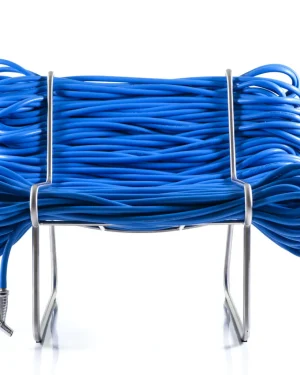
Super Jardim Armchair
By Cultivado em Casa
€4.549 This product has multiple variants. The options may be chosen on the product page -
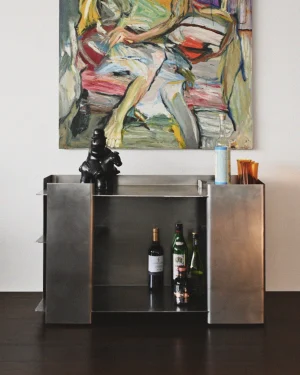
Stainless Steel Bar Cart
By NAVE
€2.900 -
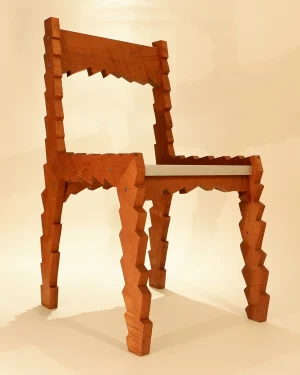
Shocking Chair – Stained Oak Wood Dining Chair
By Josh Page Studio
€940 -

002 – Coffee Table
By OFAA
€1.500 -
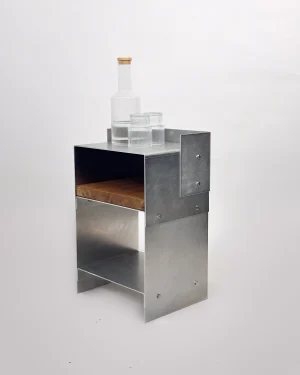 In stock
Matted Aluminium – Natural Oak Wood Night Table
By case studios
€660 -

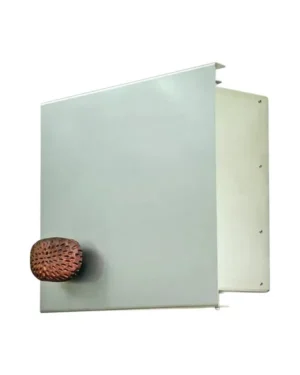
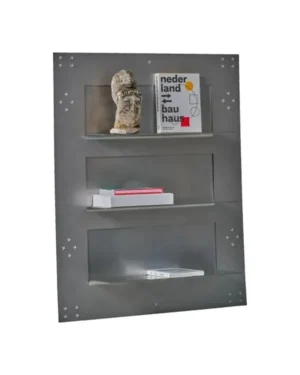
Medicine Cabinet
By BOTHI
€330 -
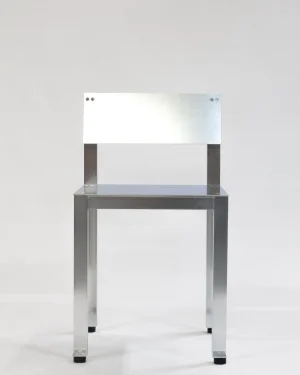
Canto – Aluminum Dining Chair
By Luiz Solano
€840 -
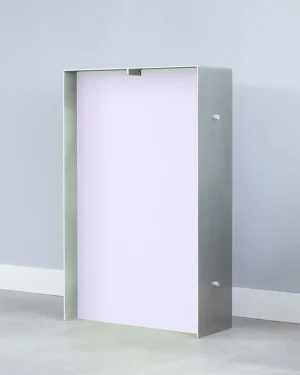
Core – Aluminium Console
By Lisanne Meester
€575 This product has multiple variants. The options may be chosen on the product page -
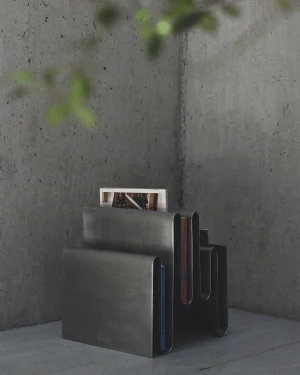
R001-01 – Stainless Steel Magazine Holder
By NAVE
€535 -
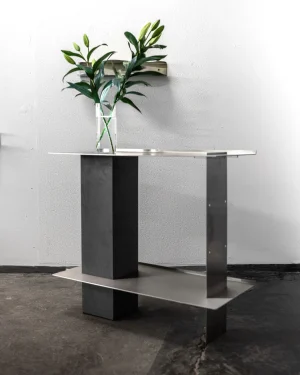 In stock
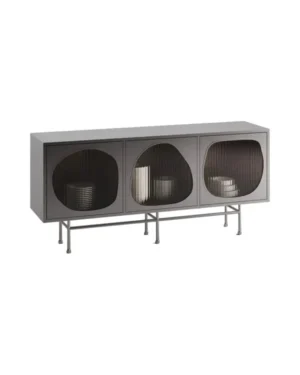
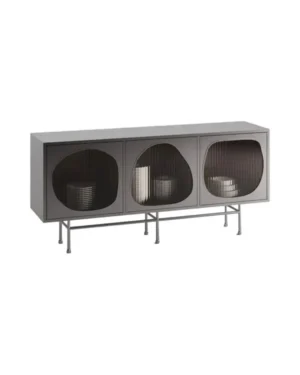
[moduline] Stainless Steel Sideboard
By case studios
€1.370 -

S001-10.2 Aluminum Stool
By NAVE
€500 -
 In stock
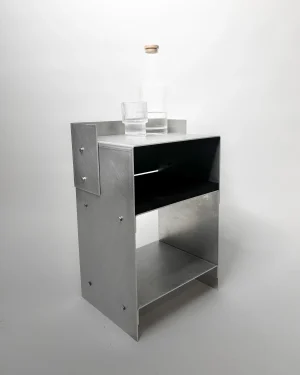
Matted Aluminium Side Table in Aluminum and Blackwood
By case studios
€530 -

Meadows Side Table in Mahogany and Stainless Steel
By BOTHI
€1.820 - €2.315 This product has multiple variants. The options may be chosen on the product page -

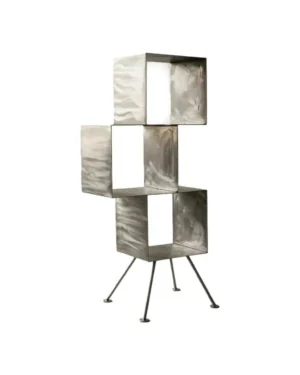
Rubik – Freestanding Shelf
By Metalmorphosis Studio
€1.701 -
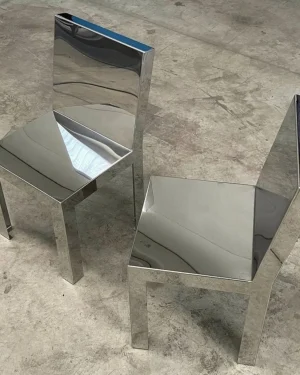
Sedia 1 – Mirror Polished Stainless Steel Chair
By Julia Chiaramonti
€5.500 -
 In stock
Tronco Bench – Stainless Steel Bench
By Nitush and Aroosh
€5.000 -

Diamante Bench
By Nitush and Aroosh
€5.500 -
 In stock
Bench
By Kari Kadak
€2.400 -

Finepianta 04 Side Table in Stainless Steel and Walnut
By FINEPIANTA
€2.877 -

“somnia” Low Table | Aluminum
By Giselle Vanessa Johnson
€4.200 -
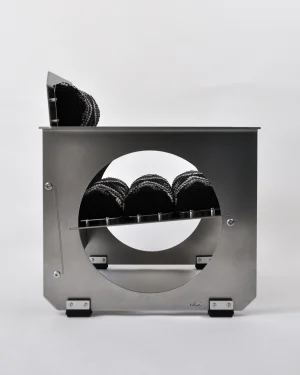
D400 Armchair – Black Mamba – Matte Stainless Steel
By MLK Furniture
€7.590 -
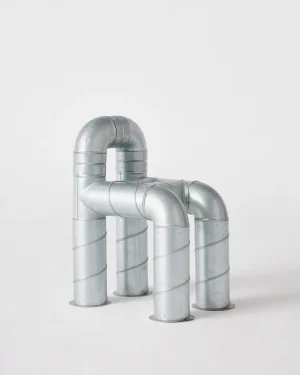
O.F.I.S Series, Steel Chair
By Lucas Muñoz Muñoz
€1.200 -
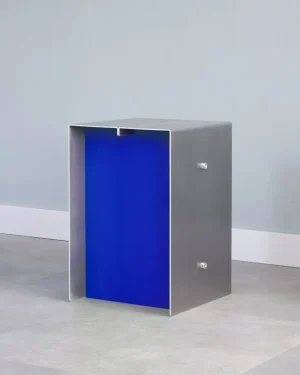
Core Aluminum Side Table / Stool
By Lisanne Meester
€399 This product has multiple variants. The options may be chosen on the product page -
 In stock
Pebble Coffee Table
By Nitush and Aroosh
€5.250 -

Kut – Accent Chair
By SABAN FURKAN
€3.400 -

Tronco Pouf
By Nitush and Aroosh
€950 -
 In stock
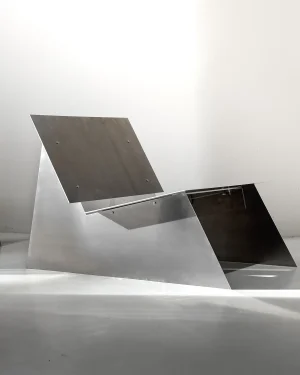
Aluminium Lounge Chair
By case studios
€1.571 -

Binario Ill – Bookcase
By SABAN FURKAN
€6.500 -
 In stock
Stainless Steel Mobile Drawer Unit
By NAVE
€1.100 -

Binario I – Coffee Table
By SABAN FURKAN
€3.800 -

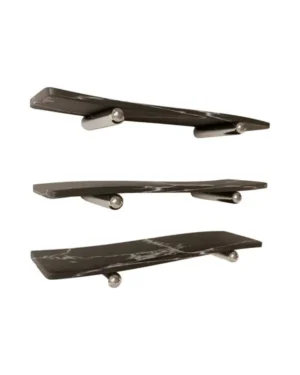
Bent Ultron Wall Shelf
By form & eisen
€167 - €296 This product has multiple variants. The options may be chosen on the product page -

Bent Wall Shelf
By form & eisen
€158 - €300 This product has multiple variants. The options may be chosen on the product page -

Binario II – Accent Chair
By SABAN FURKAN
€3.600 -
 In stock
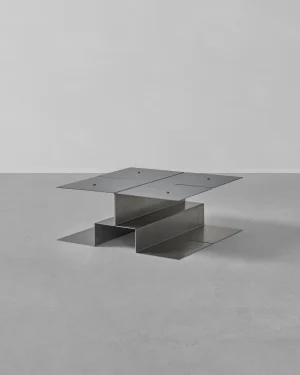
Folded Stainless Steel Table
By 304.cage
€4.000 -

J O H N | Chair | Stainless Steel
By N I S H
€1.250 - €1.500 This product has multiple variants. The options may be chosen on the product page -
 In stock
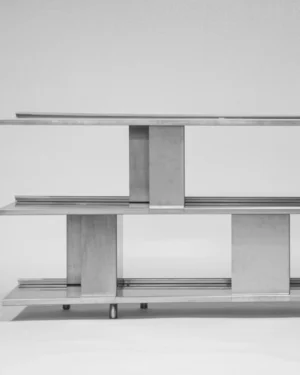
Diaframma – Armchair
By Metalmorphosis Studio
€1.450 -
 In stock
Forma Apta Shelving
By studiolehn
€1.592 -
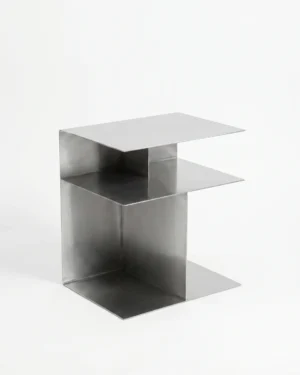
009 Side Table in Stainless Steel
By OFAA
€1.500 -
 In stock
Wrp-003 Stainless Steel / Cowhide Stool
By NAVE
€1.200
Stainless steel furniture on ADORNO comes from studios working in metalwork, welding and laser cutting, who treat the alloy as a structural material rather than a trim. These are tables, seating, consoles and shelving built from sheet, tube or bar stock, finished matte, brushed or polished. The result holds its line under weight and keeps that line for years without warping or splitting.
What defines stainless steel in furniture
Stainless steel resists rust because of the chromium in the alloy, which forms a thin oxide layer that renews itself when scratched. That makes it suited to pieces that see daily contact: table edges, chair frames, shelf brackets. Unlike raw steel, it does not need a painted or lacquered shell to survive humidity or handling.
The metal reads as cool and reflective when polished, and quieter, almost chalky, when given a matte or brushed finish. Studios choose the finish for the mood of a piece as much as for upkeep: brushed stainless hides fingerprints and fine scratches better than a mirror polish, while a mirror finish throws light and makes a slender frame look lighter than its actual mass.
The range found here
Within stainless steel furniture, the material is rarely alone. Some studios pair it with leather upholstery on seating, others set it against wood tops for tables, or leave it bare and welded into brutalist or neo-industrial frames. Color, where it appears, tends toward black, dark gray or off-white patination rather than bright hues, since the alloy carries its own tone.
- Styles: minimalist, brutalist, neo-industrial, contemporary, futuristic, art deco
- Companion materials: wood, leather, chrome, aluminum and other metals
- Techniques: welding, metalwork, laser cutting, patination, upholstery
- Editions: open editions, limited editions and unique pieces, depending on the studio
Anyone drawn to the material more broadly can see the full range across lighting and objects, not just furniture, through every stainless steel piece on ADORNO.
How to choose a piece
Scale matters more with stainless steel than with wood, because a reflective or brushed surface reads as larger than a matte wood equivalent of the same size. Measure the space with some care before choosing a console or dining table, and leave enough clearance around polished edges, which can look sharper than they are.
Standard seat and table heights apply as they would to any material, so check those numbers against existing furniture in the room rather than assuming the metal changes the proportions. Finish is the other variable: brushed and matte surfaces sit more quietly in a room with soft furnishings, while polished stainless asks for a setting with enough light to make the reflections worth having.
Where it works in the home
Stainless steel furniture suits rooms where surfaces get used hard: kitchens, dining areas, home offices, entryways. It also holds its own in a living room as a console, shelf or side table, especially alongside upholstery or wood, which soften the cooler tone of the metal. For anyone building a single material story across a space, pairing a stainless table with stainless steel seating keeps the finish consistent from floor to tabletop.
Care
Wipe stainless steel with a soft cloth and mild soap; avoid abrasive pads, which can scratch a polished surface permanently and dull a brushed one unevenly. Following the grain of a brushed finish when cleaning keeps the surface looking even. Fingerprints and water spots sit on top of the metal rather than in it, so they come off without any special treatment, which is part of why the material suits pieces built to last rather than replaced.
How do I choose stainless steel furniture?
Match the finish to the room: brushed surfaces hide fingerprints and scratches, polished ones show every mark but read sharper. Weight and gauge matter too; thicker steel holds its shape under daily use.
How do you clean and care for stainless steel furniture?
Wipe with a damp cloth and mild soap, then dry to avoid water spots. Avoid bleach or abrasive pads, which can dull the finish or cause pitting over time.
Does stainless steel furniture rust?
Stainless steel resists rust far better than plain steel because of its chromium content, but scratches or prolonged moisture can still allow surface corrosion. Keeping it dry and clean prevents most issues.
What size and height should stainless steel furniture be?
Standard heights apply as with any material: dining tables around 28 to 30 inches, side tables lower, consoles around 32 to 36 inches. Check each piece's listed dimensions, since steel framing can run slimmer than wood.
Which rooms suit stainless steel furniture?
Kitchens, bathrooms and outdoor-adjacent spaces benefit most, since steel handles humidity and heat well. It also anchors living rooms and studies where a harder, industrial edge is wanted.
What is ADORNO's shipping, returns and authenticity policy?
Shipping is insured and worldwide. Returns are accepted within 14 days, except on made-to-order pieces, and each piece arrives with a certificate of authenticity.