



-

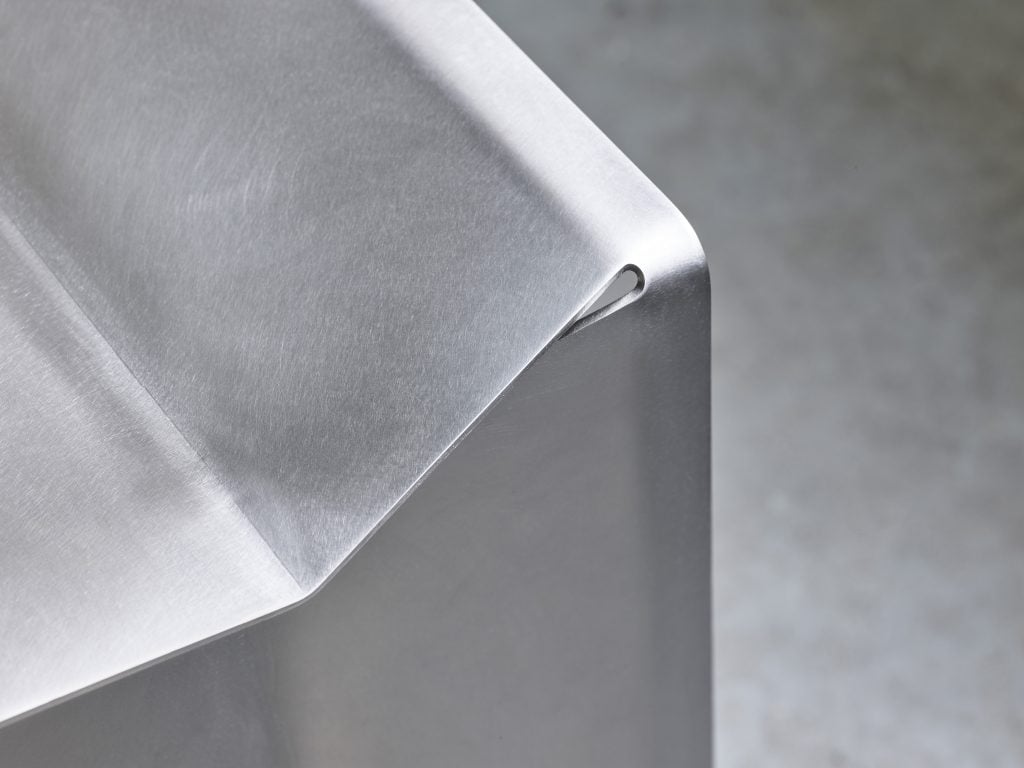
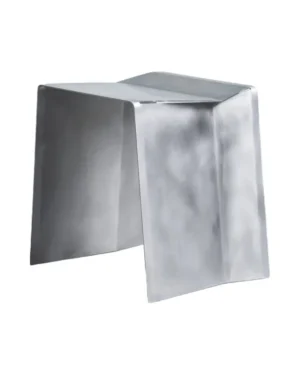
Camber – stainless Steel Stool
By Paul Coenen
€539 -

Contemporary Stool 02
By Six Dots Design
€360 -

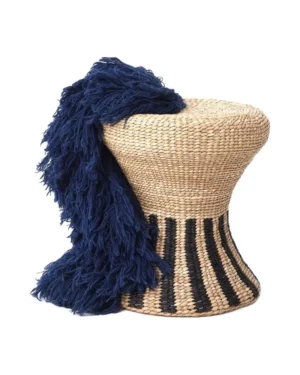
“Tori” Stool
By Ries Studio
€3.200 -
 In stock
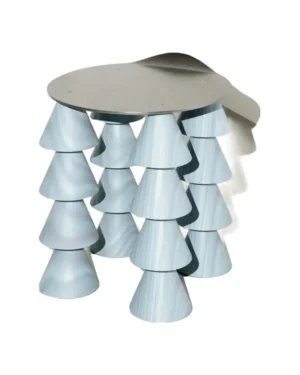
N1 Cena — Sky-blue Wood And Aluminum Stool
By DONÓ Design
€2.100 -

N2 Cena — Sky-blue Wood And Aluminum Stool
By DONÓ Design
€2.600 -
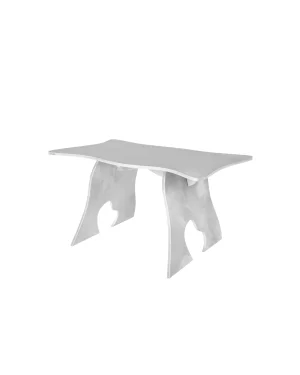
Aluminum Step Stool
By Six Dots Design
€205 -
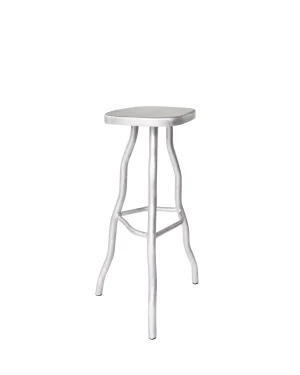
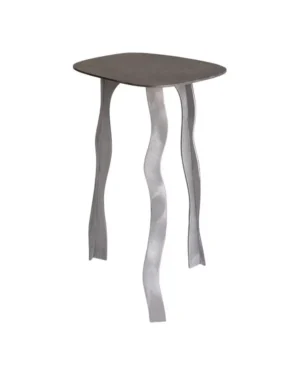
Aluminum Squiggle Bar Stool
By Six Dots Design
€595 -
 In stock
Pressure Stool in Aluminum
By TIM TEVEN
€484 -

Broken Wing Stool
By Obscure Objects
€290 -

Bd15 Stool
By EQUILIBRI-FURNITURE
€300 -

S001-10.2 Aluminum Stool
By NAVE
€500 -
 In stock
New Shoes Stool
By Studio Ebba Lindgren
€700 -
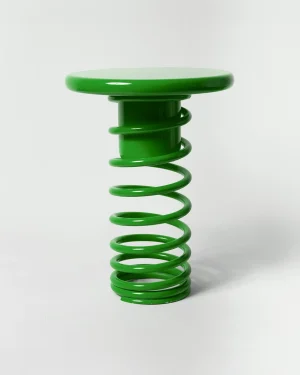
Twist Stool
By Yet Design Studio
€1.200 This product has multiple variants. The options may be chosen on the product page -
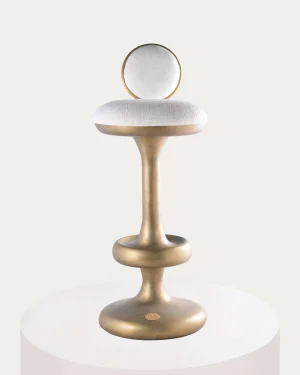
Atom Barstool
By Nama Home
€3.300 -
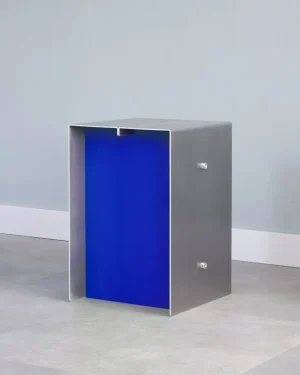
Core Aluminum Side Table / Stool
By Lisanne Meester
€399 This product has multiple variants. The options may be chosen on the product page -

Tronco Pouf
By Nitush and Aroosh
€950 -

Cork X | Chair 01 – Cork / Metal Stool
By Robert Megel
€699 -

L4 Stool – Aluminum / Rope
By Lucas Cambier
€1.500 -

Trama – Stool in Cast Aluminum
By Joana Teixeira
€1.680 - €1.980 This product has multiple variants. The options may be chosen on the product page -

Cassette – Upholstered Bar Chair
By Alter Ego Studio
€2.880 -
 In stock
Wrp-003 Stainless Steel / Cowhide Stool
By NAVE
€1.200 -
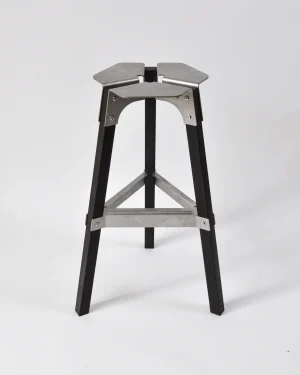
Trinity300 High Stool – Matte Stainless Steel & Ebonized Oak Wood
By MLK Furniture
€1.290 -
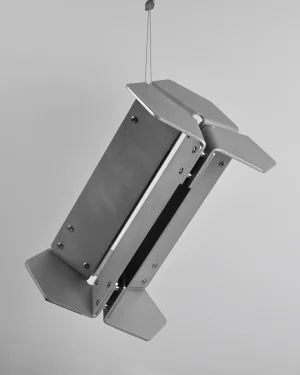
Trilateral 310 Stool – Matte Aluminium
By MLK Furniture
€550 -

St-003 Stainless Steel Counter Stool
By NAVE
€450 -

Column No.1 – Low Stool
By Haritini Gritzali
€1.700 -
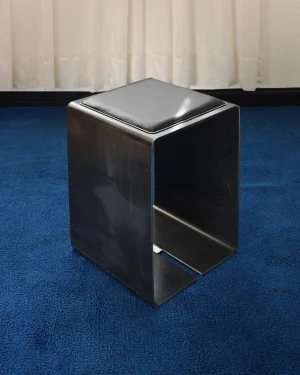
S001-10 Raw Steel Stool
By NAVE
€450 -
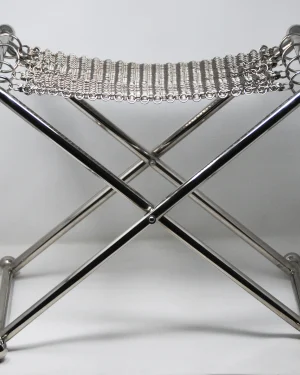
Chainmail Camping Stool
By Panorammma Atelier
€1.990 -

Fret Silver Steel Metal & Brown Genuine Leather Stool
By Triqis
€840 -
 In stock
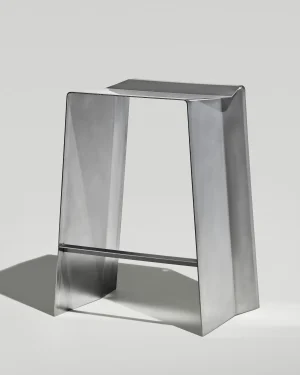
Camber – Bar Stool
By Paul Coenen
€685 -
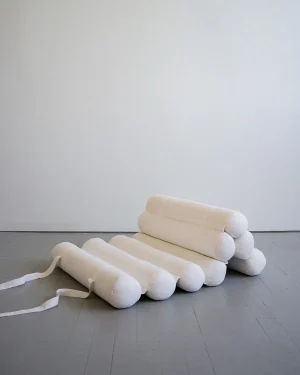 In stock
Camille – Versatile Pouf
By Atelier Alz
€1.000 -
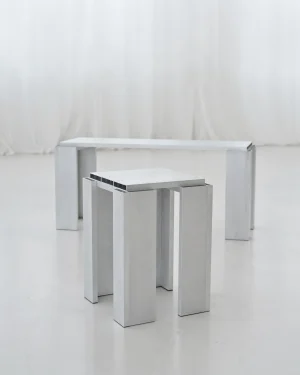
Al01 Aluminum Stool
By NOSTUDIO
€750 -
 In stock
Eclipse Upholstered Stool With Metal Base
By Toro Manifesto
€1.620 -
 In stock
Cowgirl Oxidized Bar Stool
By Toro Manifesto
€3.505 -
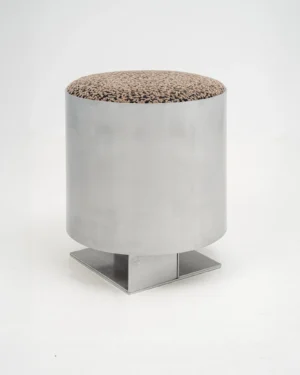
Strut Aluminum Handcrafted Pouf With Fabric Seating
By Yet Design Studio
€1.250 This product has multiple variants. The options may be chosen on the product page -
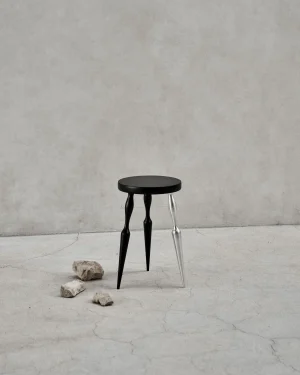 In stock
One Silver Legged Stool – Black / White
By Undress House
€800 This product has multiple variants. The options may be chosen on the product page -
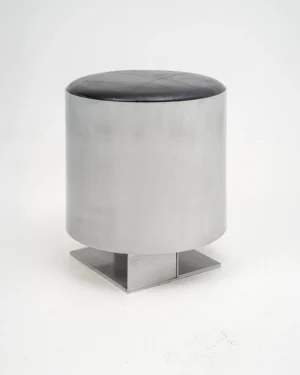
Strut Aluminum Handcrafted Pouf With Genuine Leather Seating
By Yet Design Studio
€1.250 This product has multiple variants. The options may be chosen on the product page -
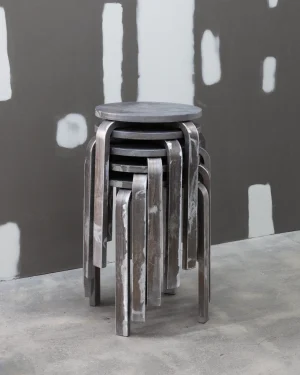
Stackable Stool 2 – Ikea-inspired Aluminum Stool
By PRACTICE
€644 -
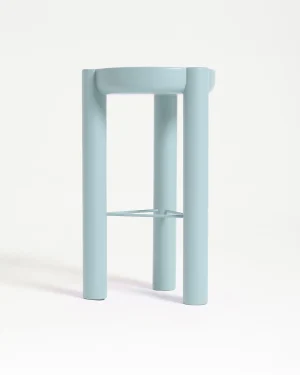
Pillar Bar Stool 3 Legged Wood
By Yet Design Studio
€830 This product has multiple variants. The options may be chosen on the product page -

Slide Stool / Chair
By Ziroru Studio
€1.360 -
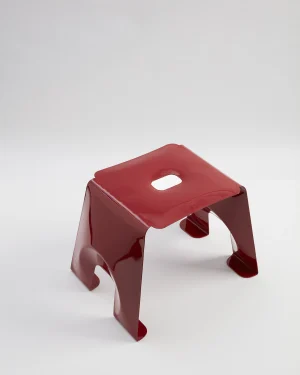 In stock
A Stool – Metal Inflated Stool
By Jaclyn Pappalardo
€1.300 - €1.700 This product has multiple variants. The options may be chosen on the product page -
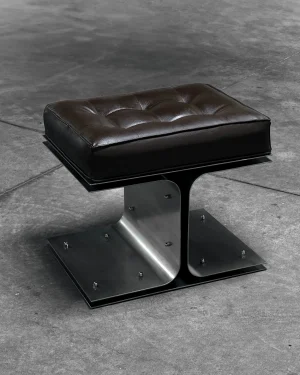 In stock
Wrp-001 Stainless Steel And Vegan Leather Ottoman / Stool
By NAVE
€1.990 -
 In stock
Martin & Me Bar Stool By Regina Merino
By Toro Manifesto
€1.175 -
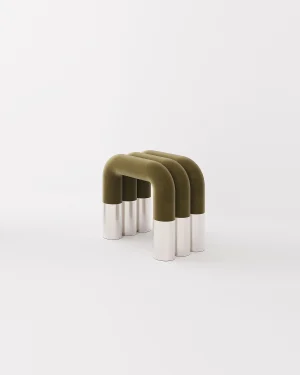
Amadeo
By Joana Teixeira
€1.950 -
 In stock
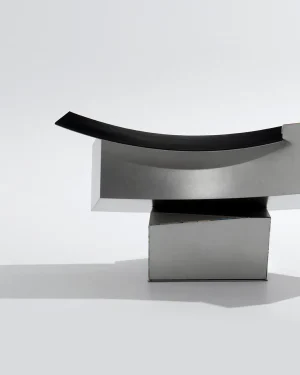
Objects Of Function No.2403 – Stainless Steel Stool
By Park Eunchong Studio
€3.300 -
 In stock
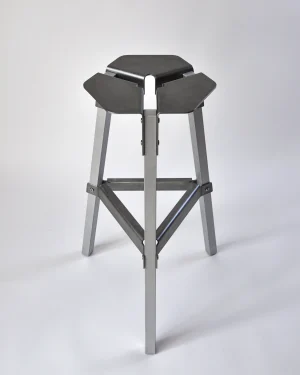
Trinity300 High Stool – Matte Stainless Steel & Aluminium
By MLK Furniture
€1.390 -
 In stock
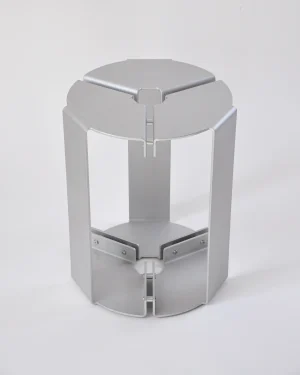
Rln 350 Stool – Matte Aluminium
By MLK Furniture
€550 -
 In stock
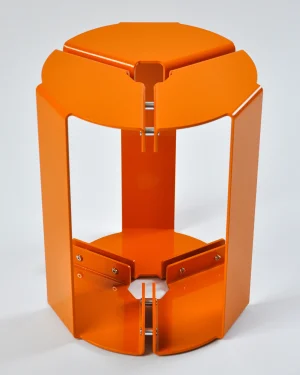
Rln 350 Stool – Orange Powder Coated
By MLK Furniture
€550 -
 In stock
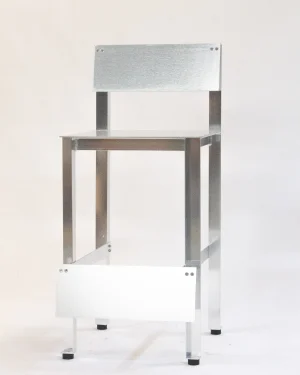
Bd15 Stool
By EQUILIBRI-FURNITURE
€300 -
 In stock
Canto – Tall Aluminum Stool
By Luiz Solano
€1.000 -
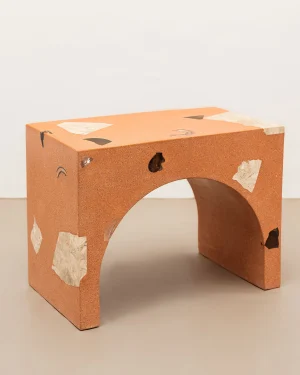
Terrazzo Stool Nu
By Assimply Studio
€1.050 -
 In stock
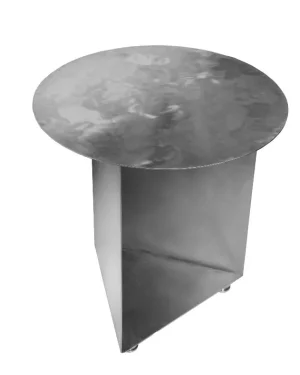
Cloud – Stainless Steel Stool / Bookcase
By M’ama edizioni
€600 -
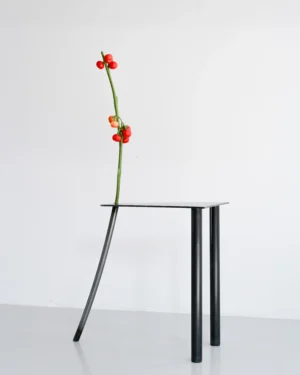
Vase Stool
By seamlessnote
€476 -
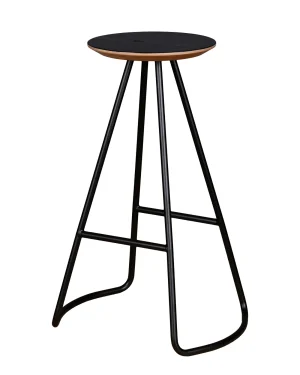
Sama – Contemporary Bar Stool
By Studio Kali
€640 This product has multiple variants. The options may be chosen on the product page -
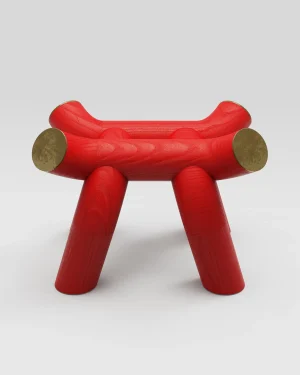
Torii Stool
By Ultramar Studio
€3.290 This product has multiple variants. The options may be chosen on the product page
Metal stools gather every seat on ADORNO built from aluminum, steel or stainless steel, made by studios that weld, cut and finish sheet and bar into seating that holds its shape under daily use. The material defines the look: hard edges, visible joints, a surface that can be left raw, polished or sent through a powder coat booth. Because the frame carries the weight rather than hiding it, these stools read as structure first and seat second.
What metal brings to a stool
Steel and aluminum let a stool hold a slim profile without losing stability, so legs can run thin and a seat can cantilever further than wood or MDF would allow. Welding joins frame and seat into one continuous form, which is why many metal stools look like a single gesture rather than an assembly of parts. Laser cutting lets a maker open up a seat or footrest with pattern or perforation without thickening the material, a detail that would be harder to achieve in a solid plank.
Finishes and colors to expect
Raw steel left unsealed will darken and spot with handling; most studios prevent this with a powder coat, which also carries color into black, silver, off-white, cherry red, yellow or gold without masking the weld lines underneath. Stainless steel is usually left bare, since its own surface resists rust and takes a brushed or mirrored finish well. A smaller number of pieces mix metal with leather or upholstered pads on the seat, softening what is otherwise a hard, cool surface to sit on.
Styles and editions on ADORNO
Within metal stools, the range runs from neo-industrial frames that keep bolts and welds visible, to brutalist stances built from thick, blunt sections, to pared-back stools that reduce the form to a seat and three or four legs, to futuristic and radical shapes that bend sheet metal into a single curve. Most are produced as open editions, with limited editions and occasional unique pieces appearing where a studio works a finish or a cut by hand. For other approaches to the same room, the wider range of stools covers every material side by side, and every metal piece on ADORNO brings the material across lighting, tables and smaller objects as well as seating.
Choosing a metal stool
Match height to the counter or island it will sit at: a standard counter calls for a lower seat than a bar ledge, and a kitchen island somewhere between the two. Check the footprint against the space around it, since a cantilevered or wide-based metal frame can need more clearance than its seat size suggests. Consider how the surface will feel against bare skin or fabric, since an unfinished metal seat stays cool and hard in a way a padded or wood-topped one does not.
- Powder-coated steel for color and daily wear in a kitchen or bar
- Brushed or polished stainless steel where a surface needs to resist moisture
- A leather or upholstered pad where comfort matters as much as form
Where they sit and how to keep them
Metal stools suit kitchens, bars and counters where they take knocks and spills, but a slimmer welded frame also holds its own as extra seating in a living room or at a narrow console. For a softer counterpoint in the same spaces, stools for living rooms and other metal furniture across tables, shelving and lighting show how the material carries through a room beyond the seat itself. Pieces that lean heavier and more sculptural sit well as pieces with a heavier, brutalist stance, while stools in wood remain the alternative where warmth matters more than edge. Wipe painted or coated surfaces with a dry or slightly damp cloth; avoid abrasive cleaners on powder coat, and dry stainless steel after contact with water to keep it free of spotting.
How do I choose a metal stool?
Match the finish to the room's hardware and fixtures, then check the seat height against your counter or bar. Welded steel and aluminum frames suit daily use; powder-coated finishes resist scuffs in busy kitchens.
How do I clean and care for a metal stool?
Wipe with a soft, damp cloth and dry fully to prevent water spots. Avoid abrasive cleaners on powder-coated or polished surfaces, and check screws or joints periodically if the stool sees daily use.
What height stool do I need for my counter or bar?
Standard counters take a seat height around 24 to 26 inches, bars around 28 to 30 inches. Leave about 10 to 12 inches between the seat and the counter's underside for knee room.
Which rooms suit metal stools?
Kitchens, home bars and islands benefit most, since metal resists moisture, heat and daily knocks better than upholstered or wood seating. They also work as extra seating in studios, workshops or industrial-style living spaces.
Can I get a metal stool custom made?
Some studios take custom requests on finish, height or color. Open the piece's page and use Chat with the maker to ask directly.
What are ADORNO's shipping and return policies?
Shipping is insured and worldwide. Returns are accepted within 14 days, except on made-to-order pieces. Every piece ships with a certificate of authenticity, and ADORNO offers a lowest-price guarantee.